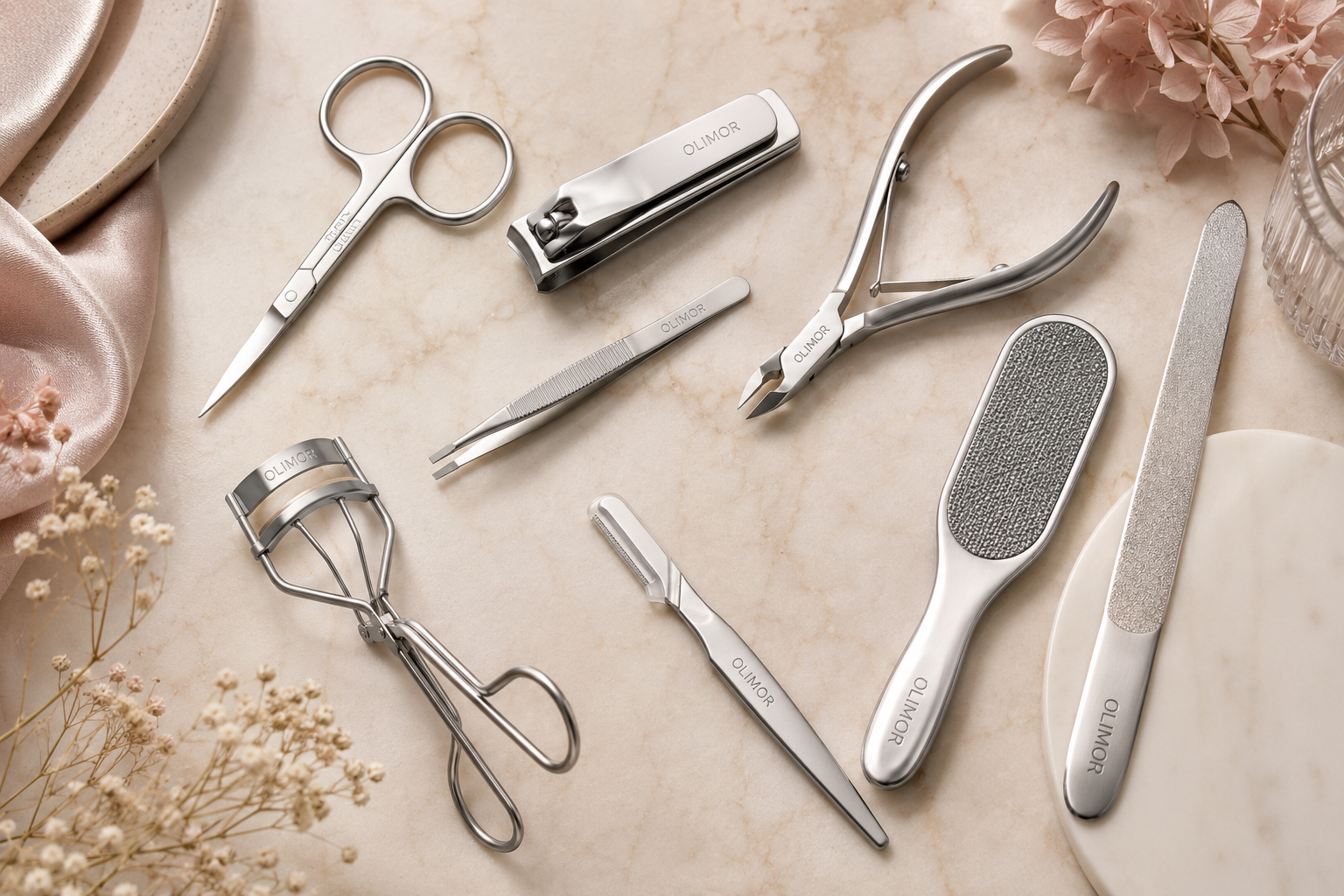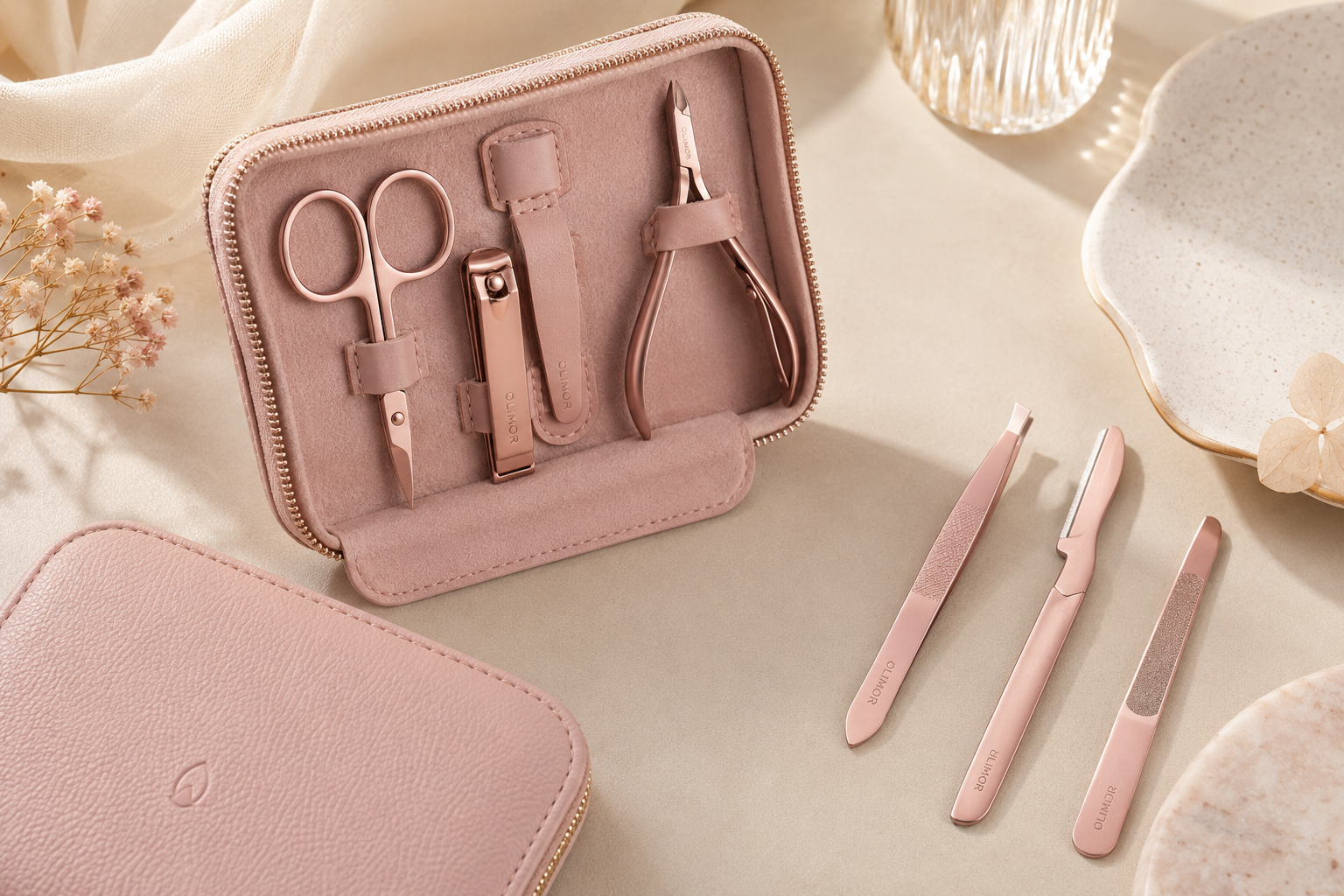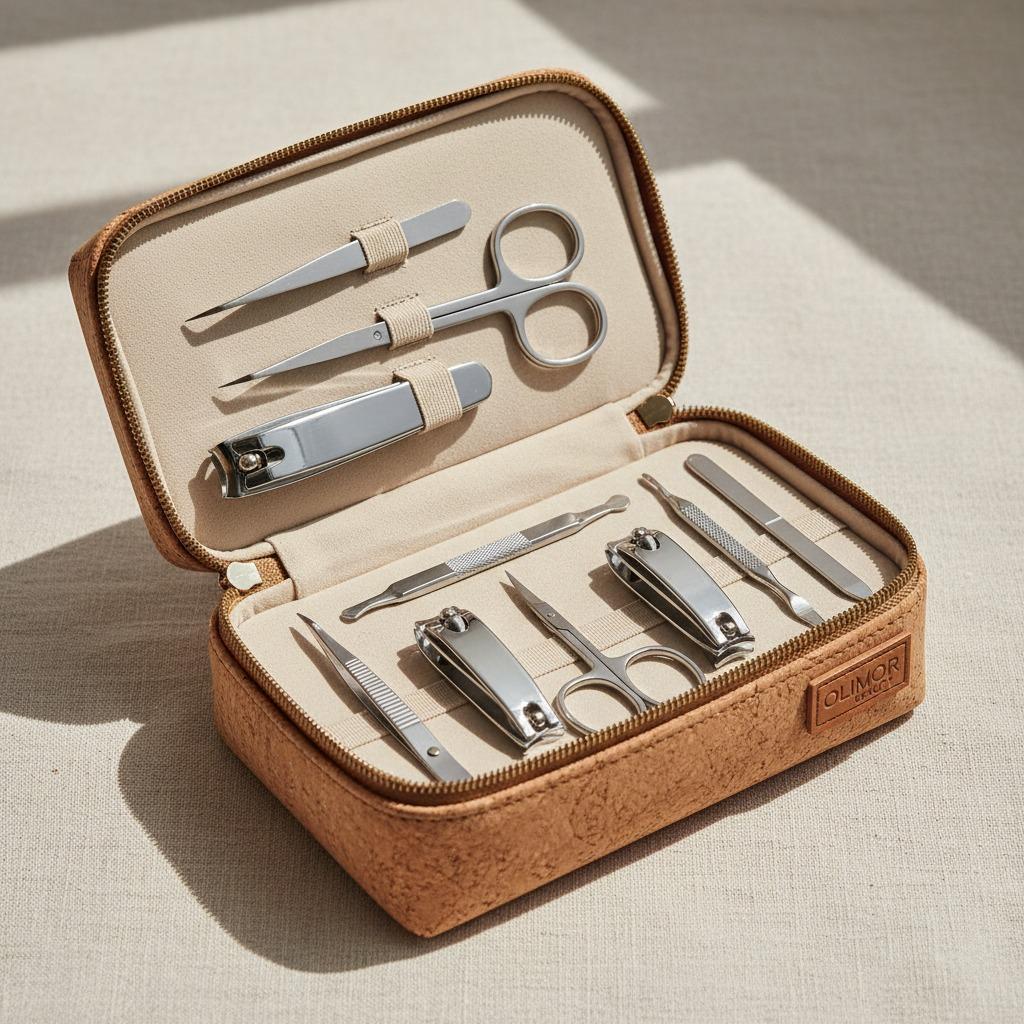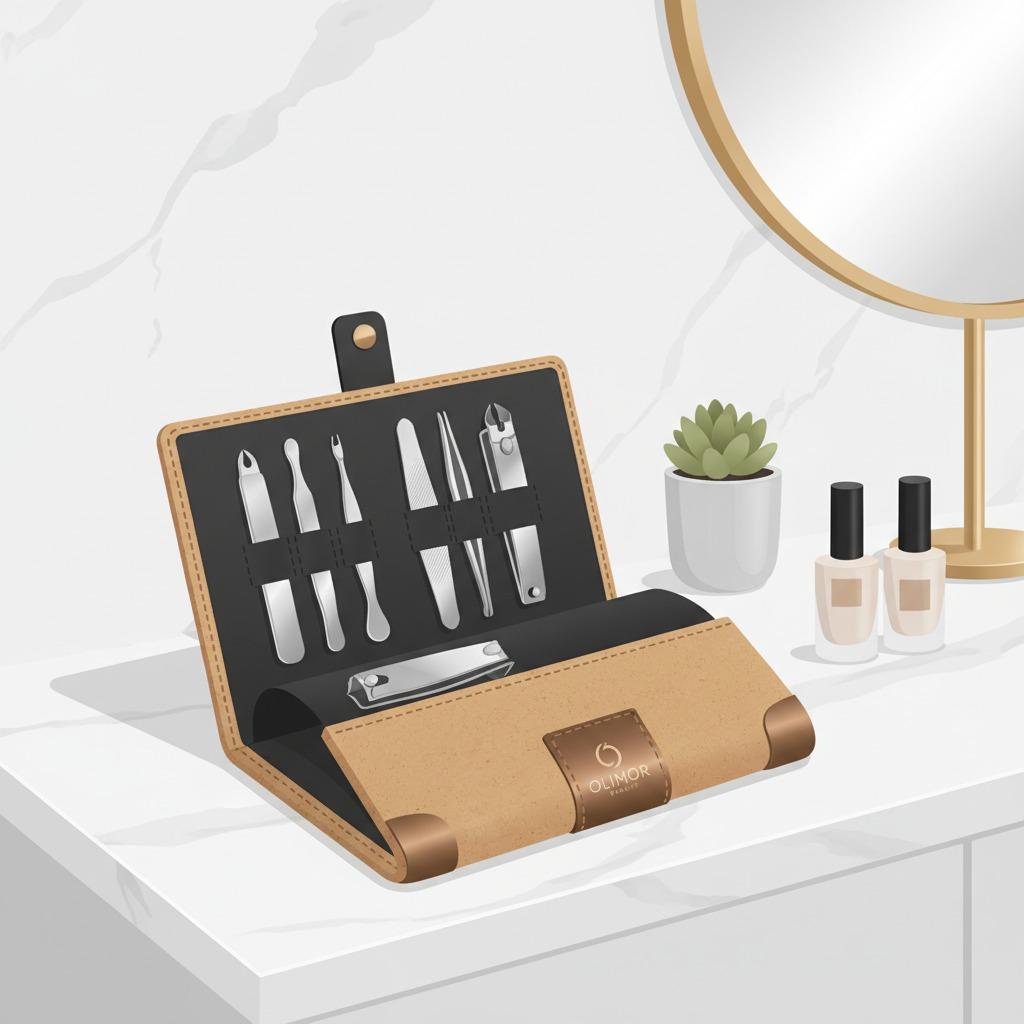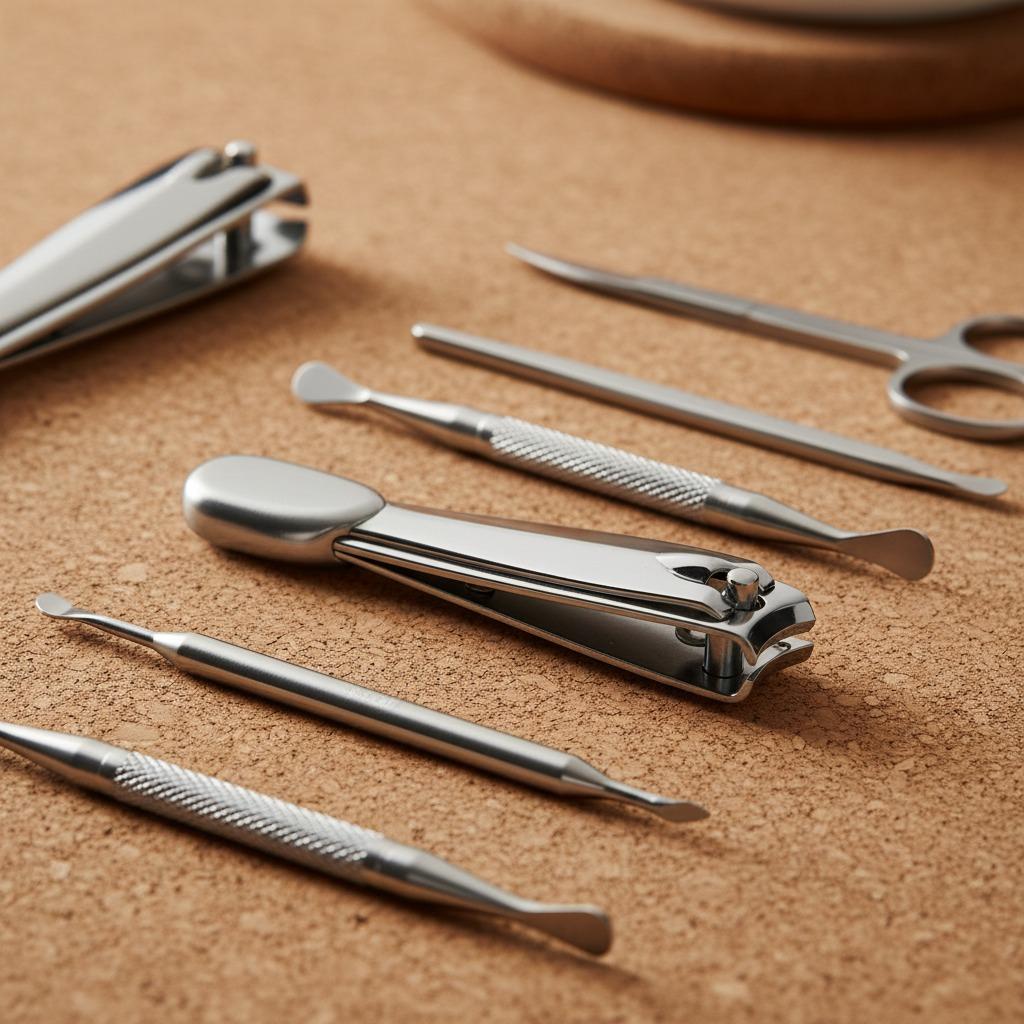











Nail clippers look simple, but small differences in design can change the trimming experience, tool life and finished nail edge. For salons, beauty retailers, travel grooming kits and home care assortments, choosing between professional and consumer nail clippers is not only a question of size or price. It is a question of cutting leverage, hand comfort, durability, hygiene management and how consistently the tool works across different nail types.
Olimor Beauty focuses on stainless steel nail clippers designed for practical grooming needs, including ergonomic handling and reliable trimming performance. This guide explains how professional and consumer nail clippers differ, where each type fits best, and what purchasing teams should review before adding clippers to a product line. If you are comparing several beauty tool categories at the same time, you can also browse Olimor beauty tool products for a broader view of available grooming solutions.
What Separates Professional Nail Clippers from Consumer Clippers?
The main difference is not that one type is always better than the other. Professional nail clippers are typically chosen for repeated use, steadier cutting control and stronger performance on varied nail conditions. Consumer nail clippers are usually selected for personal grooming, portability, everyday convenience and accessible retail presentation.
A salon may need clippers that remain comfortable after many trims in a day. A retail buyer may need a compact and easy-to-understand clipper for shoppers who want a clean, simple home manicure. A hotel amenity kit may prioritize a neat size and safe handling. A podiatry-adjacent grooming set may focus more heavily on leverage for thicker nails, though buyers should be careful not to position general beauty tools as medical devices unless supported by the appropriate product scope and compliance.
The best choice depends on the use case. A professional-style clipper can be useful at home for people who want a more controlled trim. A consumer clipper can be appropriate in a salon retail display if it is well-made, easy to clean and matched to the intended user. The evaluation should start with the nail type, frequency of use and hygiene expectations.
Cutting Performance: Blade Alignment, Leverage and Nail Type
A good nail clipper should cut cleanly without forcing the user to squeeze excessively or make repeated cuts over the same edge. Clean trimming reduces the need for heavy filing and helps avoid tearing or splitting caused by dull or poorly aligned jaws. For buyers, the most important points to compare are the jaw shape, cutting edge alignment and lever feel.
Thick nails usually require more leverage and a strong cutting action. Smaller consumer clippers may work well for thinner fingernails but feel underpowered on hard toenails. Wider jaws can help cover more nail area, but they must still meet accurately at the cutting edge. A clipper with a broad opening but weak alignment can feel impressive at first and still deliver uneven results.
When comparing samples, test the clipper through practical grooming motions rather than judging it only by appearance. The lever should press smoothly, the cutting edges should meet evenly, and the tool should not twist sideways in the hand. Chrome nail clippers may offer a sleek finish and rust-resistant qualities, while stainless steel remains a practical material choice for grooming tools because it supports durability and ease of cleaning when properly maintained.
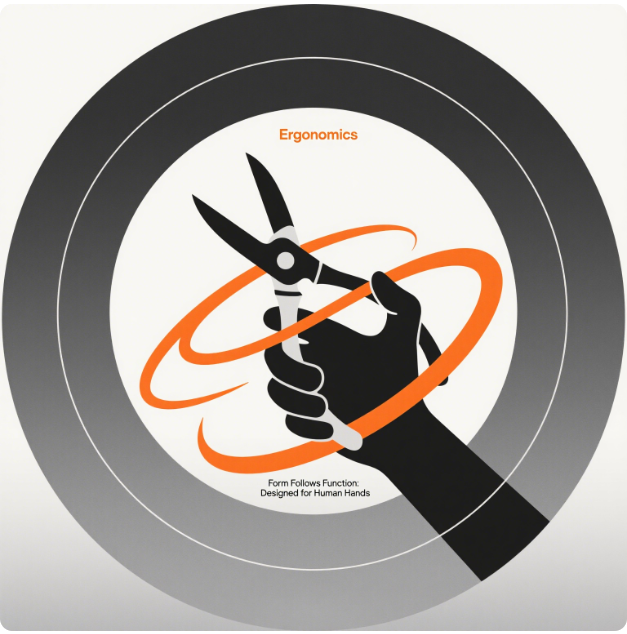
Ergonomics Matter More Than Many Buyers Expect
Ergonomic nail clippers are designed to reduce hand strain and improve control during trimming. This is especially important for professionals, older users, buyers building family grooming kits and anyone who trims nails frequently. A comfortable grip also helps the user maintain the correct angle, which can make the final nail edge neater.
Ergonomics should be assessed in several ways. First, look at the lever length. A longer lever can improve leverage, but it should not feel unstable. Second, check the surface texture. A polished tool may look clean and premium, but if the contact area is too slippery, control can suffer. Third, consider the shape of the base and the way the clipper sits between the fingers. A tool that feels secure allows slower, more precise trimming around corners.
For salons, a comfortable clipper can reduce fatigue during repetitive service tasks. For consumer retail, comfort helps reduce buyer dissatisfaction because the tool feels intuitive from the first use. If the product is intended for thick nails, toenails or users with reduced grip strength, ergonomic evaluation becomes even more important.
Professional vs Consumer Nail Clippers at a Glance
The table below summarizes the typical comparison points purchasing teams can use. These are practical evaluation categories rather than fixed rules, because individual designs can vary.
| Comparison Point | Professional Use Priority | Consumer Use Priority |
|---|---|---|
| Cutting strength | Consistent trimming across frequent use and varied nail thickness | Reliable performance for routine fingernail or toenail care |
| Ergonomics | Comfort for repeated handling and precise control | Easy grip, simple operation and safe-feeling leverage |
| Material choice | Durable stainless steel construction is commonly preferred | Stainless steel or chrome-finished options may suit retail demand |
| Hygiene | Easy cleaning between users and smooth surfaces that reduce residue buildup | Basic cleaning after use and dry storage for longer tool life |
| Packaging role | May be part of a salon tool kit or professional grooming set | Often sold as a single tool, travel item or home grooming accessory |
How to Evaluate Nail Clippers Before Bulk Sourcing
For brands, distributors and private-label buyers, nail clipper sourcing should go beyond a quick visual approval. Even a basic grooming tool should be checked for consistency, finish quality and ease of use. Olimor Beauty’s nail clippers are described as going through steps from raw material processing to final inspection, and buyers should use a structured review process to confirm that the chosen design fits the intended market.
- Define the user first: Decide whether the clipper is for salons, home manicure kits, men’s grooming, travel sets, thick nails or general retail.
- Check jaw alignment: The cutting edges should meet evenly without obvious gaps or offset points.
- Test leverage: The lever should cut with controlled pressure, not excessive force.
- Review edge finish: Look for smooth machining and avoid rough areas that could catch skin or feel uncomfortable.
- Assess grip comfort: Test the tool with dry hands and after applying hand cream, because real users do not always handle tools in ideal conditions.
- Consider nail type range: A fingernail clipper, toenail clipper and thick-nail clipper may need different jaw sizes and lever designs.
- Plan packaging honestly: Do not market a compact consumer clipper as a heavy-duty professional tool if the design is better suited for light home use.
If you are building a coordinated grooming range, Olimor product collections can help you think about how nail clippers fit alongside other beauty tools in a complete assortment.
Maintenance and Hygiene for Longer Tool Life
Even well-made nail clippers need proper care. Nail residue and moisture can collect around the jaws and lever joint, affecting both hygiene and cutting feel. For home users, wiping the clipper after each use and storing it in a dry place is a simple habit that helps maintain performance. For professional environments, cleaning procedures should match local hygiene rules and the salon’s internal tool handling standards.
Buyers should also consider how easy the clipper is to clean. Smooth surfaces, accessible jaw areas and a finish that does not trap debris are practical advantages. Stainless steel and chrome-finished tools should still be kept dry after cleaning. Rust-resistant does not mean the tool should be stored wet or exposed to harsh chemicals without considering material compatibility.
- Remove nail debris after trimming.
- Wipe the cutting area with a clean cloth.
- Allow the tool to dry fully before storage.
- Store clippers away from damp bathroom surfaces when possible.
- Replace tools if cutting edges become dull, misaligned or damaged.
Choosing the Right Clipper for Your Sales Channel
A salon buyer may prioritize professional feel, durability and easy cleaning. A consumer retail buyer may prioritize understandable product benefits, comfort, attractive finish and a size that fits common grooming routines. An e-commerce seller may need clear product positioning so shoppers can quickly tell whether the clipper is best for fingernails, toenails, thick nails or everyday use.
For a premium home grooming set, an ergonomic stainless steel clipper can support a more durable product story without exaggerating claims. For a travel kit, compact size and secure handling may matter more than heavy-duty leverage. For a thick-nail focused product, the design should be evaluated carefully for cutting strength and user control.
When sourcing, avoid relying only on broad claims such as “salon quality.” Instead, connect the claim to visible, testable details: smooth lever action, comfortable grip, durable material, clean cutting performance and quality inspection. This gives distributors and retailers stronger product information and helps end users choose confidently.
Final Buying Takeaway
The right nail clipper is the one that matches the user’s nails, hand comfort needs and grooming frequency. Professional nail clippers should support repeated use, precise handling and reliable cutting. Consumer nail clippers should be easy to use, comfortable to hold and durable enough for routine care. Stainless steel construction, ergonomic design and careful quality control are meaningful advantages when they are matched to the correct application.
For buyers comparing nail clippers for salon supply, retail packaging or private-label beauty tool programs, review samples with real trimming scenarios and a clear checklist. To discuss nail clipper options or broader beauty tool sourcing needs, contact Olimor or send an inquiry.