










Private label nail clippers are small products, but they carry a large amount of brand responsibility. A customer may use a clipper every week, keep it in a bathroom drawer for years, or pack it in a travel kit. If it cuts cleanly, feels secure in the hand, and stays reliable, it quietly reinforces trust in your brand. If it tears the nail, slips, rusts quickly, or arrives in weak packaging, the customer remembers that too.
For beauty retailers, salon suppliers, gift set developers, and personal care brands, the goal is not simply to add another grooming tool to a catalog. The goal is to select a nail clipper that matches the price point, use case, packaging style, and quality expectations of your audience. Olimor Beauty offers beauty tools for brands that want practical sourcing options, and nail clippers can be reviewed alongside other beauty tool products when building a complete grooming assortment.
Start With the User and the Retail Position
Before comparing finishes or packaging, define who will use the clipper and where it will be sold. A compact clipper for a travel amenity kit has different priorities from a larger clipper intended for home grooming. A salon retail display may need a more refined presentation, while an e-commerce bundle needs packaging that photographs well and survives shipping.
Useful positioning questions include:
- Daily personal use: Should the clipper feel sturdy enough for regular trimming and easy storage?
- Travel or gift sets: Is a compact size, protective sleeve, or lightweight packaging more important?
- Salon or spa resale: Does the product need a clean, professional look that fits other tools in the range?
- Value retail: Is the main requirement consistent function at a competitive product tier?
- Premium beauty kits: Does the clipper need to coordinate with tweezers, scissors, files, or other grooming accessories?
Clear positioning prevents over-specifying features that customers may not value, while also avoiding a product that feels too basic for the brand promise.
Cutting Performance Depends on More Than Sharpness
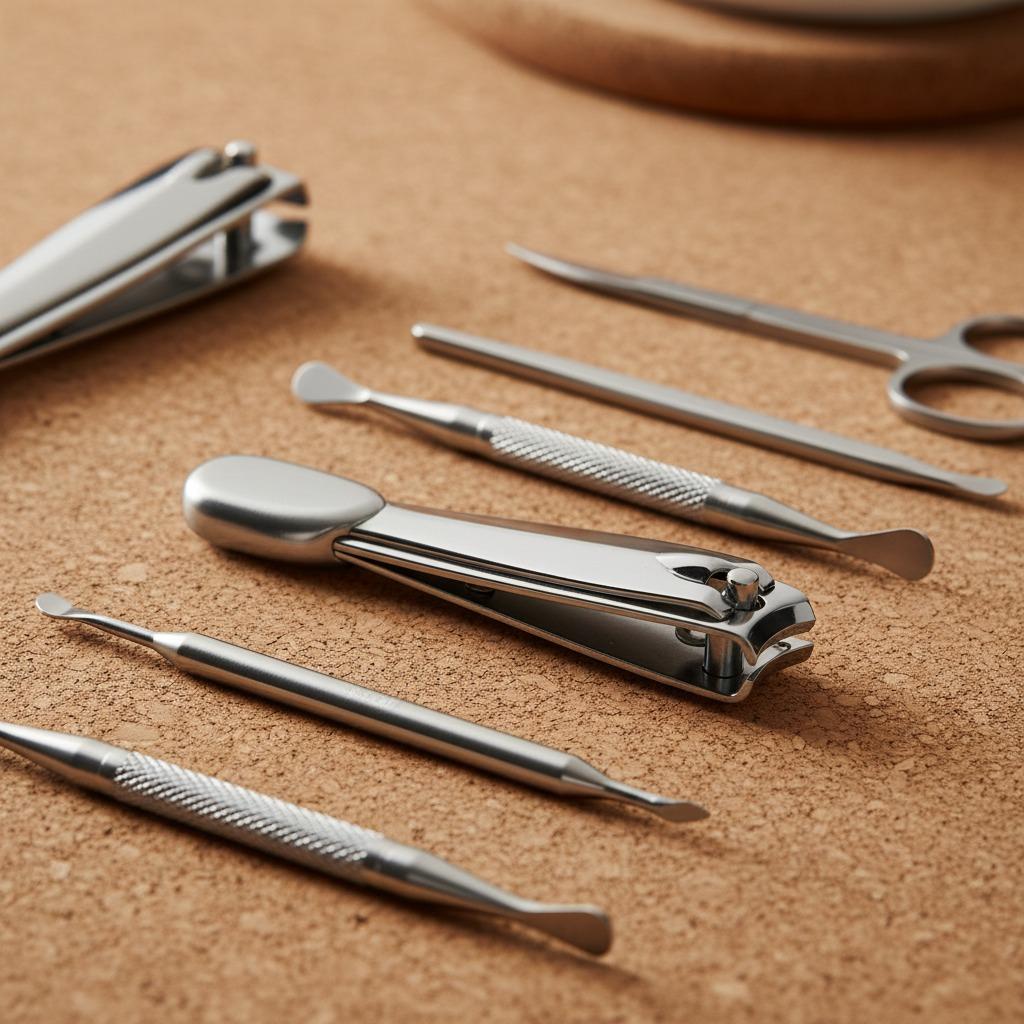
A nail clipper should produce a controlled cut with minimal force. Sharp blades matter, but performance also comes from the alignment of the cutting edges, the strength of the lever, and the way components are formed. The original product focus highlights stamping force as a key manufacturing consideration. In practical sourcing terms, this means the metal parts should be formed with enough consistency to help the upper and lower cutting edges meet correctly.
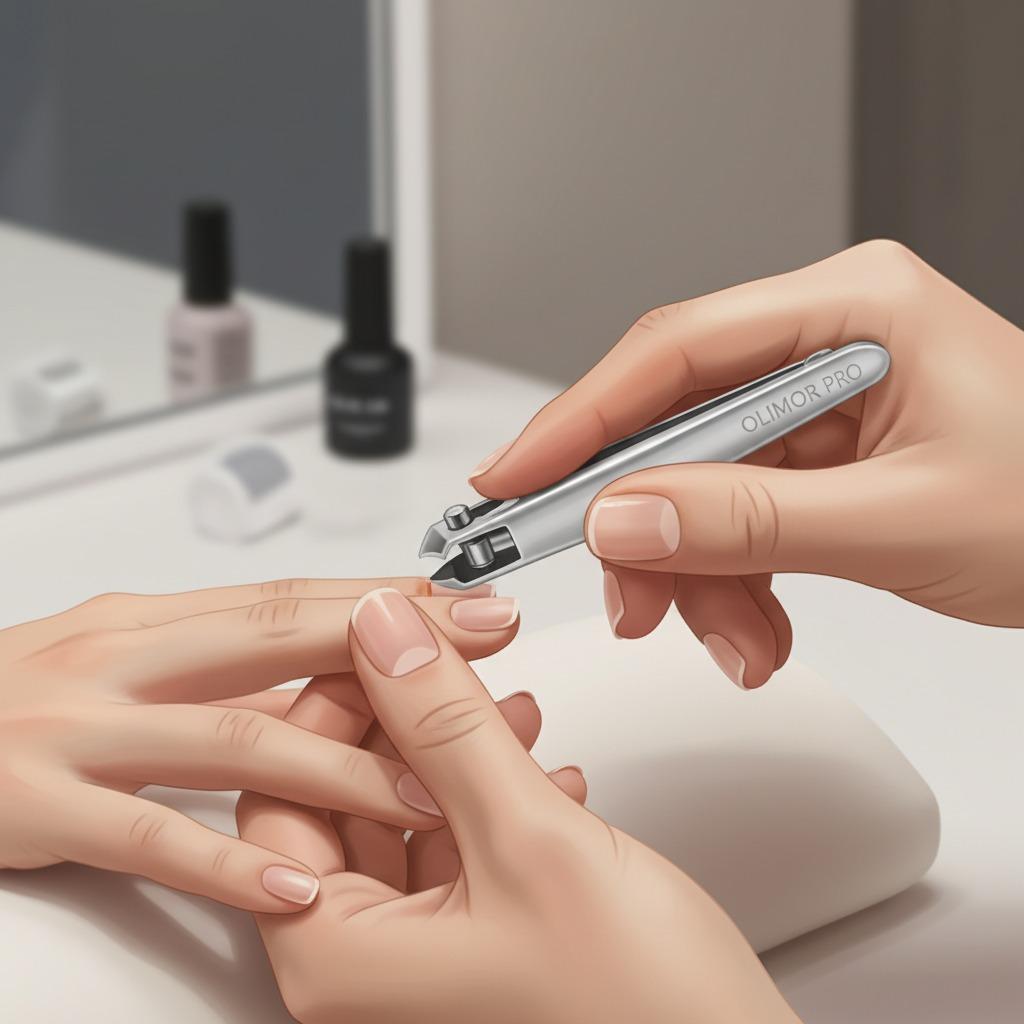
When evaluating samples, do not judge only by appearance. Test several units from the same sample batch. A good clipper should open and close smoothly, cut through the nail without crushing, and avoid sideways movement at the jaw. If the clipper feels loose, requires excessive pressure, or leaves ragged edges, those issues can lead to customer dissatisfaction even if the surface finish looks attractive.
For brand owners comparing private label nail clippers, sample review should include:
- Check whether the jaws meet evenly from left to right.
- Test the lever action for smooth movement and comfortable resistance.
- Trim nails of different thicknesses when possible, while keeping hygiene and safety in mind.
- Inspect the cut edge of the nail for tearing or splitting.
- Open and close the clipper repeatedly to detect looseness or friction.
Blade Longevity and Edge Retention Should Guide Supplier Discussions
The supplied product information emphasizes blade longevity and edge retention, both important for repeat use. Customers rarely use a nail clipper only once. They expect it to remain useful over time, so the blade edge must resist premature dulling. Olimor Beauty describes the clippers as crafted from high-grade stainless steel, which is relevant because nail tools are often exposed to humid bathrooms, hand oils, and occasional cleaning.
However, buyers should still evaluate durability through practical questions and sample checks rather than relying only on material language. Ask how the cutting edge is formed, what inspections are used before packing, and whether the supplier can keep the same quality standard across repeat orders. The aim is consistency: the first shipment and the reorder should feel like the same product.
A structured review can help your team compare options:
| Quality Point | What to Look For | Why It Matters |
|---|---|---|
| Jaw alignment | Upper and lower edges meet evenly | Reduces nail tearing and uneven trimming |
| Lever stability | No excessive wobble during cutting | Improves control and user confidence |
| Edge condition | Clean cutting edge without visible burrs | Supports smoother trimming from first use |
| Surface finish | Uniform appearance without rough spots | Affects perceived quality and comfort |
| Packaging fit | Clipper is secured and protected | Helps prevent damage during transport and display |
Private Label Details: Logo, Finish, and Packaging Choices
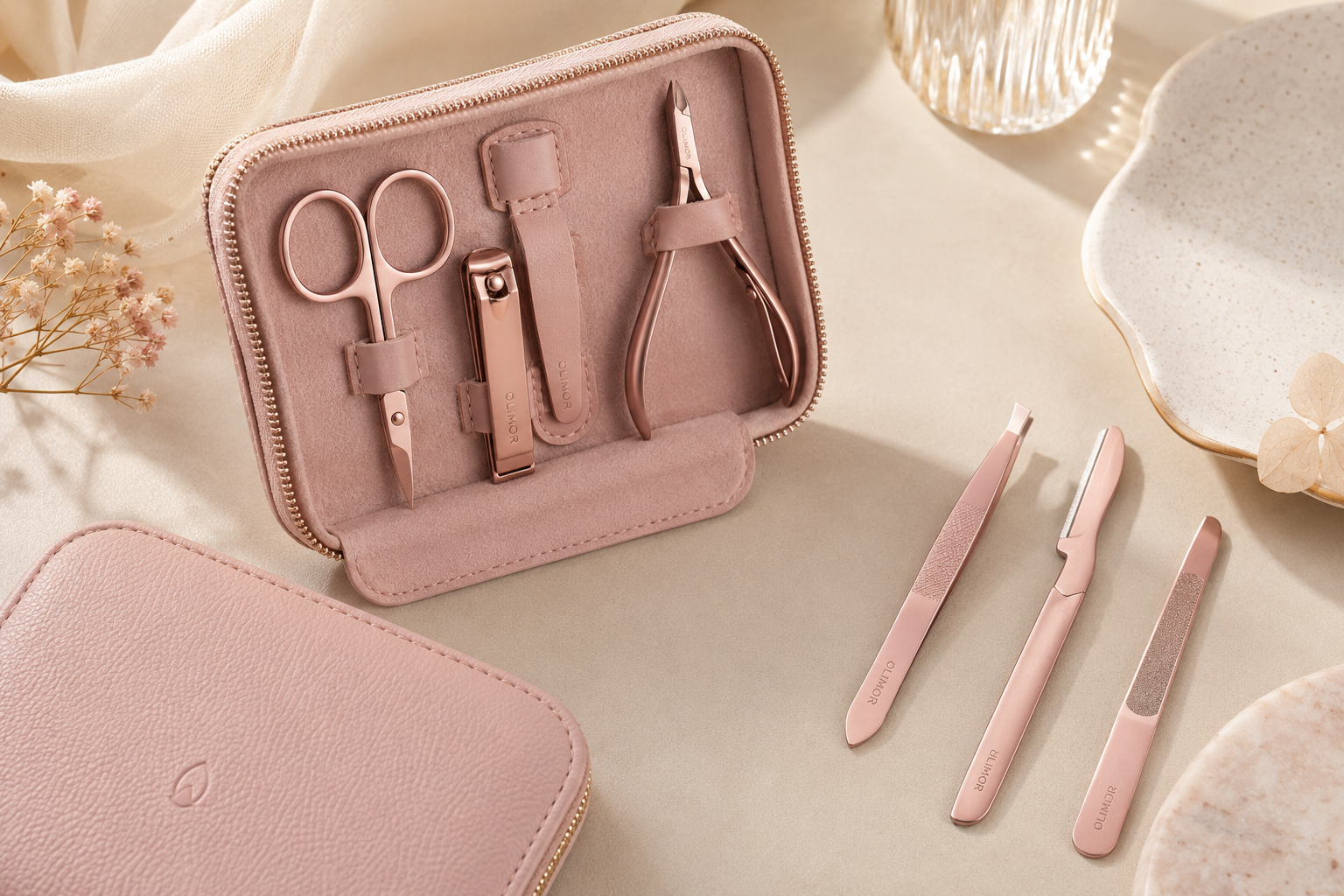
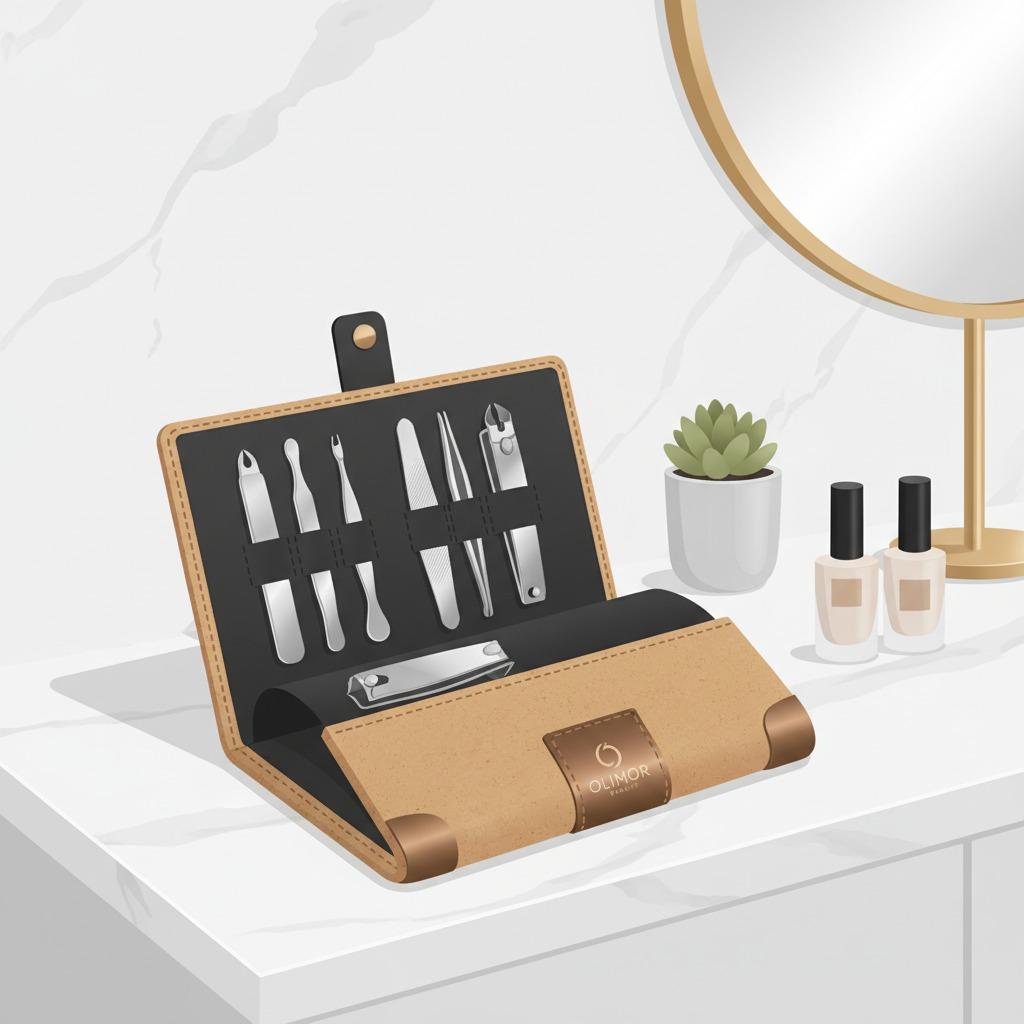
Private label success depends on how well the tool fits the rest of your range. The clipper may be sold as a standalone item, placed in a manicure kit, or included in a broader personal care collection. A minimalist brand may prefer a restrained appearance and simple packaging, while a gift-oriented brand may need a more decorative presentation.
Because product specifications can vary by project, it is best to prepare a concise brand brief before requesting development support. Include your target customer, sales channel, desired packaging format, approximate retail positioning, and any required compliance or labeling needs for your market. This allows the supplier to respond with realistic options rather than guessing.
Common private label decisions include the placement of branding, the visible finish of the clipper, the packaging structure, and whether instructions or care information should be included. If you are building a wider product family, browse Olimor product collections to think about how a nail clipper could coordinate with related beauty tools in color, packaging, and presentation.
Quality Control for Nail Clippers Before Shipment
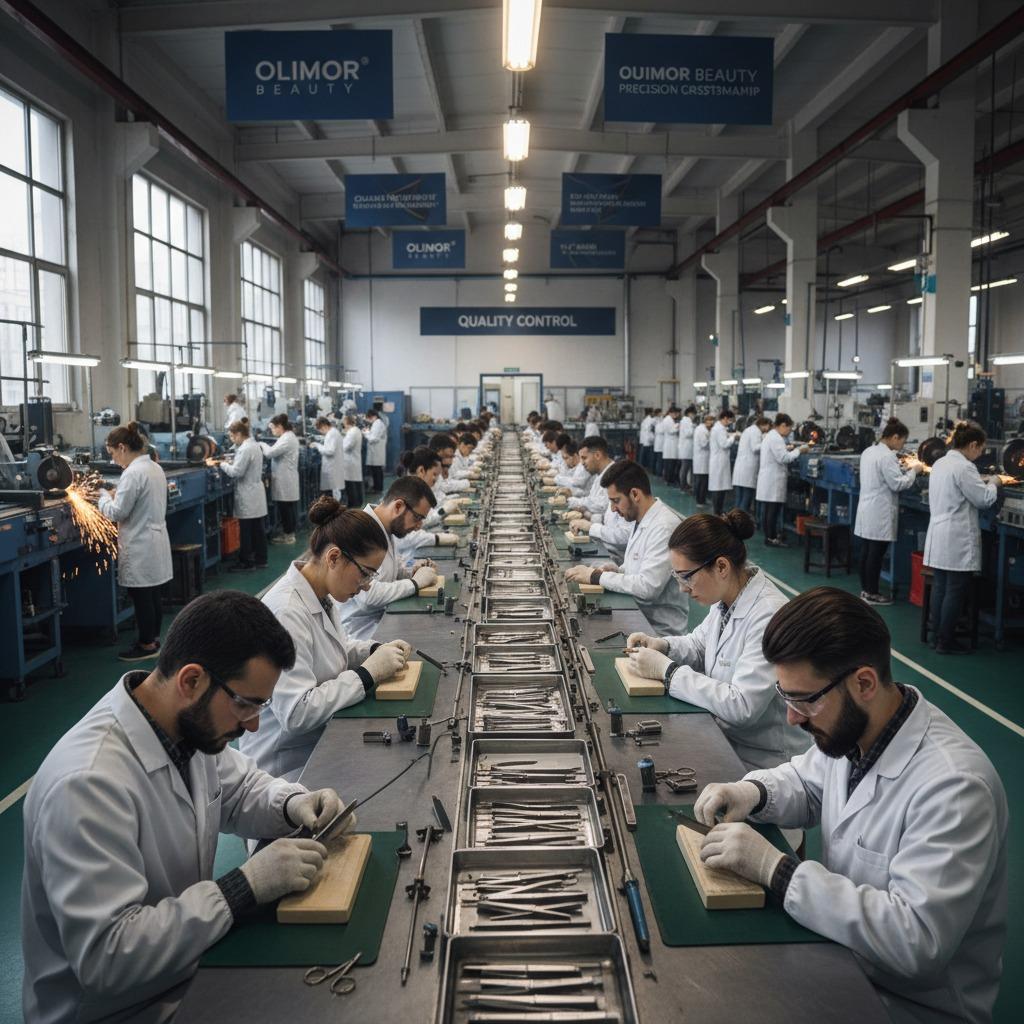
Nail clippers are simple to use, but they are not simple to produce consistently. Small variations in blade alignment, stamping, polishing, assembly, or packaging can change the user experience. That is why the quality process should cover both function and appearance.
A practical inspection plan may include visual checks, cutting function checks, opening and closing checks, and packaging checks. For private label orders, branding should also be reviewed carefully. A good tool can still create a poor impression if the logo is misaligned, packaging text is unclear, or the product moves around inside the box.
Consider defining acceptance criteria for these points before production is finalized:
- Cutting edges should not have obvious chips, deformation, or rough burrs.
- The lever should sit properly and operate without catching.
- The surface should be clean and suitable for the intended retail position.
- Branding should be legible, correctly placed, and consistent with approved artwork.
- Packaging should protect the clipper and present it neatly on arrival.
- Carton labeling should support warehouse handling and product identification.
For e-commerce sellers, packaging strength is especially important because individual units may be shipped through multiple handling points. For retail displays, hanging holes, barcode placement, and shelf presentation may matter more.
How to Compare Nail Clippers With Other Beauty Tools
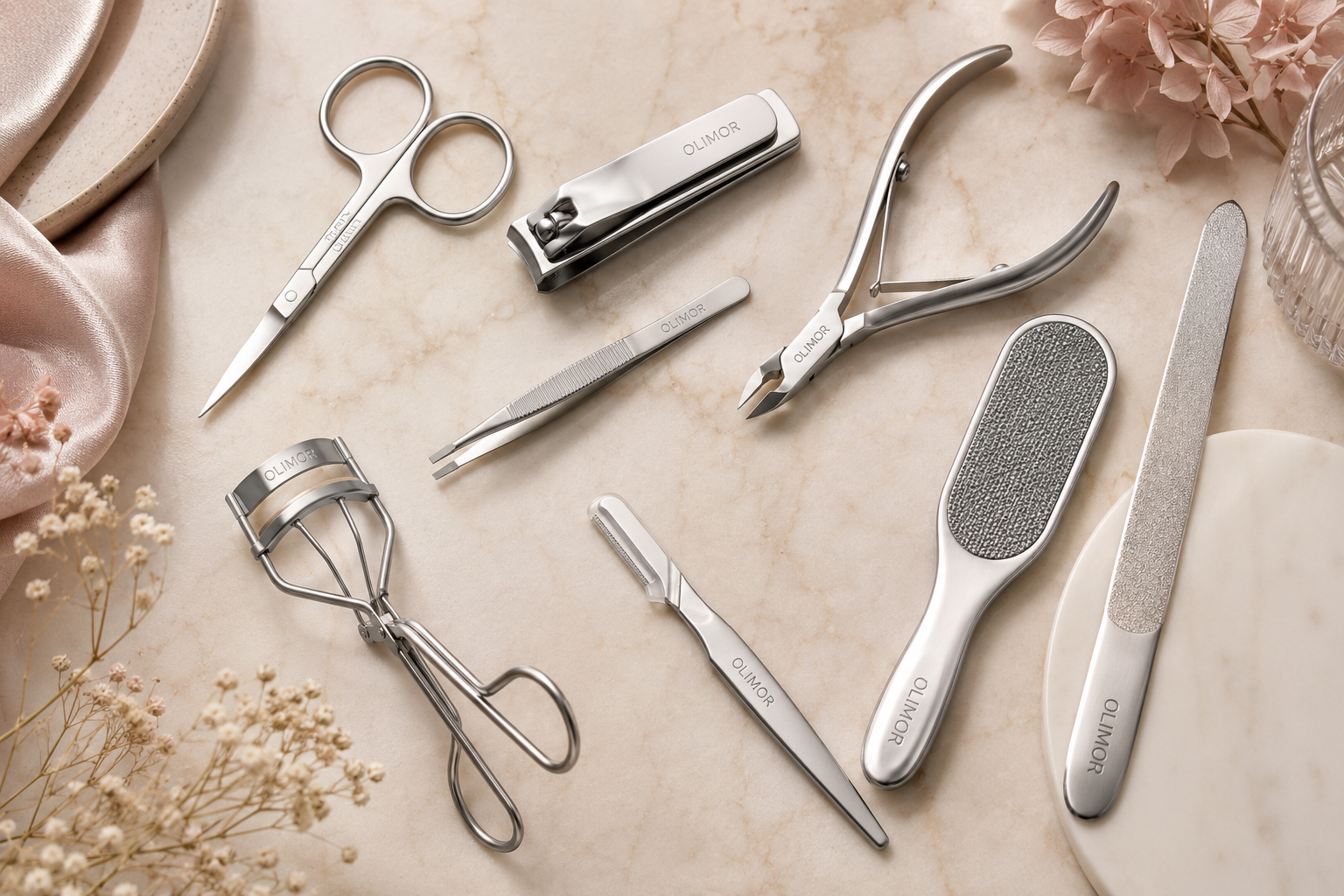
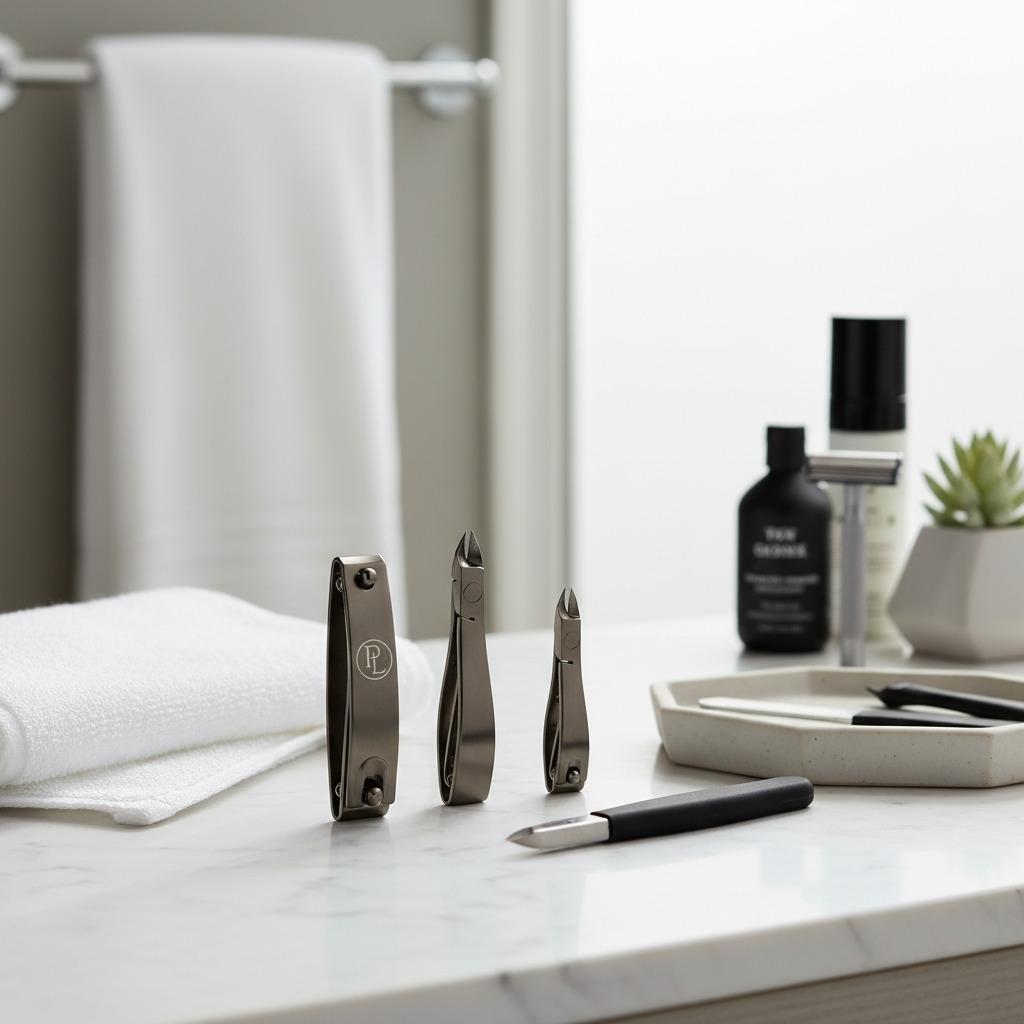
If your brand already sells tweezers, manicure tools, facial tools, or cosmetic accessories, a private label nail clipper should feel like part of the same system. Customers notice when a kit includes one tool that feels weaker than the others. Consistent finish, packaging language, and quality level help the full assortment feel intentional.
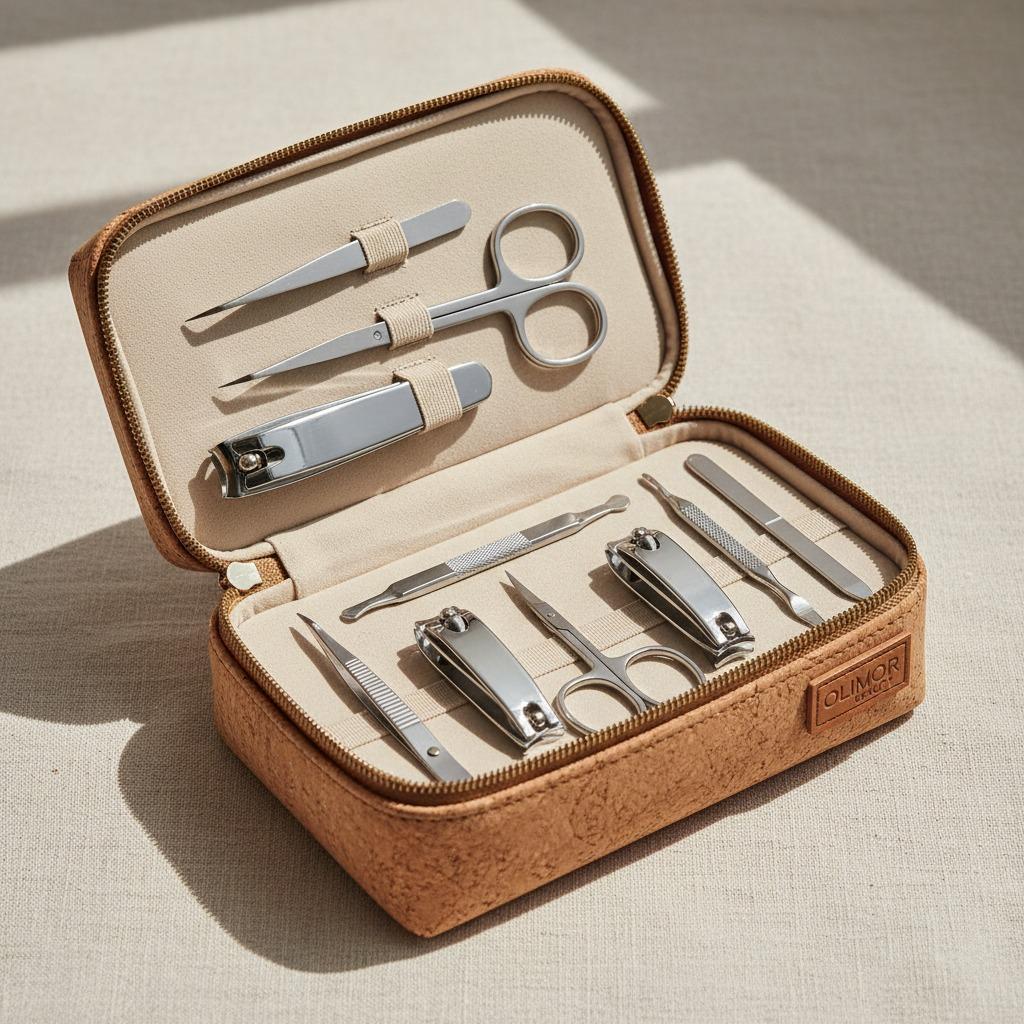
When building a manicure or grooming set, think about the role of each tool. The clipper handles trimming, while a file refines edges and other tools support detailed grooming. A clipper with dependable cutting performance can become the anchor item in a basic nail care set. For a more complete beauty offer, compare nail clippers with other categories on the beauty tool products page and decide whether your assortment should be compact, travel-focused, salon-focused, or gift-ready.
Sourcing Checklist for Private Label Nail Clippers
Before confirming a project, prepare a checklist that combines commercial, technical, and branding requirements. This avoids late changes that can affect timing or cost. It also helps your purchasing, design, and quality teams work from the same expectations.
- Product use: Home grooming, travel, salon resale, promotional kit, or gift set.
- Performance target: Smooth cutting, stable lever feel, clean edge retention, and comfortable handling.
- Material and finish: Confirm the proposed material, surface appearance, and care recommendations.
- Branding: Define logo size, placement, artwork files, and approval samples.
- Packaging: Select card, box, pouch, set packaging, or other retail-ready format if available.
- Quality checks: Agree on inspection points for function, appearance, packaging, and labeling.
- Market requirements: Review any import, labeling, or retailer standards relevant to your sales region.
- Reorder consistency: Keep approved samples and artwork records for future production comparison.
If you are planning a custom nail clipper line or adding clippers to an existing beauty tool assortment, you can send an inquiry with your project brief. For broader sourcing questions, packaging discussions, or coordination with other beauty tools, you may also contact Olimor directly.
Choosing a Nail Clipper That Represents Your Brand Well
A private label nail clipper should be judged by the experience it gives the end user: the first impression in the package, the feel of the lever, the cleanliness of the cut, and the durability of the edge over time. Strong branding can attract attention, but reliable function is what keeps the product in use.
By focusing on stamping consistency, blade longevity, edge retention, finish, and packaging, beauty brands can make better sourcing decisions and avoid treating nail clippers as a generic add-on. The right product may be simple, but it should not feel careless. For brands that want a dependable everyday grooming tool under their own name, private label nail clippers are worth evaluating with the same discipline as any other beauty accessory.