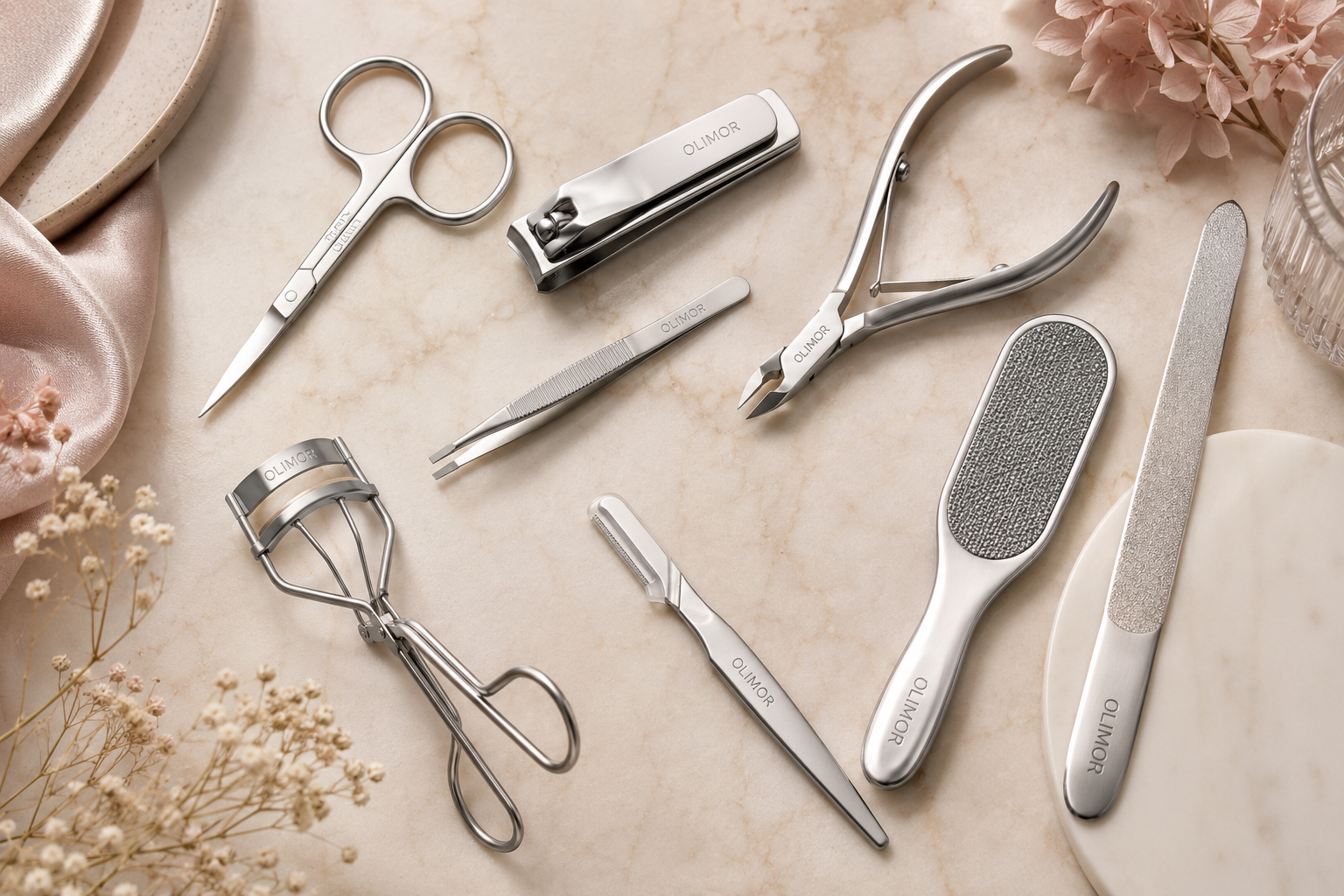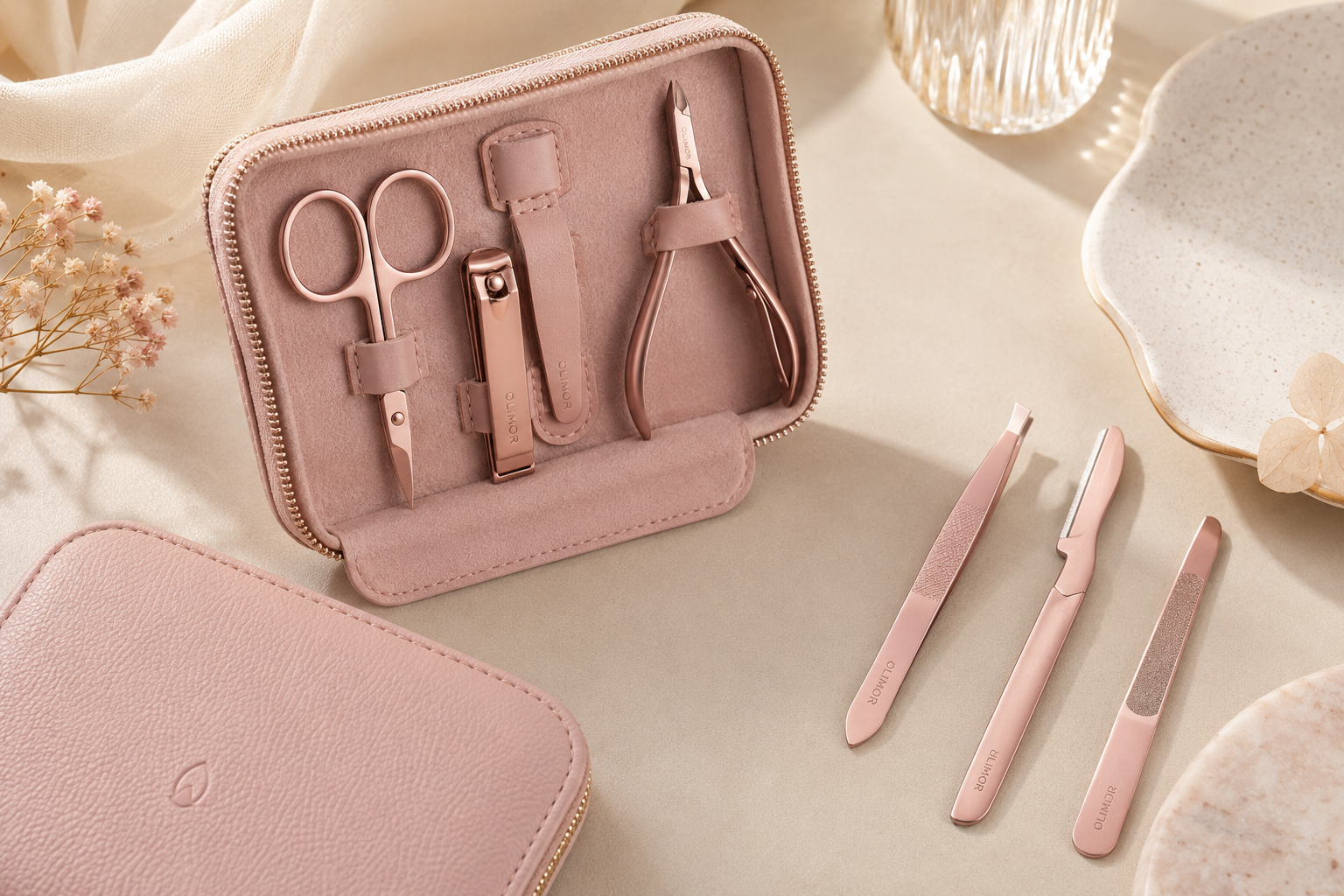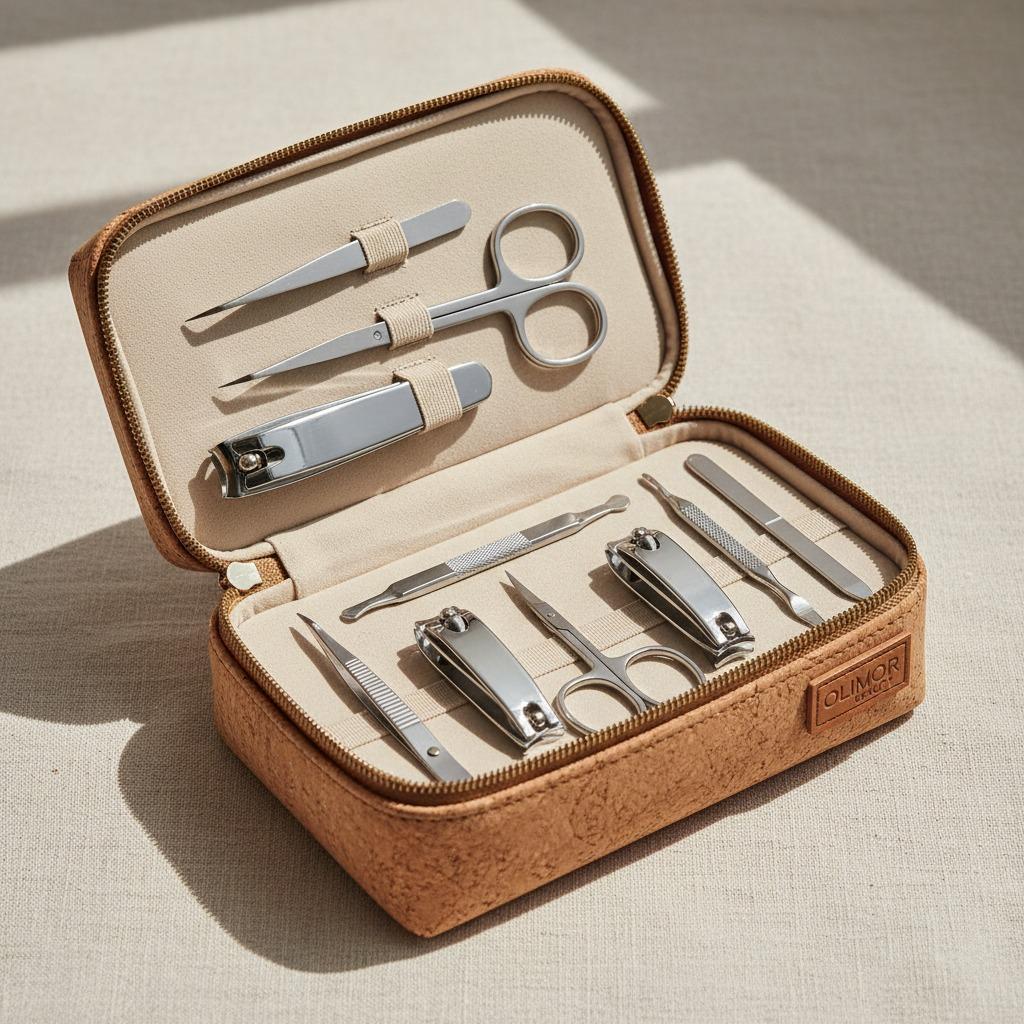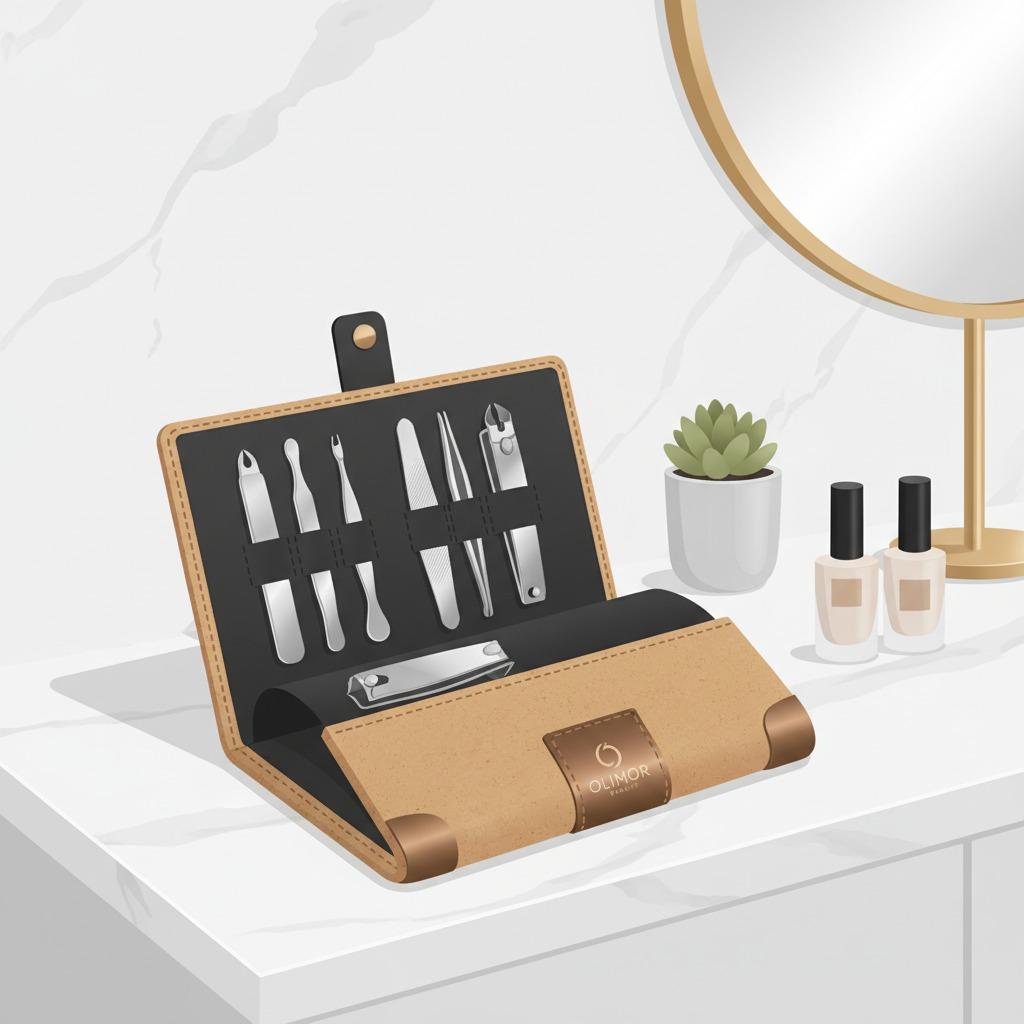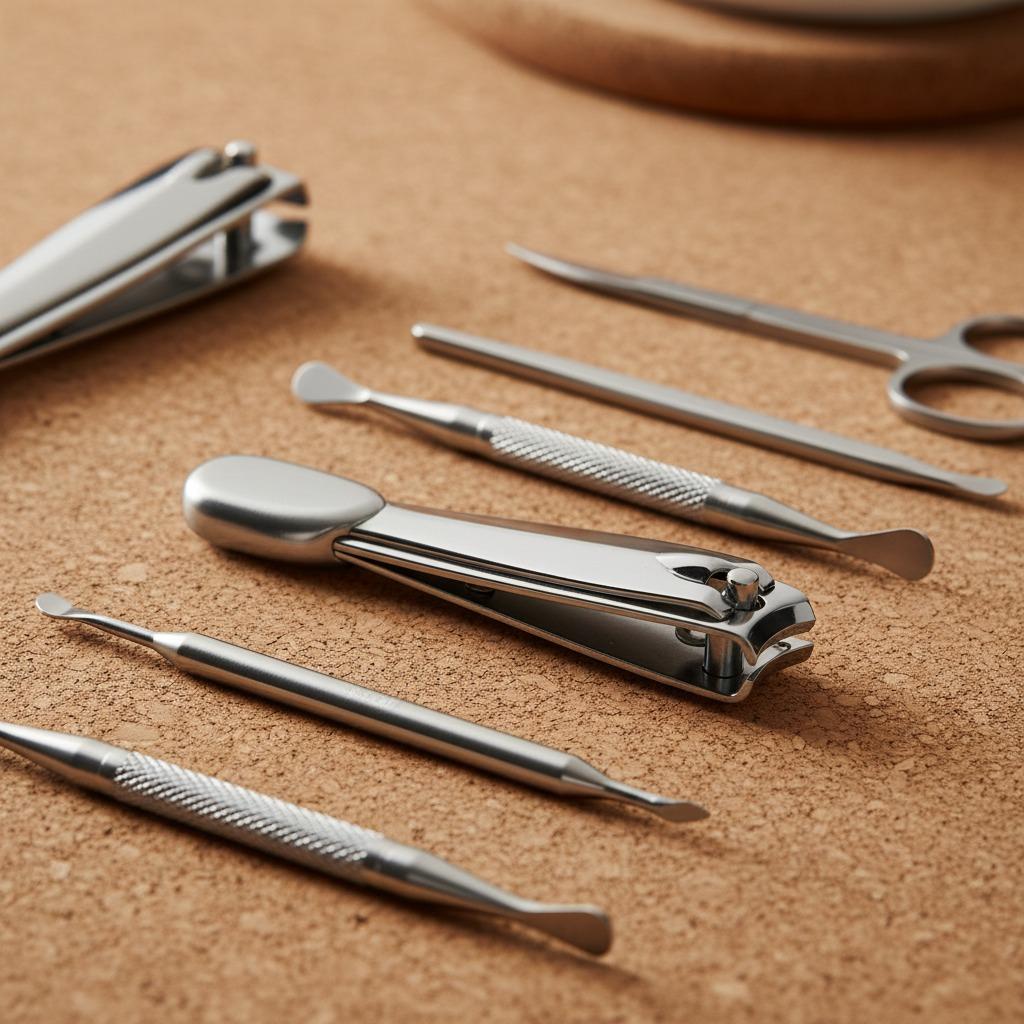












A precision cuticle nipper is used for one focused task: trimming small pieces of excess, lifted or dry skin around the nail area with control. For nail technicians, salon buyers, retailers and beauty-tool sourcing teams, the right nipper can improve manicure consistency, reduce pulling and make nail preparation easier. For home users, it can help create a neater nail edge when used slowly and conservatively.
This guide explains how to evaluate, use, maintain and source a stainless steel cuticle nipper with sharp blades and a spring-loaded coiled handle. It avoids exaggerated claims and focuses on practical inspection points that buyers can verify on samples, during daily salon use or before adding the tool to a manicure kit.
What a Precision Cuticle Nipper Is For
A cuticle nipper is not designed to remove all cuticle tissue or cut deeply into living skin. Its purpose is to trim small, visible areas that are already loose, dry or lifted after the nail area has been softened and gently pushed back. Used correctly, it supports a cleaner-looking manicure and helps polish or nail treatments sit more neatly near the nail fold.
The main value of a precision nipper is control. The blade tips must meet cleanly, the handle should open and close smoothly, and the user should be able to make small snips without squeezing excessively. When a nipper is dull, misaligned or uncomfortable, users often compensate by pulling, twisting or cutting too much skin. That increases the risk of irritation and uneven results.
The Olimor Beauty cuticle nipper described here uses stainless steel construction, sharp durable blades and a spring-loaded coiled handle. The stainless steel body is intended to resist rust and wear when cleaned and dried properly. The spring-loaded action helps the handle reopen after each cut, while the coiled handle form gives the fingers a defined area to hold during detailed nail work.
Key Features to Check Before Buying
Cuticle nippers can look nearly identical in product photos, so sample inspection matters. A sourcing team, salon owner or distributor should evaluate the tool in the hand, not only on a product page. The best option is not simply the lowest-cost option; it is the tool that delivers clean movement, predictable cutting and practical care requirements for the intended user.
| Feature | Why it matters | How to inspect it |
|---|---|---|
| Blade sharpness | Sharp blades snip dry or lifted skin cleanly instead of tearing it. | Check whether the blades close evenly and whether the cutting edge looks clean and free from visible chips. |
| Tip alignment | Aligned tips support accurate trimming near curved nail edges. | Close the nipper slowly and confirm that the tips meet neatly without crossing or leaving a visible gap. |
| Stainless steel finish | A smooth finish is easier to clean and helps the tool feel professional in use. | Look for burrs, rough edges, uneven finishing, discoloration or areas that may trap residue. |
| Spring-loaded action | The spring helps the handle reopen after each cut, reducing repetitive hand effort. | Open and close the nipper several times and feel for sticking, looseness or uneven resistance. |
| Coiled handle grip | A stable grip supports controlled work around a small nail area. | Hold the tool as it would be used in a manicure and check whether the handle feels secure and balanced. |
| Packaging and instructions | Retail and private-label users need clear use, cleaning and storage guidance. | Confirm whether packaging can communicate safe-use and maintenance information without unsupported claims. |
If you are comparing several manicure tools for a salon kit or retail range, apply the same checks across all samples. You can review related beauty tool products and keep a consistent inspection sheet for nippers, pushers, tweezers and grooming accessories.
How to Select the Right Nipper for Different Users
The right cuticle nipper depends on who will use it and how often. A professional nail technician may use a nipper many times in a working day, so smooth spring action and hand comfort matter. A retailer selling to home manicure users may prioritize simple instructions, safe storage and clear warnings against aggressive trimming. A private-label buyer may need a tool that can be consistently inspected, packaged and explained to end customers.
For professional nail technicians
Professionals should focus on cutting accuracy, repeated-use comfort and cleaning practicality. The nipper should feel stable when making very small cuts around the nail fold. The blade tips should not wobble or misalign during use. The spring should reopen the handle without requiring the technician to reset the tool manually after every snip.
For salon buyers and distributors
Business buyers should review multiple samples rather than only one display unit. Check whether each sample has the same finish quality, spring movement and blade alignment. Inconsistent sample quality can signal future service complaints, especially if the tool will be sold to professionals who notice small differences quickly.
For home manicure kits
Home users often need more guidance than professionals. A nipper should be presented as a finishing tool, not as a tool for cutting away all surrounding skin. Instructions should encourage softening the nail area, pushing back gently, trimming only loose skin and cleaning the nipper after use. When building a coordinated home-care offer, Olimor Beauty product collections may help buyers consider complementary grooming tools.
Safe Use: Step-by-Step Manicure Method
The safest manicure result comes from preparation, good lighting and small controlled movements. A sharp nipper should never be used quickly or forcefully. If the skin is sore, inflamed, broken or appears infected, trimming should be avoided and the area should not be worked on aggressively.
- Start with clean hands and a clean tool. Wash hands before the manicure and inspect the nipper for residue, moisture or visible damage.
- Soften the nail area. Warm water or a normal manicure preparation step can help soften dry skin so it is easier to manage.
- Push back gently. Use a suitable cuticle pusher to move excess cuticle from the nail plate. Do not force a tool under the nail fold.
- Identify only what needs trimming. Look for hangnails, lifted dry skin or uneven edges. Skin that is firmly attached should be left alone.
- Make small snips. Hold the coiled handle securely and close the blades with light, controlled pressure. Avoid long cuts or pulling motions.
- Stop if discomfort appears. Pain, bleeding or redness means the trimming has gone too far or the area is not suitable for cutting.
- Clean and dry the nipper after use. Remove residue from the blade and joint area, then dry thoroughly before storage.
For salons, tool handling should follow applicable local hygiene rules and the salon’s written sanitation procedure. Public health guidance can change, so operators should verify current requirements from local regulators and recognized public bodies such as the CDC where relevant. Retail buyers selling into multiple markets should also verify current product safety and labeling obligations, including applicable rules such as the EU General Product Safety Regulation when selling in the European market.
Cleaning, Drying and Maintenance
Stainless steel is a practical material for manicure tools because it can resist rust and wear better than many alternatives when it is cared for correctly. However, stainless steel does not mean maintenance-free. Water left in the joint, chemical residue, damp storage and impact damage can all shorten the useful life of a precision nipper.
After each use, remove visible residue from the blade area and around the spring or coil. Dry the nipper completely, paying attention to small spaces where moisture may remain. Store it where the cutting edge is protected from other metal tools. Do not drop the nipper onto a hard surface, because impact can damage the fine tips or affect alignment.
- Do clean promptly: Skin residue is easier to remove before it dries around the blade or joint.
- Do dry carefully: Moisture trapped around the hinge or coiled handle can contribute to corrosion over time.
- Do inspect regularly: Check blade alignment, smooth movement and spring response before use.
- Do protect the edge: Store the nipper so the blade tips do not hit heavier tools in a case or drawer.
- Do not use it for other tasks: Cutting tape, plastic packaging or thread can dull or damage the fine cutting edge.
- Do not keep using a damaged nipper: Misaligned tips or rough movement can increase pulling and reduce control.
For professional environments, cleaning and inspection should be part of a documented tool-care routine. For personal use, the most important habits are simple: clean after use, dry fully and store in a dry place away from accidental impact.
Cost Factors and Value When Sourcing
The cost of a cuticle nipper is influenced by material, finishing, blade work, spring construction, packaging, inspection requirements and order complexity. Without verified supplier documents, buyers should not rely on broad claims about material grade, performance tests or certifications. Instead, ask clear questions and compare physical samples under the same conditions.
A lower-cost nipper may appear attractive for retail bundles, but poor blade alignment or rough finishing can create returns, complaints or weak repeat sales. A more carefully finished tool may provide better perceived value if it feels smooth, trims cleanly and includes appropriate user guidance. For B2B buyers, value is usually a combination of product consistency, packaging suitability, communication quality and the supplier’s ability to answer technical and commercial questions clearly.
When comparing supplier quotations, ask what is included rather than focusing only on unit price. Packaging format, logo application, inspection process, sample approval, documentation and shipping terms can all affect the final landed cost and project risk. If customization is required, confirm which elements are customizable and request approval samples before committing to wider production.
Supplier Evaluation Checklist for B2B Buyers
Before placing a salon, wholesale or private-label order, use a practical checklist. The goal is to verify whether the nipper can be supplied consistently and whether the supplier understands the expectations of manicure-tool buyers.
| Question | What a useful answer should clarify |
|---|---|
| Can samples be reviewed before ordering? | How sample requests are handled and what details the sample will represent. |
| What material and finish information is available? | Supplier documents or specifications that support the stated stainless steel construction and finish. |
| How is blade alignment checked? | The supplier’s practical inspection approach without unsupported performance claims. |
| Can packaging or branding be customized? | Which elements may be customized, such as packaging, logo placement or instruction content, if available. |
| What are the order requirements? | Current MOQ, lead time, payment terms and shipping details based on the actual project. |
| What documents can be provided? | Current product specifications, care instructions, compliance information or other supplier documents relevant to the sales market. |
For project-specific discussion, buyers can contact Olimor with the intended market, packaging needs and target user. If you already have a clear specification, you can send a product inquiry for current options and supplier confirmation.
Common Problems and How to Troubleshoot Them
If a nipper pulls skin instead of cutting, the most likely issues are dull blades, poor alignment, dry skin preparation or a cutting angle that is too aggressive. Start by checking whether the tips meet evenly. Then review the manicure process: skin should be softened and only loose pieces should be trimmed. If the tool is damaged, it should not be forced back into use.
If the handle feels tiring, check the spring movement. A spring-loaded coiled handle should reopen smoothly after each snip. If movement feels sticky, inspect the joint and coil area for residue or moisture. Clean and dry the tool, then reassess. If the issue remains, the sample may not be suitable for repeated professional work.
If rust-like marks or discoloration appear, review cleaning chemicals, drying habits and storage conditions. Stainless steel still requires complete drying and appropriate storage. Leaving any metal manicure tool wet, especially around moving parts, can create avoidable maintenance problems.
FAQ for Samples, Customization and Orders
Can I request a sample before placing a larger order?
Sample availability should be confirmed directly with Olimor based on the current product and project requirements. A sample review is recommended for checking blade alignment, handle feel, finish quality and packaging suitability.
Is there a minimum order quantity?
MOQ depends on the product configuration, packaging, customization and current production arrangement. Buyers should request current MOQ information during the inquiry stage rather than relying on assumptions.
Can the cuticle nipper be customized for private label or retail packaging?
Customization may be possible depending on the requested branding, packaging and order details. Confirm logo, packaging and instruction requirements early so the supplier can advise what is practical.
How should quality be checked before shipment?
Quality checks should include blade alignment, sharp edge appearance, spring movement, surface finish, cleanliness, packaging condition and consistency against approved samples. Buyers should also verify current supplier documents and market requirements.
Final Buying Perspective
A precision cuticle nipper is a small tool used in a delicate area, so the details matter. The most important checks are sharp, well-aligned blades; smooth stainless steel finishing; controlled spring-loaded movement; and a coiled handle that feels secure in the hand. These features support cleaner trimming when paired with careful technique and responsible maintenance.
For professional and B2B buyers, the best purchasing decision comes from sample testing, clear inspection criteria and supplier communication. For home users, the best result comes from conservative trimming, clean storage and respect for the skin around the nail. Used properly, a precision cuticle nipper becomes a dependable manicure tool rather than a source of uneven edges or unnecessary irritation.