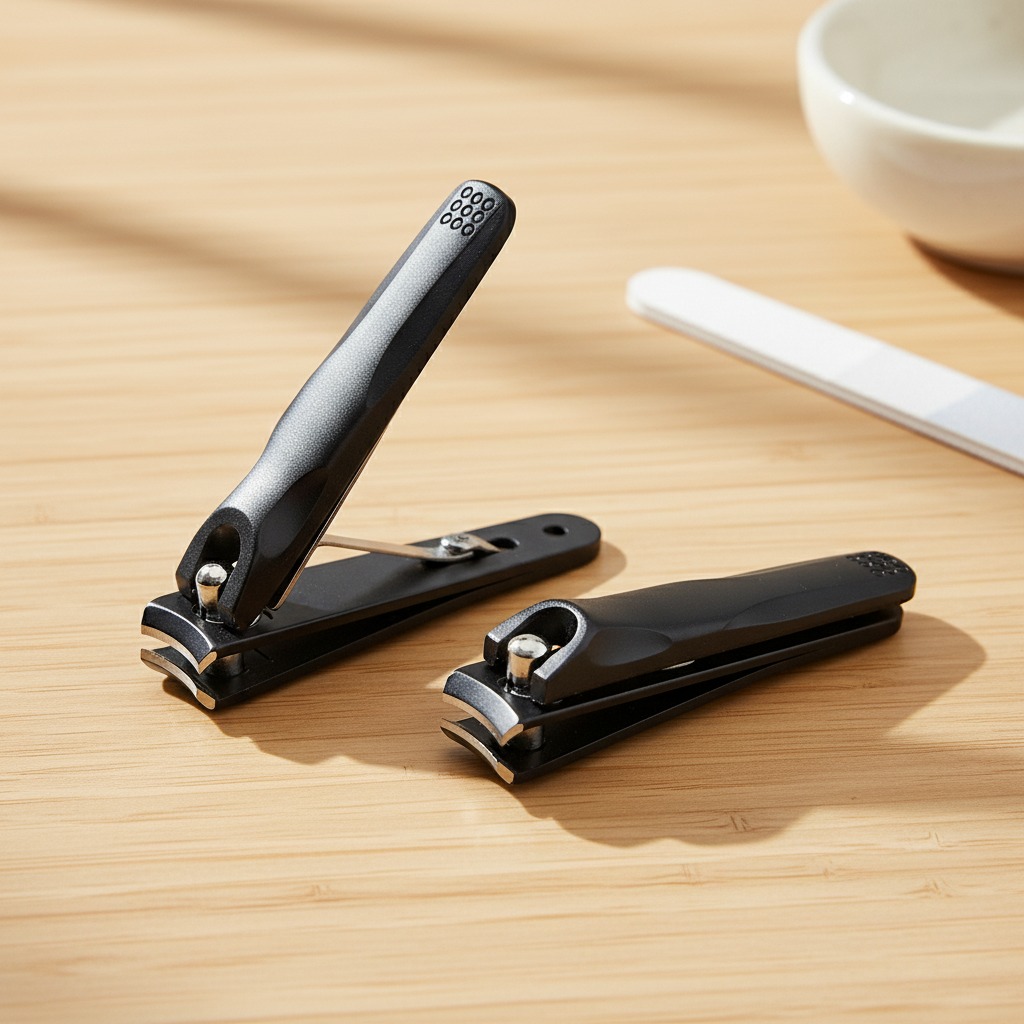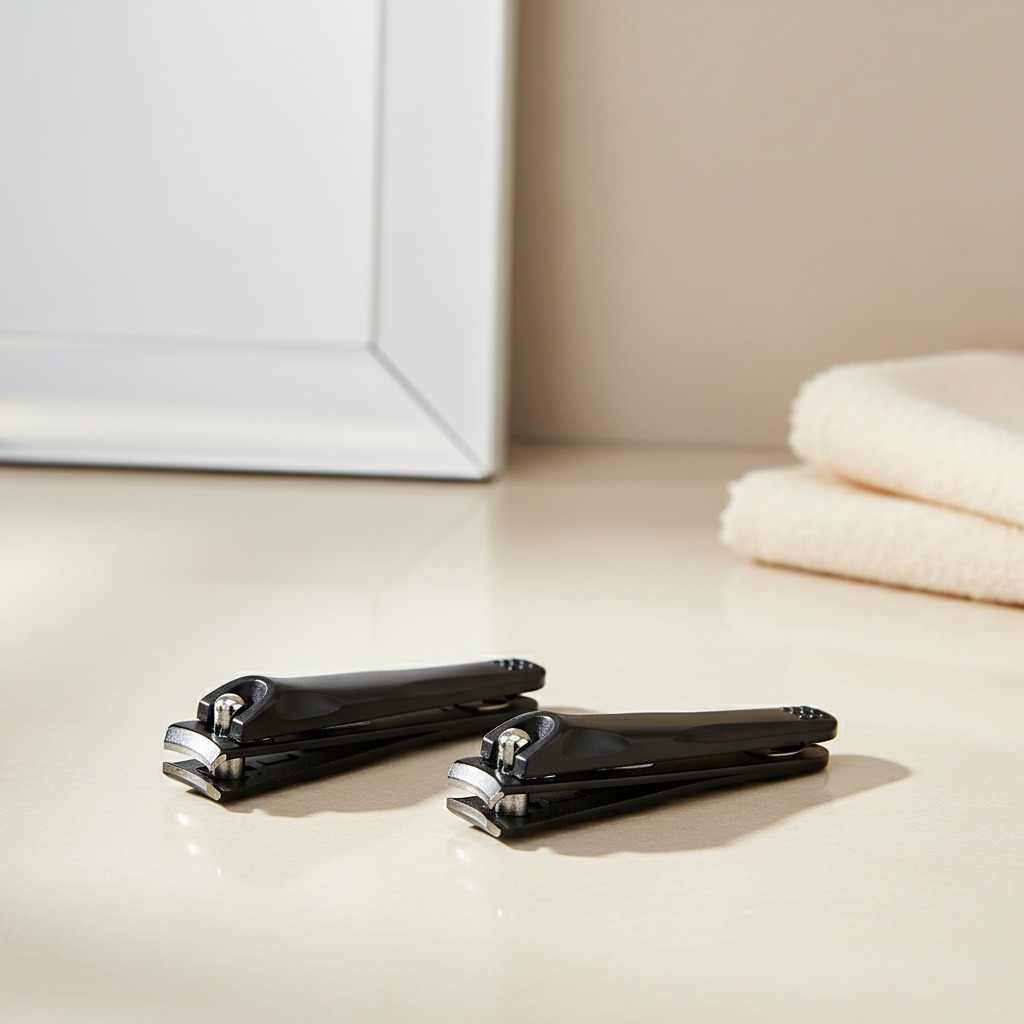
Buying pedicure tools in bulk is not only a purchasing task. For salons, spas, nail training centers, and beauty supply distributors, it is a decision that affects technician comfort, client safety, service consistency, and your overall reputation. A low-cost tool that bends, dulls quickly, rusts, or feels awkward in the hand can slow down appointments and create avoidable complaints. A well-selected tool supports cleaner work, easier sanitation, and a more professional pedicure experience.
When comparing wholesale pedicure tools, focus on the factors that can be checked before placing a large order: material, finish, cutting performance, ergonomic design, packaging, and the supplier’s approach to quality control. This guide explains what to look for so your bulk purchase supports daily salon use rather than becoming inventory that technicians avoid.
Start with the Pedicure Services You Actually Provide
Before comparing prices or assortments, list the services the tools must support. A salon offering basic nail trimming and shaping may need a different mix from a spa that performs detailed cuticle care, callus maintenance, retail home-care kits, or technician training. Bulk buying is most effective when the assortment matches real usage patterns.
Common pedicure tool categories include nail clippers, cuticle nippers, cuticle pushers, foot files, nail files, tweezers, cleaning brushes, and multi-piece grooming kits. Some buyers need professional tools for repeated technician use, while others need retail-ready sets that clients can purchase for at-home maintenance between appointments. These use cases should be separated because the priorities are different. Professional tools should emphasize durability, grip, sanitation, and cutting consistency. Retail tools should also consider presentation, instructions, safe handling, and packaging protection.
If you are developing a wider assortment, review Olimor Beauty’s beauty tool products to compare categories and identify which pedicure items fit your market. Buyers looking across related grooming lines can also browse product collections to plan a more complete supply program.
Material and Finish: What to Check Before Bulk Ordering
The original standard for many professional grooming tools is stainless steel because it is strong, easy to clean, and suitable for repeated handling when properly maintained. However, buyers should not judge quality by the words “stainless steel” alone. Tool performance also depends on thickness, hardness, edge finishing, joint construction, surface polish, and resistance to corrosion under normal salon cleaning routines.
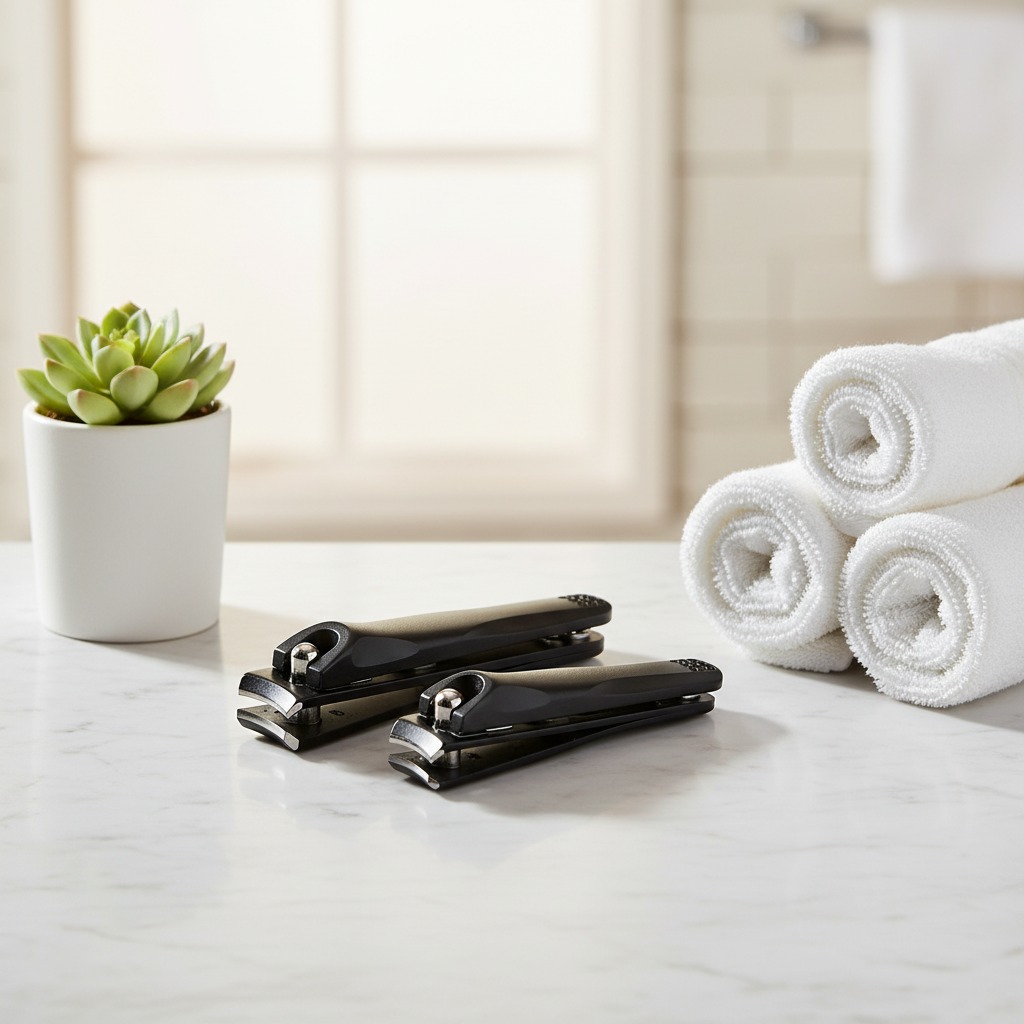
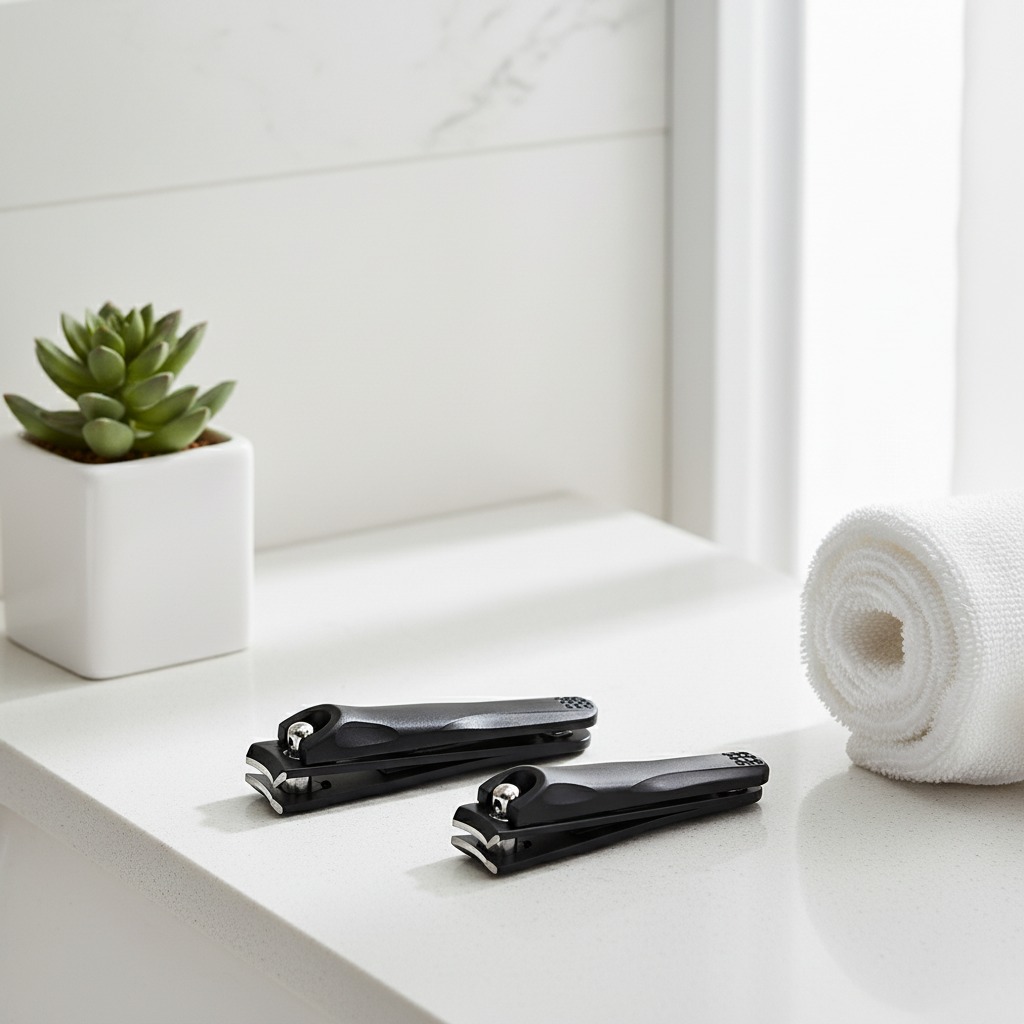
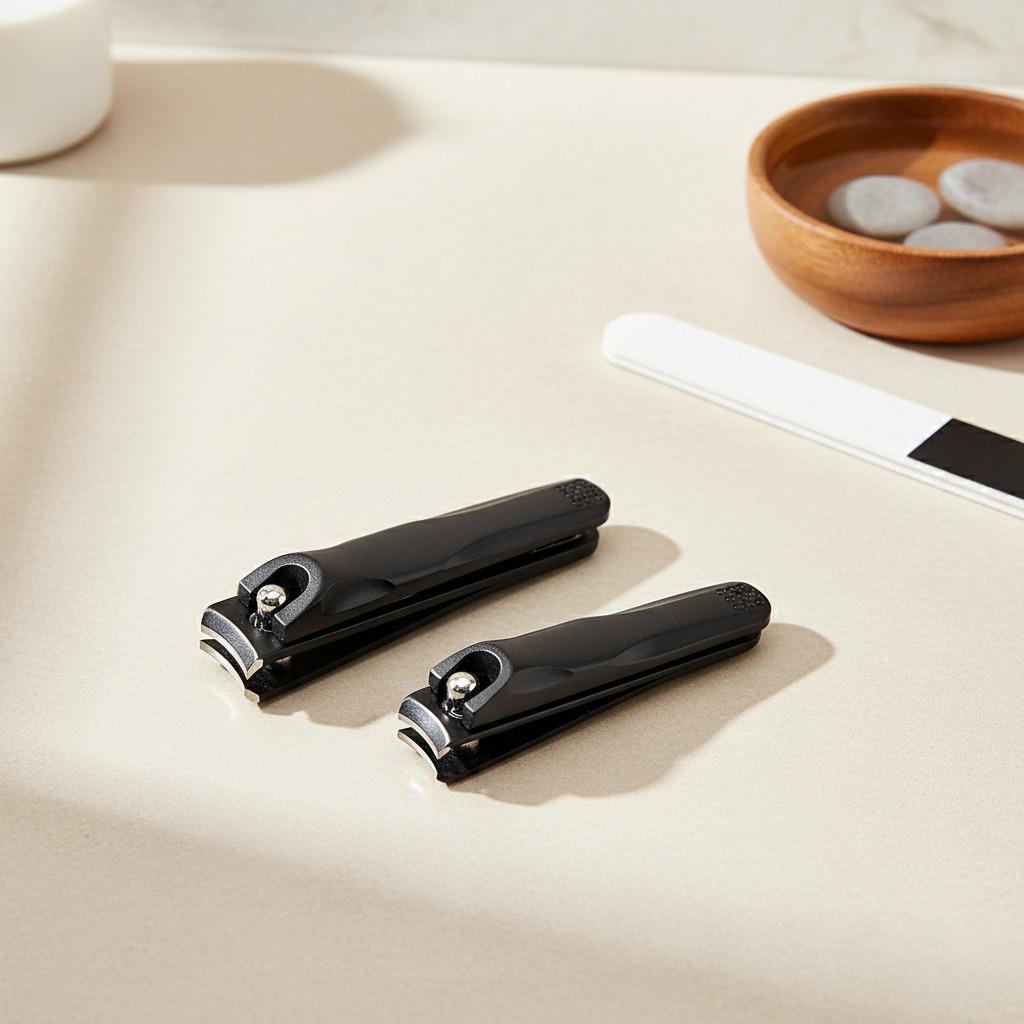
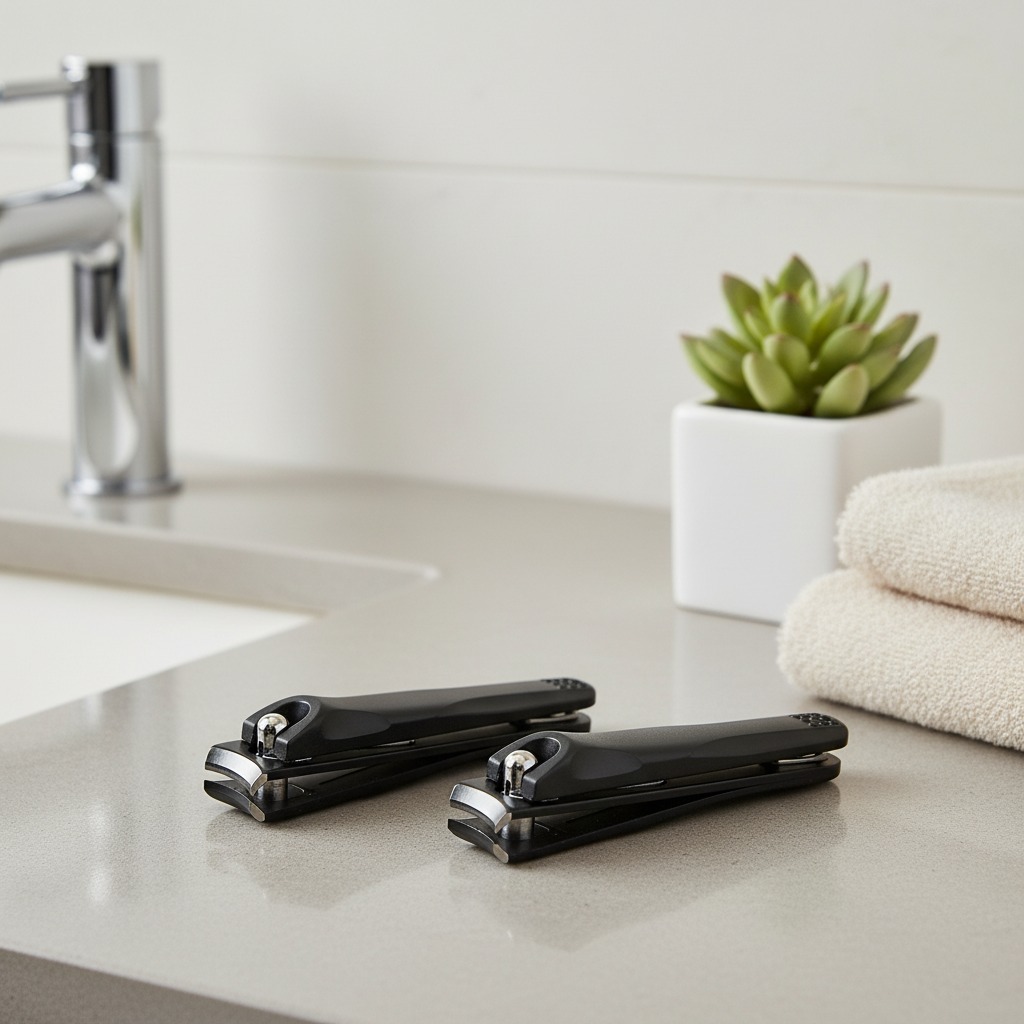
For clippers and nippers, inspect whether the cutting edges meet evenly, whether the spring action feels controlled, and whether the tool opens and closes without scraping or wobbling. For pushers, check whether the working edges are smooth enough to avoid scratching yet defined enough to move softened cuticle effectively. For foot files, check abrasive consistency, handle strength, and whether the file surface is securely attached.
- Surface finish: Look for smooth polishing, no sharp burrs, and no rough seams where residue can collect.
- Edge alignment: Cutting tools should close cleanly from heel to tip without gaps.
- Joint stability: Hinged tools should not feel loose, gritty, or uneven during repeated opening and closing.
- Grip comfort: Handles should be easy to control with dry or slightly damp hands.
- Cleanability: Avoid unnecessary grooves or decorative areas that make salon sanitation more difficult.
Do not rely only on product photos when buying pedicure tools in bulk. Request clear specifications and evaluate samples under the same conditions your technicians face: full appointment schedules, repeated cleaning, and different hand sizes. A tool that feels acceptable for one quick test may feel heavy, slippery, or imprecise after several services.
Ergonomics Matter More in a Busy Salon
Pedicure work requires controlled pressure, repetitive motions, and careful angles. When a tool is uncomfortable, technicians may compensate with extra force or awkward wrist positions. Over time, this can reduce service efficiency and increase fatigue. Ergonomic design is therefore a practical purchasing criterion, not a decorative feature.
For clippers and nippers, look for handles that allow a stable pinch and do not dig into the fingers. Springs should provide enough return action without forcing the hand open too widely. For pushers and files, consider handle length, balance, texture, and whether the tool can be controlled precisely around smaller nails. A lightweight tool may be easier for long sessions, but it still needs enough structure to feel stable.
Bulk buyers should involve actual users in sample testing whenever possible. A purchasing manager may focus on unit cost and packaging, while technicians can identify problems with balance, grip, or edge behavior within minutes. Their feedback can prevent a large order of tools that look good in a catalog but do not perform well at the workstation.
Hygiene, Maintenance, and Safe Tool Handling
Pedicure tools come into close contact with nails, skin, and product residue, so hygiene must be part of the buying decision. Choose tools that can be cleaned thoroughly according to your salon’s established sanitation procedures and local requirements. Smooth surfaces, minimal crevices, and durable finishes make routine cleaning easier and help tools maintain a professional appearance.
Maintenance expectations should also be realistic. Even good tools can be damaged by improper storage, harsh handling, or leaving moisture on the surface after cleaning. Cutting edges should be protected from impact. Tools should be dried before storage. Hinged tools should be checked regularly for looseness, corrosion, or dullness. Retail pedicure sets should include or support clear care guidance so end users understand basic cleaning and storage.
- Clean visible debris immediately after use according to salon procedure.
- Dry tools fully before placing them in storage or packaging.
- Store cutting tools so edges do not strike other metal items.
- Inspect hinges, edges, and tips on a routine schedule.
- Remove damaged, rusted, misaligned, or dull tools from service.
For wholesale programs, maintenance guidance can also reduce after-sale issues. Distributors and salon chains should consider whether instructions, labeling, or packaging inserts are needed for their target market.
Packaging and Assortment Planning for Wholesale Pedicure Tools
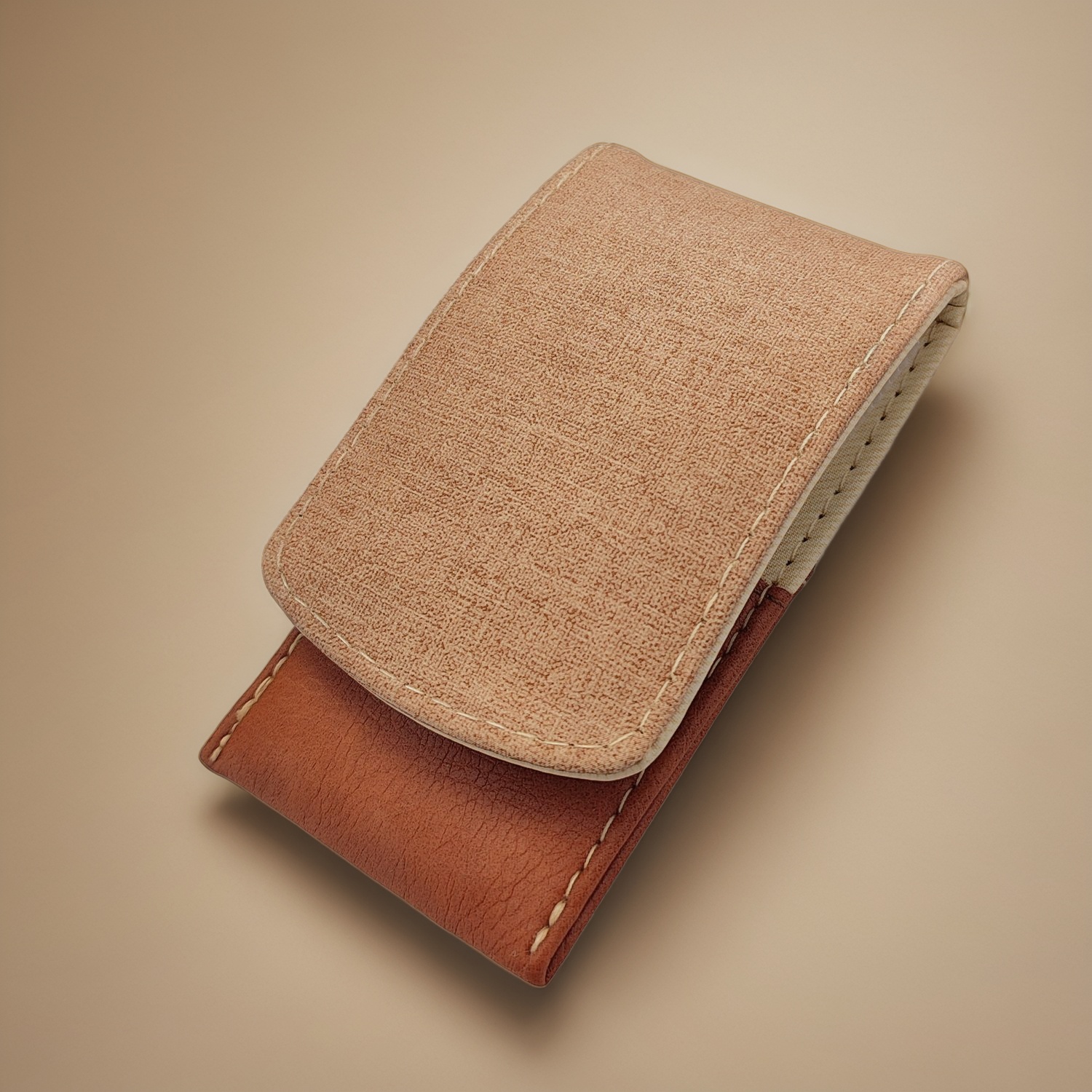
Packaging is often overlooked until the order arrives, but it can influence breakage, storage efficiency, retail appeal, and staff workflow. Professional salon tools may require protective sleeves, organized kits, or bulk cartons that are easy to count and distribute. Retail tools may need packaging that displays the product clearly while protecting sharp edges and tips.
For bulk pedicure tool sourcing, decide whether you need single-item replenishment, matched service kits, or retail-ready sets. Single-item bulk ordering works well for high-use tools that wear out faster. Kits can help standardize technician stations or training programs. Retail sets can increase perceived value when the items are logically grouped, such as trimming, shaping, and basic cuticle care.
| Buyer Type | Useful Buying Focus | Quality Questions to Review |
|---|---|---|
| Salon or spa | Durable tools for daily service use | Are the tools comfortable, cleanable, and consistent across samples? |
| Beauty supply distributor | Reliable assortments for resale | Is the packaging protective, clear, and suitable for the sales channel? |
| Training center | Standardized student tool sets | Are tools safe, easy to identify, and consistent from kit to kit? |
| Retail brand buyer | Consumer-friendly grooming sets | Do instructions and packaging support safe home maintenance? |
Supplier Quality Assurance: What Serious Buyers Should Verify
The reliability of pedicure tools starts before final packing. A dependable supplier should have internal checks that reduce variation in material, edge finishing, alignment, surface polish, and packaging. For a bulk order, consistency is as important as the quality of a single sample. One excellent sample does not guarantee that every carton will match it unless inspection standards are clearly understood.
When evaluating a wholesale partner, review how product requirements are confirmed before production, how samples are approved, and how finished goods are inspected. Useful checkpoints include raw material confirmation, in-process inspection, edge and tip review, function testing for hinged tools, surface appearance inspection, packaging checks, and carton labeling verification. These steps help reduce common problems such as uneven cutting edges, scratched finishes, loose joints, incorrect packaging, or mixed assortments.
It is also helpful to define acceptable appearance and performance expectations in writing before production. For example, clarify the required tool type, finish, packaging format, assortment count, logo or labeling needs if applicable, and any safety warnings or care instructions required for your market. If you need guidance on available options or want to compare suitable tools for your business, you can contact Olimor or send an inquiry with your intended use and purchasing plan.
A Practical Pre-Order Checklist
Before committing to a larger order of pedicure tools, use a structured review. This keeps the decision focused on function rather than only unit price.
- Confirm the use case: Professional salon use, retail resale, training kits, or mixed distribution.
- Evaluate samples: Test cutting, grip, balance, surface finish, and cleaning practicality.
- Check consistency: Compare multiple pieces, not just one sample.
- Review packaging: Make sure sharp edges are protected and cartons are easy to count.
- Define inspection points: Include alignment, finish, function, packaging, and labeling.
- Plan maintenance: Prepare staff or customer instructions for cleaning, drying, and storage.
Pedicure tools in bulk should help your team work confidently and help your customers trust the quality of your service or retail offering. By focusing on material, ergonomics, hygiene, packaging, and quality assurance, you can choose tools that support professional results and reduce avoidable sourcing problems.