










Choosing a tweezer manufacturer is not only a purchasing decision. For beauty brands, salon suppliers, distributors and private-label buyers, tweezers are small tools that carry a large part of the user experience. A tweezer that feels balanced, grips fine hair cleanly and keeps its alignment after repeated use can strengthen customer trust. A poorly made tweezer can create frustration immediately, even if the packaging looks attractive.
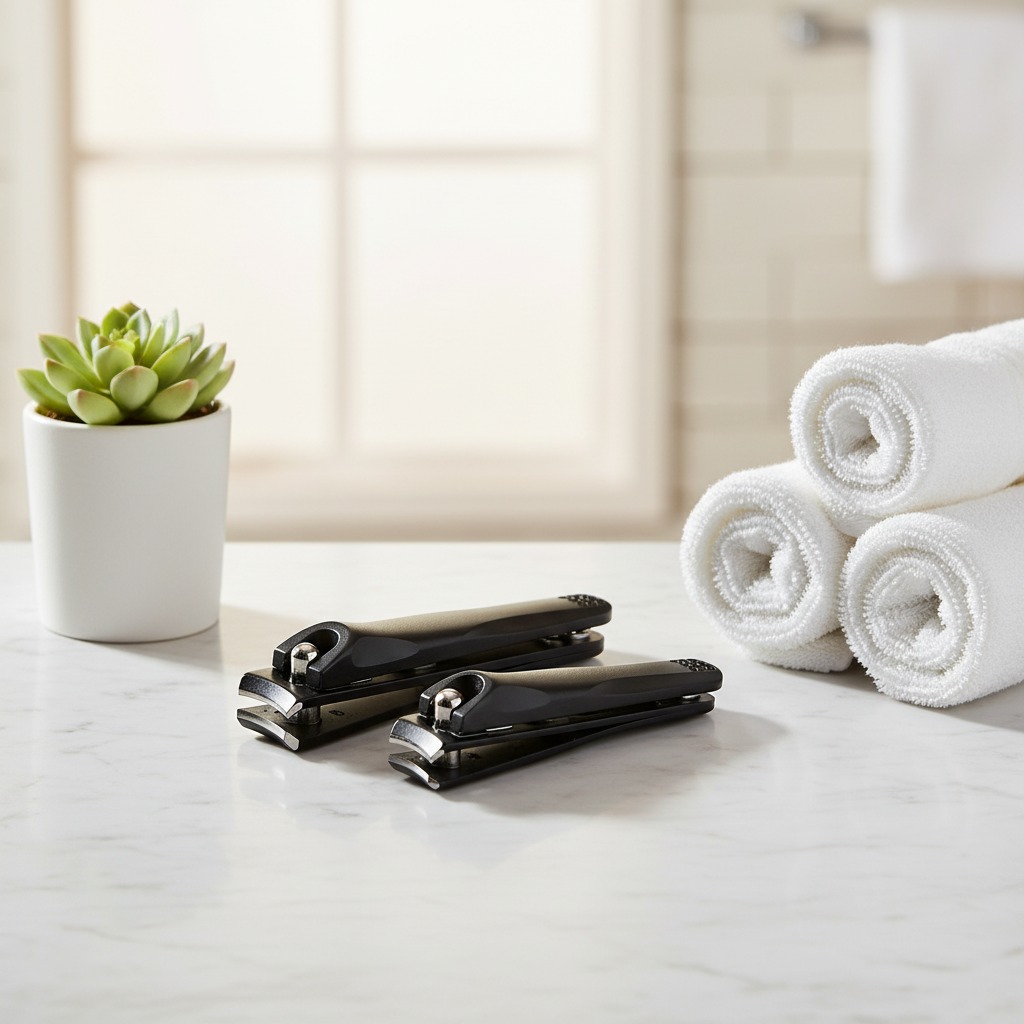
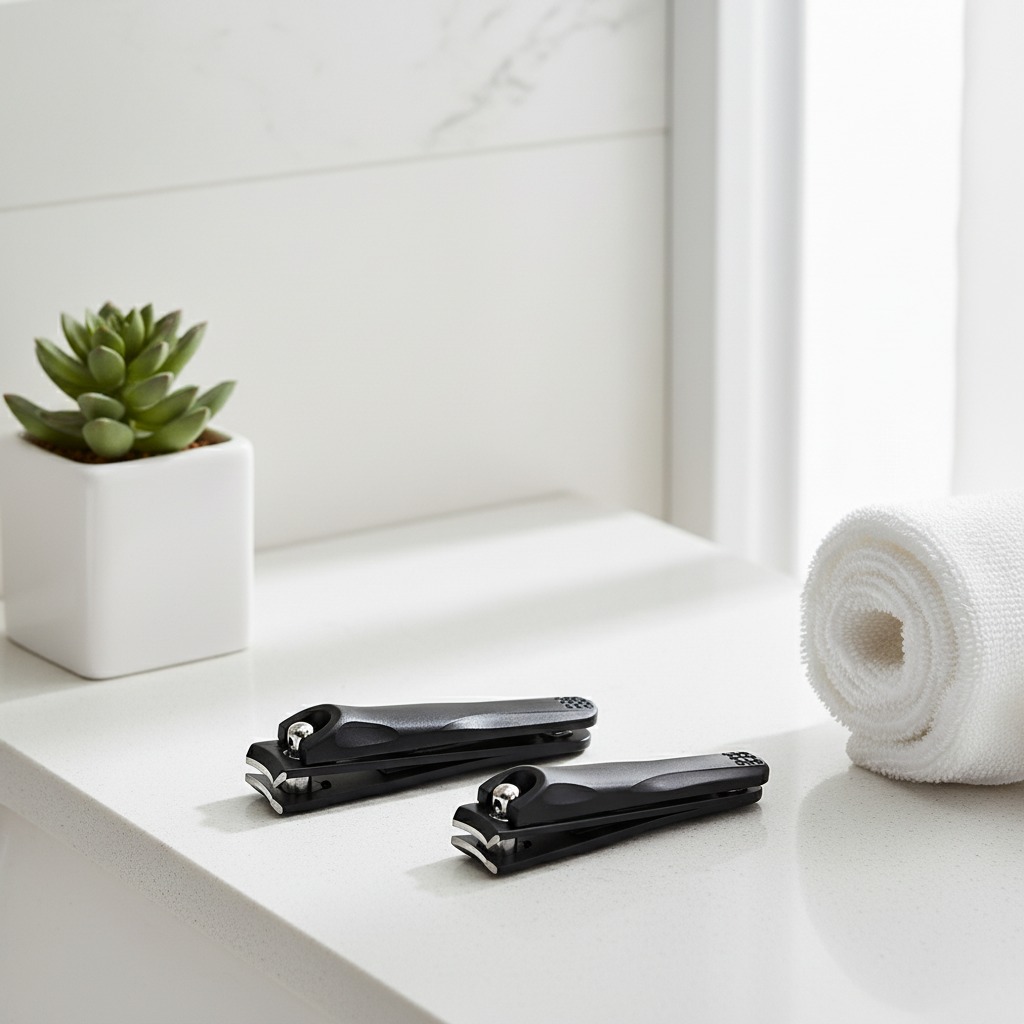
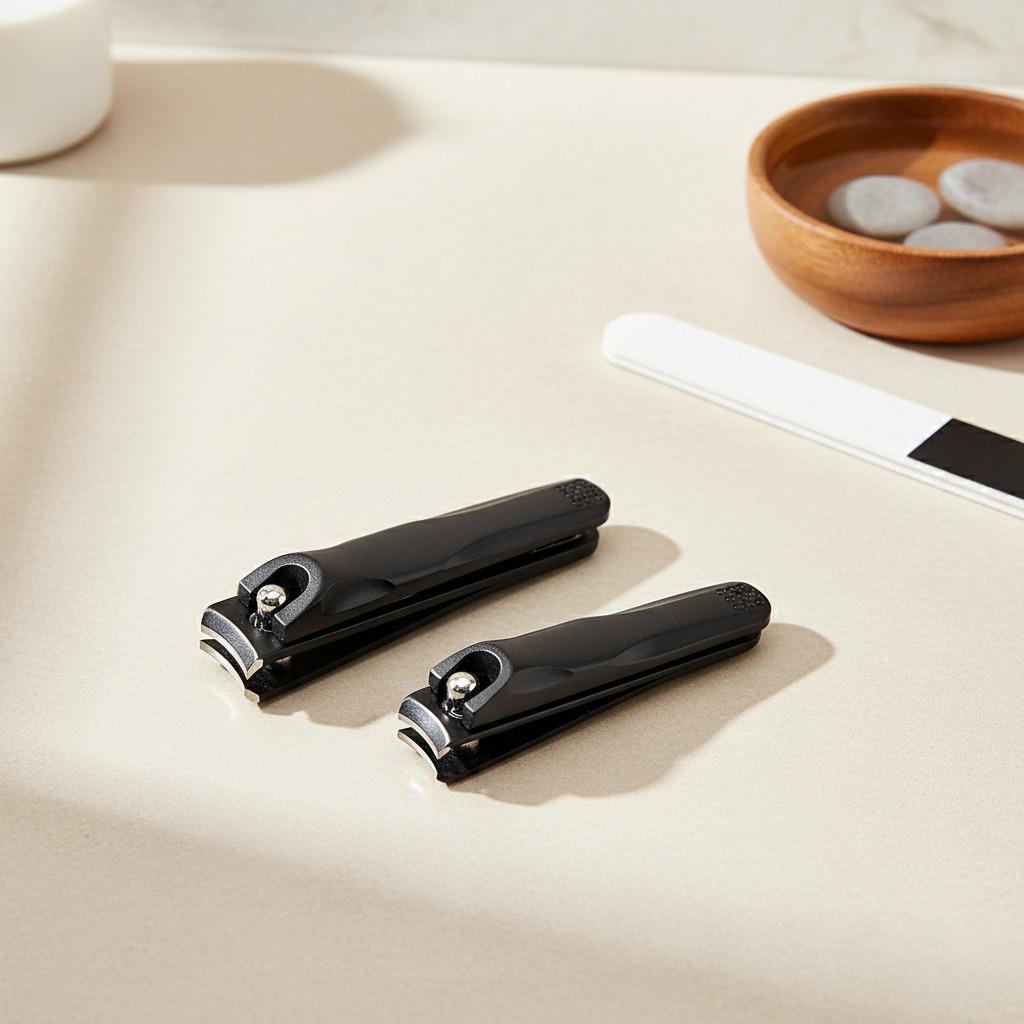
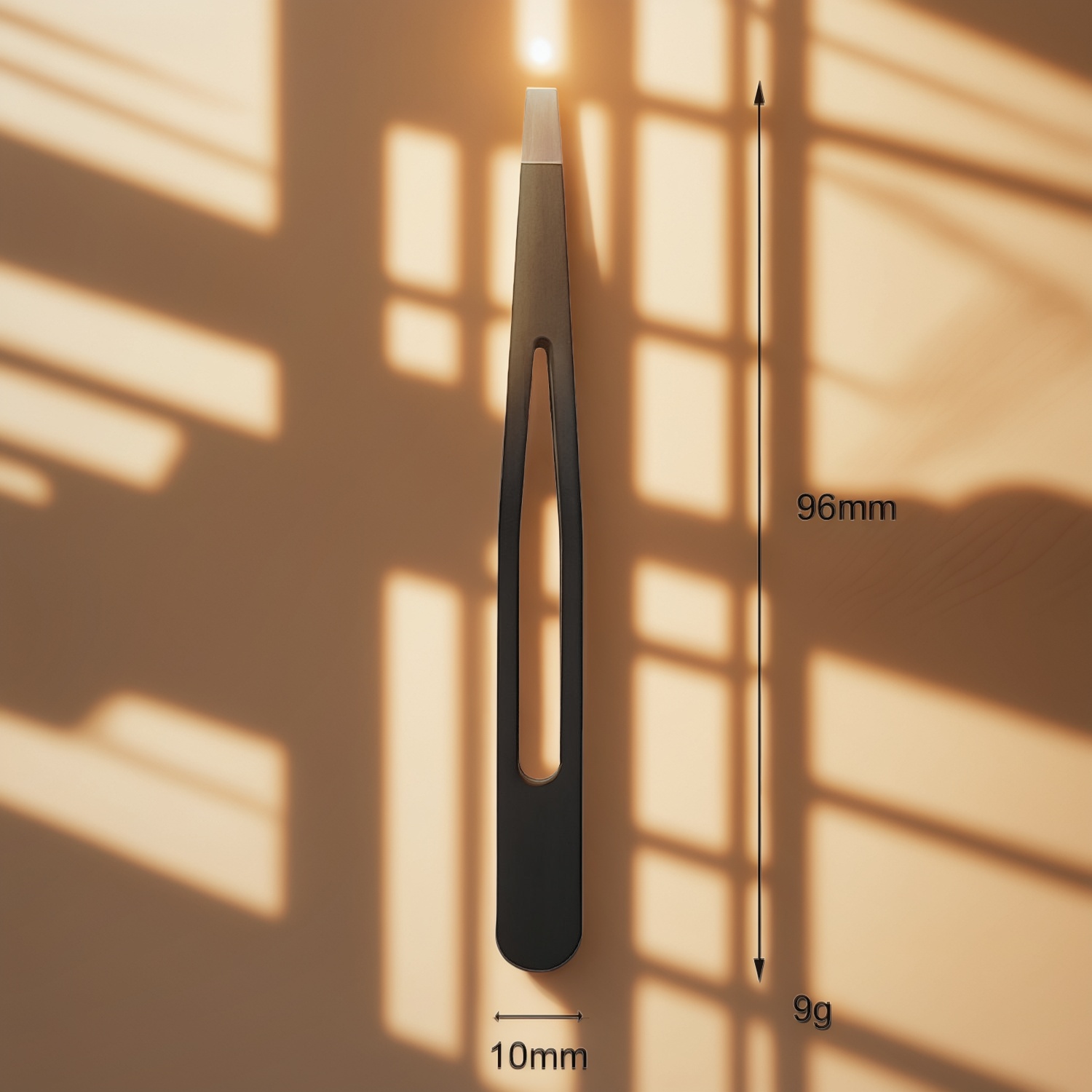
Olimor Beauty focuses on beauty tools for cosmetic and grooming use, including precision tweezers designed for professional and everyday routines. The supplied product details highlight a 96mm length, 10mm width, lightweight 9g construction and a matte black finish. Those details may look simple on a specification sheet, but each one affects comfort, control, shipping decisions, retail positioning and long-term satisfaction.
This guide explains what buyers should review when comparing a tweezer factory, supplier, exporter or OEM partner. It is written for teams that need practical selection criteria rather than broad claims. If you are building or updating a beauty tool range, you can also review related beauty tool products or browse Olimor product collections to compare category fit.
Why Precision Matters in Cosmetic Tweezers
Cosmetic tweezers are used for tasks that require control at a very small scale: brow shaping, removing fine facial hair, isolating individual hairs and supporting detailed grooming work. The user often judges the tool within the first few seconds. If the tips do not meet evenly, if the tension is too stiff or if the tool slips in the hand, the product feels unreliable.
For a manufacturer, precision begins with repeatability. The goal is not to make one good sample; it is to make consistent production units that match the agreed shape, alignment, finish and feel. Buyers should pay close attention to the tip area, spring tension and body symmetry because these are the features most directly connected to performance.
For retail and professional buyers, precision also influences customer complaints and returns. A tweezer may be inexpensive compared with larger beauty devices, but a high return rate or poor review pattern can damage a brand’s wider tool range. That is why a sourcing decision should include physical sample testing, packaging checks and inspection criteria rather than relying only on photos.
Understanding the 96mm, 9g and 10mm Design Profile
The original product information identifies a tweezer with a 96mm length, 9g weight and 10mm width. These dimensions indicate a compact, lightweight beauty tool intended for controlled hand use. A 96mm length gives enough surface area for a stable finger grip while remaining easy to store in a pouch, salon station, grooming kit or retail blister pack.
The 9g weight is also important. A lightweight tweezer can reduce hand fatigue during extended sessions, especially for brow professionals or beauty technicians who perform repeated fine movements throughout the day. Weight alone, however, is not the full story. Balance matters just as much. If the weight is concentrated unevenly, the tool may feel awkward even if the total weight is low.
The 10mm width suggests a slim profile suitable for delicate handling. A narrower body can help users see the working area more clearly and place the tips accurately. At the same time, the tool must remain strong enough to resist twisting under pressure. When evaluating samples, buyers should check whether the body flexes evenly and returns to its original position without warping.
Key Manufacturing Features Buyers Should Inspect
A good tweezer should combine grip accuracy, comfortable handling and finish durability. The matte black finish mentioned in the supplied details gives a modern visual appearance, but buyers should also assess whether the finish is even, smooth and appropriate for the target customer. A cosmetic tool often sits in close contact with skin and must feel refined in the hand.
When reviewing samples from a tweezer manufacturer, use a structured checklist. This helps separate attractive presentation from functional performance.
- Tip alignment: The tips should meet cleanly without a visible gap or overlap. Misalignment reduces the ability to grip fine hair.
- Tip finish: Edges should be precise but not rough. Sharp burrs or uneven grinding can make the tool unpleasant or unsafe to use.
- Grip tension: The tweezer should close with controlled pressure. Too stiff can tire the hand; too soft may feel weak.
- Body symmetry: Both arms should match in length, curve and position so pressure transfers evenly to the tips.
- Surface coating: The matte black finish should be consistent, with no obvious scratches, flakes, bubbles or discoloration.
- Ergonomic cutout or balance features: If the design includes cutout features, confirm they improve handling without creating weak points or uncomfortable edges.
- Packaging fit: The tweezer should be protected from tip damage during transit and display.
For private-label programs, these checkpoints can be turned into an inspection standard. Clear standards reduce misunderstandings between buyer and factory, especially when a product will be reordered over time.
Ergonomics: Small Differences That Change Daily Use
Ergonomics in tweezers is often overlooked because the tool is small. In practice, small differences in length, weight, width and tension are exactly what determine comfort. A professional brow technician may use a tweezer repeatedly for hours. A consumer may use it less often, but still expects it to grip hair without repeated attempts.
The 96mm length supports controlled handling for many users because it gives the fingers enough room to stabilize the tool. The lightweight 9g design can make the tweezer easy to maneuver, while the 10mm width supports fine applications. The matte black finish can also reduce visual glare compared with very reflective surfaces, which may be helpful under bright salon lighting, although buyers should evaluate this in their own use environment.
Cutout features, when included in a design, can influence both appearance and weight distribution. A buyer should not judge them only as decoration. The cutout area should be smooth, comfortable and positioned so it does not interfere with finger pressure. It should also avoid weakening the body. During sample review, hold the tweezer in different positions and test it with both short and longer grip styles.
Quality Assurance From Material Selection to Final Packing
Quality assurance in tweezer manufacturing should cover more than a final visual inspection. A reliable process typically begins with raw material selection, continues through shaping and finishing, and ends with packing checks. The original information notes Olimor Beauty’s focus on quality control from raw material selection to final packaging. For buyers, the practical question is how those stages are translated into measurable checks for the specific order.
A useful inspection plan can include incoming material review, in-process dimensional checks, tip alignment inspection, surface finish review and final packing verification. Buyers do not need to overcomplicate the process, but they should define what is acceptable before mass production. For example, a tiny finish variation may be acceptable for one sales channel but unacceptable for a premium retail launch.
Packaging deserves particular attention because tweezer tips can be damaged if they are allowed to rub or press against hard surfaces during shipping. A tool may leave the factory aligned but arrive with bent tips if protection is insufficient. Sample packaging should be tested for both appearance and transport practicality.
| Inspection Area | What to Check | Why It Matters |
|---|---|---|
| Tip contact | Even closing and clean meeting point | Determines ability to grip fine hair |
| Spring tension | Comfortable closing force | Affects fatigue and control |
| Dimensions | 96mm length, 10mm width if specified for the order | Maintains consistency across production |
| Weight | 9g target if specified for the order | Supports expected hand feel and product positioning |
| Finish | Consistent matte black surface | Impacts appearance and perceived quality |
| Packing | Tip protection and clean presentation | Reduces transit damage and retail issues |
OEM and Wholesale Considerations for Beauty Brands
For brands sourcing tweezers wholesale or through OEM development, the first step is to define the product role. Is the tweezer a single retail item, part of a brow kit, a gift set component or a professional salon supply? Each use case changes the priorities. A standalone retail tweezer may need stronger visual differentiation, while a kit component must fit packaging dimensions and price architecture.
OEM discussions should cover the technical sample, surface finish, color expectations, packaging format, logo placement if required, and the method used to protect tips. Buyers should avoid vague descriptions such as “premium feel” unless they are supported by reference samples or written standards. A more useful approach is to compare approved samples and define pass/fail points for alignment, finish and packing.
Because exact order requirements vary, prepare a concise product brief before contacting a supplier. Include target market, sales channel, packaging preference, expected finish, inspection priorities and timeline. If you are ready to discuss a project, you can send an inquiry with your sourcing requirements or contact Olimor for communication with the team.
Sourcing Questions That Lead to Better Decisions
Good sourcing questions help buyers compare factories without relying on broad marketing claims. They also make it easier for a manufacturer to respond with relevant information. Instead of asking only for a general quotation, ask questions tied to the actual performance of the tweezer.
- What dimensions, weight and finish are planned for the final production version?
- How will tip alignment be checked before packing?
- What level of surface variation is acceptable for the matte black finish?
- How will the tweezer tips be protected during shipping and storage?
- Can pre-production samples be reviewed against the approved specification?
- What packaging options match the intended sales channel?
- How should defects be categorized for cosmetic issues, functional issues and packing damage?
These questions do not require the buyer to become a manufacturing engineer. They simply create a clearer path from sample approval to repeatable production. The best supplier relationship is built around shared standards, not assumptions.
Maintaining Tweezer Quality After Purchase
End-user care instructions can reduce complaints and extend product life. Even a well-made tweezer can lose performance if it is dropped on the tips, stored loose with hard objects or exposed to harsh conditions. Brands and distributors should consider adding simple care guidance to packaging or product pages.
Recommended care language can be straightforward: keep the tips protected when not in use, wipe the tool after use, avoid dropping it, and store it in a clean, dry place. If the product is sold to professional users, include cleaning guidance suitable for their operating environment without making unsupported claims. Clear care instructions help customers understand that precision tools require careful handling.
Building a Reliable Tweezer Range With Olimor Beauty
A strong tweezer range begins with well-defined product requirements and careful sample evaluation. The 96mm length, 9g lightweight construction, 10mm width and matte black finish described for this tool provide a practical foundation for brow shaping and precise grooming applications. For buyers, the next step is to connect those features to the intended market, packaging plan and inspection standard.
Olimor Beauty serves buyers looking for beauty tool manufacturing support, including wholesale, export and OEM-oriented cooperation. When evaluating any tweezer manufacturer, focus on the details that users actually feel: tip accuracy, comfortable tension, balanced handling, consistent finish and secure packing. Those factors are what turn a small cosmetic tool into a product customers choose again.