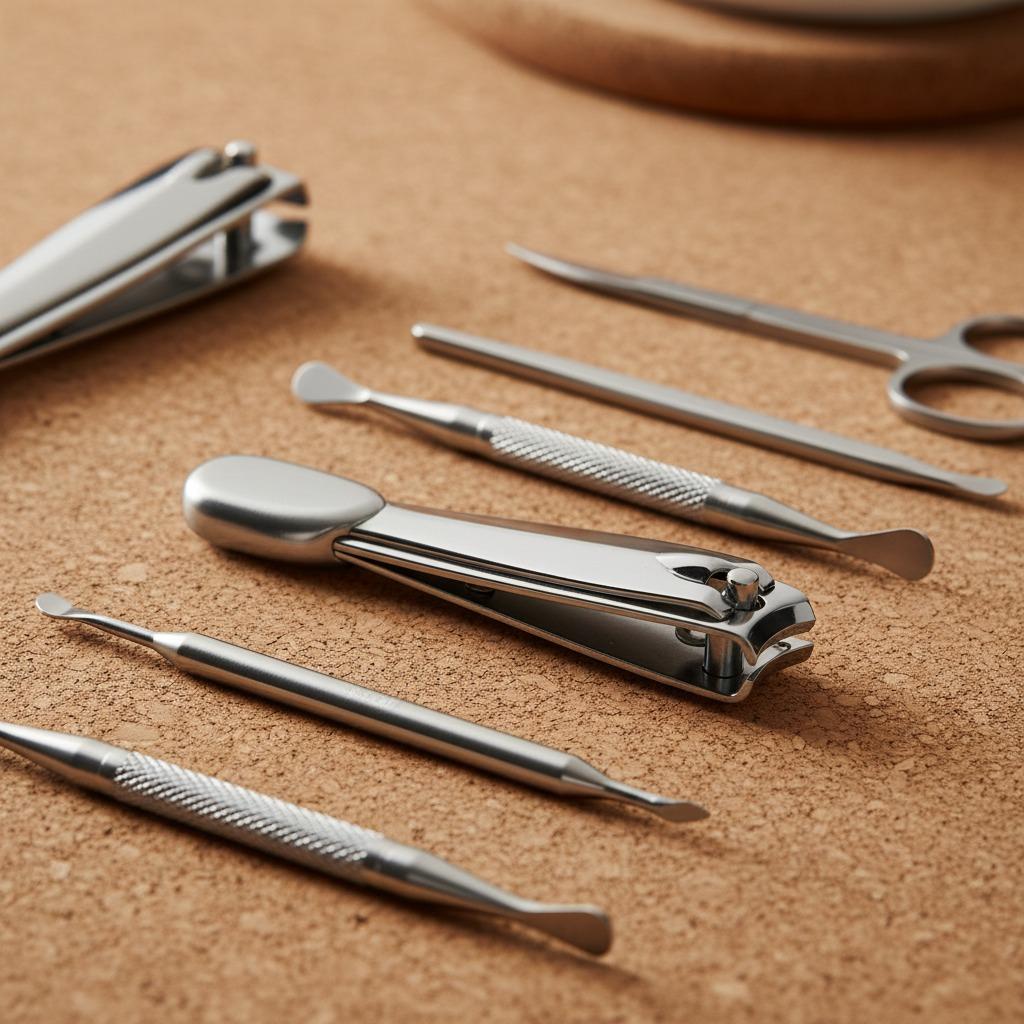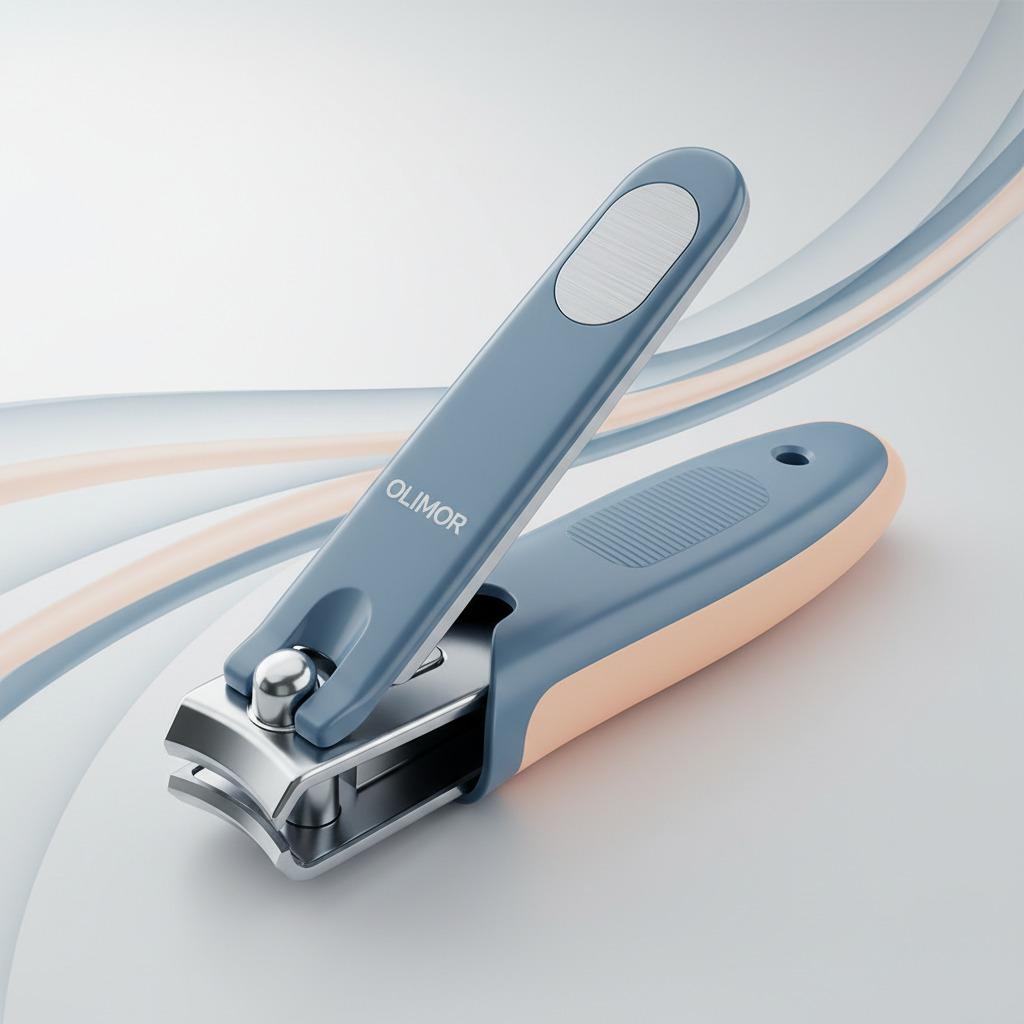
OEM nail clippers are small products, but they carry a large responsibility for a beauty, grooming, travel, or personal care brand. A customer may use a nail clipper weekly for years, so the product has to feel stable in the hand, cut cleanly, resist premature dulling, and remain easy to clean. When a brand adds an anti-splash design, the expectations become even more specific: the clipper should help contain nail fragments without making the tool bulky, awkward, or difficult to maintain.
For buyers comparing OEM nail clippers, feasibility is not only about whether an anti-splash cover can be made. It is about whether the final design supports a reliable user experience, fits the intended retail channel, and can be produced consistently with the finish, packaging, and quality level your brand needs. This guide explains how to assess anti-splash nail clippers before moving into an OEM project with Olimor Beauty.
Why Anti-Splash Nail Clippers Matter to End Users
Traditional nail clippers can scatter nail fragments across a sink, table, or floor. This is a common frustration for at-home grooming, hotel amenities, travel kits, and salon retail displays. Anti-splash designs are intended to reduce that mess by helping keep trimmed pieces closer to the cutting area or inside a controlled space. The feature sounds simple, but it affects several parts of the product: jaw opening, blade access, handle movement, cleaning method, and the user’s view of the nail while cutting.
For a beauty brand, this feature can help communicate practicality rather than novelty. A good anti-splash nail clipper does not need exaggerated claims. It should make trimming tidier, especially for users who groom in shared bathrooms, pack tools in a travel pouch, or want a more controlled clipping experience. The main purchasing question is whether the containment structure improves daily use without creating new problems such as trapped debris, difficult rinsing, or reduced cutting visibility.
Core Product Features to Assess Before OEM Development
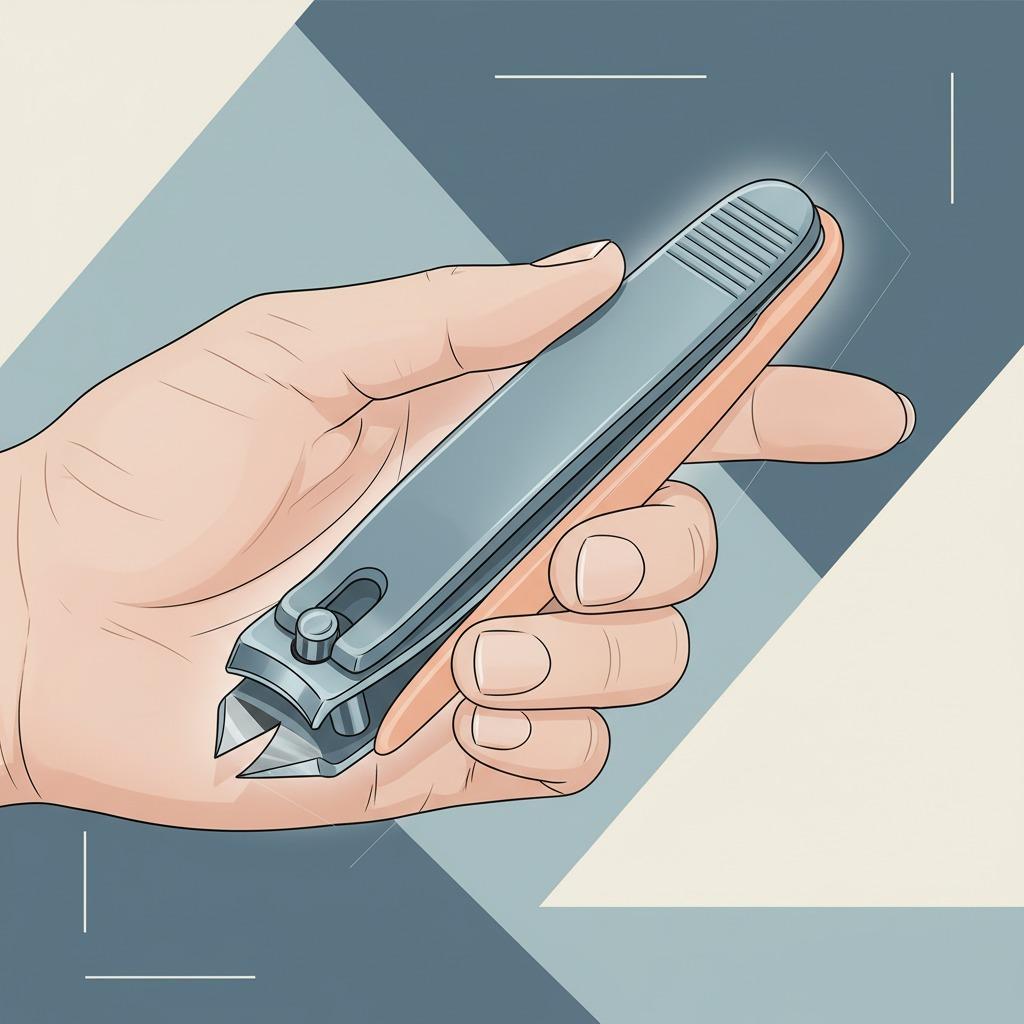
The supplied product concept highlights ergonomic design, sharp stainless steel blades, and anti-splash functionality. These are the right starting points, but each should be evaluated in practical terms. A comfortable handle matters because nail clipping requires controlled pressure. If the lever is too thin, slippery, or poorly balanced, users may apply uneven force. If the anti-splash component interferes with leverage, the tool can feel weaker even when the blade is sharp.
Stainless steel blades are a common choice for nail tools because they can support sharp cutting edges and a clean appearance. However, buyers should still review the blade alignment, edge consistency, rivet or pin stability, and surface finish. A nail clipper can look polished but perform poorly if the upper and lower cutting edges do not meet evenly. For private-label or OEM projects, sample review should include both adult fingernail and thicker toenail use cases if the product is intended for both.
Finish selection also affects positioning. The original concept refers to modern muted blue and peach finishes, which may suit lifestyle, travel, or gift-oriented assortments. Color can help differentiate a small tool on a retail shelf, but it should not be chosen only for appearance. Buyers should consider grip feel, resistance to visible scratches, compatibility with packaging artwork, and whether the color direction fits the rest of the brand’s beauty tool products.
Anti-Splash Feasibility: Design Questions That Affect Performance
An anti-splash structure can take different forms, such as a guard, catcher, partial enclosure, or shaped side wall. The best option depends on the target user and the desired cleaning method. A fully enclosed design may contain fragments well but can be harder to empty. A more open guard may be easier to rinse but less effective at containment. Feasibility should be reviewed through the full user journey: opening the package, holding the clipper, trimming, emptying fragments, cleaning, drying, and storing.
Before approving an OEM nail clipper with anti-splash design, evaluate these criteria:
- Cutting visibility: The user should still see the nail edge clearly enough to trim with confidence.
- Fragment control: The design should reduce scattering during normal use, not only when held at one perfect angle.
- Lever comfort: Added parts should not restrict the pressing motion or create uncomfortable pressure points.
- Cleaning access: Nail fragments should be easy to remove without shaking excessively or using a separate tool.
- Durability of attachments: Any cover or catcher should feel secure during repeated opening, closing, and storage.
- Travel suitability: The tool should not snag on pouches or collect debris when carried with other grooming items.
These checks are especially important for OEM projects because a design that looks strong in product photos may behave differently in real hands. Reviewing physical samples is the most reliable way to judge the balance between neat trimming and convenient cleaning.
How to Match the Clipper to Your Sales Channel
Not every anti-splash nail clipper should be positioned the same way. A tool sold in a travel grooming kit may prioritize compact size and secure storage. A salon retail product may need a more premium hand feel and a finish that looks good on display. A family grooming set may require simple cleaning and easy handling for different users. The OEM specification should reflect the channel before packaging and decoration are finalized.
| Sales channel | What to prioritize | Buyer check |
|---|---|---|
| Travel kits | Compact form, smooth exterior, contained fragments | Check pouch fit and whether the guard catches on fabric. |
| Retail beauty shelves | Attractive finish, clear feature communication, comfortable handling | Confirm the color and packaging explain the anti-splash benefit simply. |
| Salon or spa resale | Clean cut, durable feel, easy sanitation routine | Review how quickly fragments can be removed after each use. |
| Gift sets | Coordinated color, neat presentation, broad usability | Ensure the clipper fits visually with other tools in the set. |
This type of channel-based review helps avoid overdesign. For example, a bold color may be helpful for a lifestyle gift set, while a more understated finish may be better for a professional grooming range. If you are building a broader assortment, comparing related product collections can help align the nail clipper with other beauty tools in size, finish, and packaging language.
OEM Branding, Packaging, and Finish Considerations
OEM development is not limited to adding a logo. For nail clippers, branding decisions should be made around the usable surfaces of the tool, the durability of the decoration method, and the way the product will be displayed. A logo that looks attractive on a flat artwork file may become too small or distorted on a curved lever. Buyers should review decoration placement on an actual sample or accurate production drawing.
Packaging should explain the anti-splash design without overpromising. Clear phrases such as “helps contain nail clippings” are easier for consumers to trust than exaggerated claims. If the package has a window, make sure the anti-splash component is visible. If the product is packed in a closed box, include a simple diagram or short benefit statement. For online listings, show the clipper from angles that reveal the cutting head, lever, and containment feature.
Color selection also deserves early attention. Muted tones such as blue or peach can soften the look of a metal grooming tool and make it more suitable for beauty retail. Still, the finish should be assessed for consistency across batches, compatibility with logo decoration, and visual match with companion items. If your brand plans to launch multiple tools, it is better to define a finish system at the assortment level rather than choosing one color for each item separately.
Quality Checks for a Reliable Nail Clipper Program
A nail clipper is judged in seconds. If it tears, bends, slips, or feels rough, customers immediately notice. OEM quality control should therefore focus on function as much as appearance. While exact inspection standards depend on the final specification, buyers can use a practical checklist when reviewing samples and pre-production references.
- Open and close the lever repeatedly: Movement should feel smooth, not loose or gritty.
- Inspect blade alignment: The cutting edges should meet evenly across the intended cutting area.
- Test different nail thicknesses: Confirm whether the clipper is positioned for fingernails, toenails, or general use.
- Check the anti-splash feature after trimming: Look at where fragments collect and how easily they are emptied.
- Review edges and corners: Areas touched by the fingers should not feel sharp or unfinished.
- Evaluate finish appearance: Check for visible scratches, uneven coating, color variation, or marks near moving parts.
- Confirm packaging fit: The clipper should not move excessively in the package or damage the insert during transit handling.
These steps help buyers compare samples objectively. They also create a shared language for communicating improvements before production decisions are made.
Working with Olimor Beauty on OEM Nail Clippers
Olimor Beauty supports beauty tool sourcing for brands that need practical, market-ready grooming items. For an OEM nail clipper with anti-splash design, a productive development brief should include the target market, expected use case, preferred finish direction, branding requirements, packaging style, and any retail compliance needs relevant to your channel. The more clearly the product role is defined, the easier it is to evaluate whether a design is suitable.
If you are comparing nail clippers as part of a wider beauty tool program, it is helpful to prepare reference images, desired packaging dimensions, and a list of features that are essential versus optional. For example, anti-splash containment may be essential, while a specific color may be adjustable. This distinction keeps the development process focused on performance and user value.
Brands ready to discuss an OEM project can send an inquiry with product goals, artwork direction, and sample requirements. For broader sourcing questions or help narrowing options, you can also contact Olimor. A well-planned nail clipper may be a compact item, but when the cut, comfort, finish, and anti-splash function work together, it becomes a dependable product that customers keep using.