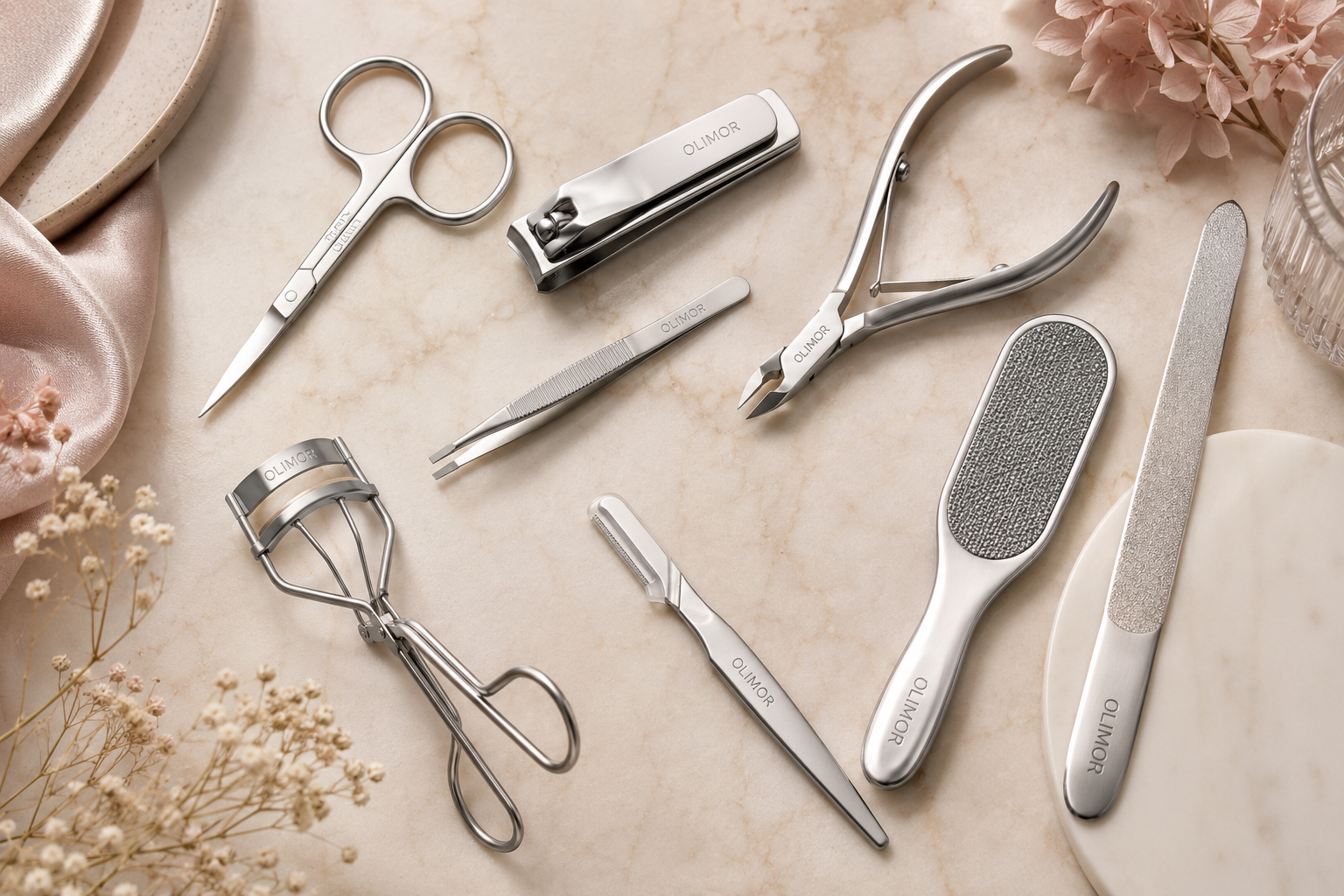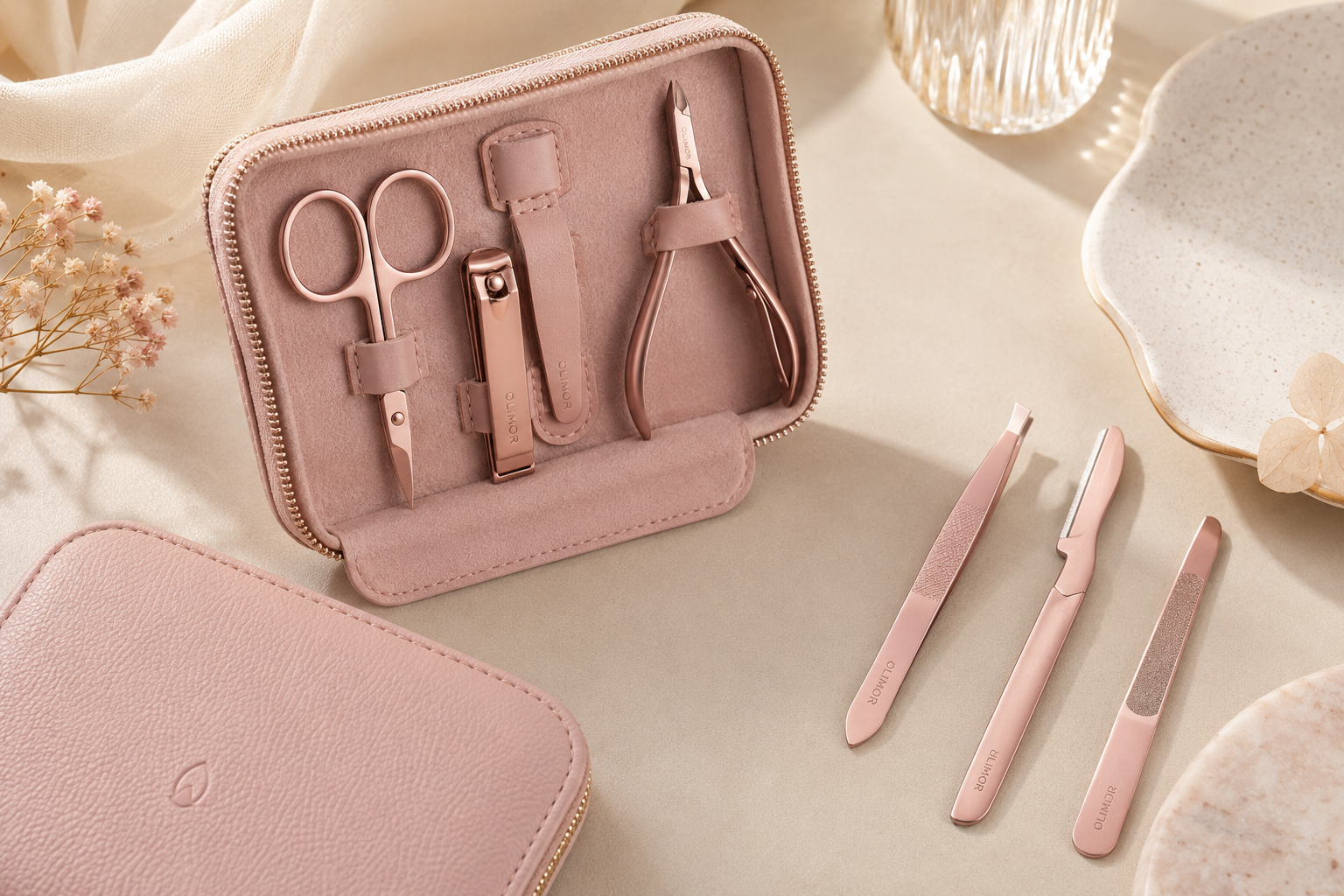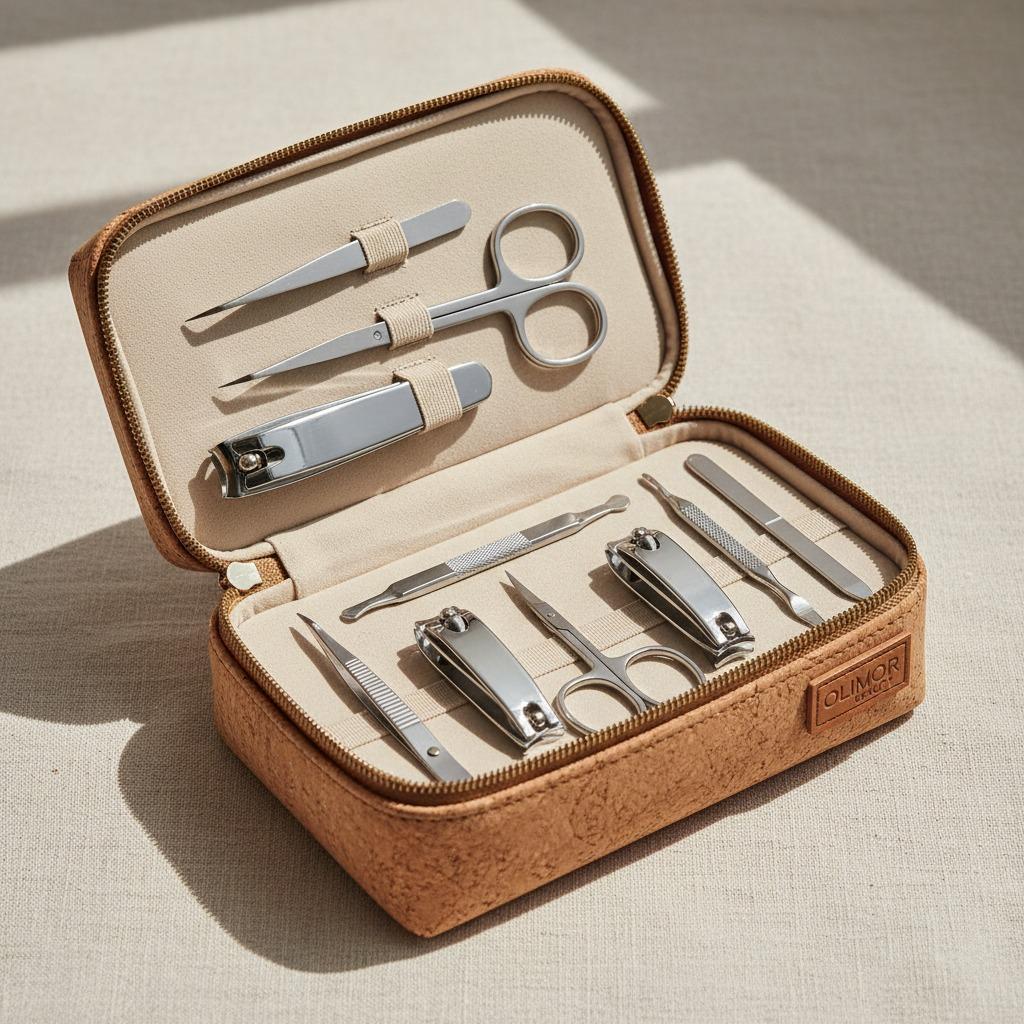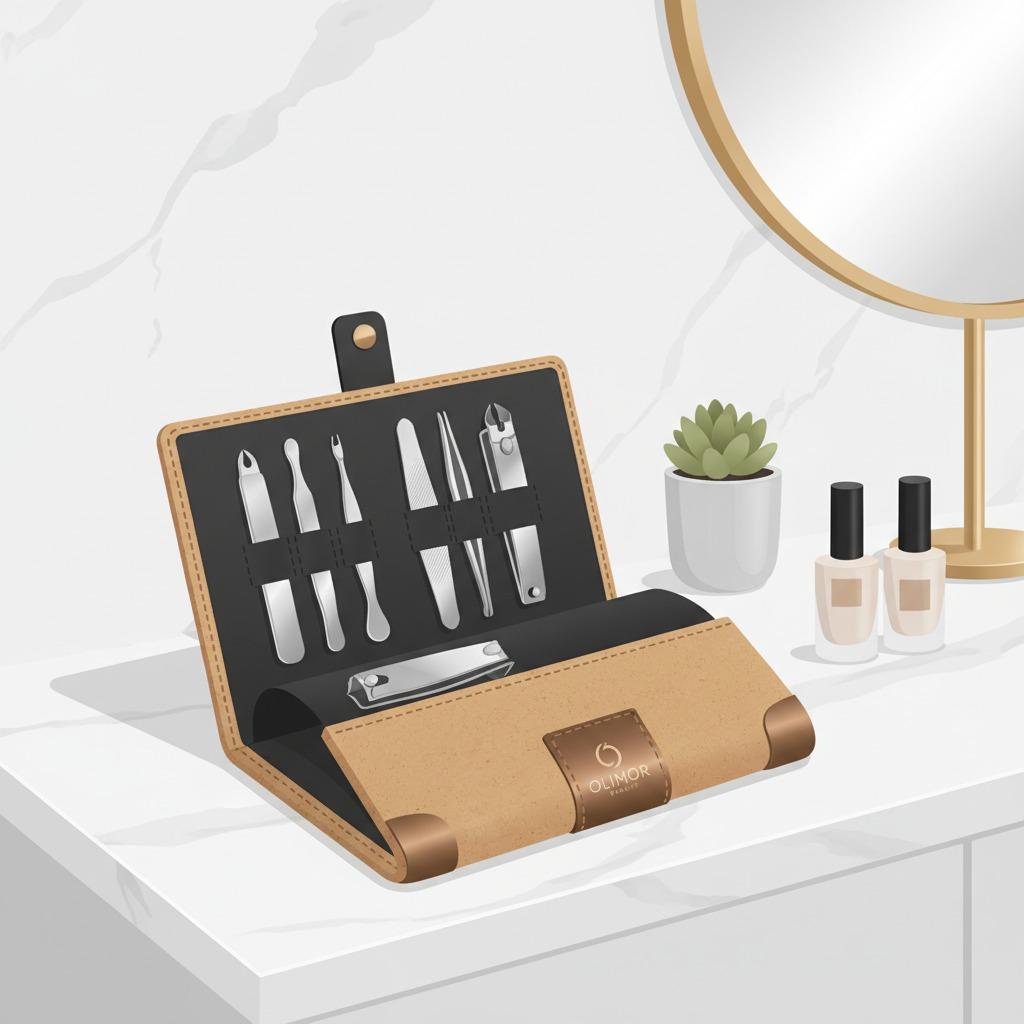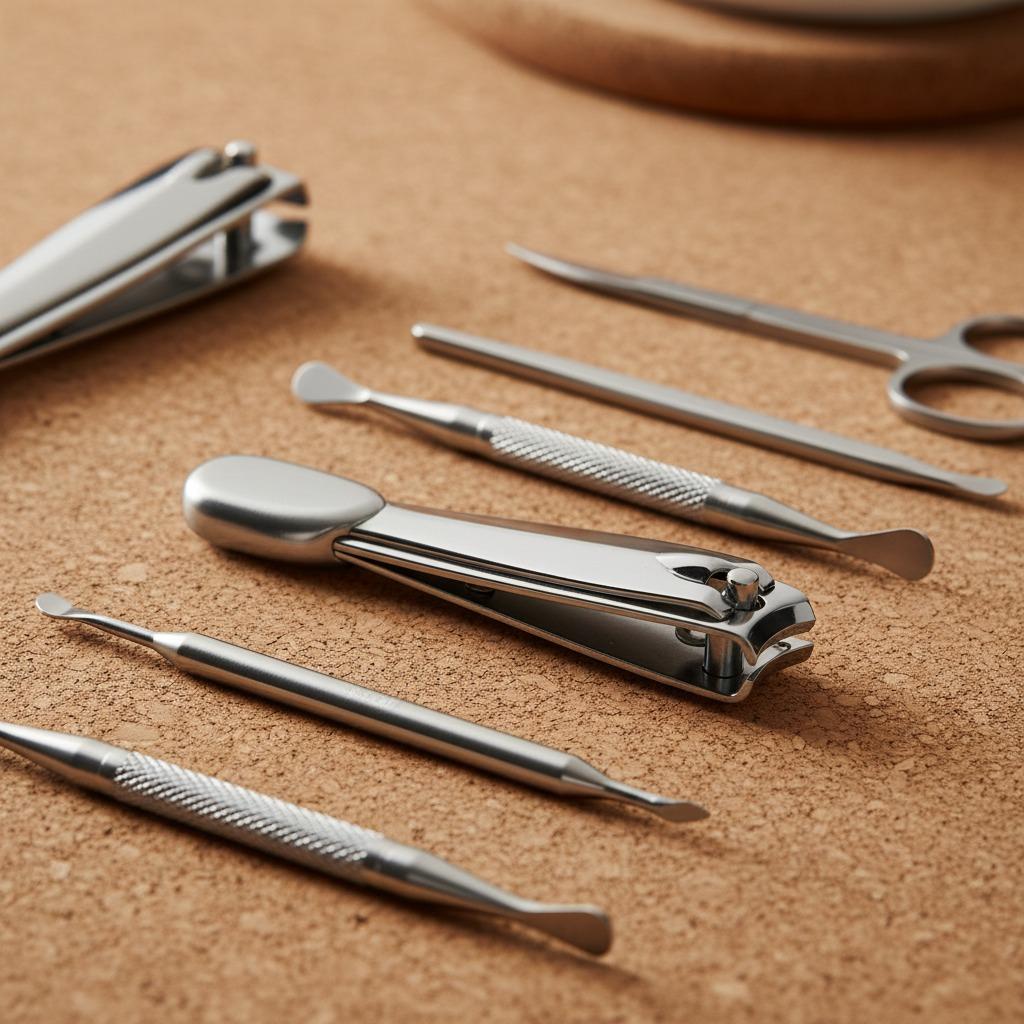











If you are sourcing a nail clipper that feels more substantial than a basic stamped tool, start with two questions: do the blades close cleanly, and does the handle give stable control? Olimor Beauty's powder-cast stainless steel nail clipper with a G10 handle is built around those practical needs. It is aimed at everyday grooming, travel kits, salon backbars, and retail assortments where buyers want a tool that combines cutting function with a more refined hand feel.
The most useful way to evaluate this clipper is not by appearance alone. A good nail clipper should trim cleanly, resist awkward hand movement, and remain easy to wipe and store. In a sourcing context, that means looking at blade alignment, pivot action, handle texture, finish quality, and the visual options available for different product programs. For a broader view of where this tool can sit in a line, you can browse the beauty tool range or compare it with other grooming items in the collection.
What this nail clipper is designed to do
The clipper is designed to make routine nail trimming simpler and more controlled. Its powder-cast stainless steel blades are meant to support precise cutting, while the G10 handle provides a stronger grip and a more confident feel in the hand. That combination matters because nail trimming is a small task with a high expectation: the user wants a clean cut without repeated squeezing, jagged edges, or unnecessary slipping.
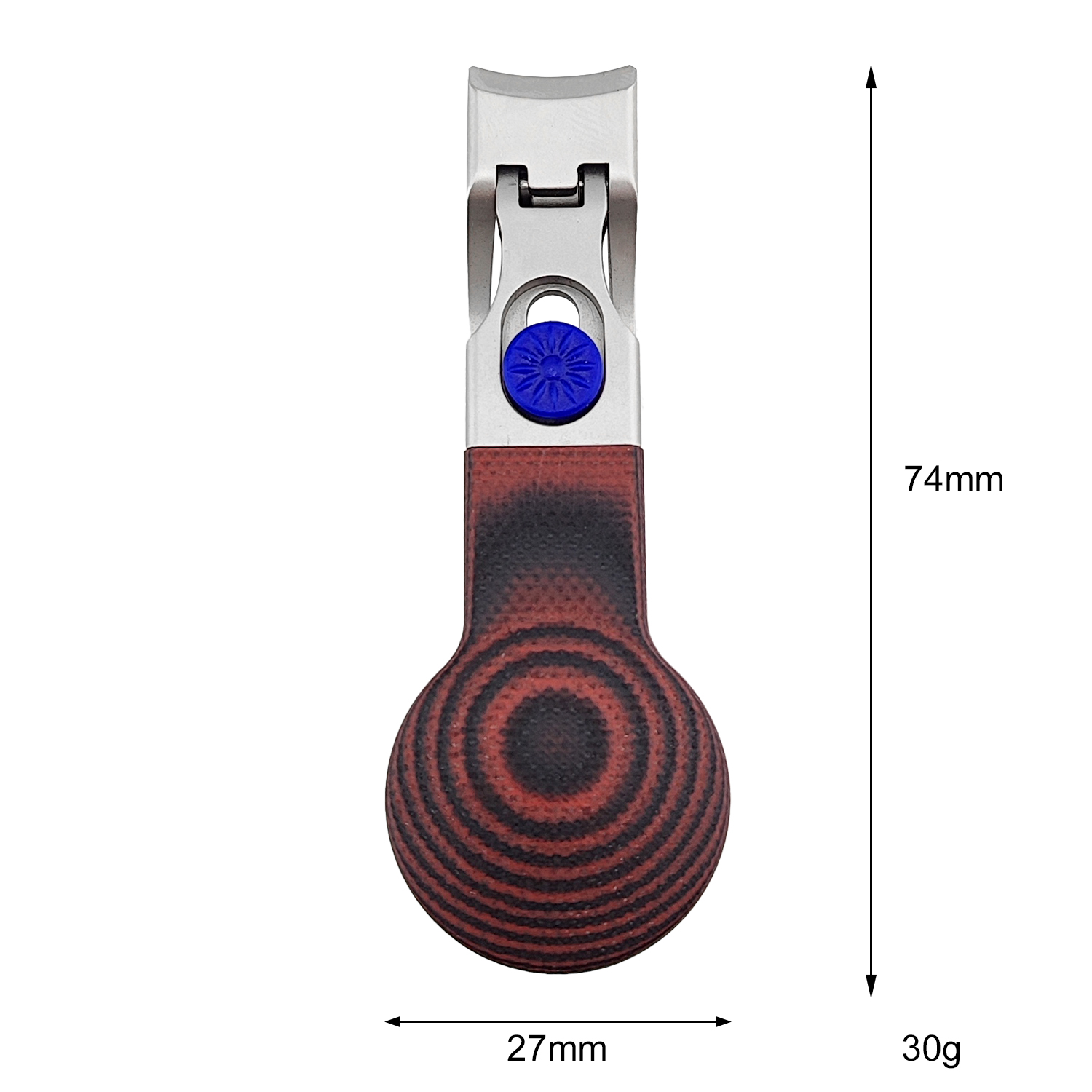
For buyers, this means the product can be positioned as a practical upgrade rather than a decorative accessory. It fits customers who want a compact grooming tool for fingernails, toenails, or travel use, as well as retail sets that emphasize durability and comfort. The product direction also includes polished stainless steel surfaces, curved or contoured shapes, and handle finishes that may appear in green, layered wood-like textures, or red-and-black patterns.
When you evaluate this kind of clipper, focus on how it feels in real use:
- It should open and close with controlled pressure.
- The cutting jaws should meet evenly.
- The handle should feel secure with dry or slightly damp hands.
- The overall size and shape should be easy to store in a grooming pouch or drawer.
How the blade construction affects cutting quality
For any nail clipper, the blades are the heart of the tool. Powder-cast stainless steel is used here because it supports a strong and uniform blade structure. In practical terms, that can help the edge stay consistent and reduce the chance of an uneven or rough cut. The useful point for a buyer is not just the material name, but how the finished blade performs after assembly.
A clipper can still underperform if the jaws do not meet correctly. If the upper and lower blades close with a visible gap, the tool may crush the nail before cutting it. That can leave splitting, rough corners, or a less controlled trim. When reviewing samples, check the closure from side to side and make sure the pivot feels steady rather than loose.
The source design direction mentions different jaw styles, including comb-like blade designs and smooth curved jaws. Each style has its own practical role:
| Blade or jaw style | Best use | What buyers should inspect |
|---|---|---|
| Curved jaw | Following the natural shape of fingernails | Even closure, smooth cutting line, comfortable visual guidance |
| Broader or more structured jaw | Trimming thicker nails in smaller steps | Stable leverage and clean edge meeting under pressure |
| Comb-like blade design | Product lines that want a distinctive cutting profile | Consistency across units and a clean pivot action |
For sourcing purposes, the most important checks are simple: the blades should not scrape, snag, or close unevenly, and the edge should appear smooth enough for easy wiping after use. If the clipper is intended for both fingernails and toenails, test both. Toenails are a better stress test because they quickly reveal whether the blade and leverage are genuinely comfortable to use.
Why the G10 handle matters for grip and control
The G10 handle is more than a visual feature. G10 is valued for strength, moisture resistance, and a textured feel that helps the user maintain control during cutting. In a nail clipper, that matters because the user is applying short bursts of force, often with wet or slippery hands. A handle that gives a secure contact point can reduce awkward hand movement and help the user position the blades more accurately.
The design direction for this clipper includes ergonomic shapes such as broad, curved, or contoured handles. That kind of shaping can make the tool easier to hold during toenail trimming, where users often need more leverage. It can also support more comfortable trimming in a shared grooming environment, where a stable grip makes the tool easier to use and inspect.
The available visual options also matter for retail planning. Green finishes, layered wood-like textures, and red-and-black patterns can help the product stand out in different markets or assortment themes. That is useful if you are building a set around color coordination, premium presentation, or a stronger gift-ready look. For buyers comparing options, handle material and shape should be evaluated alongside the blade itself, not treated as decoration alone.
In short, the G10 handle contributes to:
- Better finger contact during trimming
- Improved control with wet or dry hands
- A more substantial feel than a plain metal lever
- Greater visual flexibility for retail display and gift sets
What to inspect in supplier samples
Small grooming tools can vary from unit to unit if production control is weak, so sample review is essential. A good sample should show consistent blade meeting, smooth pivot action, clean finishing, and a handle that feels solid in the hand. If you are buying for distribution, private selection, or a retail program, review more than one piece before making a final decision.
| Inspection point | What to look for | Why it matters |
|---|---|---|
| Blade alignment | Upper and lower blades close evenly without visible gaps | Helps prevent crushing or jagged trimming |
| Pivot action | Smooth movement with no loose wobble | Supports predictable pressure and easier use |
| Cut feel | Clean trimming action on fingernails and toenails | Shows whether the blade and leverage work together well |
| Handle finish | Textured G10 surface feels secure and consistent | Improves grip and handling confidence |
| Surface condition | Polished stainless steel is smooth and easy to wipe | Supports maintenance and shelf presentation |
| Visual consistency | Color, pattern, and finish match across units | Important for retail sets and brand presentation |
A practical sample test can be done with simple observations: open and close the tool several times, check whether the jaws meet evenly, and trim a few nails to judge control. If the handle is intended for a premium retail program, also inspect the surface finish for burrs, marks, or visible inconsistencies. This is especially important when the product is part of a broader beauty tool assortment and must present well on shelf.
How to use and maintain the clipper for longer service life
Even a well-made nail clipper performs better when it is used and stored correctly. The general rule is simple: keep it dry, keep it clean, and use it only for nails. Stainless steel blades and a moisture-resistant handle help, but routine care still matters.
- Trim after washing and drying hands or feet, since nails are easier to control when they are clean.
- Cut in small sections rather than forcing one heavy cut through a thicker nail.
- Wipe the blade area after each use to remove nail fragments and dust.
- Store the clipper in a dry pouch, drawer, or grooming case to protect the edge.
- Check the pivot if the lever begins to feel uneven or sticky.
Do not use the clipper on wire, plastic tags, or other hard materials. That can damage the blade edge and reduce trimming quality. In shared or professional settings, cleaning should follow the hygiene rules required by the environment. For home use, a dry wipe after each use is usually the simplest habit to maintain.
How to position it in retail, salon, or gift assortments
This clipper is best positioned as an upgraded daily nail tool. It is not just a basic commodity item, because the blade material, G10 handle, and polished finish give it a more purposeful identity. That makes it suitable for retailers who want a stronger grooming shelf story, salons that want durable backbar tools, and gift-set planners who need compact items with visual appeal.
For retail presentation, the strongest message is practical rather than decorative: powder-cast stainless steel blades for clean trimming, a G10 handle for secure control, and a compact form that stores easily. The handle color and pattern can be used to support a modern, premium, or gift-friendly look without changing the core function of the tool.
For assortment planning, compare it with other grooming products in the line and decide whether it should sit as a standalone purchase, a travel accessory, or part of a nail care kit. If you are shaping a larger program, a direct conversation can help clarify finish options and packaging direction. You can also talk with the team or send a sourcing inquiry when you are ready to discuss the fit for your market.
Compliance, documentation, and buyer due diligence
For any beauty tool sold across different markets, buyers should verify the current rules that apply to their destination country or region. Depending on where the product is sold, material and finish checks may need to align with current EU REACH requirements, and U.S. buyers may also need to review relevant guidance from the Consumer Product Safety Commission. These references can change, so always verify the current versions and request supplier documents that match the exact product configuration.
Useful documents to request include material declarations, finish details, care instructions, and packaging information. If your retail program requires a specific appearance, ask for sample approval before confirming the final version. For private selection or distribution, it is also sensible to confirm whether the visual options shown in a presentation are available for the exact order you want to place. Do not assume that every finish or pattern is standard across all programs.
A simple due diligence checklist:
- Confirm the blade and handle materials described for the sample.
- Review the actual finish and color option you expect to receive.
- Ask for care and cleaning guidance suitable for your channel.
- Check that the sample matches the version intended for retail or resale.
- Verify the current compliance documents for the target market.
FAQ
Can I request samples before placing a larger order?
Yes. Samples are the best way to judge blade alignment, pivot feel, handle texture, and the visual finish before you decide on a larger program.
Can the handle finish or color be customized?
Available finishes may vary by product program. Ask for the current options and confirm the version you want with a sample or approval step.
How do I check quality without lab testing?
Start with practical inspection: check whether the jaws close evenly, whether the lever moves smoothly, and whether the clipper cuts cleanly on both fingernails and toenails.
Is this clipper suitable for both fingernails and toenails?
It is designed for routine nail trimming. Testing both fingernails and toenails is useful because toenails reveal blade and leverage performance more clearly.
What should I ask about lead time or MOQ?
Confirm those terms directly during your inquiry, since they depend on the exact configuration, finish, and order plan.
If you want to discuss fit, finish options, or product positioning for your market, contact Olimor Beauty for a conversation or send an inquiry to start the sourcing process.