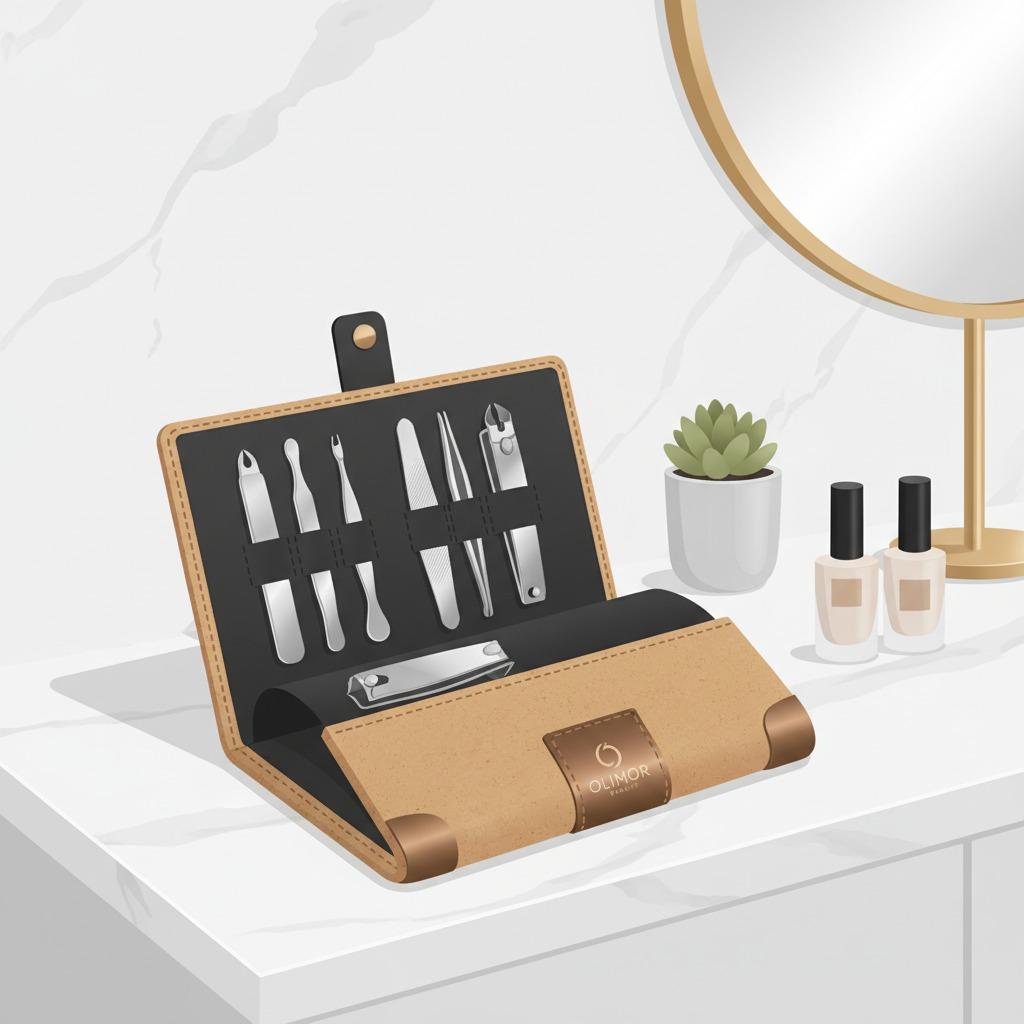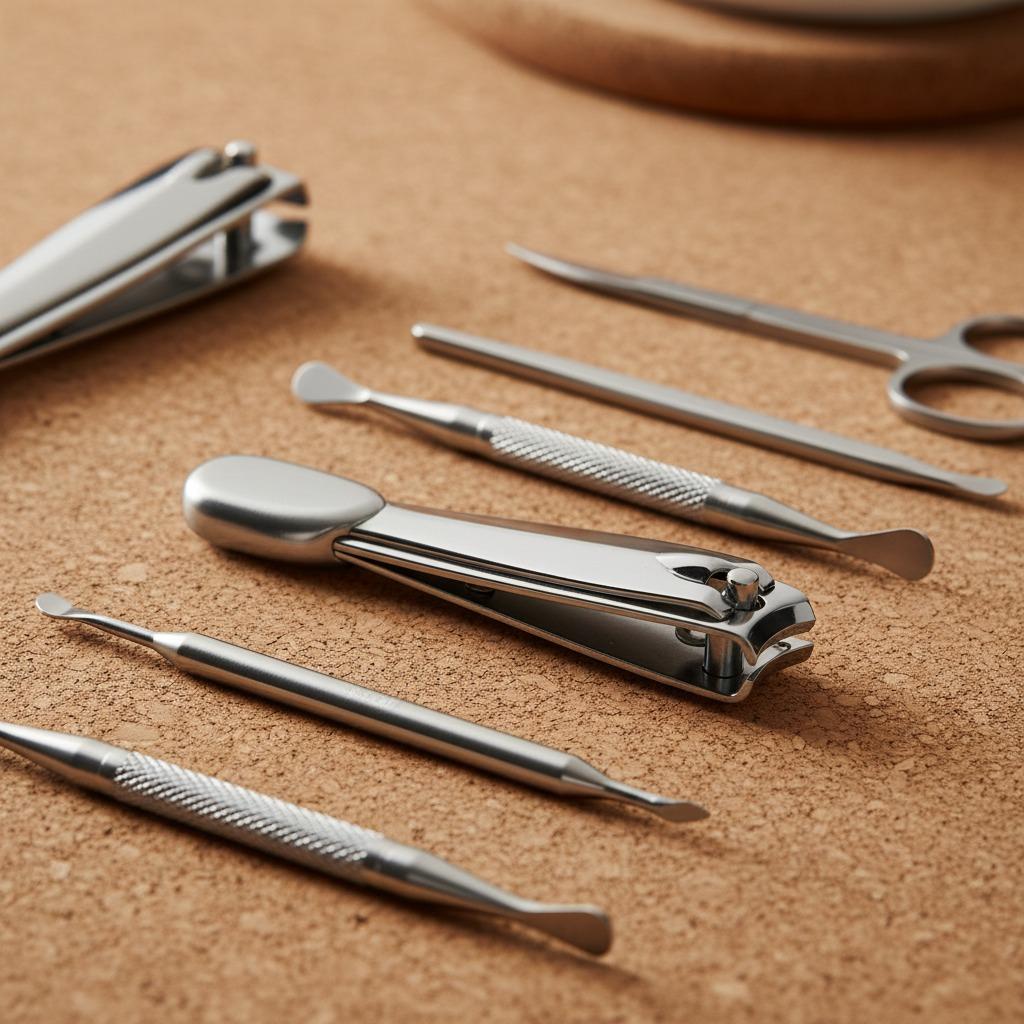











For beauty retailers, salons, spas, gift-set brands, and personal care distributors, a nail clipper is not a small afterthought. It is a frequently used grooming tool that customers judge quickly: does it cut cleanly, feel secure in the hand, resist bending, and remain practical after repeated use? Choosing the right nail clippers supplier affects customer satisfaction, returns, repeat orders, and the credibility of your product range.
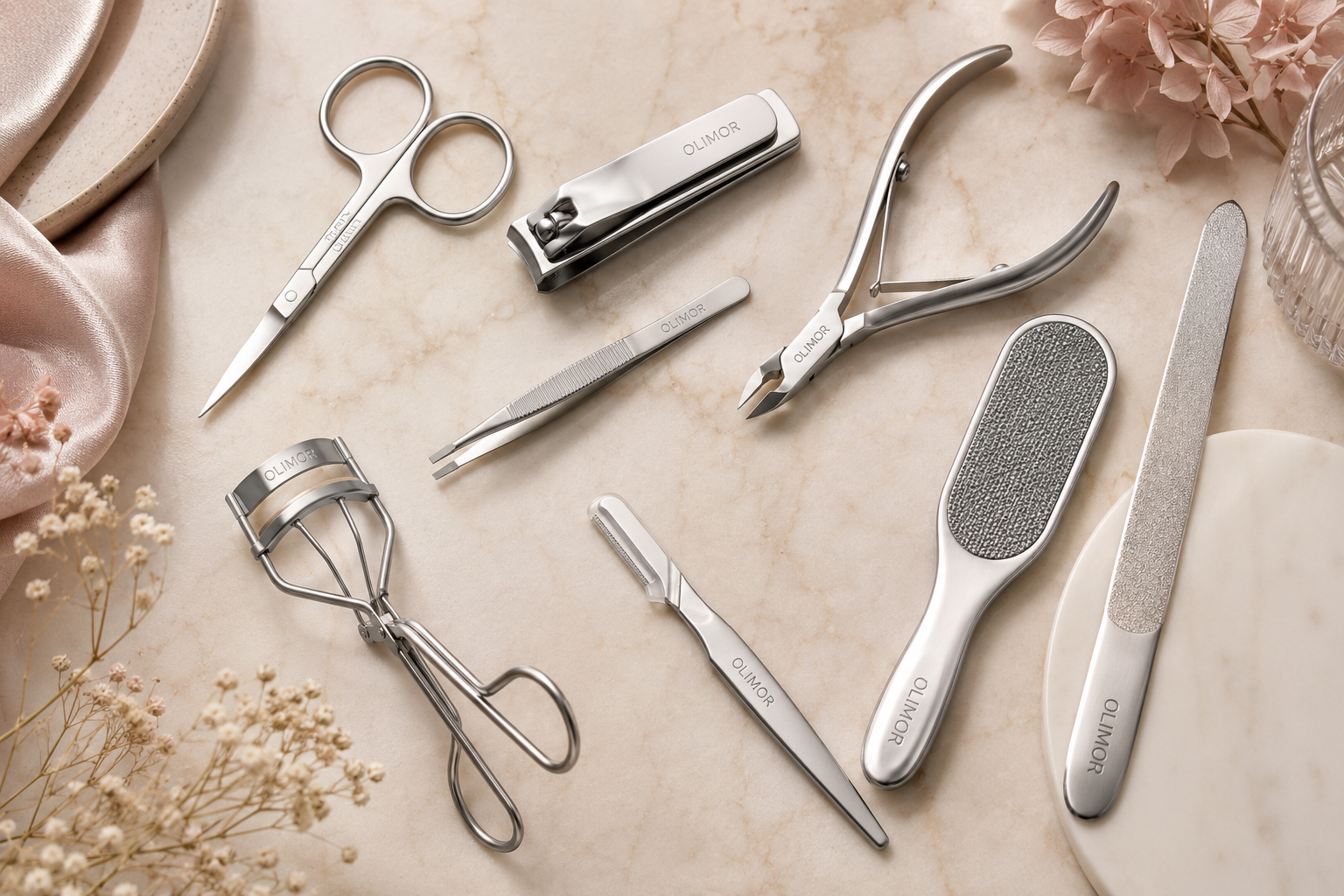
A reliable supplier should help you source clippers that are comfortable, durable, and consistent from batch to batch. The decision is not only about unit cost. Buyers also need to review cutting performance, material selection, handle design, inspection discipline, packaging suitability, and how well the product fits the intended market. Olimor Beauty focuses on beauty tools and personal care accessories for business buyers who need dependable products with practical design. You can explore related beauty tool products to compare how nail care tools fit within a broader grooming assortment.
What Wholesale Buyers Should Expect from a Nail Clippers Supplier
A nail clippers supplier should provide more than a catalog item. Wholesale buyers need product consistency, clear communication, and an understanding of how grooming tools are evaluated by end users. A clipper may look simple, but small differences in blade alignment, edge sharpness, spring tension, lever feel, and grip texture can change the user experience dramatically.
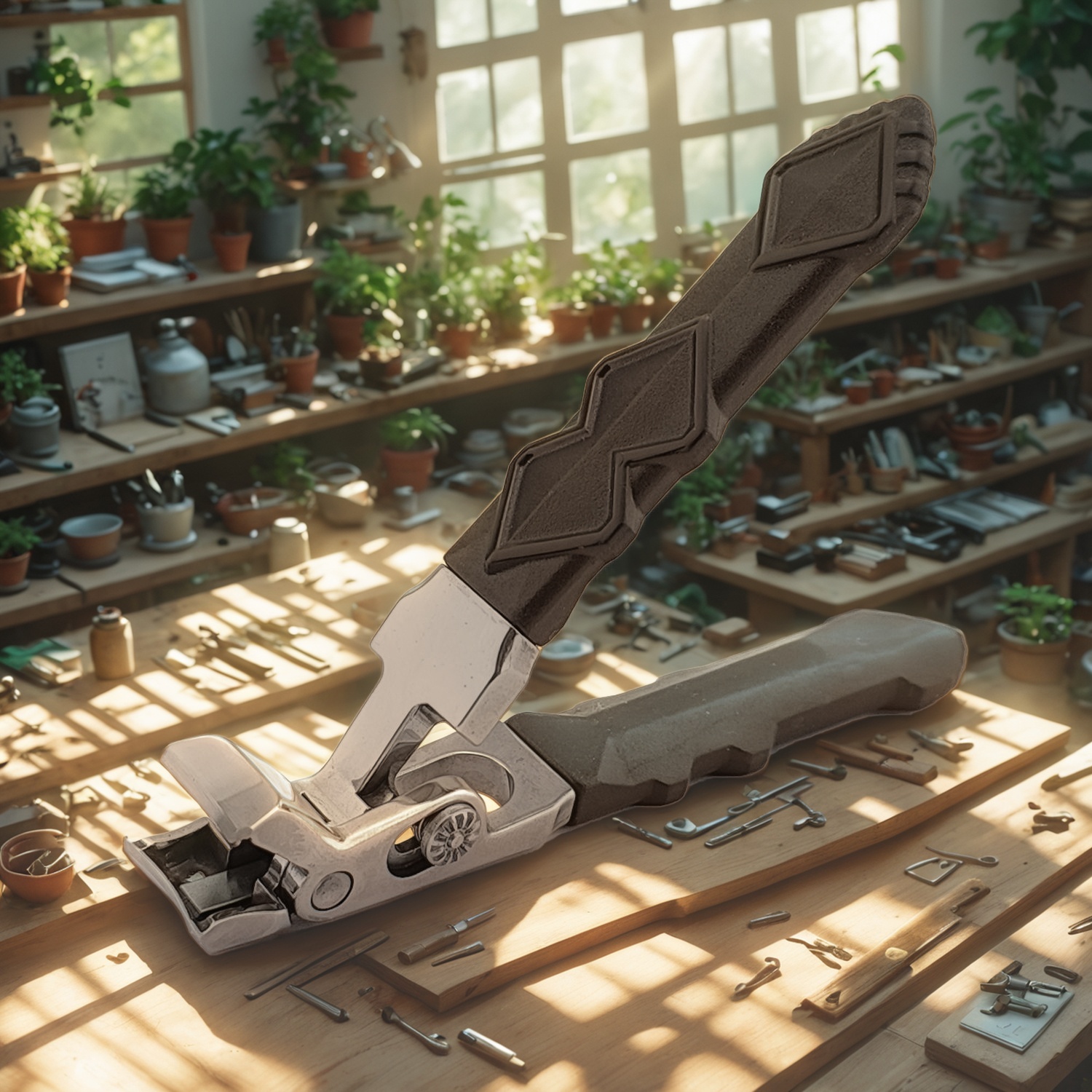
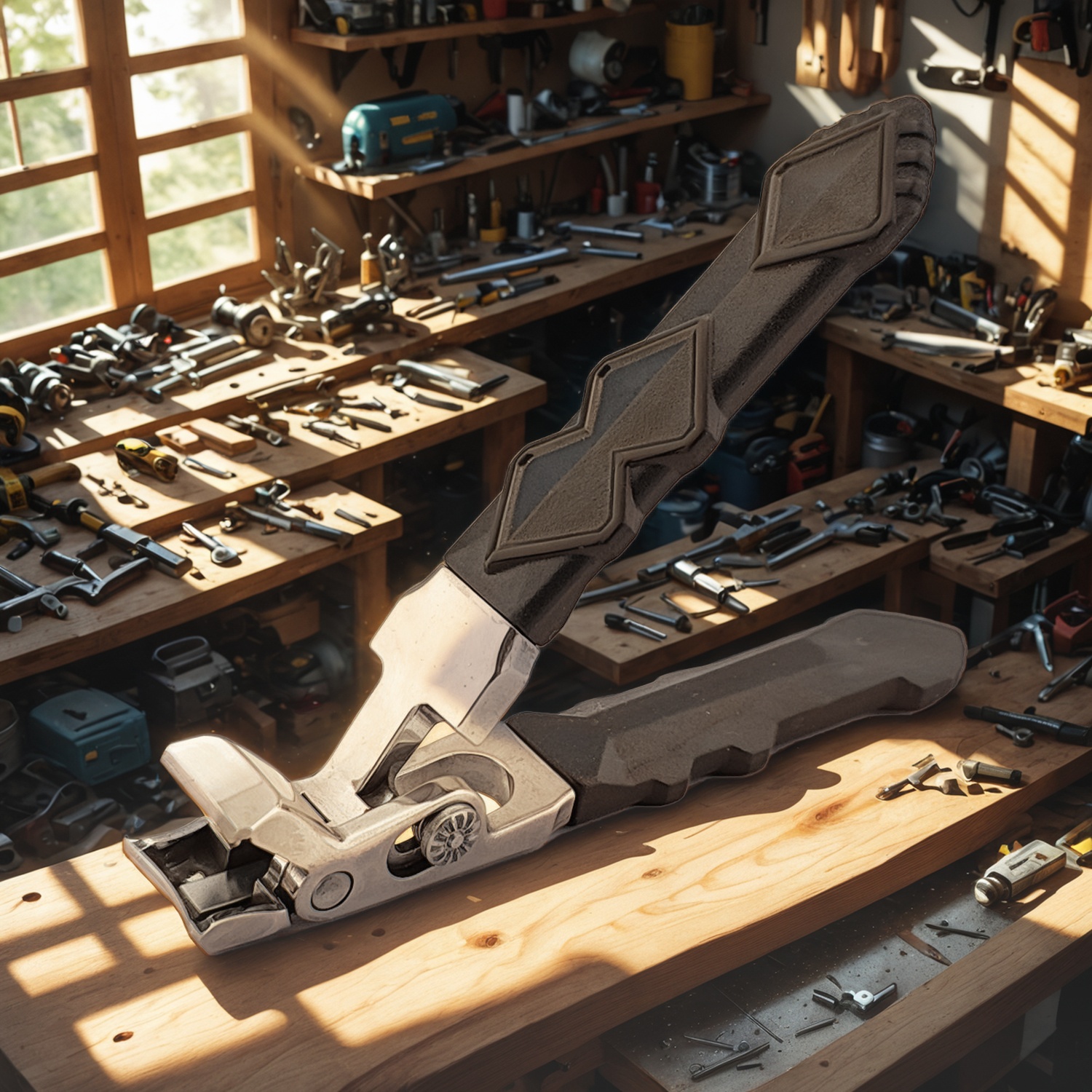
When sourcing for retail shelves, salon resale, hotel amenities, travel grooming sets, or personal care kits, buyers should first define the use case. A compact clipper for daily fingernail care does not have the same requirements as a heavy-duty clipper intended for stronger nails. The original Olimor Beauty design described here is a heavy-duty nail clipper with stainless steel construction, high-grade black plastic, rubberized handles with diamond-shaped patterns, sharpened cutting edges, a swiveling mechanism, and a sturdy compact build. These features point to a product designed for control, durability, and clean cutting rather than purely decorative presentation.
Before comparing suppliers, clarify your priorities: retail appearance, grip comfort, cutting strength, travel size, professional use, or suitability for grooming sets. A supplier that understands the intended channel can help reduce mismatches between product design and customer expectations.
Key Quality Factors in a Heavy-Duty Nail Clipper
The best way to evaluate a nail clipper is to focus on the parts that directly affect use. A high-quality appearance matters, but performance is the reason customers keep using the tool. Buyers should examine samples carefully and compare them across several practical criteria.
- Cutting edge alignment: The two cutting edges should meet evenly. Poor alignment can crush the nail, leave rough edges, or require repeated pressure.
- Sharpness and cut feel: Meticulously sharpened cutting edges help create a smoother, cleaner cut. The clipper should not feel like it is tearing or bending the nail.
- Lever stability: A heavy-duty clipper should feel controlled when pressure is applied. Excessive wobble can make the product feel cheap and less precise.
- Grip security: Rubberized handles with diamond-shaped patterns can improve control, especially when the user needs a firm hold.
- Material combination: Stainless steel provides the functional base for the cutting tool, while black plastic and rubberized areas can improve comfort and handling.
- Compact strength: A sturdy compact construction is valuable for retail, travel, and personal care kits, provided the product still feels robust in use.
- Swiveling usability: A swiveling mechanism can help users approach difficult angles more easily, especially when trimming toenails or working with limited hand positioning.
These criteria are more useful than judging only by photos. A buyer sample review should include real handling, side-by-side comparisons, and inspection under good lighting. Even when the outward design looks similar, cutting edges and assembly precision often separate a dependable product from a disappointing one.
Why Ergonomics Matter for Nail Clippers Wholesale
Wholesale nail clippers are often purchased in quantity, but they are used one at a time by individual customers. Ergonomics therefore plays a major role in customer satisfaction. A clipper that is hard to control can lead to uneven trimming, discomfort, or a perception that the tool is poorly made.
The heavy-duty nail clipper described in the supplied product information uses rubberized handles with diamond-shaped patterns. This is a practical design detail because nail trimming requires controlled pressure. Smooth handles may look clean, but they can slip more easily, particularly when a user is trimming thicker nails or working at an awkward angle. A textured grip helps the user apply force with better confidence.
The swiveling mechanism is another functional element. Instead of forcing the hand into one fixed position, a swivel can support easier navigation around tricky angles. For buyers serving salons, spas, older consumers, travel customers, or general household grooming users, this kind of usability can become a meaningful selling point. It is important, however, to test that the movement feels stable and intentional rather than loose.
Ergonomics also affects perceived value. Customers may not describe a clipper in technical language, but they quickly notice whether it feels comfortable, balanced, and secure. For wholesale buyers, that comfort can translate into fewer complaints and stronger repeat purchasing behavior.
How to Inspect Samples Before Placing a Bulk Order
A sample review should be structured, not casual. If your team only opens a sample, clips one nail, and checks the general appearance, important defects may be missed. A simple inspection routine helps compare nail clippers suppliers fairly and supports better purchasing decisions.
- Check visual finish: Look for scratches, uneven surfaces, sharp non-cutting edges, loose plastic areas, or inconsistent color between units.
- Test opening and closing: The clipper should move smoothly without sticking. The lever should return to position reliably.
- Inspect blade alignment: Hold the clipper under light and confirm that the cutting edges meet evenly along the intended cutting area.
- Evaluate cutting performance: Test on appropriate sample material or controlled personal use where suitable. The cut should be clean, not jagged or crushed.
- Assess handle grip: Check whether the rubberized diamond-pattern grip feels secure when pressure is applied.
- Use the swivel function: Move it through practical angles and confirm that it helps positioning without feeling unstable.
- Review packaging compatibility: Consider whether the product fits your retail, e-commerce, salon, or kit packaging plans.
- Compare multiple samples: One good sample is not enough. Consistency across units is essential for wholesale sourcing.
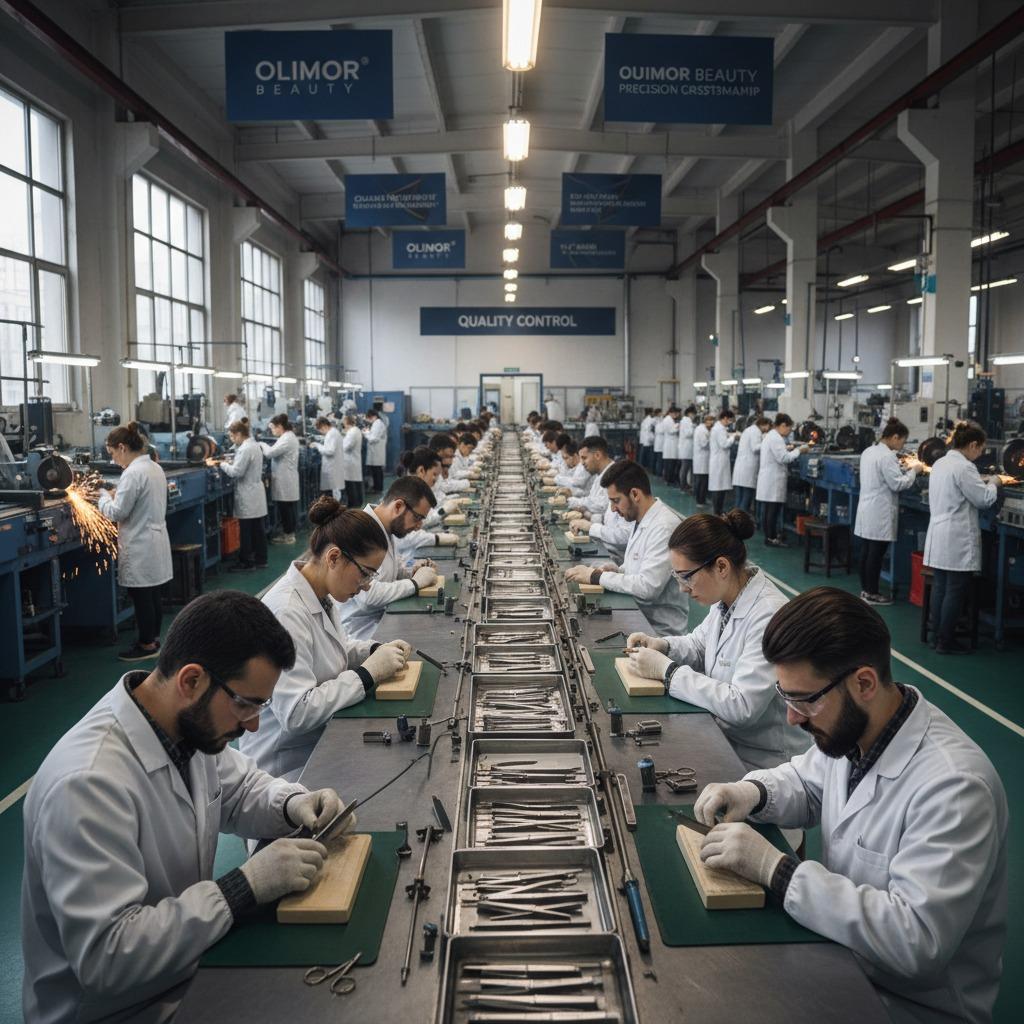
This process does not require a laboratory for every initial review, but it does require discipline. Keep notes, photos, and comparison results so internal teams can make decisions based on evidence rather than memory.
Wholesale Sourcing: Cost Efficiency Without Sacrificing Reliability
Sourcing nail clippers wholesale can improve inventory planning and purchasing efficiency, especially for retailers and service businesses that need consistent replenishment. Bulk sourcing can also help maintain a uniform customer experience across stores, online channels, grooming kits, or salon retail displays. The risk is that some buyers focus only on the lowest price and overlook quality variation.
A better approach is to compare total value. A slightly better-built clipper may support stronger reviews, fewer returns, and better customer trust. For grooming tools, the customer’s first use often determines whether the product is seen as worth buying again. Clean cutting, secure grip, and sturdy construction are therefore not minor details; they are commercial factors.
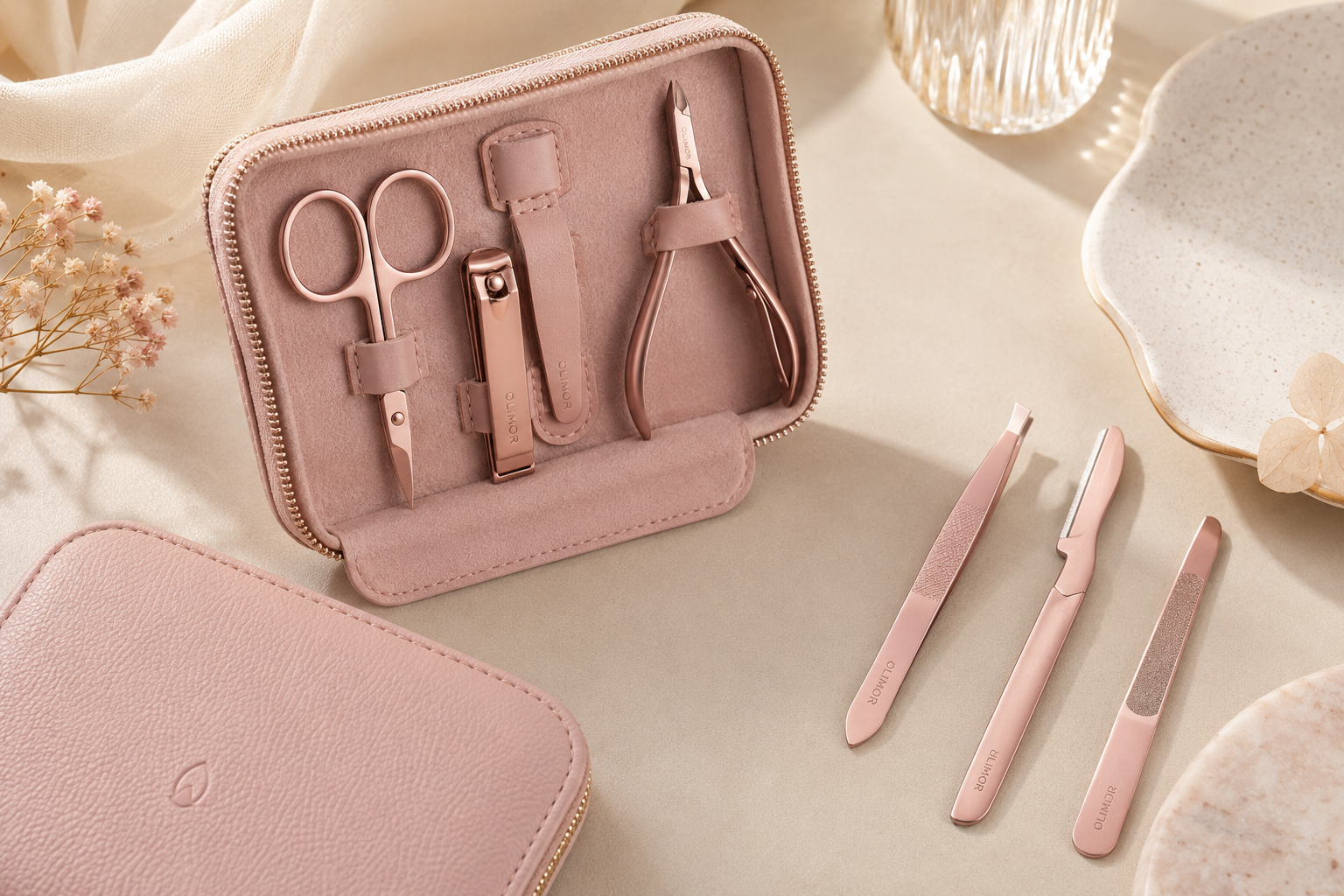
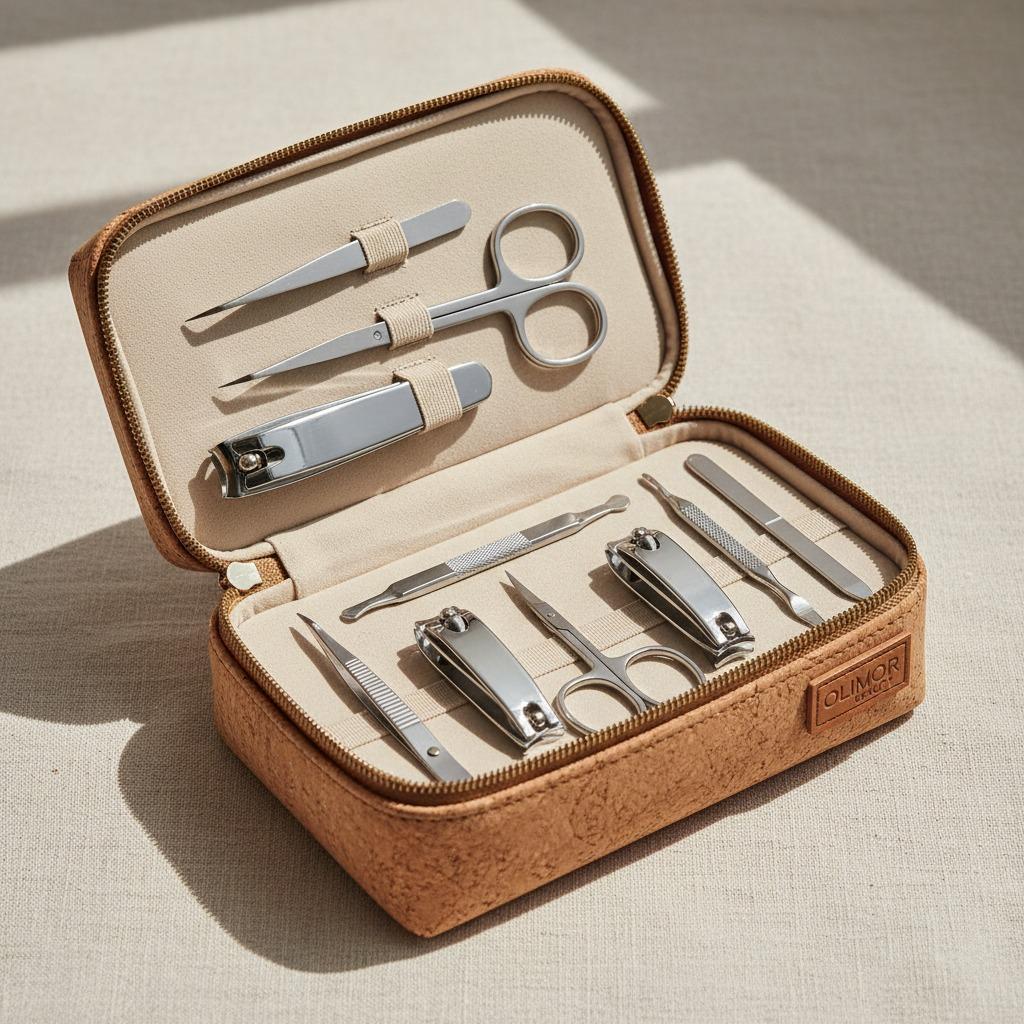
Wholesale buyers should also consider assortment planning. Nail clippers can be sold as individual tools, paired with nail files, included in manicure sets, used in travel kits, or offered as salon retail add-ons. Browse Olimor product collections to think about how a heavy-duty clipper could fit into a wider personal care range. When the assortment is planned carefully, a functional nail clipper can support both entry-level purchases and bundled grooming solutions.
Supplier Questions That Help Reduce Risk
Because product details vary by order and market, buyers should use a neutral checklist when discussing a nail clipper project. The goal is not to ask vague questions such as “Is it good quality?” but to confirm the points that affect real-world usability and order execution.
| Area to Review | Why It Matters |
|---|---|
| Cutting edge consistency | Helps ensure each unit delivers a clean trim rather than rough or uneven cuts. |
| Handle material and texture | Affects grip security, comfort, and perceived quality during use. |
| Swiveling mechanism stability | Determines whether the feature improves angle control without feeling loose. |
| Packaging requirements | Supports retail display, online shipping, gift sets, or professional resale needs. |
| Inspection process | Reduces the chance of inconsistent finish, alignment problems, or assembly issues. |
| Assortment fit | Clarifies whether the clipper should stand alone or be paired with other grooming tools. |
These questions help buyers move from general supplier claims to concrete decision points. They also make it easier to compare quotations, samples, and production options on the same basis.
Working with Olimor Beauty on Nail Clipper Sourcing
Olimor Beauty’s heavy-duty nail clipper reflects a practical balance of stainless steel cutting performance, high-grade black plastic, rubberized diamond-pattern handles, sharpened cutting edges, a swiveling mechanism, and compact construction. For business buyers, these details support a product story based on usability and durability rather than empty decoration.
If you are evaluating nail clippers for wholesale, start with the intended user and channel. A salon resale product, a retail pegboard item, and a grooming kit component may share the same basic function, but each has different expectations for presentation, handling, and repeat purchase potential. Samples should be reviewed for cutting feel, grip, alignment, and packaging readiness before moving forward.
To discuss a nail clipper sourcing project or compare it with other beauty tools, you can contact Olimor. If you already have a target channel, packaging plan, or purchase timeline, you may also send an inquiry with the relevant details. A clear brief helps match the product choice to your commercial goals and gives your customers a grooming tool they can use with confidence.