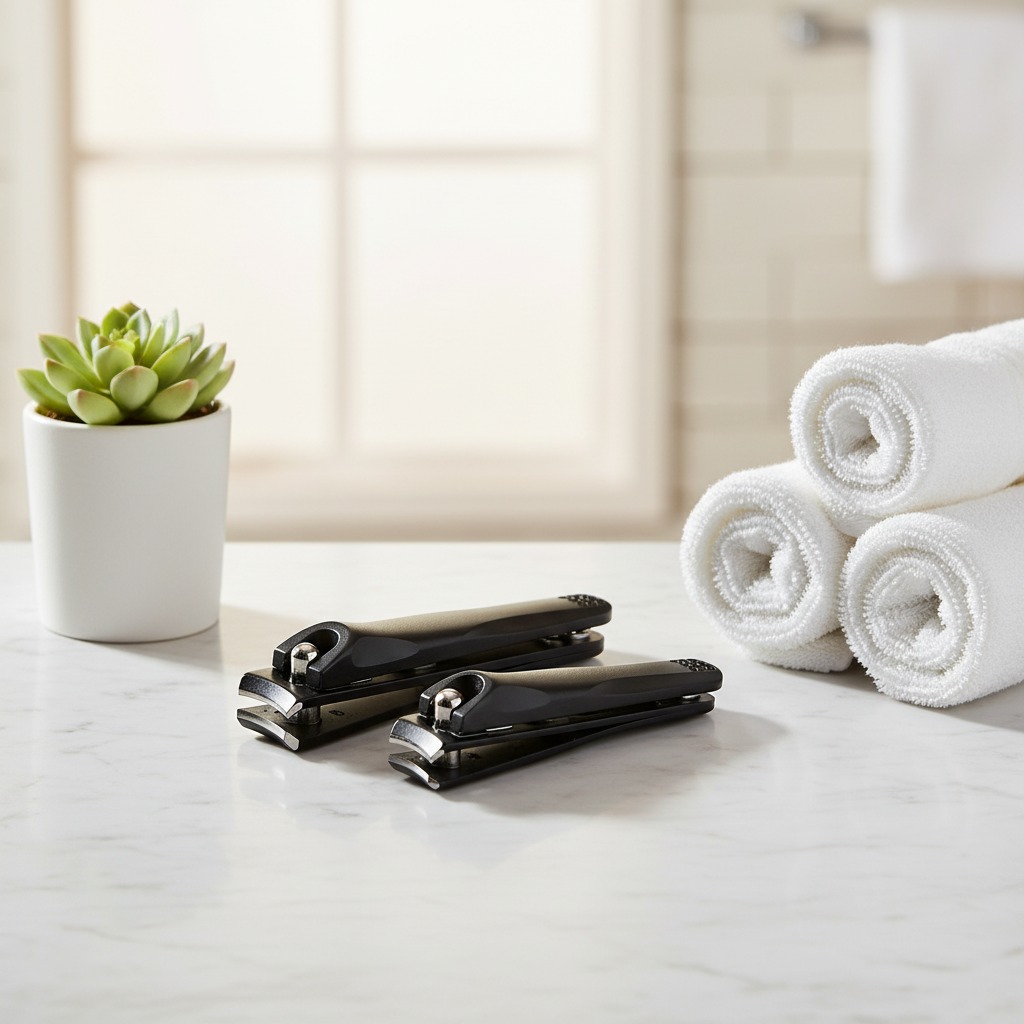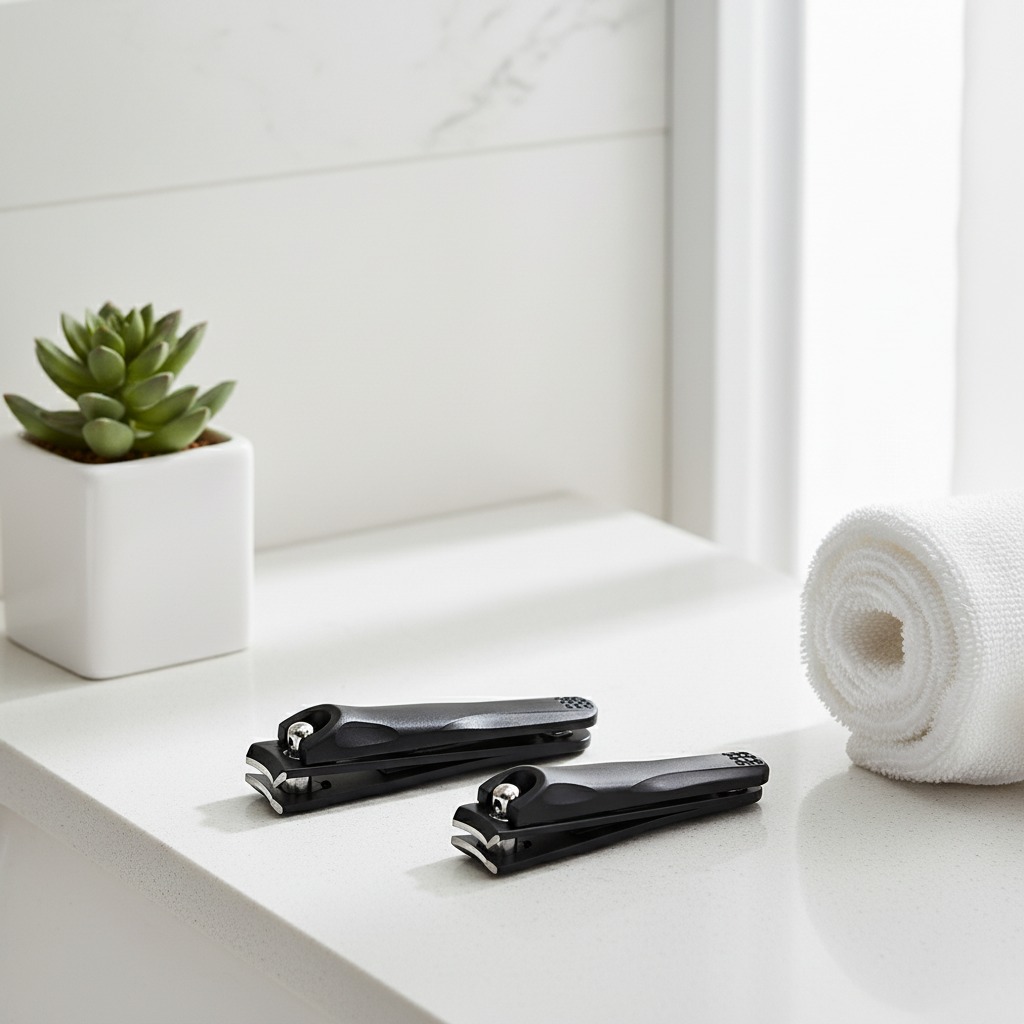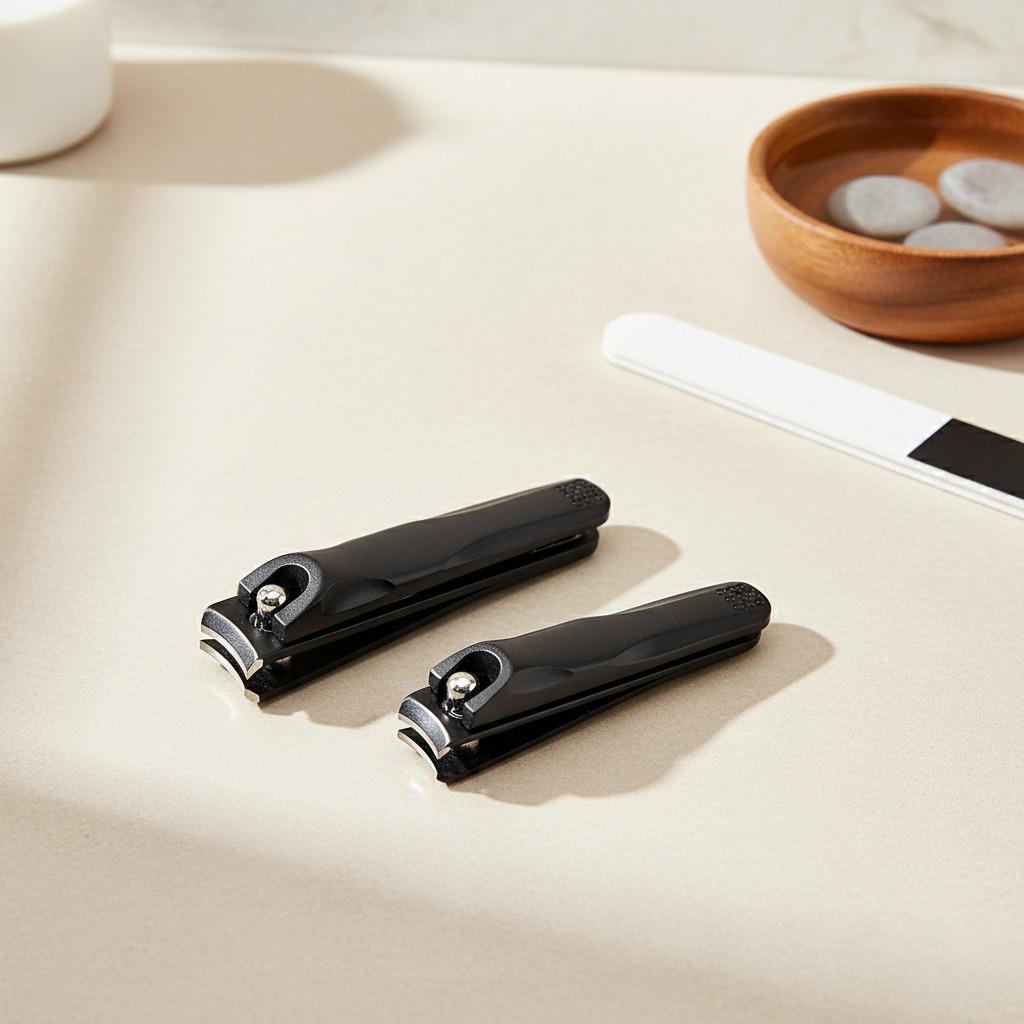











Choosing a nail clipper wholesaler is not only about finding a low unit price. For retailers, distributors, kit assemblers and private-label beauty brands, the nail clipper is a small product that customers judge immediately by feel, sharpness and durability. If the lever is stiff, the cutting edge is dull, or the finish feels rough, the product can damage trust in the entire grooming set.
Olimor Beauty supplies stainless steel beauty tools for businesses that need wholesale nail clipper sourcing, nail clipper OEM support and consistent product presentation. This guide explains what to evaluate before buying nail clippers in bulk, how to compare construction details, and which questions matter when planning a custom or standard order.
What Bulk Buyers Should Expect from a Nail Clipper
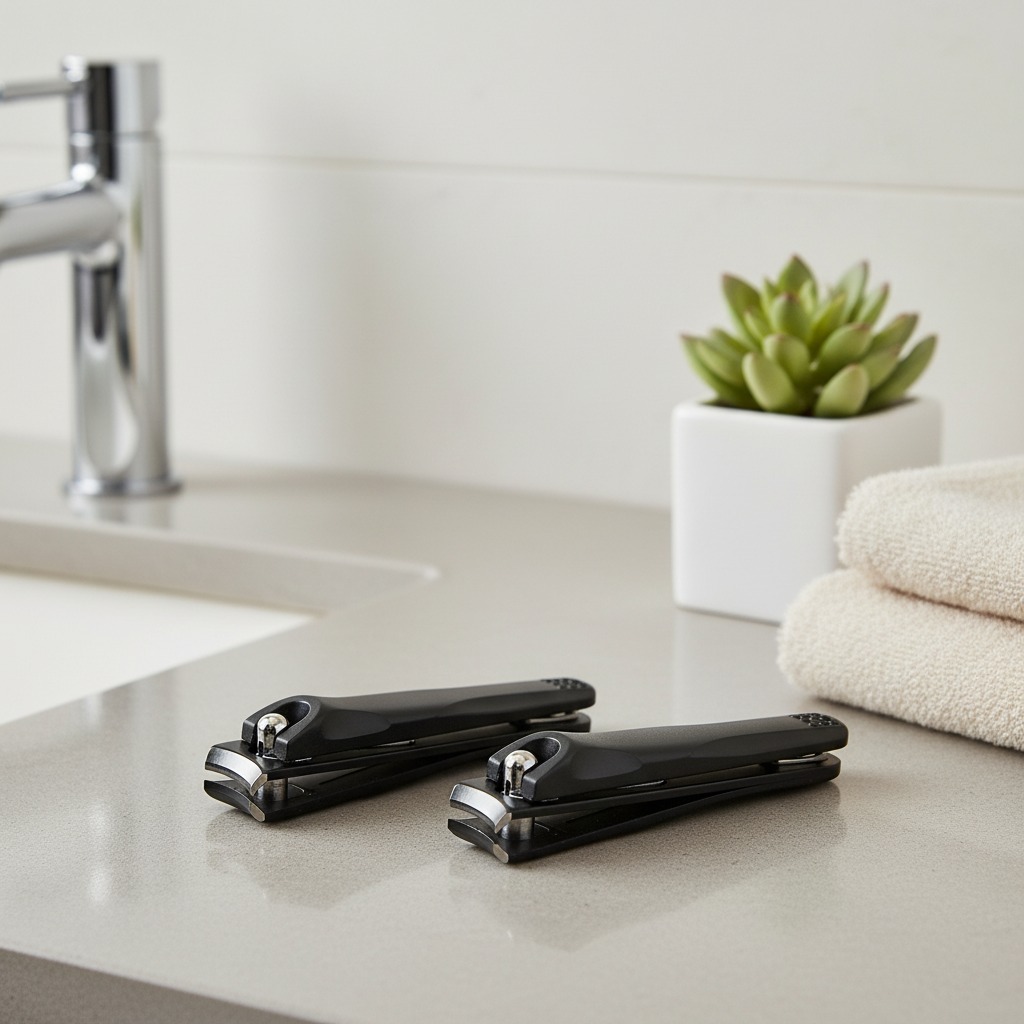
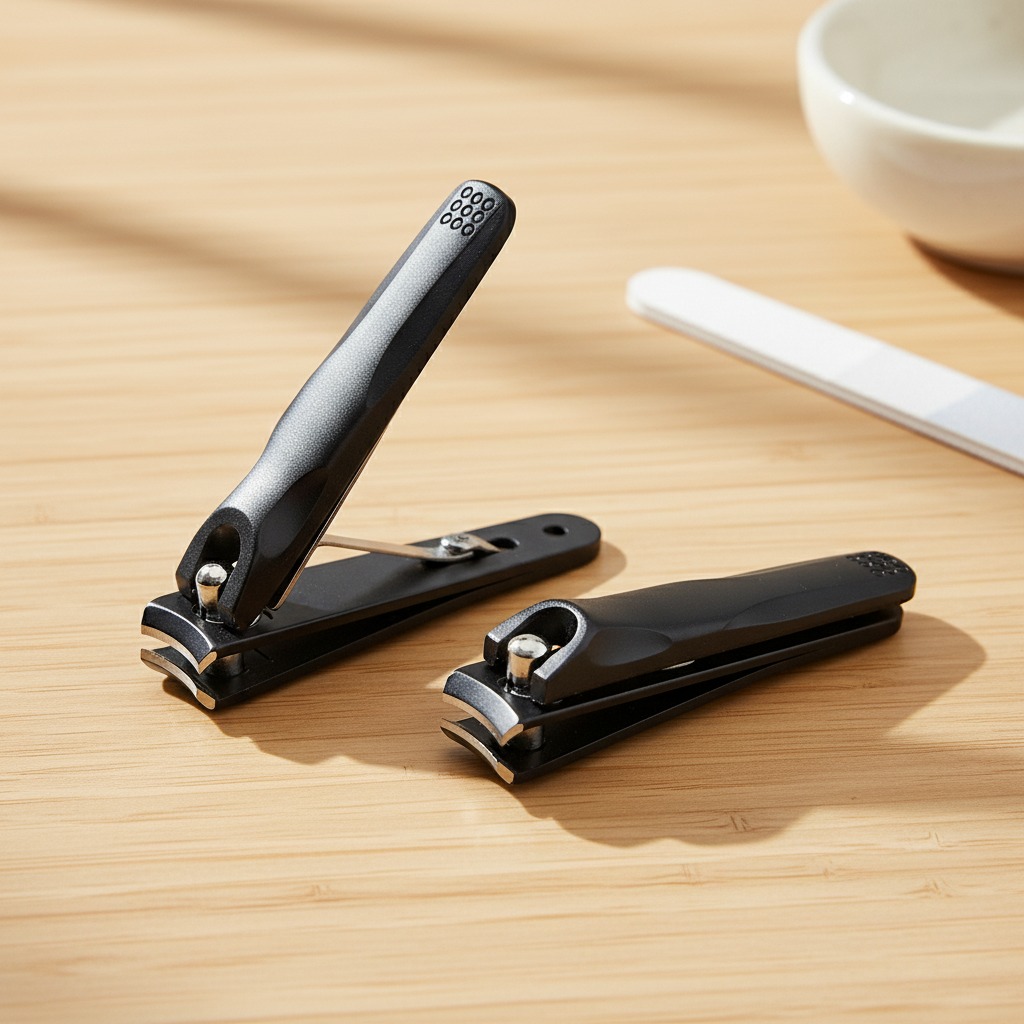
A nail clipper appears simple, but its performance depends on several connected parts. The cutting jaws must meet cleanly, the lever should apply pressure smoothly, and the curved blade shape needs to match common nail contours. A good wholesale nail clipper should produce a clean trim without crushing or splitting the nail edge.
For retail buyers, the customer experience begins before the first cut. The surface should feel smooth in the hand, the lever should open and close without snagging, and the product should look clean in packaging. For distributors and wholesalers, the same qualities matter at scale because small defects become expensive when they appear across many units.
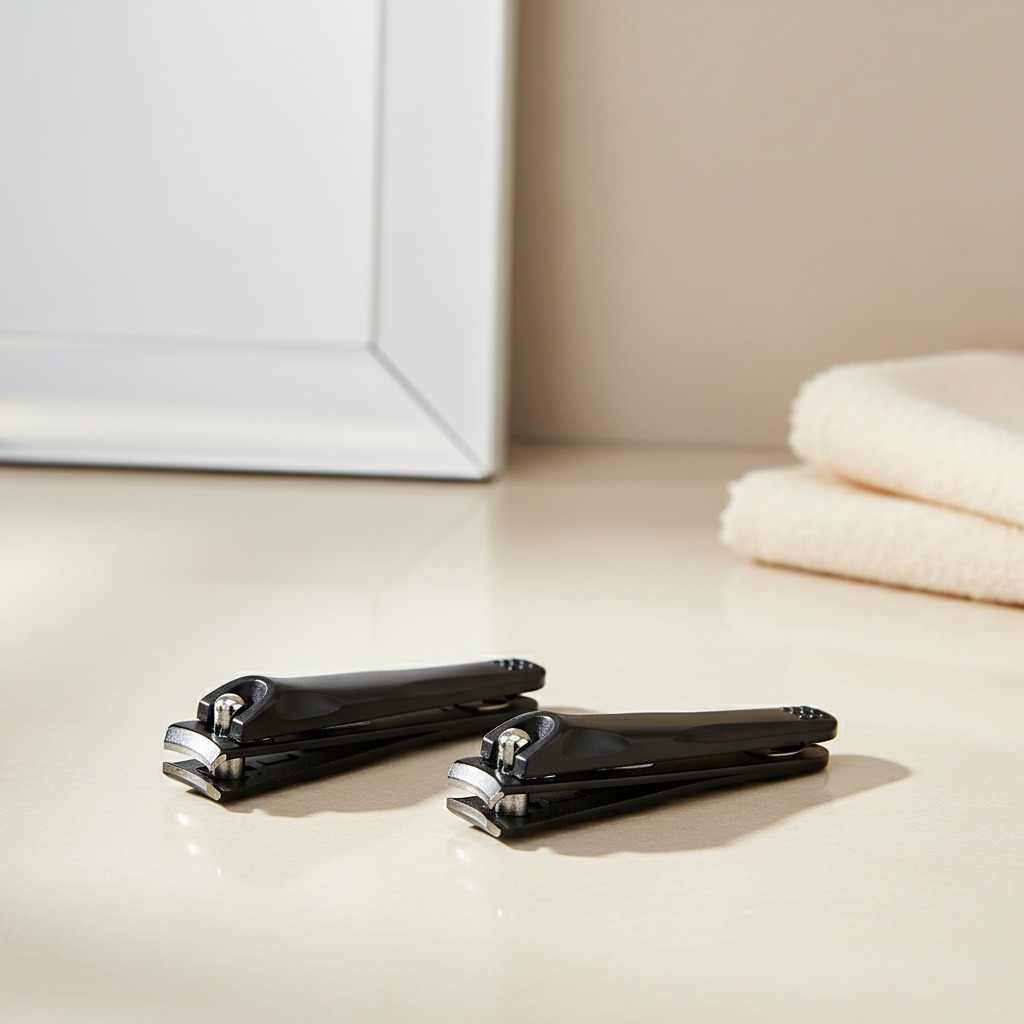
When reviewing beauty tool products, consider the intended sales channel. A travel kit may prioritize compact size and light weight. A salon or professional grooming set may require a stronger feel and a more substantial handle. A mass retail pack may need a design that balances cost, usability and simple packaging.
Key Product Features to Compare Before Ordering
Before selecting a nail clipper bulk supplier, compare the product by function rather than appearance alone. Stainless steel construction, ergonomic handles and sharp curved blades are all useful features, but buyers should look at how they work together in the final tool.
- Cutting alignment: The upper and lower cutting edges should meet evenly across the blade, not only at one side.
- Blade sharpness: A clean cutting edge helps reduce pressure on the nail and improves the feel of the trim.
- Curved blade profile: A curved edge is commonly preferred for following the natural shape of fingernails and toenails.
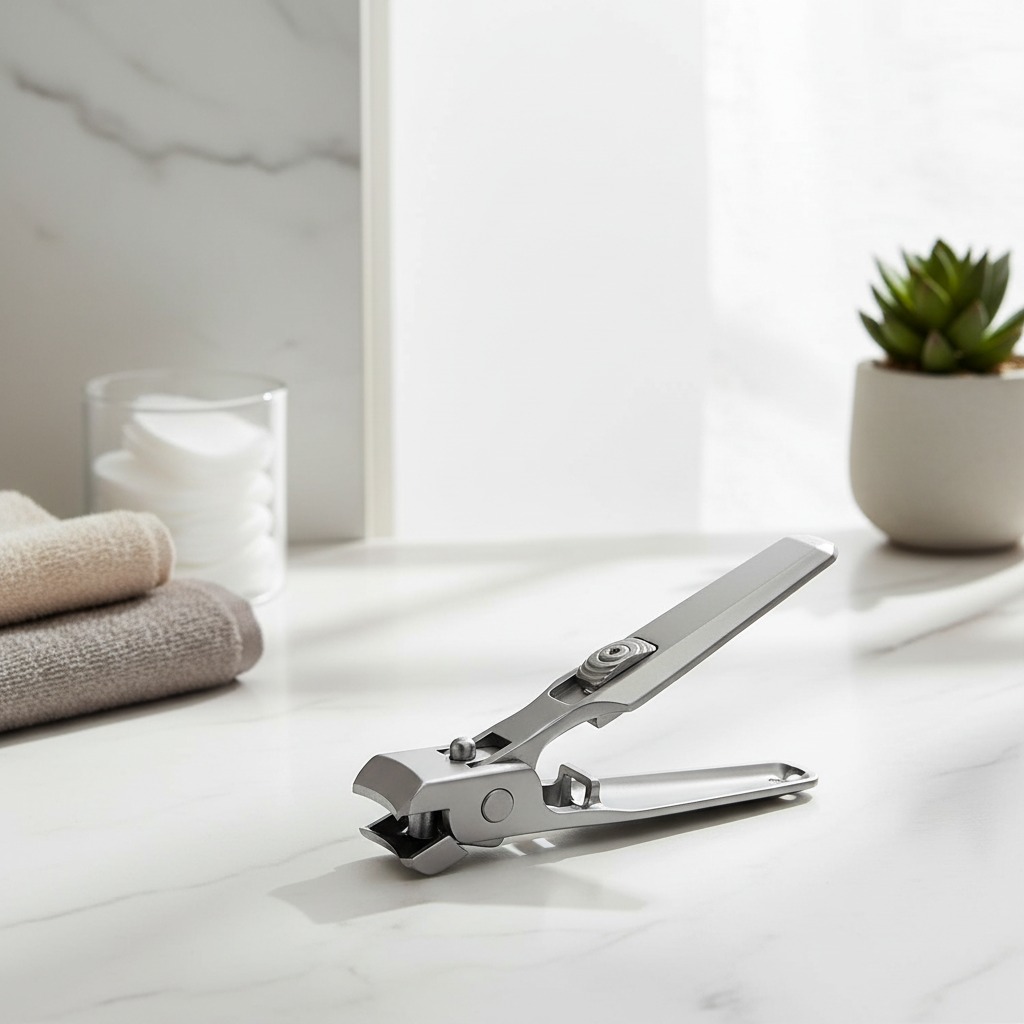
- Lever action: The lever and tension spring system should reduce effort while giving the user control.
- Handle comfort: Ergonomic shaping can reduce hand fatigue, especially for customers who trim multiple nails in one session.
- Surface finish: Edges, corners and contact points should feel smooth and safe during use.
- Portability: Compact clippers are useful for travel kits, gift sets and daily grooming pouches.
These points are especially important if the nail clipper will be included in a larger manicure set. A single weak tool can lower the perceived quality of the full set, even if the packaging and other accessories are well designed.
OEM and Customization Decisions for Nail Clippers
Nail clipper OEM projects can help a brand create a product that fits its market position, but customization should be planned carefully. A private-label nail clipper may involve branding, finish selection, packaging direction or adjustments to user-facing details. The most successful projects begin with a clear product brief rather than a vague request for a “better” clipper.
Useful OEM planning details include the target user, sales channel, preferred product feel, packaging format and whether the clipper will be sold alone or inside a grooming kit. Buyers should also decide whether they need a simple logo application or a more specific design direction. The more variables a project includes, the more important sampling and approval become.
For private-label buyers, customization should not compromise the core performance of the tool. A decorative finish or branded package may attract attention, but the clipper still needs smooth leverage, accurate blade contact and reliable trimming performance. If a design change affects the handle shape, lever length or body thickness, evaluate it with actual use tests rather than only visual approval.
Wholesale Sourcing Checklist for Retailers and Distributors
A structured sourcing process helps buyers compare suppliers more fairly. Instead of reviewing only price quotations, use a checklist that reflects customer complaints, return risks and brand presentation. The following table can help organize your review before placing a bulk order.
| Review area | What to check | Why it matters |
|---|---|---|
| Cutting performance | Clean trim on different nail thicknesses | Reduces splitting, crushing and customer dissatisfaction |
| Mechanism feel | Lever pressure, spring response and smooth opening | Affects comfort and perceived quality |
| Material and finish | Stainless steel body, smooth edges and clean surface | Supports hygiene, durability and retail appeal |
| Packaging fit | Clipper position, protection and barcode or label space | Prevents transit scuffs and supports store display |
| OEM readiness | Logo placement, artwork files and sample approval process | Helps avoid delays and incorrect branding |
| Batch consistency | Appearance, action and cutting feel across samples | Important for repeat wholesale orders |
This type of checklist is useful whether you are buying standard stock or planning a nail clipper OEM project. It also makes communication clearer because it focuses on measurable product features.
Quality Control Points in Nail Clipper Production
Quality control for nail clippers should focus on both visible finish and functional performance. A clipper can look acceptable in a product photo but still feel poor in the hand if the lever action is uneven or the cutting edges do not align correctly. For buyers, a practical approval process should include sample testing, packaging review and batch inspection criteria.
Important inspection points include cutting edge alignment, lever assembly, tension spring response, surface smoothness and cleanliness. The body should not have sharp burrs or rough areas where the fingers hold the tool. The lever should sit securely and operate without excessive looseness. If the clipper is intended for both fingernails and toenails, the cutting strength and opening size should match that use case.
Sampling should include more than one unit whenever possible. A single sample may not reveal variation. Review several pieces for consistency in finish, action and trimming feel. For OEM projects, approve the product sample and the branding sample together, because logo position, surface finish and packaging can affect the final retail impression.
Matching Nail Clippers to Sales Channels
Different sales channels require different sourcing priorities. A pharmacy or supermarket nail clipper needs a simple, trustworthy design and packaging that communicates the function quickly. An online beauty brand may need stronger product photography, careful finish consistency and clear feature descriptions. A travel kit supplier may prioritize portability and secure packaging. A salon-focused distributor may look for a sturdier feel and comfortable leverage for repeated use.
When comparing product collections, think about how the nail clipper will sit within the wider grooming range. If it is paired with tweezers, scissors, files or manicure accessories, the finish and design language should feel consistent. For gift sets, the clipper should not appear like an afterthought. For refill or standalone retail sales, the product should be easy to understand without a long explanation.
Buyers serving multiple markets may choose more than one clipper format. For example, a compact clipper can work for travel and entry-level retail, while a larger or more ergonomic option may suit grooming kits. The best assortment is usually based on actual customer use cases, not only on the number of available designs.
Packaging, Handling and Maintenance Considerations
Packaging affects both product protection and customer confidence. Nail clippers can rub against packaging during transport, so the chosen format should reduce visible scratches and keep the tool secure. If the clipper is part of a kit, it should be fixed in place so it does not damage other tools. For retail display, packaging should leave enough room for essential product information while still showing the tool clearly.
Basic consumer care instructions can also reduce complaints. Customers should keep nail clippers clean and dry after use, avoid using them on materials other than nails, and store them safely to protect the cutting edge. For grooming kits, a pouch or case helps keep the clipper away from moisture and from contact with hard objects that may dull the blade.
For wholesale buyers, maintenance information is also useful for product pages and packaging copy. Clear, practical wording helps customers understand how to use and care for the tool without overpromising performance. Avoid claims that cannot be supported by the product specification or testing record.
How to Work with Olimor Beauty on Wholesale Nail Clippers
Olimor Beauty supports businesses sourcing stainless steel nail clippers for wholesale and OEM needs. Whether you are building a private-label grooming line, adding a nail clipper to an existing manicure kit, or comparing options for bulk retail supply, begin with the product role and the customer expectation. This makes it easier to choose the right structure, finish, packaging and approval process.
Before sending a request, prepare the basics: target market, estimated order plan, branding needs, packaging preference, and any reference details for size, handle feel or retail positioning. If you are unsure which details matter most, a practical starting point is to compare standard options first and then decide whether OEM adjustments are necessary.
To discuss wholesale nail clipper sourcing, OEM customization or product selection for your channel, contact Olimor or send an inquiry. A clear sourcing plan helps turn a small grooming essential into a dependable product your customers can use with confidence.