For retailers, distributors, private-label beauty brands, pharmacies, travel kit suppliers and promotional product buyers, a nail clipper is a small item with large consequences. If it cuts cleanly, feels steady and arrives in consistent packaging, it can become a dependable everyday grooming product. If it bends, rusts, pinches, tears the nail edge or looks inconsistent on shelf, it can quickly create complaints and damage customer trust.
Choosing a China nail clipper manufacturer or wholesaler is therefore not only a unit-price decision. It is a product performance, material, finishing, packaging, inspection and replenishment decision. Buyers need a supplier that can translate simple requirements into repeatable bulk supply: aligned jaws, controlled lever pressure, smooth surface finishing, practical packaging and a quality process that checks more than appearance.
Olimor supplies beauty and grooming tools for B2B buyers that need practical products for retail shelves, salon-related assortments, travel kits, promotional sets and private label ranges. This guide explains how to evaluate wholesale nail clippers, what product details affect cutting performance, how to plan OEM packaging and what to ask before placing a bulk order. To compare related grooming tools, buyers can review Olimor’s beauty tool products while building a sourcing shortlist.
Start With the Right Sourcing Intent
The best supplier choice depends on how the nail clipper will be sold and used. A pharmacy buyer may need a straightforward stainless steel clipper with clear retail packaging and barcode space. A beauty brand may need a more distinctive handle finish, coordinated packaging and private-label presentation. A travel kit supplier may care most about compact size, secure packaging and compatibility with a larger pouch or case. A distributor may prioritize carton durability, repeatable dimensions and stable supply.
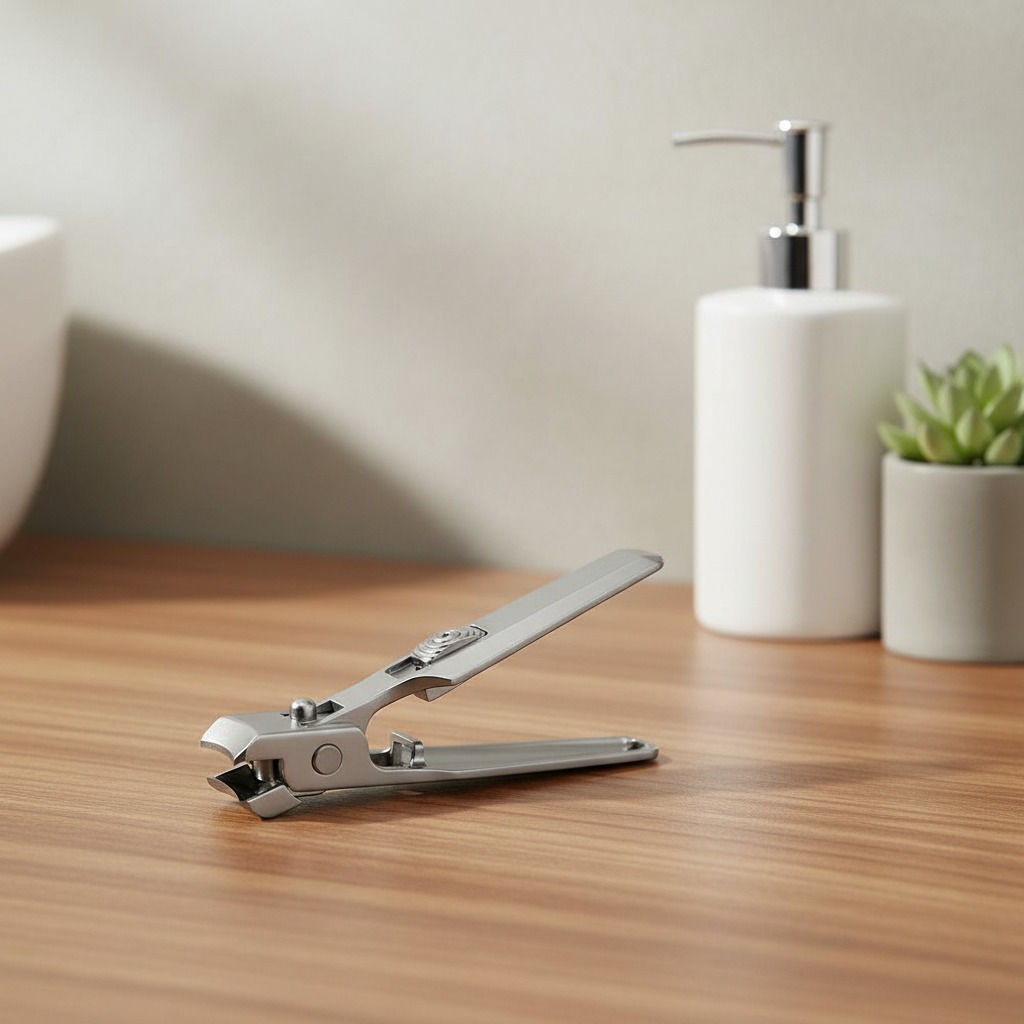
Before asking for a quote, define the commercial use case. This prevents the conversation from becoming too broad and helps the supplier recommend a realistic product structure. A compact fingernail clipper, a larger toenail clipper, a gift-set accessory and a promotional grooming tool may require different jaw openings, lever feel, handle shape, finish and packaging format.
A clear buying brief should include the intended sales channel, target user, desired product style, packaging preference, labeling needs, order planning stage and any customization requests. If low MOQ nail clipper options are important for a market test, clarify that early so product selection and packaging choices stay practical.
What a Reliable Nail Clipper Supplier Should Help You Control
A dependable manufacturer or wholesaler should help buyers control three core risks: inconsistent cutting performance, weak retail presentation and shipment-level variation. Nail clippers look simple, but bulk orders involve many small variables that affect the finished product. These include blade alignment, material selection, hardness expectations, lever tension, grip comfort, surface finish, logo placement, packaging structure, carton strength and final inspection criteria.
Buyers should expect practical technical discussion, not vague promises. A supplier should be able to explain how the clipper is intended to perform, what material and finish are used, how samples should be reviewed and what inspection points can be checked before shipment. For private-label projects, the supplier should also be able to discuss packaging format, product visibility, labeling space and set configuration.
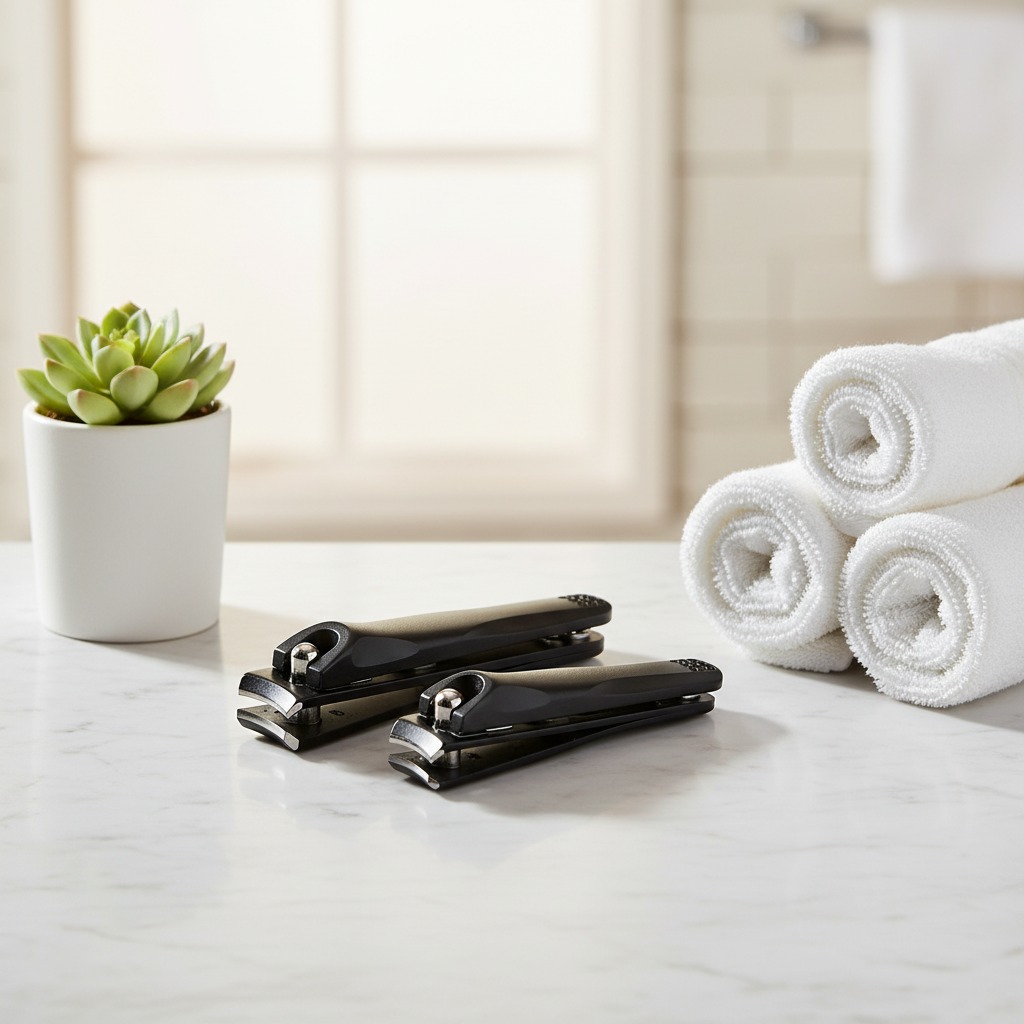
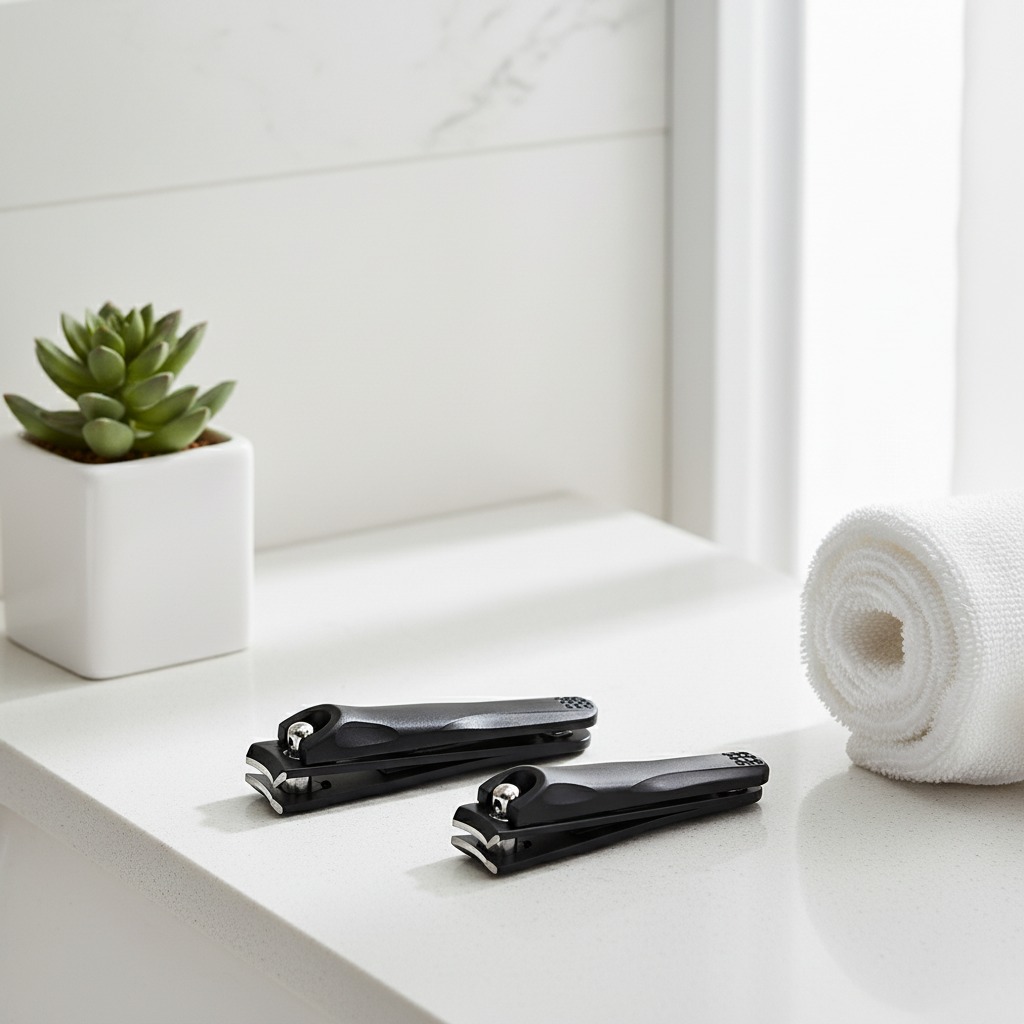
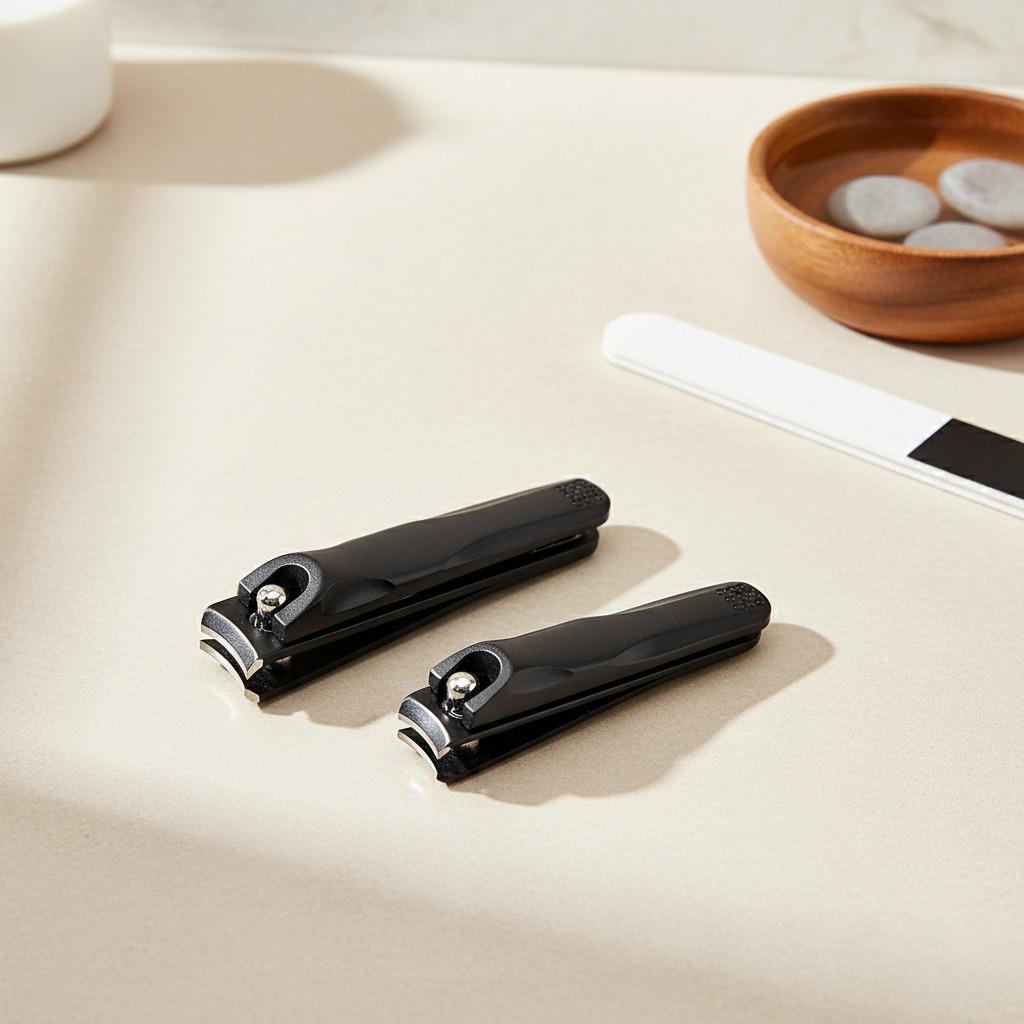
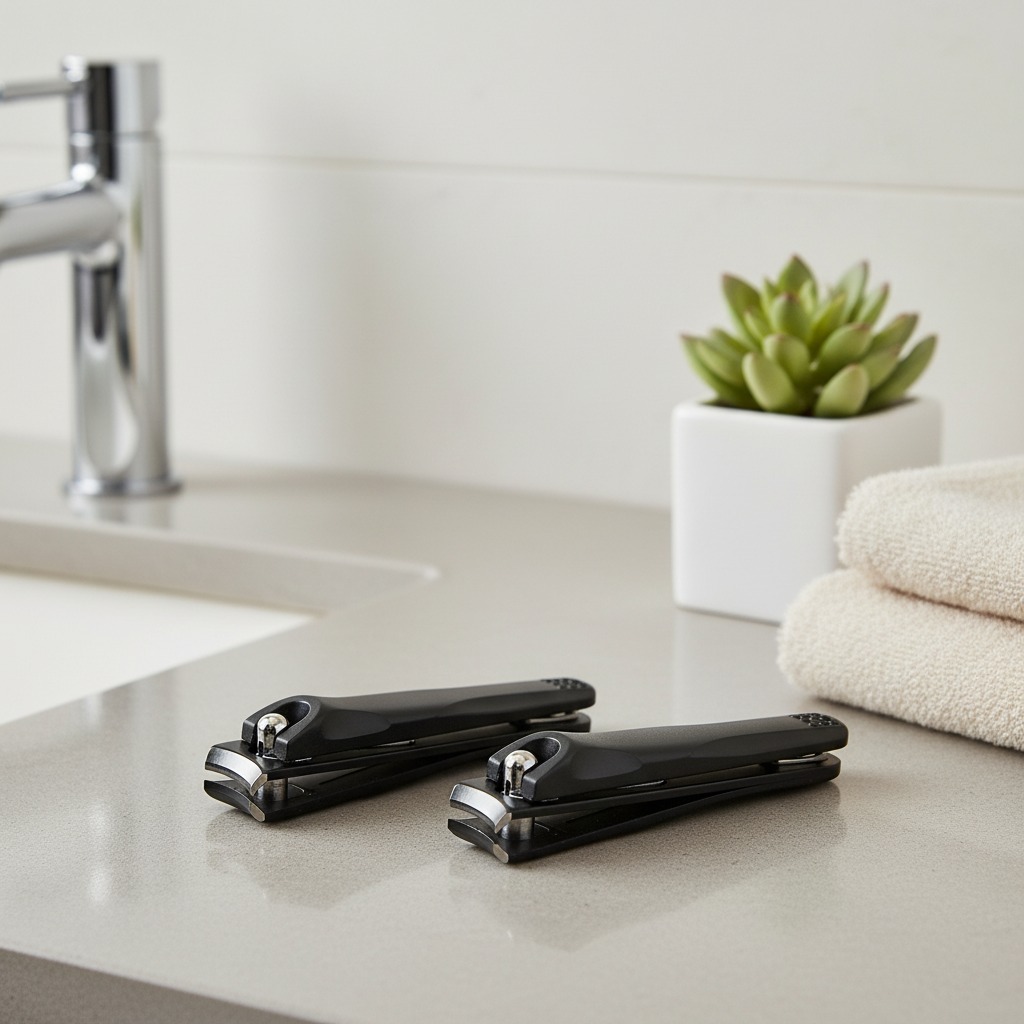
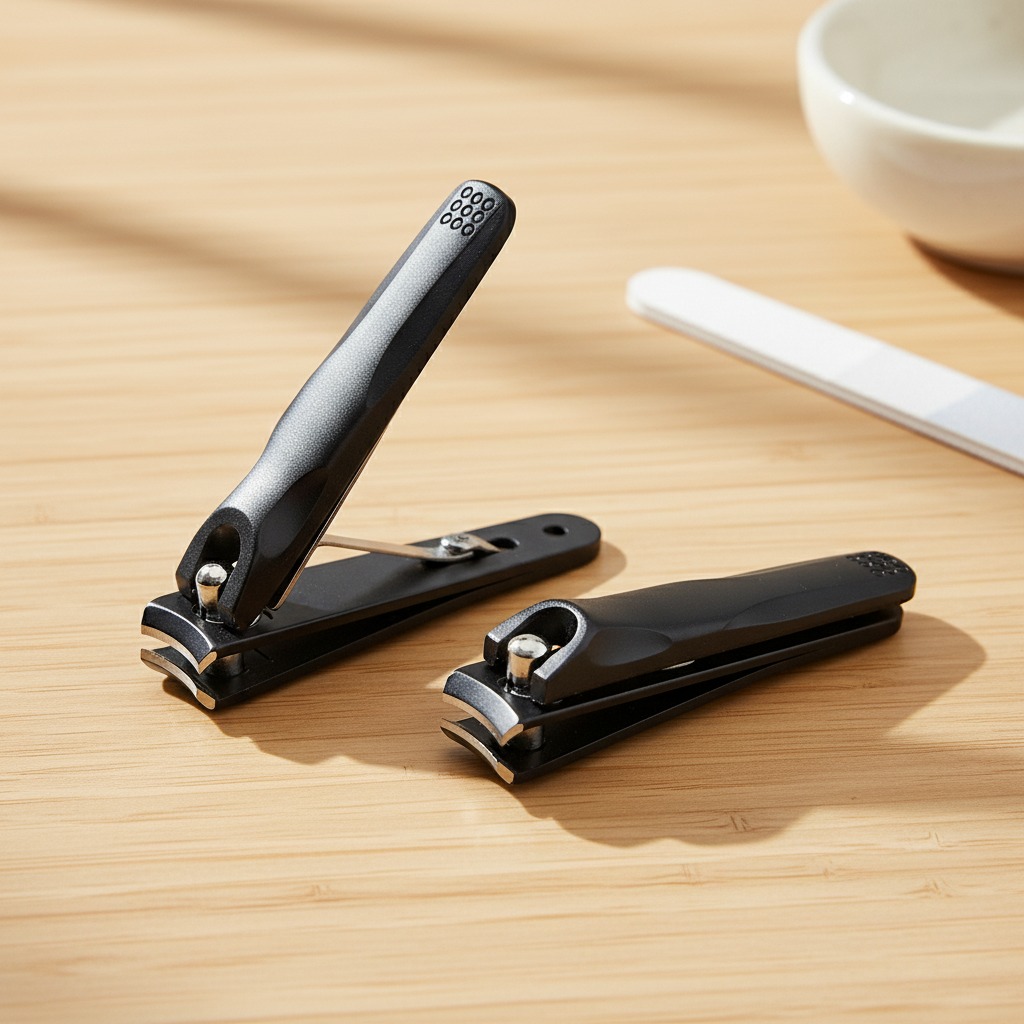
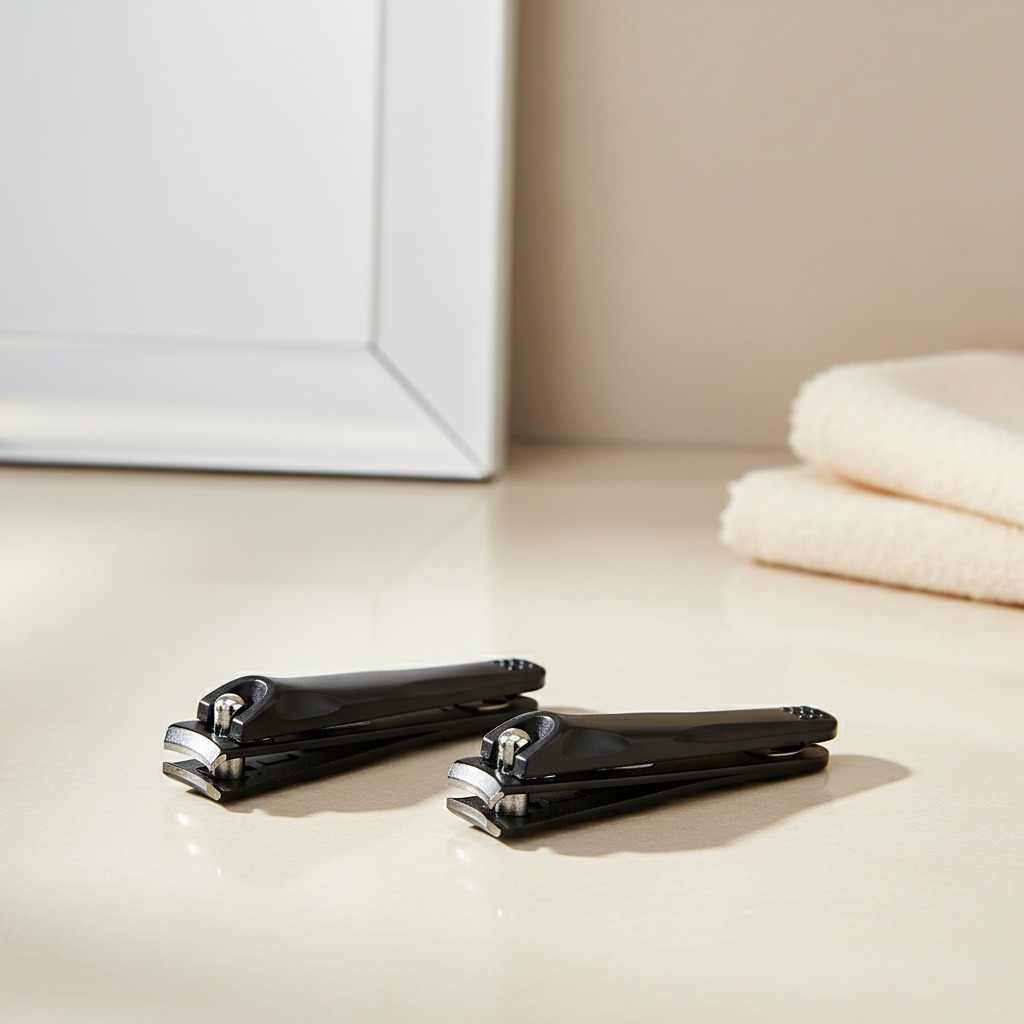
Olimor’s nail clipper concept focuses on everyday usability: stainless steel construction, ergonomic handling, precision assembly and a blue-to-black gradient handle that gives the tool a more distinctive retail appearance than a plain metal clipper. The value for B2B buyers is not only how the item looks in one sample, but whether the chosen design can remain consistent across repeat orders.
Core Product Features That Affect Cutting Performance
The original function of a nail clipper is simple: cut the nail cleanly with controlled pressure. In bulk sourcing, however, small design differences determine whether the product feels precise or cheap. Buyers should test samples carefully before approving production or a wholesale order.
Stainless Steel Construction
Stainless steel is commonly preferred for grooming tools because it supports durability, routine cleaning and resistance to everyday moisture exposure when properly manufactured and maintained. Nail clippers are often stored in bathrooms, toiletry bags, salon drawers and travel kits, so corrosion resistance is an important practical feature.
Material alone does not guarantee performance. Two stainless steel clippers can feel very different if the cutting edge, assembly accuracy or finishing quality differs. Buyers should review the underside, side profile, cutting edge and lever connection, not just the polished top surface. Rough corners, burrs, stains, uneven coating or unstable lever movement can reduce customer confidence even when the base material is acceptable.
Blade Geometry and Alignment
Cutting quality depends heavily on jaw alignment. The upper and lower cutting edges should meet evenly without visible gaps. If the jaws are misaligned, the clipper may crush, bend or split the nail instead of trimming it cleanly. A curved cutting edge can follow the natural contour of the nail and support a smoother cut when used correctly. Supplied product information notes a curved blade geometry designed around a 15-degree angle, which is intended to support a cleaner cutting motion.
During sample review, test the clipper on suitable nail thicknesses or an approved test material. The goal is a clean trimming action with controlled pressure, not a crushed or ragged edge. Sharpness should feel consistent across multiple samples, not excellent in one unit and poor in another.
Lever Feel, Grip and Ergonomics
A nail clipper is a hand-pressure tool, so grip design is a performance feature. A slippery lever can cause the user to change angle mid-cut, increasing the chance of uneven trimming or pinching. A stable lever and enhanced grip help the user apply pressure more confidently, especially around nail corners.
Ergonomic handling should be assessed by more than one person when possible. A buyer testing alone may miss how the clipper feels for users with smaller hands, older users or customers who prefer a firmer press. Check whether the clipper opens smoothly, whether the lever returns naturally and whether the grip texture or surface shape feels secure without being abrasive. Customers may not use the word ergonomic, but they notice when a clipper feels awkward or requires too much force.
Visual Presentation
Retail appearance matters because many nail clippers compete in crowded personal-care displays. A blue-to-black gradient handle can make the product look more modern and distinctive than a plain metal clipper, especially in grooming sets, countertop displays or online product images. Appearance should still be evaluated alongside function. A strong visual design cannot compensate for poor jaw alignment or rough finishing.
Wholesale Nail Clipper Evaluation Checklist
Use a checklist before comparing samples or confirming a bulk order. This keeps the discussion objective and helps different departments, such as sourcing, merchandising and quality teams, evaluate the same product in the same way.
| Evaluation Area | What to Check | Why It Matters |
|---|---|---|
| Cutting performance | Clean cut, consistent sharpness and controlled pressure | Reduces complaints about tearing, crushing or uneven nail edges |
| Jaw alignment | Upper and lower cutting edges meet evenly with no obvious gap | Prevents missed cuts and inconsistent trimming |
| Material and finish | Stainless steel body, smooth edges, no burrs, stains or rough corners | Supports durability, comfort and perceived hygiene |
| Lever and grip | Stable opening and closing, balanced pressure, secure hold | Improves everyday usability and safer handling |
| Appearance | Consistent gradient color, surface finish and visible presentation | Helps retail buyers maintain a uniform shelf or online image |
| Packaging | Product protection, label space, barcode position and carton arrangement | Reduces handling problems and supports retail readiness |
| Inspection plan | Defined pass/fail criteria for samples and shipment checks | Makes quality expectations clear before goods move internationally |
Quality Control Points for Bulk Nail Clipper Orders
Quality control is where a nail clipper supplier creates real value for B2B buyers. A single sample may look acceptable, but the shipment must maintain the same cutting feel across many units. International returns are expensive and slow once goods have moved through customs, warehouses and retail channels, so inspection should be planned before shipment.
Useful inspection points include blade sharpness checks, jaw alignment, dimensional consistency, lever tension, surface finishing and packaging condition. Supplied quality concepts also refer to hardness verification exceeding 55 HRC. If hardness is part of your specification, request that the applicable method, acceptance criteria and documentation are confirmed before production or shipment. Buyers should avoid treating a number as meaningful unless it is linked to a clear inspection process.
Instead of asking only for “high quality,” describe the required outcome. For example: smooth opening and closing, clean cut, aligned jaws, no rust marks, no sharp burrs on non-cutting edges, consistent handle color and packaging that protects the clipper during transport. These practical pass/fail points reduce misunderstanding and make inspection easier for both buyer and supplier.
For sampling and inspection planning, buyers may refer to public frameworks such as ISO 2859 for sampling procedures or ISO 9001 as a general quality management reference. These standards may not apply to every order in the same way. Buyers should verify the applicable version, the supplier’s actual documentation and the inspection method used for their specific project. This guide does not claim that Olimor holds any certification unless separately documented by Olimor for the relevant transaction.
OEM and Private Label Packaging Decisions
Nail clipper OEM projects can be simple or detailed. Some buyers need a standard product in retail packaging. Others may request logo application, a custom color treatment, a specific finish, a coordinated grooming set or packaging that matches an existing personal-care range. The earlier these requirements are discussed, the easier it is to evaluate cost, lead time and production feasibility.
Packaging should protect the product and communicate clearly. A pharmacy product may need visibility, concise labeling and barcode placement. A beauty brand may prefer a cleaner premium presentation. A travel kit supplier may need compact packaging that fits inside a larger pouch. A promotional buyer may need a practical format that supports distribution at scale.
Useful OEM planning questions include:
- Will the clipper be sold individually, in a grooming set or as part of a travel kit?
- Is the target use fingernail trimming, toenail trimming or general family grooming?
- Does the product need a logo, custom handle treatment, retail card, box or set packaging?
- What information must appear on the label, barcode area or outer carton?
- Will the product be sold online, in stores, through distributors or as a promotional item?
- Are there packaging material preferences that should be discussed early because they affect presentation, durability or cost?
Buyers developing a broader grooming assortment can review Olimor’s beauty tool collections to consider how nail clippers may fit with related items such as grooming sets or travel-friendly accessories.
Cost Factors Beyond Unit Price
Wholesale nail clipper cost is affected by more than the metal body. Buyers comparing quotations should understand what is included before choosing the lowest price. A slightly cheaper unit may become more expensive if it causes higher defect rates, weak packaging, inconsistent retail appearance or extra handling work after arrival.
Common cost factors include stainless steel construction, cutting-edge finishing, assembly precision, handle treatment, gradient color consistency, logo application, packaging type, carton strength, inspection requirements and customization complexity. Order quantity and replenishment planning also affect how efficiently a supplier can organize production and packaging.
When evaluating a quote, ask what product specification it reflects. Does it include the preferred packaging? Does it include custom labeling or only a plain product? Are inspection steps defined? Are samples based on the same material, finish and packaging expected for bulk production? These questions help prevent cost surprises after a buyer has already presented the product internally.
Supplier Evaluation Questions for B2B Buyers
A strong supplier conversation should cover both product and process. Use direct questions that reveal whether the supplier understands bulk supply requirements, not only sample sales.
- What stainless steel construction and finishing process are used for this nail clipper?
- How should blade alignment, sharpness and lever pressure be checked during sample approval?
- Can the blue-to-black gradient handle be kept visually consistent across the order?
- What packaging options are suitable for retail, online sales, travel kits or promotional distribution?
- Can logo placement, label information or set configuration be customized?
- What pre-shipment inspection points can be documented?
- How should buyers request samples and confirm the final specification before bulk production?
- What order structure is realistic if the buyer is testing a new market or product range?
If you are ready to discuss product specifications, packaging ideas or sample review, you can contact Olimor through the sourcing team with your target channel and project requirements.
Practical Steps Before Placing a Bulk Order
A structured sourcing process reduces risk and makes communication more efficient. The following sequence is useful for retailers, distributors and private-label buyers sourcing nail clippers from China.
- Define the channel. Clarify whether the clipper is for retail shelves, e-commerce, salon resale, pharmacy distribution, travel kits or promotional use.
- Select the product style. Decide whether you need a compact fingernail clipper, a larger toenail clipper, a general-use option or a set component.
- Review samples. Test cutting feel, jaw alignment, grip comfort, lever stability, finish and packaging presentation.
- Confirm customization. Agree on logo, color treatment, packaging format, label needs and carton requirements before quoting the final project.
- Set inspection criteria. Define acceptable and unacceptable conditions for cutting performance, surface defects, packaging damage and appearance consistency.
- Document the approved specification. Keep sample references, packaging artwork and inspection expectations aligned before bulk production.
This approach helps buyers compare nail clipper suppliers on practical capability rather than surface-level claims. It also gives the supplier a clearer basis for quotation, sample preparation and production planning.
Why Work With Olimor for Wholesale Nail Clippers
Olimor supports B2B buyers looking for beauty and grooming tools that combine practical usability with retail-ready presentation. For nail clippers, the focus is on stainless steel construction, clean cutting performance, ergonomic handling, enhanced grip, consistent finish and packaging options that fit different sales channels.
Buyers can use Olimor for straightforward wholesale nail clipper supply or discuss OEM requirements such as logo application, set planning and packaging presentation. The goal is to make the product suitable for its intended market, whether that means a simple everyday grooming item, a more distinctive gradient-handle retail product or a component in a larger grooming assortment.
For project-specific questions, share your target use, packaging preference, labeling needs and sample expectations through Olimor’s bulk inquiry form. The response can then focus on the product structure and sourcing details that matter most to your order.
FAQ
Can I request samples before placing a bulk nail clipper order?
Yes. Sample review is important because buyers need to check cutting performance, jaw alignment, lever feel, grip comfort, surface finish and packaging presentation before approving a bulk order. Confirm whether the sample reflects the intended bulk material, finish and packaging.
Does Olimor support custom packaging or private label nail clippers?
Olimor can discuss OEM and private label needs such as logo placement, packaging format, label information, set configuration and visual presentation. Final options depend on the selected product, order plan and packaging requirements.
What MOQ should I expect for wholesale nail clippers?
MOQ depends on the product style, customization level, packaging choice and production arrangement. Buyers should clarify low MOQ needs early, especially for market testing or first orders, so the supplier can recommend a realistic structure.
What quality checks should be confirmed before shipment?
Important checks include blade sharpness, jaw alignment, lever pressure, surface finishing, handle appearance, rust or stain inspection, packaging condition and carton readiness. Buyers should define pass/fail criteria in advance and verify any applicable documentation.
How long does production or delivery take?
Lead time varies by product availability, customization, packaging approval, order quantity and shipping arrangement. Buyers should confirm timing after the final specification, artwork and inspection requirements are agreed.