For salons, beauty retailers, distributors and grooming brands, a nail clipper looks simple until customers start comparing sharpness, comfort and durability. A clipper that cuts cleanly in the first week but feels dull after repeated use can damage repeat orders. A clipper that is too stiff, misaligned or difficult to hold creates complaints even when the material appears acceptable. Choosing a nail clipper supplier is therefore not only a purchasing decision; it is a product-performance decision.
Olimor Beauty focuses on beauty tools where material choice, manufacturing discipline and practical usability work together. When reviewing beauty tool products, buyers should look beyond a polished surface and evaluate the details that influence cutting quality: steel consistency, heat treatment, edge geometry, lever action, finishing, inspection and packaging suitability. This guide explains the key points to check when sourcing nail clippers for professional or retail use.

Why Steel Selection Matters in a Nail Clipper
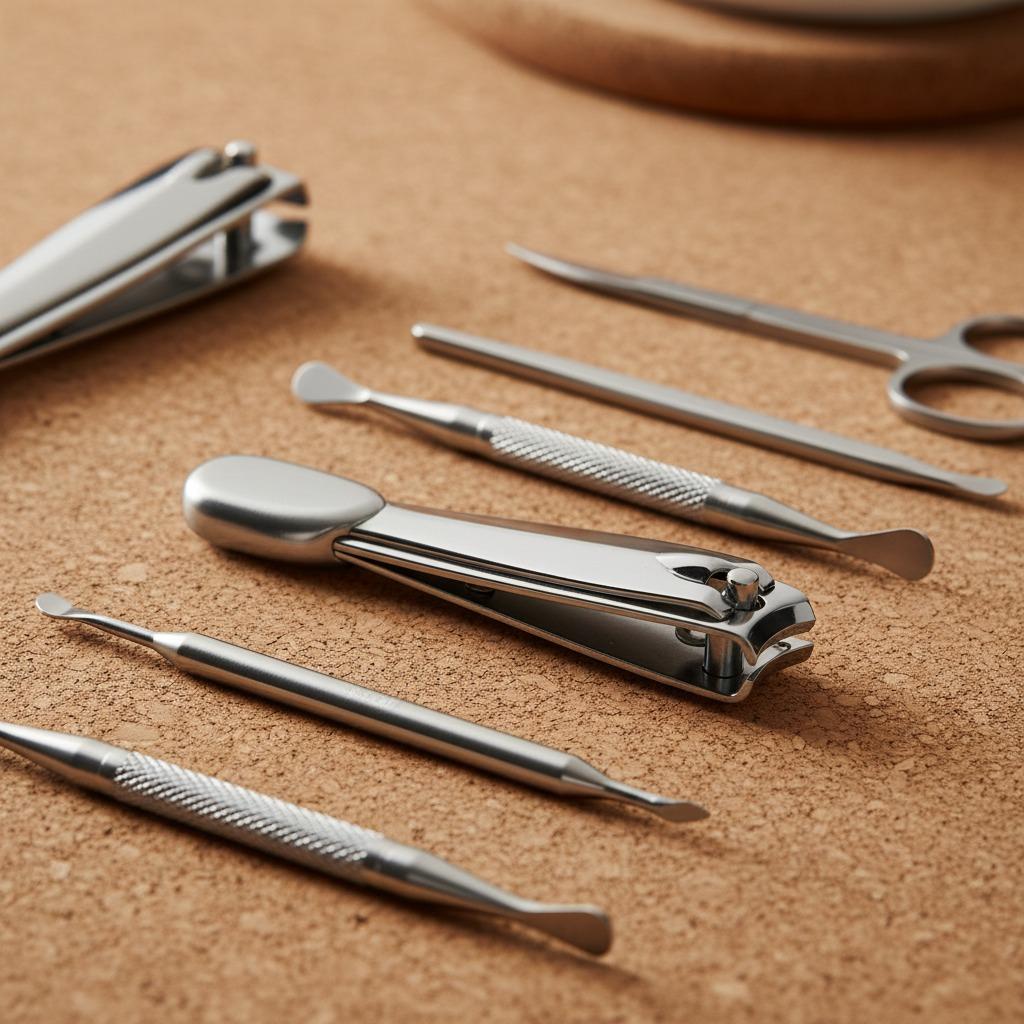
The cutting experience of a nail clipper begins with the steel. The supplied product information refers to stainless steel, a common choice for grooming tools because it can support a clean finish and offers corrosion resistance suitable for bathrooms, salons and travel kits. However, not every stainless steel component performs the same way. Buyers should consider how the steel responds to forming, sharpening, polishing and repeated pressure during cutting.
A useful sourcing conversation should include the intended user and nail type. A clipper for general fingernail care does not always require the same geometry as one used for thicker toenails. Retail packs for daily home grooming may prioritize comfort, consistent appearance and safe edges, while salon-oriented tools may need stronger bite, more controlled leverage and easier cleaning. The steel must support the final function rather than simply look premium in product photos.
When comparing samples, observe whether the body feels rigid under pressure and whether the cutting edges meet evenly from one side to the other. Uneven contact can cause tearing, incomplete cuts or the need to squeeze multiple times. These problems often relate to the relationship between material, forming accuracy and final alignment.
Heat Treatment and Edge Retention: What Buyers Should Understand
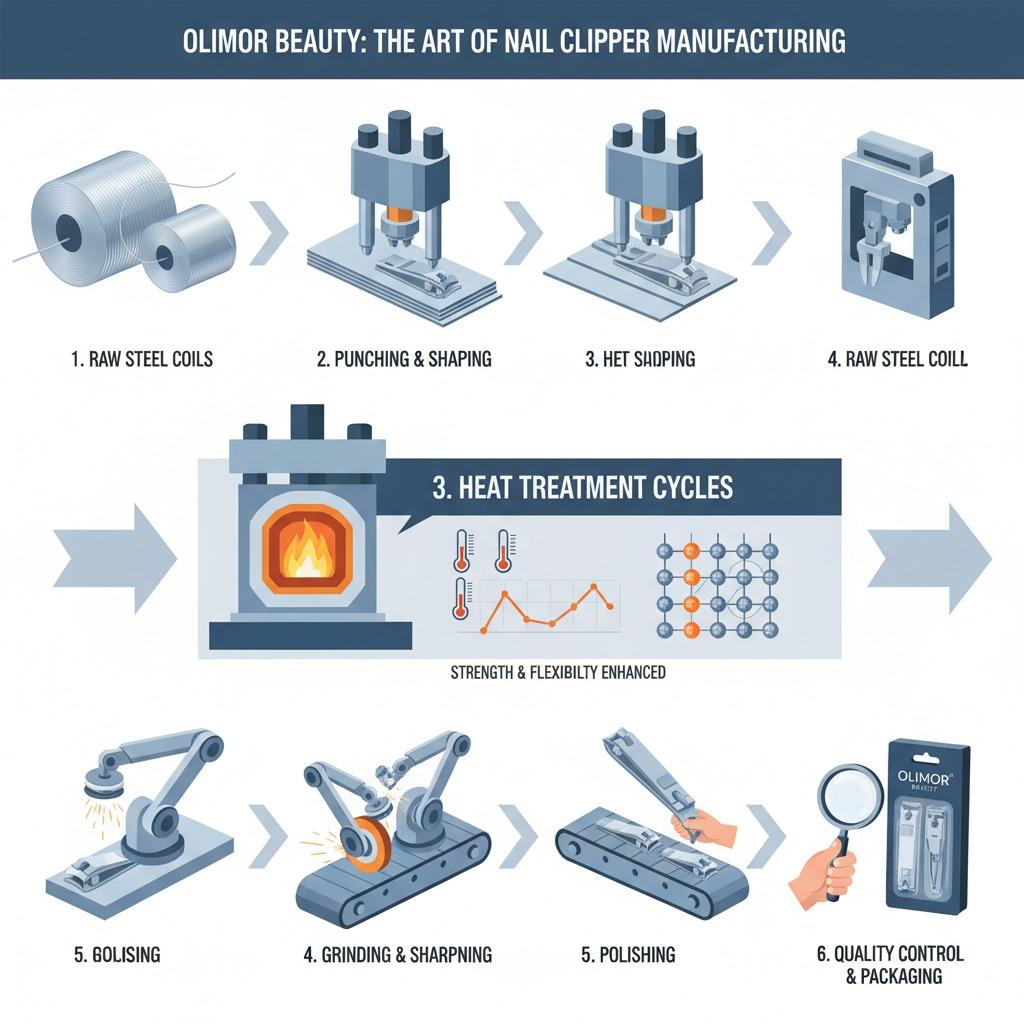
The original product focus highlights heat treatment cycles, which are important because controlled heating and cooling can improve a steel tool’s balance of hardness and toughness. In plain terms, a nail clipper must be hard enough to hold a sharp edge but not so brittle that the cutting jaw chips or loses stability. Heat treatment is one of the steps that helps create this balance.
Steel can undergo phase changes during processing. The supplied information refers to transformations such as austenite to martensite, which is a technical way of describing how steel structure can change under heat treatment. For buyers, the practical question is not to memorize metallurgy terms; it is to verify whether the supplier has a consistent process that produces repeatable cutting quality from batch to batch.
Sample testing should include more than a quick cut on one nail. A better evaluation uses repeated cuts on a suitable test material, checking whether the edges stay aligned, whether pressure increases noticeably and whether the lever action remains smooth. If possible, test multiple pieces from the same sample lot, not only the best-looking item. Consistency is usually more valuable than a single impressive sample.
Cutting Performance Criteria for Professional and Retail Buyers
A good nail clipper should cut cleanly, feel controlled in the hand and avoid unnecessary roughness. These results come from several linked details: jaw curvature, edge sharpness, spring or lever feel, pivot stability and surface finishing. For a supplier evaluation, it helps to create a repeatable checklist rather than relying only on appearance.
- Jaw alignment: The two cutting edges should meet evenly without visible gaps or offset tips.
- Cut cleanliness: The clipper should cut without crushing, splitting or leaving a jagged edge under normal use.
- Lever resistance: Pressure should feel controlled, not loose, wobbly or excessively stiff.
- Grip comfort: The body and lever should be easy to hold with dry or slightly damp hands.
- Surface finish: Edges outside the cutting area should feel smooth and safe, with no burrs that could scratch skin or packaging.
- Repeatability: Several samples should perform similarly, which indicates better process control.
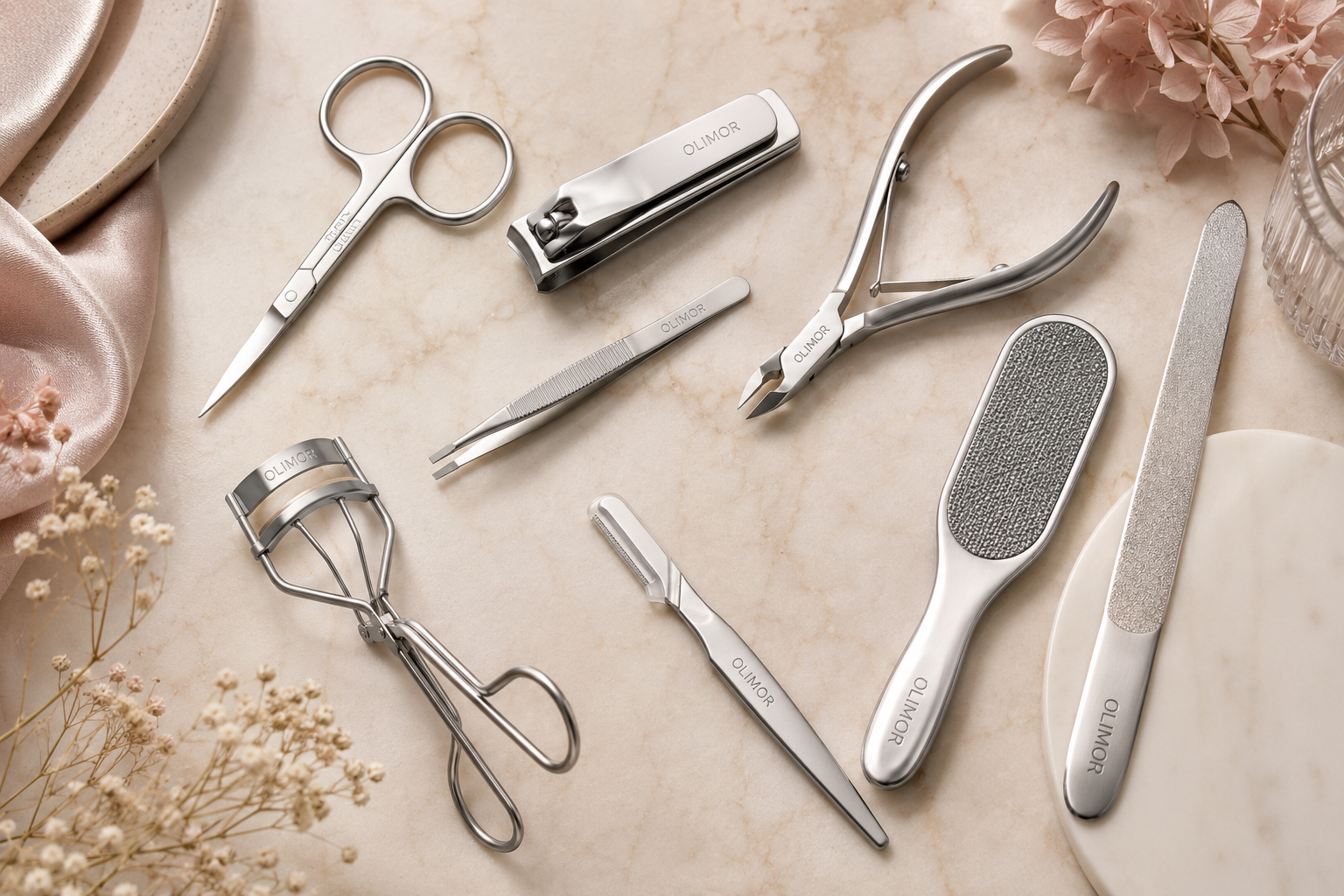
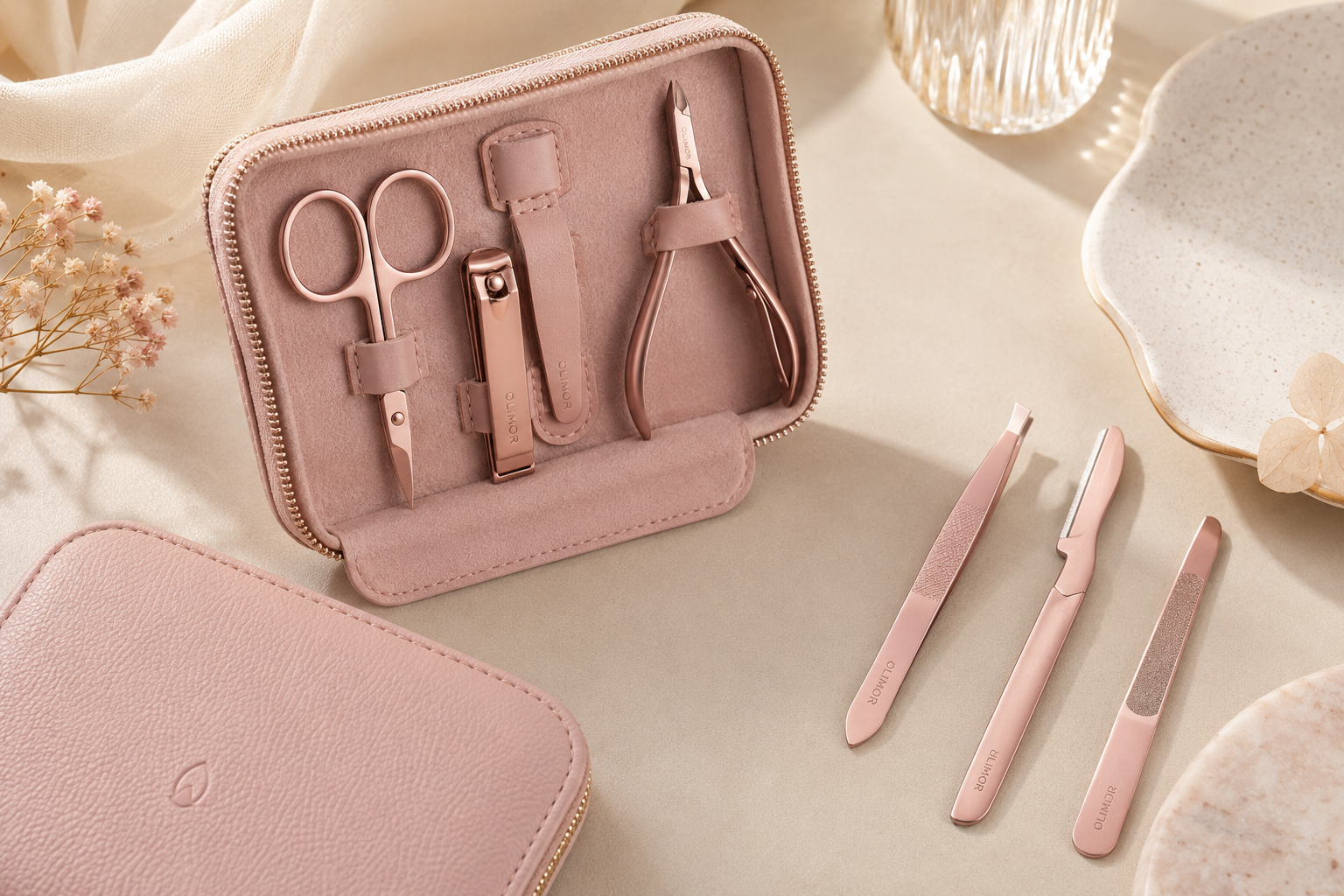
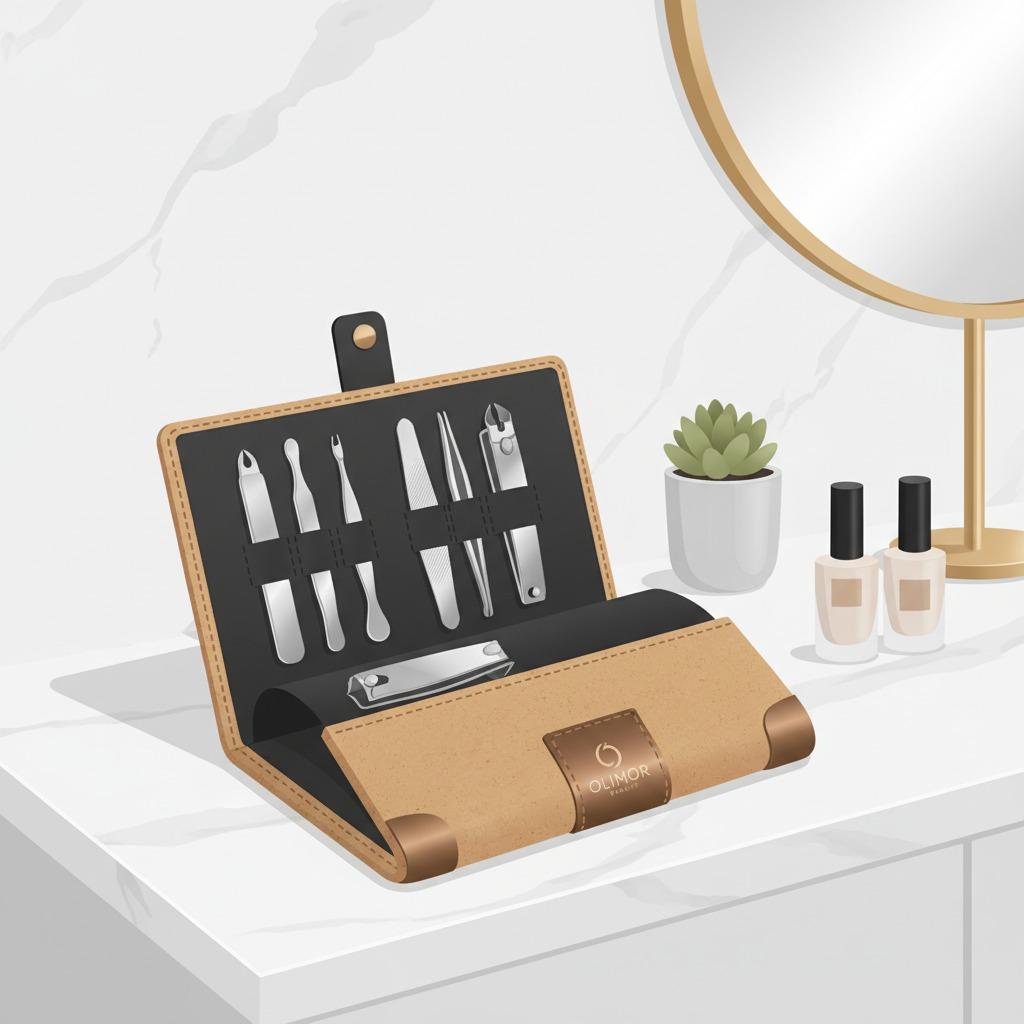
For retailers building a set or grooming kit, the clipper should also match the quality level of surrounding tools. If you are comparing broader product collections, pay attention to finish consistency across items such as tweezers, scissors, files and nail clippers. Customers often judge a kit by the weakest tool.
Ergonomics, Size and Use Case Fit
Not every nail clipper should be designed the same way. A compact clipper may be ideal for travel, handbag kits and promotional sets, while a larger clipper can offer better leverage for toenails. Curved blades are widely used for following the natural nail shape, while straight-edge versions may suit users who prefer more controlled shaping. The right choice depends on the market, packaging format and customer expectations.
For salon buyers, comfort matters because tools may be handled repeatedly throughout the day. A lever that digs into the thumb or slips during pressure can slow service and create fatigue. For retail buyers, clear product positioning helps reduce returns: the packaging and product description should make it obvious whether the clipper is intended for fingernails, toenails, travel use or general grooming.
Before confirming an order direction, consider the user scenario. Will the product be sold as a single tool, part of a manicure kit or part of a broader personal-care assortment? Will customers expect a premium gift appearance, a practical everyday tool or an economical replacement item? These answers influence the ideal finish, size, packaging and inspection level.
Quality Control Points Before Approving a Supplier
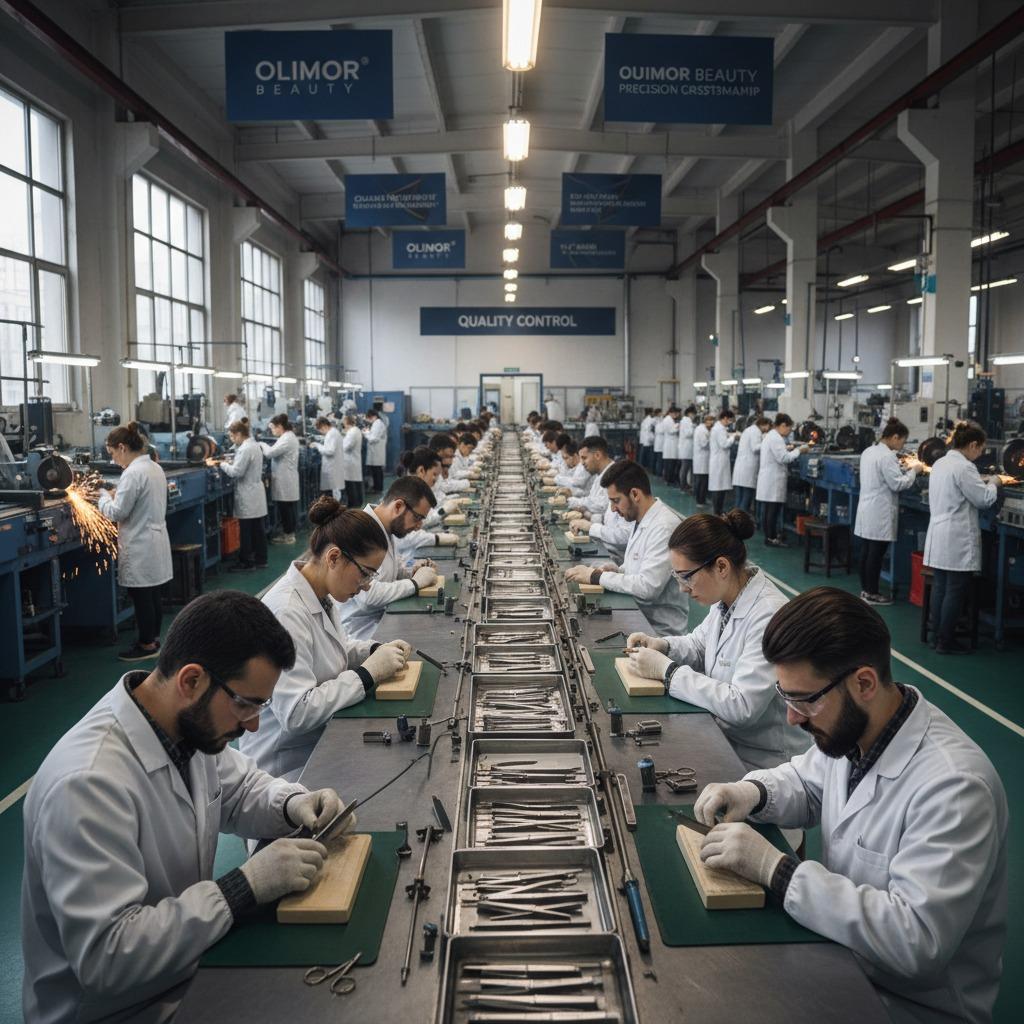
A supplier’s quality approach should cover the full product journey: incoming material, forming, heat treatment, polishing, sharpening, assembly, cleaning and packing. Even if the buyer does not specify every process parameter, the final approval standard should be clear. A beautiful clipper that fails basic functional checks is not ready for a retail shelf.
| Check Area | What to Review | Why It Matters |
|---|---|---|
| Material and finish | Steel type stated, surface smoothness, corrosion-related appearance after handling | Supports durability, hygiene perception and customer confidence |
| Cutting edge | Sharpness, jaw contact, absence of chips or burrs | Directly affects cutting comfort and complaint risk |
| Assembly | Pivot stability, lever movement, no looseness | Helps maintain consistent pressure and control |
| Batch consistency | Multiple samples from the same production run | Reduces the chance of uneven quality in bulk orders |
| Packaging fit | Tool protection, clean presentation, labeling space | Prevents transit scuffs and supports retail display |
Documentation and inspection criteria should match the buyer’s market requirements. Without inventing specifications, a practical approach is to define acceptable and unacceptable conditions with photos, sample benchmarks and functional tests. This makes communication clearer than general phrases such as “good quality” or “premium grade.”
Packaging and Sourcing Decisions for Beauty Brands
Nail clippers are often purchased in volume, but the right sourcing decision depends on more than unit appearance. Beauty brands should think about how the product will arrive, how it will be displayed, how customers will understand its intended use and how after-sales issues will be handled. A supplier that can discuss these details clearly is easier to work with than one that only provides a product image.
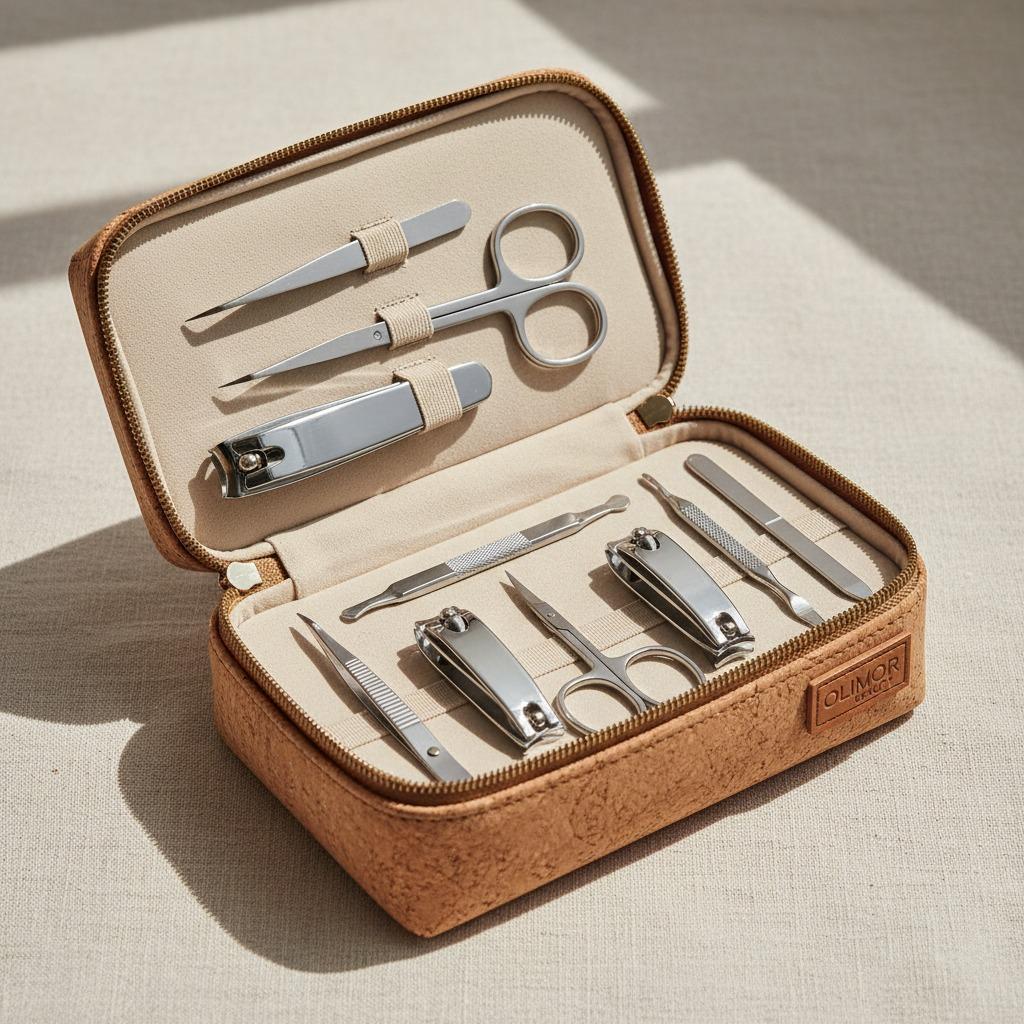
Packaging should protect the cutting edge and keep the surface clean. For retail, it may also need to communicate size, use case and care instructions. For professional channels, simple protective packaging may be more important than elaborate display design. If the clipper is part of a kit, the insert or pouch should hold it securely so that the cutting jaw does not rub against other tools during transport.
Buyers planning a new grooming line can send an inquiry with target market, preferred finish, packaging concept and expected use case. If more guidance is needed before selecting from available beauty tools, use contact Olimor to discuss product direction and sample evaluation steps.
Care Guidance That Improves Customer Satisfaction
Even a well-made nail clipper benefits from proper care. Customer instructions do not need to be complicated, but they should be realistic. Users should wipe the clipper after use, keep it dry before storage and avoid dropping it on hard surfaces, because impact can affect jaw alignment. If the tool is used in a professional setting, cleaning practices should follow the salon’s hygiene procedures and local requirements.
It is also helpful to remind users not to force a small clipper through nails that are too thick for its design. Excessive force can reduce comfort and may shorten tool life. Matching the clipper size and jaw design to the nail type is part of responsible product selection.
Choosing a Nail Clipper Supplier With Confidence
A strong nail clipper supplier should be able to connect steel choice, heat treatment, cutting performance and final inspection into one dependable product. The visible finish is important, but the real value is found in clean cutting, stable alignment, comfortable pressure and consistent repeat production. For beauty-tool buyers, the best evaluation combines sample testing, clear acceptance standards and packaging review.
Olimor Beauty’s focus on stainless steel nail clippers and beauty tools gives buyers a practical starting point for product selection. Whether you are sourcing for a salon channel, retail shelf, travel kit or grooming assortment, prioritize the details that customers feel in the first cut and notice after repeated use. That is where supplier quality becomes product value.