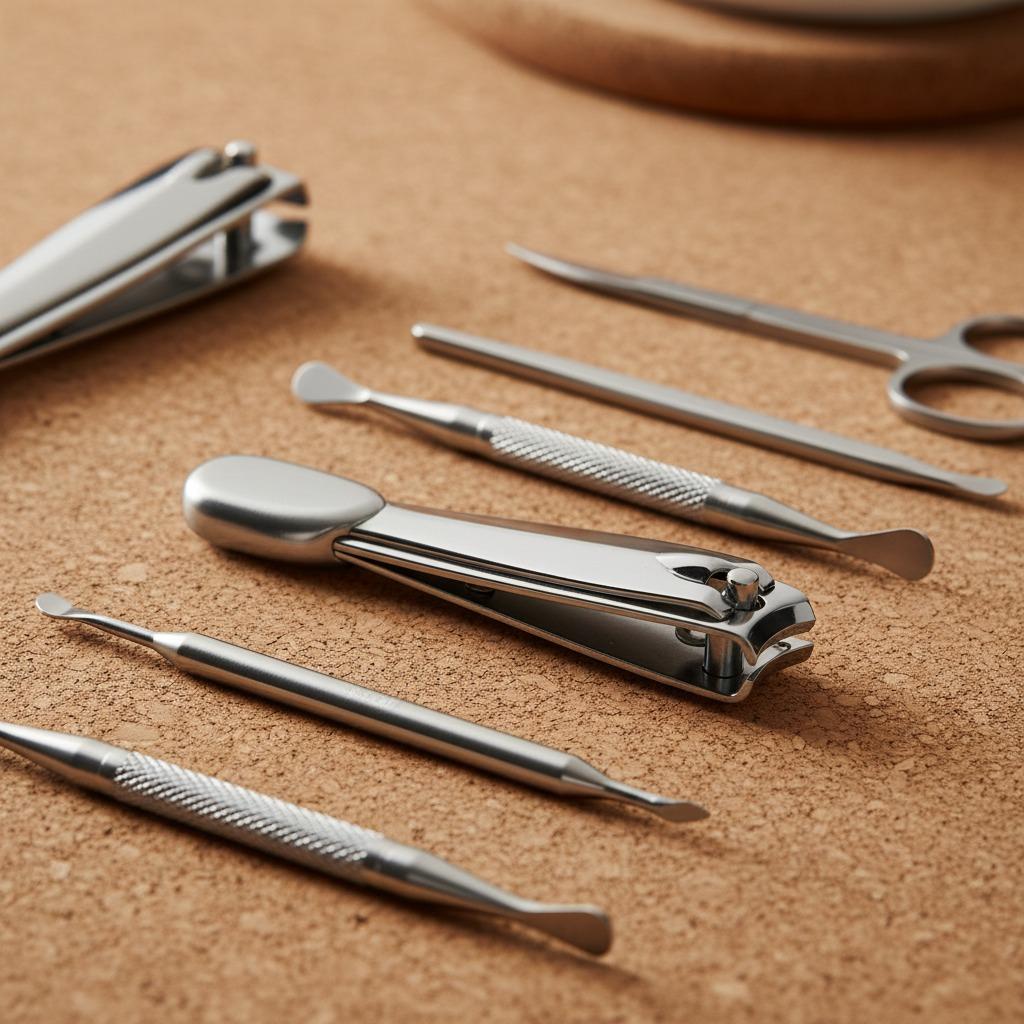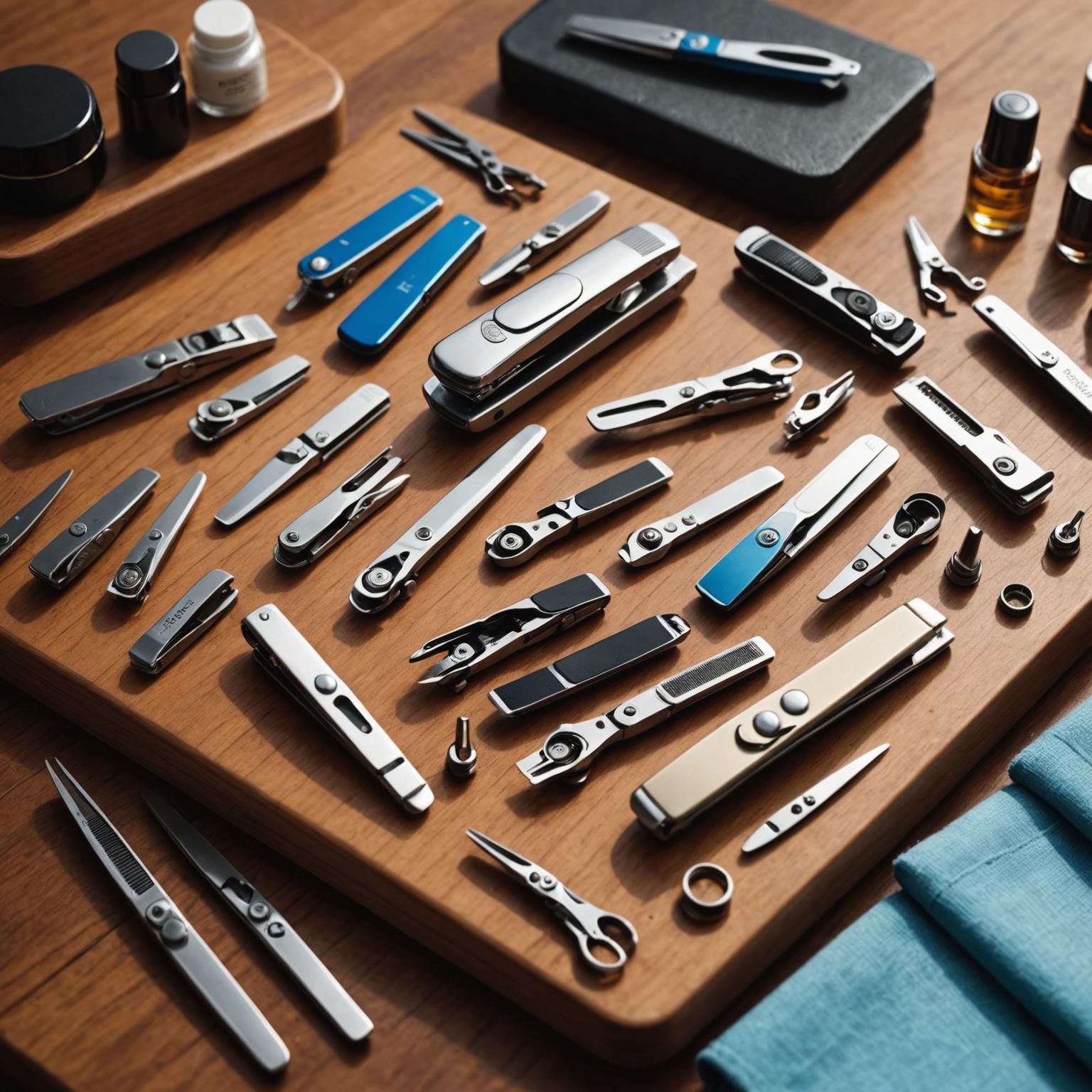
A good nail clipper looks simple, but the difference between a clean cut and a split edge often comes down to small design choices: blade curve, jaw opening, lever strength, grip texture and how easily the tool can be cleaned. For everyday users, the goal is safe, predictable grooming at home. For retailers, salons and beauty-tool buyers, the goal is to select nail clippers that feel reliable in the hand and remain consistent through repeated use.
This guide explains the main types of nail clippers, what to look for when comparing designs, how ergonomic features affect control, and how to maintain clippers so they stay hygienic and sharp for longer. If you are building a personal grooming kit or sourcing nail care tools for a product line, you can also explore Olimor Beauty's broader beauty tool products for related categories.
How Nail Clippers Have Evolved Beyond a Basic Tool
Traditional nail clippers were designed mainly for utility: press a lever, cut the nail, move on. Modern versions still serve the same purpose, but buyers now pay more attention to precision, comfort and finishing quality. The best clipper for one user may not be ideal for another because nail thickness, hand strength, travel habits and grooming preferences vary widely.
Today, product evaluation usually includes several practical questions. Does the blade meet evenly from side to side? Does the lever provide enough pressure without requiring excessive force? Is the grip stable when the tool is held at an angle? Can the edge be cleaned easily after use? These details matter because nail clipping is a repetitive task performed close to sensitive skin.
For beauty brands and professional grooming businesses, the appearance of the tool also matters, but visual design should not be separated from performance. A polished finish or compact shape is useful only when the clipper still gives a controlled, clean cut. Strong sourcing decisions begin with the cutting experience, then consider packaging, assortment and price positioning.
Main Nail Clipper Types and Best Use Cases
There is no single universal nail clipper. Different structures suit different nail shapes and grooming needs. Understanding the most common types helps prevent poor matching, especially when choosing tools for a mixed customer base.
- Straight-edge nail clippers: These are suitable for users who prefer a more squared nail shape. They can be useful for toenails because a straighter cut may help reduce sharp side trimming, although users should still avoid cutting too deep into the corners.
- Curved-blade nail clippers: Curved blades follow the natural arc of many fingernails. They are common for general hand grooming and can reduce the need for repeated small cuts when the blade curve matches the nail shape.
- Wide-jaw clippers: These provide more opening space and leverage for thicker or firmer nails. They are often chosen for toenails or users who find standard clippers too narrow.
- Compact travel clippers: Smaller clippers are convenient for toiletry bags, workplace grooming kits or travel sets. The trade-off is that they may offer less leverage than full-size tools.
- Multi-function clippers: Some designs include an attached file or additional grooming feature. These can be convenient, but the core cutting edge should still be assessed first because extra features do not compensate for weak blade alignment.
When comparing options, avoid judging only by size. A small clipper with a well-aligned blade can outperform a larger tool with poor leverage. Likewise, a wide-jaw clipper is useful only if the cutting edge closes cleanly and the handle remains steady under pressure.
What to Look For in a Quality Nail Clipper Review
Useful nail clipper reviews should focus on the details that affect actual grooming results. A short comment such as "sharp" or "comfortable" can be helpful, but buyers need more context. The most informative reviews explain the user's nail type, the clipper size, how much force was needed, and whether the cut edge required additional filing.
For product selection, consider the following criteria:
- Blade alignment: The two cutting edges should meet evenly. Uneven contact can crush or tear the nail instead of cutting it cleanly.
- Cutting pressure: A clipper should not require excessive force. Strong leverage is especially important for thicker nails or users with reduced hand strength.
- Jaw opening: The opening should match the intended use. Fingernail clippers can be narrower, while toenail clippers often need a wider jaw.
- Grip and stability: A textured or shaped handle may help prevent slipping, especially after washing hands or applying hand cream.
- Edge finish: A cleaner cut reduces the amount of filing needed and may lower the chance of snagging on fabric.
- Cleaning access: Tools that are easy to wipe and dry are more practical for repeated personal or salon-adjacent use.
These points are also useful when comparing samples for wholesale or private label planning. If you are evaluating nail care tools as part of a wider assortment, Olimor Beauty's product collections can help you review related grooming categories and think through how the clipper fits into a broader beauty tool range.
Why Ergonomics Matter for Clean and Safe Cutting
Ergonomic nail clippers are not only about comfort. A tool that fits the hand well gives the user better control over angle, pressure and placement. This is important because nails are curved, hands are not always steady, and cutting too aggressively can lead to discomfort or uneven edges.
Several ergonomic details can improve the user experience. A longer lever can provide more mechanical advantage. A wider press area can feel more comfortable on the thumb. A slightly contoured body can make the tool easier to hold in position. A smooth but secure movement helps the user cut in small, controlled sections instead of forcing one large cut.
These design choices are particularly relevant for older users, people who groom frequently, and buyers assembling kits for travel, retail or salon support. However, ergonomics should be evaluated together with blade quality. A comfortable handle with a dull or misaligned blade still produces poor results. The ideal tool balances grip, leverage and precise blade contact.
Material and Finish Considerations for Buyers
Many premium nail clippers are made from stainless steel because it is durable, widely used in grooming tools and suitable for regular cleaning. However, the term "stainless steel" alone does not tell the full story. Buyers should still evaluate edge sharpness, surface finishing, hinge movement and resistance to visible wear during sample testing.
For retail and beauty brands, finish consistency is also part of perceived quality. Uneven polishing, rough edges around the lever or a loose catcher component can make a tool feel less dependable. If the clipper will be sold in a set, check whether the size, finish and handling match the other tools. A nail clipper paired with tweezers, scissors or files should feel like part of a coherent grooming solution rather than an unrelated add-on.
Packaging should protect the cutting edge during storage and shipping. It should also communicate the intended use clearly, such as fingernail trimming, toenail trimming or travel grooming. Avoid overstating performance claims unless they are supported by your own testing and documentation.
Maintenance Tips to Keep Nail Clippers Performing Well
Even a well-made nail clipper can become less effective if it is stored damp, clogged with nail debris or used on materials other than nails. Maintenance is simple, but it should be done consistently.
- Clean after each use: Remove nail fragments and wipe the cutting edge. For personal tools, soap and water followed by thorough drying may be sufficient for routine cleaning.
- Disinfect when needed: If a tool is shared or used in a professional environment, follow the applicable hygiene process for your setting. Alcohol wipes are commonly used for simple disinfection, but local rules may require more specific procedures.
- Dry completely: Moisture left in the hinge or under the lever can affect movement and appearance over time.
- Protect the blade: Store the clipper in a pouch, case or clean drawer where the cutting edge will not strike hard objects.
- Use the right tool: Do not use fingernail clippers on very thick toenails if the jaw opening and leverage are not suitable. Excess force can damage the blade alignment.
- Replace when performance declines: If the clipper crushes the nail, leaves ragged edges or no longer closes evenly, replacement is often more practical than trying to restore a worn tool.
A regular care routine improves hygiene and helps preserve the cutting feel. For buyers, maintenance instructions can also reduce customer dissatisfaction because many performance problems come from misuse, damp storage or using the wrong clipper type for the nail.
Practical Sourcing Questions for Nail Clipper Programs
When sourcing nail clippers, start with the target user. A travel kit, a manicure set, a men's grooming range and a salon retail display may all need different clipper sizes and finishes. Sample testing should include real cutting trials on appropriate nail types, not only visual inspection.
Useful sourcing questions include: Is the clipper intended for fingernails, toenails or both? Should the blade be straight or curved? Is a catcher necessary, or does it make cleaning harder for the intended user? Does the tool feel stable for left- and right-handed use? Will the finish match other tools in the set? Can the packaging explain safe use without overcrowding the design?
For a custom assortment or bulk purchasing discussion, you can send an inquiry with your intended market, preferred tool type and packaging goals. If you need help deciding which nail care format fits your product plan, contact Olimor for a practical conversation about beauty tool options.
Choosing the Right Nail Clipper With Confidence
The best nail clipper is the one that matches the user's nail type, hand comfort and grooming routine. Curved blades can work well for natural fingernail shapes, straight edges can support squared trimming, wide jaws help with thicker nails, and compact versions suit travel. Across all categories, the essentials remain the same: aligned blades, controlled leverage, stable grip, easy cleaning and sensible storage.
Whether you are buying one tool for home care or comparing samples for a beauty line, focus on performance before decoration. A clean cut, comfortable press and durable construction are what users notice over time. With the right selection criteria and basic maintenance habits, nail clippers can remain dependable, hygienic and easy to use throughout their service life.