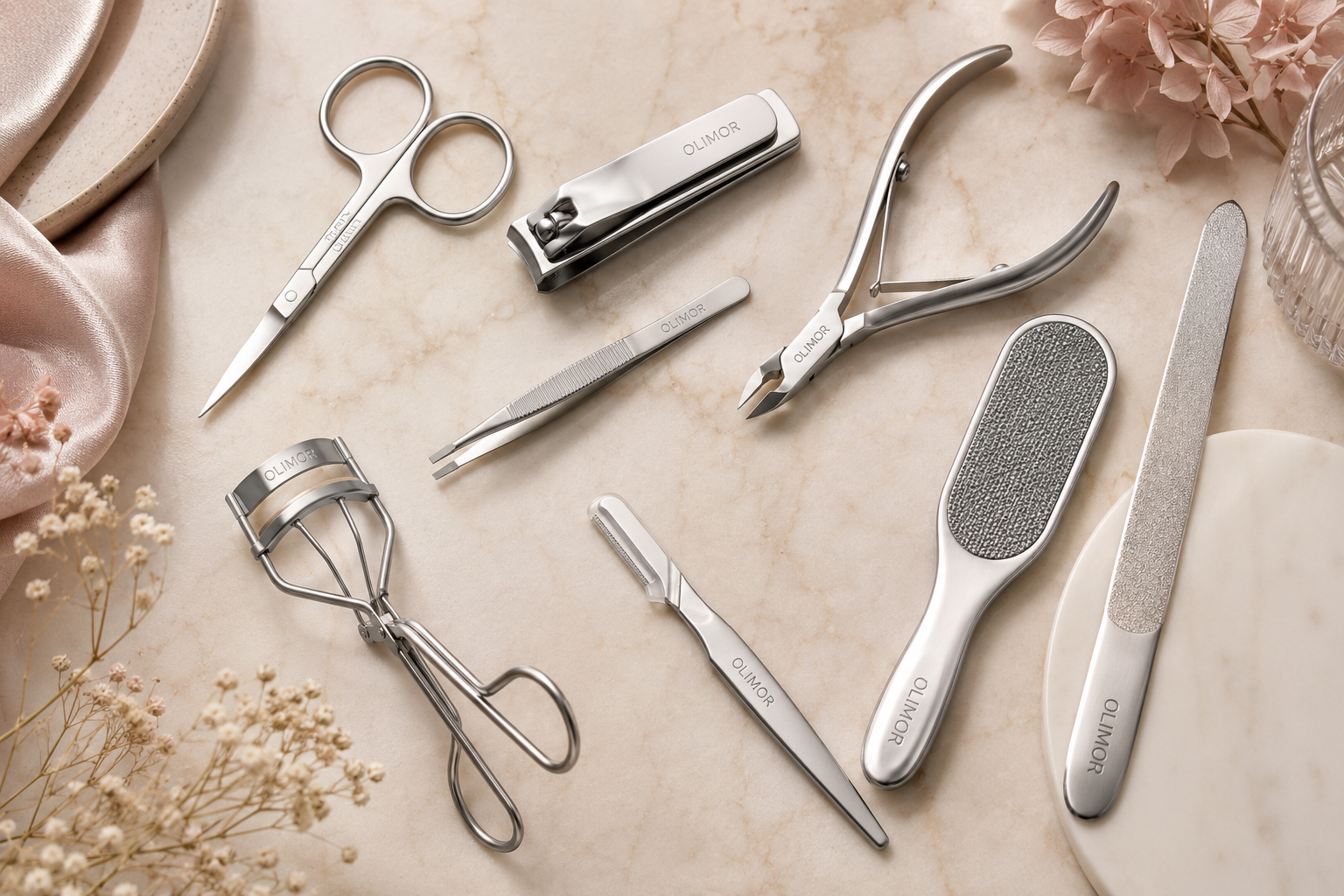











A nail clipper looks simple, but small differences in shape, leverage, edge alignment and finish can change the entire grooming experience. A good clipper should cut cleanly without crushing the nail, feel stable in the hand, and be easy to clean after use. For consumers, salon buyers, travel kit brands and personal care retailers, the goal is not only to find a clipper that looks polished, but one that performs consistently across repeated use.
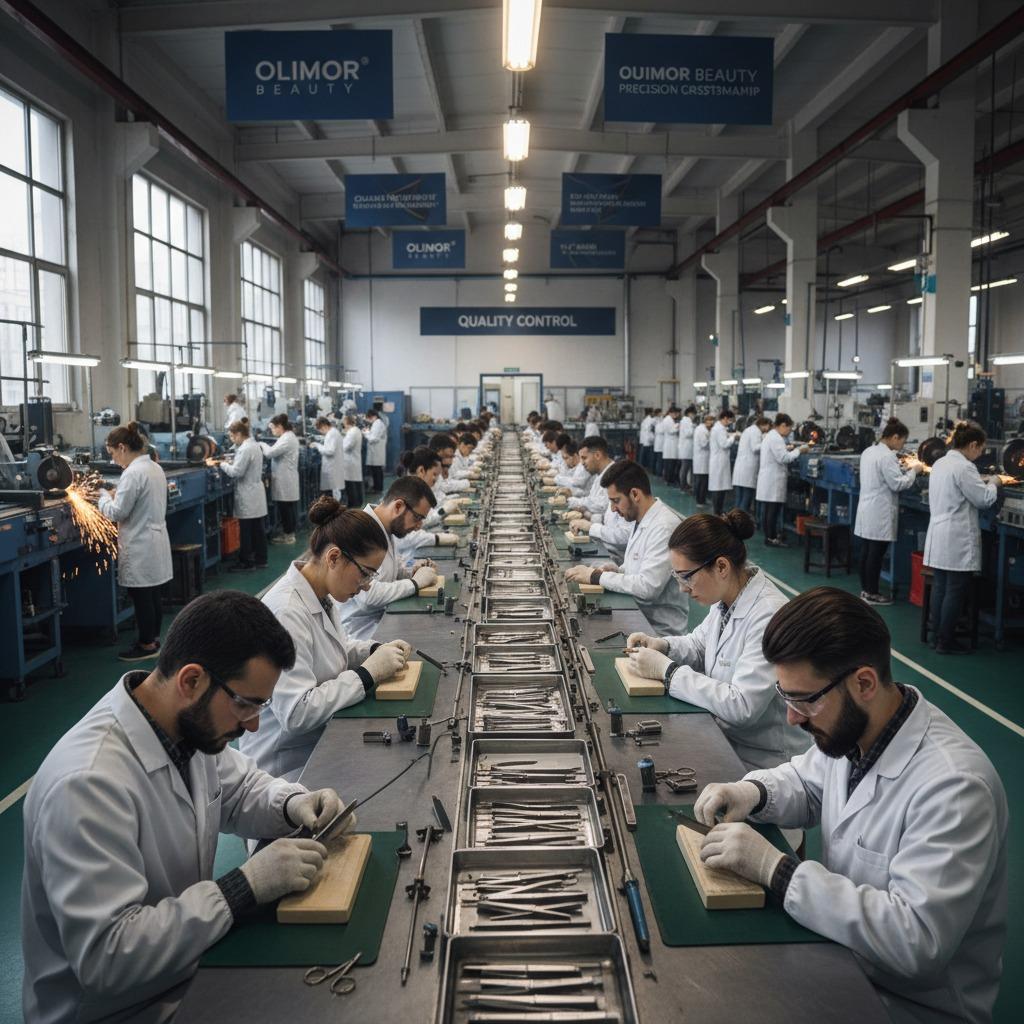
This guide focuses on the practical points that matter when comparing nail clipper reviews: clipper type, ergonomic comfort, stainless steel construction, hygiene, maintenance and sourcing considerations. Olimor Beauty works with beauty tools where raw material selection, processing, finishing and packaging all influence the final user experience. If you are comparing options for personal use or planning a product range, the following criteria can help you judge nail clippers more clearly.
What a Useful Nail Clipper Review Should Actually Evaluate
Many nail clipper reviews focus on appearance or a short first impression. Those details are useful, but they do not fully explain whether the tool will remain comfortable and precise after regular use. A more reliable review looks at the cutting action, the grip, the opening angle, the spring or lever response, and how the clipper behaves on different nail thicknesses.
For fingernails, the priority is usually control and a smooth edge. For toenails, users often need stronger leverage and a wider jaw. For older users or anyone with reduced hand strength, an ergonomic handle may be more important than compact size. For travel kits, a small profile and secure closure may matter more. The best choice depends on where and how the clipper will be used.
When reading or writing a nail clipper review, consider whether the tool:
- Cuts cleanly without leaving major jagged edges.
- Feels stable when pressure is applied to the lever.
- Provides enough opening width for the intended nail type.
- Has edges that meet evenly when closed.
- Can be cleaned easily after trimming.
- Feels comfortable for both quick touch-ups and full grooming sessions.
- Has a finish that resists staining and is pleasant to hold.
Understanding the Main Types of Nail Clippers
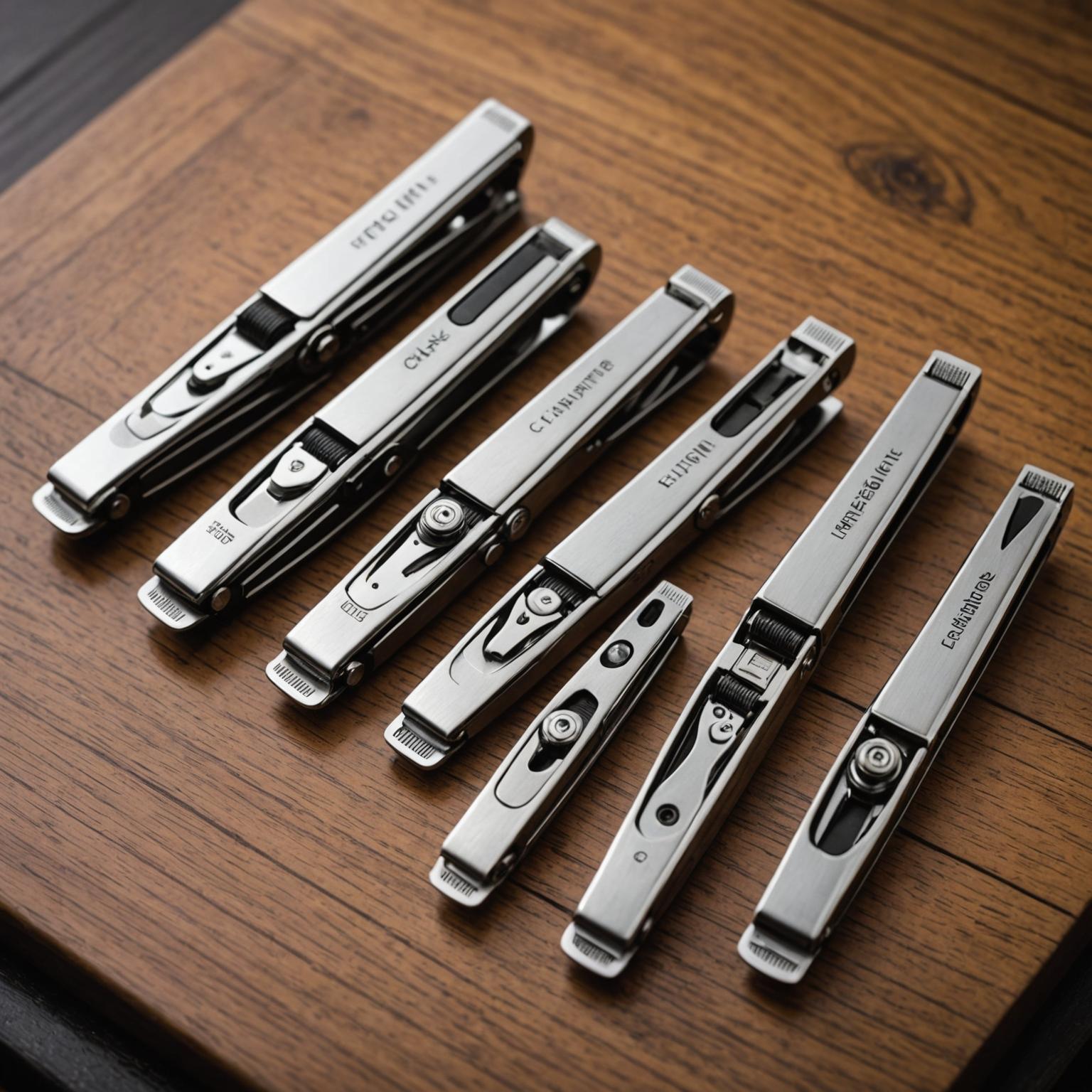
Different nail clipper formats exist because nails, hands and grooming habits vary. The traditional lever-style clipper remains popular because it is compact, familiar and efficient. It is often suitable for standard fingernail trimming and can fit easily into bathroom kits, travel pouches and retail grooming sets.
Rotating-head clippers are designed for users who want better access at difficult angles. The ability to adjust the head position can reduce wrist twisting, especially when trimming toenails or using the clipper with the non-dominant hand. This type is often chosen for comfort rather than speed.
Ergonomic nail clippers place more emphasis on hand position and pressure distribution. They may include a contoured body, broader handle area or softer grip surface. The purpose is to reduce hand fatigue and increase control, especially for users who find slim metal levers difficult to press.
Specialized designs also have a place. Baby nail clippers are typically intended for smaller, more delicate nails and require careful control. Heavy-duty clippers are chosen when thicker nails require more leverage. The important point is to match the tool format to the nail type and user need rather than choosing only by appearance.
Why Ergonomics Matter More Than Many Buyers Realize
Ergonomics in a nail clipper is not just about adding a larger handle. It is about how the user’s fingers, palm and wrist interact with the tool during pressure. If the lever is too narrow, the user may press harder than necessary. If the body is slippery, the hand may shift during the cut. If the clipping angle feels awkward, the user may twist the wrist or cut unevenly.
An ergonomic nail clipper should help the user apply force in a controlled way. Optimized leverage can reduce effort, while a thoughtful contour can make the tool feel secure. A wider pressing surface may be easier for users with limited grip strength. A stable body also helps reduce the risk of cutting too short, because the user has better control over placement.
For retail buyers and product developers, ergonomic design should be assessed with real handling, not only product photos. A clipper may look attractive but still feel uncomfortable if the lever is sharp against the finger or if the tool is hard to position. When reviewing beauty tool products, comfort testing across different hand sizes is a useful step before deciding on a final assortment.
Materials, Finish and Hygiene Considerations
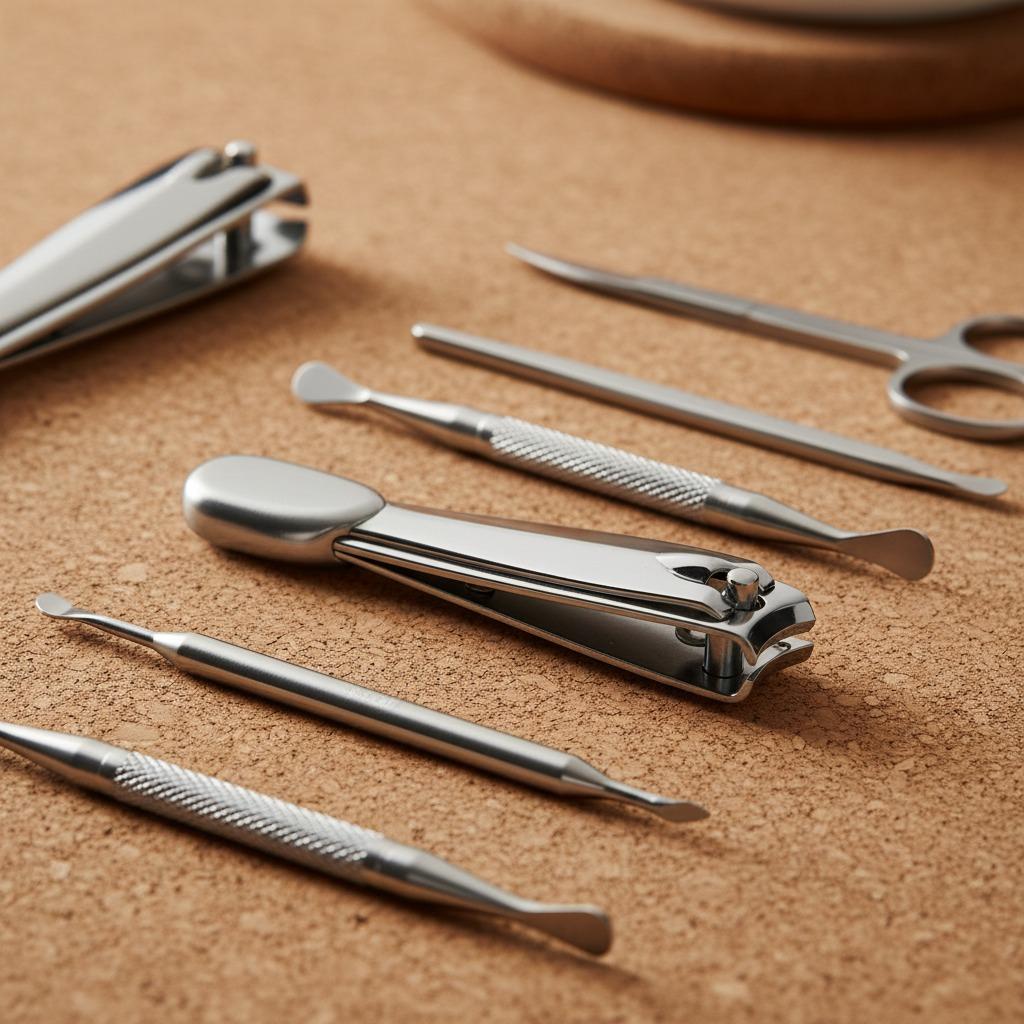
Stainless steel is widely used in nail clippers because it offers strength, durability and corrosion resistance when properly processed and cared for. The quality of the cutting edge, the alignment of the jaws and the surface finish all affect performance. A polished finish can improve appearance and may make the tool easier to wipe clean, while rough areas or gaps can trap nail debris.
Material choice should be considered together with manufacturing details. Even a strong material will not perform well if the cutting edges are poorly aligned or if the lever mechanism feels loose. For nail clippers, small tolerances matter. The jaws need to meet evenly to create a clean cut. The lever should move smoothly without feeling unstable. Edges that contact the hand should feel finished, not sharp or uncomfortable.
Hygiene is another key part of product quality. Nail clippers are used close to skin and nail edges, so easy cleaning is important. Some designs include a built-in nail catcher to reduce mess, which can be helpful in home grooming and travel use. However, any added feature should be designed so debris can be removed easily. A nail catcher that is difficult to empty may create the opposite problem.
Selection Checklist for Personal Use, Retail or Sourcing
Whether you are buying one clipper for home use or comparing options for a broader grooming range, a structured checklist helps avoid choices based only on style. The table below highlights practical decision points.
| Selection Point | What to Check | Why It Matters |
|---|---|---|
| Cutting performance | Edges meet evenly and cut without crushing | Improves comfort and reduces rough nail edges |
| Handle comfort | Lever width, contour and grip stability | Reduces hand fatigue and improves control |
| Clipper size | Jaw width and body length | Matches fingernails, toenails or travel use |
| Finish quality | Smooth surfaces, polished areas and no harsh edges | Improves handling, appearance and cleaning |
| Cleaning access | Open areas and removable debris paths | Supports hygiene after repeated use |
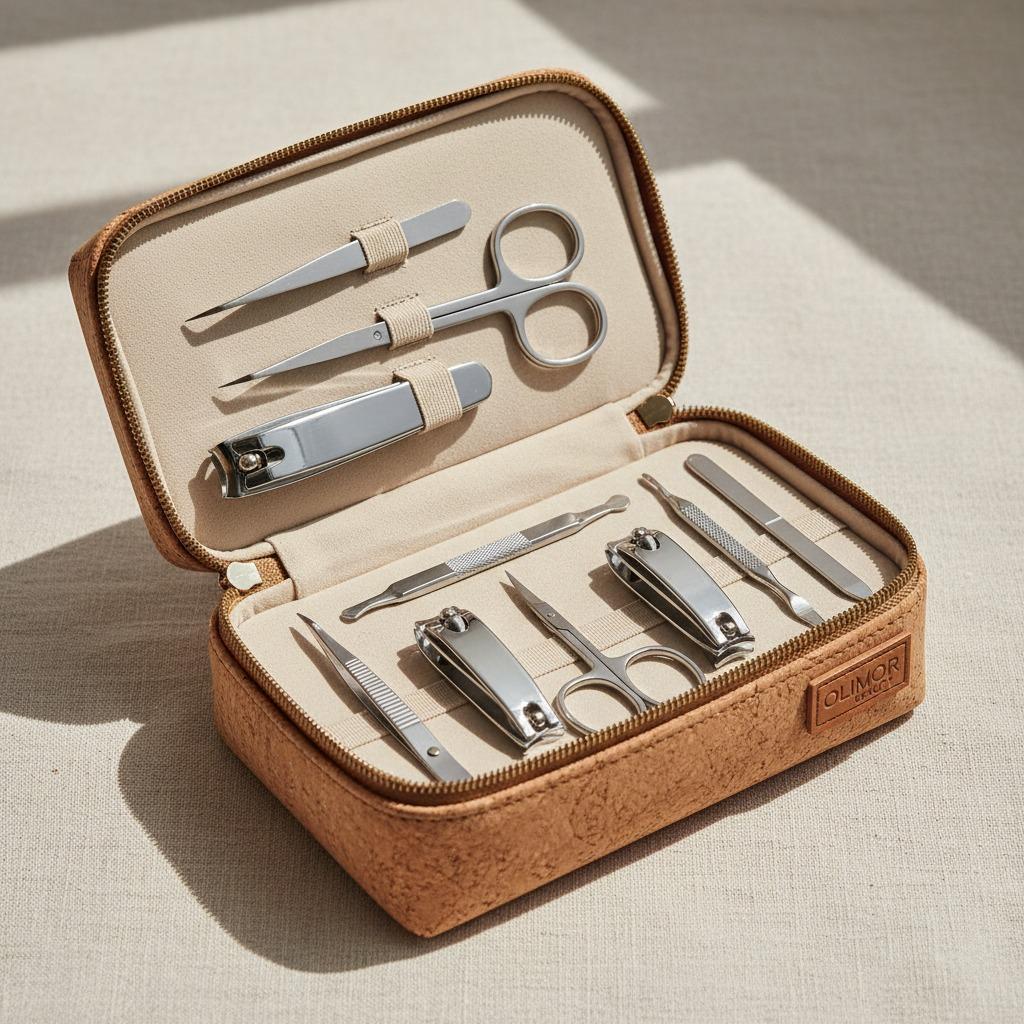
| Packaging fit | Protection, presentation and storage needs | Important for retail, gift sets and travel kits |
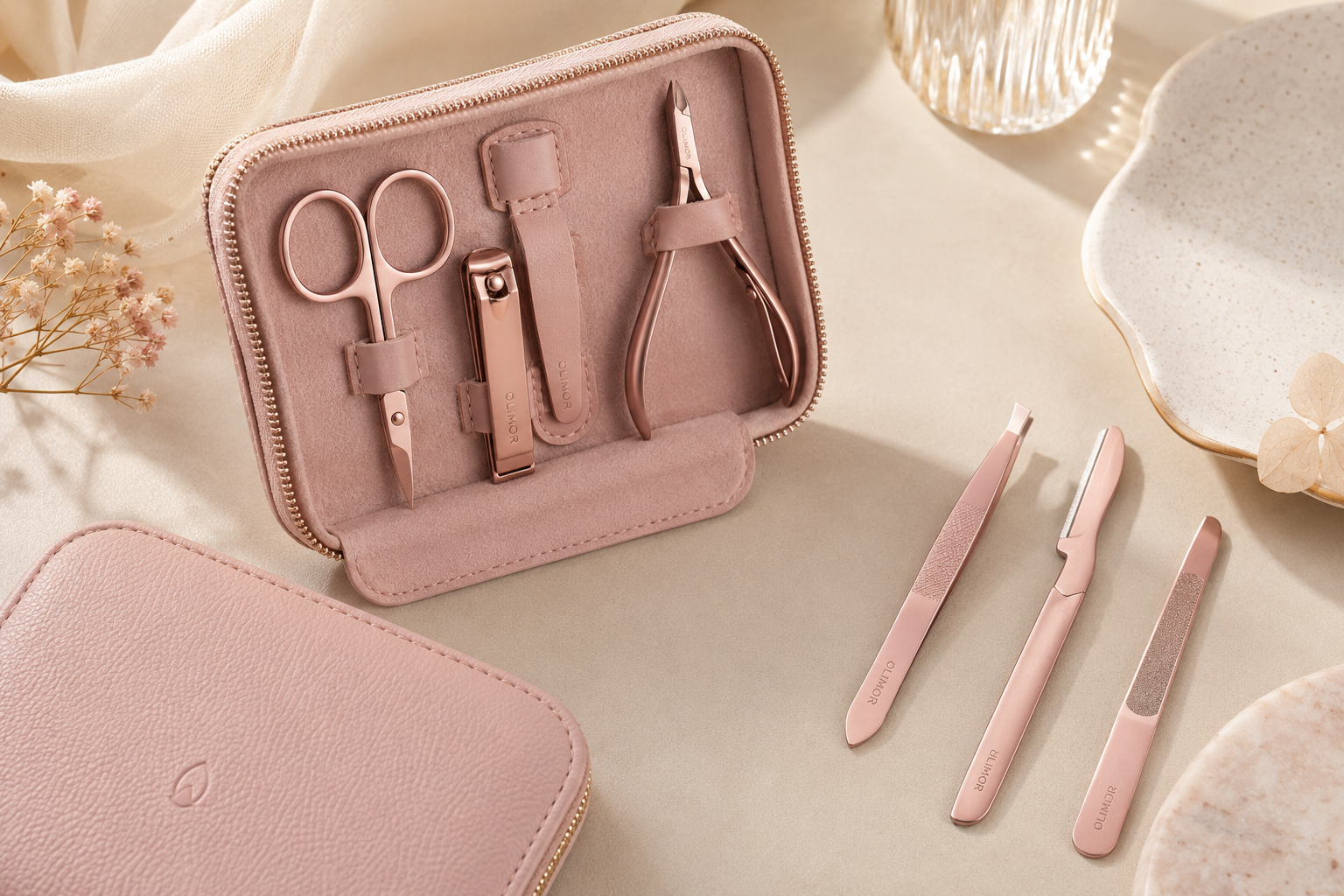
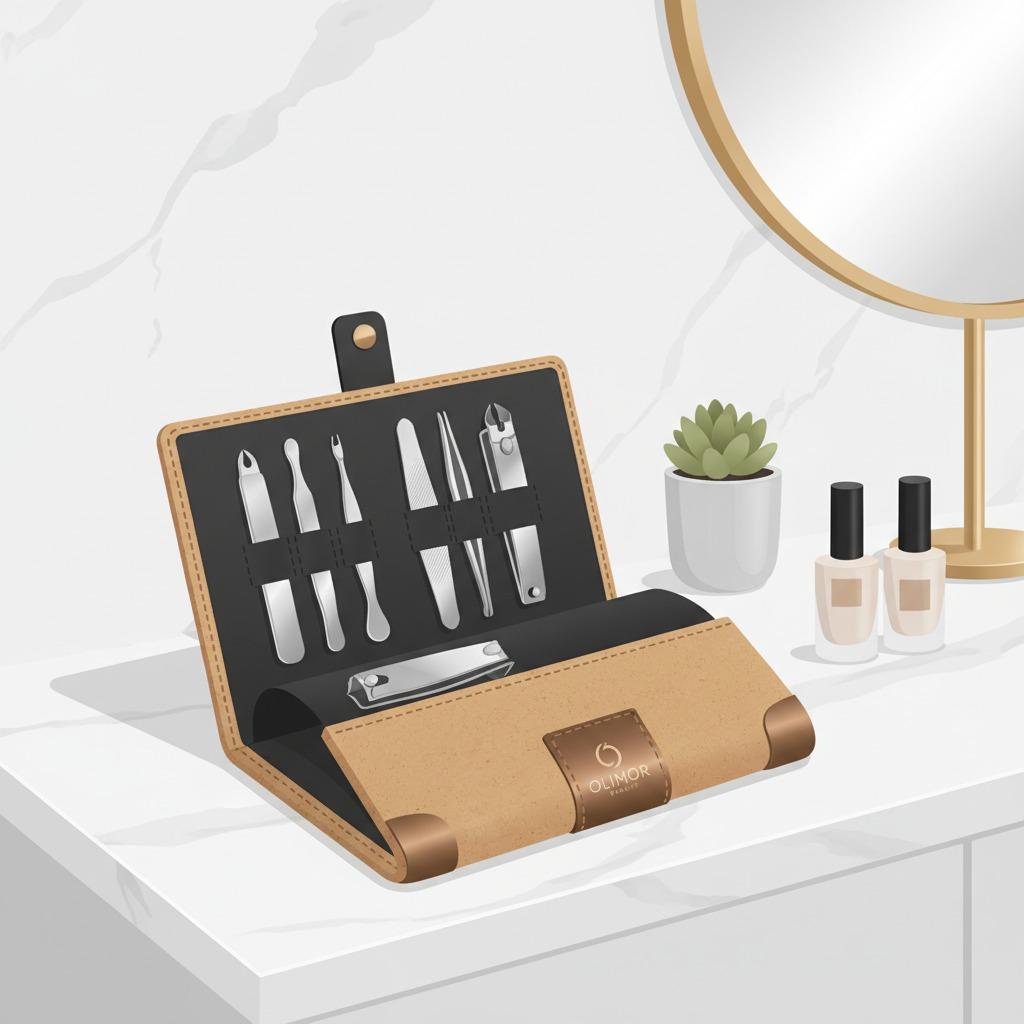
For brands and buyers building a grooming line, nail clippers can also be paired with other personal care tools in coordinated sets. Reviewing product collections can help identify how a clipper fits into a broader beauty tool assortment without forcing the same design for every use case.
How to Use a Nail Clipper for Cleaner Results
Even a well-made clipper performs best when used correctly. Nails are easier to trim when they are slightly softened, such as after washing hands or bathing. This can reduce splitting and make the cut smoother. The clipper should be positioned carefully, with small cuts taken across the nail rather than forcing one large cut from side to side.
- Clean and dry the clipper before use, especially if it has been stored with other tools.
- Soften the nails slightly if they are dry or brittle.
- Trim in small sections, following the natural nail shape.
- Avoid cutting too deeply into the corners, which may encourage discomfort or ingrown nails.
- Use a nail file after clipping if a smoother edge is needed.
- Remove nail debris from the clipper immediately after trimming.
Toenails usually benefit from a straighter cut, while fingernails can be shaped more gently to follow the fingertip. Users with unusually thick, painful or damaged nails should avoid forcing a standard clipper through the nail, as this can cause cracking or discomfort.
Maintenance Habits That Extend Tool Life
Routine care is simple but important. After use, nail clippers should be cleared of debris, wiped clean and dried thoroughly. Alcohol cleaning can help maintain hygiene, but moisture should not be left on the tool. Even stainless steel benefits from proper drying and storage, especially in humid bathrooms.
Store the clipper in a dry place where the cutting edges are protected from impact. Dropping the tool or allowing it to knock against other metal items can affect edge alignment over time. If the lever becomes loose, the jaws no longer meet evenly, or the clipper begins crushing rather than cutting, it may be time to replace it.
For shared environments, such as salons, hospitality kits or family bathrooms, cleaning routines are even more important. A practical design should make it easy to see and remove debris. Simple maintenance helps preserve both performance and user confidence.
Balancing Style With Practical Performance
Style matters in grooming tools because the product is often displayed, gifted or included in a coordinated set. A polished finish, balanced proportions and clean packaging can make a nail clipper more appealing. However, style should support function rather than distract from it. The most attractive clipper will disappoint users if it slips in the hand, cuts unevenly or is hard to clean.
For buyers comparing ergonomic and stylish nail clippers, the strongest option is usually the one that combines a comfortable grip, reliable cutting action, durable stainless steel construction and a finish suitable for the intended market. Personal users may prioritize comfort and ease of use. Retailers may also consider presentation and assortment fit. Product developers may look more closely at handling tests, packaging compatibility and consistency between samples.
If you are evaluating nail clippers for a beauty tool range or need help comparing suitable options, you can contact Olimor or send an inquiry with your intended use case. A clear brief that explains target users, preferred clipper type, packaging needs and quality expectations will make product selection more efficient.
The right nail clipper is a small tool with a noticeable daily impact. By judging ergonomics, material, cutting performance, cleaning access and maintenance together, you can choose a grooming tool that feels comfortable, works reliably and fits the needs of its users.