










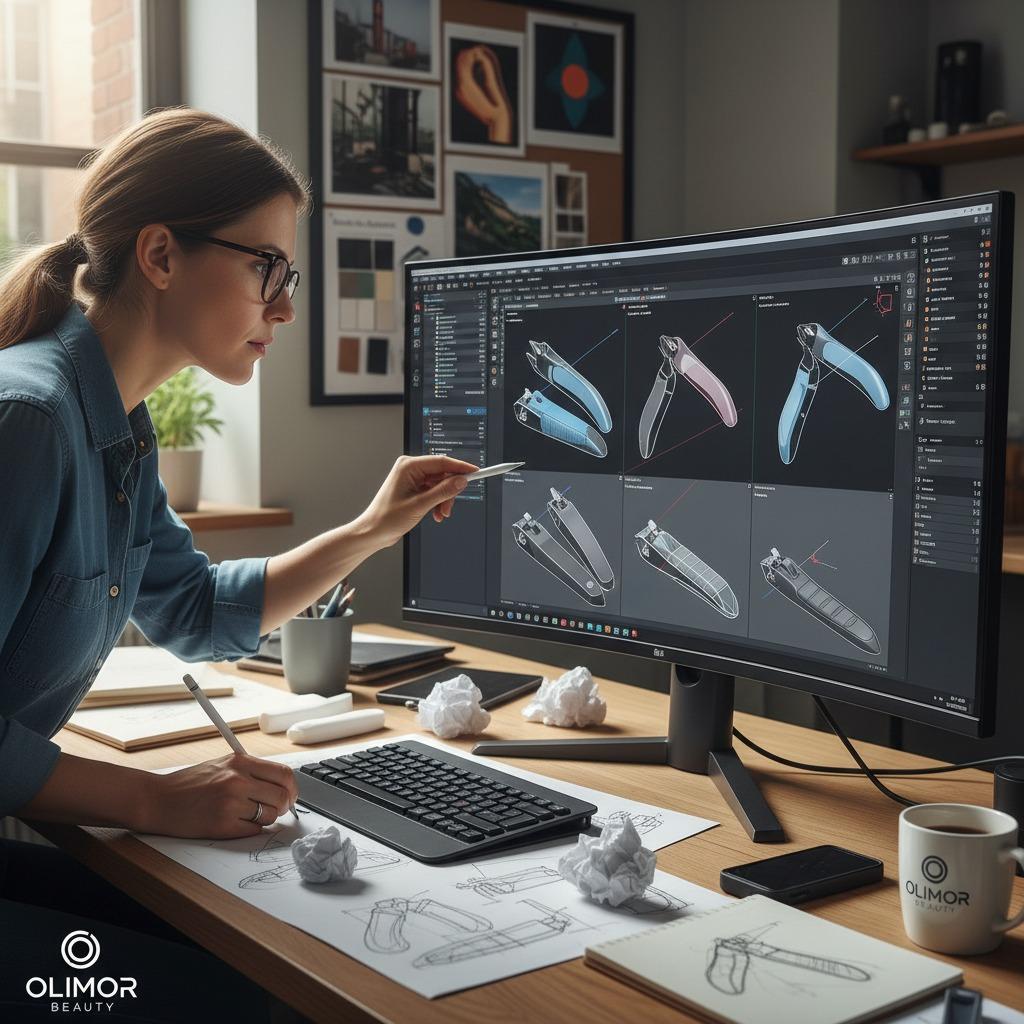
Nail clippers look simple, but a good one depends on many small decisions: the angle of the cutting edge, the tension of the lever, the curve of the jaw, the finish on the handle, and the way the tool feels after repeated use. For brands, distributors, salons, and beauty-tool buyers, prototype development is where those decisions become visible before a product moves toward larger production.
At Olimor Beauty, nail clipper prototype development focuses on turning a grooming-tool concept into a practical sample that can be handled, tested, compared, and improved. The goal is not only to make a clipper that looks acceptable in a photo. A useful prototype should help the buyer judge whether the tool is comfortable, whether the cut feels controlled, whether the construction supports daily use, and whether the design direction is realistic for manufacturing.
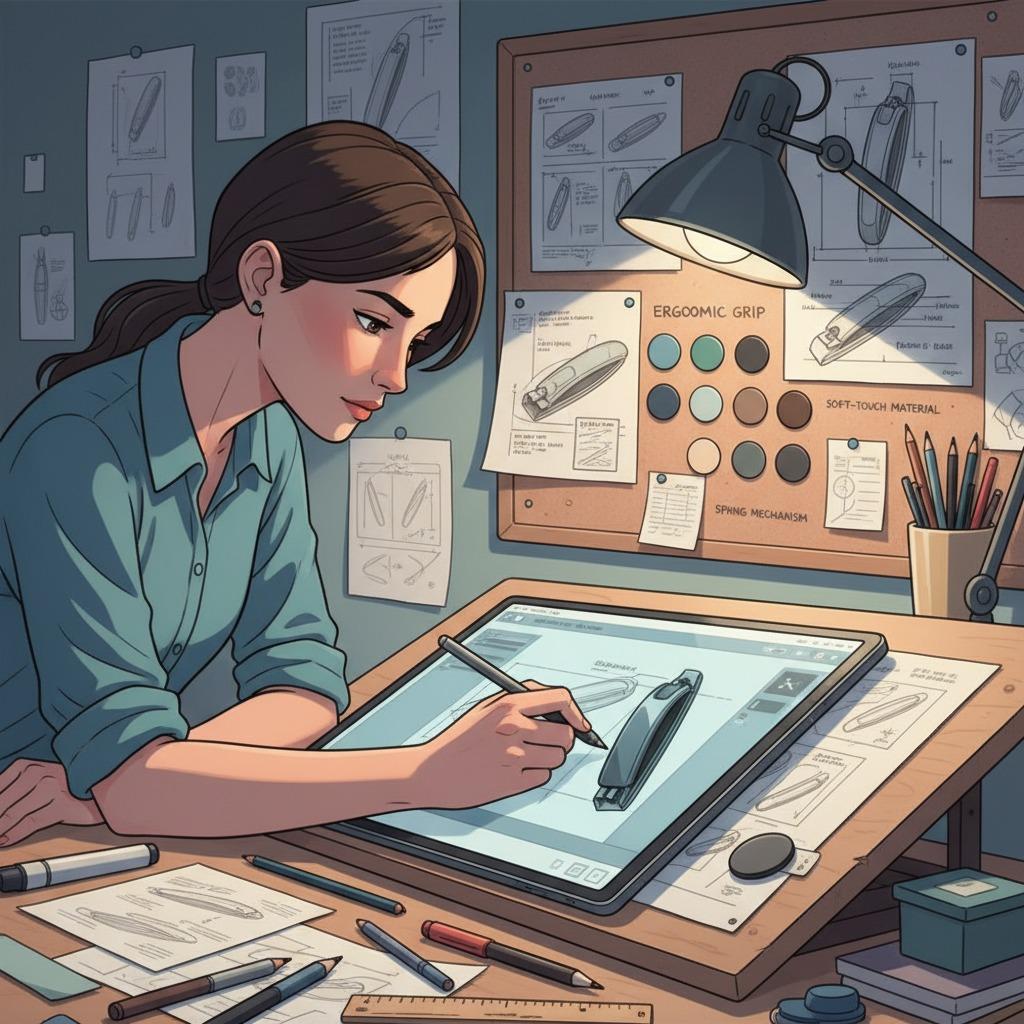
Why Prototype Development Matters for Nail Clippers
A nail clipper is a personal-care tool that comes into direct contact with the hand and nail edge. If the lever is too stiff, the user may lose control. If the jaw curve is not appropriate, the clipper may leave a rough edge or require multiple cuts. If the surface finish is uncomfortable, even a sharp tool can feel cheap. Prototype development gives buyers a chance to evaluate these details while changes are still possible.
For a retail brand, the prototype stage can also prevent mismatches between design intent and customer expectations. A clipper intended for home grooming may prioritize a smooth hand feel, easy storage, and reliable cutting for routine nail care. A salon-focused version may need a more professional appearance and consistent performance under frequent handling. The same product category can serve different audiences, so the prototype should be reviewed against the exact use case rather than a generic idea of quality.
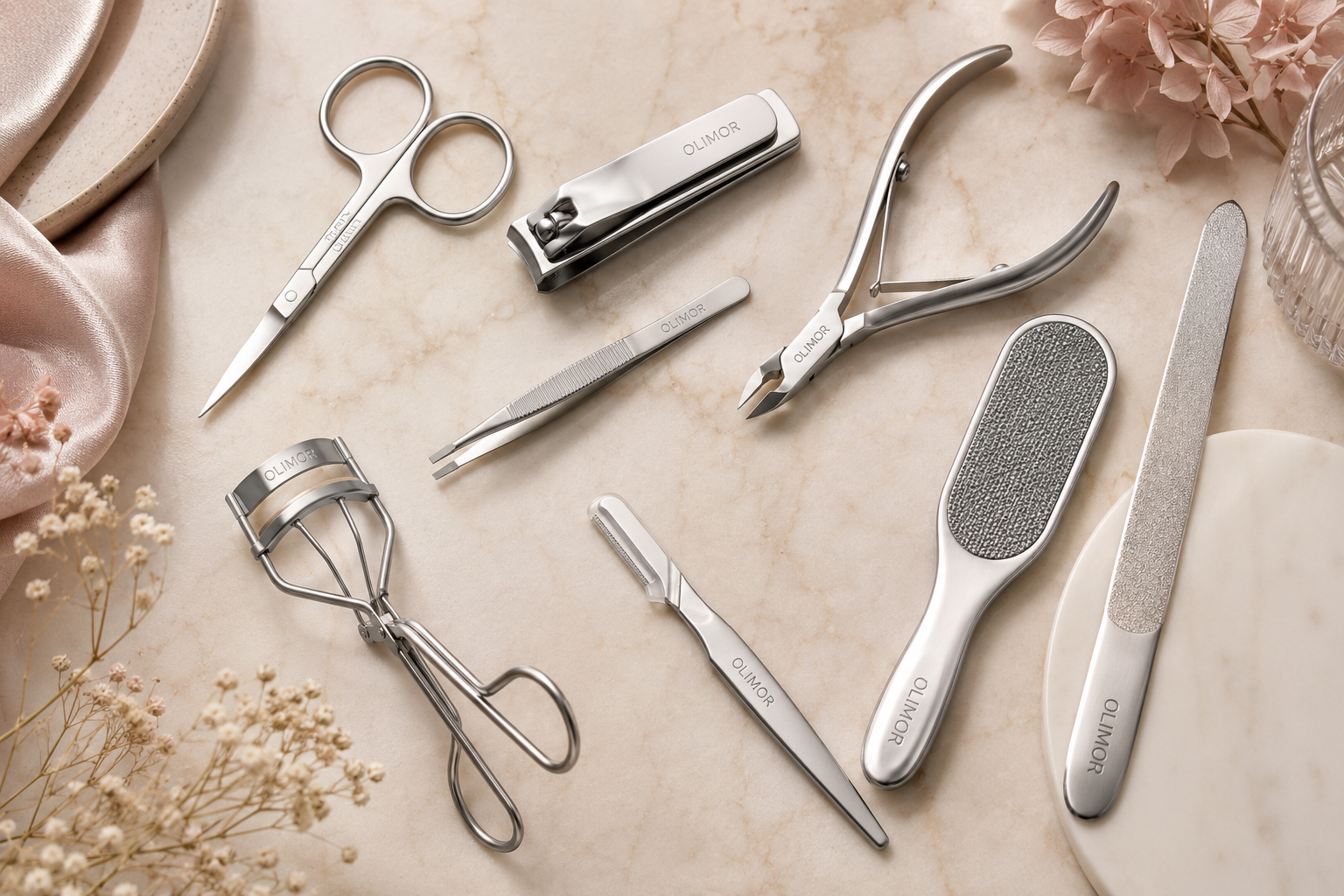
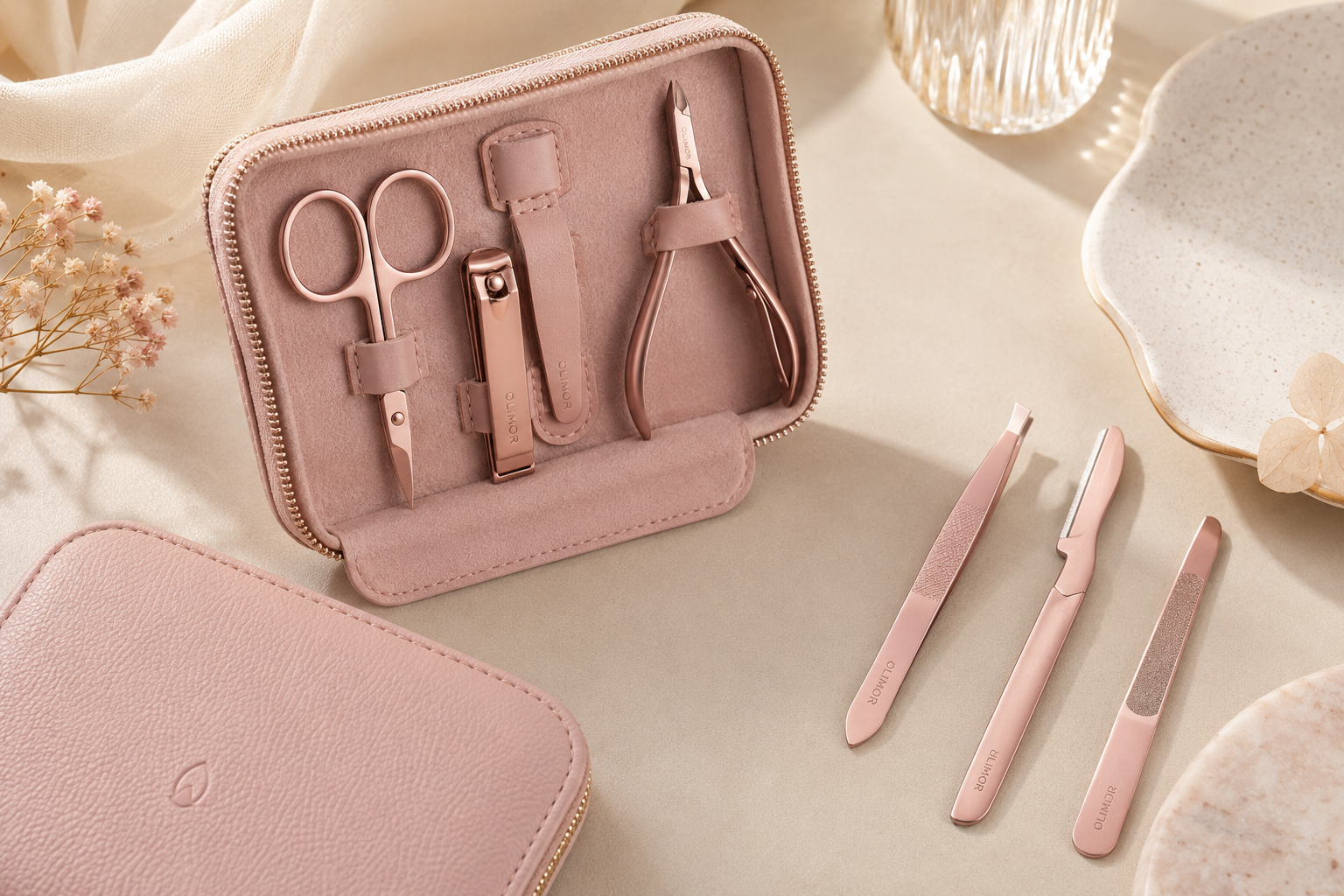
Buyers comparing options can explore Olimor Beauty’s broader beauty tool products to understand how a nail clipper may fit into a grooming assortment, travel kit, manicure set, or personal-care line. The prototype process becomes more efficient when the intended product role is clear from the beginning.
Key Design Questions Before a Prototype Is Made
Before producing or reviewing a nail clipper prototype, buyers should define the basic product direction. This does not require a complete engineering file at the first conversation, but it does require practical answers. A clear brief helps the factory focus on meaningful design choices instead of guessing what the buyer prefers.
- User group: Is the clipper intended for everyday home users, salon professionals, travel kits, gift sets, or private-label retail programs?
- Cutting experience: Should the tool feel light and easy to press, or more solid and controlled for thicker nails?
- Jaw shape: Is a curved cutting edge preferred for fingernails, or is another shape needed for a specific grooming purpose?
- Handle comfort: Does the buyer want a compact lever, a broader grip area, or an ergonomic handle style that reduces hand fatigue?
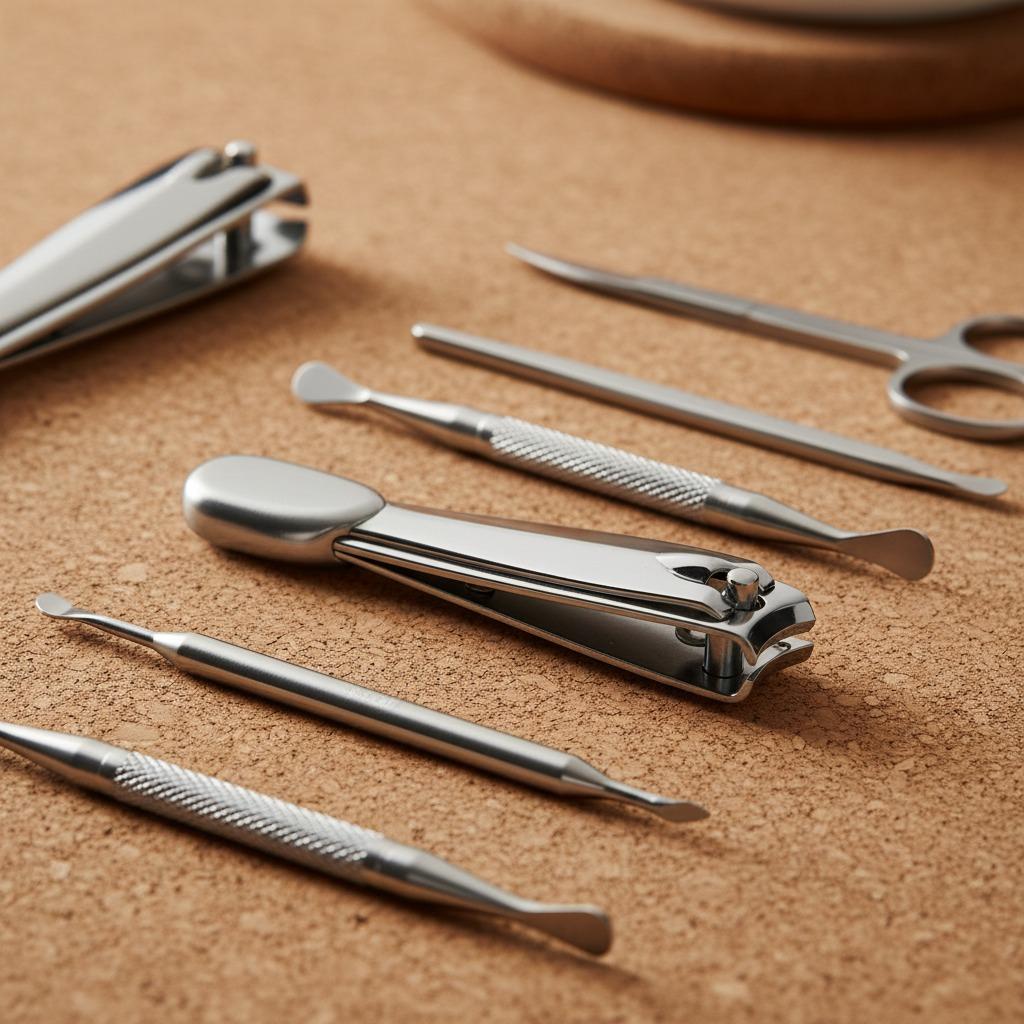
- Material direction: The original development focus includes stainless steel materials, but the final choice should be reviewed against durability, finish, appearance, and market positioning.
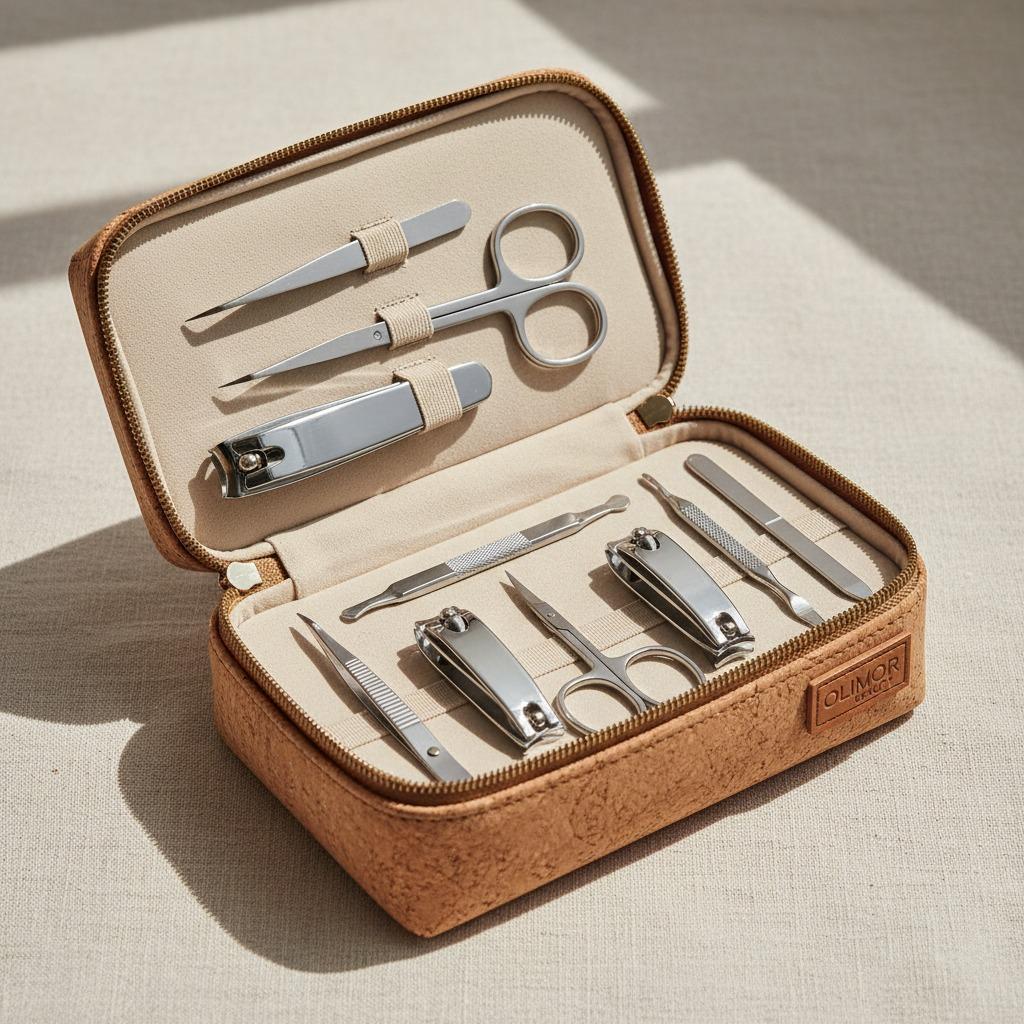
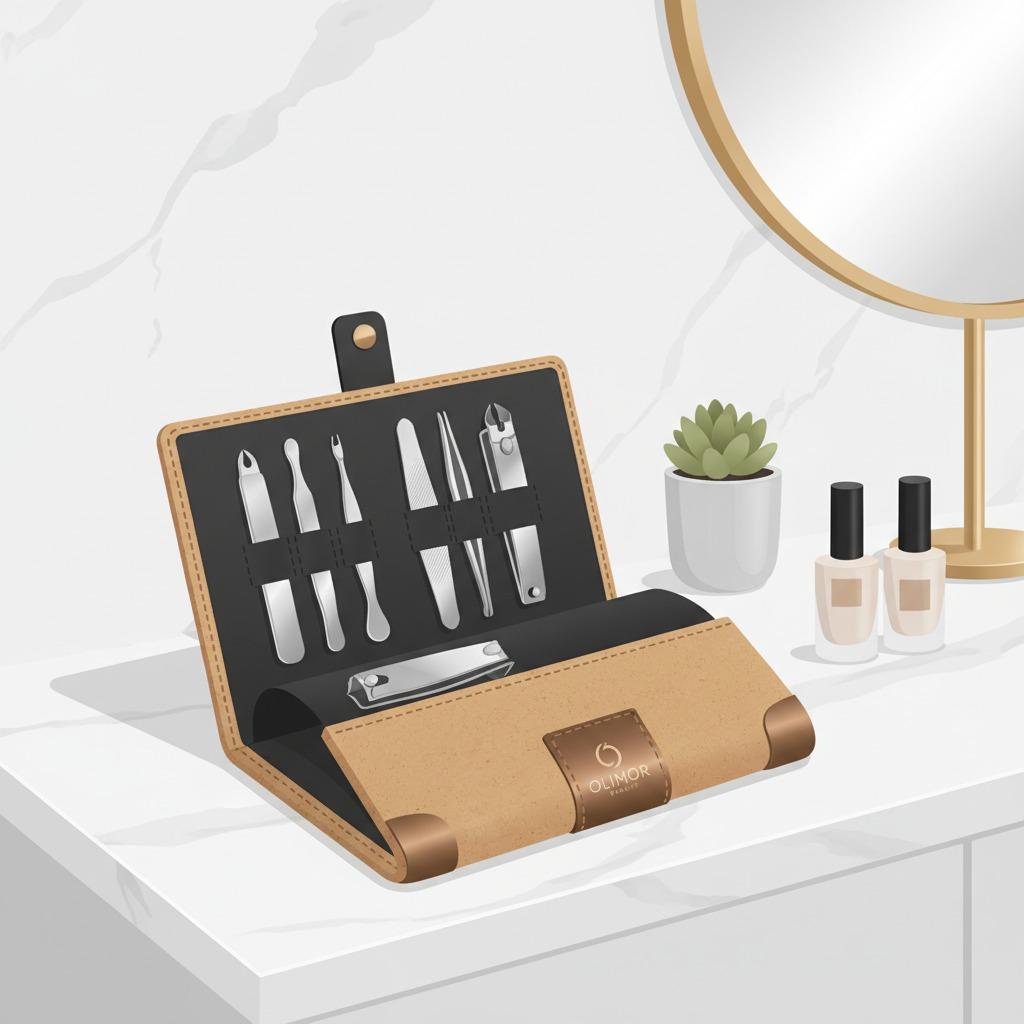
- Packaging plan: Will the clipper be sold individually, in a set, or as part of a branded grooming kit?
These questions help avoid a common sourcing problem: approving a sample because it looks acceptable, then discovering later that it does not suit the sales channel or user expectations.
Inside the Nail Clipper Factory Workflow
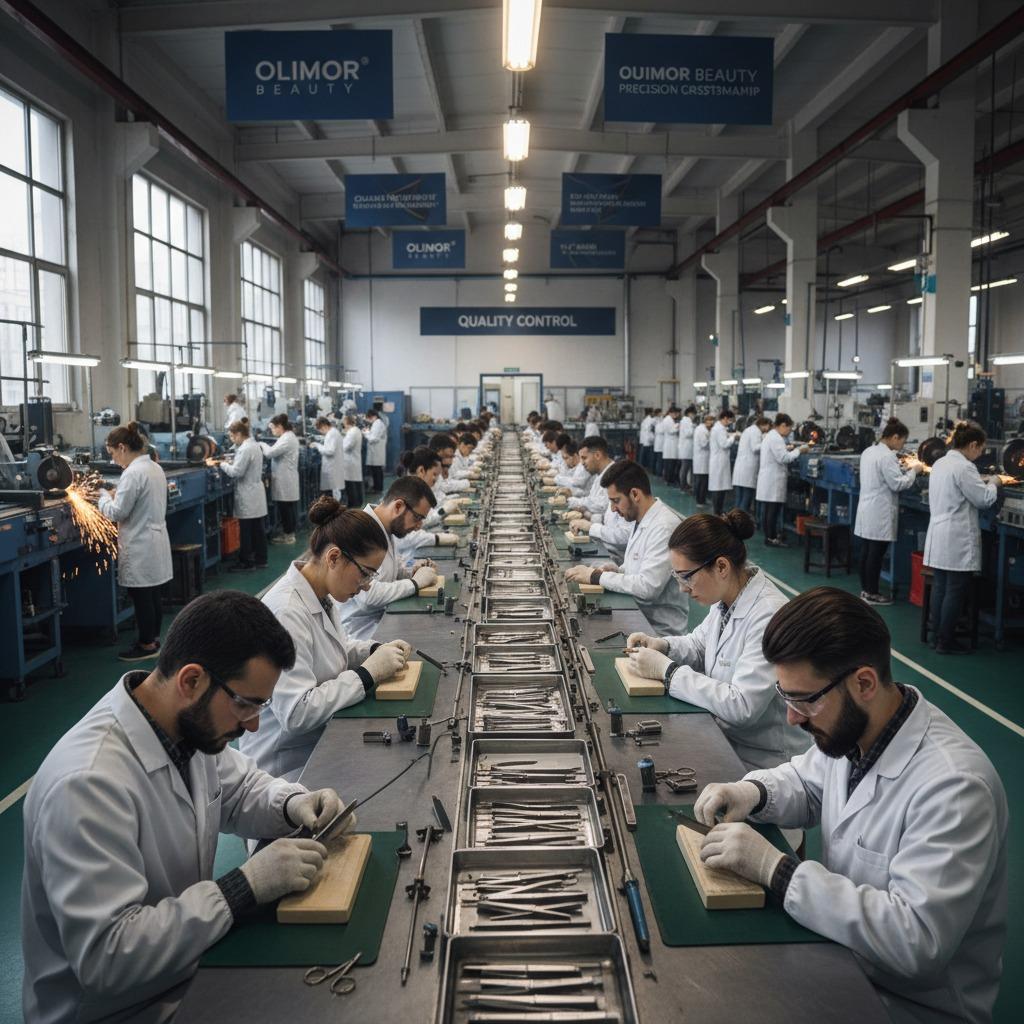
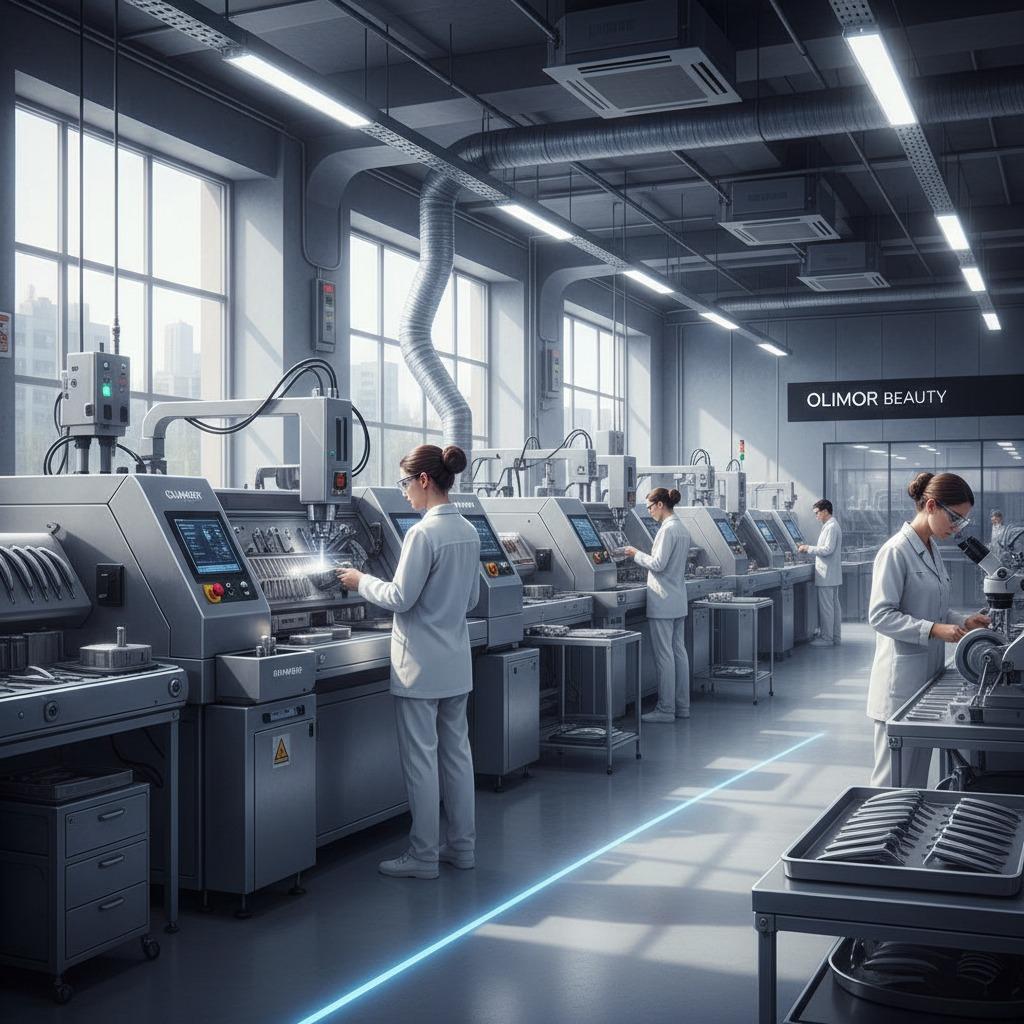
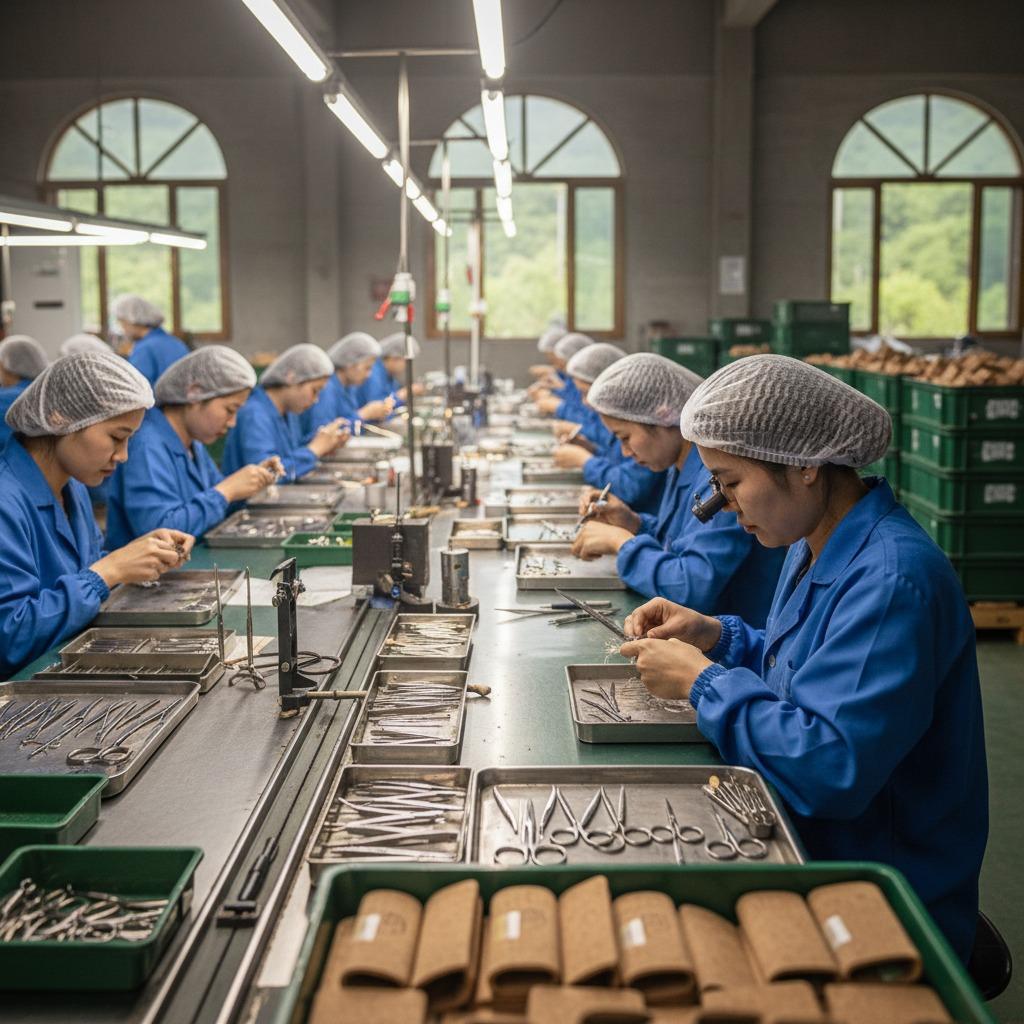
The nail clipper factory workflow normally begins with concept alignment. This may include reference samples, sketches, size preferences, packaging expectations, and notes about the target market. From there, the development team can review which details are fixed and which details need testing through samples.
During prototype development, stainless steel materials can be shaped and finished to create a working tool that demonstrates the intended form and cutting action. The lever, jaw, pivot area, and handle surface all need to work together. A clipper can have a strong visual design but still feel poor if the pressing force is uneven or if the jaw alignment is not stable. That is why a prototype is most useful when it is tested as a real grooming tool, not treated only as a visual mockup.
A practical workflow may include these stages:
- Design brief review: Confirm intended user, function, size direction, finish preference, and packaging context.
- Structure and handling review: Examine the lever shape, jaw opening, grip area, and overall balance in the hand.
- Prototype sampling: Create a sample that allows the buyer to judge appearance, handling, and cutting feel.
- Functional feedback: Record whether the tool cuts smoothly, whether the handle is comfortable, and whether the finish supports the desired retail position.
- Adjustment and confirmation: Refine the design before moving toward production preparation.
This workflow keeps attention on the details that affect user satisfaction. It also gives purchasing teams a more disciplined way to compare samples from different development rounds.
What Buyers Should Check on a Nail Clipper Prototype
When a prototype arrives, it is tempting to judge it quickly by weight, shine, and packaging presentation. Those factors matter, but they are not enough. A better review looks at performance, consistency, and whether the product is suitable for the buyer’s channel.
| Review area | What to check | Why it matters |
|---|---|---|
| Cutting edge | Alignment, bite, and smoothness of the cut | Poor alignment can cause uneven trimming or repeated pressure |
| Lever action | Pressing force, rebound, and control | Comfort affects both home users and frequent professional handling |
| Ergonomics | Grip comfort, hand position, and fatigue during repeated use | An ergonomic handle can make the tool easier to use for routine grooming |
| Surface finish | Edges, polish, coating direction, and feel against the skin | A rough finish can make a product feel unfinished even if it cuts well |
| Packaging fit | Tool placement, protection, and presentation | Good packaging reduces movement and supports retail display quality |
It is also helpful to test the prototype with several users instead of relying on one opinion. Hand size, nail thickness, and grooming habits differ. A buyer may discover that a slightly wider lever improves control, or that a compact form is better for a travel-focused product. This type of feedback is most valuable before tooling, packaging, and production planning become more difficult to change.
Material, Finish, and Manufacturing Considerations
The original Olimor Beauty development approach highlights stainless steel materials, precision engineering, ergonomic handles, and internal inspection during prototype development. For buyers, these points should be translated into practical selection criteria. Stainless steel is commonly valued in grooming tools because it can support durability and a clean appearance, but the final product still depends on design, edge preparation, finishing, assembly, and handling.
Buyers should review whether the material and finish match the product’s price position and expected use. A minimalist clipper for a basic retail program may require a different finish direction from a premium-looking grooming set. A salon-oriented tool may need a surface that feels secure in the hand and tolerates frequent cleaning and handling. A compact travel clipper may need to balance small size with enough leverage for comfortable cutting.
Manufacturing questions should stay specific. Instead of asking only whether the clipper is “high quality,” buyers can review whether the jaw closes evenly, whether the lever remains stable after repeated pressing, whether edges are smooth to the touch, and whether the finished sample matches the approved appearance. These details make quality easier to evaluate and easier to communicate.
Building a Nail Clipper Program Around Real Market Needs
A nail clipper prototype is often part of a wider beauty-tool plan. A buyer may be building a manicure collection, a men’s grooming set, a travel accessories range, or a private-label personal-care program. In each case, the clipper should match the rest of the assortment in finish, packaging, and user promise. Reviewing product collections can help buyers think about how one grooming tool connects with related items instead of treating it as an isolated product.
For sourcing teams, the best development conversations usually include market position, preferred retail channel, packaging style, and expected user experience. This information helps define which prototype details are worth prioritizing. A product made for online sale may need strong visual consistency and protective packaging. A product sold in a salon supply channel may need to feel professional in the hand. A gift set may require finish consistency across multiple tools.
How to Prepare for a Product Development Discussion
Before contacting a manufacturer, prepare a concise brief that covers the commercial and functional goals of the nail clipper. Include target user, size preference if known, finish direction, packaging concept, and any reference product that shows the intended handling style. If there are concerns from previous samples, such as weak cutting feel or uncomfortable grip, list them clearly.
Useful preparation includes:
- Photos or samples showing preferred size, jaw shape, and handle direction
- Notes on whether the clipper is for individual sale, a kit, or a broader grooming range
- Packaging expectations, including whether the tool must fit an existing box, pouch, or display format
- Feedback from users or sales teams about current nail clipper problems
- Target market requirements that may affect labeling, presentation, or documentation
Clear preparation does not lock the buyer into one design. It creates a better starting point for discussing practical options and prototype adjustments. To begin a specific nail clipper development conversation, buyers can send an inquiry with their project details or contact Olimor for guidance on the next step.
From Prototype to a More Reliable Grooming Tool
Good nail clipper development is not about adding unnecessary complexity to a familiar tool. It is about making the important details visible early: cutting performance, comfort, finish, packaging fit, and suitability for the target user. A prototype gives buyers a practical basis for decisions before committing to a larger product plan.
Olimor Beauty’s nail clipper prototype development brings attention to the factory workflow behind a small but important grooming essential. By reviewing samples with clear criteria and focusing on real use rather than vague claims, buyers can make better decisions and develop nail clippers that are easier to position, easier to evaluate, and more satisfying for the people who use them.