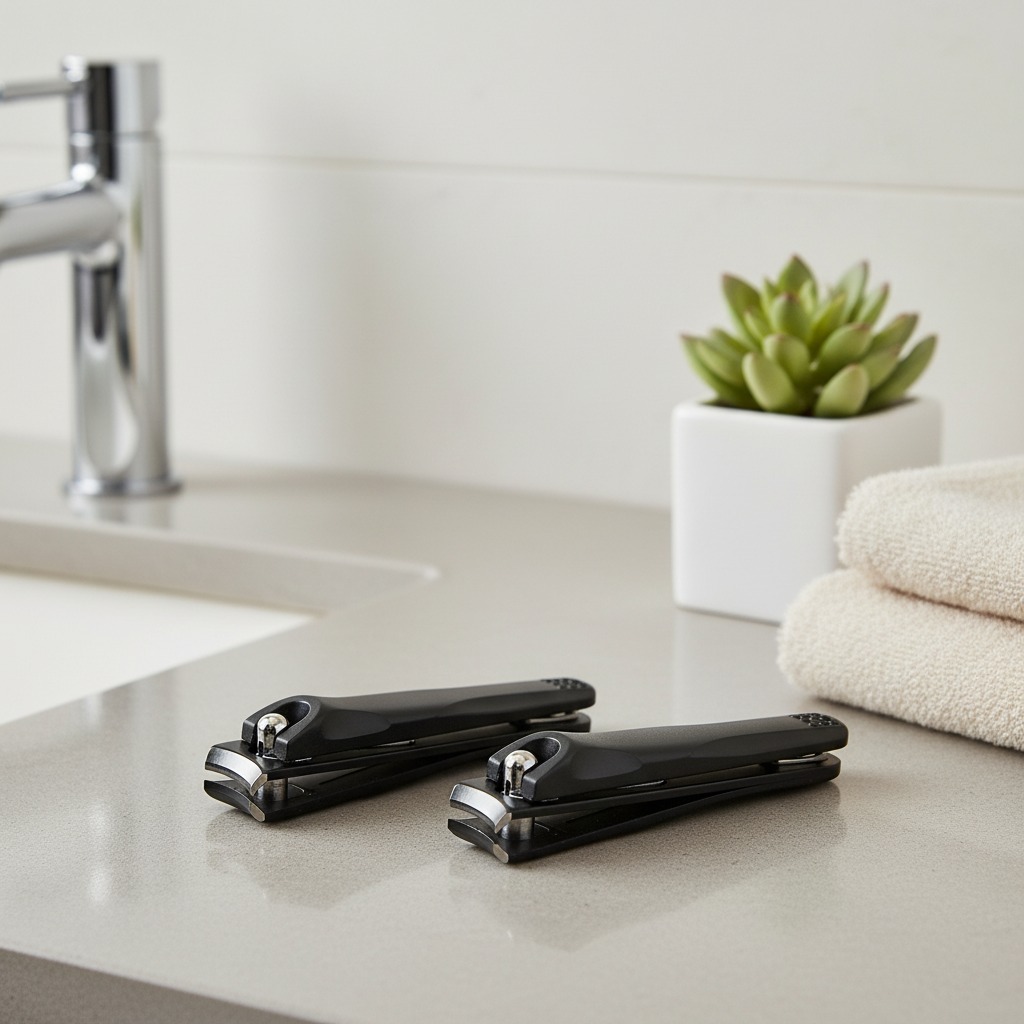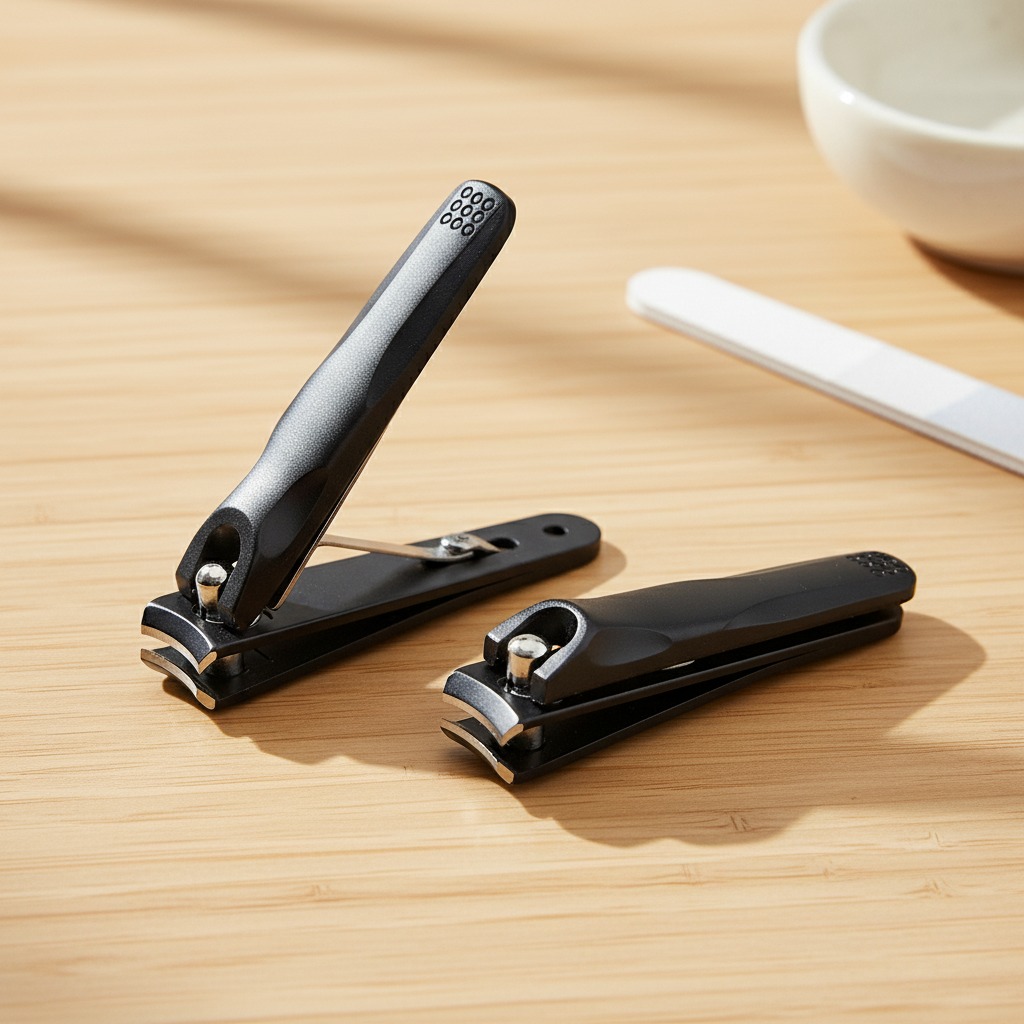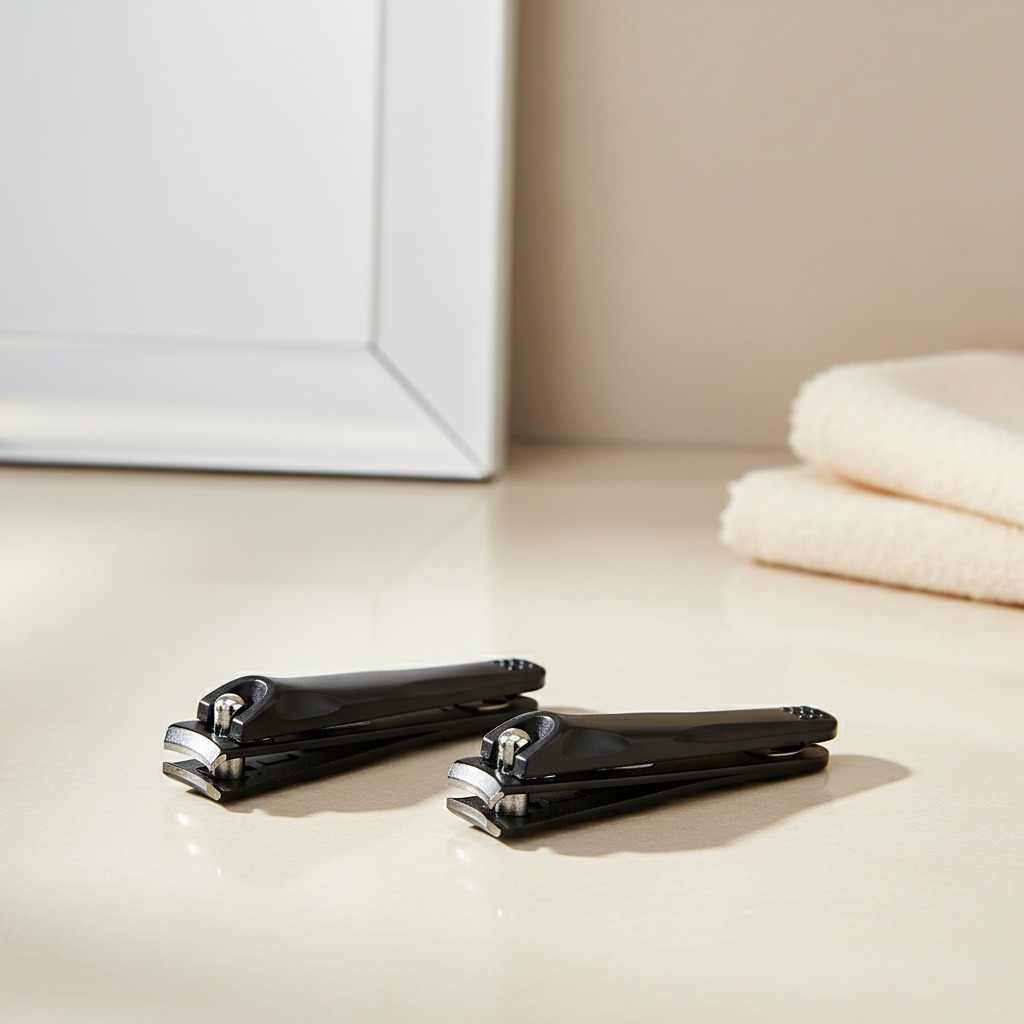











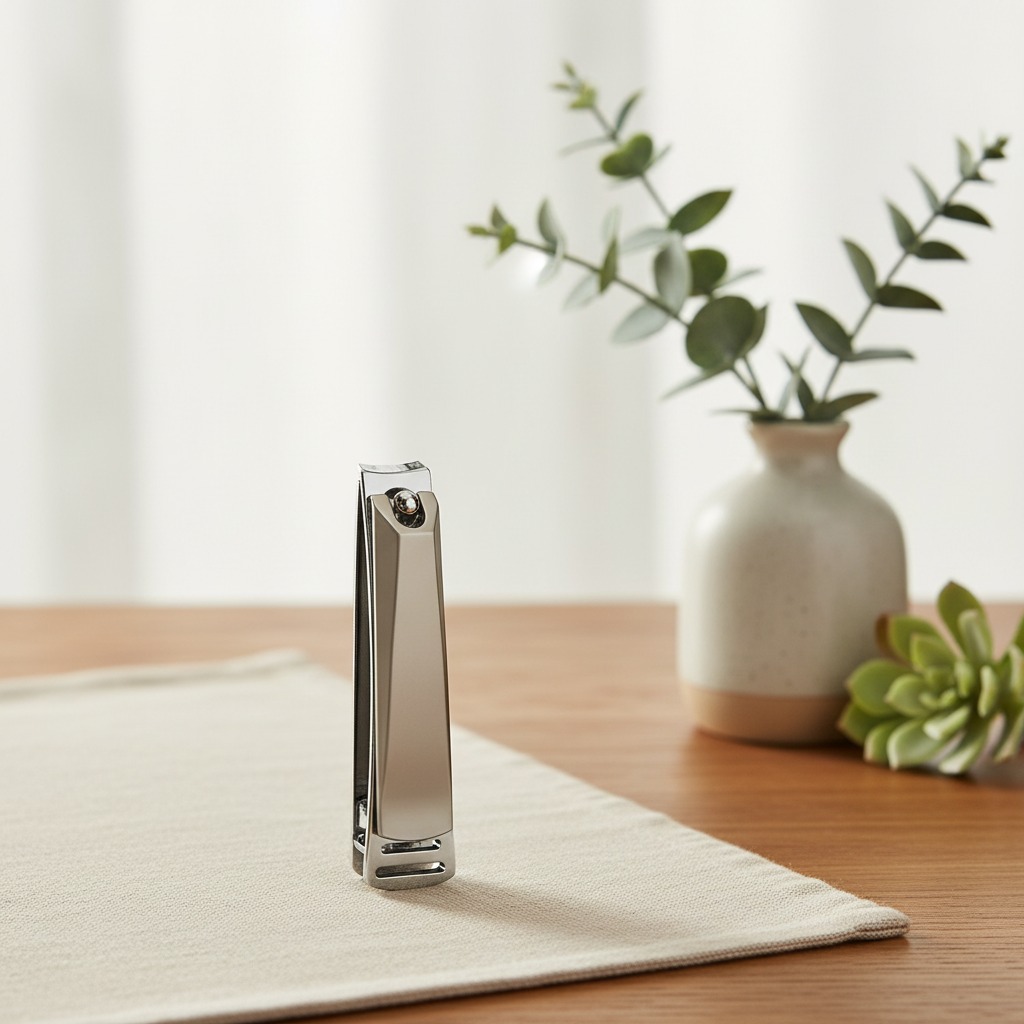
Nail clippers are small products, but buyers know they can create large quality differences in a beauty tool line. A clipper that cuts cleanly, feels balanced in the hand, resists corrosion, and arrives consistently packed can support repeat sales. A clipper with uneven edges, weak leverage, or poor finishing can quickly damage customer trust. That is why nail clipper OEM sourcing should be planned with the same discipline used for larger beauty tools.
For retailers, distributors, private label brands, salons, promotional product buyers, and e-commerce sellers, OEM manufacturing makes it possible to develop a nail clipper that fits a target price, user group, packaging concept, and brand identity without building a factory. Olimor Beauty works in the beauty tool category and supports buyers evaluating custom and wholesale nail clipper options. Before starting a project, it helps to understand what can be customized, what quality checkpoints matter, and how to prepare specifications that reduce misunderstandings.
What Nail Clipper OEM Manufacturing Means
OEM stands for Original Equipment Manufacturer. In a nail clipper OEM project, a manufacturer produces nail clippers according to the buyer’s requirements, which may include shape, size, finish, cutting feel, handle details, packaging, and branding. The buyer can then sell the product under its own brand or distribution program.
OEM sourcing is different from simply buying a generic ready-made item. A ready-made wholesale nail clipper may be suitable when speed is the main concern. OEM is more useful when the buyer wants a specific retail positioning, a coordinated beauty tool range, a custom packaging presentation, or a product that meets expectations for a particular customer group.
Typical OEM decisions include the clipper’s overall size, cutting edge alignment, lever shape, file or no file, surface finish, logo placement, packaging format, and carton requirements. Some buyers focus on a single everyday nail clipper, while others need a family of products for fingernails, toenails, travel kits, or grooming sets. You can compare related categories through Olimor beauty tool products when planning how a nail clipper will fit with other tools in a line.
Key Product Details to Define Before Production
The strongest OEM projects usually start with a clear product brief. This does not need to be overly technical, but it should describe the intended user, selling channel, and required experience. A nail clipper sold in a value multipack may not need the same design priorities as one sold as a premium single tool in salon or boutique channels.
Consider defining these points before requesting development or bulk pricing:
- Intended use: Fingernail, toenail, travel, salon retail, gift set, or general household use.
- User group: Everyday consumers, professional grooming users, men’s grooming buyers, families, or promotional customers.
- Size and leverage: Smaller clippers are portable, while larger clippers can provide more control for thicker nails.
- Cutting performance: Buyers should review edge alignment, cutting smoothness, and whether the clipper leaves rough nail edges.
- Material and finish expectations: The supplied article references stainless steel, precise machining, and corrosion-resistant finishes, all of which are relevant to durability and appearance.
- Ergonomics: Lever shape, grip area, and hand feel can affect comfort, especially for repeated use.
- Branding: Logo method, logo size, placement, and whether the appearance should be subtle or highly visible.
- Packaging: Individual retail packaging, set packaging, simple bulk packing, or more sustainable packaging approaches.
A well-prepared brief makes it easier to compare quotations from a nail clipper China manufacturer because suppliers are responding to the same requirements rather than making assumptions.
Quality Checkpoints for Nail Clipper OEM Orders
Quality control for nail clippers should cover more than surface appearance. A clean-looking product can still perform poorly if the blade alignment is not accurate or the lever action feels unstable. The original product information highlights material inspection, performance testing, multi-stage inspection, precise machining, blade sharpness, handle ergonomics, and final assembly review. These are practical areas to include in a buyer’s quality plan.
| Checkpoint | Why It Matters | What Buyers Can Review |
|---|---|---|
| Material inspection | Supports durability, finish quality, and resistance to wear. | Material description, finish consistency, and sample condition after handling. |
| Blade alignment | Affects cutting accuracy and user safety. | Whether both cutting edges meet evenly without gaps or twisting. |
| Cutting feel | Determines whether the clipper feels smooth or harsh. | Test on suitable nail samples or approved test materials during sampling. |
| Lever action | Influences comfort and perceived quality. | Resistance, spring-back, looseness, and stability during repeated use. |
| Surface finish | Impacts shelf appeal and corrosion resistance. | Scratches, stains, plating or polishing uniformity, and sharp burrs. |
| Packaging check | Reduces shipping damage and retail complaints. | Logo position, barcode space, insert fit, carton strength, and labeling. |
For bulk nail clipper orders, buyers should also define acceptable limits for defects. Even a simple checklist can prevent confusion: cutting edges aligned, no visible rust, no unsafe burrs, lever assembled correctly, logo readable, packaging clean, and cartons labeled as agreed. These criteria are especially important when scaling from sample approval to a larger wholesale nail clipper order.
Customization Choices That Affect Cost and Lead Time
Not all customizations carry the same level of complexity. Some changes are relatively straightforward, such as logo placement on an existing clipper style or selecting a packaging option. Other changes may require more development, such as modifying the clipper shape, changing the lever structure, adjusting the grip design, or creating a coordinated set.
When reviewing OEM possibilities, separate your requirements into three categories: essential, preferred, and optional. Essential items might include safe cutting performance, stainless steel construction, approved logo placement, and packaging that fits your sales channel. Preferred items might include a specific finish, added file, or upgraded retail box. Optional items can be held for a second production run if the first order is designed to test market response.
This approach is useful for businesses using low MOQ nail clipper options to validate a product concept. Starting with a focused configuration can reduce inventory pressure while still allowing the brand to collect feedback on design, packaging, and retail pricing. Later, the buyer can refine the product with additional finishes, kits, or packaging upgrades.
Wholesale and Bulk Buying Benefits
Wholesale nail clipper procurement can help buyers create consistent inventory for retail, salon distribution, online bundles, travel kits, and grooming sets. Buying in bulk also makes branding and packaging decisions more efficient because the product is planned as part of a broader sales program rather than purchased as scattered stock.
The main advantages of working with a nail clipper bulk supplier include improved product consistency, simplified replenishment planning, and better control over how the product is presented to customers. For distributors, consistent cartons and labeling can make warehouse handling easier. For e-commerce sellers, packaging structure and product appearance can influence reviews, return rates, and photography quality.
Bulk purchasing should still be matched to demand. A buyer entering a new category may choose a lower-quantity trial order where available, while an established retailer may prioritize repeatable specifications and stable supply. If your nail clipper will be sold with other beauty tools, review Olimor product collections to consider whether the product should coordinate with tweezers, manicure tools, mirrors, or grooming accessories.
How to Compare Nail Clipper China Manufacturer Options
Choosing a manufacturer is not only about price. A low unit cost can become expensive if samples are inconsistent, packaging is incorrect, or finished goods require excessive inspection. A practical supplier comparison should evaluate communication, sample accuracy, quality control process, customization capability, and experience with beauty tool manufacturing.
Useful questions for supplier evaluation include:
- Can the supplier provide samples that match the intended size, finish, and cutting feel?
- Which parts of the nail clipper can be customized without major tooling changes?
- How are blade sharpness, alignment, and lever action checked before shipment?
- What packaging formats are practical for the target sales channel?
- How are approved samples, production references, and carton requirements documented?
- Can the supplier support future replenishment with consistent specifications?
Olimor Beauty’s supplied product information emphasizes quality assurance, material inspection, performance testing, ergonomic design, and customization for wholesale nail clipper programs. Buyers can use these themes as a framework when building a specification sheet and reviewing samples.
Preparing an Efficient OEM Inquiry
A clear inquiry saves time for both the buyer and manufacturer. Instead of asking only for a general nail clipper price, include the intended product type, estimated quantity range, branding needs, packaging direction, target market, and any reference images or samples. If you already have a benchmark product, explain what should be kept and what should be improved.
Include your most important decision factors. For example, a retail buyer may care most about packaging appearance and consistent finish. A salon distributor may focus on cutting comfort and durability. An online seller may need attractive product photography, compact shipping dimensions, and reliable customer reviews. A promotional buyer may place more weight on logo visibility and delivery timing.
If you are ready to discuss a private label or bulk project, you can send an inquiry with your product brief. For questions about suitable beauty tool categories, customization routes, or sourcing direction, you may also contact Olimor.
Final Thoughts for Nail Clipper OEM Buyers
A successful nail clipper OEM project depends on small details: aligned cutting edges, comfortable leverage, suitable stainless steel construction, clean finishing, practical packaging, and consistent inspection. These details shape how customers judge the product after the first use. For brands and distributors, the goal is not simply to buy a low-cost clipper, but to source a reliable grooming tool that fits the sales channel and supports long-term customer confidence.
By preparing a focused specification, testing samples carefully, and selecting a manufacturer with relevant beauty tool experience, buyers can reduce sourcing risks and build a nail clipper program that is easier to scale. Whether the project involves a single wholesale nail clipper, a custom branded item, or a broader grooming set, thoughtful OEM planning is the difference between a basic commodity purchase and a dependable product line.