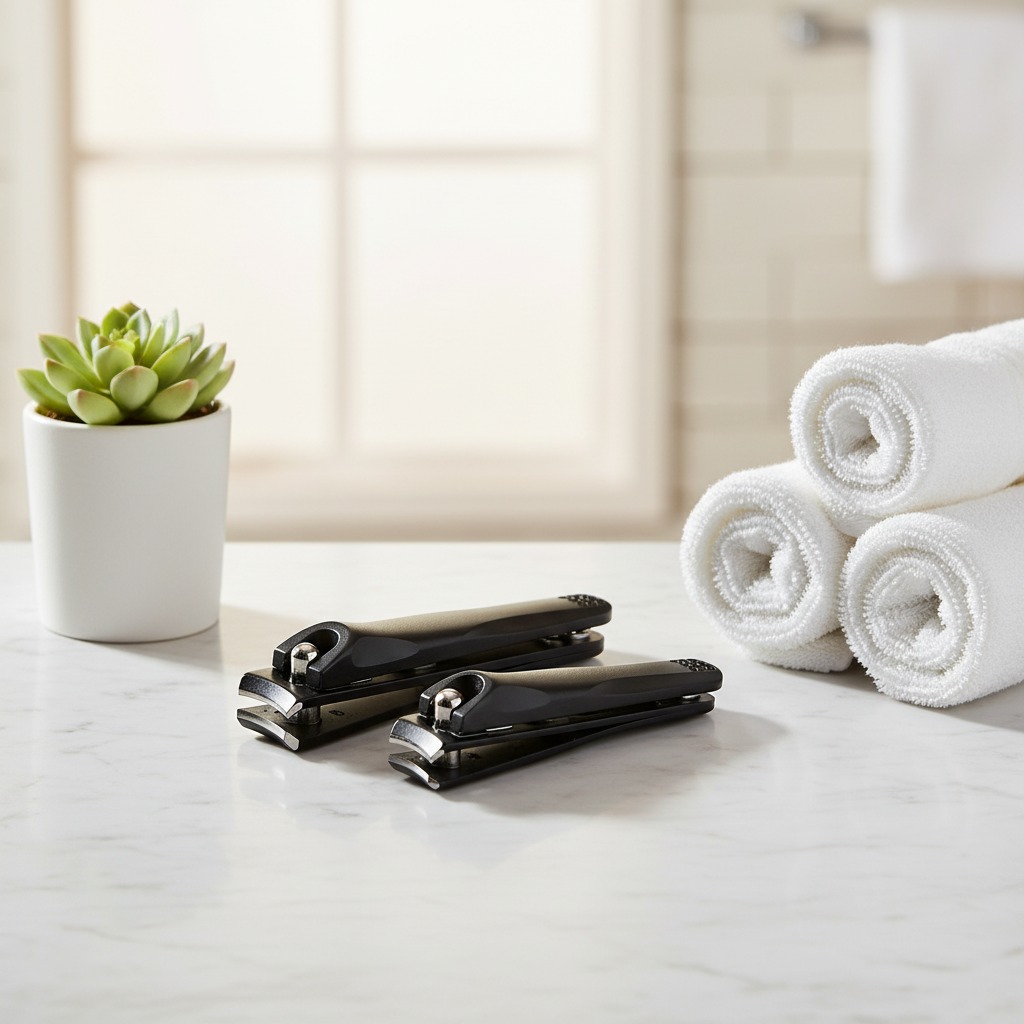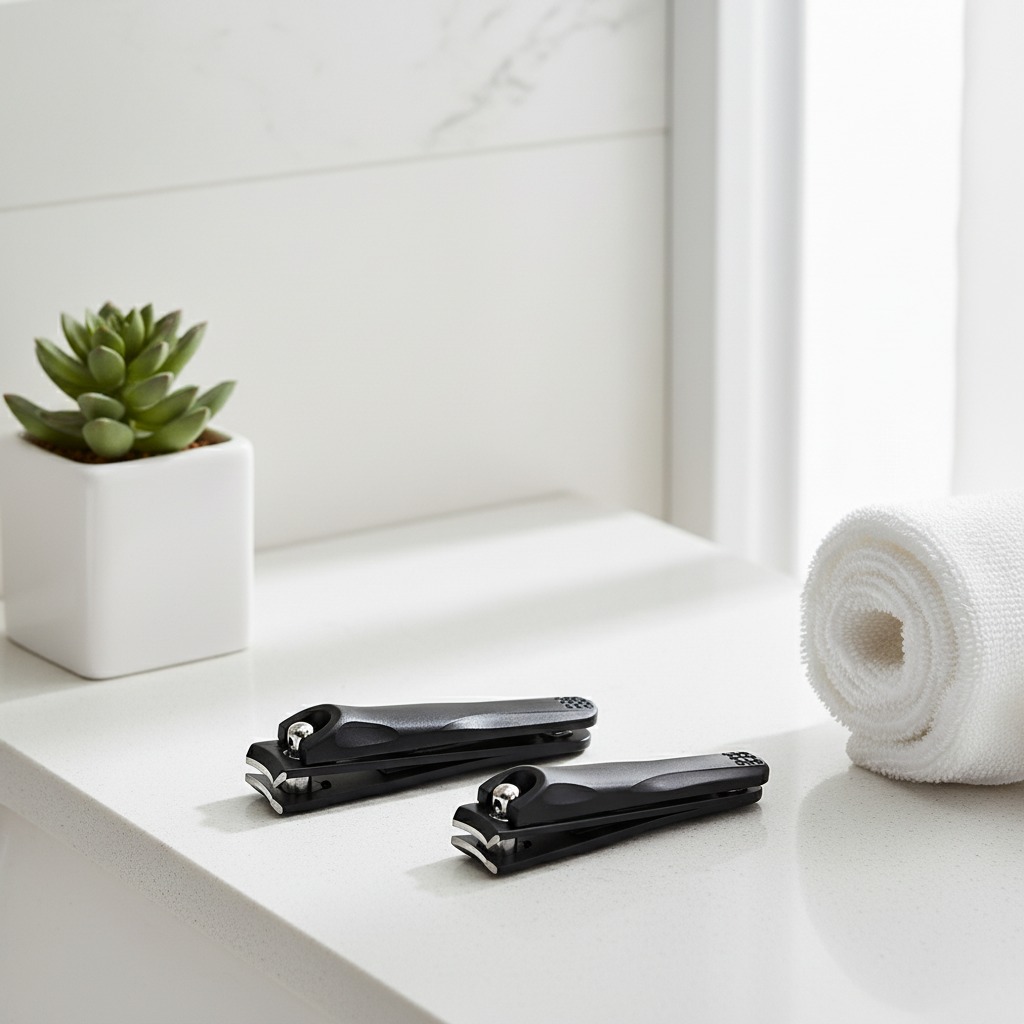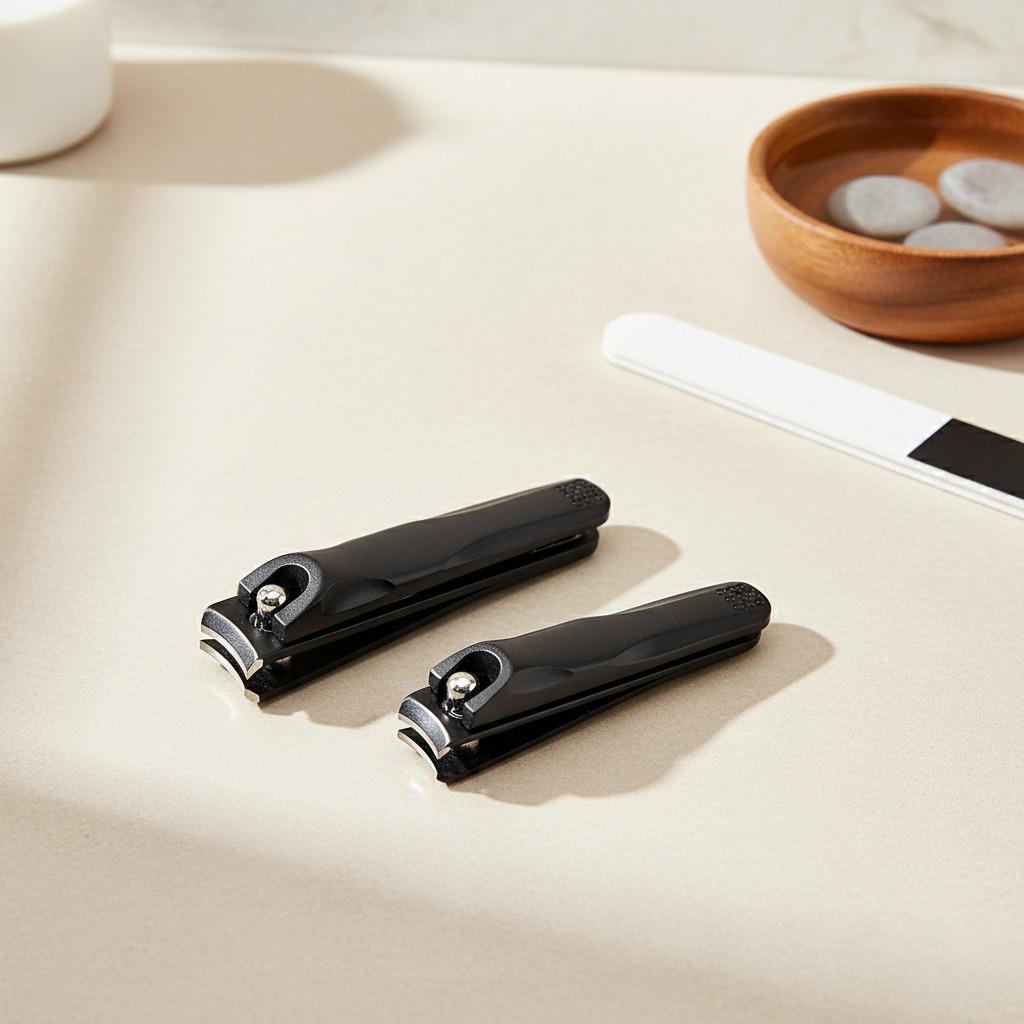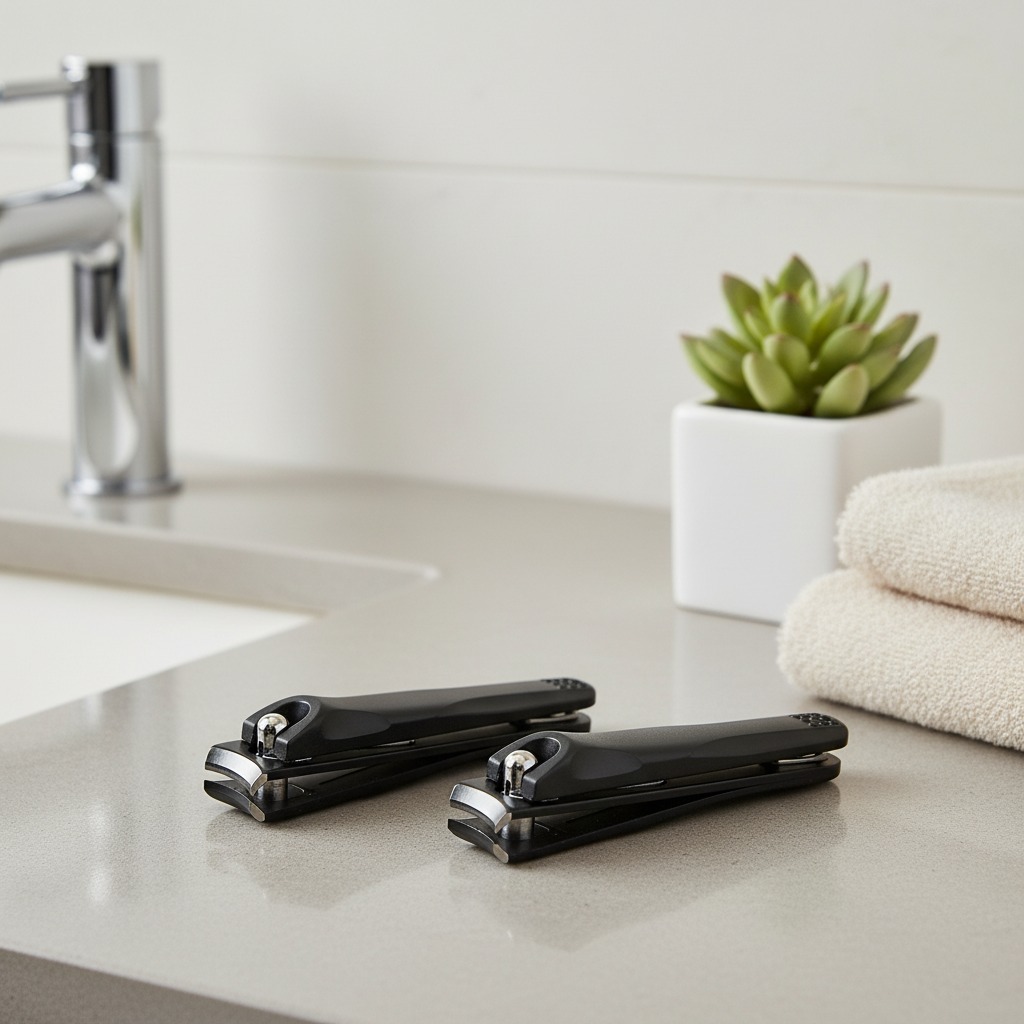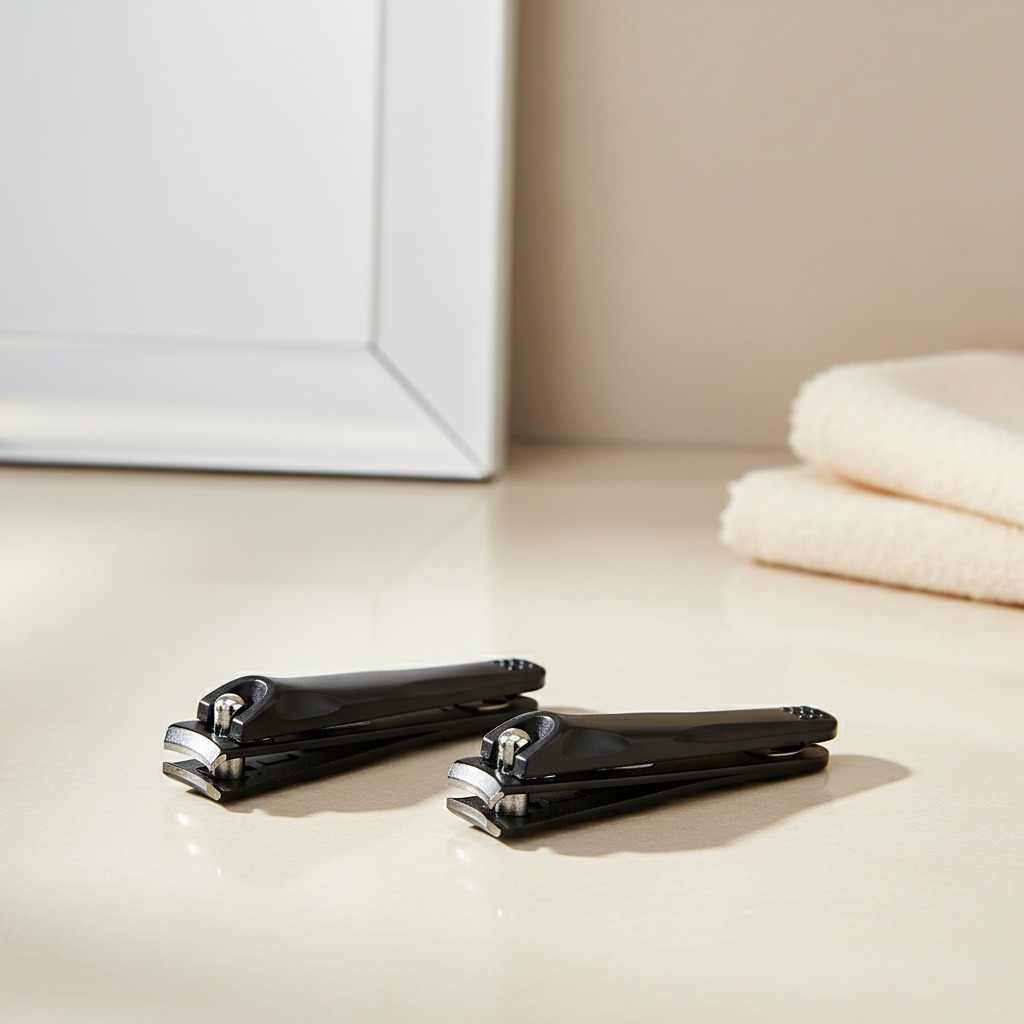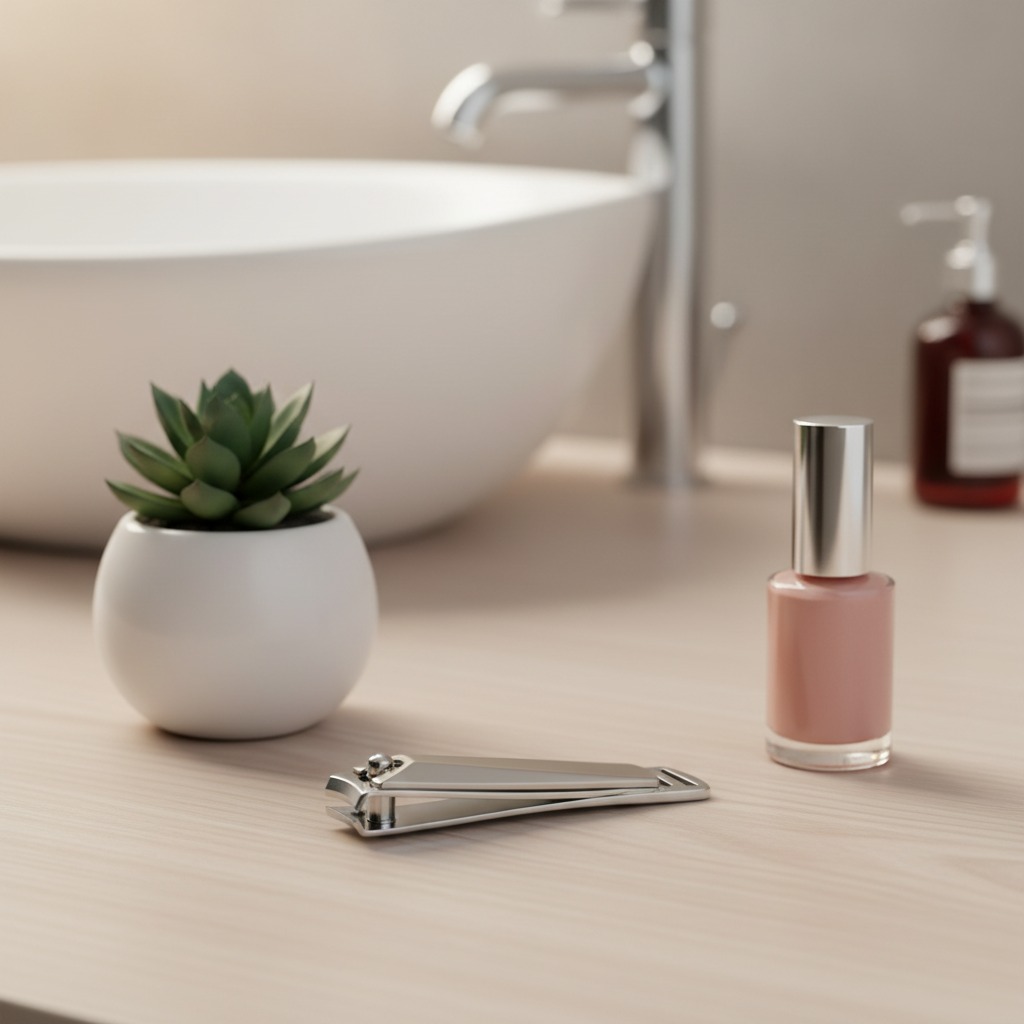
For a beauty-tool brand, importer or distributor, a nail clipper may look like a simple product. In practice, it is a precision grooming tool where small differences in blade alignment, leverage, surface finish and packaging can affect customer satisfaction. When sourcing nail clipper OEM products from a China manufacturer, the goal is not only to buy in bulk at a competitive cost. The stronger goal is to build a repeatable product that trims cleanly, feels safe in the hand and supports your brand positioning over many orders.
Olimor Beauty works with beauty tools including nail clippers for OEM and wholesale purchasing needs. This guide explains how to evaluate the product, define customization requirements and prepare for bulk production without relying on vague claims. It is written for buyers who need practical selection criteria before placing an OEM order or comparing suppliers.
What Nail Clipper OEM Really Includes
Nail clipper OEM means a manufacturer produces nail clippers for another company to sell under its own brand or distribution channel. The service can include product selection, structural customization, logo placement, surface finishing, packaging and production for wholesale or bulk purchasing. The exact scope depends on the buyer’s target market and the manufacturer’s available processes.
For a basic retail nail clipper, the buying decision may center on blade sharpness, finish quality and packaging cost. For a salon, travel, men’s grooming or gift set program, additional details matter: grip shape, clipping force, size range, color consistency, packaging durability and how the tool fits with other beauty products. Buyers can review Olimor’s broader beauty tool products to see how nail clippers may sit within a wider grooming assortment.
A good OEM conversation should begin with the intended use case. A compact clipper for travel may need a different body profile from a larger toenail clipper. A premium retail product may justify more attention to finishing and presentation. A high-volume wholesale program may prioritize stable quality, efficient packaging and consistent reorderability.
Quality Features That Matter in a Nail Clipper
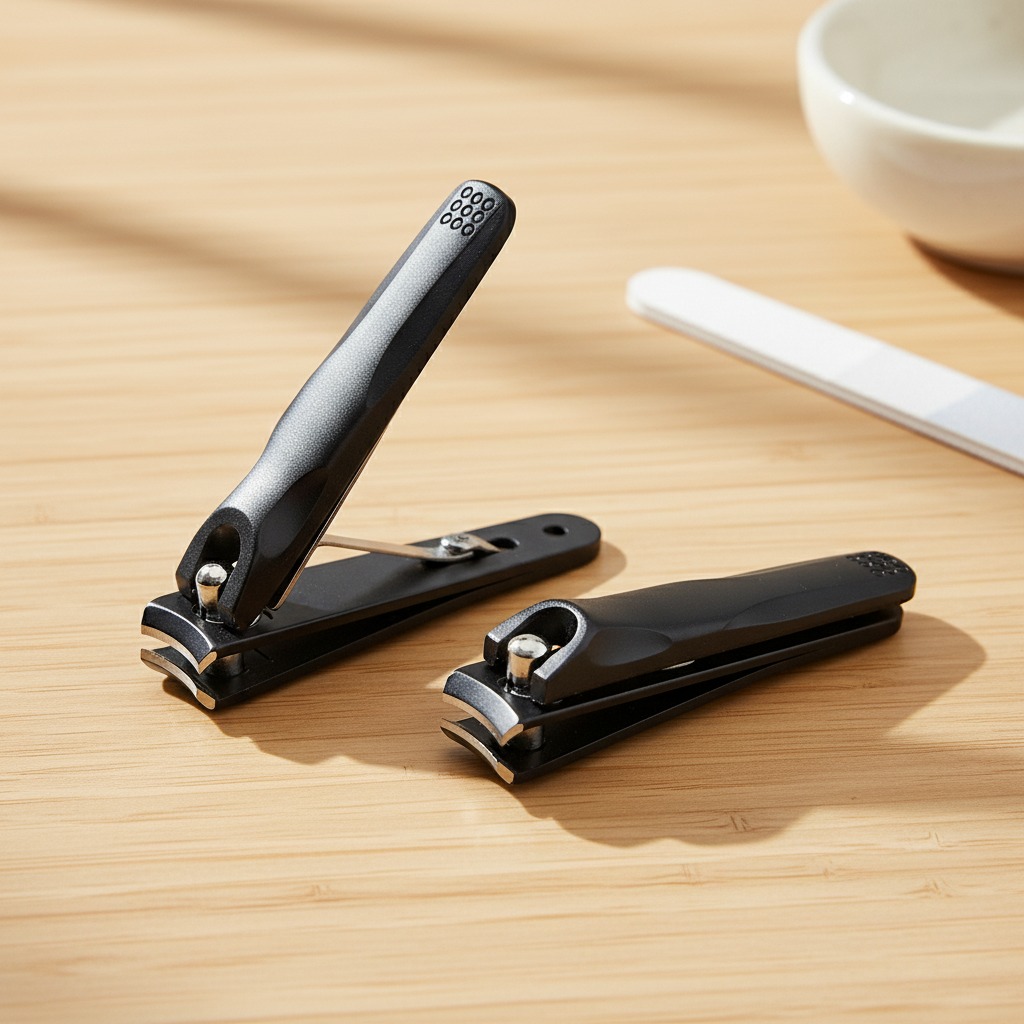
The most important performance factor is the cutting edge. A nail clipper should cut cleanly instead of crushing, tearing or leaving jagged edges. Blade alignment is equally important: if the upper and lower cutting edges do not meet evenly, the user may need repeated pressure, which can damage the nail or make the tool feel unreliable.
Material choice also matters. The original Olimor Beauty product description highlights stainless steel construction for rust resistance and longevity. For buyers, this means surface finish, corrosion resistance and edge durability should be considered together rather than treated as separate issues. A clipper can look polished at first inspection but still disappoint if the edge loses performance quickly or the lever feels loose after repeated use.
Ergonomics should not be overlooked. The lever should provide controlled pressure without slipping. Grip shape, edge smoothness and the travel of the lever all affect the user’s confidence. A clipper used at home, in a salon or as part of a grooming kit should feel stable in the hand, especially when trimming thicker nails.
- Blade contact: The cutting edges should meet evenly from side to side.
- Cut feel: The clipper should trim without excessive force or nail splitting.
- Lever stability: The moving parts should not feel loose, sharp or misaligned.
- Surface finish: Edges and corners should feel smooth to the touch.
- Rust resistance: Stainless steel construction and finish quality should support normal use and storage.
- Packaging fit: The product should be protected during transport and present well at retail.
Customization Decisions Before Bulk Production
Customization is one of the main reasons brands choose nail clipper OEM instead of buying anonymous stock. However, customization should be handled with discipline. Every change can affect cost, lead time, tooling requirements, inspection methods or packaging space. A clear specification helps prevent confusion before production begins.
Common customization areas include logo placement, finish, color accents, handle texture and retail packaging. If the clipper is part of a grooming set, dimensions and appearance should coordinate with other tools. If it is sold as a standalone product, packaging may need more information about use, care and storage. Buyers planning multiple SKUs can explore Olimor’s product collections to think through assortment planning rather than treating the nail clipper as an isolated item.
Branding should be durable and proportional. A logo that looks good on a box may be too detailed for a small metal surface. A premium finish may look attractive but should still be practical for handling, transport and regular use. Before approving bulk production, buyers should review physical samples whenever possible and check them under realistic lighting, handling and packaging conditions.
How to Evaluate a China Nail Clipper Manufacturer
Choosing a nail clipper China manufacturer is partly about price, but long-term value depends on process control. The original product information describes production methods such as advanced machinery for blade forming, quality assurance, material stress testing and functional simulations. For a buyer, the useful question is how those controls translate into consistent production lots.
A capable supplier should be able to discuss the product in technical and commercial terms. Instead of only confirming that a clipper is “high quality,” the manufacturer should help define measurable checkpoints: alignment, appearance, function, packaging condition and batch consistency. This is especially important for wholesale nail clipper programs, where one defect pattern can multiply across a large shipment.
When comparing suppliers, use a structured checklist:
- Confirm the target user. Identify whether the clipper is for daily home use, salon retail, travel kits, men’s grooming, gift sets or promotional channels.
- Define the product type. Specify size, shape, cutting style, finish and any grip or lever preferences.
- Review samples carefully. Test cutting action, blade contact, edge smoothness, lever feel and visible finish.
- Check branding feasibility. Confirm where the logo or design element can be applied without weakening appearance or function.
- Approve packaging structure. Make sure packaging protects the clipper, supports retail display and matches your market expectations.
- Agree on inspection points. Include functional checks, visual checks and packaging checks before bulk shipment.
Wholesale and Bulk Buying Considerations
Bulk purchasing can create cost advantages, but only when the product specification is stable. Before increasing order quantities, buyers should confirm that the nail clipper meets the intended market need. A low-cost clipper that generates complaints can become more expensive than a better-controlled product because of returns, lost trust and inventory issues.
The original Olimor Beauty description refers to wholesale nail clipper programs, bulk supply and low MOQ nail clipper options. Because order requirements can vary by design, packaging and customization level, buyers should treat MOQ as a planning item rather than a single fixed number. The practical approach is to prepare your preferred quantity range, customization details and packaging needs before you send an inquiry.
Wholesale buyers should also think about assortment logic. Some markets need one universal clipper; others benefit from separate fingernail and toenail sizes, travel packaging or value packs. Retail channels may require hang cards, boxes or other display-ready formats. E-commerce channels may prioritize protective packaging that survives handling while still looking clean when opened.
Maintenance Guidance for End Customers
A strong OEM product is easier to sell when customers understand how to use and care for it. Simple maintenance guidance can reduce complaints and extend the perceived life of the tool. This information can be included on packaging, an insert or an online product page.
Recommended customer care points include wiping the clipper dry after use, storing it away from prolonged moisture, avoiding use on materials other than nails and keeping the cutting edge clean. If the product includes a lever or spring-assisted mechanism, customers should avoid forcing the tool beyond its normal movement. These instructions are simple, but they help position the product as a proper grooming tool rather than a disposable accessory.
Preparing a Clear OEM Inquiry
A well-prepared inquiry helps a manufacturer respond with relevant options instead of broad estimates. Before contacting Olimor Beauty, collect the core details of your project: target market, expected quantity range, preferred material or finish, logo requirements, packaging format, inspection expectations and any reference samples. If you are not sure which structure is best, describe the selling channel and end user clearly.
For new brands, it is often useful to start with a practical product configuration and then refine branding and packaging after sample review. For established distributors, consistency across repeat orders may be the top priority. In both cases, the buyer’s goal should be a nail clipper that feels dependable, trims cleanly and fits the commercial plan.
Olimor Beauty can support OEM and wholesale buyers evaluating nail clipper projects within a wider beauty-tool sourcing strategy. To discuss product options, customization details or bulk purchasing plans, contact Olimor with your requirements and target channel. A focused brief will make it easier to compare options, review samples and move toward production with fewer surprises.