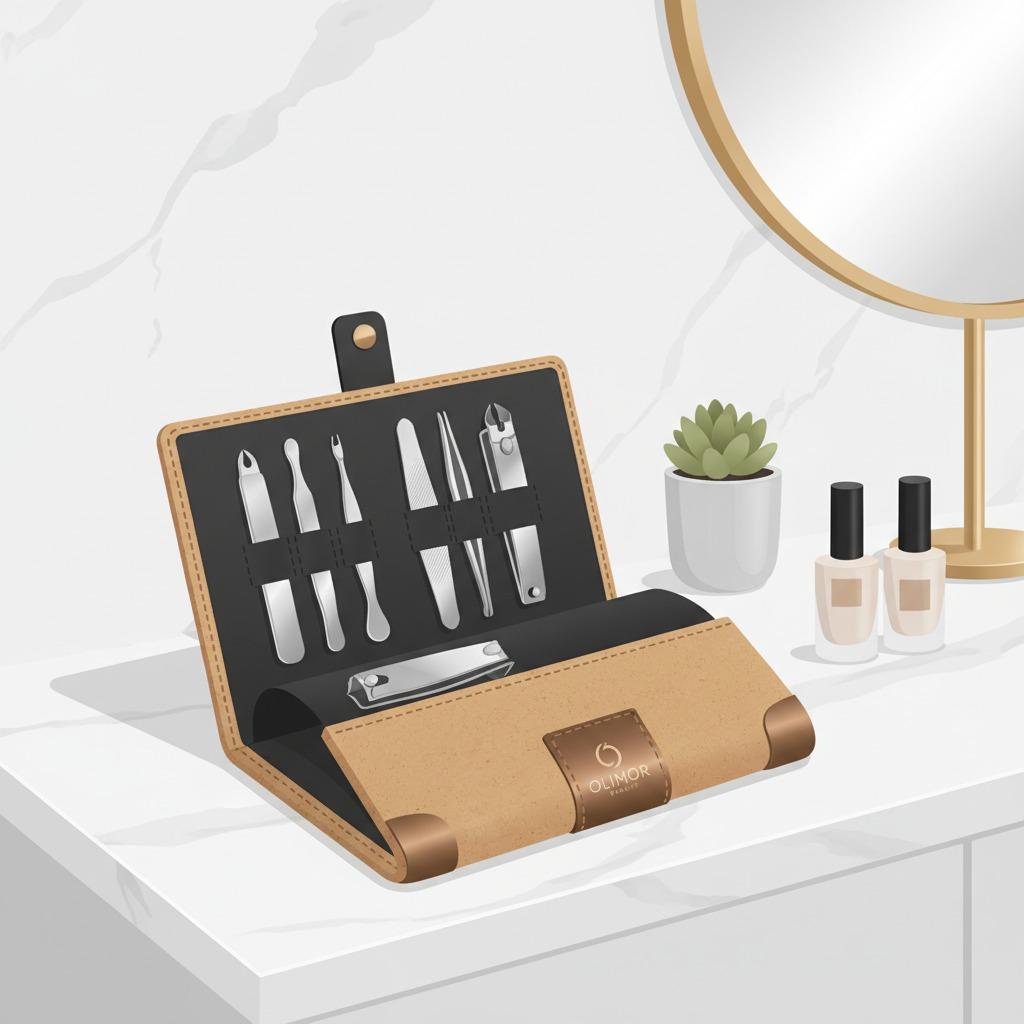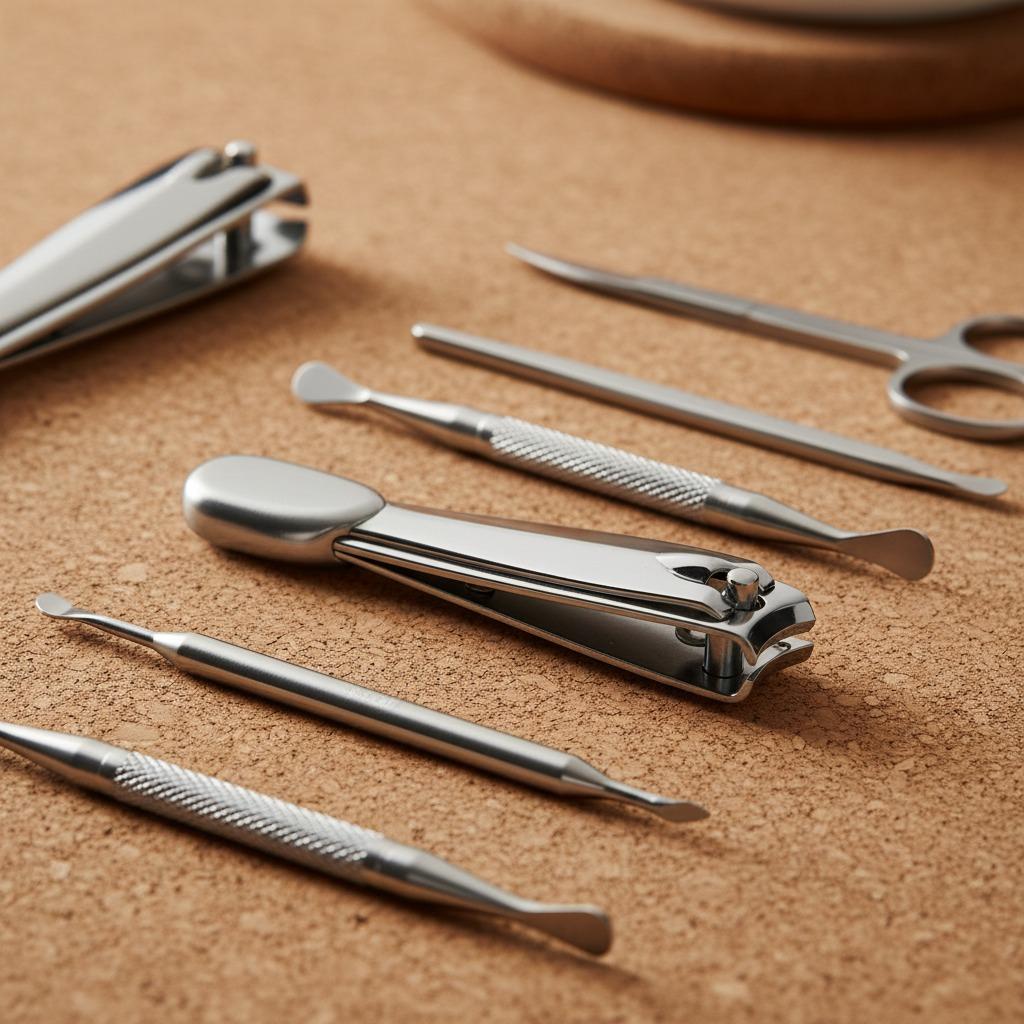












A nail clipper looks simple, but customers judge it quickly. If the blades feel dull, the lever bends, the cut is uneven, or the tool is uncomfortable to hold, the product will not earn repeat purchases. For beauty brands, wholesalers, and retailers, a nail clipper ODM service is valuable because it helps turn a market idea into a practical, manufacturable tool with the right balance of cutting performance, comfort, appearance, packaging, and cost control.
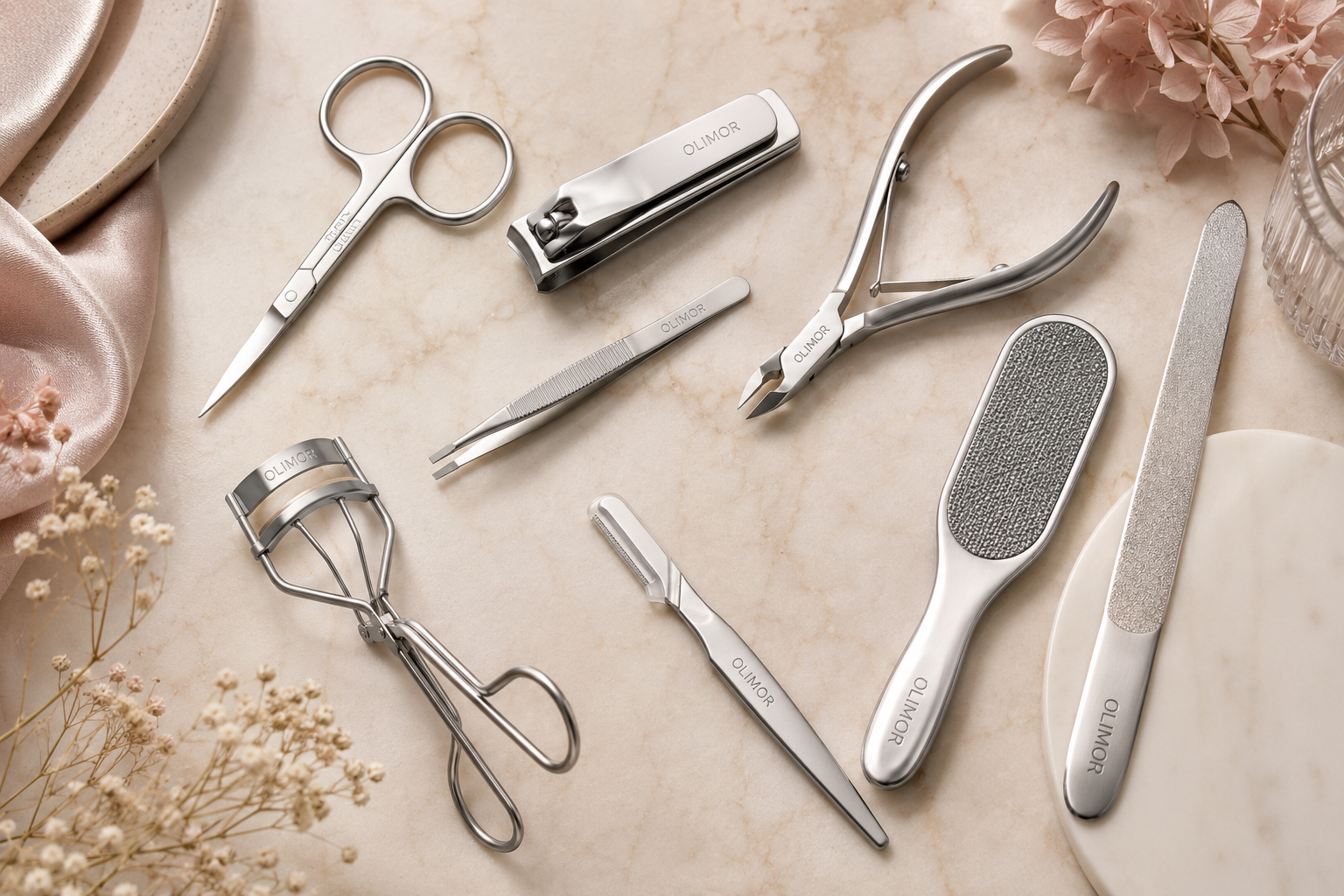
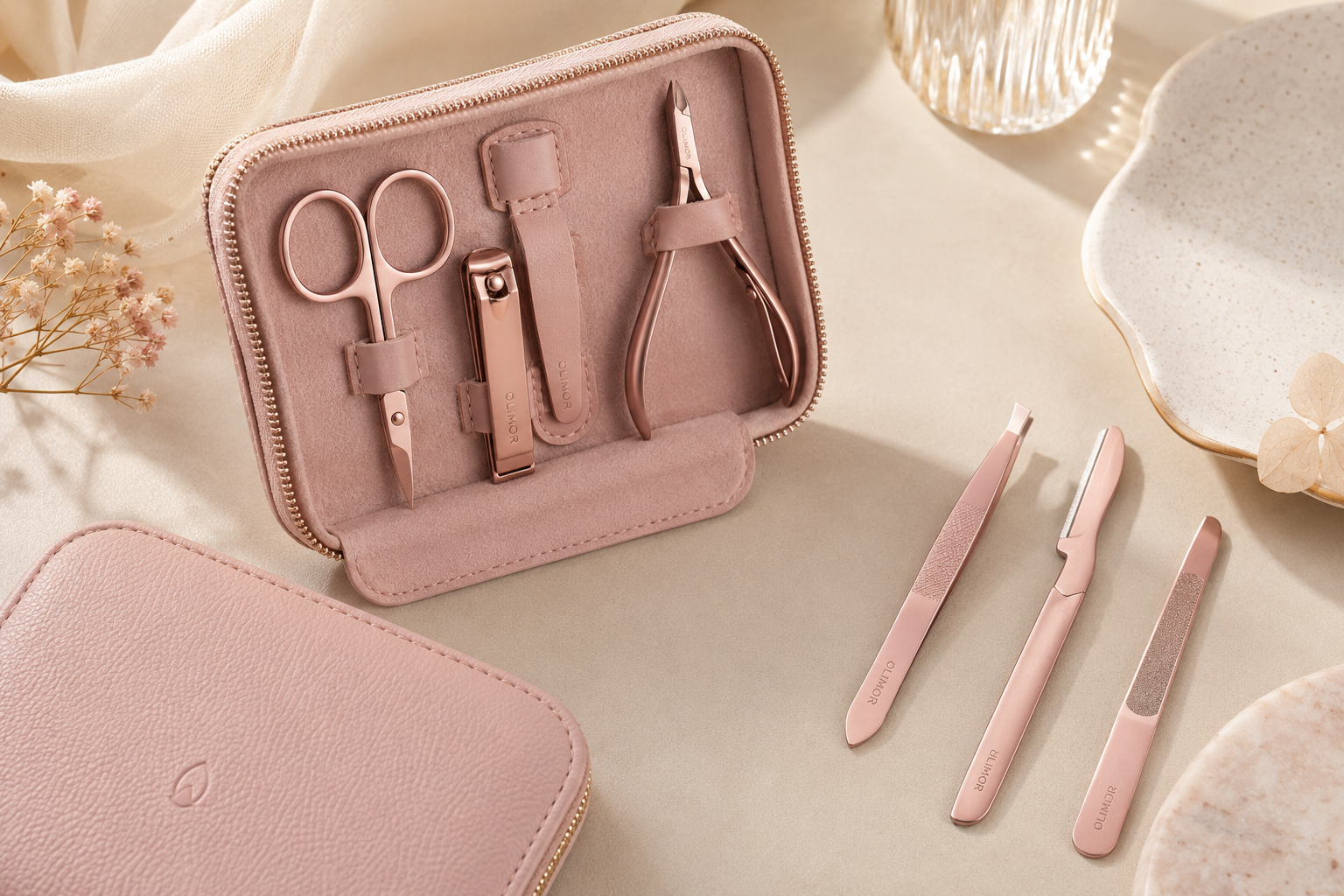
Olimor Beauty supports nail clipper ODM development for buyers who need customized beauty tools rather than a generic item selected only by appearance. A successful ODM project should begin with clear user expectations: Is the clipper for everyday home grooming, travel kits, salon retail shelves, gift sets, men’s grooming ranges, or a broader personal care line? Each use case affects the size, grip, finish, packaging, and quality inspection priorities. You can review related beauty tool products to compare how different tool categories solve different handling and retail needs.
What a Nail Clipper ODM Project Should Define First
Before discussing decoration or packaging, buyers should define the product role. A nail clipper included in a low-cost travel set does not need the same design language as a premium grooming item sold as a standalone product. The user may also differ: some customers want compact portability, while others prefer a wider lever and a stable feel in the hand.
A useful project brief should cover the following points:
- Target user: home users, salon retail customers, travelers, men’s grooming customers, children’s care buyers, or gift set recipients.
- Product size direction: compact, standard, or larger format, depending on hand feel and nail thickness expectations.
- Cutting experience: smooth pressure, clean edge, good jaw alignment, and comfortable lever action.
- Material expectation: stainless steel is commonly chosen for nail clippers because it supports durability and hygiene-focused positioning.
- Visual style: simple polished metal, matte appearance, colored finish, or packaging-led branding.
- Retail context: ecommerce, supermarket shelf, pharmacy display, professional salon resale, or brand gift set.
These details help the ODM team focus on decisions that affect performance instead of only changing surface appearance. For a beauty tool, good design is not just how it looks in a product photo; it is how consistently it cuts after repeated use.
Design Details That Affect Cutting Performance
Many nail clipper complaints come from small engineering issues: misaligned jaws, inconsistent sharpening, poor rivet stability, uncomfortable lever pressure, or a shape that slips during use. During ODM development, the product team should consider both the cutting head and the handle experience.
The cutting edge needs stable alignment so the upper and lower jaws meet evenly. If alignment is poor, the clipper may crush or tear the nail instead of making a clean cut. Lever tension also matters. A lever that is too stiff feels tiring; a lever that feels weak may suggest low quality even if the cutting edge is acceptable. Ergonomic design, which is specifically important in nail clipper ODM work, should make the tool easy to position and control without forcing the user’s hand into an awkward angle.
For buyers, it is helpful to test samples with different nail types and user groups. A product can feel acceptable in a factory review but still fail with real consumers if it is hard to control, too small for the target audience, or uncomfortable for repeated trimming. Evaluation should include both objective checks and human handling feedback.
Collaborative R&D: Turning an Idea Into a Workable Tool
Olimor Beauty’s nail clipper ODM service can involve collaborative R&D, including brainstorming, prototype testing, and iterative improvements. This process is especially useful when a brand wants a product that differs from a standard market item but still needs realistic manufacturing execution.
In practice, collaborative R&D should move through clear stages. First, the buyer defines the market need and product positioning. Next, the design direction is translated into a sample or prototype. The prototype is then reviewed for cutting feel, appearance, grip, assembly stability, and packaging compatibility. After feedback, improvements can be made before moving toward larger production planning.
For buyers, the most productive feedback is specific. Instead of saying a sample “feels average,” note whether the lever is too narrow, the pressure is too high, the cutting mouth is too small, the finish shows fingerprints, or the packaging does not communicate the brand’s intended price level. Specific feedback shortens development time and reduces the chance of repeating the same problem in later samples.
Quality Checks From Material Selection to Packaging
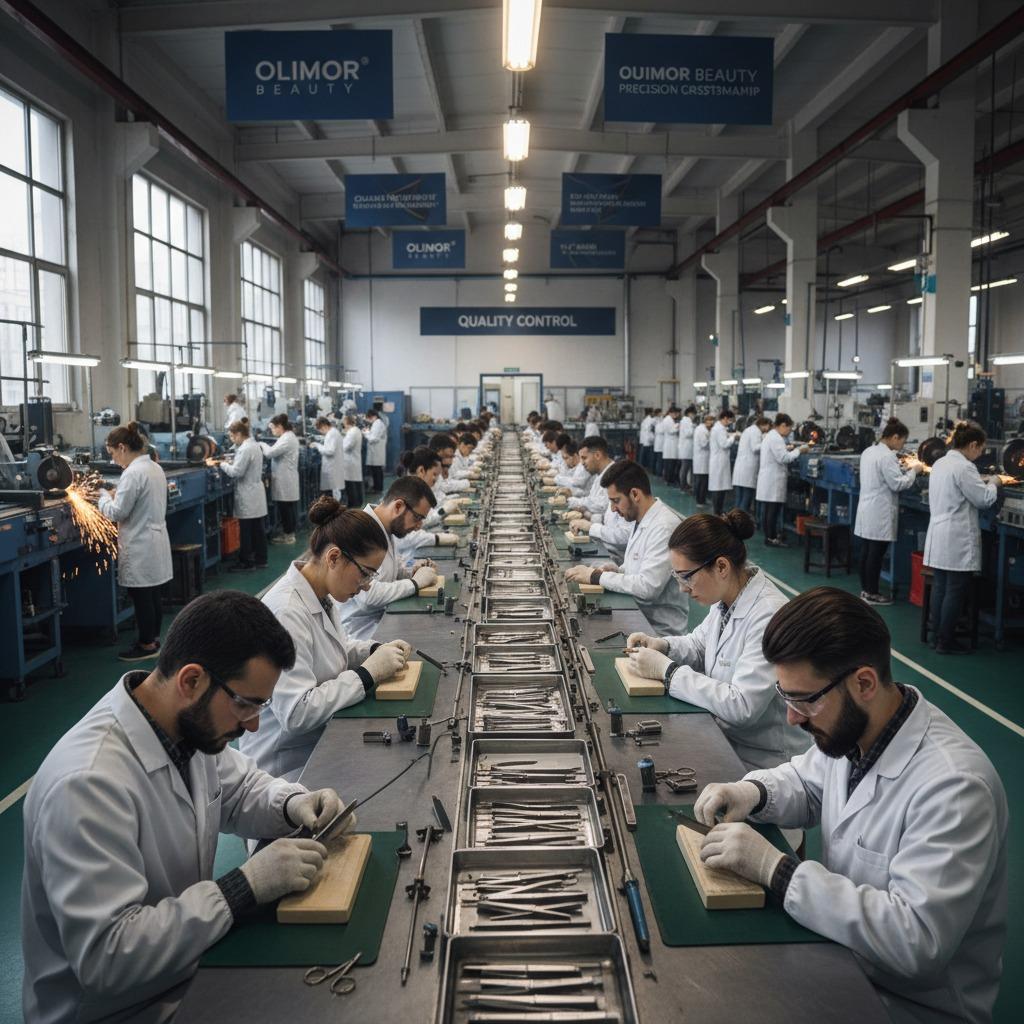
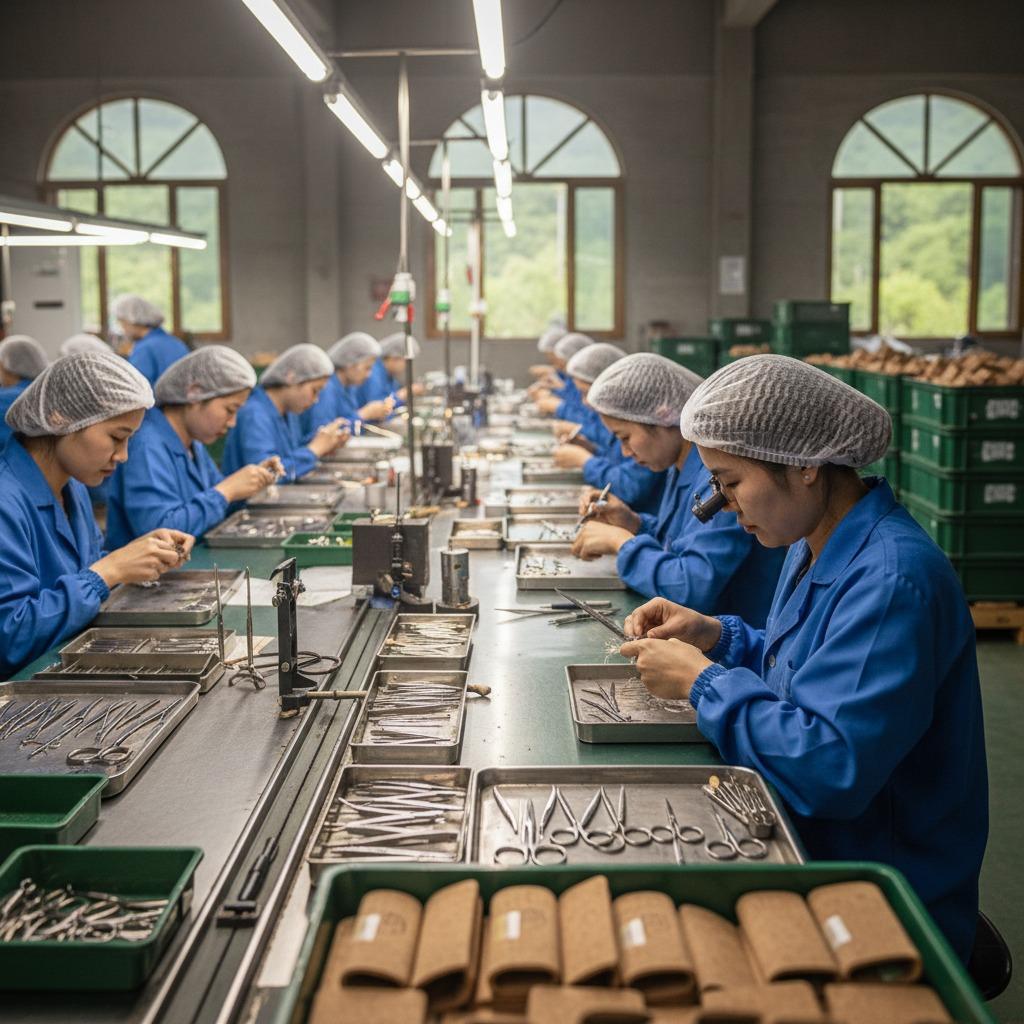
Quality assurance should not be limited to the final inspection table. For nail clippers, quality begins with raw material selection and continues through forming, sharpening, assembly, finishing, cleaning, and packaging. The original product requirement should include checkpoints at each stage so that problems are identified early rather than after finished goods are packed.
A practical nail clipper quality checklist may include:
- Material review: confirm that the selected stainless steel and finish direction match the product’s intended use and market positioning.
- Jaw alignment check: inspect whether the cutting edges meet evenly without gaps or twisting.
- Cutting test: evaluate whether the clipper cuts cleanly with reasonable hand pressure.
- Lever and rivet stability: check that the lever opens, closes, and presses smoothly without loose movement.
- Surface inspection: review scratches, burrs, stains, sharp non-cutting edges, and visible finish defects.
- Cleaning and safety review: ensure the tool is clean, comfortable to handle, and free from rough areas that may irritate the user.
- Packaging inspection: confirm that the clipper is protected, presented correctly, and matched to labeling requirements.
This type of checklist helps buyers compare samples and production runs more consistently. It also gives the supplier a clearer standard for what the buyer will accept.
Packaging and Brand Presentation for Nail Clippers
Packaging matters because nail clippers are often small, low-consideration items. The package must communicate quality quickly and protect the tool from scratches or contamination during transport and display. A simple clipper can appear more trustworthy when the packaging clearly explains the product type, shows the tool well, and supports the buyer’s brand identity.
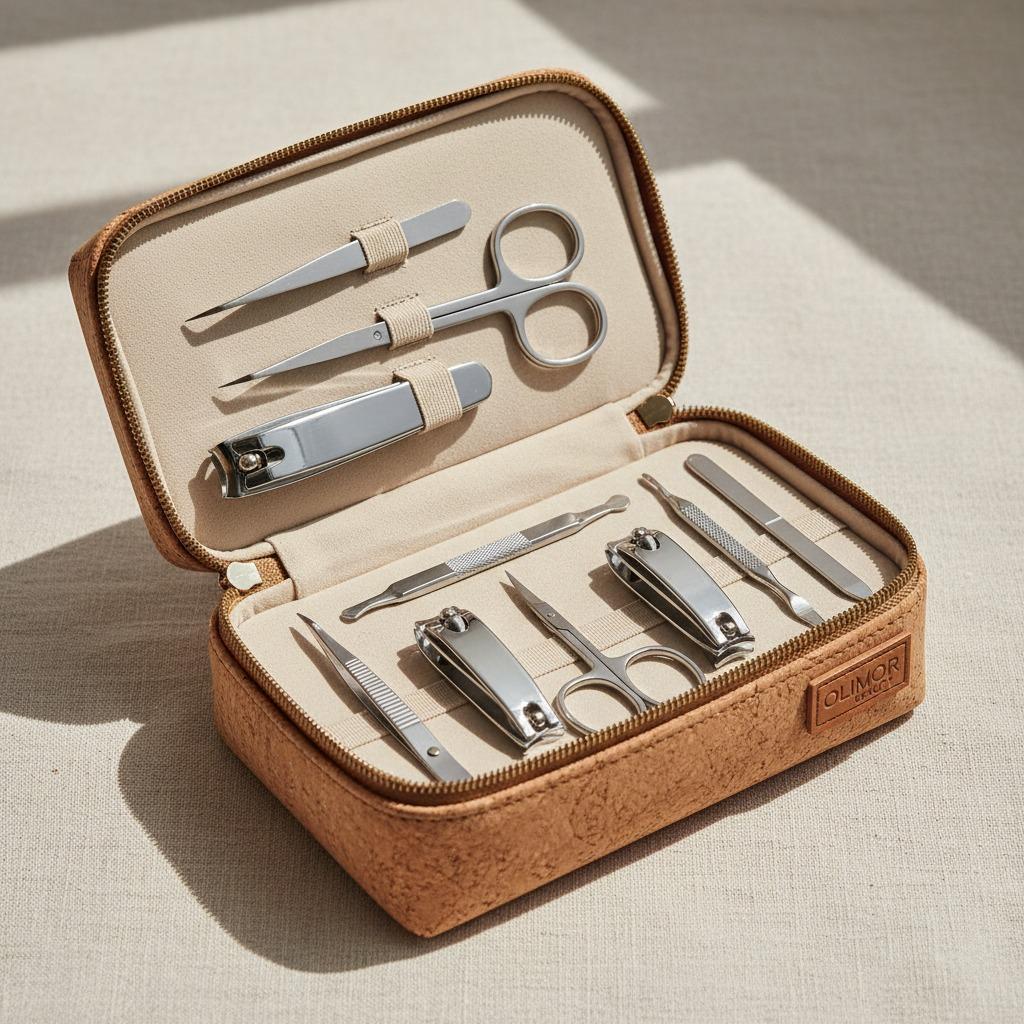
Packaging decisions should be based on sales channel. Ecommerce packaging may need protection against shipping damage and clear photography value. Retail hanging cards may need strong shelf visibility and scannable product information. Gift sets may require a more coordinated appearance across several grooming tools. If the nail clipper is part of a larger personal care range, its packaging should visually connect with the rest of the line. Buyers developing multiple items can browse product collections to think through range consistency and cross-category merchandising.
Label space should also be planned early. Even when final regulatory and market wording will be handled by the buyer, the physical package must allow enough room for product name, barcode, basic use information, country or importer details where applicable, and brand graphics. Leaving this until the final stage can create layout problems.
How to Compare ODM Suppliers for Nail Clipper Projects
Choosing an ODM partner should not be based only on a low quotation or an attractive sample photo. A better approach is to evaluate how the supplier thinks through design, manufacturability, and inspection. Nail clippers require precision in a compact format, so small production differences can noticeably affect customer experience.
| Evaluation Area | What to Look For | Why It Matters |
|---|---|---|
| Product understanding | Clear discussion of cutting edge, lever feel, grip, finish, and packaging | Shows the supplier is considering performance, not only appearance |
| Sampling process | Ability to review prototypes and make iterative changes | Reduces risk before production decisions are made |
| Quality control | Checks from raw material selection through final packaging | Improves consistency across finished goods |
| Communication | Specific answers to technical and presentation questions | Helps buyers manage timelines and avoid unclear expectations |
| Brand fit | Willingness to align product and packaging with target market | Supports long-term product line development |
When details such as order quantity, packaging format, or custom finish are not finalized, buyers should prepare a neutral brief rather than rushing into pricing. The brief can include target market, expected retail channel, reference quality level, preferred size direction, packaging concept, and any sample feedback. This allows the supplier to respond with more relevant options.
Building a Nail Clipper That Customers Will Rebuy
The best nail clipper ODM projects combine user comfort, dependable cutting, controlled finishing, and appropriate packaging. A buyer does not need to overcomplicate the product, but every decision should support the intended customer. For a basic daily grooming item, reliability and clean cutting may be the strongest selling points. For a premium beauty range, hand feel, surface finish, and packaging presentation may carry more importance. For travel and gift sets, compactness and range consistency may lead the design brief.
Olimor Beauty works with buyers who want to develop beauty tools with a clear product purpose and quality direction. Whether you are adding a nail clipper to an existing line or planning a custom grooming range, prepare your requirements around the user, the retail channel, and the desired handling experience. To discuss a nail clipper ODM project, you can contact Olimor or send an inquiry with your design goals, packaging needs, and sample expectations.