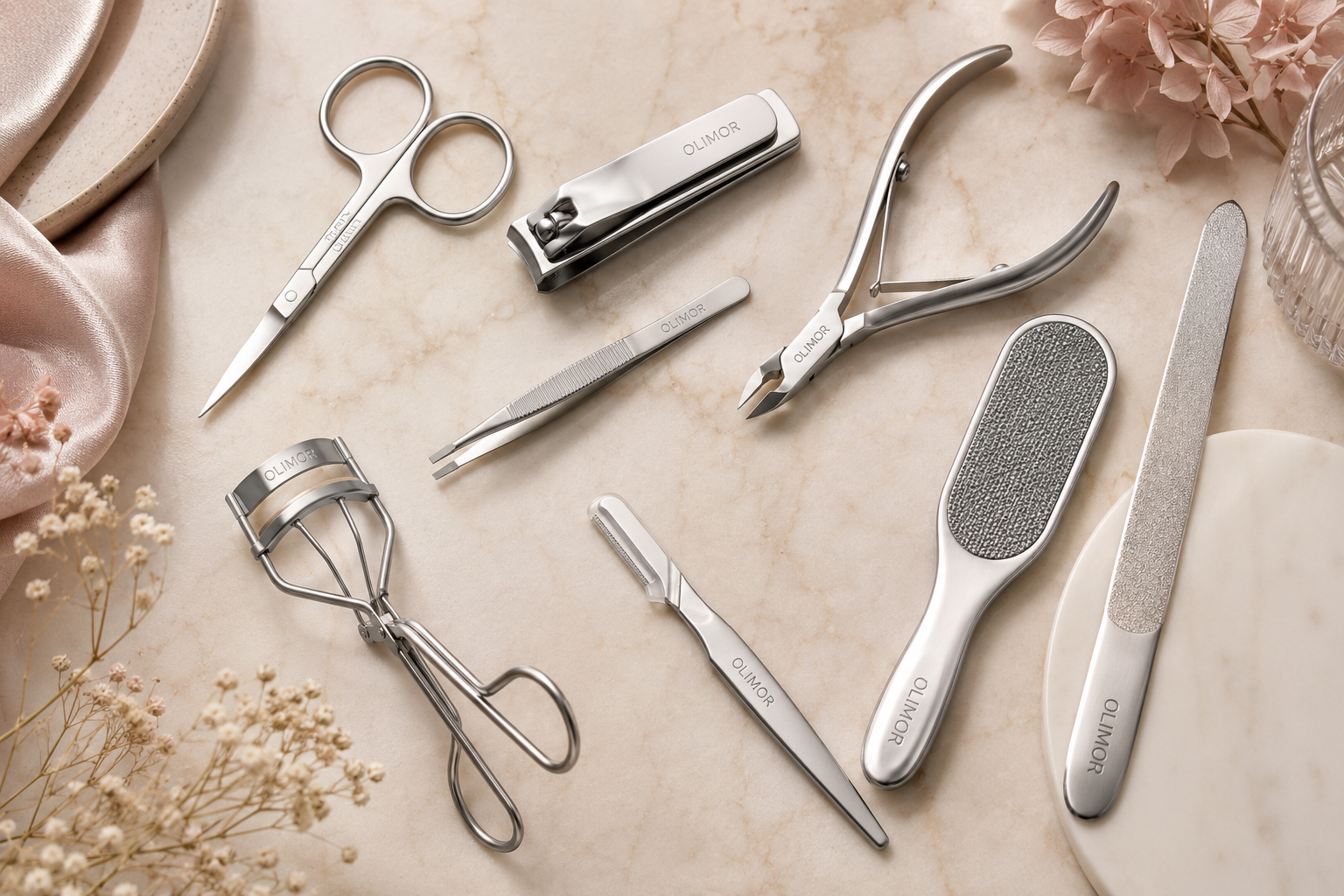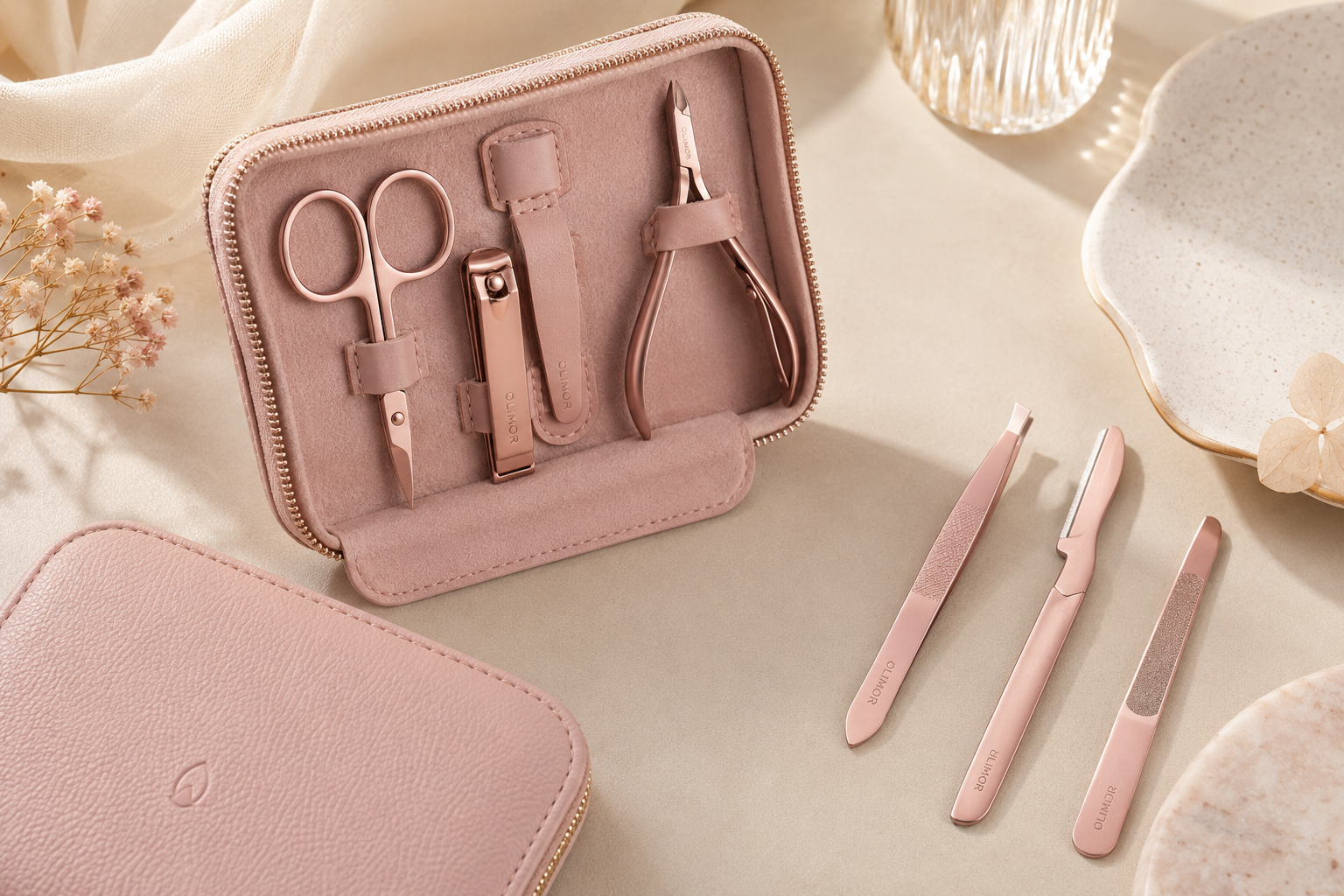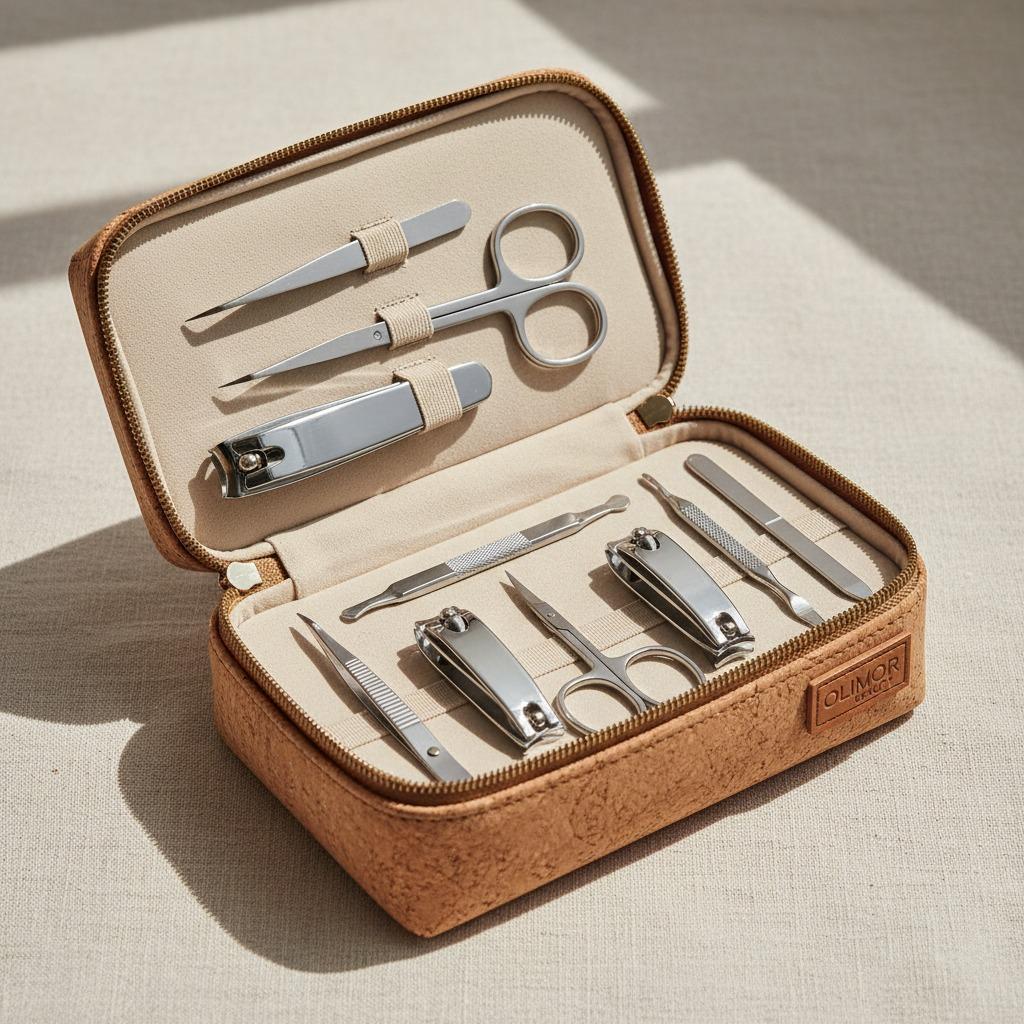











For beauty brands, distributors, salon suppliers, and private-label buyers, a nail clipper looks simple until customers begin using it every week. A small issue in blade alignment, spring tension, lever feel, plating, or packaging can quickly become a product complaint. Choosing the right nail clipper manufacturer is therefore less about finding a basic factory and more about selecting a partner that understands precision, repeatability, user comfort, and retail presentation.
Olimor Beauty focuses on beauty tools designed for practical daily use, including nail clippers that require clean cutting performance and dependable handling. If you are comparing suppliers for a new product line or updating an existing grooming range, the following criteria can help you judge whether a manufacturer is ready for serious OEM or wholesale production.
What Makes Nail Clipper Manufacturing More Demanding Than It Looks
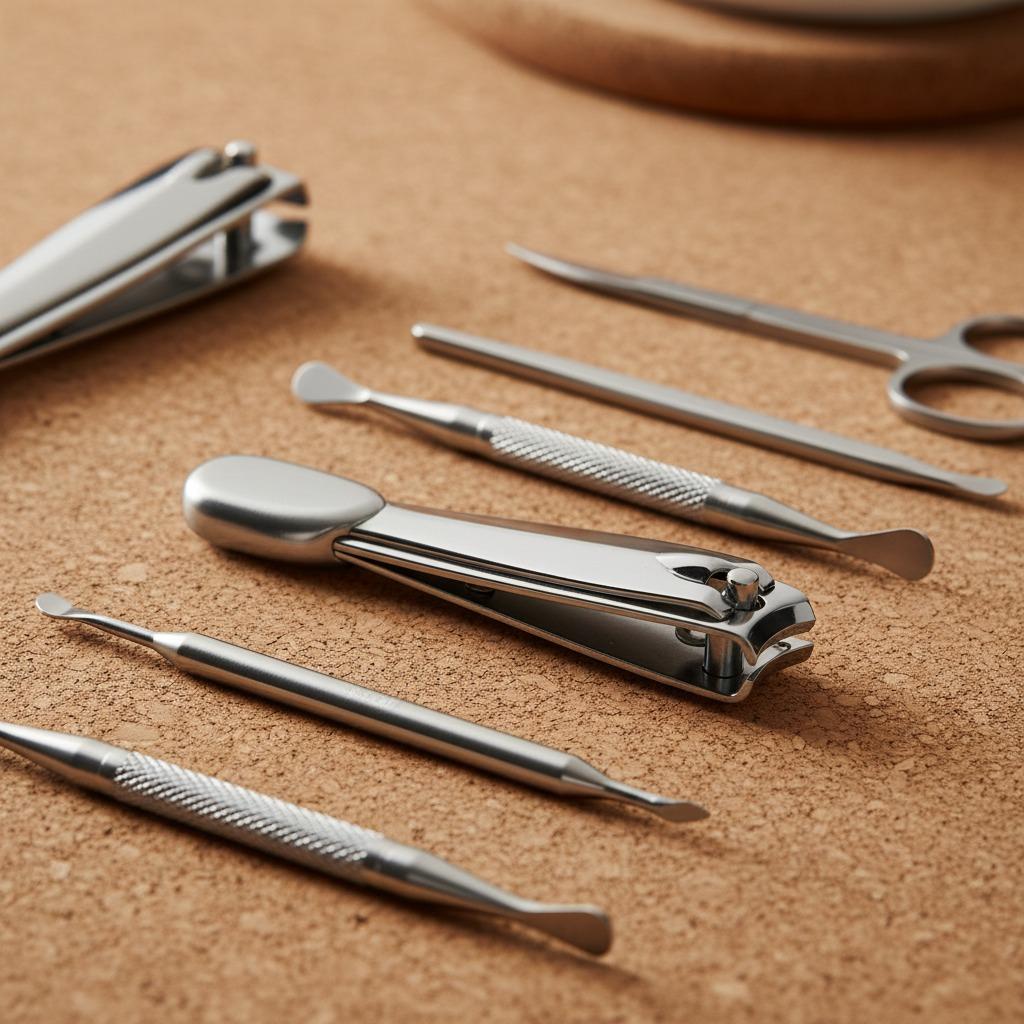
A nail clipper is a compact mechanical tool. Its performance depends on several small parts working together: the upper blade, lower blade, lever, rivet or pin area, and the contact geometry between cutting edges. If one area is inconsistent, the clipper may crush the nail instead of cutting it, leave jagged edges, require too much force, or feel unstable in the hand.
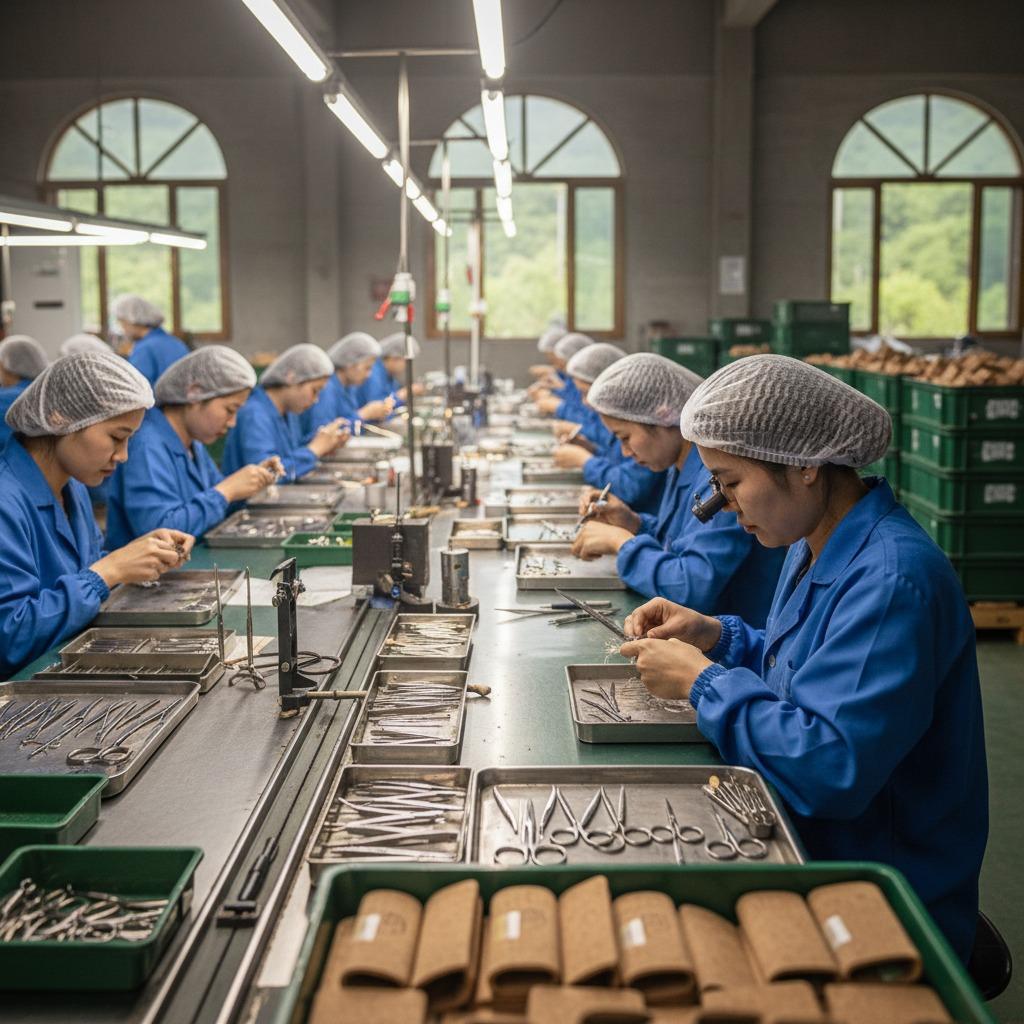
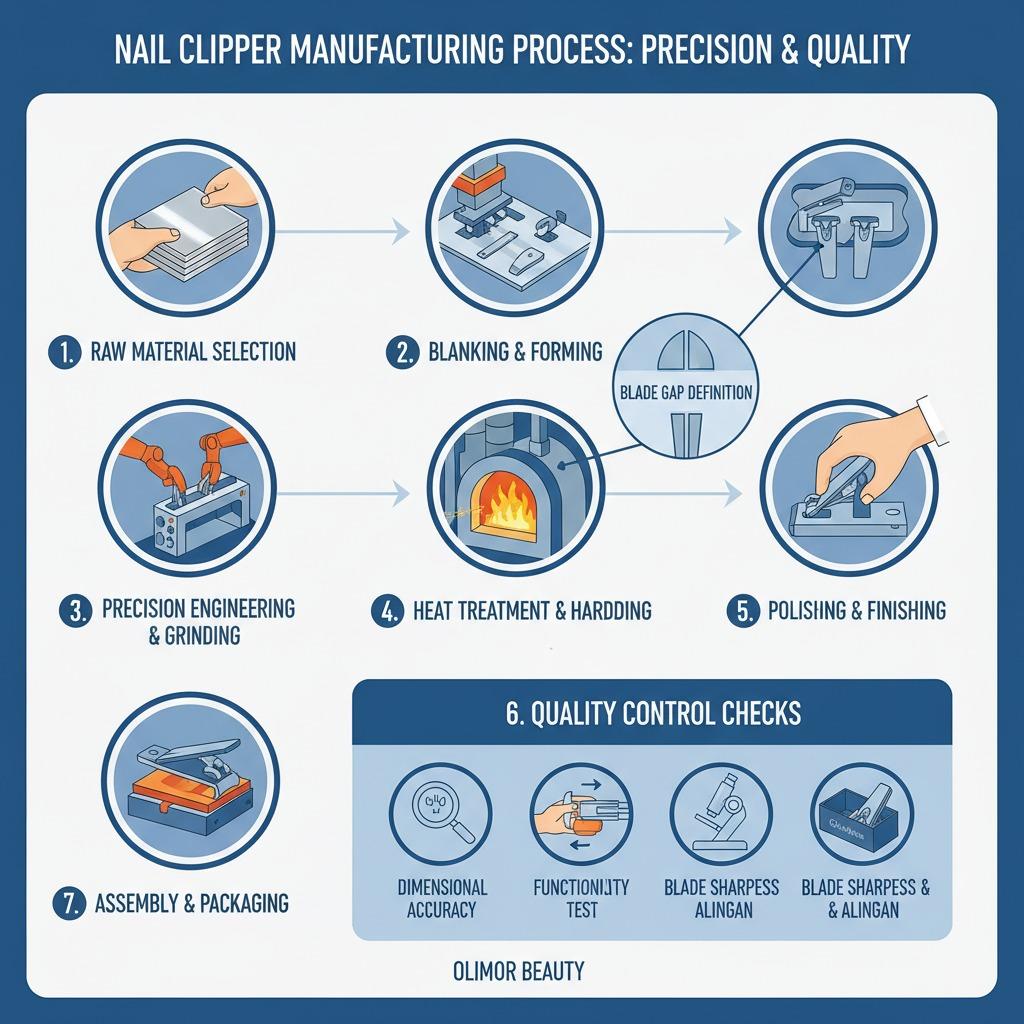
Buyers should pay attention to consistency across a production batch, not just the best sample on a desk. A sample can look polished, but volume production must maintain the same cutting feel, blade contact, and appearance. This is why manufacturing discipline matters. Reliable production requires attention to forming, sharpening, assembly, surface finishing, inspection, and packaging.
For brands building a nail care category, a well-made clipper can support repeat sales and reduce after-sale issues. A poor clipper, even at a low unit cost, can damage trust because the customer experiences the flaw directly on the nail. The goal is not simply to buy a metal item; it is to source a grooming tool that feels controlled and safe in normal use.
Blade Gap Definition and Cutting Performance
Blade gap definition is one of the most important technical points when evaluating nail clippers. It refers to the controlled relationship between the cutting edges and the space that allows the blades to meet correctly during clipping. When this geometry is managed well, the tool can shear the nail cleanly. When it is poorly controlled, users may experience slipping, snagging, nail splitting, or incomplete cuts.
A useful assessment should include more than a visual check. Buyers can review how the clipper performs on different nail thicknesses, whether the cutting edge meets evenly from one side to the other, and whether the lever action feels predictable. The best result is a clean cut with reasonable pressure, not excessive force.
When discussing blade performance with a nail clipper manufacturer, focus on functional expectations rather than vague descriptions such as “premium” or “strong.” A practical specification conversation may include edge sharpness, blade alignment, lever resistance, opening width, burr control, and how the manufacturer checks these points before shipment. Olimor Beauty highlights blade gap definition because it directly affects user satisfaction and the perceived quality of the finished product.
OEM Specification Points Buyers Should Define Early
OEM nail clipper projects work best when the buyer defines the product position before requesting samples. A clipper for a travel set, a salon retail display, a value grooming kit, and a gift-ready beauty tool may all require different choices. Clear priorities help the manufacturer recommend practical options without unnecessary revisions.
Before confirming a project, prepare a simple technical and commercial brief. It does not need to be overly complex, but it should state what the product is expected to do and how it will be sold. Consider the following points:
- Target user: adult personal care, salon retail, travel kits, manicure sets, or general household grooming.
- Cutting expectation: standard fingernail trimming, thicker nail use, or a compact convenience format.
- Material direction: stainless steel components are commonly associated with durability and corrosion resistance, but the final material choice should match the product goal and market requirements.
- Handle and lever feel: smooth operation, comfortable pressure, and stable control during use.
- Surface finish: polished, matte, plated, coated, or other appearance choices if available for the project.
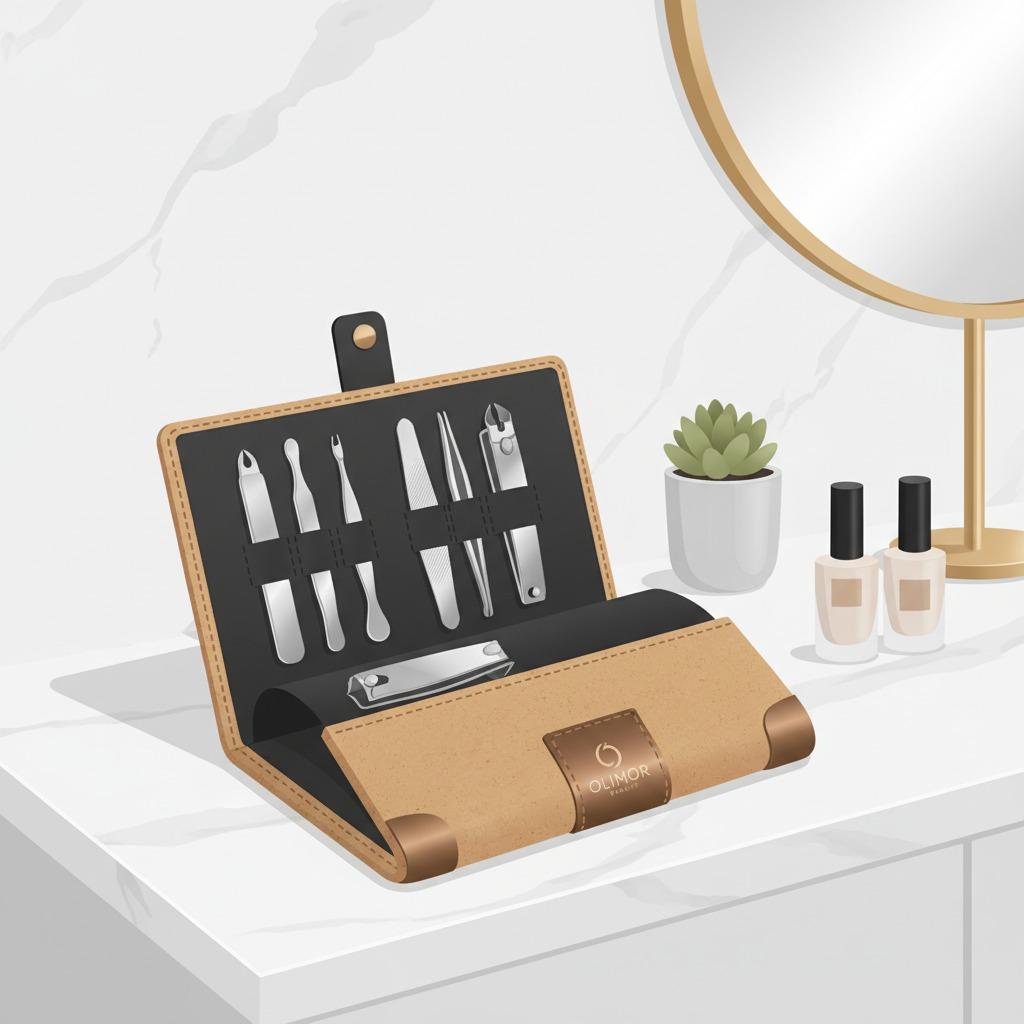
- Branding needs: logo placement, retail packaging concept, barcode area, instructions, or set assembly.
- Inspection focus: cutting function, visual appearance, assembly stability, and packaging condition.
These details help avoid the common problem of approving a sample for appearance while overlooking function. A nail clipper is judged in the hand, so OEM technical specifications should combine appearance, mechanics, and packaging readiness.
Quality Control From Material Inspection to Final Packaging
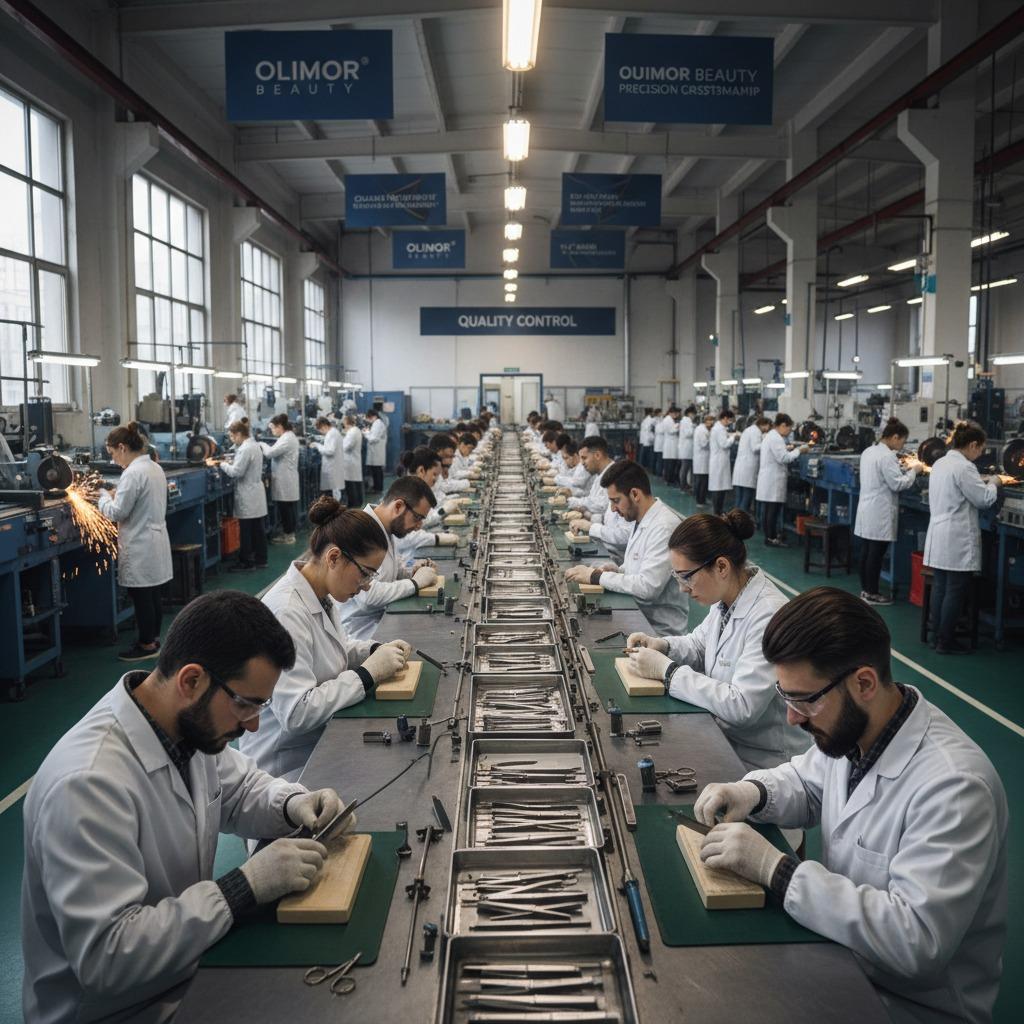
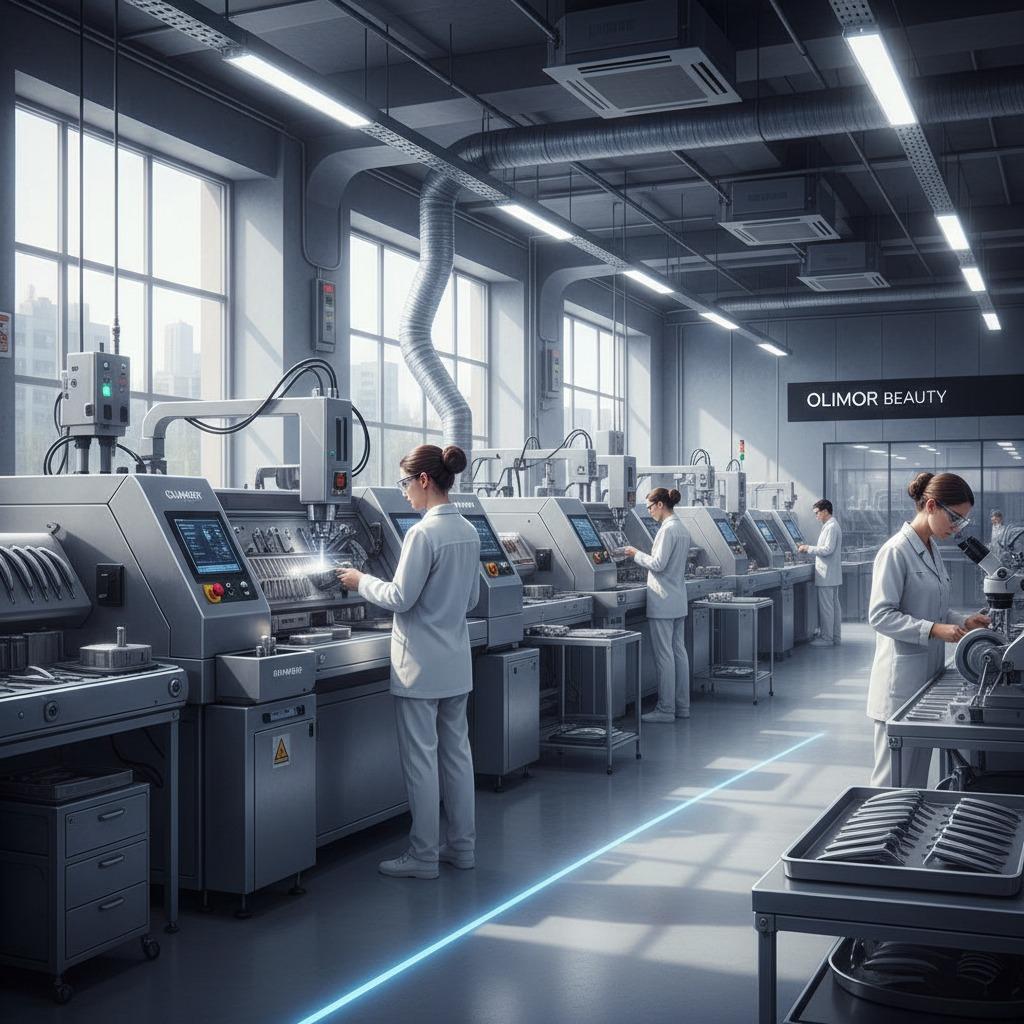
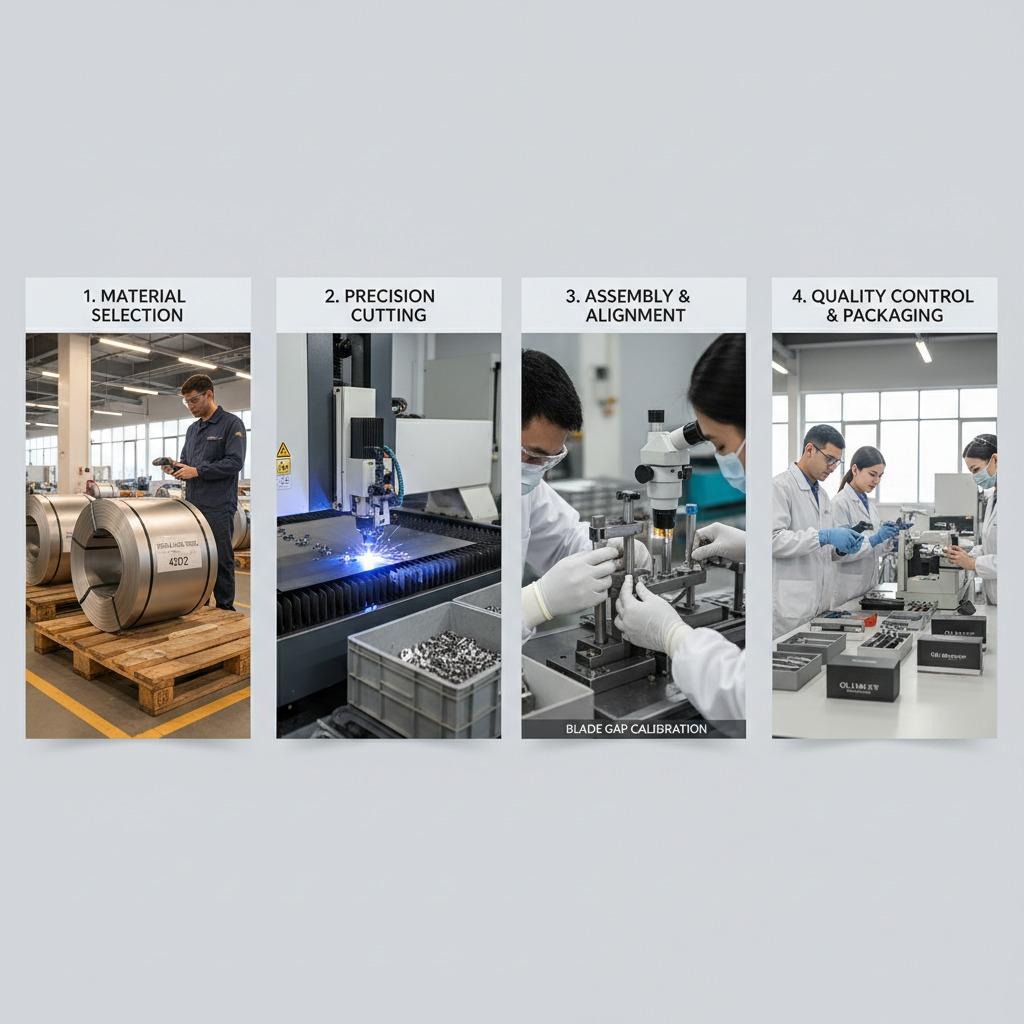
Quality control for nail clippers should begin before assembly. Raw material inspection helps reduce problems that cannot be corrected later. During production, attention should be given to shaping, edge preparation, fit, and surface finishing. Final inspection should confirm not only that the product looks clean, but that it functions as intended.
Olimor Beauty describes quality control across production stages, from raw material inspections to final packaging. For buyers, this type of process matters because problems can occur at many points. A blade may be sharp but poorly aligned. A clipper may cut well but have surface scratches. Packaging may look attractive but fail to protect the product during handling. A systematic inspection plan helps catch these issues before goods reach the market.
A practical pre-shipment review can include sample checks for cutting action, lever movement, edge contact, rivet stability, cosmetic finish, logo appearance, and packaging accuracy. If the product will be sold through retail channels, packaging consistency and labeling details deserve the same attention as the tool itself.
How to Compare Nail Clipper Samples Fairly
When buyers receive samples from several factories, it is tempting to choose the one that looks the brightest or feels heaviest. Those details may matter, but they do not tell the full story. A fair comparison should test each sample under similar conditions and score both function and presentation.
| Evaluation Area | What to Check | Why It Matters |
|---|---|---|
| Blade alignment | Edges meet evenly and cut without snagging | Directly affects trimming quality |
| Lever action | Pressure feels controlled, not loose or harsh | Improves comfort and user confidence |
| Surface finish | No obvious scratches, stains, burrs, or rough areas | Influences perceived retail value |
| Assembly stability | Moving parts feel secure during use | Reduces complaints and returns |
| Packaging fit | Product is protected and presented neatly | Supports online and offline sales |
Keep notes during testing, especially if several stakeholders are involved. A simple scorecard can prevent decisions based only on first impressions. It also gives the manufacturer clear feedback if adjustments are needed before mass production.
Manufacturing Questions That Help Avoid Sourcing Mistakes
Good sourcing questions are specific. Instead of asking only whether a manufacturer can make a “high quality” clipper, ask how quality is controlled and what options are realistic for your market. This approach helps both sides identify the right product level.
- What aspects of blade alignment and blade gap are checked during production?
- Which appearance options are suitable for the intended retail price point?
- How are raw materials, assembly, and final packaging inspected?
- What information is needed to prepare an OEM sample or private-label proposal?
- Can the packaging be adjusted for online sales, retail display, or grooming kits?
- What product details should be confirmed before bulk production begins?
These questions create a more useful conversation than focusing on price alone. Cost is important, but a low-cost clipper that does not cut cleanly can become expensive through returns, poor reviews, and lost customer confidence.
Why Beauty Brands Work With Olimor Beauty
Olimor Beauty serves buyers looking for beauty tools with attention to practical function and product presentation. For nail clippers, the key purchasing concerns are precision, comfort, durability, and consistency. The company’s focus on stainless steel components, ergonomic precision, blade gap definition, and internal quality control gives buyers a clear framework for evaluating product suitability.
If you are building a nail care range, start by reviewing available beauty tool products and identifying where nail clippers fit within your assortment. Some buyers need a single dependable item; others need a coordinated grooming set or a broader beauty tool offer. You can also browse product collections to understand how tools may be grouped for different retail channels.
For OEM development, the most productive next step is to prepare your desired product position, packaging direction, and inspection priorities. If you need help clarifying a specification, you can contact Olimor or send an inquiry with your project details. A focused brief allows the manufacturing discussion to move quickly from general interest to a practical sourcing plan.
Final Checklist Before Confirming a Nail Clipper Manufacturer
Before selecting a nail clipper manufacturer, confirm that the supplier can support both product function and commercial readiness. A strong sample should cut cleanly, feel stable, look consistent, and arrive in packaging suitable for the sales channel. The manufacturer should also be able to discuss technical points such as blade gap definition, material direction, ergonomic handling, OEM customization, and inspection steps.
For buyers, the best decision is based on evidence: tested samples, clear specifications, realistic packaging plans, and a shared understanding of quality requirements. With the right manufacturing partner, a nail clipper becomes more than a small accessory. It becomes a dependable beauty tool that reflects your brand’s standards every time a customer uses it.