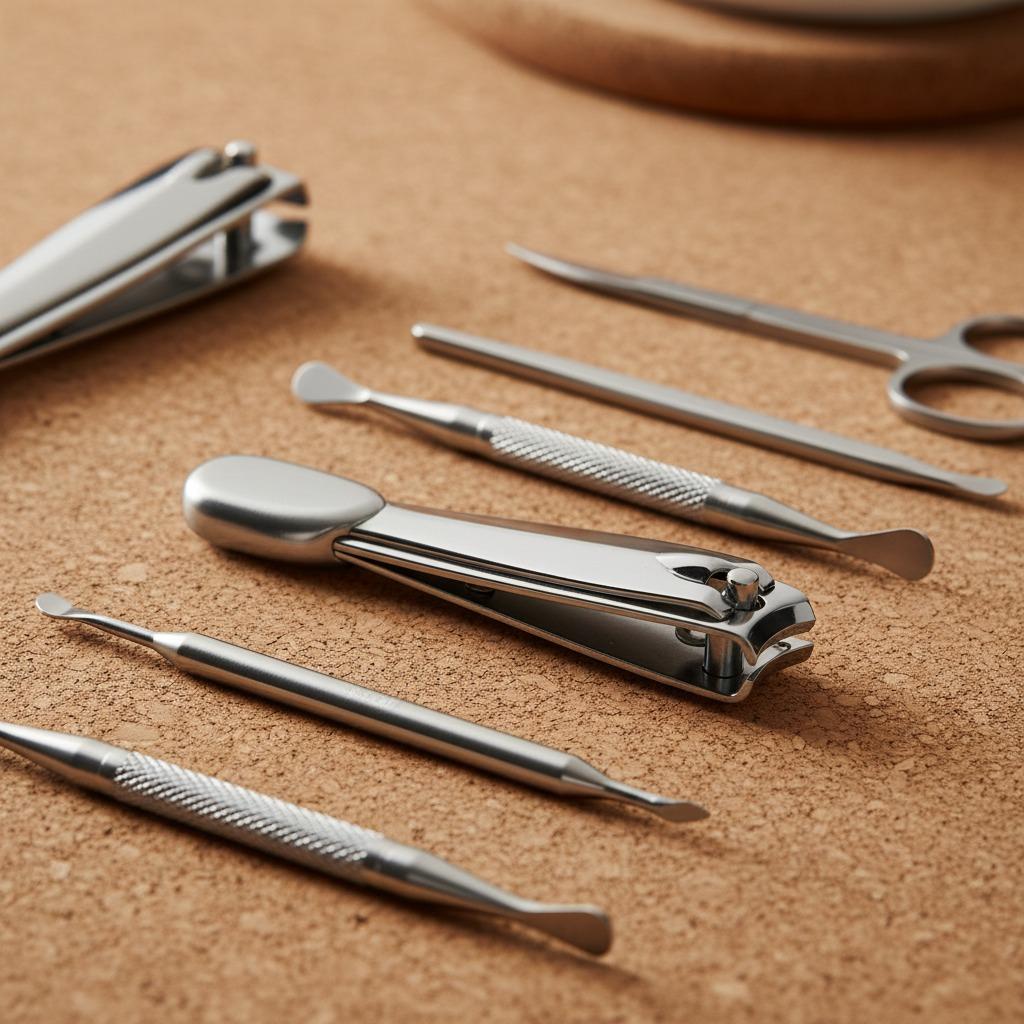
A nail clipper looks simple, but buyers know that small differences in cutting edge, grip comfort, finish and quality control can determine whether a grooming tool feels dependable or disappointing. For importers, beauty retailers, private-label brands and distributors, choosing the right nail clipper manufacturer is not only about finding a supplier with an attractive product photo. It is about confirming that the tool can cut cleanly, remain comfortable in daily use and support the presentation your customers expect.
Olimor Beauty manufactures beauty tools for customers who need practical grooming products with a polished appearance. In nail clippers, the core requirements are clear: durable materials, precise clipping, ergonomic handling and consistent production. This guide explains what to evaluate when sourcing from a nail clipper factory, how OEM customization can be used responsibly and what questions help buyers compare options without relying on vague claims.
What a Professional Nail Clipper Manufacturer Should Deliver
A reliable nail clipper manufacturer should combine product function with manufacturing discipline. The tool must be sharp enough to trim nails cleanly, yet controlled enough for everyday home grooming. The lever should operate smoothly, the cutting edges should meet evenly and the body should feel stable in the hand. These details are especially important for customers who expect salon-like grooming results at home.
Olimor Beauty focuses on nail clippers that combine functional design with a neat visual finish. The supplied product information highlights stainless steel construction, precise engineering and ergonomic design. Those three points matter because nail clippers are often used in bathrooms, travel kits and retail beauty sets where both durability and appearance influence repeat purchasing.
When reviewing a potential supplier, buyers should look beyond a single sample. A good production partner should be able to discuss repeatability: whether the cutting feel, surface finish and assembled alignment can be kept consistent from order to order. Internal inspections are also important because a nail clipper may pass a quick visual check but still perform poorly if the blades do not align, the lever is loose or the edge feels rough.
Material, Edge Quality and Comfort: The Details Buyers Notice
Stainless steel is a common choice for quality nail clippers because it supports strength, clean appearance and everyday durability. However, the buyer still needs to evaluate how the material is formed, finished and assembled. A stainless steel nail clipper should not have sharp burrs on touch points, uneven plating or rough contact areas that make handling uncomfortable.
The cutting edge is the most important functional area. A clean clip should require controlled pressure rather than force. If a sample crushes or tears the nail, the issue may come from edge geometry, blade alignment or weak leverage. For a beauty brand, that performance problem can create returns, negative reviews and low customer confidence.
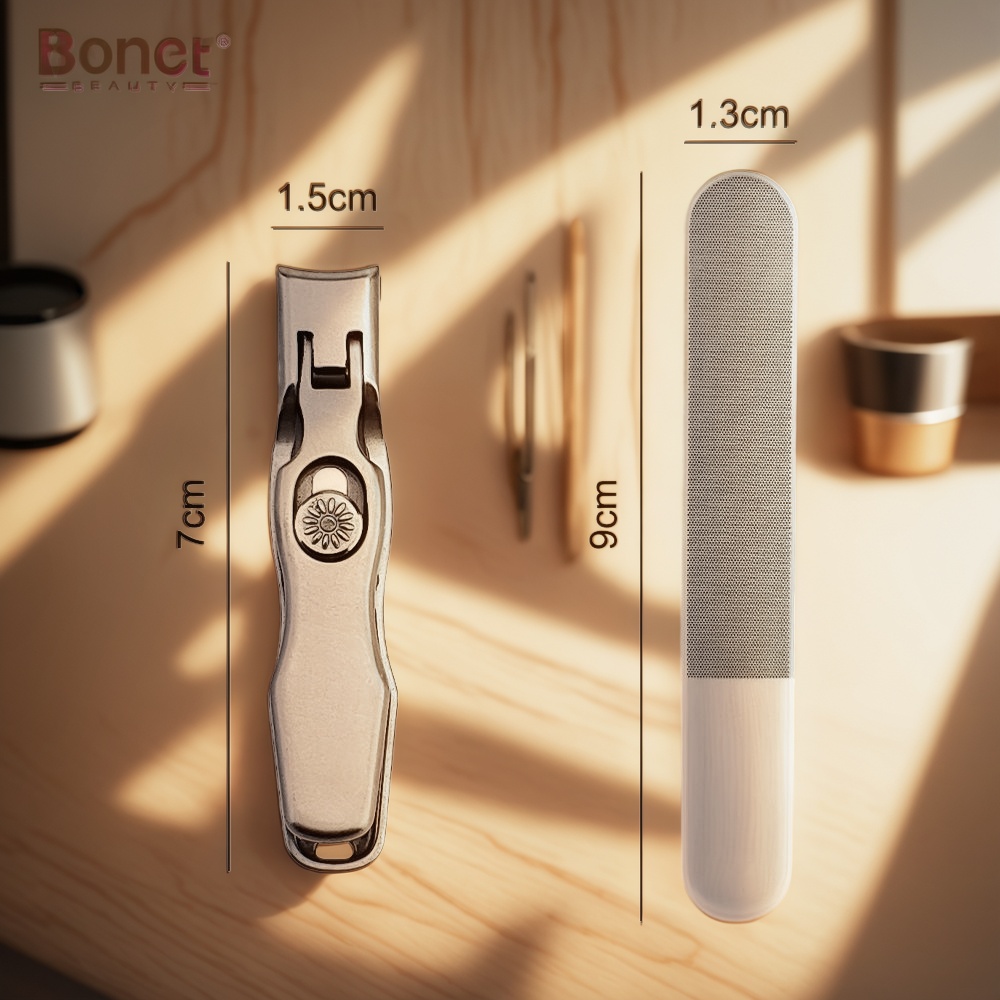
Comfort is also a sourcing priority. Ergonomic design does not mean adding decorative curves without purpose. It means the user can hold the clipper securely, press the lever without awkward strain and guide the cutting edge with precision. The original product details mention sleek designs measuring 7 cm in length; for a buyer, a compact size like this can suit personal grooming kits, travel-friendly sets and retail displays where space matters. Before confirming any specification, evaluate whether the size is appropriate for the intended user group and sales channel.
OEM Nail Clipper Customization Without Compromising Function
OEM options can help a brand create a more recognizable nail clipper, especially when selling through beauty stores, gift sets, e-commerce bundles or promotional grooming ranges. Olimor Beauty’s nail clipper supplier services include customization options, such as personalized touches and embossed motifs. These choices can improve brand presentation when used with care.
The key is to keep customization connected to usability. A logo, motif or surface treatment should not make the tool slippery, interfere with the lever action or create raised edges that feel uncomfortable. Packaging decisions should also match the product’s positioning. A basic retail nail clipper, a premium grooming set component and an export promotional item may all require different presentation choices.
Useful OEM planning points include:
- Brand placement: Decide whether a logo or embossed motif should appear on the lever, body or packaging, while keeping the grip area comfortable.
- Finish expectations: Define the desired appearance clearly, including whether the look should be minimal, polished, matte or decorative.
- Target channel: Match the clipper and packaging to retail shelves, online sales, travel kits, beauty bundles or private-label programs.
- Sample review: Test customized samples for cutting feel, grip, lever smoothness and visual consistency, not branding alone.
- Long-term repeatability: Confirm how the same design will be checked across future production runs.
For buyers comparing customization possibilities across beauty tool products, it is helpful to build one consistent brand standard. Nail clippers, tweezers, manicure tools and related grooming items should not look like unrelated purchases if they are sold together in a collection.
Quality Inspection Points for Nail Clipper Orders
Because nail clippers are small tools, defects can be easy to miss during a quick review. A practical inspection plan should include both appearance and performance. Olimor Beauty’s supplied information refers to strict internal controls and rigorous inspections. Buyers can support that process by defining their own acceptance criteria before production begins.
The following table shows inspection points that are especially useful when evaluating nail clippers for export, retail or private-label supply:
| Inspection area | What to check | Why it matters |
|---|---|---|
| Cutting alignment | Edges meet evenly without visible offset | Supports clean trimming and reduces nail tearing |
| Lever action | Lever opens and presses smoothly | Affects user comfort and perceived quality |
| Surface finish | No obvious burrs, scratches or rough touch points | Improves safety, appearance and retail acceptance |
| Grip comfort | Body feels stable during clipping | Helps users maintain control |
| Branding details | Embossed motif or logo is positioned cleanly | Protects private-label presentation |
| Packaging condition | Retail or export packaging is clean and consistent | Reduces complaints before the product is even used |
For online sellers, sample photography should also be checked against the actual delivered product. A nail clipper that appears elegant in product images must match that impression when customers open the package.
How Export Buyers Can Compare Nail Clipper Suppliers
A nail clipper exporter should be evaluated on communication, production understanding and ability to support repeat orders. Price is important, but it should not be the only comparison point. A low-cost clipper that cuts poorly or arrives with inconsistent finishing can damage a beauty brand more than it saves in purchasing cost.
When comparing suppliers, prepare a buyer checklist instead of relying on broad promises. Useful questions include whether the supplier can provide samples for performance review, what customization methods are available, how inspections are handled and which packaging choices suit the intended market. For buyers planning a broader grooming range, it may also help to review product collections so the nail clipper can fit naturally with other beauty tools.
If your project requires a private-label design, a specific surface finish or a coordinated grooming set, share clear reference details early. You can send an inquiry with your target market, preferred design direction and order goals, or contact Olimor to discuss sourcing requirements. Clear information at the beginning helps both buyer and manufacturer identify suitable options before sampling.
Choosing the Right Nail Clipper for Your Sales Channel
Different markets need different nail clipper decisions. A beauty retailer may prioritize attractive presentation and comfortable handling. A distributor may focus on consistent cartons, simple packaging and dependable repeat supply. A private-label brand may need OEM details that align with a full grooming line. A travel-kit supplier may prefer compact tools that are easy to include with other essentials.
Before confirming a nail clipper design, define the customer scenario. Will the clipper be sold as a single daily grooming tool, bundled with other manicure items or positioned as a small premium accessory? Will customers use it at home, carry it in a bag or buy it as part of a gift set? These questions influence size, finish, branding and packaging more than many buyers expect.
Olimor Beauty’s role as a nail clipper factory and supplier is most valuable when buyers know what outcome they need. Stainless steel construction, ergonomic design, OEM customization and inspection discipline provide a strong foundation, but the final product choice should be shaped by the user, sales channel and brand expectation.
A Better Sourcing Decision Starts With Practical Evaluation
Quality and elegance in a nail clipper should be visible in the finish, felt in the grip and proven in the cut. For buyers, the best sourcing process is practical: review samples, test performance, confirm branding details and define inspection criteria before placing larger orders. This approach helps avoid common problems such as weak clipping force, uncomfortable edges, inconsistent finishes and branding that looks good on paper but feels awkward in use.
As a nail clipper manufacturer, Olimor Beauty offers a foundation for buyers seeking durable grooming tools with functional design and OEM possibilities. By focusing on material quality, ergonomic control, precise clipping and consistent presentation, brands can choose nail clippers that meet everyday user expectations and support long-term product confidence.