A nail clipper looks simple, but buyers who source grooming tools know that small differences in cutting edge alignment, lever tension, handle texture, and finish can decide whether a product feels reliable or frustrating. For retailers, distributors, salons, travel-kit brands, and personal care product developers, choosing the right nail clipper manufacturer is not only about price. It is about repeatable cutting performance, consistent appearance, safe handling, and packaging that arrives ready for sale.
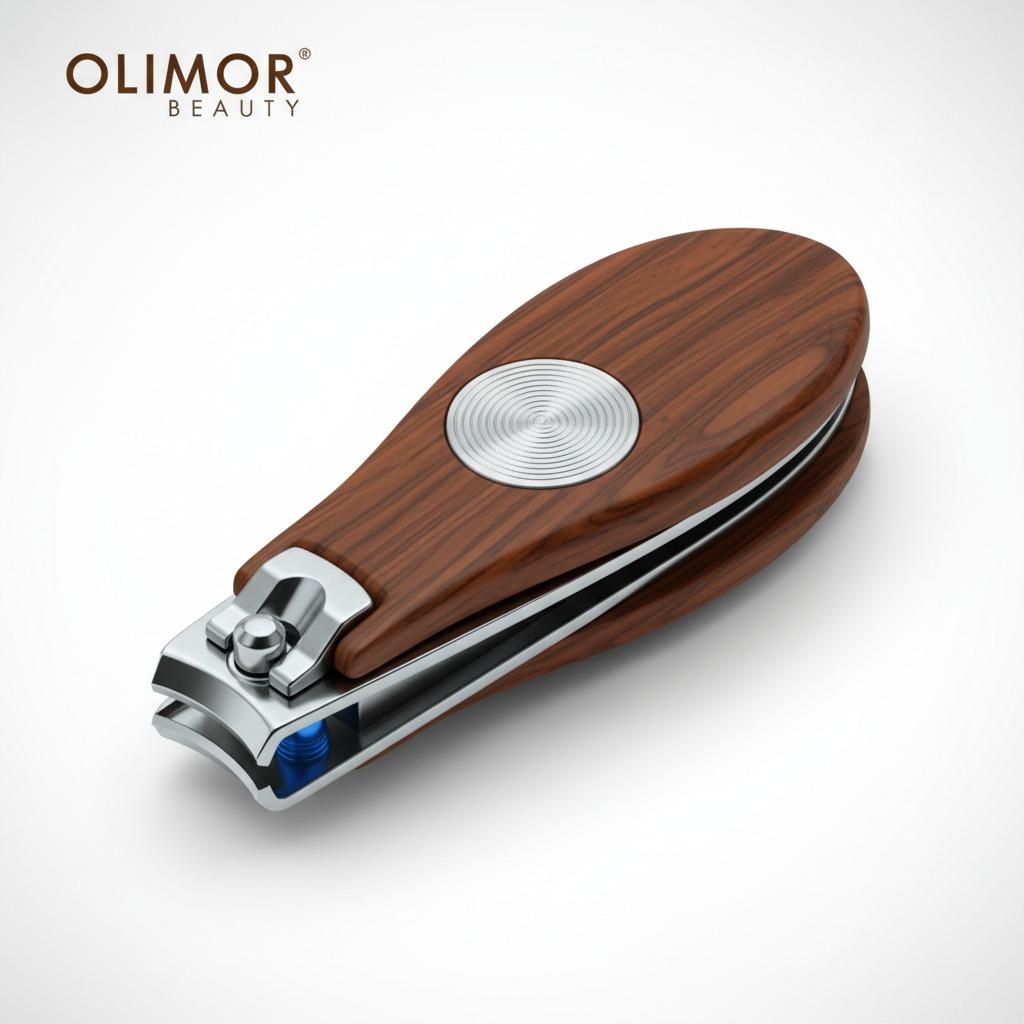
Olimor Beauty focuses on beauty and personal care tools, including nail clippers designed for everyday grooming. The product shown here combines several visible design features that matter to buyers: a contoured handle, a wood grain pattern, a concentric circle grip area, stainless steel construction, and a blue adjustable screw for tension control. This guide explains how to evaluate those details in a practical sourcing context, so you can compare samples, brief your purchasing team, and make more confident decisions.
What Buyers Should Expect from a Nail Clipper Manufacturer
A dependable nail clipper manufacturer should be able to control both function and appearance. The blades must meet cleanly, the lever should press smoothly, and the surface finish should remain consistent across a production batch. Even when a clipper is positioned as an affordable daily-use tool, the user still expects clean trimming without crushing, slipping, or leaving a jagged edge.
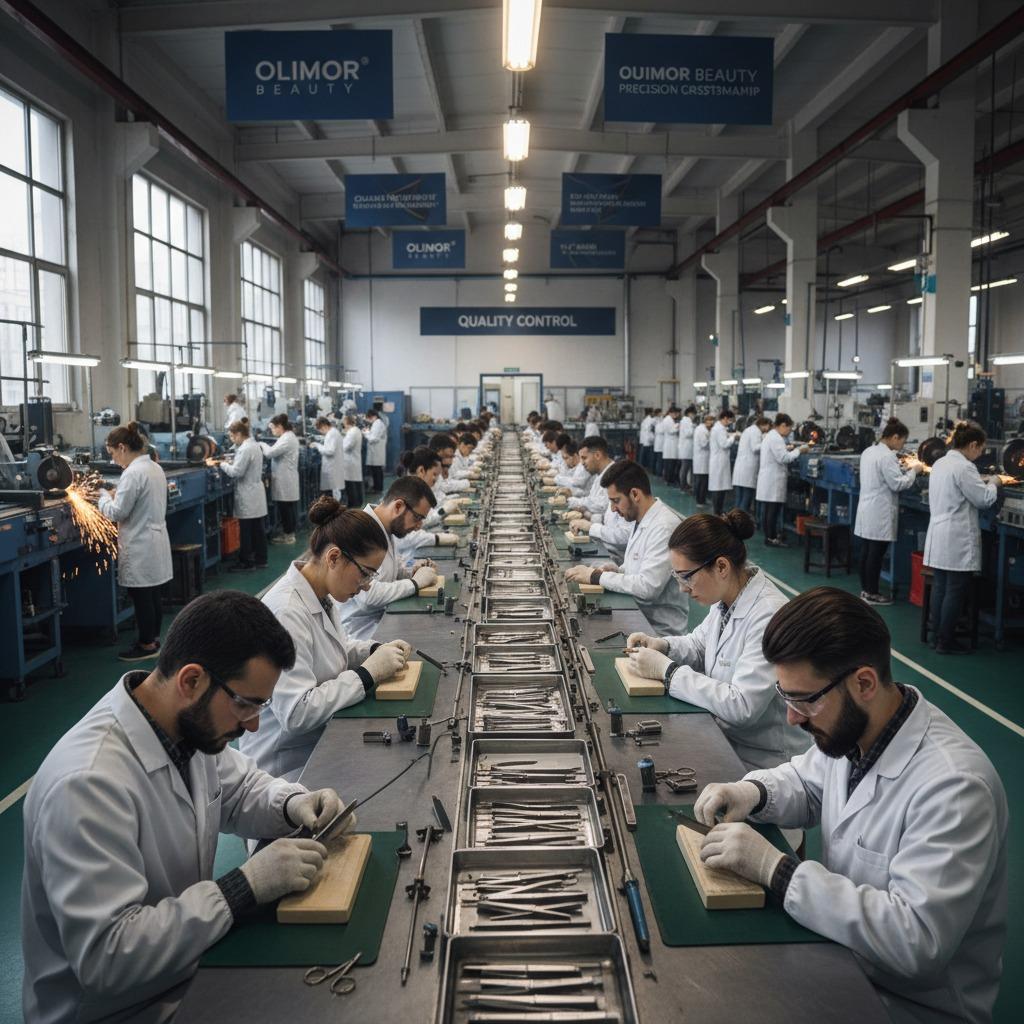
For wholesale and private-label buyers, consistency is often more important than a single impressive sample. A sample may cut well, but production needs to match that performance. When reviewing beauty tool products, check whether the manufacturer can explain how they monitor cutting edge alignment, handle comfort, screw assembly, and final appearance. Clear process control helps reduce returns, customer complaints, and inconsistent shelf presentation.
It is also useful to define the intended sales channel before selecting a nail clipper. A compact clipper for travel kits, a premium-looking tool for gift sets, and a salon retail accessory may require different packaging, finish expectations, and tactile feel. The best sourcing decision starts with the customer’s use case, not only with the product photo.
Key Product Details: Grip, Cutting Feel, and Visual Finish
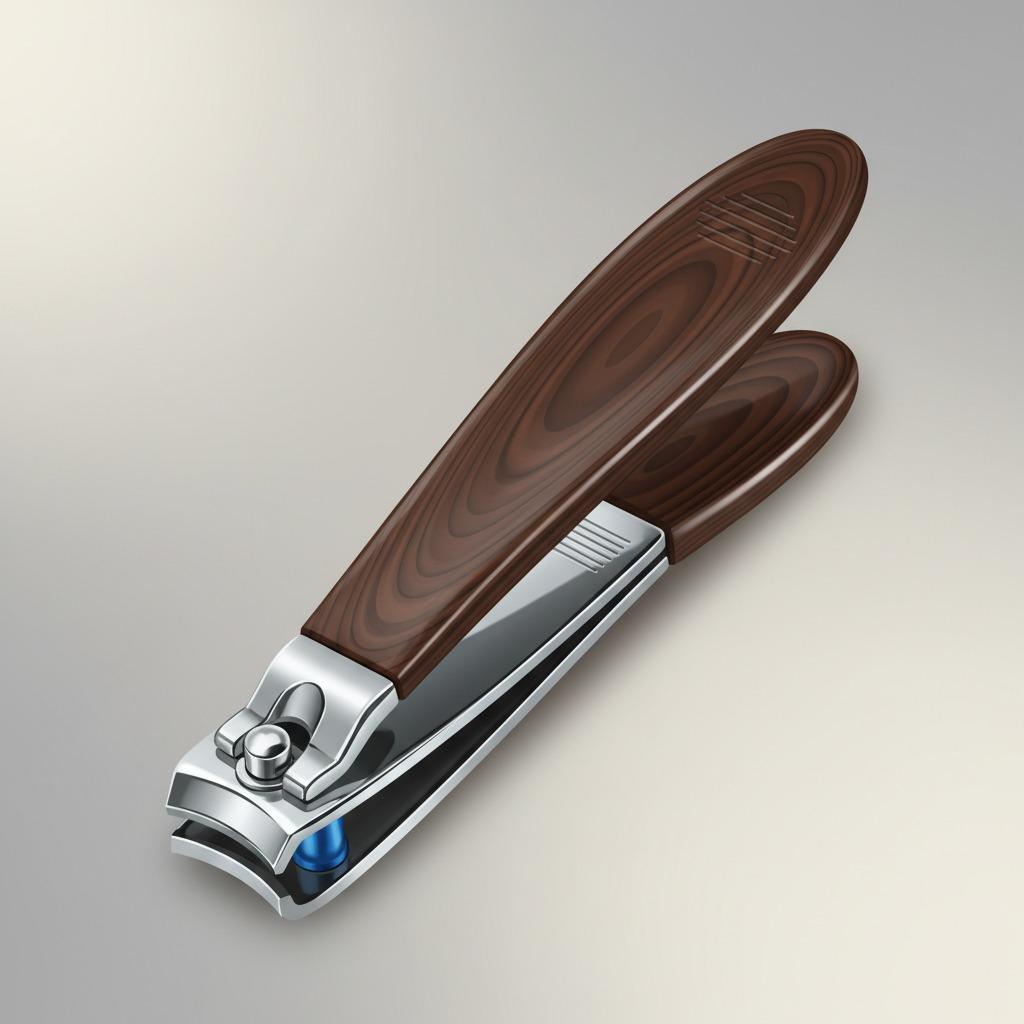
The pictured nail clipper includes a contoured handle with a wood grain pattern. This is more than a decorative choice. A contoured handle can improve how the tool sits in the hand, while a textured or patterned surface can make the clipper feel more secure during use. For users trimming nails after washing hands or applying lotion, grip comfort matters because slipping can lead to uneven cuts or discomfort.
The handle also includes a concentric circle design. This type of surface detail can support both appearance and handling by giving the thumb a clearer contact area. When comparing samples, buyers should not only look at the pattern but also press the lever repeatedly. A good handle design should feel stable from the first press to the last, without sharp edges, rattling, or awkward pressure points.
The original product information also identifies stainless steel construction. Stainless steel is commonly selected for grooming tools because it supports durability and a clean appearance. However, buyers should still evaluate the real sample rather than relying on the material name alone. Look at edge sharpness, surface smoothness, and whether the clipper feels balanced in the hand. A polished-looking surface is useful, but cutting performance remains the most important quality signal.
Why the Adjustable Screw Matters
One notable detail on this clipper is the blue adjustable screw. For buyers, this feature is important because tension affects the cutting experience. If the screw setting is too loose, the clipper may feel unstable or lack cutting confidence. If it is too tight, the lever may require excess force and feel uncomfortable for some users. A well-controlled tension system helps create a smoother press and a more predictable trim.
During sample evaluation, test the tension repeatedly instead of making a decision after one cut. Press the clipper with different finger positions, trim nails of different thicknesses when appropriate, and note whether the tool returns cleanly after each press. The adjustable screw should sit securely, appear properly finished, and not distract from normal use. If your brand plans to position the product as a more refined grooming accessory, the screw color and finish should also match the overall design language of your assortment.
Sample Evaluation Checklist for Nail Clipper Buyers
Before confirming a bulk order, create a consistent sample review process. The following checklist can help purchasing, quality, and merchandising teams evaluate the same product from different angles:
- Blade alignment: Check whether the cutting edges meet evenly from side to side.
- Cutting cleanliness: Test whether the clipper trims smoothly without tearing, crushing, or leaving rough edges.
- Lever tension: Press the handle multiple times to confirm smooth action and comfortable resistance.
- Grip security: Evaluate the contoured handle, wood grain pattern, and concentric circle area for comfort and control.
- Surface finish: Look for scratches, burrs, uneven coating, discoloration, or rough contact points.
- Screw assembly: Confirm that the blue adjustable screw is seated securely and visually consistent.
- Edge safety: Inspect non-cutting edges and corners that may touch the user’s hand or packaging.
- Packaging fit: Make sure the clipper is held securely and does not shift excessively during transport.
- Batch consistency: Compare several samples, not only the best-looking unit.
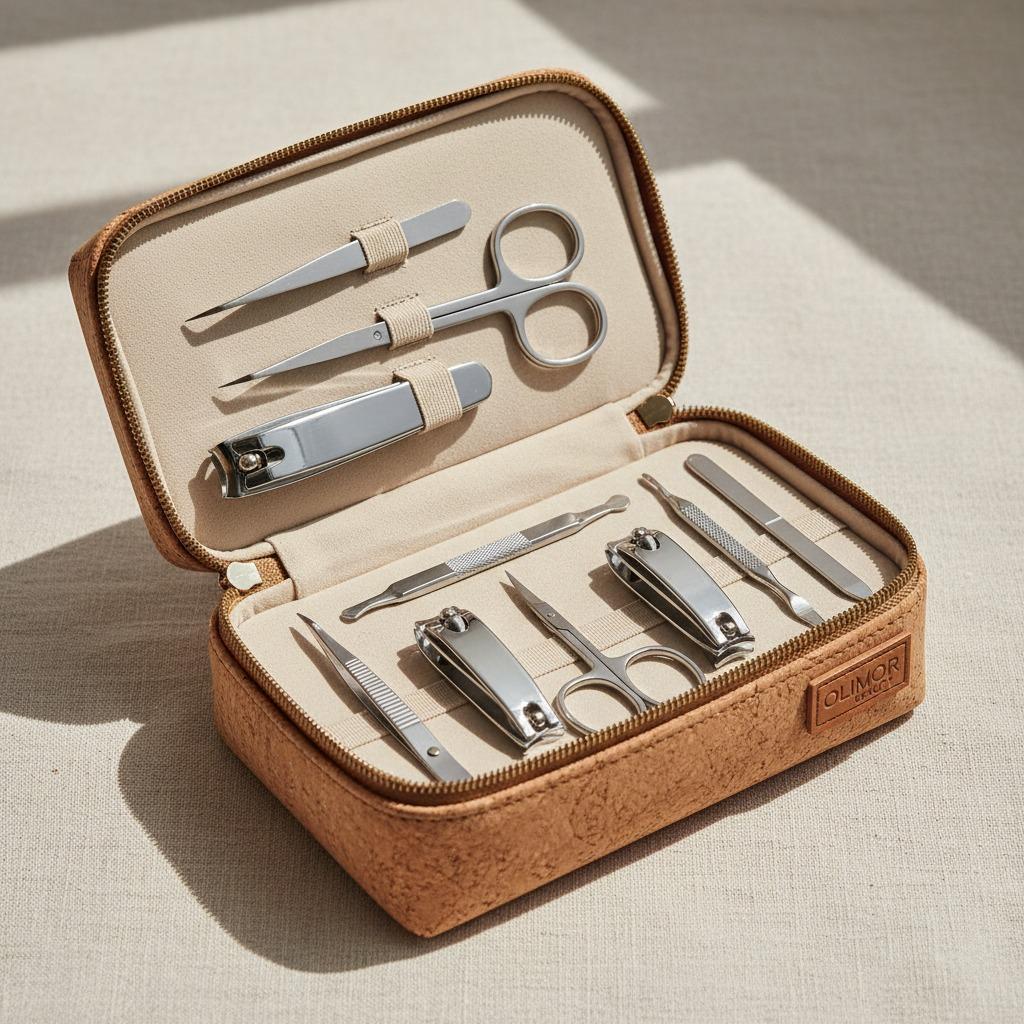
This type of review is especially valuable when building product collections that include several grooming tools. A nail clipper should visually and functionally match the quality level of related items such as tweezers, scissors, lash tools, or manicure accessories.
Manufacturing and Quality Questions Worth Clarifying
When working with a nail clipper manufacturer, buyers should ask questions that reveal process control rather than requesting only broad claims. Instead of asking whether the product is “high quality,” focus on measurable or observable points. For example, how is cutting alignment checked? At what stage is lever tension inspected? How are surface defects separated before packing? What packaging protection is used to reduce scratching during shipment?
Because product requirements vary by market, it is also important to clarify labeling, packaging artwork, barcode placement, instruction text, and any local compliance expectations before production begins. These decisions affect timelines and cost, but they also influence the final customer experience. A nail clipper may be small, yet poor packaging fit or unclear labeling can make a well-made tool look less professional on the shelf.
If your purchasing team is comparing several options, prepare a written specification sheet. Include dimensions if required for your packaging, preferred finish direction, handle design references, logo placement needs, and inspection priorities. A clear brief helps the manufacturer understand whether your priority is everyday value, premium appearance, travel convenience, retail display, or inclusion in a larger manicure set.
Use Cases: Retail, Travel, Gift Sets, and Professional Grooming
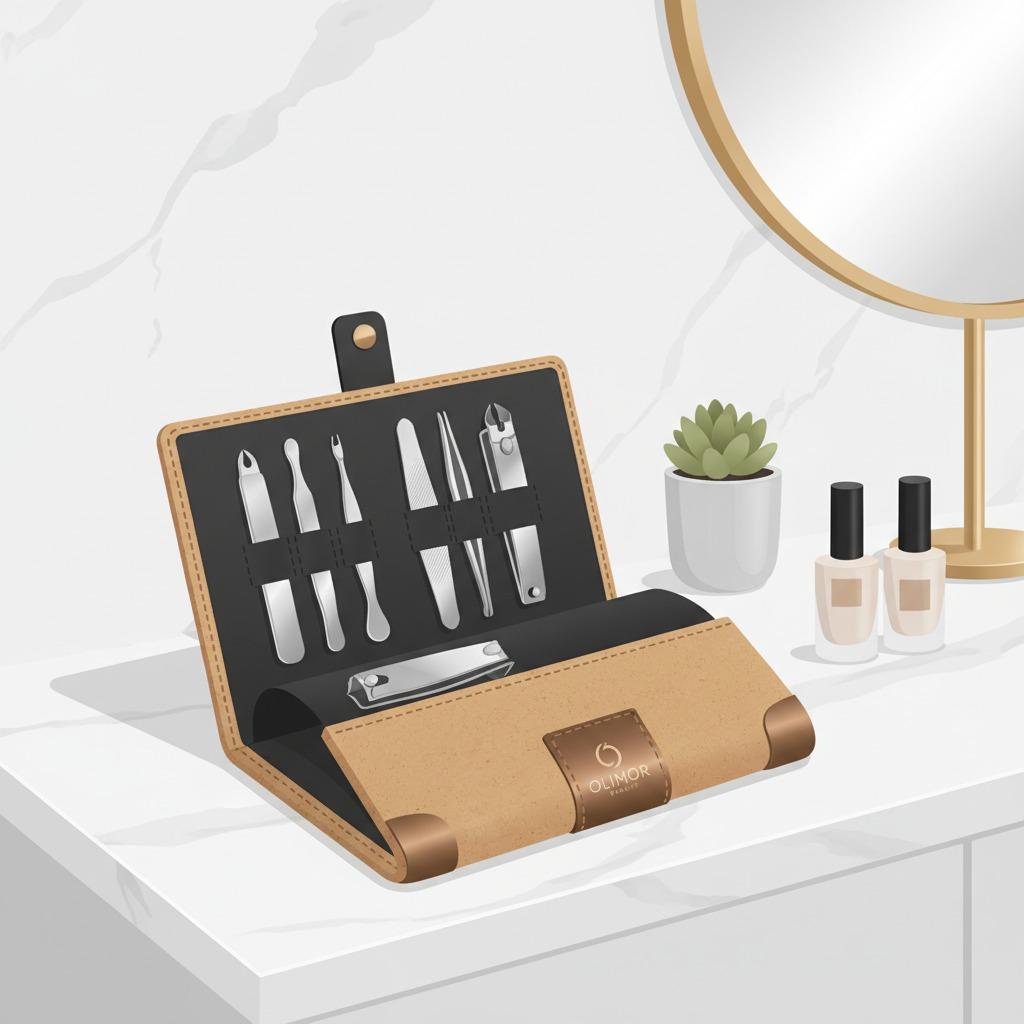
The right nail clipper design depends on how the end user will encounter the product. For retail sale, appearance and packaging presentation matter because customers compare tools quickly. The wood grain pattern and decorative handle details can help the product stand out while still remaining practical. For travel kits, compactness, safety, and secure packaging may be more important than visual detailing. For gift sets, the clipper should coordinate with other tools in color, finish, and perceived quality.
Professional grooming environments have another set of expectations. Even if a nail clipper is sold for personal use, salon and spa buyers often look for tools that feel stable, cut predictably, and are easy to handle throughout repeated use. Grip comfort, smooth lever action, and clean edges become more noticeable when the tool is used frequently.
Distributors should also consider the climate and storage conditions of their market. A product that travels through multiple warehouses needs packaging that protects both the cutting edge and the visible finish. Scratches or loose movement inside packaging can reduce customer confidence before the tool is even used.
Care and Maintenance Guidance for End Users
Good user instructions can reduce complaints and extend product life. Nail clippers should be kept clean and dry after use. Nail residue should be removed from the cutting area, and the tool should be stored away from excessive moisture. Users should avoid using nail clippers on materials they were not designed to cut, because this can damage the cutting edge or affect alignment.
For products with an adjustable screw, customers should understand that tension affects cutting feel. If the tool includes any adjustment guidance, it should be simple and cautious. Over-adjusting can affect performance, so end users should not be encouraged to force the mechanism. For retail brands, adding concise care instructions to packaging or inserts can improve the ownership experience without adding unnecessary complexity.
How Olimor Beauty Supports Better Sourcing Decisions
Olimor Beauty offers beauty tool manufacturing support for buyers who need practical grooming products with attention to usability and appearance. For this nail clipper, the visible design direction combines stainless steel construction with a contoured decorative handle, grip-focused detailing, and an adjustable screw. Those features give buyers several clear points to evaluate during sample review: cutting precision, hand comfort, tension control, and finish consistency.
If you are developing a nail care line, adding a clipper to a personal care assortment, or comparing suppliers for a grooming tool program, start with the product’s intended customer and sales channel. Then review samples with a structured checklist, confirm packaging requirements, and document the quality points that matter most to your brand. To discuss suitable options, you can contact Olimor or send an inquiry with your target use case, packaging needs, and sample evaluation priorities.