A nail clipper may look simple, but buyers know it is one of the grooming tools most likely to be judged immediately by feel. If the jaws do not meet cleanly, if the lever flexes, or if the handle is uncomfortable, the user notices within seconds. For retailers, salons, grooming kits and private-label beauty ranges, choosing the right nail clipper manufacturer is therefore less about decorative appearance and more about repeatable cutting performance, safe handling and consistent finishing.
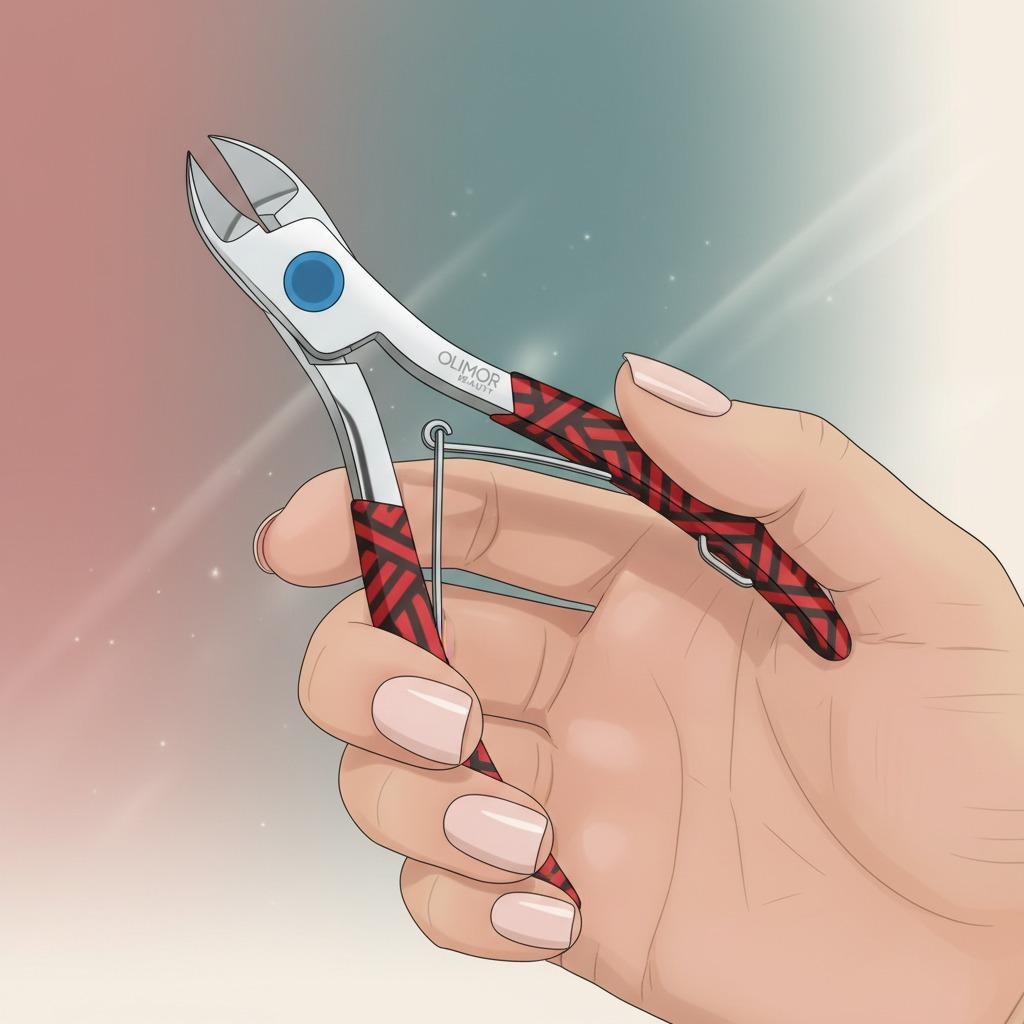
Olimor Beauty manufactures beauty tools for nail care and grooming buyers who need practical products that can sit confidently in daily-use assortments. The nail clipper shown here combines a stainless steel cutting body with an ergonomic red and black patterned handle and a blue pivot detail. Those visible design choices matter because they influence grip, leverage and the user’s perception of quality.
What Buyers Should Look for in a Nail Clipper Manufacturer
When sourcing nail clippers, the first question is not only whether the item looks attractive in a catalog. A dependable nail clipper has to perform through many trimming sessions, withstand moisture-prone bathroom storage and remain comfortable for users with different hand sizes. A manufacturer should be able to explain how the product is formed, assembled, inspected and packaged without relying on vague claims.
For an everyday stainless steel nail clipper, buyers should evaluate the relationship between the cutting jaws, the lever, the pivot and the handle. These parts work as a system. A sharp cutting edge is useful only if the pivot alignment lets the jaws close evenly. A comfortable handle helps only if the lever provides stable pressure. A premium finish is valuable only if it is consistent across production batches.
Olimor Beauty’s nail clipper design highlights several practical priorities: stainless steel construction for the main tool body, an ergonomic grip surface, a patterned red and black handle for secure handling, and a blue pivot system designed for smooth use. For buyers comparing beauty tool products, these features provide a clear starting point for sample evaluation.
Stainless Steel Construction and Cutting Performance
Stainless steel is commonly selected for nail clippers because nail care tools must resist routine exposure to water, hand oils and cleaning. Material choice alone, however, does not guarantee a good tool. Buyers should also inspect edge formation, jaw symmetry, surface smoothness and how securely the components are joined. A clipper that appears sturdy but cuts unevenly can create rough nail edges or require repeated pressure, which reduces user satisfaction.
During sample review, test the clipper on different nail thicknesses where appropriate and observe the cut. The tool should close cleanly, avoid twisting sideways and leave a reasonably smooth edge. The lever should return without sticking. The cutting jaws should meet with consistent contact, not just at one corner. These are small details, but they often separate a reliable grooming tool from a low-quality impulse item.
Finishing also deserves attention. Edges around the handle, lever and underside should not feel sharp against the fingers. The surface should be clean, with no obvious burrs, stains or uneven plating effects. For a nail clipper that may be sold in a set, pouch or countertop display, consistent appearance across units is important because customers often compare items side by side before purchase.
Why Grip Design Matters More Than It Seems
Many end users focus on sharpness, but comfort is equally important. Nail trimming requires controlled pressure, especially when trimming smaller nails or working around curved edges. A slippery or narrow grip can make the user squeeze harder than necessary, increasing the risk of uneven cuts. The red and black patterned handle on this Olimor Beauty nail clipper is not just a visual detail; it supports a more secure contact point for the fingers.
Ergonomic design should be reviewed from the perspective of different users. A salon professional may trim multiple clients’ nails in one day, while a retail customer may use the tool at home once a week. Both need stability, but their expectations differ. Professional users may value predictable leverage and easy cleaning. Home users may value comfort, appearance and simple operation. A well-balanced nail clipper should serve both without becoming bulky or difficult to store.
- Grip security: The handle should reduce slipping during downward pressure.
- Lever comfort: The top surface should feel stable under the thumb or finger.
- Control: The tool should allow small, precise cuts rather than forcing one heavy cut.
- Storage practicality: The clipper should fit easily in grooming kits, travel pouches or retail packaging.
- Visual consistency: Patterned or colored components should look uniform across samples.
The Pivot System and Lever Action
The pivot is easy to overlook, but it has a major effect on cutting feel. A loose pivot can make the jaws misalign, while an overly stiff pivot can make the clipper tiring to use. The blue pivot detail on the Olimor Beauty nail clipper provides a visible design accent and is associated with the tool’s smooth operating action. Buyers should examine this area closely during sample testing because it is central to long-term performance.
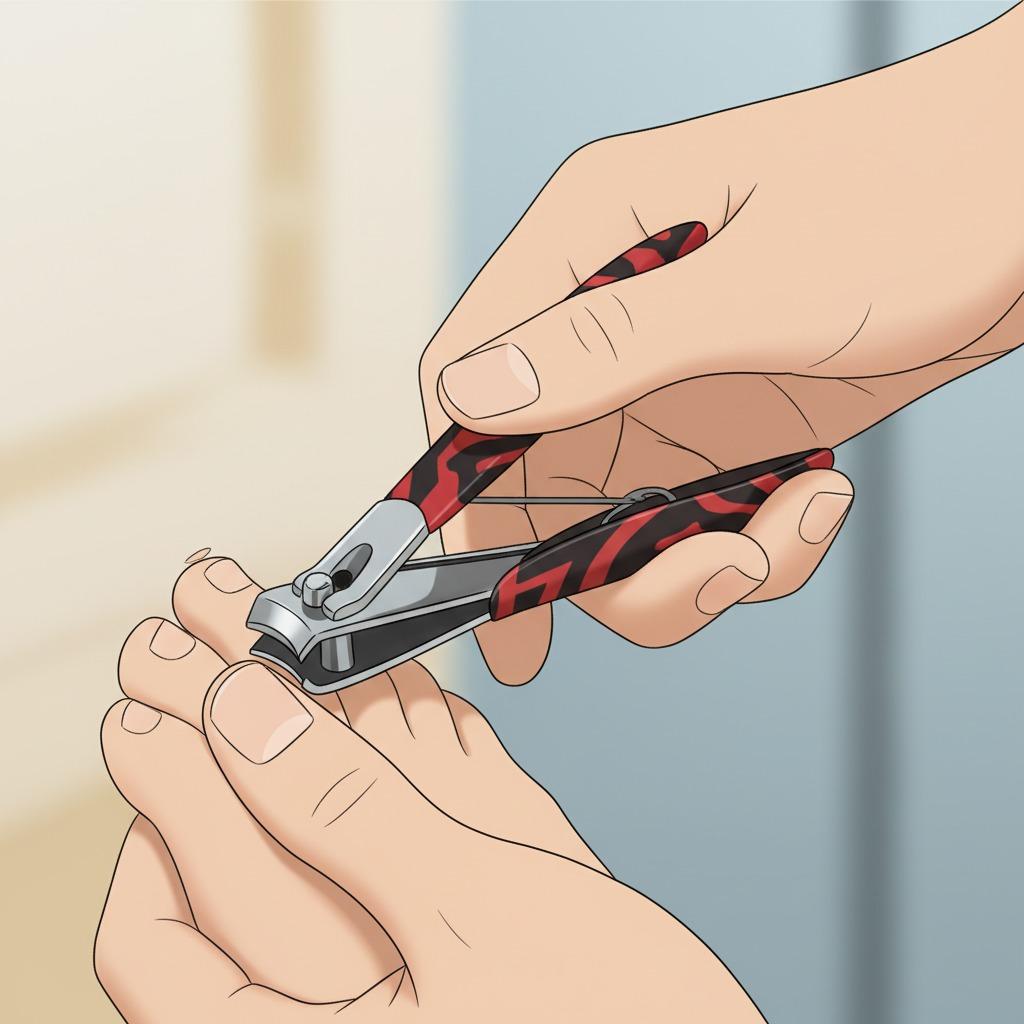
A simple test is to open and close the lever repeatedly before cutting. The action should feel controlled rather than wobbly. Next, apply trimming pressure and check whether the cutting body remains aligned. If the lever shifts sideways, the user may need more force to complete the cut. Over time, that can lead to poor reviews, returns or dissatisfaction in professional settings.
For assortment planning, pivot performance also affects perceived value. Two nail clippers can have similar materials and dimensions, yet one feels noticeably better because the lever action is smoother. Buyers building product collections should compare samples by hand rather than relying only on photos or specification sheets.
Quality Control Points Before Placing an Order
A useful sourcing conversation should include practical inspection criteria. Even when the product design is finalized, consistent production quality must be maintained from raw material selection through assembly and final packaging. Olimor Beauty emphasizes manufacturing steps and quality checks, and buyers can support that process by defining what they consider acceptable before bulk production.
The following checklist can help teams evaluate samples and pre-shipment units without requiring overly technical language:
- Jaw alignment: Check whether both sides close evenly from edge to edge.
- Cutting feel: Test whether the clipper cuts cleanly without excessive pressure.
- Lever stability: Confirm that the lever does not wobble or scrape during use.
- Handle comfort: Hold the clipper in dry and slightly damp hands to assess grip.
- Surface finish: Look for burrs, scratches, discoloration or rough corners.
- Pivot smoothness: Open and close the clipper repeatedly to check resistance.
- Packaging fit: Make sure the tool is protected and presented appropriately for the sales channel.
Retail buyers may also want to compare carton handling, barcode placement and display readiness. Salon and professional distributors may focus more heavily on cleaning access, grip stability and long-term comfort. The same nail clipper can be suitable for multiple channels, but the acceptance criteria should match the customer experience you plan to deliver.
Sourcing Nail Clippers for Retail, Salon and Grooming Kits
Different buyers need nail clippers for different reasons. A beauty retailer may want a visually appealing grooming tool that encourages repeat purchase. A salon supplier may prioritize dependable performance and easy handling. A travel kit brand may care about compact packaging and a design that pairs well with tweezers, scissors or other small accessories. Understanding the use case helps narrow the right product choice.
For retail shelves, the red and black patterned handle gives the clipper a distinct look without requiring an invented model name or overly complex presentation. For salons, the stainless steel body and controlled grip are more relevant because tools must feel reliable in repeated use. For gift sets or grooming kits, the color contrast and blue pivot detail can help the item stand out among other accessories while still remaining practical.
Before confirming a nail clipper for a program, buyers should decide whether they need a single hero item, a coordinated grooming set or several price-positioned options. Review the broader range of beauty tool products to compare how nail clippers can work alongside other grooming tools. If you are preparing a sourcing brief, you can also send an inquiry with your target channel, packaging expectations and sample evaluation priorities.
Maintenance Guidance That Improves User Satisfaction
A manufacturer can produce a well-made nail clipper, but users still need basic care habits to keep it performing well. Clear maintenance instructions are valuable for packaging inserts, ecommerce pages and customer service materials. They reduce misuse and help customers understand why a quality tool lasts longer when stored correctly.
After trimming, users should remove nail debris from the jaws and wipe the tool dry before storage. If the clipper is exposed to water, it should not be left damp in a sealed pouch. The cutting area should be kept clean, and the tool should be stored away from loose cosmetic residue that can build up around the pivot. These are simple habits, yet they can preserve smooth action and a cleaner appearance.
For professional environments, cleaning routines should follow the hygiene standards required by the business or local rules. The product page or sales material should avoid promising sterilization performance unless it has been specifically verified. A careful, factual approach helps protect buyer trust and keeps product claims aligned with what is actually known.
Build a Better Nail Care Assortment with Olimor Beauty
Choosing a nail clipper manufacturer is ultimately about reducing uncertainty. The tool should look good, but it must also cut cleanly, feel controlled and arrive with consistent finish quality. Olimor Beauty’s stainless steel nail clipper with an ergonomic red and black patterned handle and blue pivot detail gives buyers a practical example of how appearance and function can work together in a daily grooming product.
If you are comparing suppliers, start with physical samples, define inspection points and test the clipper the way your end customer will use it. Consider grip, edge quality, pivot action, finish and packaging together rather than treating them as separate decisions. For product planning support or questions about sourcing beauty tools, contact Olimor and share the details of your nail care program.