










For retailers, distributors and grooming brands, choosing a nail clipper factory is not only about finding a low unit cost. A nail clipper is a small tool, but customers judge it quickly: Does it cut cleanly? Does it feel stable in the hand? Does the finish resist slipping? Does the blade edge stay aligned after repeated use? When these details are right, the product can become a reliable repeat-purchase item in a personal care range. When they are wrong, returns and negative reviews can follow.
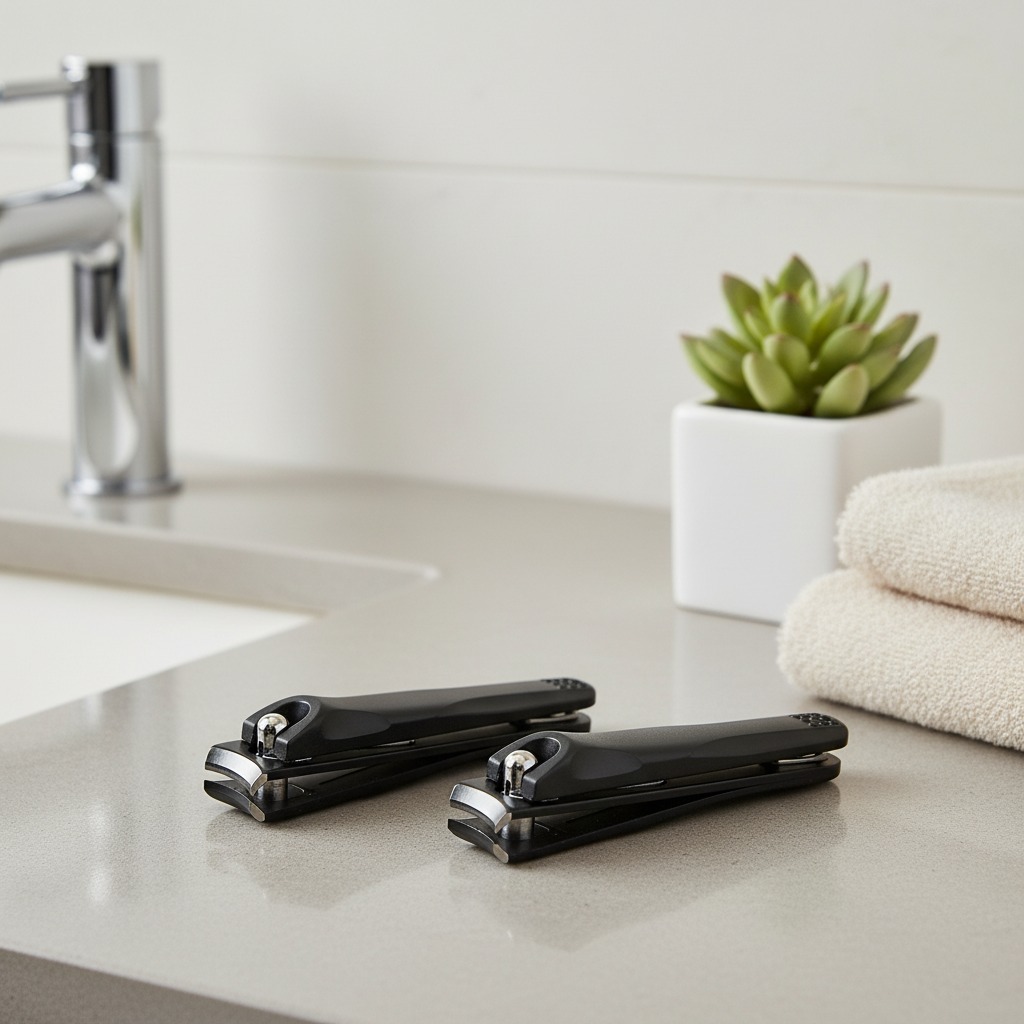
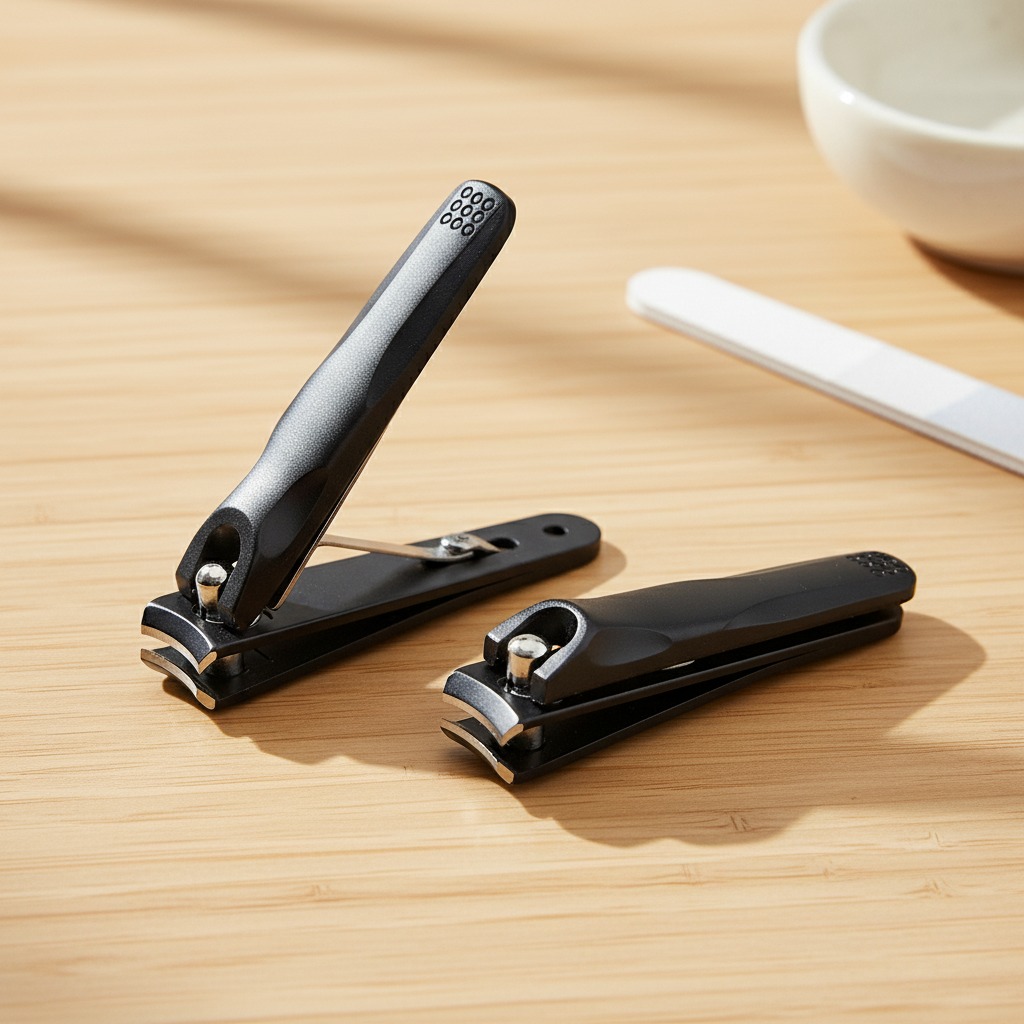
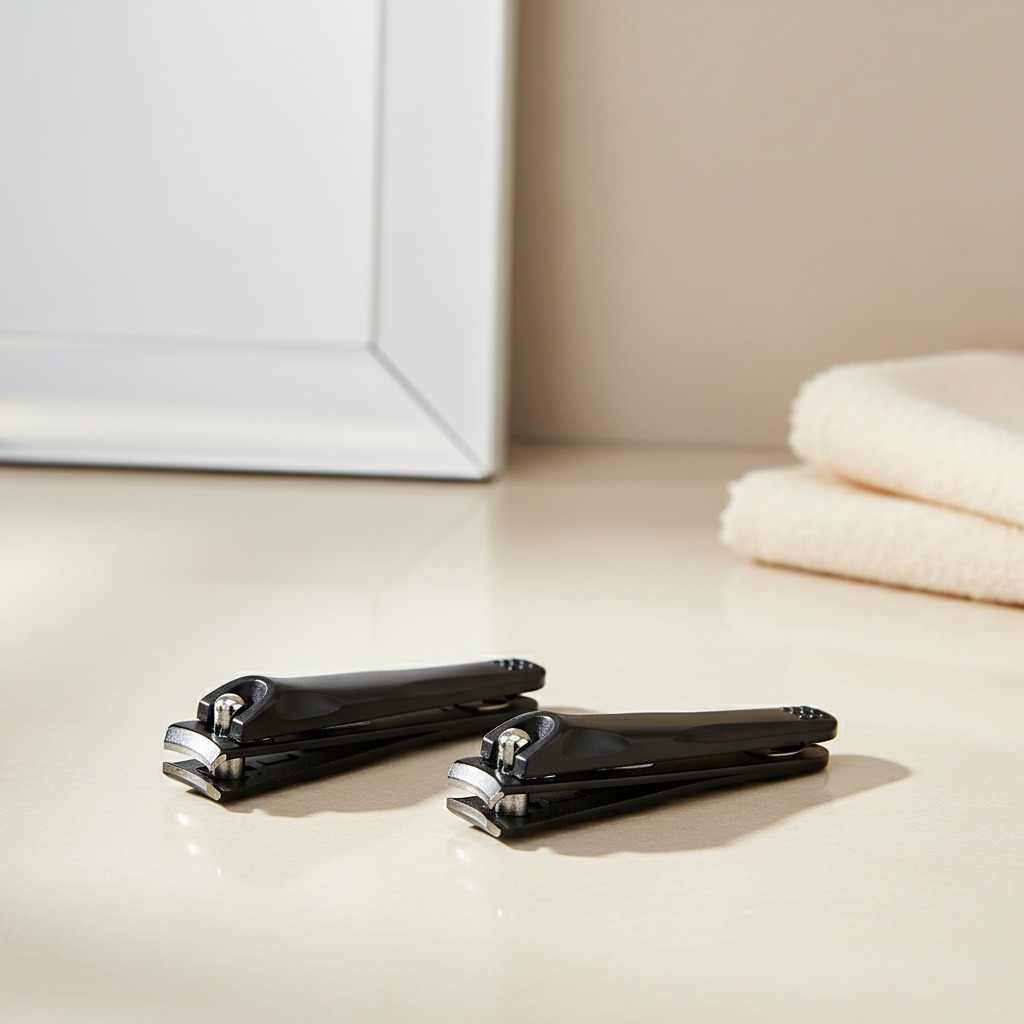
Olimor Beauty supplies stainless steel nail clippers for wholesale and OEM purchasing needs, with attention to practical design features such as ergonomic handling, curved cutting edges that follow the natural nail contour, compact portability and a matte non-slip finish. This guide explains what buyers should evaluate before placing a bulk order, how to compare factory capabilities, and which product details matter most for customer satisfaction.
What Makes a Nail Clipper Factory Worth Comparing?
A capable nail clipper factory should be assessed by the consistency of its output, not by a single sample alone. A sample may look acceptable, but a bulk order requires stable cutting performance, aligned parts, controlled finishing and packaging that protects the tool in transit. For businesses building a grooming category, the goal is to source a clipper that feels dependable across many batches.
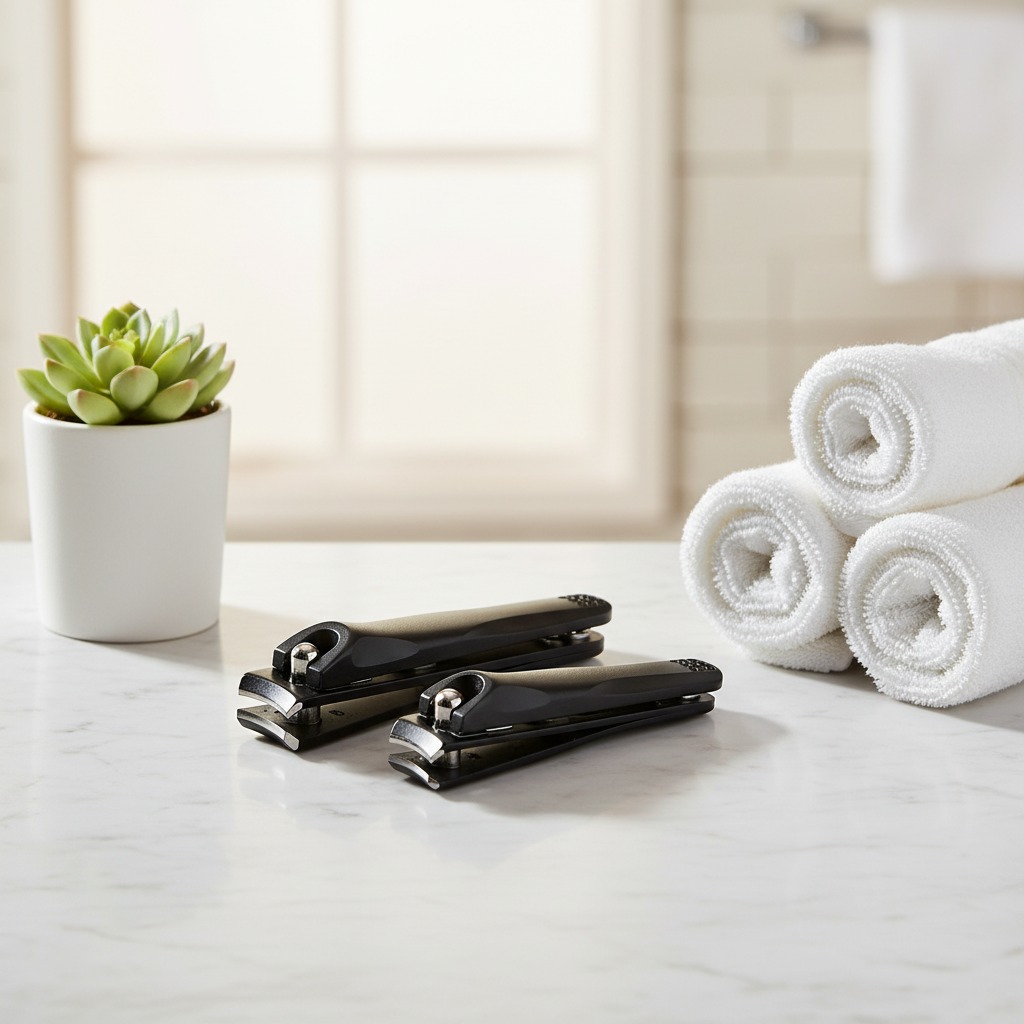
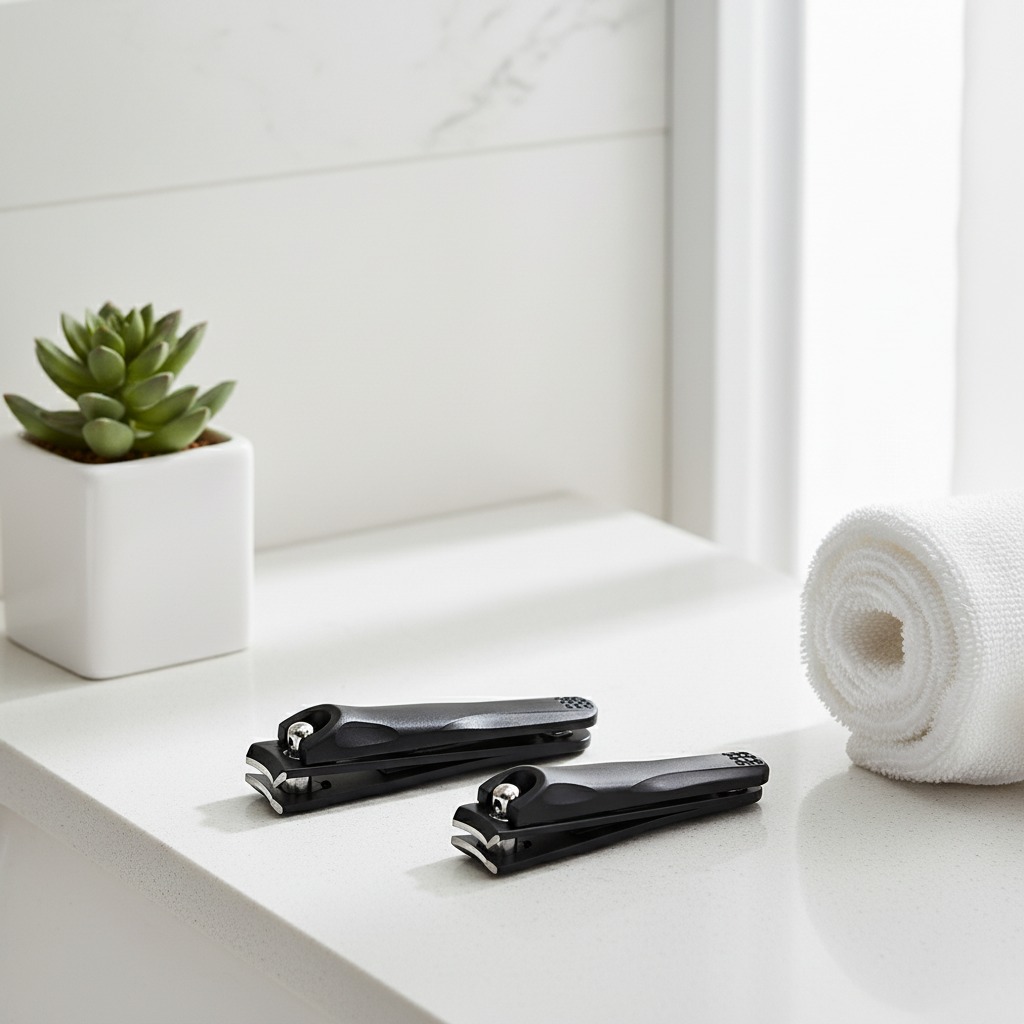
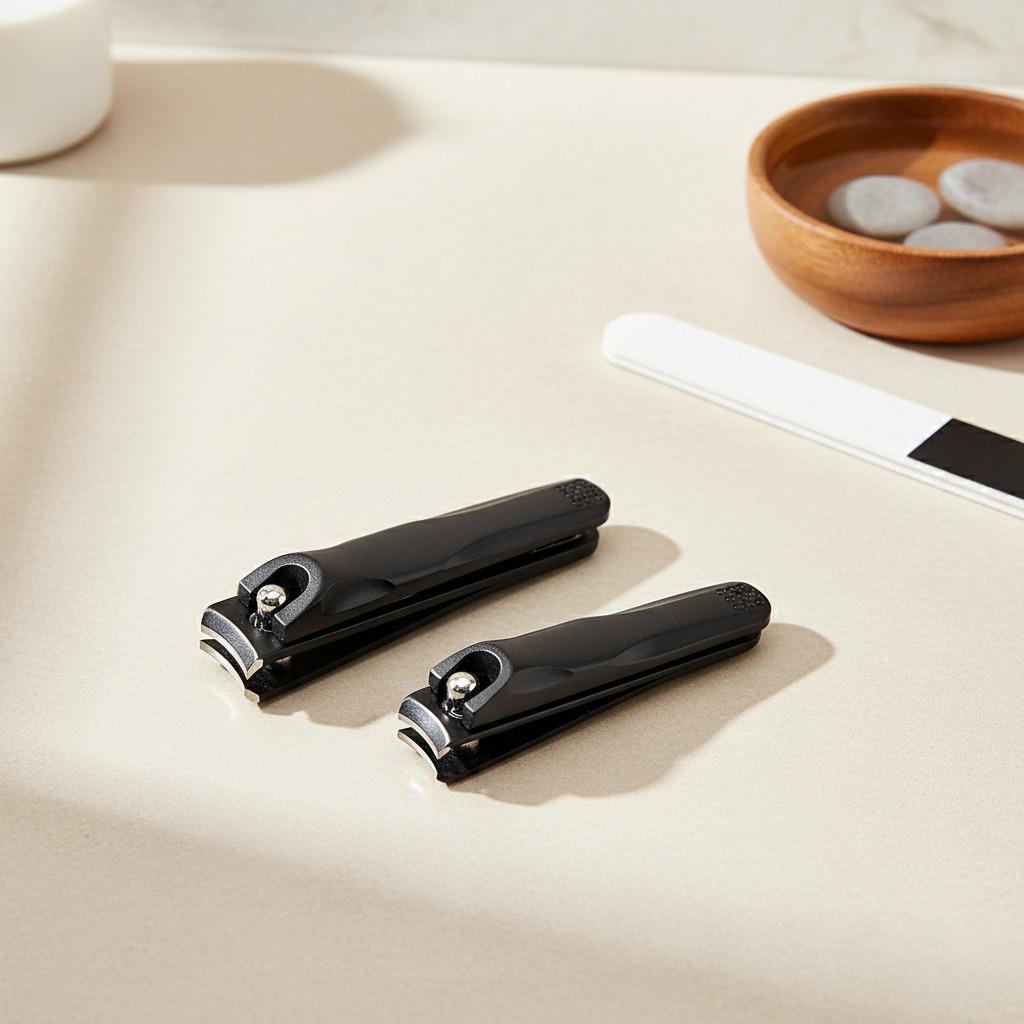
Key factory evaluation points include material control, blade formation, assembly alignment, surface finishing, final inspection and packaging handling. The original product information highlights stainless steel construction, a compact structure and a matte non-slip finish. Those features are valuable because they address common user expectations: durability, convenient storage and a secure grip during trimming.
Buyers should also consider whether the supplier can support both wholesale orders and OEM projects. Wholesale purchasing may prioritize ready-to-sell items and predictable replenishment. OEM sourcing usually requires more discussion around finish, packaging, logo placement and product positioning. If you are reviewing broader grooming options, you can also compare related beauty tool products to understand how nail clippers fit within a larger personal care assortment.
Design Details That Affect Cutting Performance
Nail clippers are simple in appearance, but several design elements influence how well they perform. The supplied product details mention sharp, curved blades designed to match the natural nail contour and help prevent splits and tears. This is an important point for buyers because many customer complaints about nail clippers come from crushing, jagged edges or uncomfortable trimming angles.
When evaluating samples, look beyond surface shine. Test how the clipper feels on different nail thicknesses, whether the lever action is smooth, and whether the cutting edges meet evenly across the full blade width. The user should not need excessive pressure for an ordinary trim. A clipper that requires too much force may feel harsh, while a weak cutting edge may bend or leave uneven results.
- Blade alignment: The cutting edges should meet cleanly without visible gaps or offset.
- Blade curvature: A curved edge can help follow the natural nail shape for more controlled trimming.
- Lever feel: The handle should press smoothly and return reliably after each cut.
- Grip security: A matte non-slip finish can help the tool feel steadier in wet or dry hands.
- Portability: Compact clippers are easier to sell for travel kits, toiletry bags and everyday carry.
For a wholesale buyer, these details should become part of the approval process. A good-looking clipper that cuts poorly will not support long-term customer trust. A plain but well-made clipper, on the other hand, can perform strongly in value, travel, pharmacy, salon or online retail channels.
Material, Finish and Handling Considerations
The original product information identifies stainless steel as the material used for the clippers. Stainless steel is widely used in grooming tools because it suits repeated handling and can be finished in ways that support a clean, professional appearance. However, buyers should avoid making assumptions about a product based only on the words “stainless steel.” The important question is whether the finished clipper meets the functional and cosmetic requirements of the intended market.
A matte, non-slip finish can be especially useful for nail clippers because the tool is small and operated with pressure. If the surface is too slick, some users may feel less control. If the surface is rough or uneven, it can look poorly finished. The best finish for your assortment depends on channel and positioning: travel sets may need a practical compact finish, while premium grooming kits may need a more refined appearance and tighter cosmetic standards.
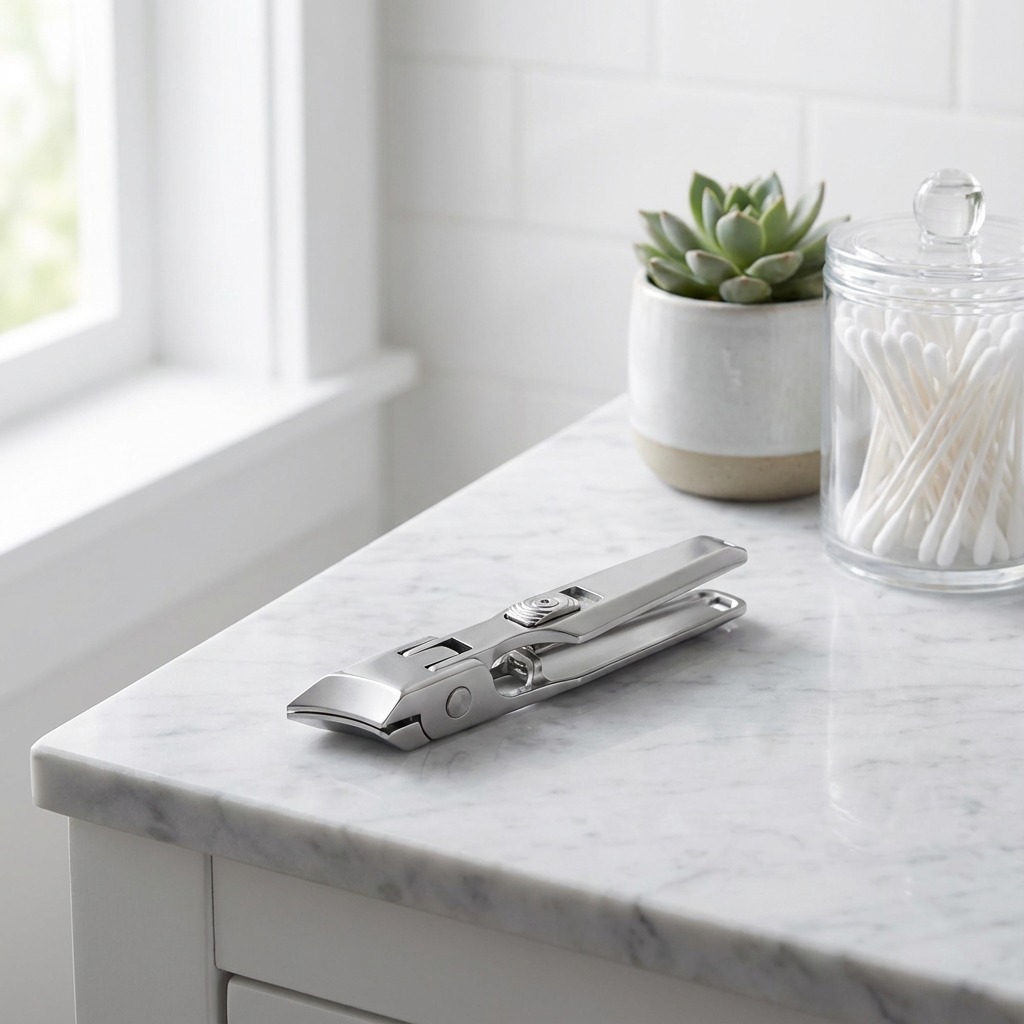
Handling also includes edge comfort. Corners, levers and contact points should not feel sharp against the fingers. The clipper should open and close without rattling excessively. If a nail file or other accessory is included in a design, it should be checked for secure placement and safe handling; if not, the core clipper still needs to feel complete and reliable as a standalone product.
Quality Checks from Raw Material to Packaging
Olimor Beauty describes quality assurance that runs from raw material inspections to final packaging. For buyers, this process matters because nail clippers have several failure points: dull cutting edges, misaligned jaws, loose levers, uneven surface finishing and packaging damage. Each stage should reduce the chance that a defective item reaches the end customer.
A practical inspection approach can be organized as follows:
| Inspection Stage | What to Review | Why It Matters |
|---|---|---|
| Material check | Surface condition, visible defects and suitability for production | Helps prevent cosmetic or structural issues before forming begins |
| Blade forming | Cutting edge shape, curvature and uniformity | Supports clean trimming and reduces inconsistent performance |
| Assembly | Jaw alignment, lever movement and overall stability | Ensures the clipper functions correctly under normal pressure |
| Finish review | Matte surface consistency, grip feel and visible marks | Affects user experience and perceived retail quality |
| Final packaging | Cleanliness, labeling readiness and protection during handling | Reduces damage and supports efficient retail or e-commerce preparation |
This type of checklist helps buyers communicate expectations clearly. It also supports better comparison between multiple suppliers because each sample and shipment can be reviewed against the same criteria.
Wholesale Nail Clipper Sourcing for Retailers and Distributors
Wholesale nail clipper sourcing is often driven by price, lead time and packaging needs, but assortment strategy should also guide the buying decision. A compact stainless steel clipper can serve several markets: daily home grooming, travel accessories, salon retail add-ons, pharmacy personal care aisles, hotel amenity sourcing or online multipack offers. Each channel may need a different balance of appearance, packaging and margin.
Retailers should think about how the product will be displayed and compared. If the clipper will be sold beside lower-priced alternatives, the non-slip finish, ergonomic feel and clean cutting performance should be easy for customers to understand from packaging or product descriptions. If the clipper is part of a grooming set, consistency with other tools matters. You can browse Olimor product collections to plan how nail clippers may fit with tweezers, manicure tools and other beauty accessories.
Distributors may also need cartons, barcodes, display-ready packaging or region-specific labeling depending on the sales channel. These requirements should be clarified before order confirmation so that product, packaging and logistics planning remain aligned. Even when the clipper itself is unchanged, packaging details can affect warehouse handling, retailer acceptance and customer presentation.
OEM Customization Without Losing Product Reliability
Nail clipper OEM projects can help a brand create a more recognizable grooming item, but customization should not compromise the core cutting function. Logo placement, finish selection, retail packaging and kit configuration may all be considered, yet the sample approval process should still begin with performance. A branded clipper that does not cut cleanly is unlikely to support repeat business.
For OEM planning, prepare a concise specification sheet. Include the intended market, preferred finish, packaging concept, logo requirements and any retail compliance needs. Also define acceptance standards for appearance and function. For example, buyers can specify that the lever action should feel smooth, the curved blades should meet evenly, and visible surface defects should be controlled within agreed limits.
It is helpful to separate “required” features from “preferred” features. Required features are essential for launch, such as stainless steel construction, compact size category, non-slip handling or a specific packaging format. Preferred features may include decorative finishes, set combinations or upgraded presentation. This prevents the project from becoming overloaded and keeps attention on the user experience.
Questions to Resolve Before a Bulk Order
Before confirming a wholesale or OEM nail clipper order, buyers should align on practical details that affect production and delivery. The following checklist can support a more efficient conversation:
- What sample approval process will be used for cutting performance, finish and packaging?
- Which product features are fixed, and which can be customized for the brand?
- How will blade alignment, lever movement and surface finish be checked before shipment?
- What packaging format is needed for retail, e-commerce, travel sets or distributor handling?
- Are there labeling, language or barcode requirements for the target market?
- How will defects, replacements or shipment discrepancies be documented and resolved?
Clear answers help reduce misunderstandings and make it easier to compare factory options fairly. They also give internal buying teams a stronger basis for approval, especially when the nail clipper will be part of a wider grooming product launch.
Building a Reliable Nail Clipper Supply Partnership
A strong nail clipper factory relationship is built on consistent quality, practical communication and a shared understanding of the end customer. Olimor Beauty focuses on stainless steel nail clippers with ergonomic handling, curved cutting blades, compact portability and quality checks from materials through final packaging. For buyers, these features provide a useful starting point for evaluating whether a clipper suits their retail or distribution plan.
If you are comparing wholesale nail clippers or preparing an OEM grooming tool project, define the product role first: entry-level daily grooming item, travel accessory, salon retail product or branded personal care tool. Then review samples for cutting quality, finish, grip, packaging and batch consistency. To discuss a sourcing plan, you can contact Olimor or send an inquiry with your target channel, packaging needs and customization goals.