











For retailers, distributors, salons, private label buyers, and grooming tool importers, a nail clipper is not a simple commodity. It is a small tool that users judge immediately: does it cut cleanly, feel stable in the hand, align correctly, and last through repeated use? A dependable nail clipper factory has to manage all of those expectations through material selection, blade geometry, assembly control, and consistent inspection.
Olimor Beauty focuses on nail clippers designed for precise trimming, comfortable handling, and reliable daily grooming. The central performance goal is cutting efficiency: the ability of the clipper to cut through the nail with controlled pressure, a clean edge, and minimal tearing or splitting. For buyers comparing beauty tool products, understanding how that efficiency is created makes it easier to select products that match the needs of home users, salon professionals, travel kits, gift sets, or retail shelves.
What Cutting Efficiency Means in a Nail Clipper
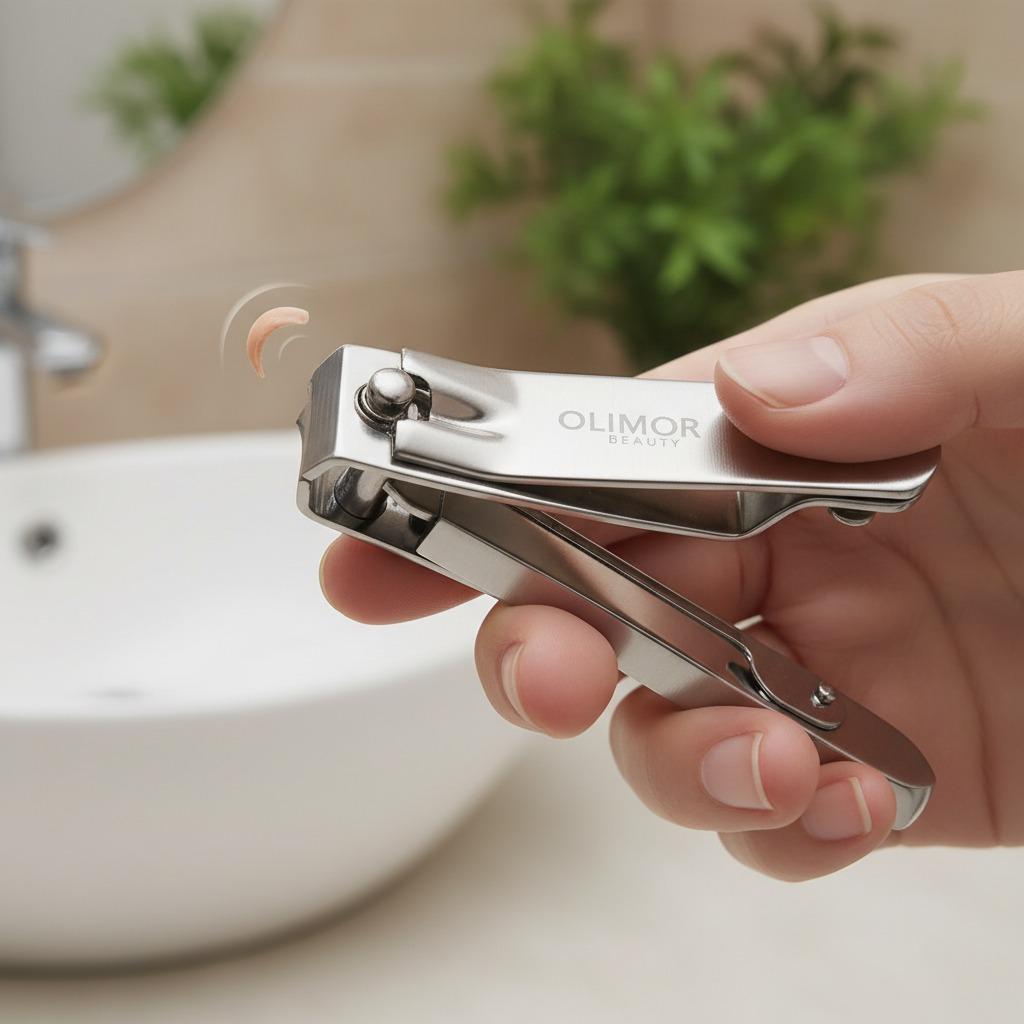
Cutting efficiency is more than sharpness. A very sharp edge can still perform poorly if the upper and lower blades do not meet evenly, if the lever flexes, or if the handle shape makes it difficult to apply pressure. In a well-made nail clipper, the user should feel a controlled snap as the blades close, followed by a clean cut line on the nail.
Efficient cutting matters because it affects both comfort and perceived quality. A clipper that crushes before it cuts may leave rough edges, especially on thicker toenails. A clipper with uneven blade contact may force the user to repeat the cut several times, increasing the chance of splitting. For retail buyers, these details can influence reviews, repeat purchases, and return rates.
When evaluating samples from a nail clipper factory, buyers should test performance on different nail thicknesses and cutting angles. Fingernail trimming, toenail trimming, corner trimming, and edge finishing can expose different strengths and weaknesses. A product intended for daily home grooming may prioritize compact size and smooth leverage, while a tool aimed at pedicure use may need a stronger bite and more stable grip.
Material and Construction Factors Buyers Should Check
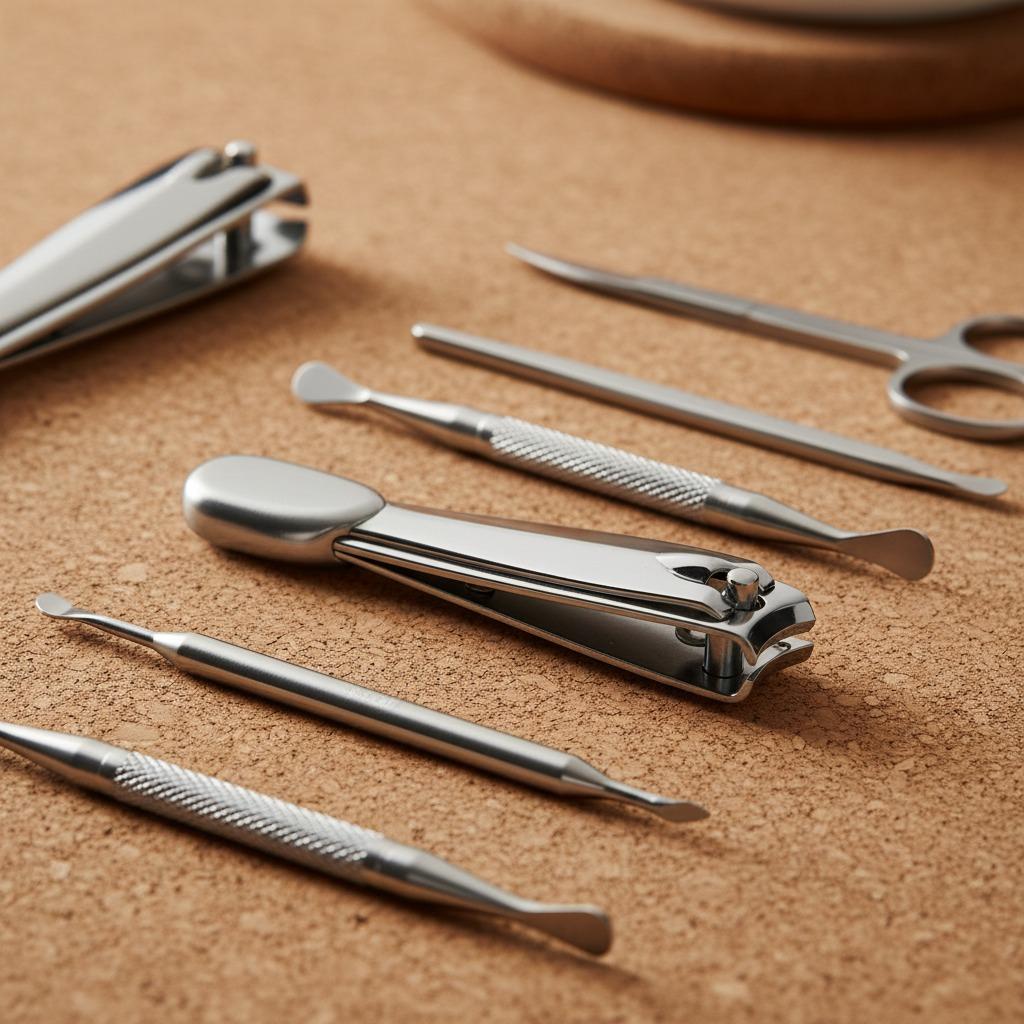
The original performance of a nail clipper starts with its metal components. Olimor Beauty’s nail clippers are described with stainless steel construction, a practical choice for grooming tools because it supports durability and easier cleaning. However, buyers should not rely on material naming alone. The real question is how the material, forming, sharpening, and assembly work together in the final tool.
A useful sourcing review should include the following points:
- Blade alignment: The cutting edges should meet evenly across the full width, without visible gaps or offset contact.
- Edge finish: The blade should feel refined, not jagged. Burrs or rough grinding marks may affect cut quality and user safety.
- Lever stability: The lever should press smoothly without excessive side movement, rattling, or unstable resistance.
- Pivot and pin control: The pivot area should hold the tool securely while still allowing easy opening and closing.
- Surface finishing: Polished or finished areas should be consistent, with no sharp corners where fingers rest.
- Grip comfort: The body shape should allow users to apply pressure without slipping or strain.
These checks are especially important when building a product line across multiple price points. A buyer may choose different sizes, finishes, or packaging concepts, but core cutting performance should remain consistent. If you are comparing options across broader product collections, keep a reference sample approved by your team so future production can be compared against a clear benchmark.
How Acoustic Testing Supports Quality Control
Acoustic testing is a useful quality control method for nail clippers because sound often reflects mechanical consistency. When a clipper closes, the sound can indicate blade alignment, vibration, looseness, and the quality of contact between moving parts. A clean, consistent clipping sound suggests that the tool is closing smoothly and transferring pressure efficiently.
This does not mean sound replaces physical inspection. Instead, it adds another layer of evaluation. A nail clipper can be visually acceptable while still feeling weak, uneven, or noisy during use. Acoustic testing helps identify differences that may not be obvious from appearance alone, especially when checking batch consistency.
In practical terms, a buyer should pay attention to whether samples from the same batch sound and feel similar. Large variation may indicate inconsistent assembly or blade contact. A harsh metallic rattle can point to loose components, while a dull crushing sound can indicate poor cutting engagement. When combined with cut testing and visual inspection, acoustic evaluation helps build a more complete view of product reliability.
A Practical Nail Clipper Sample Evaluation Checklist
Before placing a bulk order or adding a nail clipper to a grooming range, create a simple inspection routine. The goal is not to overcomplicate the process, but to make sure every stakeholder is judging the same features. This is particularly useful for private label buyers, import teams, and distributors reviewing samples from several factories.
| Inspection Area | What to Look For | Why It Matters |
|---|---|---|
| Cutting edge | Even blade contact, no visible gaps, no rough burrs | Supports clean trimming and reduces nail splitting |
| Lever action | Smooth pressure, controlled rebound, stable movement | Affects comfort and perceived quality |
| Sound during use | Consistent snap without rattling or harsh vibration | Helps reveal alignment and assembly consistency |
| Body finish | Clean surface, comfortable edges, consistent appearance | Improves user confidence and retail presentation |
| Packaging fit | Tool secured, finish protected, labeling space suitable | Reduces damage risk and supports shelf display |
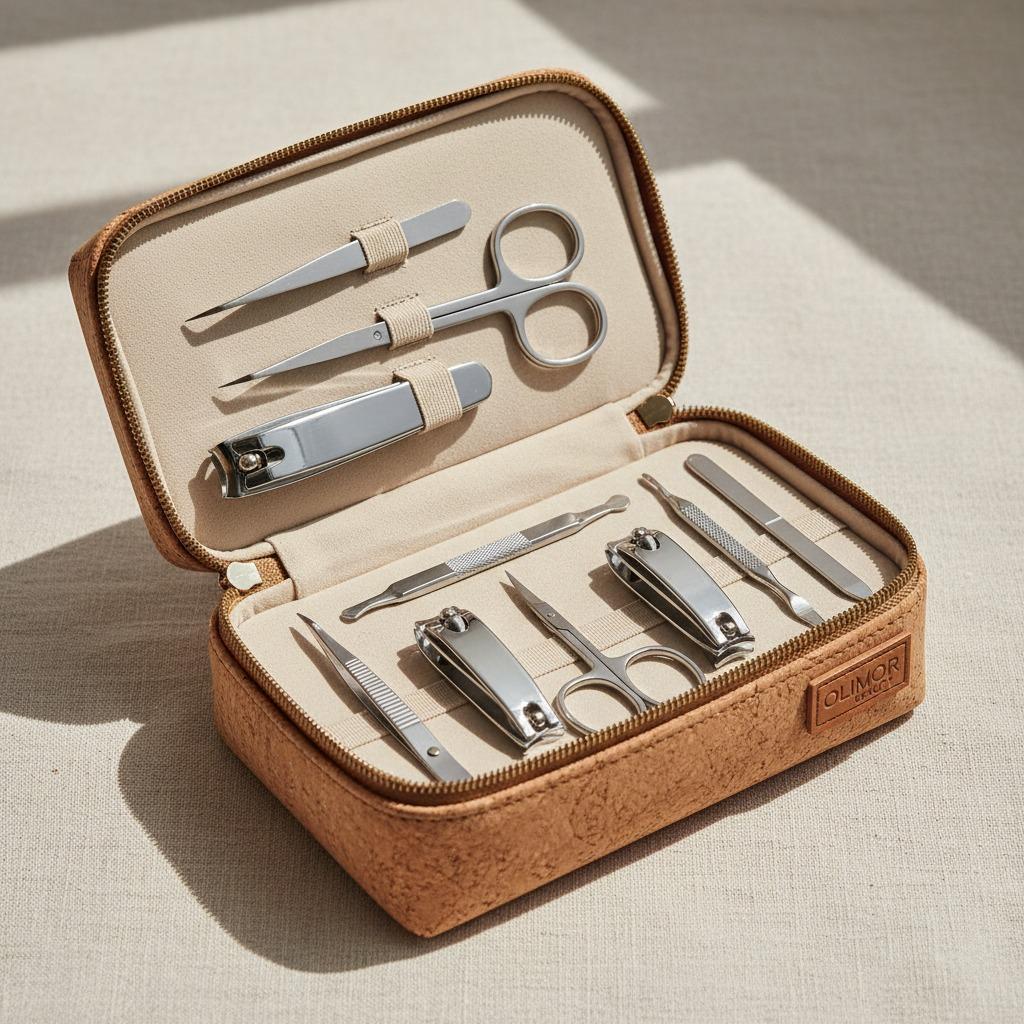
Testing should include repeated use, not just a single cut. Open and close the clipper many times, try different nail positions, and compare several pieces from the same sample lot. If a product is intended for travel kits or gift sets, also check how it sits in packaging and whether the user can remove it easily without scratching the finish.
Matching Nail Clippers to Different Buyers and Use Cases
A nail clipper factory should be able to support different market needs without losing sight of core performance. The right product choice depends on the final user and sales channel. A compact clipper may be suitable for travel grooming sets, promotional kits, or convenience retail. A larger clipper with stronger leverage may be better for pedicure-focused assortments. A refined finish and smoother operating feel may be more important for premium personal care sets.
For salon and professional use, repeated handling becomes a major consideration. The clipper should be easy to clean, comfortable during frequent use, and predictable from one cut to the next. For mass retail, packaging clarity and consistent appearance may be just as important as technical performance because many customers make a purchase decision without testing the tool first.
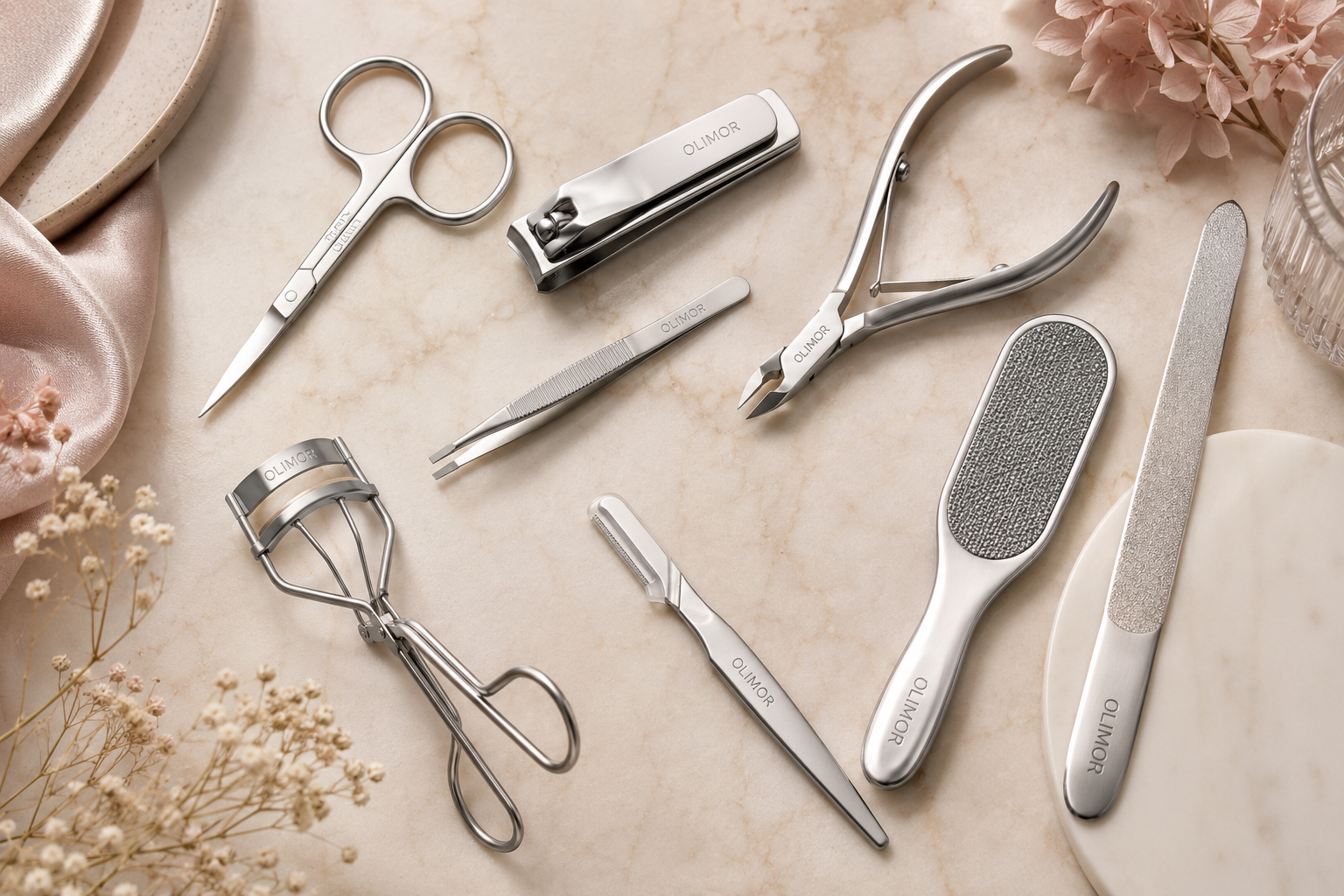
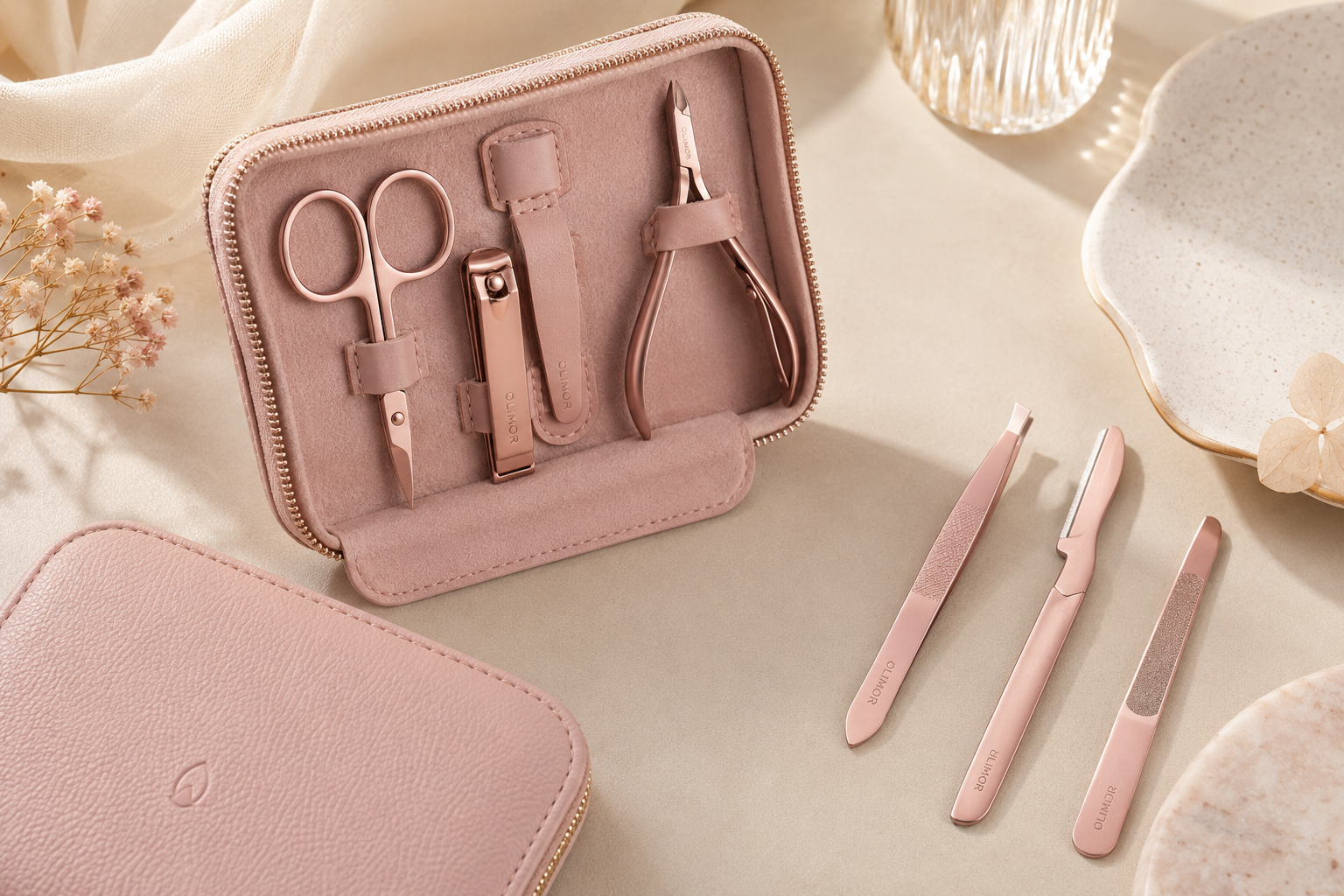
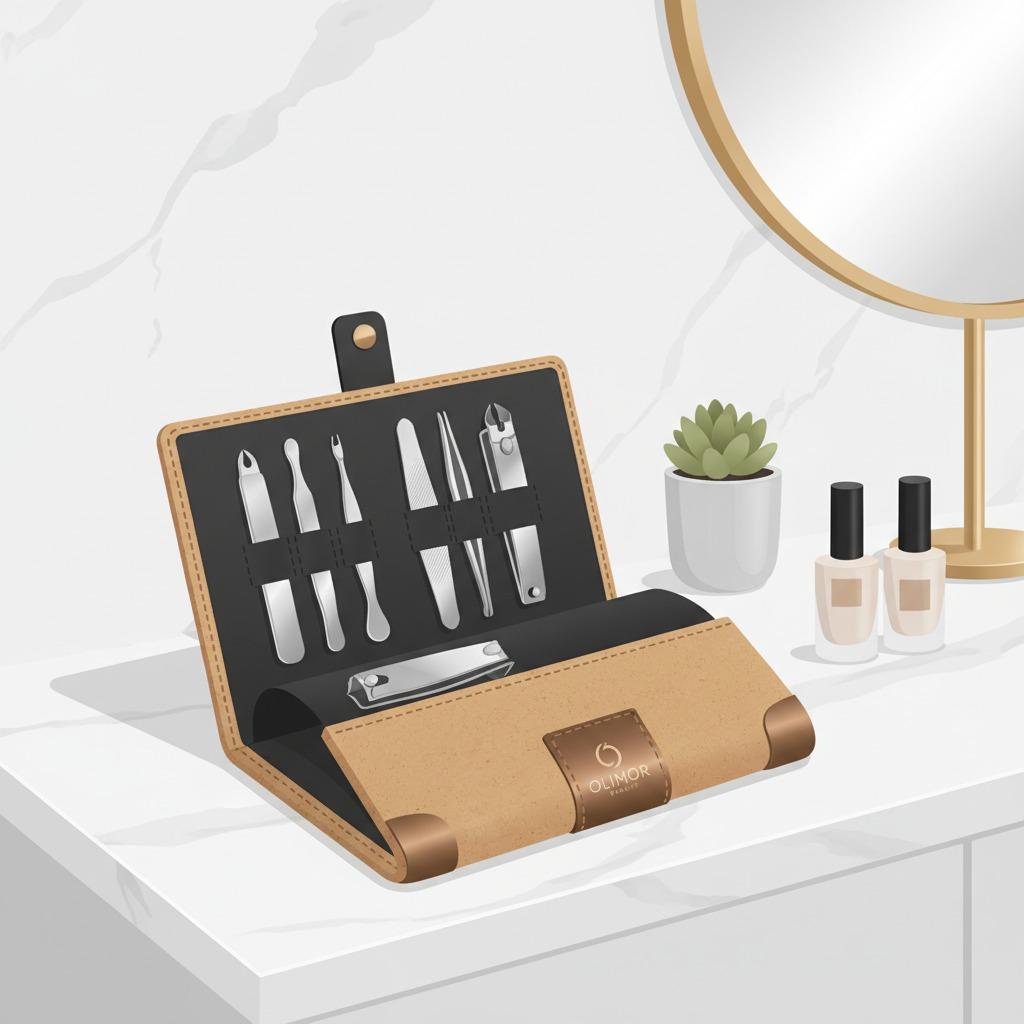
When planning an assortment, consider whether the nail clipper will be sold alone or alongside files, tweezers, scissors, or other grooming accessories. A consistent look across tools can make a set more attractive, but the clipper still has to perform well as the central cutting item. Buyers developing a new range can send an inquiry with their intended channel, packaging direction, and target user so the discussion stays focused on the right selection criteria.
Quality Assurance From Raw Materials to Packaging
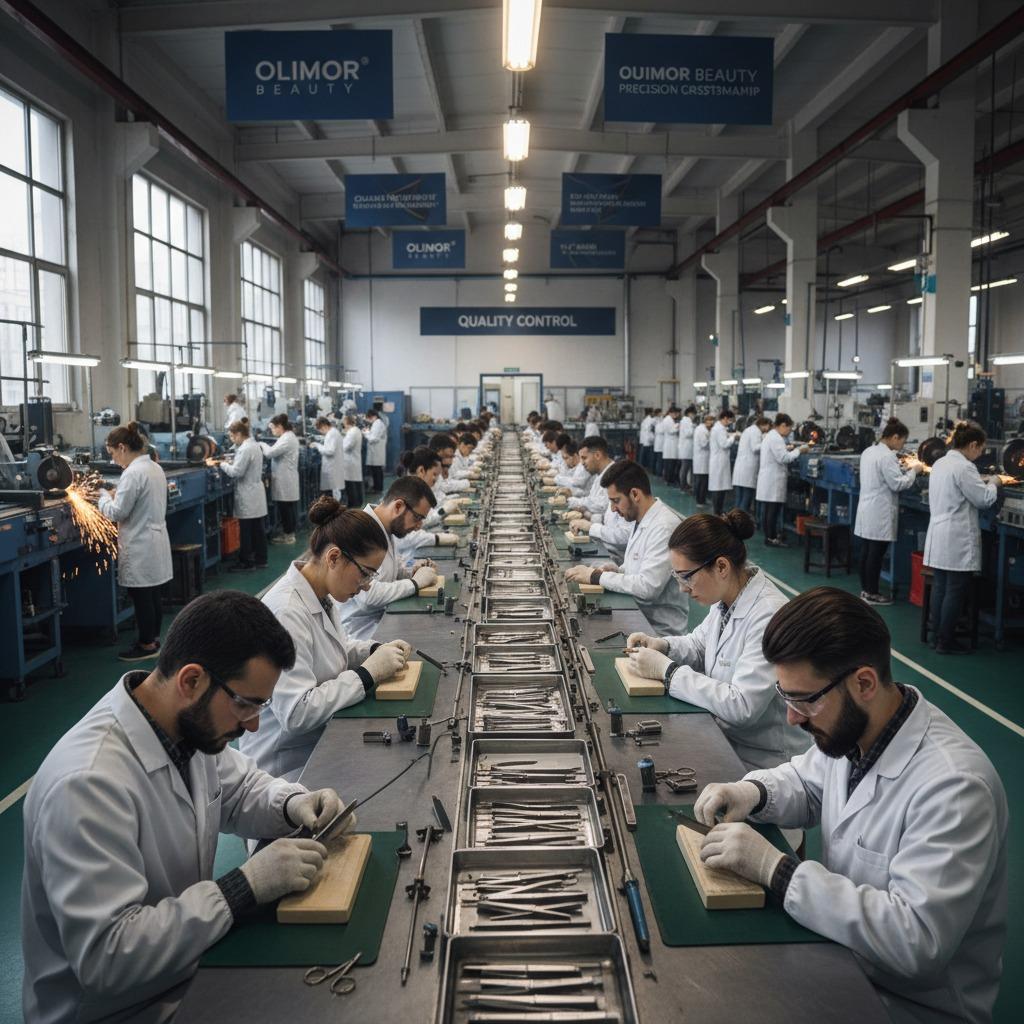
Reliable nail clipper production depends on controls at each stage. Raw material review helps confirm that the components are suitable for the intended tool. Forming and sharpening processes influence blade geometry. Assembly determines how smoothly the lever, pin, and cutting edges work together. Final inspection checks both function and appearance before packing.
Packaging should not be treated as an afterthought. A clipper can leave the factory in good condition but arrive with scratches or movement marks if it is not held securely. For buyers selling through online channels, packaging also needs to protect the product during parcel shipping. For shelf retail, the display format should communicate the size, intended use, and finish clearly.
Documentation and approval samples are also important. Keep clear records of the approved product appearance, packaging artwork, and functional expectations. This helps prevent confusion when reordering, especially if small adjustments are made to finish, packaging, or assortment structure.
Questions to Clarify Before Choosing a Nail Clipper Factory
The best sourcing conversations are specific. Instead of asking only for a low price, buyers should clarify how the product will be used, what level of finish is expected, and how performance will be checked. Useful questions include:
- What type of nail clipper size and shape is most suitable for the target user: fingernail, toenail, travel, salon, or set inclusion?
- How will blade alignment, lever movement, and cutting feel be inspected before shipment?
- Can acoustic testing or sound-based checks be included as part of batch evaluation?
- What packaging structure best protects the finish during storage and transport?
- How should approved samples be maintained for comparison during repeat orders?
These questions help both sides focus on performance rather than vague descriptions. They also reduce the risk of choosing a product that looks acceptable in photos but does not match the user’s cutting expectations.
Choosing Olimor Beauty for Nail Clipper Sourcing
Olimor Beauty’s approach to nail clippers centers on stainless steel construction, ergonomic handling, cutting efficiency, and quality checks that include attention to acoustic performance. For buyers, the value lies in understanding how these elements affect the final user experience: a smoother press, cleaner trim, and more consistent feel across products.
If you are developing a grooming range, comparing nail clipper options, or reviewing tools for retail and professional channels, start with the performance details that customers notice first. Evaluate how the clipper cuts, how it sounds, how it feels in the hand, and how consistently it is finished. To discuss product direction or selection needs, contact Olimor with your market, packaging goals, and expected use case.