










A nail clipper is a small grooming tool, but it affects nail comfort, finished appearance, hygiene, and the perceived quality of a manicure set or retail beauty assortment. A good clipper should cut cleanly without crushing the nail, feel controlled in the hand, and be simple to clean after use.
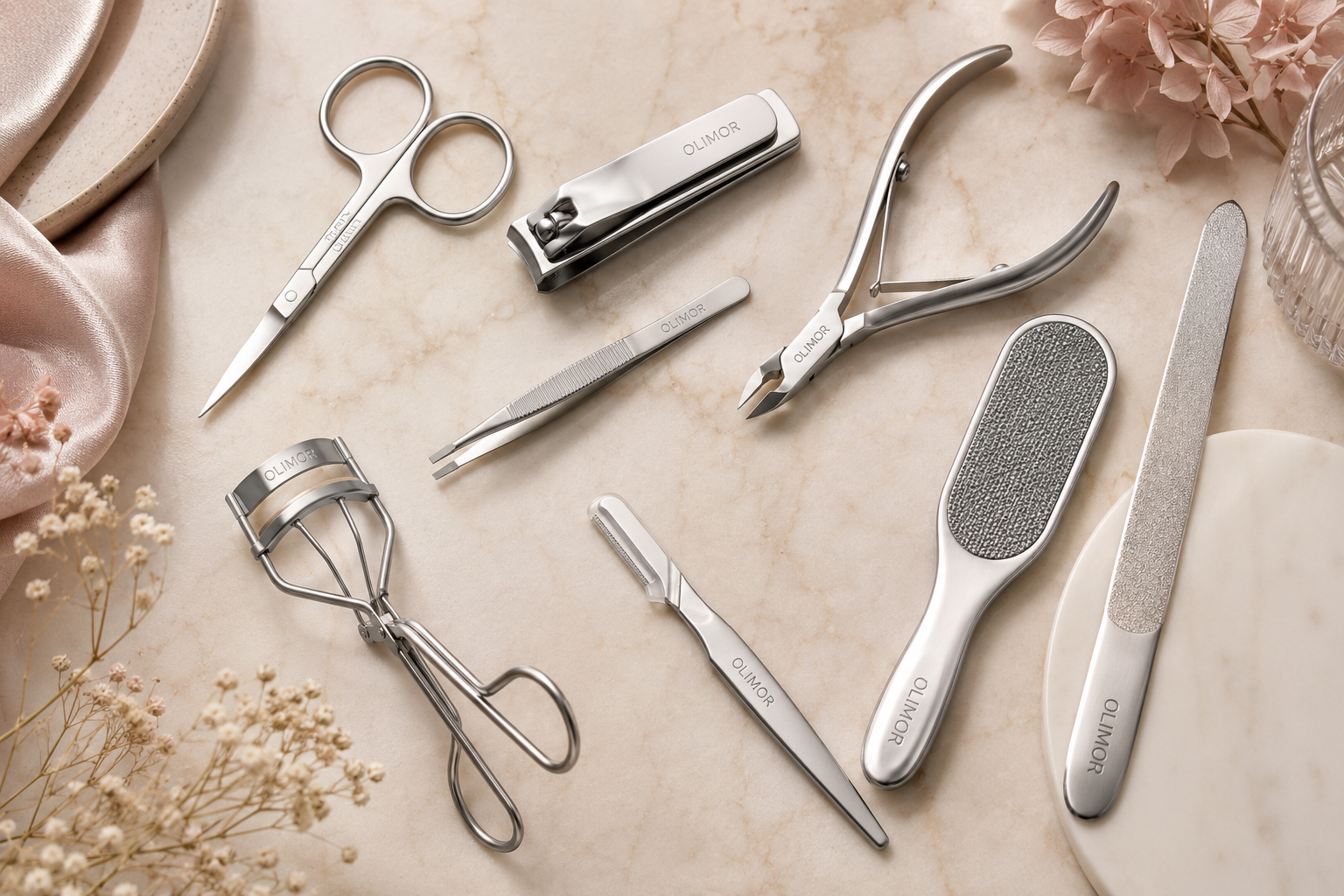
For home users, travel kits, salons, spas, hotels, and beauty retailers, the main buying question is straightforward: will this stainless steel nail clipper deliver a predictable trim and remain easy to maintain through repeated use? Olimor Beauty offers beauty tools for daily grooming needs, and buyers reviewing beauty tool products should evaluate nail clippers by material, cutting action, ergonomics, finish, cleaning access, packaging fit, and supplier communication rather than appearance alone.
What a Nail Clipper Needs to Do Well
A nail clipper has one primary job: to remove nail length with control. If the blades do not meet evenly, the tool may bend or tear the nail before it cuts. If the lever is uncomfortable or unstable, users may press too hard, clip too deeply, or leave sharp corners that need extra filing.
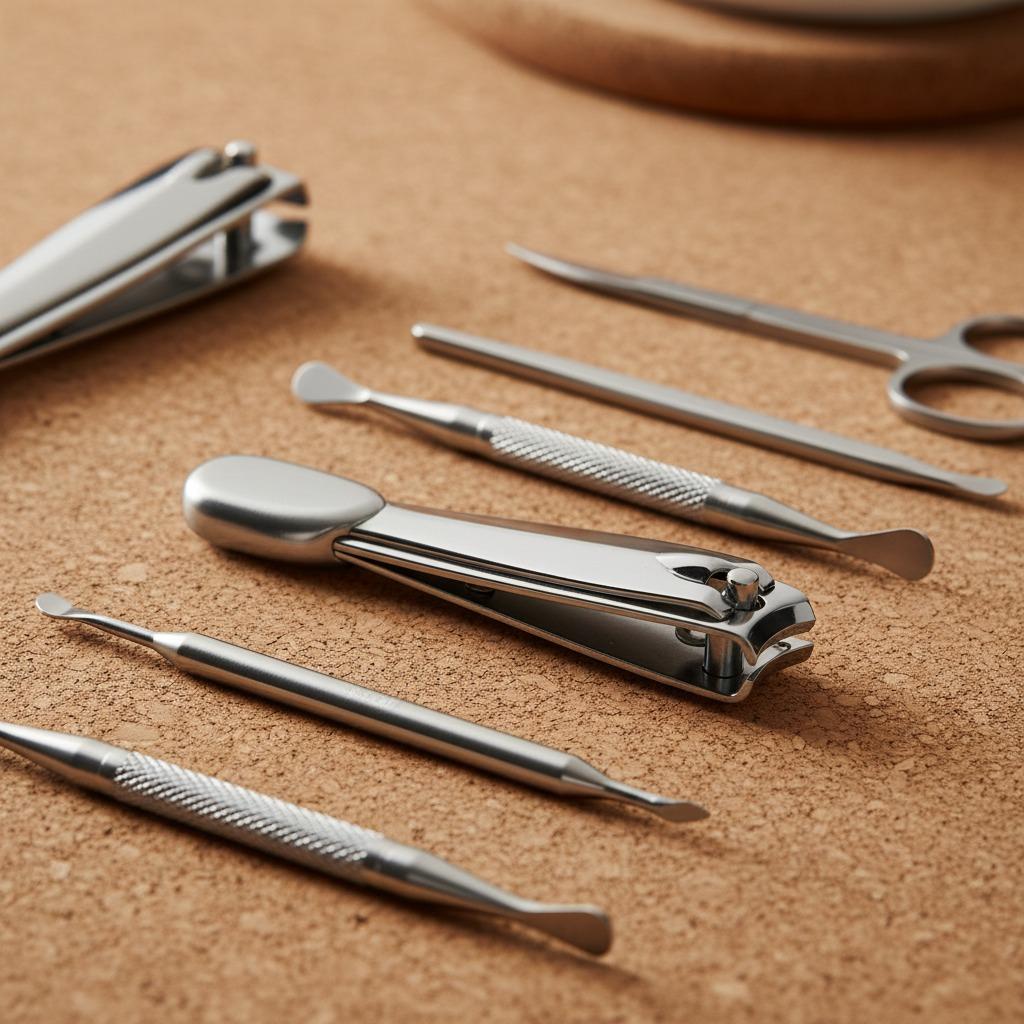
The supplied product information identifies Olimor Beauty nail clippers as stainless steel with ergonomic designs. Those two points matter because stainless steel is widely used for grooming tools that need strength, a smooth surface, and easier cleaning than porous materials. Ergonomic design matters because nail trimming is a precise task performed close to the skin. A clipper should feel steady enough for small cuts, not require an awkward grip, and not slip during use.
For a useful personal-care or B2B product, a nail clipper should support four outcomes:
- Clean trimming: the cutting edges should align well enough to cut rather than crush the nail plate.
- Controlled pressure: the lever should allow gradual force instead of a sudden snap that feels hard to manage.
- Hygienic handling: the surface and cutting area should be accessible for removing nail fragments and residue.
- Reliable storage: the tool should be easy to dry and keep separate from damp or contaminated bathroom items.
Stainless Steel, Finish, and Ergonomics: What Buyers Should Inspect
Material alone does not guarantee a good nail clipper. Stainless steel is a sensible base material for grooming tools, but buyers should still inspect how the clipper is formed, finished, assembled, and packed. Small differences in blade alignment or surface finishing can change the user experience.
When evaluating a sample, open and close the lever several times. The action should feel stable, not loose or uneven. Look closely at the cutting edges from the front and side. The edges should meet consistently across the cutting curve. Run a fingertip carefully around non-cutting areas to check for burrs, rough corners, or uncomfortable contact points. Do not touch the sharpened cutting edge directly.
The surface finish should be smooth enough to wipe clean. Areas around the hinge, pin, and blade opening deserve attention because nail dust can collect there. A highly decorative design may look attractive, but if it creates hard-to-clean recesses, it may not suit a hygiene-focused product line or salon retail environment.
Quick inspection checklist for samples
| Inspection point | What to check | Why it matters |
|---|---|---|
| Blade alignment | Edges meet evenly when closed | Helps produce a cleaner cut with less nail bending |
| Lever stability | Lever moves smoothly without wobbling | Improves control during small trimming movements |
| Grip comfort | Tool feels secure in adult hands | Reduces slipping and excessive pressure |
| Surface finish | Visible areas are smooth and consistent | Supports comfort, appearance, and easier cleaning |
| Cleaning access | Debris can be removed from blade and hinge areas | Supports hygienic use and maintenance |
| Packaging fit | Clipper is protected and instructions can be included | Helps retail presentation and user care communication |
How to Choose the Right Nail Clipper for Each Use Case
The best nail clipper depends on where and how it will be used. A personal bathroom tool, a compact travel item, a manicure kit component, and a salon retail accessory may all need different design priorities. Before selecting a model, define the target user, nail type, selling channel, and packaging style.
For at-home fingernail care, control and comfort are usually the priorities. Users often trim more frequently and may prefer a clipper that is easy to position for small cuts. For toenails, buyers should pay closer attention to leverage, grip, and cutting edge strength because toenails can require more force. The user still should not force a clipper through unusually thick, painful, discolored, or separated nails; those cases may require professional guidance.
For travel kits, compactness and protection are important. The clipper should be easy to pack without damaging other items or gathering cosmetic residue. For salons and spas, hygiene instructions and cleaning workflow matter more. For retail assortments, appearance, packaging, and clear care guidance influence the customer’s first impression.
Comparison by purchasing scenario
- Home grooming kits: prioritize comfortable leverage, smooth finish, easy cleaning, and everyday durability.
- Travel or hotel amenities: consider compact presentation, safe packaging, and simple user instructions.
- Salon retail shelves: look for a professional appearance, consistent finishing, and clear after-use cleaning guidance.
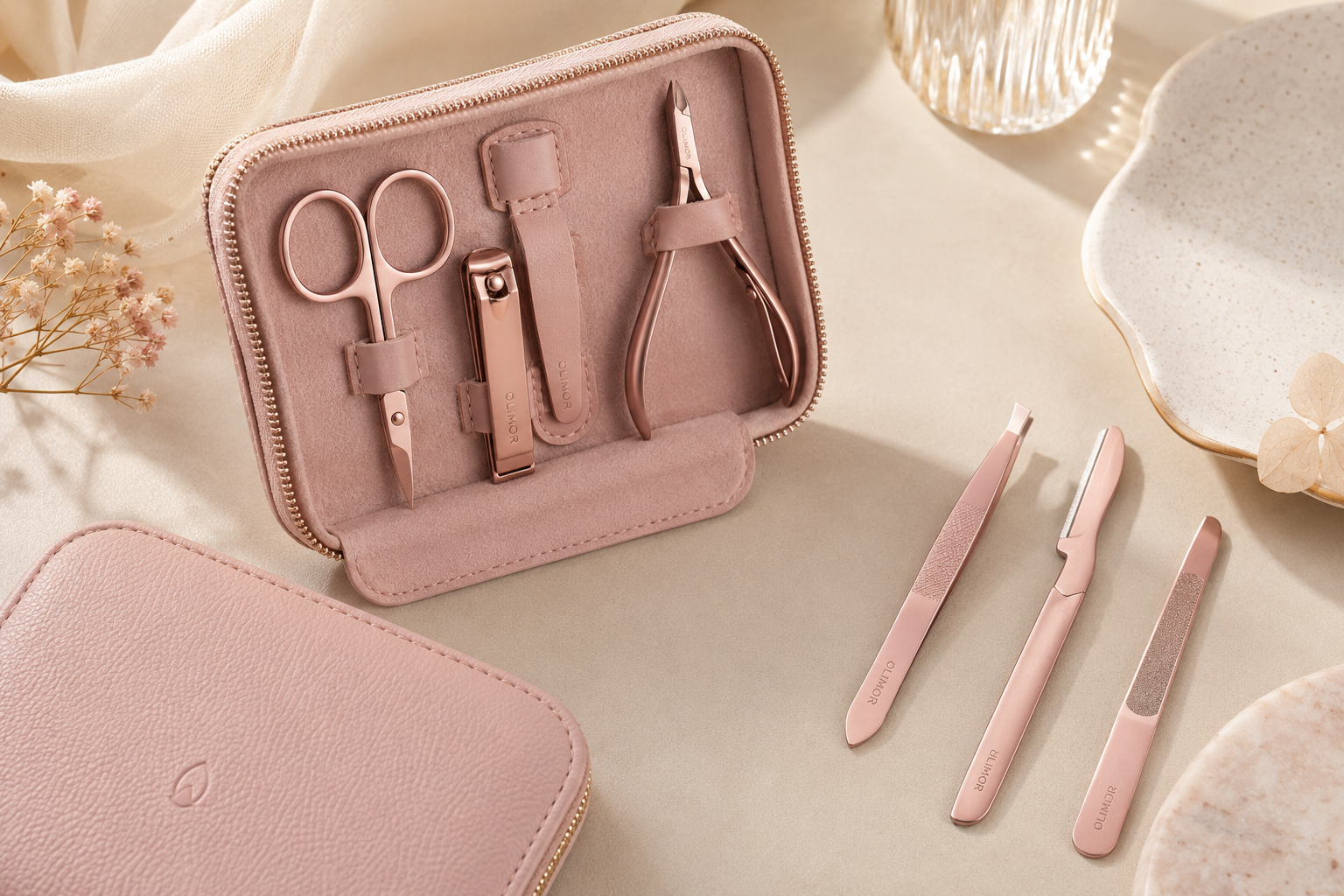
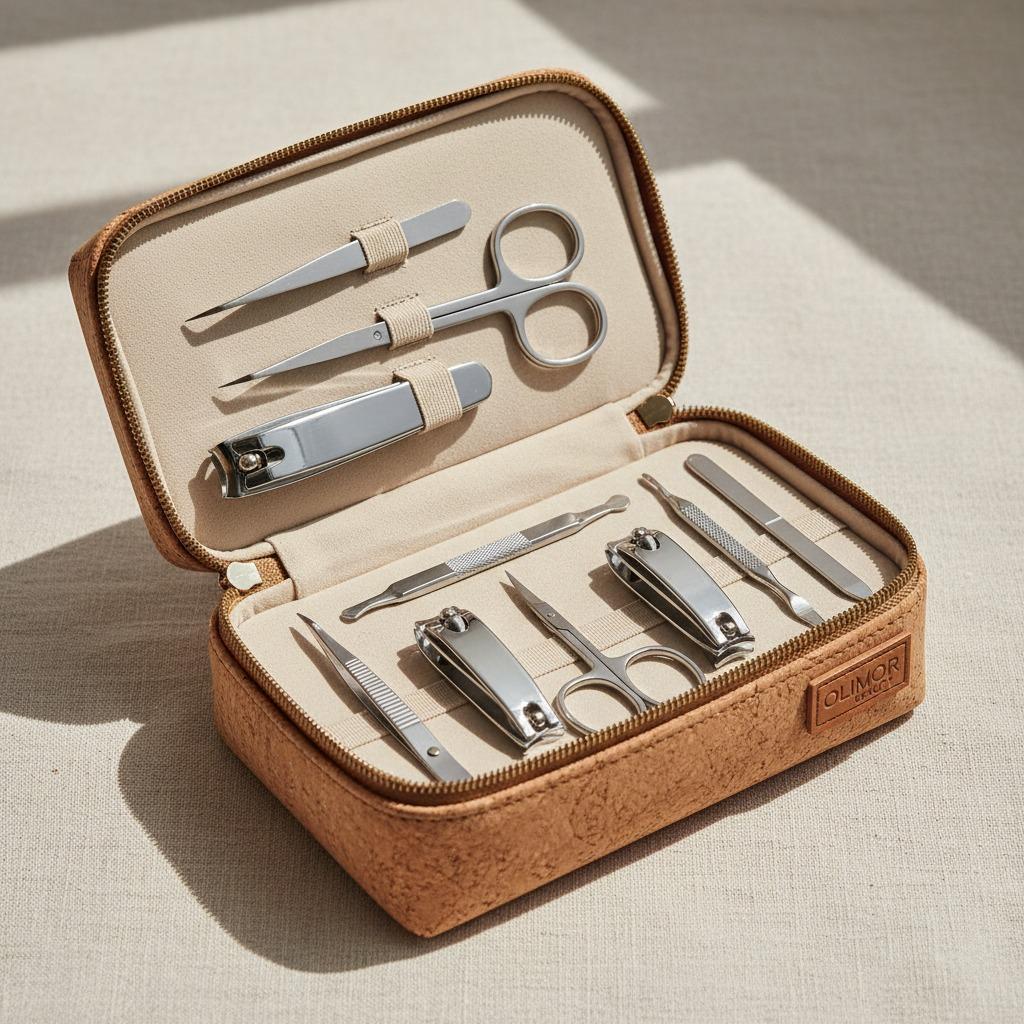
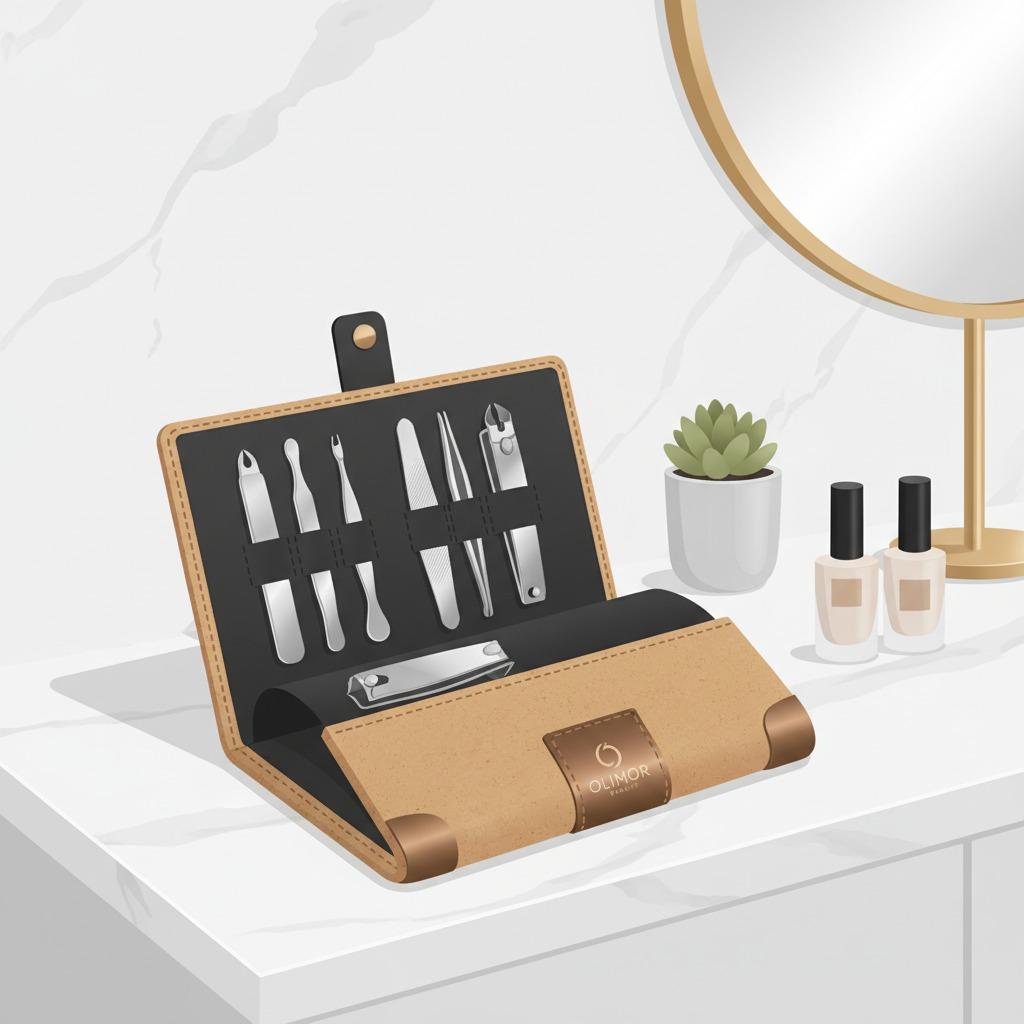
- Manicure sets: confirm the clipper size and finish coordinate with files, scissors, tweezers, or other tools in the kit.
- Wholesale assortments: request samples and compare consistency across multiple units, not just one showroom piece.
Buyers comparing nail clippers with other grooming items can review related options through Olimor Beauty’s beauty tool collections and then narrow the selection by function, finish, and packaging requirements.
How to Trim Nails Safely and Neatly
Many disappointing nail care results come from technique rather than the clipper itself. Cutting too much at once, rounding toenail corners too aggressively, or repeatedly clipping the same weak area can leave ragged edges and discomfort. A better method is to trim gradually and file lightly afterward.
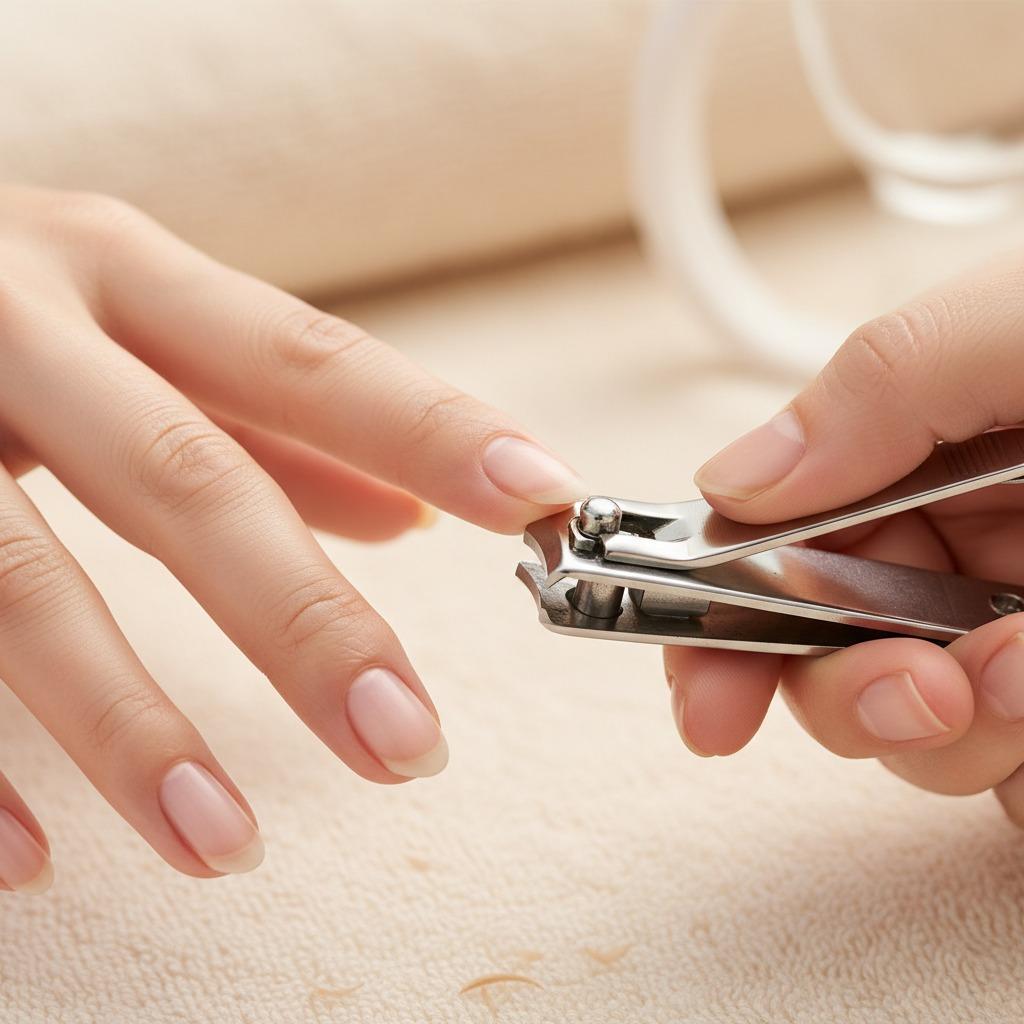
For fingernails, make several small cuts following the natural shape of the nail. Avoid cutting into the skin at the sides. For toenails, a straighter trim is often more comfortable because deeply rounded corners can encourage the nail edge to press into surrounding skin. After clipping, use a nail file to smooth sharp points instead of continuing to remove length with the clipper.
- Wash hands or feet before trimming so the nail area is clean.
- Dry the nails and surrounding skin unless the user prefers trimming slightly softened nails after bathing.
- Inspect the clipper for residue, visible damage, rust spots, or poor cutting action.
- Hold the clipper level with the nail and trim in small sections.
- Do not cut into live skin or dig into the nail corners.
- File lightly to refine the edge and reduce snagging.
- Clean, dry, and store the clipper after use.
If a nail is unusually thick, painful, infected-looking, discolored, or lifting from the nail bed, users should not force a standard clipper through it. Retailers and service providers should avoid presenting nail clippers as a solution for medical nail conditions.
Cleaning, Disinfection, and Storage
Cleaning is part of nail care. Clippers contact nail fragments, skin oils, moisture, and debris from the nail fold. If residue remains around the blades or hinge, it can affect hygiene and make the tool feel rougher over time.
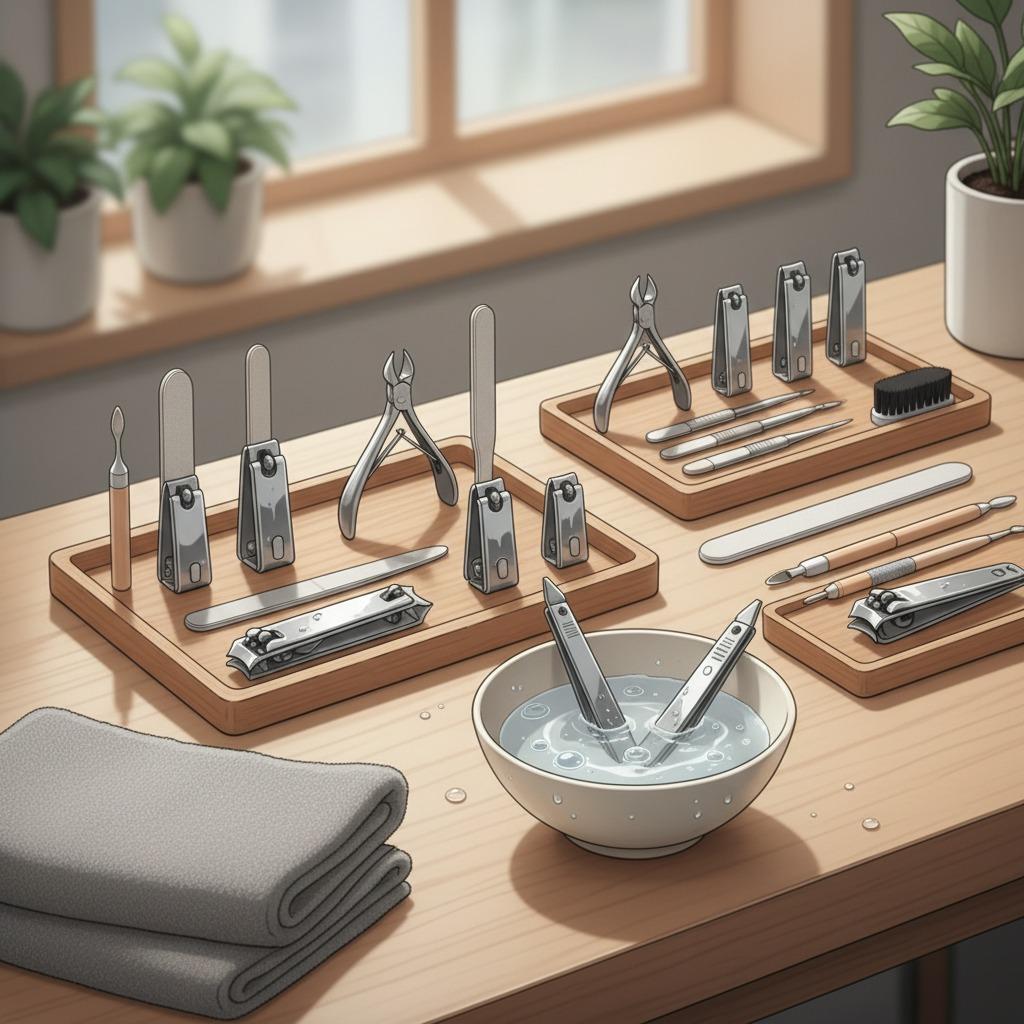
For personal use, remove visible nail fragments after each session. Wash the clipper with mild soap and warm water, paying attention to the cutting area and hinge. Rinse thoroughly, dry with a clean towel, and allow the tool to air dry before storage. Storing metal tools while damp can shorten their useful life and may encourage staining or corrosion.
Cleaning, disinfection, and sterilization are not the same. Cleaning removes visible material. Disinfection reduces many microorganisms when the correct product, concentration, and contact time are used. Sterilization is a higher-level process associated with controlled equipment and validated procedures. For shared or commercial environments, buyers and operators should follow applicable local rules and verify current requirements with relevant public bodies, such as state cosmetology boards in the United States. If using disinfectants, follow the current label directions for products regulated by authorities such as the U.S. Environmental Protection Agency, and verify suitability for the tool material.
Simple care routine
- After every use: remove nail debris from the cutting area.
- Wash: use mild soap and warm water to remove oils and residue.
- Dry completely: wipe with a clean towel and air dry before storage.
- Disinfect when appropriate: follow the product label and local hygiene rules.
- Store separately: keep the clipper in a clean pouch, case, or dry drawer away from wet surfaces.
UV devices are sometimes used in beauty environments, but they should not be treated as a substitute for removing visible debris. Their performance depends on exposure, distance, surface cleanliness, device design, and correct operation. For B2B buyers, the safest approach is to provide clear cleaning guidance with the product and avoid overclaiming what a storage box or device can do.
Maintenance and Replacement Signs
A stainless steel nail clipper can remain useful when it is cleaned, dried, and stored correctly, but it should still be replaced when performance declines. The most common signs of trouble are dull cutting edges, misalignment, rough action, loosened leverage, visible corrosion, and residue that cannot be removed from the hinge or blade area.
Users often compensate for a dull clipper by pressing harder. That can bend the nail before it cuts, leave a split edge, or make trimming uncomfortable. If the clipper no longer cuts cleanly in small sections, it is no longer performing its basic function well.
Storage habits also affect tool life. Do not leave clippers on wet sinks, shower shelves, or in cosmetic bags with damp sponges and leaking bottles. In shared bathrooms, use a small case or pouch so the clipper does not scrape against razors, hair pins, or other metal tools. Avoid dropping the tool on hard tile because blade alignment can change even if damage is not immediately visible.
Cost Factors Without Reducing the Decision to Price
For business buyers, nail clipper cost is influenced by more than the metal body. Design complexity, finishing requirements, packaging, inspection expectations, customization, order structure, and shipping method can all affect the final commercial offer. A simple low-cost clipper may suit a basic travel kit, while a retail manicure accessory may require more attention to presentation, finishing consistency, and user instructions.
Instead of asking only for the lowest unit price, buyers should compare total value. Does the sample reflect the finish expected in bulk production? Is the lever action consistent across samples? Can the supplier support the packaging format required by your retail channel? Are care instructions clear enough to reduce customer misuse? Can customization be reviewed before production? These questions help prevent mismatches between price and product expectations.
For a private label or wholesale program, provide the supplier with target market, intended use, packaging style, finish preference, and any inspection criteria you already use. If you are comparing several grooming tools for one assortment, you can contact Olimor Beauty with the product role and channel so the discussion stays practical rather than generic.
Supplier Evaluation for Retailers, Salons, and Beauty Brands
A nail clipper supplier should be evaluated on communication and consistency as well as product appearance. Strong supplier discussions are specific: intended users, preferred finish, packaging needs, sample approval, inspection points, labeling language, and care instructions should all be addressed before purchase decisions are finalized.
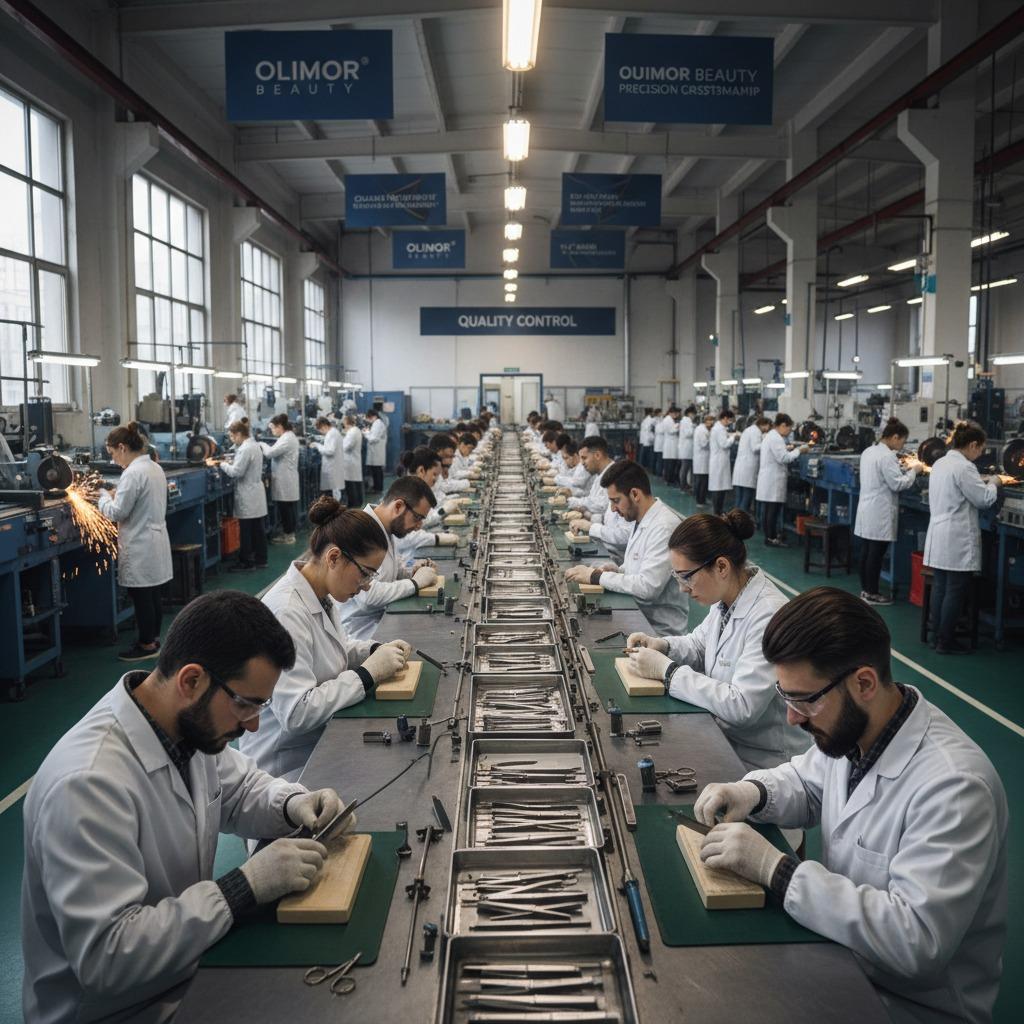
Ask whether samples are available for review, what customization options can be discussed, how packaging requirements are handled, and what quality checks are used for appearance and function. Do not rely on vague claims such as professional quality without inspecting the tool yourself. If your market requires particular documentation, request supplier documents and verify whether the current version is suitable for your sales channel and region.
Useful supplier questions include:
- Can I review a nail clipper sample before confirming a bulk order?
- Which parts of the clipper can be customized, such as finish, packaging, or branding presentation?
- How should cutting alignment, lever action, and surface finish be checked during inspection?
- Can care and cleaning instructions be included in the packaging or product information?
- What order details are needed to discuss MOQ, lead time, and quotation accurately?
When you are ready to discuss a specific product brief, share your target market, desired packaging, and quality priorities through the Olimor inquiry form.
FAQ: Nail Clipper Samples, MOQ, Customization, Quality, and Lead Time
Can I request samples before placing a nail clipper order?
Sample discussion is recommended for B2B buyers because it allows you to check grip comfort, cutting action, finish, packaging fit, and cleaning access. Contact Olimor Beauty with the intended use and market so the sample request can be reviewed appropriately.
Is there a fixed MOQ for stainless steel nail clippers?
MOQ can depend on the product style, customization, packaging, and order requirements. Buyers should request current order terms directly and avoid assuming that one MOQ applies to every nail clipper or project.
Can nail clippers be customized for retail or private label programs?
Customization may involve packaging, presentation, branding approach, or finish preferences, depending on the selected product and production requirements. Provide a clear brief so feasibility can be confirmed before quotation or sampling.
How should buyers evaluate nail clipper quality?
Check blade alignment, lever stability, cutting feel, surface finish, smooth non-cutting edges, cleaning access, and packaging consistency. For commercial orders, define these inspection points before approval so both buyer and supplier understand expectations.
How are lead time and delivery confirmed?
Lead time should be confirmed during quotation because it can vary by product, order quantity, customization, packaging, and shipping arrangement. Ask for current production and delivery details based on your exact project instead of relying on general estimates.
Key Takeaway
A dependable nail clipper is built around clean cutting, comfortable control, easy cleaning, and practical storage. Stainless steel construction and ergonomic design are useful starting points, but buyers should still inspect blade alignment, lever action, finish, packaging, and supplier support. Whether the clipper is for home grooming, a salon retail shelf, a travel kit, or a private label beauty program, the right choice is the tool that trims predictably, cleans easily, and fits the way the customer will actually use it.