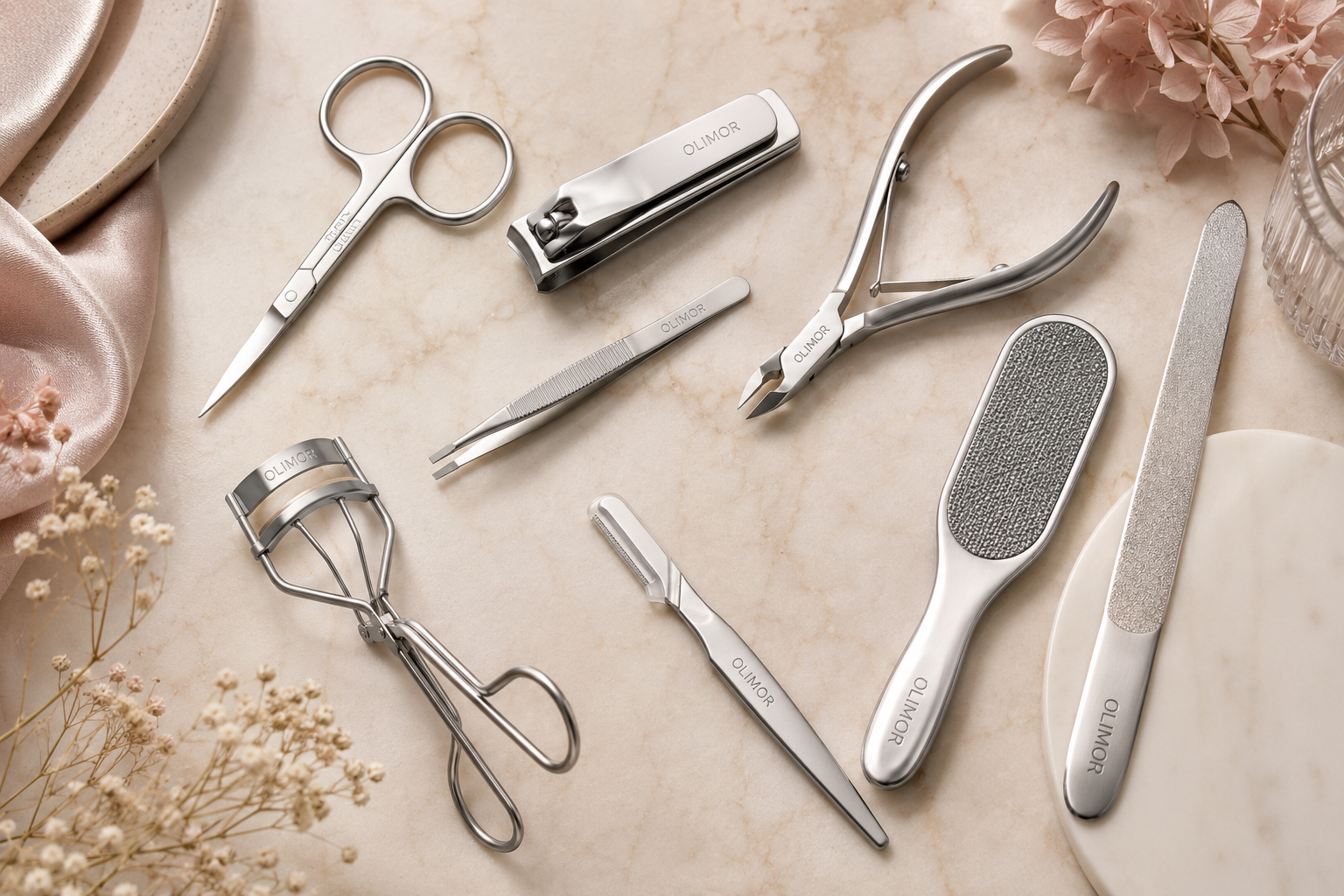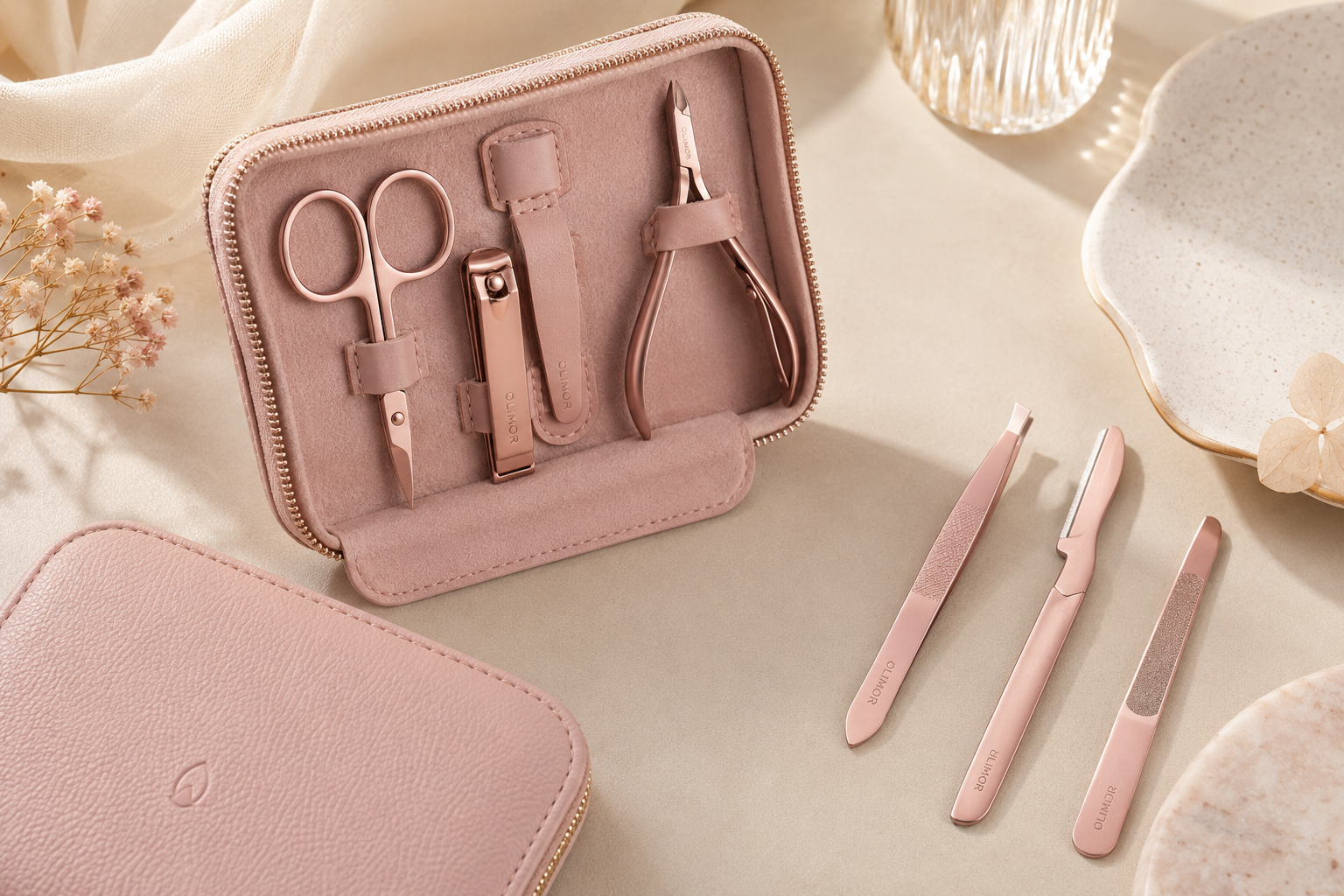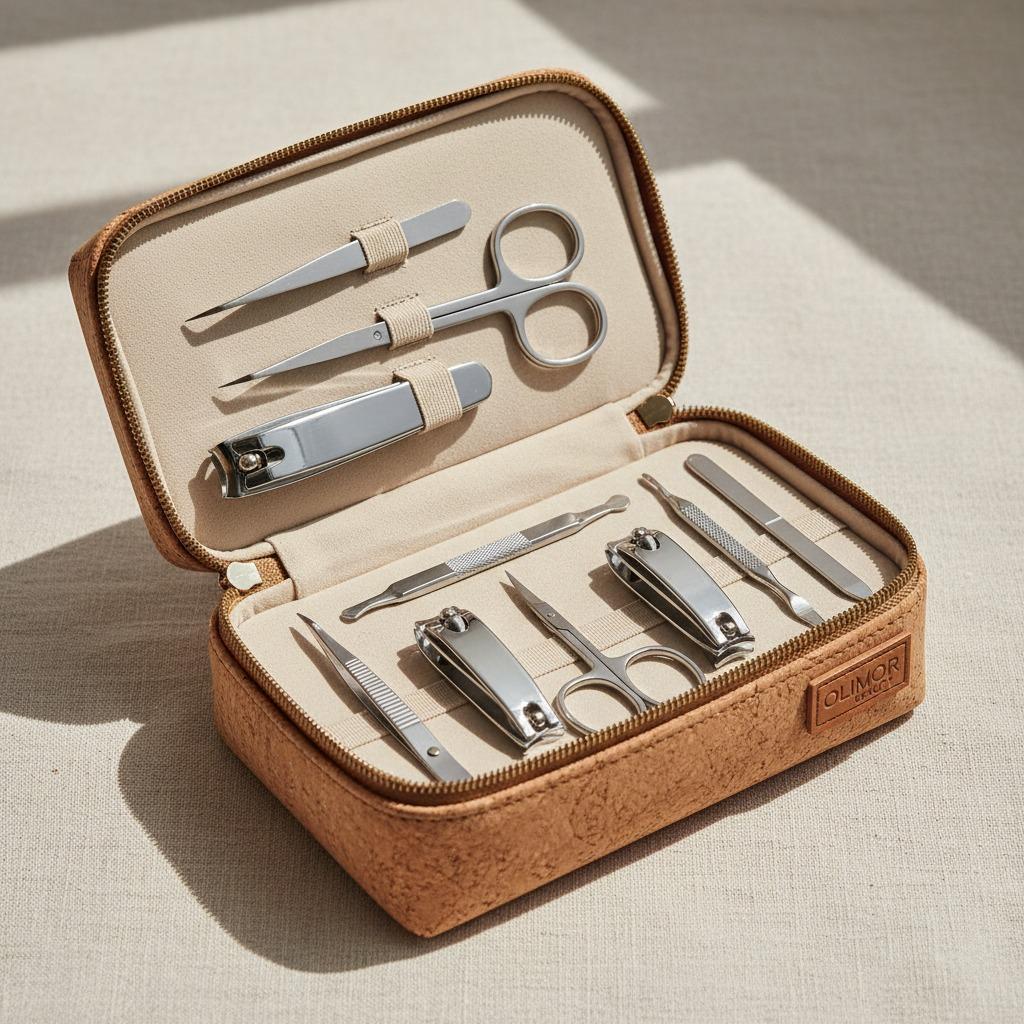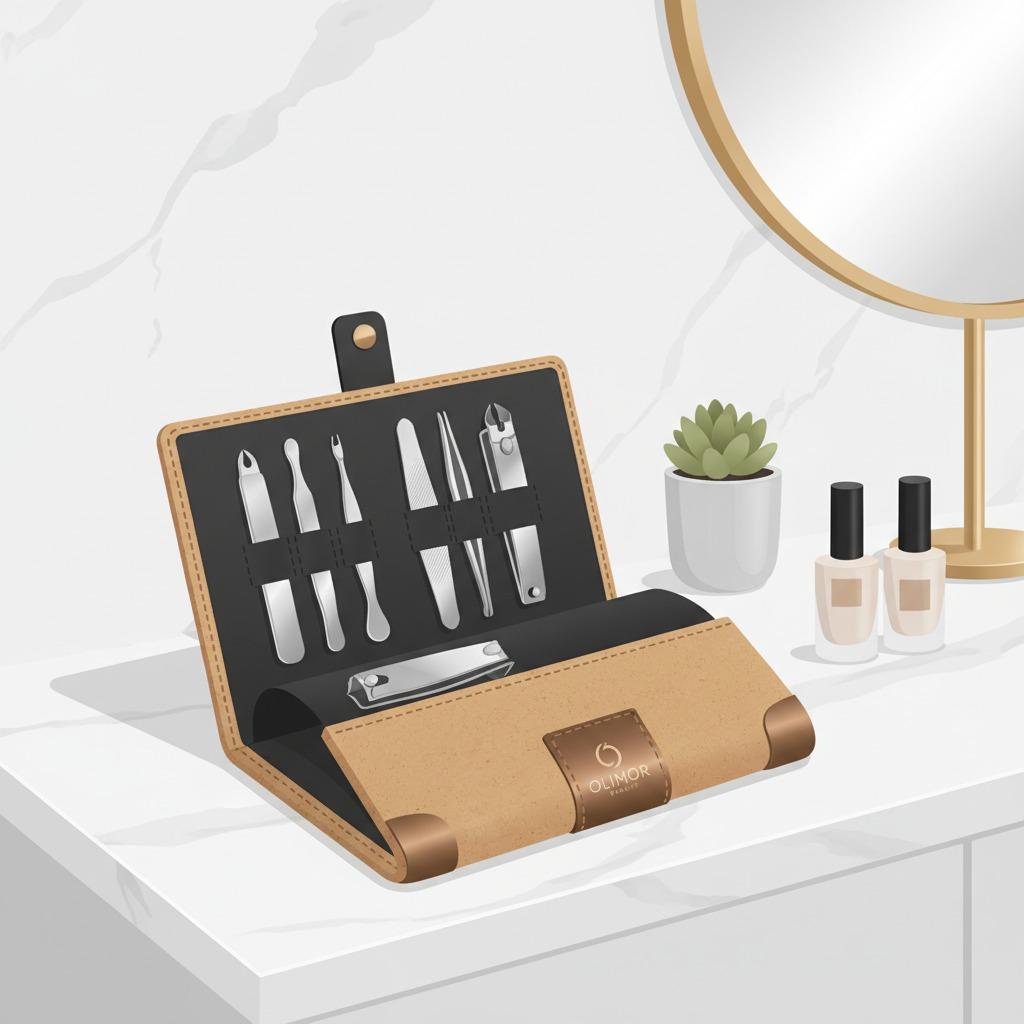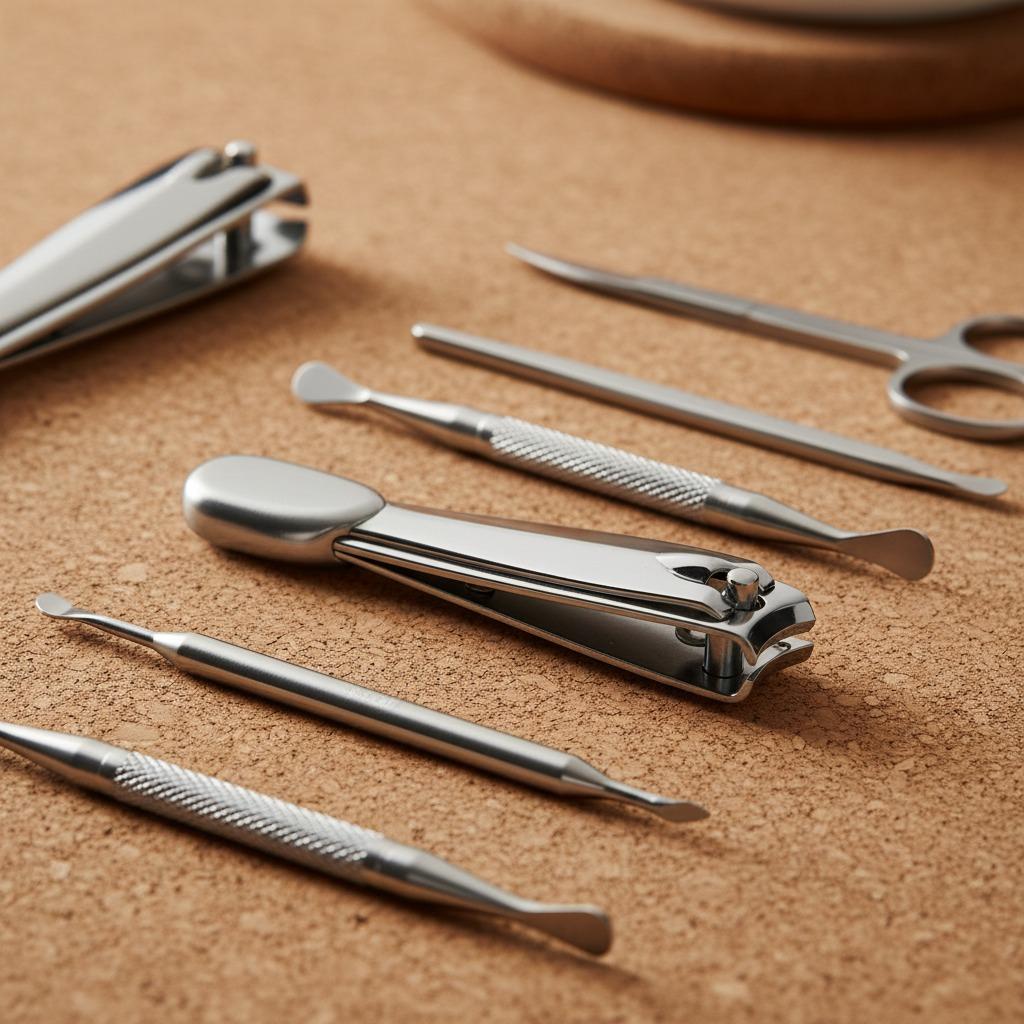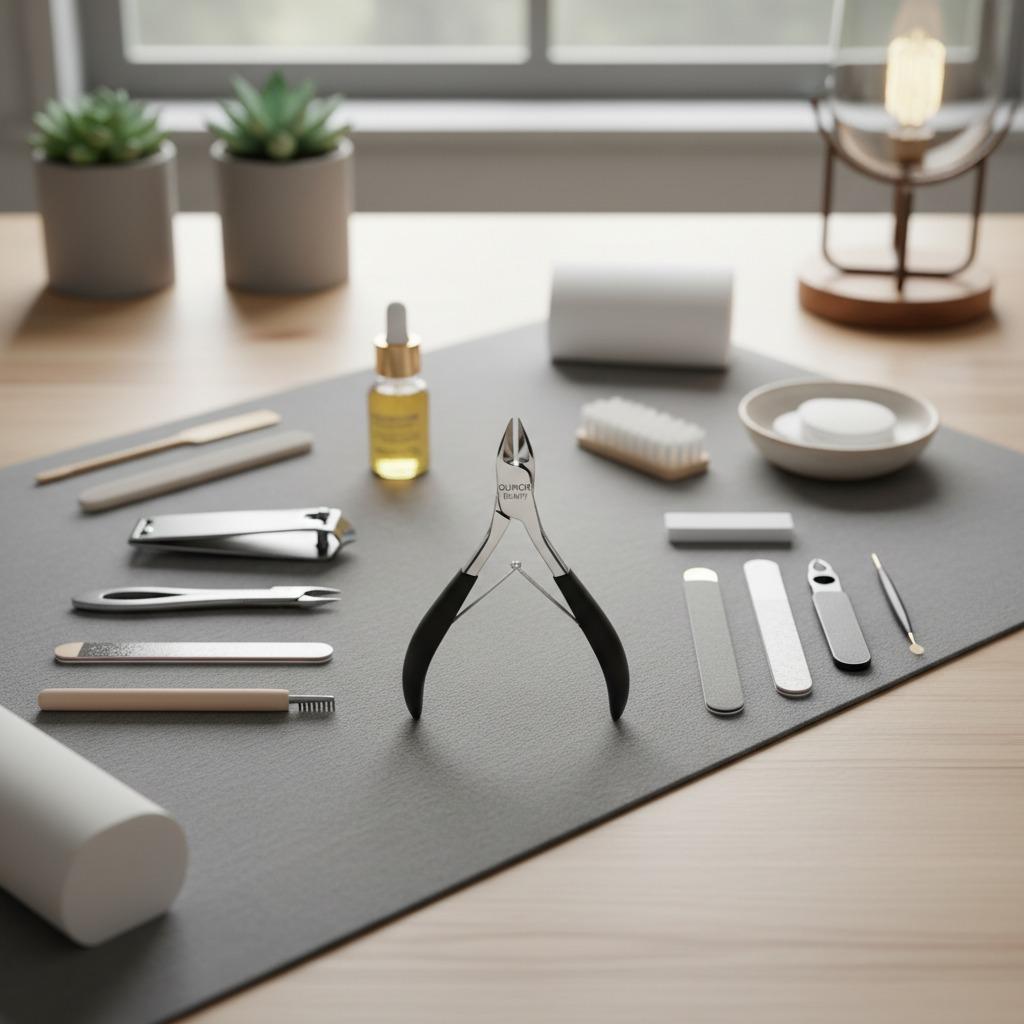
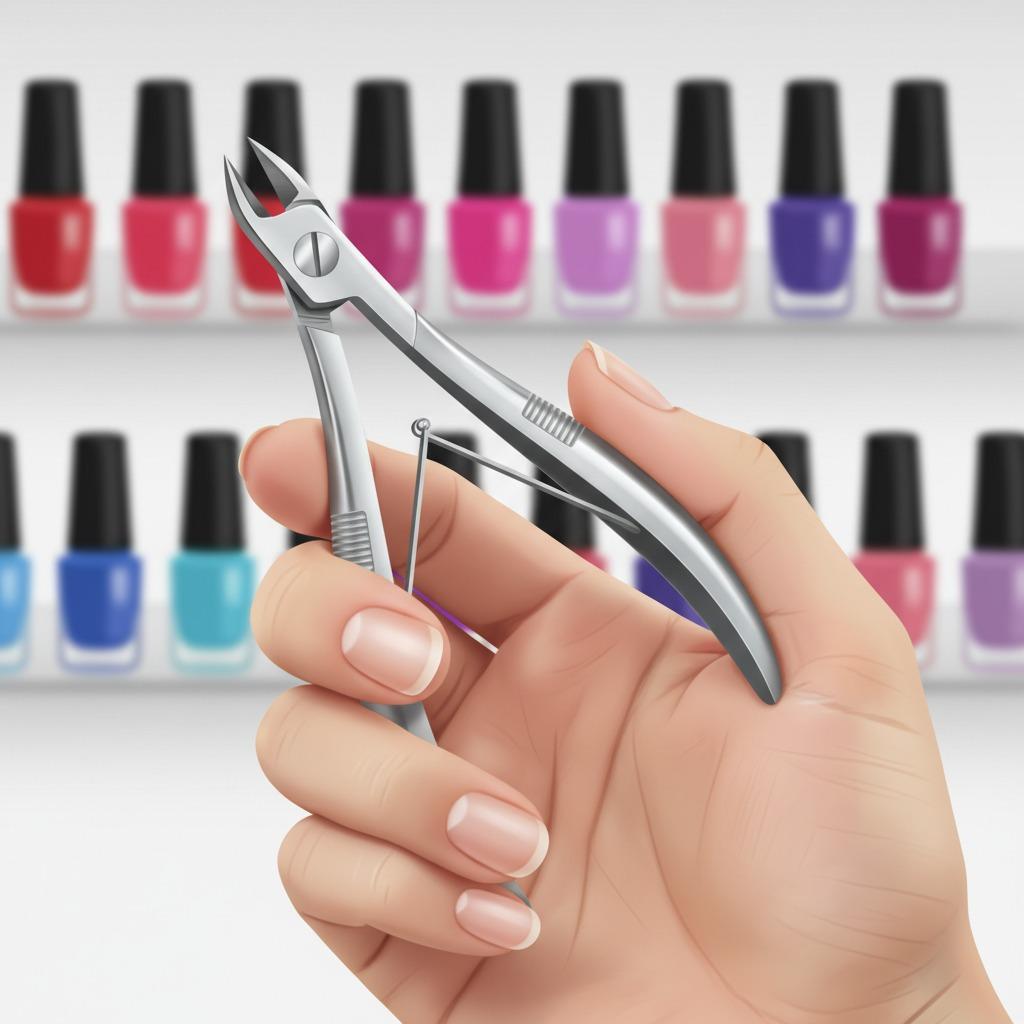
Cuticle nippers are small tools, but they have a direct effect on how clean, comfortable, and consistent a manicure feels. A good pair should trim only loose, non-living cuticle or hangnail material with a controlled bite. It should not tear, pinch, crush, or force the user to pull at the skin. For home manicure users, salon technicians, nail tool buyers, and beauty distributors, the real value of cuticle nippers is not only sharpness at the beginning; it is how well the tool keeps its alignment, how easily it can be cleaned, and how predictably it performs over repeated use.
Olimor Beauty focuses on beauty tools including nippers, and this guide explains how to evaluate cuticle nippers before purchase, how to use them with less risk of irritation, and how to know when maintenance is needed. If you are comparing options for retail, salon supply, or personal care, you can also review related beauty tool products or browse broader product collections to match nippers with other manicure tools.
What Cuticle Nippers Are Designed to Do
Cuticle nippers are made for precision trimming around the nail fold. Their narrow jaws reach small areas that scissors or clippers cannot handle as accurately. The goal is not to remove every bit of skin around the nail. Over-trimming can leave the area sensitive and may increase the chance of redness or irritation. Instead, nippers should be used to remove lifted, dry, or ragged pieces that could snag, split, or make polish application look uneven.
The most useful nippers are sharp enough to cut with light pressure and balanced enough to close evenly from tip to base. If the jaws meet poorly, the tool may cut at one point and crush at another. If the spring feels unstable, the user may lose control. If the handle is uncomfortable, small trimming movements become less accurate. These details matter whether the tool is used occasionally at home or repeatedly in a manicure service setting.
Selection Criteria: What to Check Before Buying
When choosing cuticle nippers, buyers often focus only on appearance. A polished surface can look attractive, but performance depends on geometry, blade finish, hinge movement, and handle comfort. Stainless steel construction, which is referenced for Olimor Beauty cuticle nippers, is a common preference for manicure tools because it supports durability and routine cleaning when cared for properly. However, buyers should still inspect how the tool is assembled and finished.
- Jaw alignment: Close the nippers slowly and check whether the tips meet evenly. Misaligned tips can leave uncut skin or create a pinching feeling.
- Blade edge: The cutting edge should look smooth and consistent, without visible chips or rough sections.
- Tip size: Smaller jaws help with detailed work, while larger jaws may suit users who prefer fewer cuts on wider areas of loose skin.
- Spring action: The opening and closing movement should feel controlled, not loose, sticky, or overly stiff.
- Handle shape: Ergonomic design helps reduce hand fatigue and improves control during fine trimming.
- Cleanability: Smooth surfaces and accessible joints are easier to wipe, dry, and maintain after each use.
For commercial sourcing, it is helpful to compare samples rather than judging from photos alone. Open and close each tool multiple times, test grip comfort with dry hands and gloved hands if relevant, and check whether the closing line remains stable after repeated motion. For product inquiries or sourcing discussions, you can send an inquiry with your intended use case and packaging needs.
How to Use Cuticle Nippers Safely and Accurately
Good trimming begins before the nippers touch the skin. Wash and dry the hands, soften the cuticle area with warm water or appropriate nail prep, and gently push back only the softened cuticle area with a suitable tool. The nippers should be used only on lifted or loose tissue. Avoid cutting living skin, and never dig into the sidewalls of the nail.
- Prepare the nail area. Clean the hands and soften dry cuticle material so it separates more easily.
- Stabilize the finger. Rest the hand on a flat surface to avoid sudden movements.
- Trim in small sections. Use short, controlled cuts instead of pulling a long strip of skin.
- Keep the blade angle shallow. Work parallel to the lifted cuticle rather than pointing the tips into the skin.
- Stop when the loose material is removed. Smooth-looking nails do not require aggressive cutting.
- Clean the tool after use. Remove residue, dry thoroughly, and store the nippers closed or protected.
If trimming causes bleeding, stinging, or soreness, too much material has likely been removed or the tool may be dull. A sharp tool with aligned tips should require very little pressure. Force is a warning sign, not a technique.
Signs Your Cuticle Nippers Need Sharpening
Sharp nippers cut cleanly. Dull nippers create problems that are easy to feel before they are easy to see. If the tool tugs at the cuticle, crushes a hangnail, or leaves a jagged edge, the blades may need attention. A user may also notice that more pressure is required to complete the same cut. That added force reduces control and increases the chance of trimming too much.
Another sign is an uneven cut line. When one section of the jaw cuts and another does not, the issue may be dullness, misalignment, or damage at the tip. Look closely under good light. If the edges reflect light in flat spots, the sharp apex may be worn. If the tips no longer meet, sharpening alone may not solve the problem; the hinge or jaw alignment may need professional adjustment.
For occasional home use, sharpening may be needed only when cutting quality changes. For frequent salon or retail demonstration use, inspection should be more routine. The original guidance of checking after use and considering sharpening after repeated use is practical, but condition matters more than a fixed number. Thick, dry cuticles and improper cleaning can wear the edge faster than light personal use.
Cleaning, Drying, and Storage Habits That Protect the Edge
Maintenance is not only sharpening. Many nipper problems start with residue, moisture, or impact damage. After each manicure, remove visible debris from the jaws and hinge area. Wipe the tool according to the hygiene process appropriate for the setting, then dry it thoroughly. Moisture left in the joint can affect movement over time, and residue on the blades can make a sharp edge feel dull.
Storage also matters. Nippers should not be tossed loose into a drawer with files, pushers, and clippers. The fine tips can be knocked out of alignment or chipped. A pouch, tray slot, or protective cap helps prevent blade contact with hard objects. If the spring is removable or adjustable, handle it carefully and avoid bending it beyond its intended movement.
| Issue noticed | Likely cause | Best next step |
|---|---|---|
| Tugging instead of cutting | Dull blade edge | Clean first, then sharpen if performance does not improve |
| Only the tip cuts | Jaw misalignment or uneven wear | Inspect the closing line and consider professional servicing |
| Stiff opening and closing | Residue in hinge or poor lubrication practice | Clean and dry the joint; avoid forcing the handle |
| Chipped blade tip | Impact damage or improper storage | Stop using on skin until the tool is repaired or replaced |
Sharpening: When to Service and When to Replace
Sharpening can extend the working life of cuticle nippers, but it must preserve the original blade geometry. Over-grinding can shorten the jaws, change the closing angle, or make the tips too aggressive. For users without experience sharpening precision manicure tools, professional servicing is usually the safer route. A general knife sharpener or rough abrasive is not appropriate for fine cuticle nipper tips.
Replacement may be the better choice when the tool has deep chips, bent tips, a loose hinge that cannot be stabilized, or a spring that no longer returns smoothly. For businesses, replacement decisions should also consider customer perception. A tool that technically still cuts but looks damaged, rusty, or poorly maintained can undermine confidence in the manicure service or retail product display.
Buyer Questions for Salons, Retailers, and Distributors
If you are sourcing cuticle nippers for resale or professional use, build your evaluation around real handling and maintenance needs. Consider who will use the tool, how often it will be cleaned, whether it will be sold as a single item or with other manicure tools, and what packaging information customers need to use it correctly. Do not rely only on broad claims such as “professional quality.” Instead, inspect samples for consistent jaw alignment, smooth spring response, clean finishing, and comfortable grip.
It is also useful to define your target customer. A beginner may prefer a nipper that feels stable and easy to control. A nail technician may prioritize precision tips and predictable spring tension. Retail buyers may focus on durability, presentation, and after-sale guidance. If you need help matching cuticle nippers with a specific channel or manicure tool range, you can contact Olimor to discuss practical requirements.
The Bottom Line on Better Cuticle Nipper Performance
Cuticle nippers work best when sharpness, alignment, comfort, and care are considered together. Choose stainless steel nippers with cleanly aligned jaws and an ergonomic feel, use them only on loose cuticle or hangnail material, and clean and dry them after every use. Watch for tugging, crushing, uneven cuts, or increased pressure; these are the signals that sharpening or servicing may be needed.
For personal manicure routines, careful trimming helps keep the nail area neat without unnecessary irritation. For salons and beauty tool buyers, consistent nipper quality supports safer handling, easier maintenance, and better customer confidence. A well-chosen and properly maintained pair of cuticle nippers is a practical tool that earns its place through controlled, repeatable performance.