Women’s nail clippers are often bought as simple grooming items, but their real value depends on cutting control, steel quality, jaw alignment and hand comfort. A good clipper removes nail length cleanly with reasonable pressure. A poor one bends the nail before cutting, leaves rough corners or creates small splits that catch on clothing and require extra filing.
For personal care users, retail buyers and B2B sourcing teams, the best question is not whether a clipper is marketed for women. The better question is whether it fits the intended nail type, use setting and quality expectation. Fingernail maintenance, toenail trimming, travel kits, salon assortments and retail displays may all require different formats. Olimor Beauty focuses on practical beauty tools where sharp edges, durable construction and comfortable handling matter more than decorative language.
This guide explains how to evaluate women’s nail clippers for everyday grooming and commercial buying. It covers performance features, inspection steps, material considerations, cost factors, maintenance, supplier questions and frequently asked sourcing concerns.
What Buyers Usually Mean by Women’s Nail Clippers
The term women’s nail clippers usually refers to nail clippers intended for manicure routines, compact grooming kits, beauty retail assortments or travel-friendly personal care sets. In practice, the product may be used by anyone. The key differences are usually size, grip style, finish, packaging and whether the tool is paired with a file or other manicure accessories.
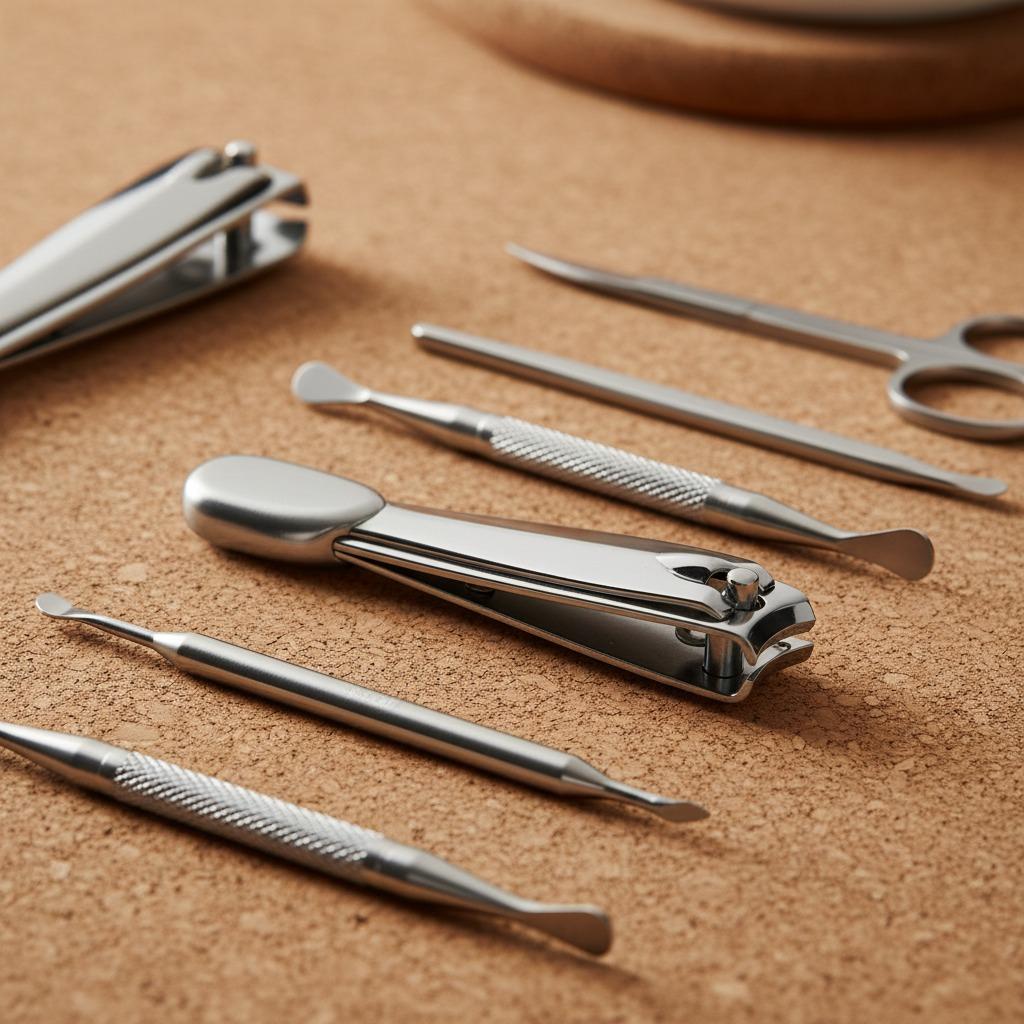
A compact fingernail clipper can be useful for routine hand care because it is easy to position along the natural curve of the nail. A larger clipper may be better for toenails or thicker nails because it offers more leverage and a wider jaw opening. A set can be valuable when each component has a clear purpose, such as one clipper for fingernails, one for toenails and a file for edge finishing.
For B2B buyers comparing beauty tool products, positioning should match the customer and sales channel. A travel kit needs secure storage and compact dimensions. A home manicure range needs comfortable handling and a finish that looks appropriate at retail. A professional or salon-oriented assortment should place more emphasis on cleaning, repeat use and consistent batch quality.
Cutting Precision: The Main Performance Standard
Precision starts where the two cutting edges meet. When the jaws close evenly, the nail is cut instead of crushed. When the edges are dull or misaligned, the user must press harder, and the nail may bend, tear or split at the edge. This is why two clippers that look similar in packaging can feel very different during use.
A reliable clipper should close smoothly, keep the nail stable and deliver a controlled cut. The goal is clean length reduction, not final shaping in one aggressive motion. Fingernails are naturally curved, so it is usually better to trim in two or three small sections rather than forcing one large cut across the entire nail. After clipping, a nail file should be used lightly to refine corners and remove any roughness.
Signs of a precise nail clipper
- Even jaw contact: the cutting edges meet consistently from one side to the other.
- Clean closing action: the lever moves without grinding, sticking or sideways movement.
- Reasonable cutting pressure: the user should not need excessive force for normal nails.
- Controlled cutting arc: the curve should suit the intended fingernail or toenail use.
- Minimal edge correction: after trimming, the nail should need only light filing.
For sourcing teams, precision should be evaluated with actual handling, not only visual appearance. Open and close the clipper several times. Check whether the lever remains stable and whether the jaws shift. Under good lighting, the cutting line should look uniform. If suitable sample testing is available, examine the cut edge for crushing, tearing or uneven contact.
Steel, Construction and Finish: What Matters Beyond Appearance
The supplied product positioning for Olimor Beauty nail clippers highlights premium surgical steel. In beauty tools, steel quality matters because nail clippers are exposed to moisture, skin oils, hand cream residue and repeated cleaning. A suitable steel body supports durability, corrosion resistance and a cutting edge that remains serviceable with proper use.
Material alone, however, does not guarantee performance. A strong steel clipper can still cut poorly if the cutting edges are not formed, sharpened or aligned correctly. The hinge, lever and jaw geometry all affect the result. A stable pivot helps transfer pressure evenly; a loose or wobbly mechanism wastes force and reduces control.
The finish should also support routine cleaning. Highly decorative surfaces may look attractive, but buyers should check whether the finish is smooth around the cutting area, hinge and handle. Rough spots can collect debris. Sharp unfinished edges on the handle or underside can make the tool uncomfortable or unsuitable for repeat use.
Practical inspection points for incoming samples
- Look for visible gaps between the cutting edges when the jaws are closed.
- Check whether the lever sits securely and returns to position without slipping.
- Feel for burrs, rough edges or uncomfortable corners on the handle.
- Inspect the hinge area for looseness or uneven movement.
- Confirm that the surface can be wiped clean and dried easily.
- Compare several samples, not just one, to understand consistency.
Retailers and distributors should also consider packaging. A clipper may be sharp and well made, but if packaging allows the lever to scrape, open or catch during shipping, product presentation and edge protection can suffer. A case or formed package can help preserve both hygiene and retail appearance.
Fingernail Clippers, Toenail Clippers and Sets Compared
Not every nail clipper should be used for every nail. Fingernails are usually thinner and more curved, so a smaller clipper can provide better placement and control. Toenails are often thicker and flatter, so a larger clipper with more leverage and a suitable jaw opening may be more comfortable. Sets are useful when they solve different grooming tasks instead of repeating the same tool in multiple sizes without purpose.
| Use case | Recommended format | Key buying checks | Common problem to avoid |
|---|---|---|---|
| Everyday fingernail care | Small or medium precision clipper | Aligned curved edge, smooth lever, comfortable thumb area | Too wide a jaw that flattens the nail curve |
| Toenail trimming | Larger clipper with stronger leverage | Stable hinge, suitable jaw opening, secure grip | Using a small clipper that crushes thicker nails |
| Travel grooming | Compact clipper or slim set | Protective storage, easy cleaning, secure packaging | Loose storage that damages the cutting edge |
| Home manicure set | Clipper plus file and selected accessories | Each tool has a clear function and comfortable handling | Extra pieces that add cost but little value |
| Retail or distributor range | Consistent clipper family or set assortment | Batch consistency, finish quality, packaging fit | Choosing only by appearance without use testing |
When building a product range, consider offering more than one option. A compact clipper may appeal to travel and handbag use, while a larger ergonomic model may suit home grooming. Buyers reviewing Olimor Beauty product collections can compare tool formats according to channel, packaging and customer routine rather than relying on one universal style.
Ergonomics and User Control
Comfort is a performance feature. A clipper that feels secure in the hand allows the user to control angle, pressure and placement. If the lever is too short, slippery or stiff, the user may twist the clipper while cutting. That twisting motion can create jagged edges or stress the nail plate.
For personal use, comfort depends on hand size, nail thickness and preferred trimming method. For retail buying, comfort must be considered across many users. A lever with a stable thumb area can make the tool feel easier to operate. A compact body can be convenient, but it should not be so small that leverage is lost. A larger body can add control, but it may be less convenient for travel kits.
Testing should include dry hands and, where relevant, hands with light lotion residue, because beauty tools are often used near skincare routines. The surface should feel stable rather than slick. If the clipper requires heavy pressure, the issue may be dull edges, weak leverage, poor alignment or a jaw opening that does not match the nail type.
How to Use Women’s Nail Clippers for Cleaner Results
Even a well-made clipper performs best with careful technique. Nails are often easier to cut after washing because they are slightly softened, but the tool and fingers should still be controlled and dry enough to prevent slipping. Avoid cutting too much at once, especially on brittle nails.
- Clean the clipper before use. Remove visible residue from the cutting edge and hinge area.
- Position the jaw carefully. Follow the natural nail curve rather than cutting deeply into the side corners.
- Trim in small sections. Short, controlled cuts reduce bending and splitting.
- Leave a small free edge. Cutting too close can make fingertips tender and uncomfortable.
- File after clipping. Smooth the edge lightly instead of using the clipper as a shaping tool.
- Dry and store the tool. Moisture around the hinge or cutting edge can shorten service life.
Toenails need special care. Avoid rounding toenail corners too aggressively, because sharp side cuts may irritate surrounding skin. A straighter cut with lightly smoothed corners is often more comfortable. People with diabetes, poor circulation, recurring ingrown nails or foot-care concerns should seek appropriate professional guidance instead of relying only on home trimming.
Maintenance, Hygiene and Storage
Nail clippers come into contact with keratin, skin oils and sometimes minor skin debris, so cleaning matters. After each use, remove nail fragments and wipe the cutting area. If a clipper is shared, sanitation becomes more important. In salon or professional environments, buyers should follow local health department or state cosmetology board requirements. In the United States, disinfectant selection may involve EPA-registered products used according to the current label directions. Requirements vary by location, so always verify current rules and supplier documents.
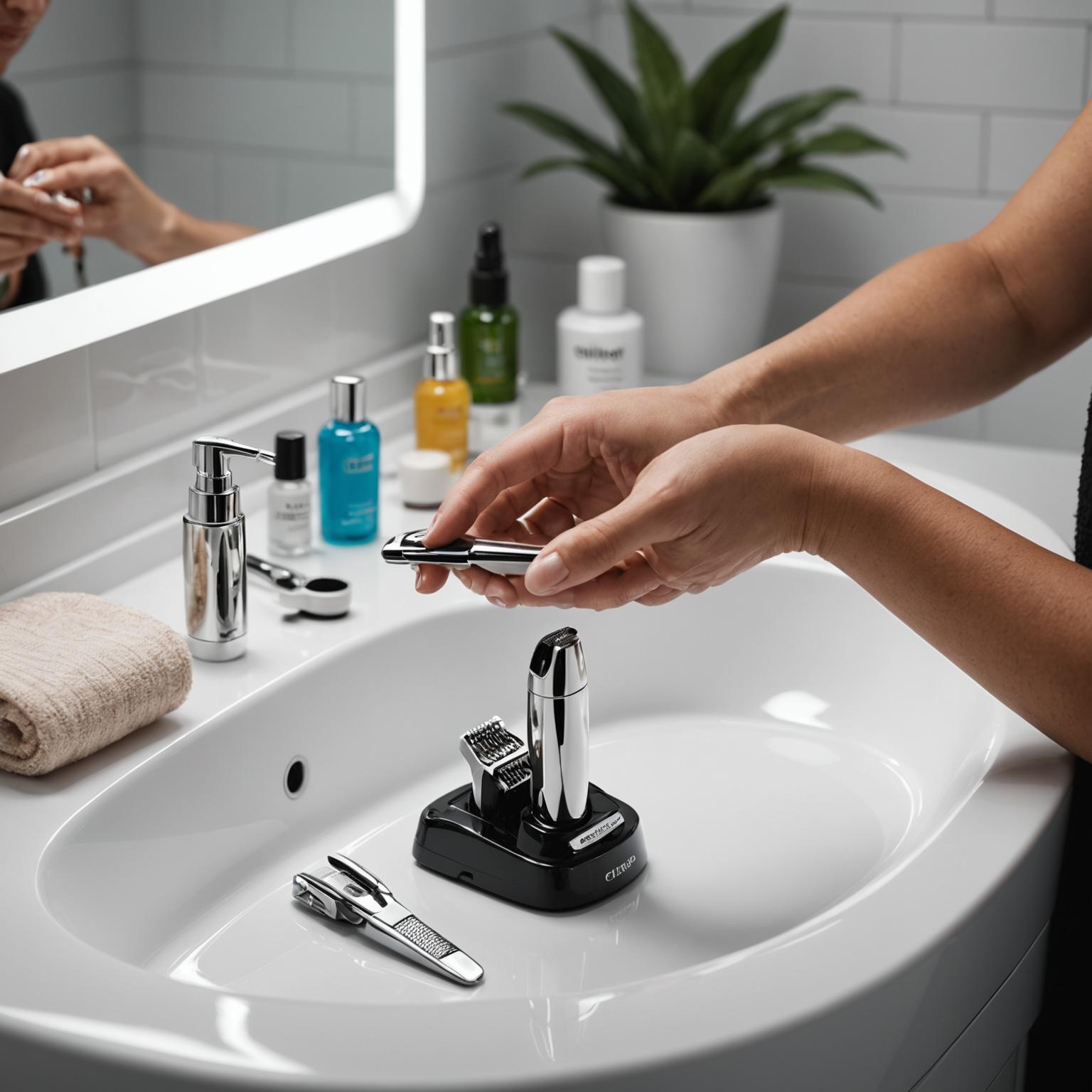
For home care, the main principles are simple: clean visible residue, dry thoroughly and store the clipper in a protected place. Avoid leaving it in a damp bathroom drawer or tossing it loosely among metal items that can damage the cutting edge. If the clipper is part of a kit, a case helps protect the edge and keeps the set organized.
Do not use nail clippers for wire, plastic tags, craft materials or other hard items. Misuse can deform the cutting edge, loosen the hinge or make the clipper unsafe for nails. A beauty tool reserved for its intended grooming task will remain more consistent over time.
Cost Factors for Retailers and B2B Buyers
The cost of women’s nail clippers is influenced by more than the size of the tool. Steel selection, edge forming, polishing, surface finish, hinge quality, packaging, set configuration and inspection expectations all affect sourcing decisions. A low-cost clipper that cuts poorly may generate complaints, returns or weak repeat sales. A higher-quality clipper may offer better perceived value if the user can feel the difference immediately.
Buyers should avoid comparing only unit price without reviewing function. A simple single clipper can be an excellent product if it cuts cleanly, stores easily and is packaged appropriately. A multi-piece set can be attractive, but only if the added tools are useful and made to a consistent standard. Unnecessary accessories may increase cost without improving customer satisfaction.
Supplier evaluation checklist
- Can the supplier explain the intended use for each clipper size or set component?
- Are samples available for handling, cutting checks and packaging review?
- Is the cutting edge alignment consistent across multiple samples?
- Does the supplier provide clear product, material and packaging information?
- Can customization options be discussed without compromising tool function?
- Are inspection expectations, labeling needs and shipping packaging clearly documented?
For commercial projects, it is practical to start with the use case: travel, retail peg display, manicure set, promotional beauty kit or broader grooming assortment. Once the use case is clear, the supplier can recommend suitable formats and packaging rather than adding features that do not support the buyer’s goal.
When Customization Makes Sense
Customization can improve retail fit when it supports positioning, packaging and user experience. Examples may include finish selection, packaging style, set configuration or branding discussion, depending on the product and sourcing arrangement. However, customization should not weaken the core tool. Cutting alignment, lever stability and comfort should remain the priority.
Before approving a customized nail clipper or set, evaluate a sample in the final or near-final configuration. Packaging can change how the tool is stored, protected and presented. A clipper that performs well as a loose sample still needs to arrive clean, secure and visually acceptable in its retail or kit format.
Buyers can contact Olimor Beauty to discuss product direction, or send an inquiry with intended market, packaging needs and tool preferences. A clear brief helps narrow the options and keeps the discussion focused on practical performance.
Bottom Line: Choose by Cut Quality, Not Gender Label
Women’s nail clippers should be judged by the same performance basics that define any dependable grooming tool: sharp cutting edges, accurate jaw alignment, durable steel construction, smooth leverage and comfortable handling. Gender positioning may guide size, style and packaging, but it does not replace quality inspection.
For everyday users, the best clipper is the one that fits the nail type and makes controlled trimming easy. For retailers and sourcing teams, the best option is the one that combines reliable cutting performance with suitable packaging, consistent samples and clear supplier communication. A well-chosen clipper becomes a small but important part of clean, convenient and repeatable nail care.
FAQ
Can I request samples before placing a nail clipper order?
Sample discussion is recommended for B2B selection because cutting feel, alignment and packaging are difficult to judge from images alone. Contact Olimor Beauty with the intended product type and evaluation needs.
Is there a fixed MOQ for women’s nail clippers?
MOQ can depend on product format, packaging, customization and order requirements. Buyers should confirm current order terms directly with the supplier instead of assuming one quantity applies to every option.
Can nail clippers be customized for retail or promotional sets?
Customization may be possible depending on the selected tool, finish, packaging and set configuration. Function should be approved first so that branding or packaging choices do not reduce cutting quality.
How should quality be checked before approving an order?
Review multiple samples for cutting edge alignment, lever smoothness, hinge stability, surface finish, comfort and packaging protection. Any inspection criteria should be documented with the supplier before production.
How can buyers confirm lead time?
Lead time depends on order details, customization, packaging and production planning. Share complete requirements through the inquiry process and confirm the current schedule in writing before placing an order.