










Eyebrow mapping is a simple planning step that helps define where each brow should begin, arch and end before any hair is removed. That matters because the fastest way to ruin a brow shape is to tweeze without a guide. A clear map reduces guesswork, helps keep both brows visually balanced and makes shaping more controlled for home users, salon professionals and buyers sourcing brow tools for resale or kits.
The practical goal is not to make both brows identical. Natural brows differ in density, growth direction and height. Eyebrow mapping gives you a structure to work from so you can remove only the hairs outside the planned shape and keep the brow looking intentional rather than overworked.
If you are comparing brow tools or building a product assortment, this guide also explains what to look for in a precision tweezer, how to maintain it and what questions to ask suppliers. For a broader view of available options, explore the full beauty tool lineup or browse the related collections that fit your use case.
What eyebrow mapping does before tweezing
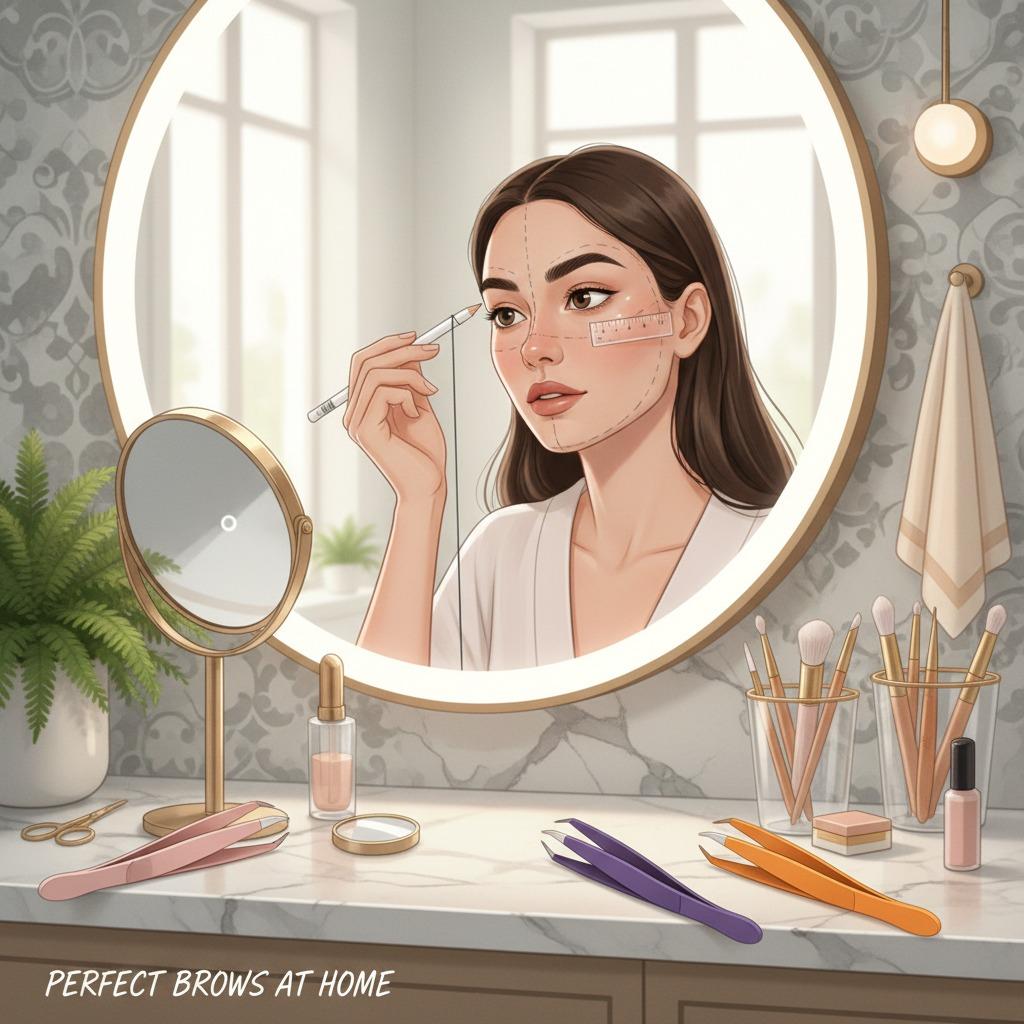
Mapping creates a visible outline for the brow using reference points on the face. In most routines, the guide focuses on three locations: the start of the brow, the arch and the tail. These points can be marked with a brow pencil, cosmetic ruler or clean thread. Once the points are identified, you can connect them lightly and see which hairs fall outside the shape.
That small step changes the way shaping feels. Instead of reacting to stray hairs one by one, you make a plan first. The result is usually cleaner and more consistent, especially when the brows are uneven, sparse in places or have been over-tweezed in the past.
Mapping is also useful when someone wants a modest refinement rather than a dramatic redesign. A soft outline makes it easier to clean the lower edge, preserve density and avoid removing useful hairs from the top line.
Tools commonly used for eyebrow mapping and shaping
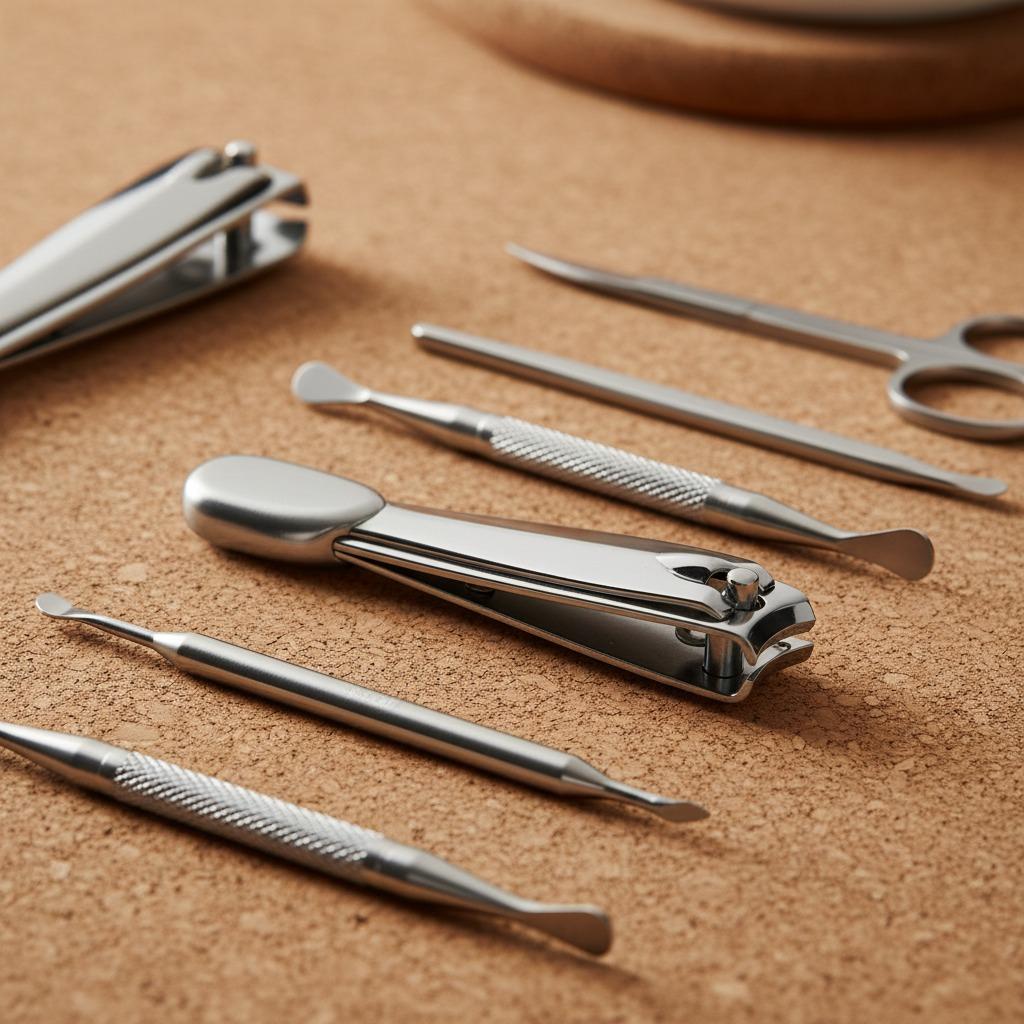
Different mapping tools serve different needs. Some are for planning, some for marking and some for the actual hair removal that follows. For most routines, the essential tools are straightforward and easy to keep clean.
Common mapping tools
- Brow pencil: Helpful for drawing a light outline and checking symmetry before tweezing.
- Cosmetic ruler: Useful when you want to compare both sides against the same reference points.
- Clean thread: A simple option for marking straight lines and checking alignment.
- Precision tweezers: Used after mapping to remove only the hairs outside the outline.
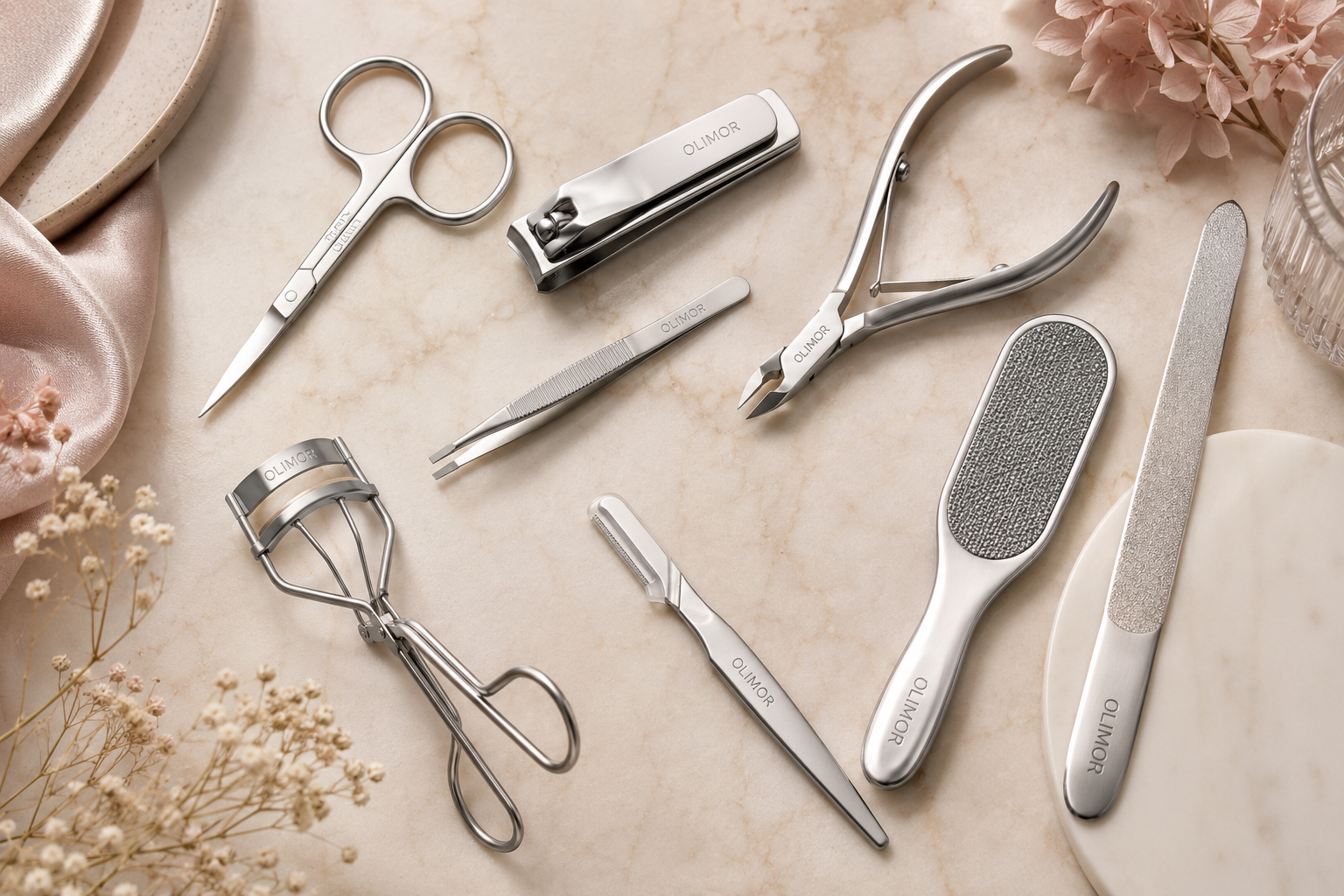
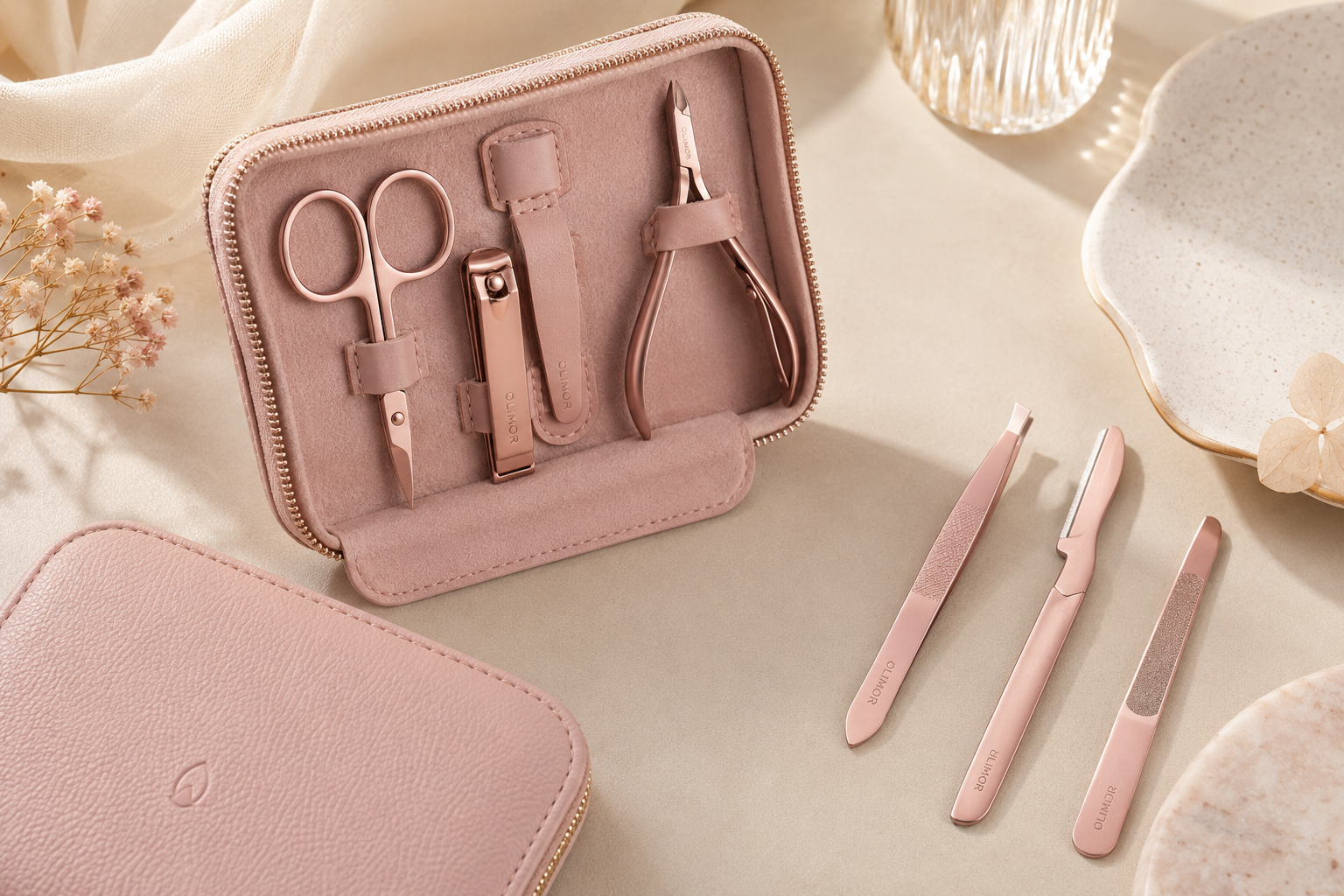
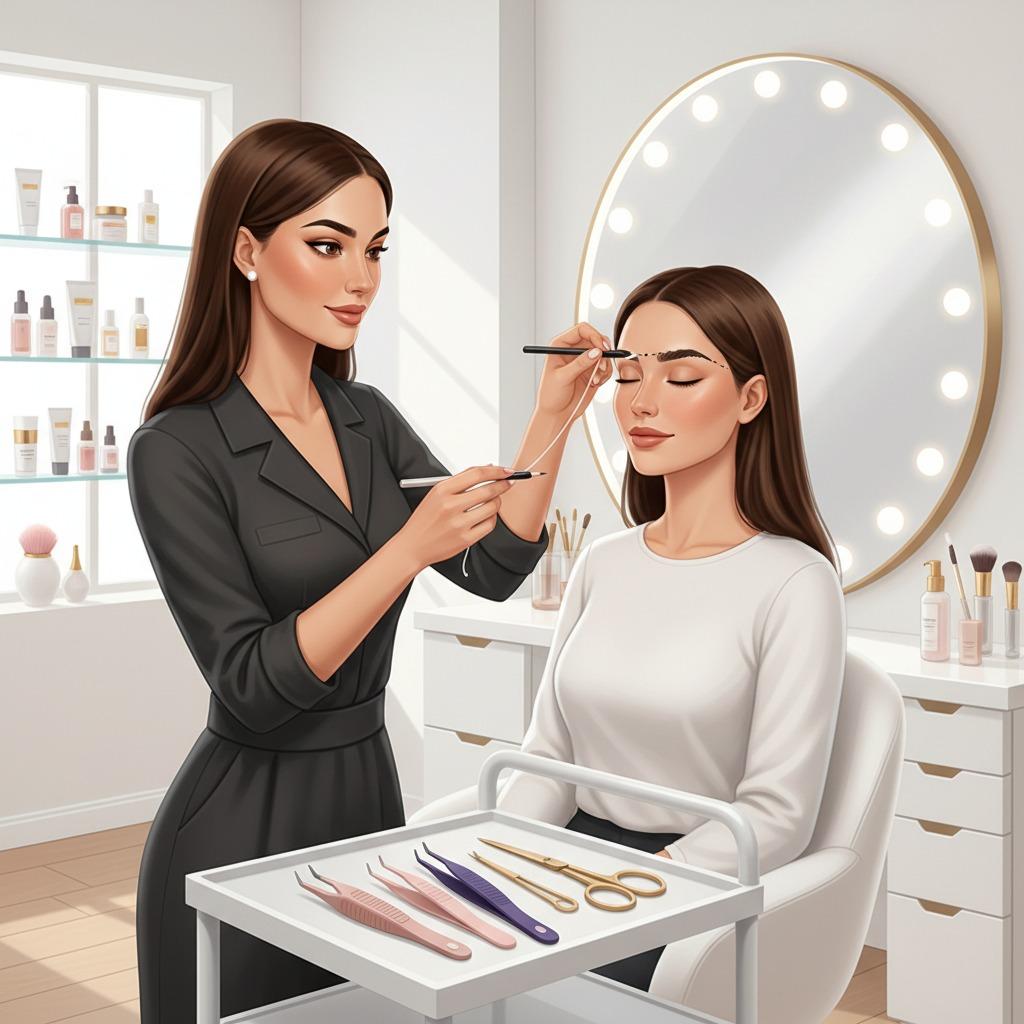
For the shaping step, a slanted tip is the most practical style for many brow routines. It gives better access to short hairs and allows the user to approach from an angle rather than straight on. The source product details describe Olimor Beauty precision eyebrow tweezers with stainless steel construction, slanted tips, ergonomic grips and color options such as soft pink, deep purple, sunny orange and classic steel. Those are useful details for buyers who care about handling, appearance and cleanability.
Stainless steel is a common choice for beauty tools because it is easy to clean and suitable for repeated use when maintained properly. For retail or salon programs, the tip alignment and overall hand feel matter more than decorative features. A tweezer that closes evenly at the tip is easier to control on the fine hairs that sit just outside a mapped shape.
| Tool | Main use | Selection note |
|---|---|---|
| Brow pencil | Marking borders and checking balance | Choose a soft line that can be adjusted easily |
| Cosmetic ruler | Measuring from facial reference points | Helpful for training, retail demos and repeatable routines |
| Clean thread | Creating straight guides and symmetry checks | Simple and inexpensive, but requires a steady hand |
| Slanted stainless steel tweezers | Removing stray hairs after mapping | Look for clean tip alignment and a stable grip |
How to map brows step by step
Good mapping starts with preparation. Clean skin helps you see the natural brow line, and good lighting makes it easier to judge balance. Sit upright, look straight into the mirror and brush the brow hairs upward and outward before marking anything. This keeps the outline closer to the real hair pattern.
- Find the start: Hold a straight edge vertically from the side of the nose toward the inner corner of the eye. Where it meets the brow area is the usual starting point.
- Mark the arch: Angle the straight edge from the side of the nose through the iris while looking straight ahead. The point where it crosses the brow is the general arch location.
- Mark the tail: Angle the straight edge from the side of the nose to the outer corner of the eye. This suggests where the tail should usually end.
- Sketch the guide: Lightly draw the upper and lower edges of the brow. Keep the line soft so you can adjust it.
- Compare both sides: Step back and judge the overall balance, not only the close-up detail.
These steps are a guide, not a rigid formula. Facial structure matters. A narrow nose bridge, deep-set eyes, wide-set eyes or sparse growth can all shift the ideal positions slightly. The best shape is the one that works with the natural brow rather than fighting it.
How to tweeze after mapping without losing the shape
Once the outline is in place, tweezing should be deliberate and slow. The mapped boundary tells you what to leave alone, which is just as important as what to remove. Work in small passes, especially near the arch and the lower edge, where even one hair can change the look of the brow.
- Clean the area first: Remove makeup residue and wash hands before starting.
- Brush between passes: Brow hairs shift as you tweeze, so re-brushing shows the real shape.
- Pull in the direction of growth: This supports cleaner removal and less unnecessary tugging.
- Remove one hair at a time: Avoid grabbing clusters near the arch or tail.
- Pause often: Step back from the mirror so you do not over-correct from a close view.
- Be conservative with the top line: The upper edge often defines the natural character of the brow.
If a mapped hair is long but still belongs inside the shape, trimming may be better than plucking. Brush the hair upward, trim only the excess length and check the result again before cutting more. That approach helps preserve fullness while still improving the outline.
What buyers should look for in precision brow tweezers
For home users, salon teams and retail buyers, the right tweezer should be selected for function first and appearance second. Color can matter for merchandising and kit design, but it should never outweigh alignment, grip and cleanability.
Practical buyer checklist
- Tip alignment: The tips should meet cleanly so the tool can grip a fine hair without repeated pulling.
- Tip style: A slanted tip is versatile for brow mapping cleanup and angled access around the brow line.
- Hand feel: An ergonomic grip helps keep pressure controlled during detailed work.
- Finish: Smooth surfaces are easier to wipe clean and suit repeated handling.
- Appearance: Color options such as soft pink, deep purple, sunny orange and classic steel may help with merchandising or personal organization.
When you are comparing tools for sourcing, ask how the tweezers are intended to be used: personal grooming, professional service, retail resale or inclusion in a broader beauty kit. Those use cases influence the best packaging style, finish and presentation. If you need help aligning the tool with a buying plan, you can send a sourcing inquiry with your intended use and preferred style.
For businesses building a broader assortment, it can also help to review the structure of the product range and identify where brow tools fit alongside other essentials. If you want a practical starting point, you can contact the team to discuss the type of eyebrow tool you are evaluating.
Maintenance, hygiene and storage for repeated use
A precision tweezer stays useful only if it keeps its alignment. After each use, wipe the tips clean and store the tool where the points will not be bent or dulled. Dropping a tweezer can affect tip contact even when the damage is not obvious. If the tips no longer meet evenly, fine hair becomes harder to grip.
Do not use brow tweezers for tasks such as opening packages, scraping adhesive or pulling hard materials. Those habits can deform the tip and reduce control. A dedicated brow tweezer is a simple way to protect performance over time.
For salon and retail use, include basic care instructions with the tool. Buyers often ask how to clean, store and inspect beauty tools, and the answer should be easy to follow. In professional settings, cleaning practices should align with local cosmetology board rules and public-health sanitation guidance. If you sell into regulated markets, verify the current requirements and supplier documents rather than relying on assumptions.
Common eyebrow mapping mistakes and how to fix them
The most common mistake is mapping too close to the mirror. When you focus only on individual hairs, the brow can look neat up close but uneven at normal viewing distance. Always check the whole face before making another pass.
Another problem is placing the arch too far inward. That can create a tense or surprised look. The arch should generally follow the natural lift of the brow bone and hair growth. If the natural arch is soft, forcing a sharp peak may require removing too much hair.
Shortening the tail is another frequent error. A tail that ends too early can make the brow look unfinished, while a tail that drops too low can visually pull the eye area downward. Use the nose-to-outer-eye reference point, then adjust slightly to match the natural pattern.
Finally, avoid chasing perfect symmetry. Brows are sisters, not identical copies. One side may sit slightly higher, and density can differ from one brow to the other. Mapping should create balance, not erase natural variation.
When to choose a slanted tweezer over other brow tools
A slanted tweezer is the most useful option for the actual cleanup that follows eyebrow mapping because it combines visibility with control. It is easier to approach short stray hairs along the mapped line, and the angled edge gives better working access than a straight point for most users.
That said, the right tool depends on the job. If you are only drawing a guide, a brow pencil or ruler may be enough. If you are refining the line, the tweezer matters more. If you are setting up a retail assortment, a slanted stainless steel tweezer is a practical core item because it fits many routines without being overly specialized.
For buyers who want to compare styles, the best question is not which tool looks best in a display. It is which tool gives the user enough control to stay inside the mapped outline. In brow shaping, precision usually matters more than decoration.
FAQ about eyebrow mapping and tweezer sourcing
Do I need samples before placing an order?
Samples are often useful when you want to confirm tip feel, finish, grip and overall appearance before committing to a larger purchase. Ask the supplier what sample options are available.
Can brow tweezers be customized?
Customization may be possible for color, packaging or branding depending on the sourcing arrangement. Confirm what can be changed and whether the details fit your retail or salon plan.
What should I ask about quality?
Focus on tip alignment, surface finish, material description, cleaning guidance and any supplier documentation. For regulated markets, verify current compliance paperwork and do not assume one market's requirements apply to another.
How do I judge lead time?
Lead time depends on the order details, customization needs and production schedule. Ask for a current timeline based on your exact inquiry rather than assuming a standard schedule.
What is the best tweezer style for eyebrow mapping cleanup?
For most users, a slanted stainless steel tweezer offers the best mix of control and versatility after the brow has been mapped.
Final takeaways for cleaner brow shaping
Eyebrow mapping is most valuable because it turns brow shaping into a planned process. When you define the start, arch and tail first, tweezing becomes more controlled and the chance of over-plucking goes down. That matters whether you are shaping your own brows, supporting salon clients or sourcing tools for retail.
Pair the mapping step with a precision slanted tweezer, keep the outline conservative and work slowly. Stainless steel construction, clean tip alignment and a comfortable grip are the core features to evaluate. Color and presentation can help with merchandising, but the real value comes from accuracy, usability and care.
If you are building a brow-tool assortment or need to compare options for your market, review the available product range and collections, then submit a focused inquiry with your preferred tool style and use case.