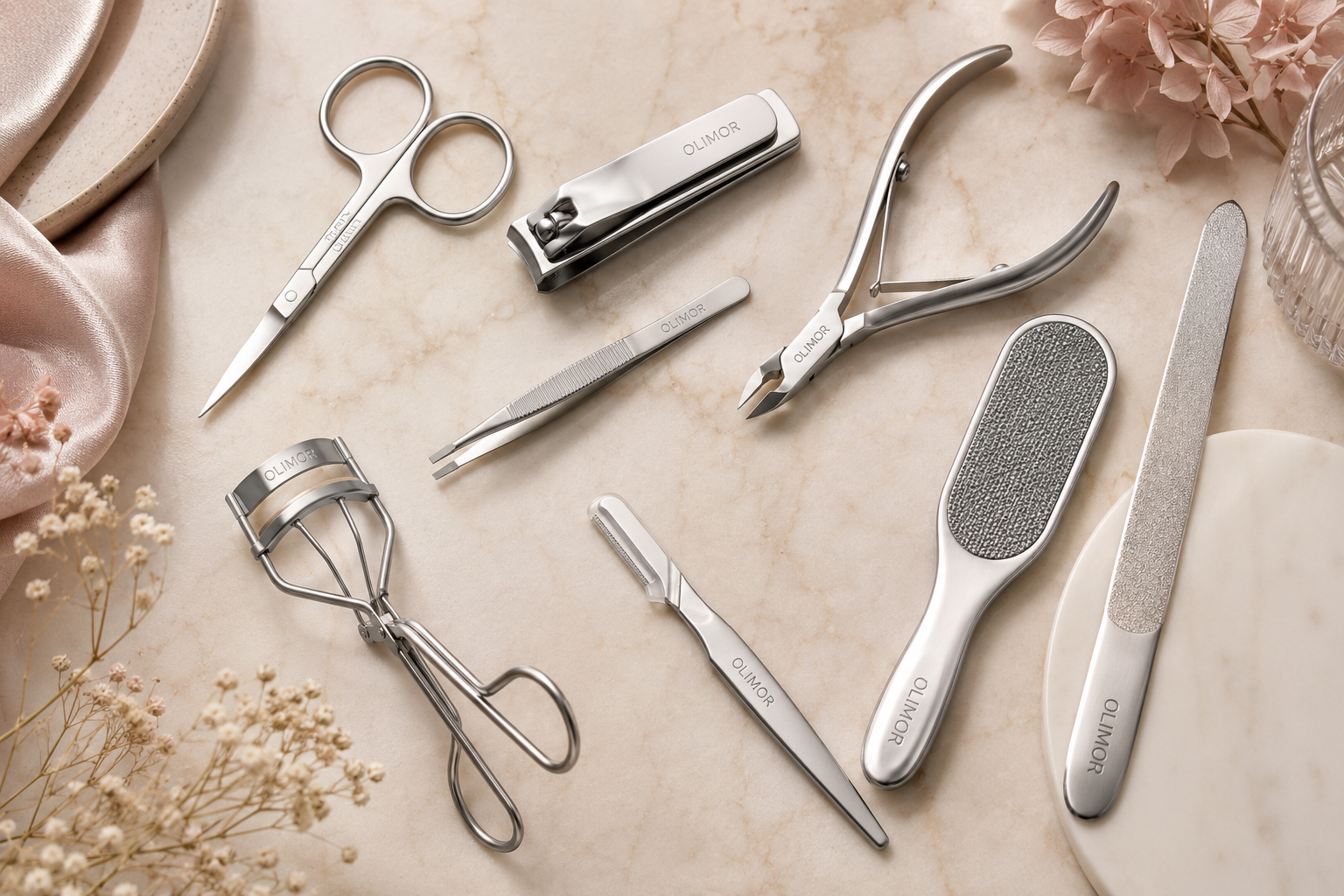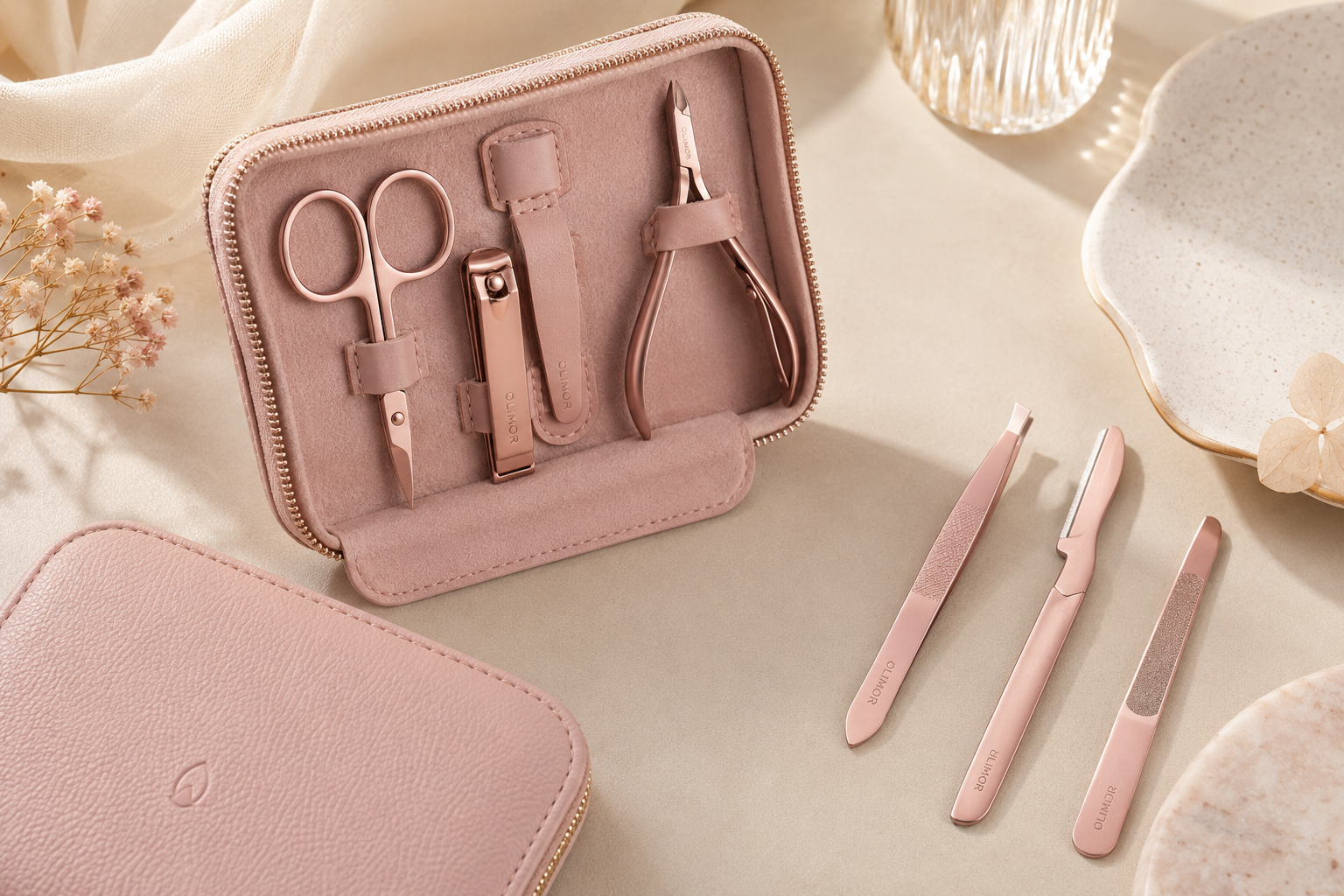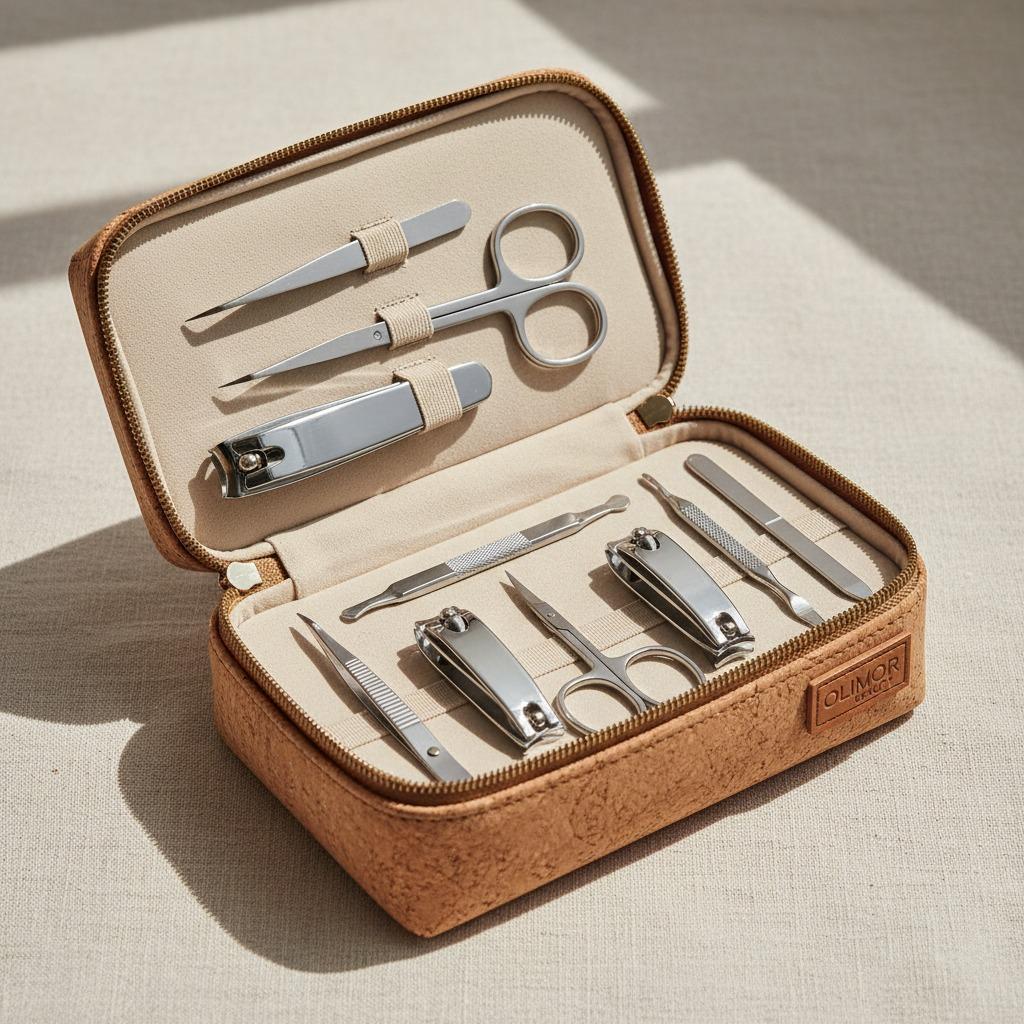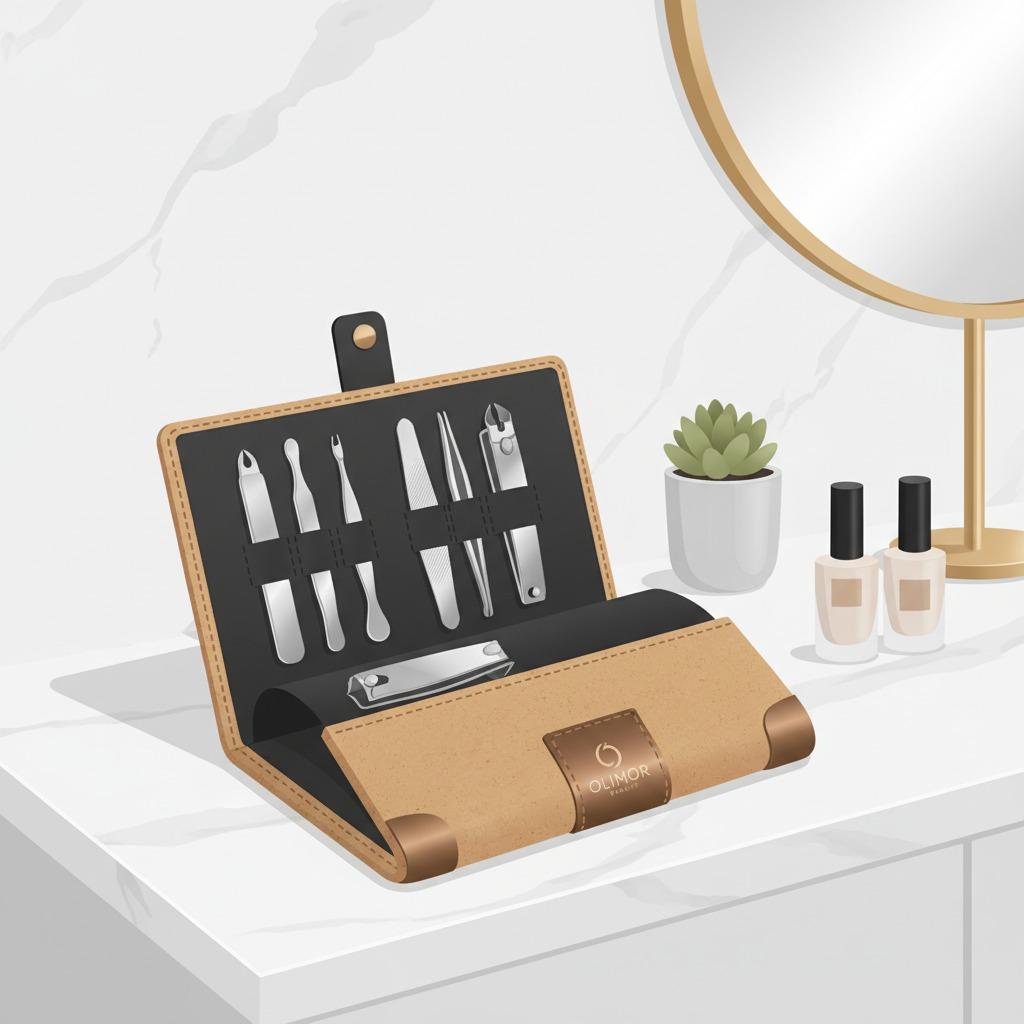
A good tweezer is a small tool, but it has a direct effect on how clean, balanced, and comfortable eyebrow grooming feels. For at-home brow shaping, the goal is not to remove as much hair as possible. The goal is to remove the right hairs with control, avoid unnecessary irritation, and preserve the natural structure of the brow. That is where a precise stainless steel tweezer with a comfortable grip and slanted tips becomes useful.
Olimor Beauty offers beauty tools for daily grooming, salon preparation, and product sourcing. If you are comparing different beauty tool products, a tweezer may look simple at first glance, but small differences in tip alignment, tension, finish, and handle comfort can change the user experience. This guide explains how to select a tweezer for eyebrow grooming, how to use it safely at home, and what to consider if you are buying tools for retail, salon, or private-label beauty assortments.
What Makes a Tweezer Suitable for Eyebrow Grooming?
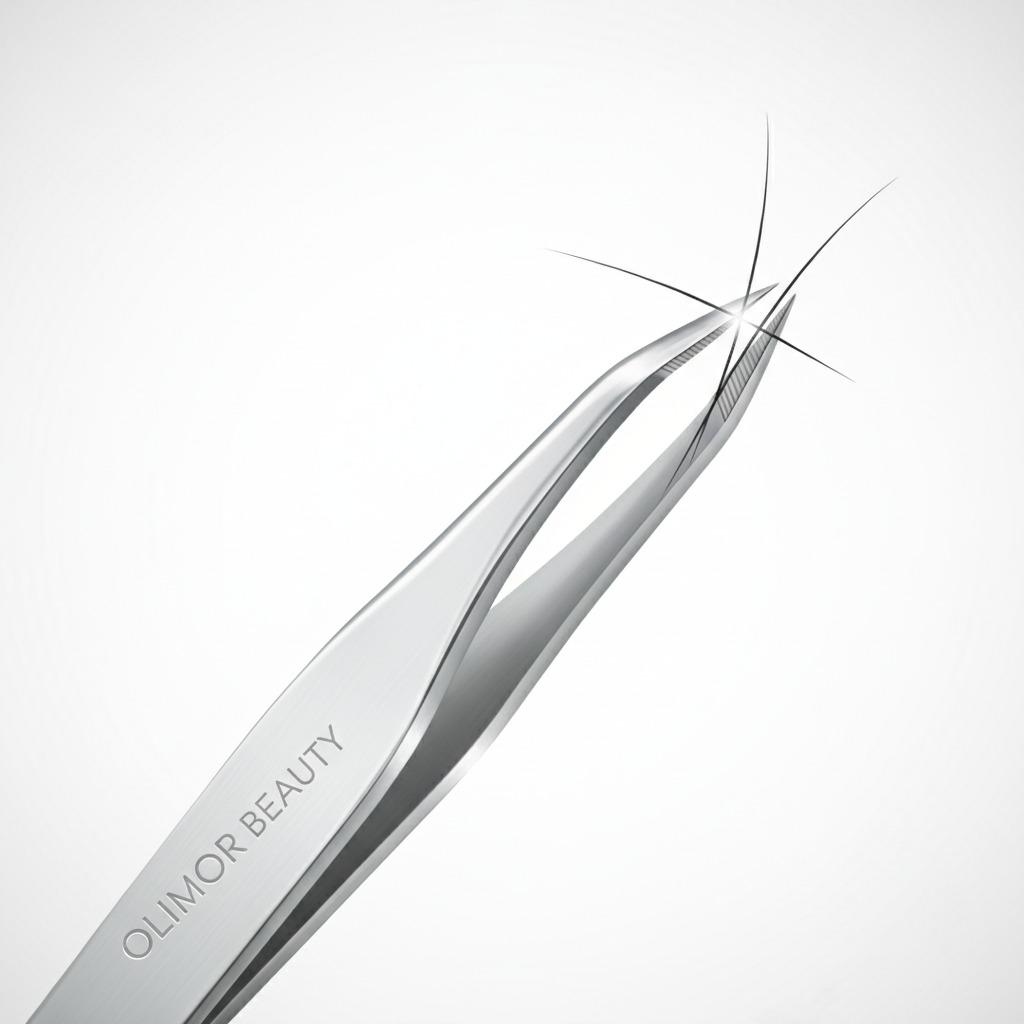
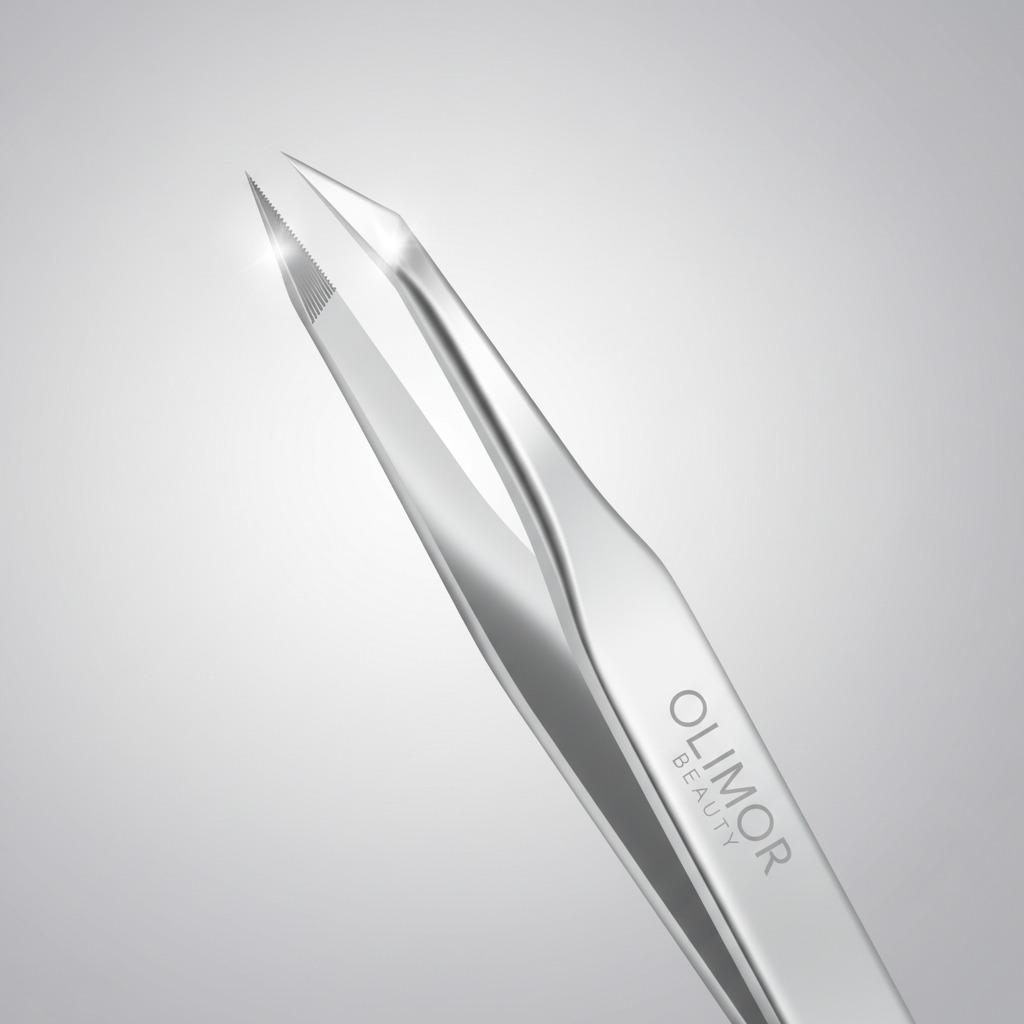
Eyebrow hair varies from fine and light to coarse and dark, and the surrounding skin can be sensitive. A grooming tweezer should therefore combine grip accuracy with a shape that is easy to control near the eye area. The original Olimor Beauty tweezer information highlights several practical features: stainless steel construction, ergonomic handling, and sharp slanted tips. These are important because they affect both precision and comfort.
Stainless steel is commonly preferred for beauty tools because it is durable, smooth to clean, and suitable for repeated use when maintained correctly. Slanted tips are popular for brows because they can approach hair from an angle, making it easier to isolate one strand at a time. Compared with a very pointed tweezer, a slanted tip is often more forgiving for everyday users. Compared with a flat tip, it can offer better visibility and more accurate placement along the brow line.
Ergonomic handling also matters. If the arms are too stiff, the hand tires quickly and the user may pull at the wrong angle. If the tension is too loose, the tips may not close firmly around short hairs. A balanced tweezer should feel stable in the hand, close evenly, and allow controlled pressure without slipping.
Choosing the Right Tweezer: Buyer Checklist
Whether you are choosing one tweezer for personal use or reviewing options for a product range, look beyond appearance. A polished finish may look attractive, but performance depends on the working edge and the consistency of the closing action. The checklist below can help you compare samples or evaluate product listings with a more practical eye.
- Tip alignment: The two tips should meet evenly along the gripping edge. Misalignment can cause hair breakage instead of clean removal.
- Tip style: Slanted tips are a versatile choice for eyebrow shaping, stray hair removal, and general facial grooming.
- Material: Stainless steel is a practical option for repeated grooming use and straightforward cleaning.
- Grip and tension: The tweezer should close smoothly with enough resistance to feel controlled, but not so much that it strains the fingers.
- Edge sharpness: Tips should grasp fine hairs securely. They should not feel rough, jagged, or overly sharp against the skin.
- Finish quality: Check for burrs, uneven coating, or rough edges near the tip and handle.
- Packaging needs: Retail buyers may need protective caps, hygienic packaging, barcode space, or care instructions depending on the sales channel.
For assortment planning, it may also help to review related product collections so a tweezer can be matched with complementary grooming tools rather than selected in isolation.
How to Shape Eyebrows at Home with More Control
At-home eyebrow grooming is easiest when you start with a plan. Plucking without mapping can quickly create uneven arches, especially if you switch between brows too often or remove hairs from the top line without a clear reason. Good lighting, a clean mirror, and a steady hand are just as important as the tweezer itself.
- Clean the skin and tool. Start with clean, dry skin. Wipe the tweezer tips before use so oil or residue does not reduce grip.
- Soften the area. A warm cloth can help relax the skin before plucking. Avoid plucking immediately after applying heavy creams because the hair may become slippery.
- Map the brow lightly. Use a brow pencil to mark the start, arch, and tail. This gives you a boundary and helps prevent over-plucking.
- Brush hairs upward. Brushing reveals the natural shape and helps you identify only the stray hairs that sit outside the planned outline.
- Hold the skin taut. Gently stretch the skin with one hand and place the slanted tweezer tip around a single hair with the other.
- Pull in the direction of growth. This can reduce discomfort and helps remove the hair more cleanly.
- Pause often. Step back from the mirror every few hairs. Symmetry is easier to judge from a normal viewing distance.
For most users, it is safer to remove less than they think is necessary. Brows can be refined again later, but a gap caused by over-plucking takes time to blend in. Focus mainly on obvious stray hairs under the brow and between the brows unless you are experienced with shaping the upper line.
Common Plucking Mistakes and How to Avoid Them
Many brow problems come from technique rather than the tool. One common mistake is gripping the hair too far from the root. This can snap the hair and leave a short, dark dot that is harder to remove. Place the tweezer as close to the base of the hair as you comfortably can without pinching the skin.
Another mistake is using a magnifying mirror for the entire process. Magnification helps with individual hairs, but it can distort the overall shape. Use it briefly for precision, then check the brows in a regular mirror. Harsh overhead lighting can also create shadows, so use even front-facing light when possible.
Plucking too quickly is another issue. When you remove several hairs in one motion, you lose control over the shape. A precision tweezer is designed to isolate, grip, and remove one hair cleanly. Work slowly, especially near the arch and tail where a few hairs can change the expression of the face.
Cleaning and Maintaining a Stainless Steel Tweezer
Proper care helps keep a tweezer comfortable and hygienic. After each use, wipe the tips to remove skin oil, makeup, or hair fragments. Let the tool dry fully before storing it, especially if it has been rinsed. Moisture left in a pouch or drawer can affect the finish over time.
Do not use the tweezer as a general household tool. Opening packages, scraping labels, or pulling hard objects can damage the tip alignment. Once the tips are bent, even slightly, the tweezer may stop gripping fine brow hairs effectively. A protective cap or dedicated storage slot can help prevent tip damage in a makeup bag.
If the tweezer is used in a salon or shared setting, cleaning procedures should match the hygiene requirements of that environment. For personal use, keeping the tool clean, dry, and protected is usually the most important routine. Replace the tweezer when the tips no longer meet evenly, when the gripping edge becomes damaged, or when the tool feels uncomfortable to control.
Sourcing Tweezers for Beauty Retail or Salon Use
For buyers, a tweezer should be evaluated as both a grooming tool and a customer experience item. The end user will judge it by how easily it grabs short hairs, how comfortable it feels in the hand, and whether it stays dependable after repeated use. Before adding any tweezer to a product line, prepare a sample review process that includes performance, appearance, packaging, and after-use feedback.
Useful sourcing questions include: Does the tweezer grip fine and coarse brow hairs without repeated attempts? Are the slanted tips consistent across multiple samples? Is the finish smooth near the gripping edge? Does the handle feel stable for left- and right-handed users? Is there enough packaging protection to prevent tip damage during shipping and display?
Retailers may also want to consider whether the tweezer fits into a broader beauty-tool assortment. A single brow tweezer can be sold alone, included in grooming kits, or merchandised with mirrors, scissors, brushes, and other care tools. If you are developing a beauty tool range or comparing options for your market, you can send an inquiry with your project requirements or contact Olimor for product discussion.
Final Thoughts: Precision Matters More Than Pressure
The best eyebrow results come from patient shaping, clean technique, and a tweezer that grips accurately without forcing the hand. A stainless steel slanted tweezer is a practical choice because it offers the control needed for everyday brow maintenance while remaining accessible for home users. Look for aligned tips, comfortable tension, clean finishing, and easy maintenance.
For personal grooming, use the tweezer slowly and preserve the natural brow shape. For product sourcing, test real handling and hair-gripping performance rather than relying only on appearance. A well-chosen tweezer supports cleaner brows, fewer broken hairs, and a more confident grooming routine.