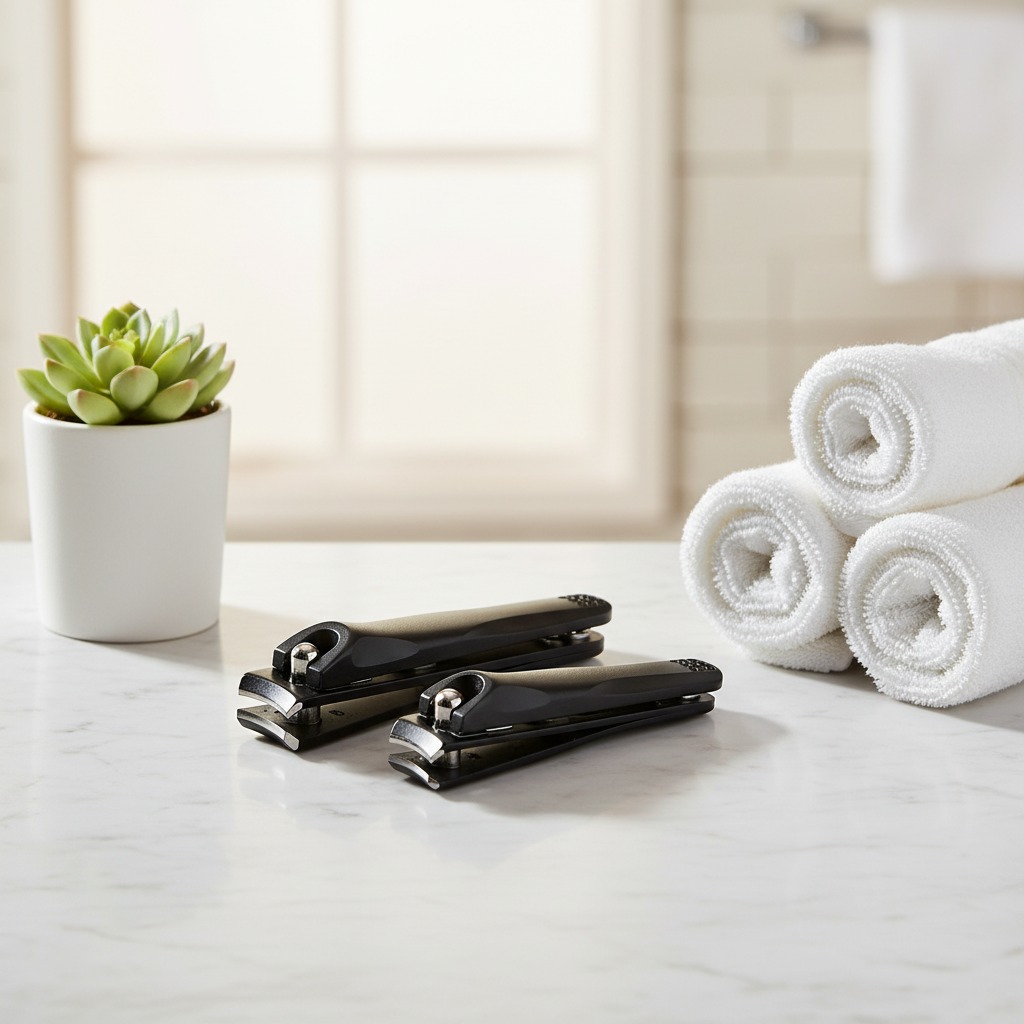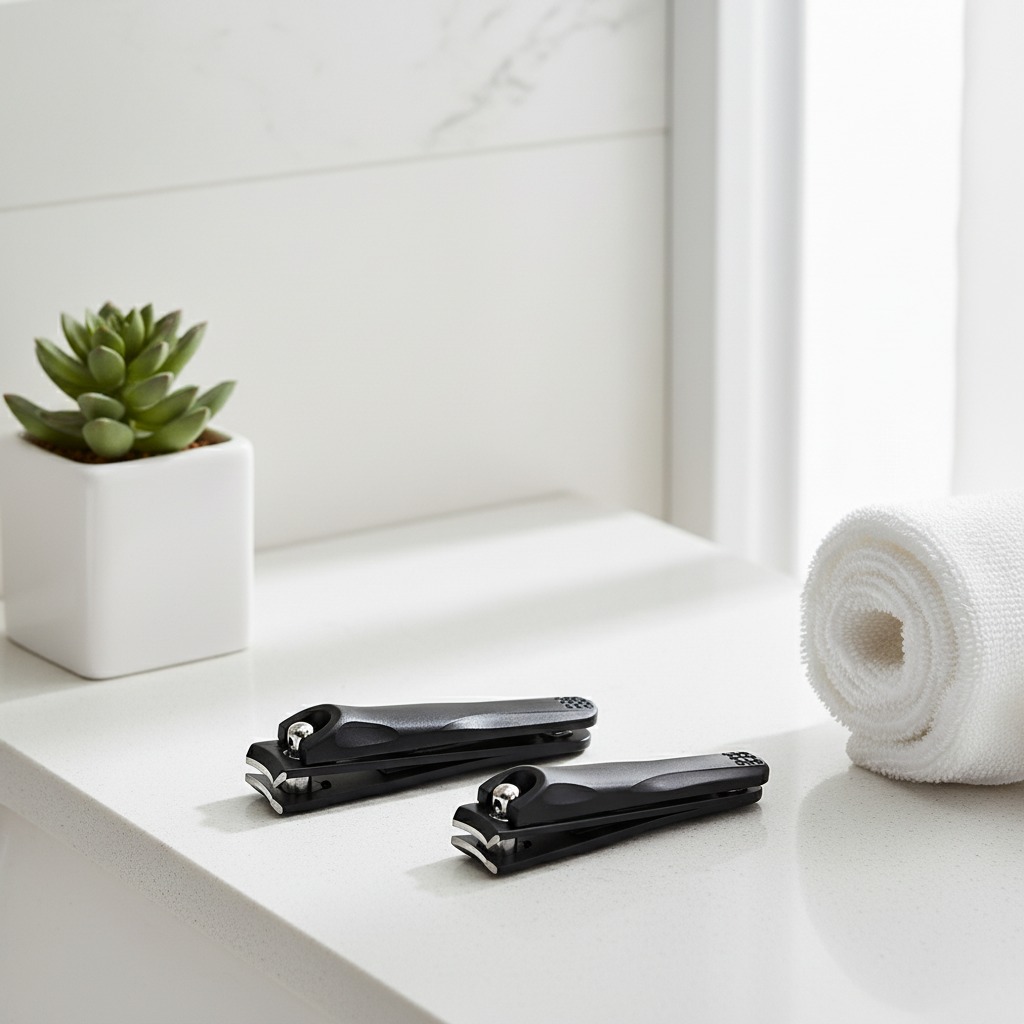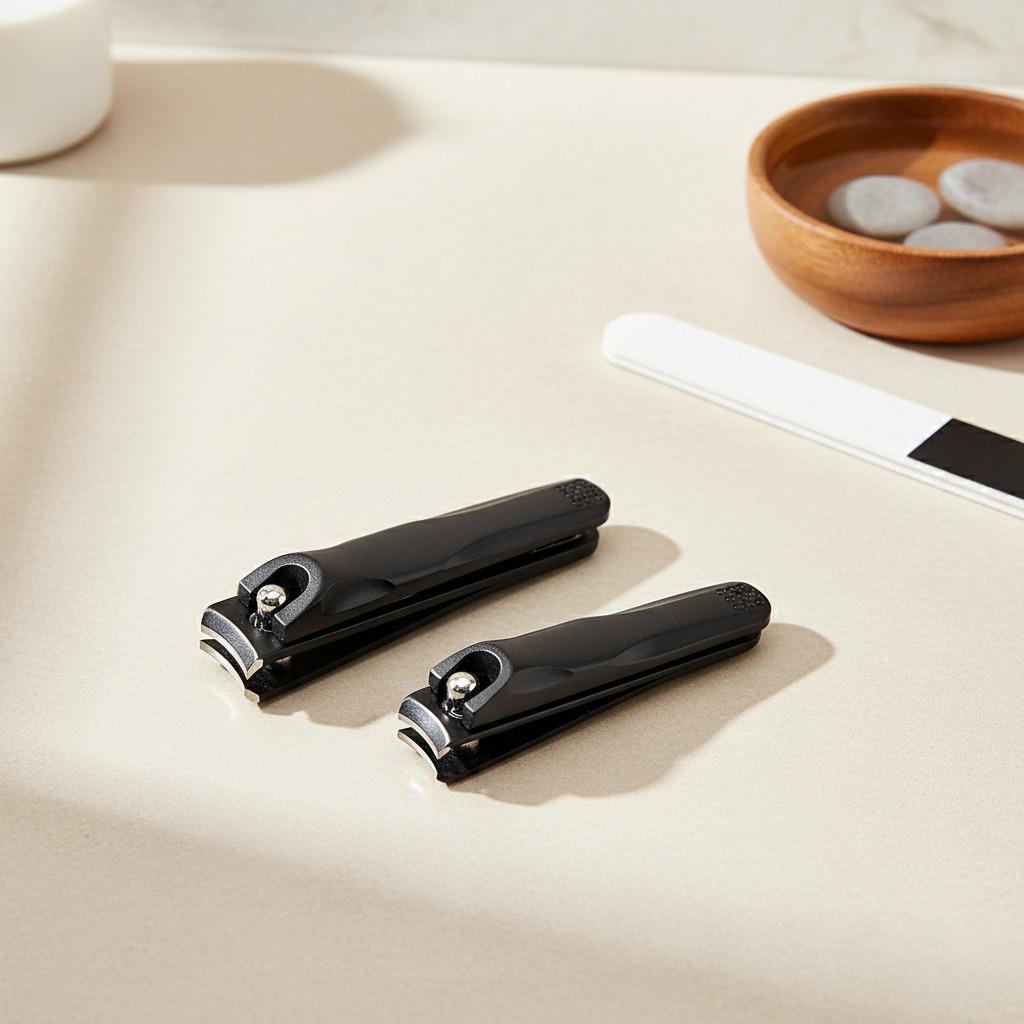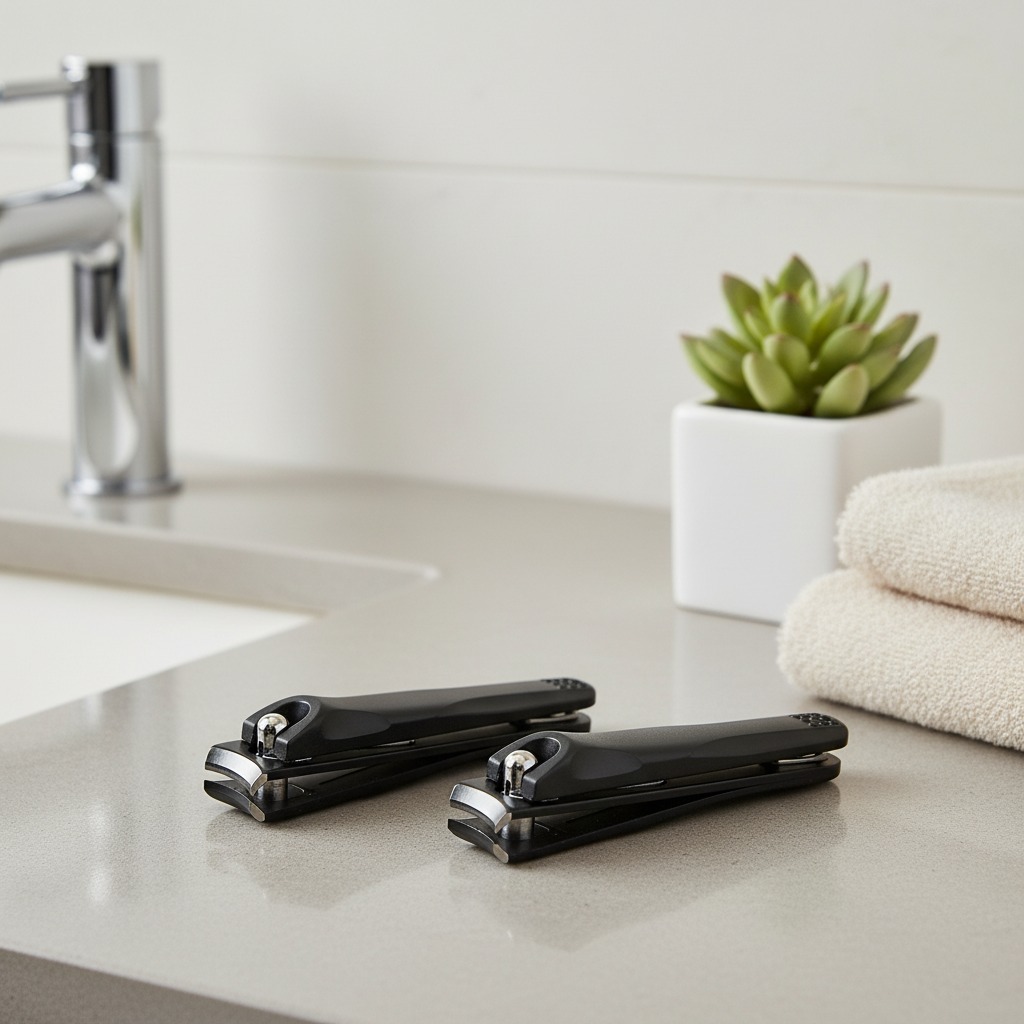











For beauty retailers, private-label buyers, and grooming tool distributors, tweezers look simple from a distance but are demanding products to manufacture well. A good tweezer must grip fine hair cleanly, align at the tip, feel stable in the hand, resist corrosion during normal use, and maintain a polished appearance through shipping, retail display, and repeated handling. Those requirements make the choice of a tweezer manufacturer more important than many buyers expect.
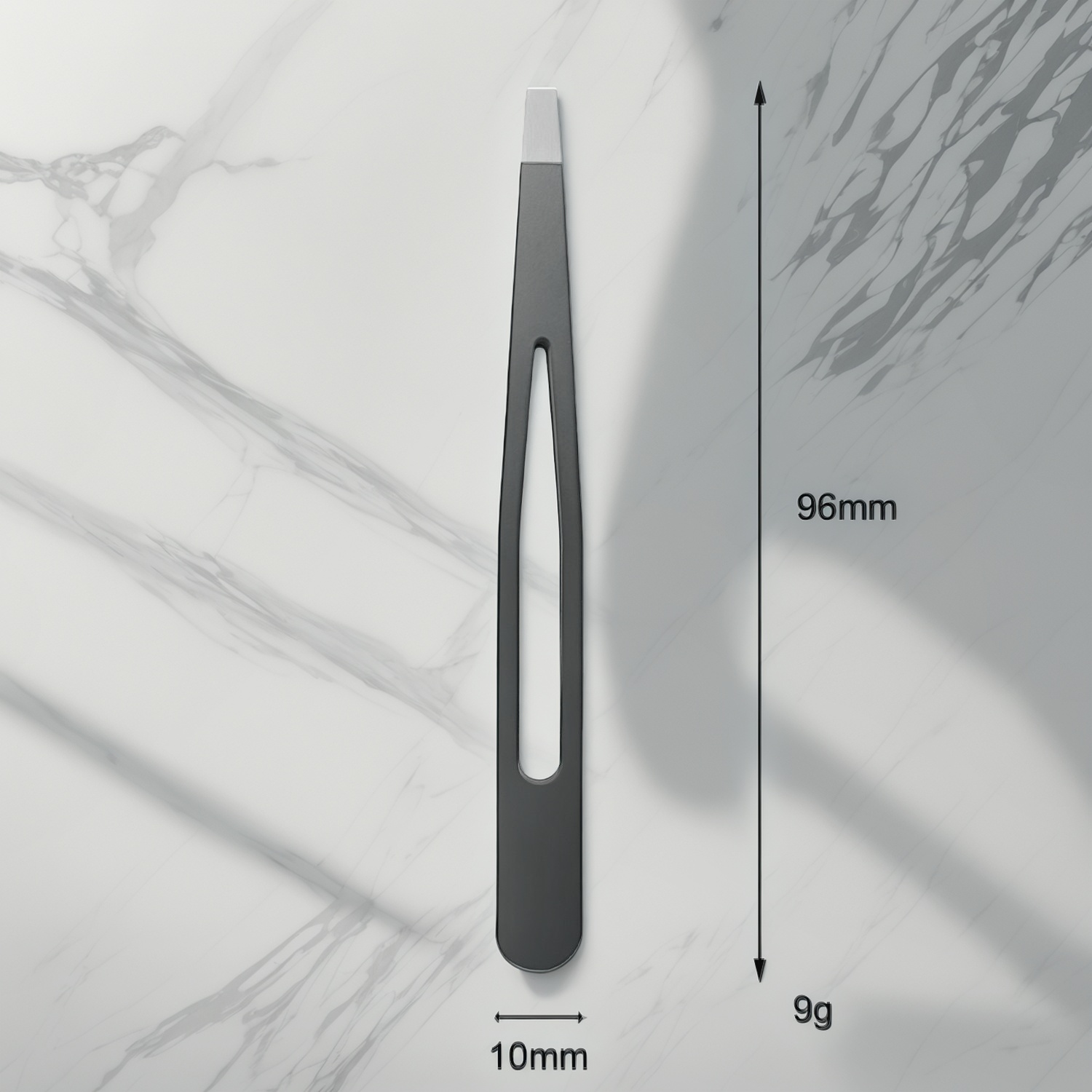
Olimor Beauty manufactures precision grooming tools with a focus on practical performance: stainless steel construction, tapered tips, ergonomic handling, and consistent finishing. For one compact tweezer format, the supplied product details include a 96mm height, 10mm width, and a light 9-gram weight, making it portable for everyday grooming kits, brow services, retail beauty sets, and travel-friendly assortments.
This guide explains what to evaluate when sourcing tweezers for wholesale, export, or OEM projects. It is written for buyers who need dependable production decisions rather than vague product claims.
Why Tweezer Precision Depends on Manufacturing Control
The working end of a tweezer is small, but it carries most of the product’s value. If the two arms do not meet evenly, the tool can cut hair, slide over fine strands, or require too much force. If the tips are too sharp, they can feel uncomfortable for delicate grooming. If they are too blunt, they may struggle with short or fine hair. This is why tweezer production requires close control over machining, shaping, polishing, and final inspection.
Olimor Beauty’s manufacturing approach includes precision machining and automated precision cutting and polishing. These steps help support reliable shape formation and a clean surface finish. For buyers, the important point is not only whether a factory can make tweezers, but whether it can repeat the same alignment, closing feel, and finish across a production order.
When assessing a tweezer manufacturer, pay attention to these functional checkpoints:
- Tip alignment: the two points or edges should meet evenly without a visible gap.
- Closing tension: the arms should compress smoothly without feeling weak or overly stiff.
- Hair grip: tapered tips should hold fine hairs with minimal slipping and minimal hair breakage.
- Surface finish: polishing should remove roughness that could irritate skin or catch on packaging.
- Grip control: a non-slip grip area helps users hold the tool steadily during close grooming work.
Material Selection: Why Stainless Steel Is Common for Beauty Tweezers
The original product information specifies high-grade stainless steel as the starting material. Stainless steel is widely used for beauty tweezers because it can provide strength, corrosion resistance, and a clean cosmetic appearance when properly processed. For tools used around brows, lashes, and facial grooming, buyers typically prioritize a material that is easy to clean and can withstand normal contact with skin oils, humidity, and cosmetic residues.
Material choice should always be connected to the intended retail position. A budget multipack may prioritize cost efficiency and basic function. A salon-focused or premium brow tool requires more attention to finishing, tip consistency, and hand feel. OEM buyers should define the expected use case before confirming samples, because the same general product category can serve very different markets.
Useful material and finish questions for a sourcing brief include:
- Will the tweezer be sold as a daily personal grooming tool, a professional brow tool, or part of a gift set?
- Does the product need a polished, matte, colored, or textured appearance?
- How will the surface finish resist visible fingerprints, scratches, and residue during retail display?
- Does the intended packaging protect the tips from pressure during transport?
- Will the product be paired with other beauty tool products that require a consistent finish or color direction?
Tip Shape, Weight, and Size for Everyday Grooming
The supplied product information highlights tapered tips designed to support precision and reduce hair breakage. Tapered tips are useful for brow shaping and detail work because they help the user isolate a single hair rather than catching a cluster unintentionally. In retail copy, this benefit should be described honestly: good tapered tips improve control, but performance also depends on alignment, user technique, and ongoing care.
The stated 9-gram weight is another useful detail. A lightweight tweezer can feel nimble during short grooming sessions and is easy to include in travel kits or compact beauty sets. The 96mm height and 10mm width make the product a practical size for personal grooming while still offering enough body length for finger control.
Buyers should consider how dimensions and weight affect customer experience:
| Feature | Why it matters | Buyer consideration |
|---|---|---|
| 96mm height | Provides a compact but usable body length | Suitable for brow kits, travel assortments, and retail hanging packs |
| 10mm width | Keeps the tool slim and easy to store | Check compatibility with trays, pouches, and clamshell packaging |
| 9g weight | Supports lightweight handling | Good for personal grooming sets where portability matters |
| Tapered tips | Improve access to fine or short hairs | Inspect samples for even contact and smooth edges |
| Non-slip grip | Helps maintain steady finger control | Test with dry hands and after handling skincare products |
What a Tweezer Factory Should Control During Production
A reliable tweezer factory is not defined only by equipment. It is defined by how consistently each production stage is controlled. For stainless steel tweezers, production typically involves material preparation, cutting or shaping, machining, tip formation, polishing, finishing, cleaning, inspection, and packaging. The original product description notes automated precision cutting and polishing, which are important because small variations at the tip can create noticeable differences in performance.
Quality control should not be postponed until the final carton is ready. It is more effective when checkpoints are placed throughout production. For example, tip geometry can be reviewed after forming, surface finish can be checked after polishing, and final function can be assessed before packaging. This reduces the chance that an entire batch proceeds with the same preventable flaw.
For OEM and wholesale projects, buyers can create a simple approval process before scaling an order:
- Reference sample: approve a physical sample that represents the desired shape, grip, finish, and closing tension.
- Packaging fit check: confirm that the tips are protected and the tool does not move excessively inside the pack.
- Functional sample review: test several units, not just one, to understand consistency.
- Visual inspection standard: define acceptable and unacceptable scratches, stains, burrs, color variation, or polishing marks.
- Carton handling review: consider whether bulk packing or retail packing protects the precision tips during export transit.
OEM Tweezer Sourcing for Private Label Buyers
Tweezer OEM services allow buyers to tailor a product for a specific channel, assortment, or retail customer. Customization may involve shape direction, finish preference, grip treatment, packaging format, and coordination with other beauty tools. Because tweezers are precision items, customization should never compromise tip alignment or user comfort. The best sourcing decisions begin with performance requirements, then move into appearance and packaging.
If you are developing a private-label grooming range, compare tweezers with other items in your line. A brow tweezer may sit beside scissors, eyelash curlers, nail tools, or facial grooming accessories. Consistent finish, packaging language, and product sizing can make the collection easier for retailers to merchandise. To review broader assortment options, buyers can browse Olimor product collections and identify tools that may fit the same retail program.
Before confirming an OEM direction, prepare a concise product brief. Include the target retail price band if you have one, intended sales channel, packaging requirements, finish preference, logo placement needs, and the expected user. This helps the manufacturer focus development on realistic options instead of producing samples that look attractive but do not fit the final commercial use.
Export and Wholesale Considerations for Tweezers
Tweezer exporters and wholesalers play an important role in moving products from factory production to international retail shelves. For export supply, the product must remain consistent across cartons, not only within a small sample set. Lightweight tools such as 9-gram tweezers are easy to ship in volume, but the precision tips still need protection against pressure, vibration, and careless handling.
Wholesale buyers should think beyond the unit itself. A tweezer may be sold in a blister card, pouch, box, sleeve, or kit. Each format changes the inspection and shipping priorities. For example, a pouch may need a tip guard or insert to prevent puncturing and abrasion. A clear retail pack may require a higher standard for visible polishing because shoppers can inspect the tool before purchase.
For international buyers, documentation, labeling, barcode placement, carton marks, and packaging language are also part of the sourcing process. These details should be settled early, especially when multiple products are shipped together. If you are planning a wholesale or private-label tweezer order, you can send an inquiry with your product brief, or contact Olimor to discuss the most suitable development route.
Care Instructions That Support Better End-User Experience
Even a well-made tweezer needs proper care. Retailers and brand owners can reduce complaints by including simple maintenance guidance on packaging or product pages. Users should keep tips clean, dry the tool after cleaning, avoid dropping it on hard surfaces, and store it with the tips protected. Dropping a tweezer can knock the tips out of alignment, which directly affects grip.
Practical end-user care points include:
- Wipe the tips after use to remove oils, hair, and cosmetic residue.
- Dry the tweezer before storage, especially in humid bathrooms or travel bags.
- Use a cap, pouch, or protected compartment to prevent tip damage.
- Do not use brow tweezers as general household tools, because hard objects can deform the tips.
- Check alignment periodically; if the tips no longer meet evenly, performance will decline.
Building a Better Tweezer Program with Olimor Beauty
A strong tweezer program is built from small but important decisions: stainless steel selection, precision machining, tapered tip geometry, controlled polishing, ergonomic grip, protective packaging, and realistic OEM planning. Olimor Beauty focuses on manufacturing grooming tools that combine precision function with a clean, practical appearance for beauty buyers, wholesalers, and private-label programs.
When comparing tweezer manufacturers, avoid judging by appearance alone. Request samples that match your intended use, test the grip on fine hairs, inspect multiple units for consistency, and review how the product will be packed for retail and export. A tweezer is a compact tool, but when it performs well, it becomes a repeat-purchase category, a useful kit component, and a dependable part of a beauty tool assortment.