For beauty distributors, grooming brands, retailers, salon suppliers and promotional buyers, the smartest way to source nail clippers from China is to define the product by function first. A good clipper should cut cleanly, feel stable in the hand, keep its blade alignment, resist corrosion in normal storage, and arrive in packaging that protects both the tool and your retail presentation.
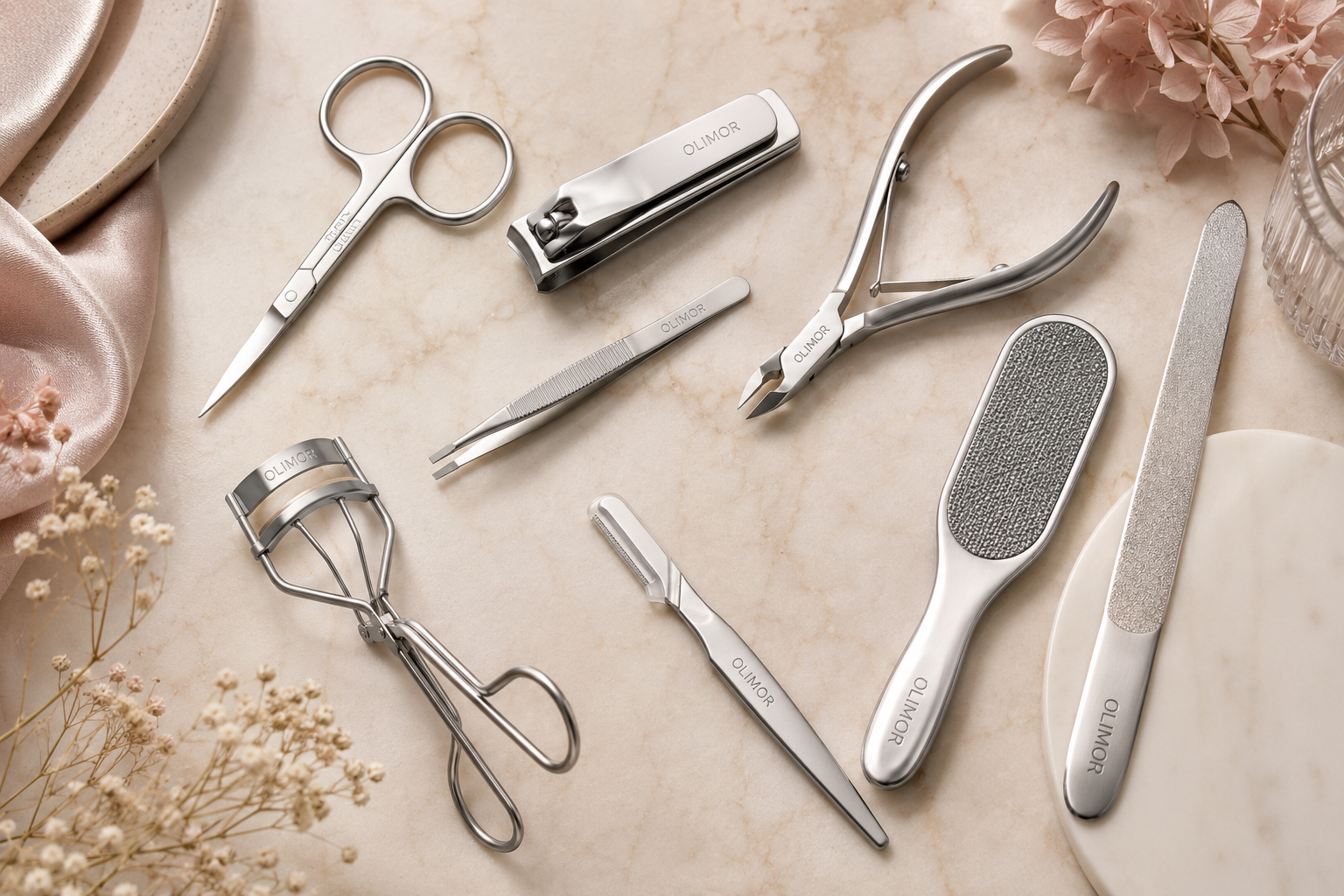
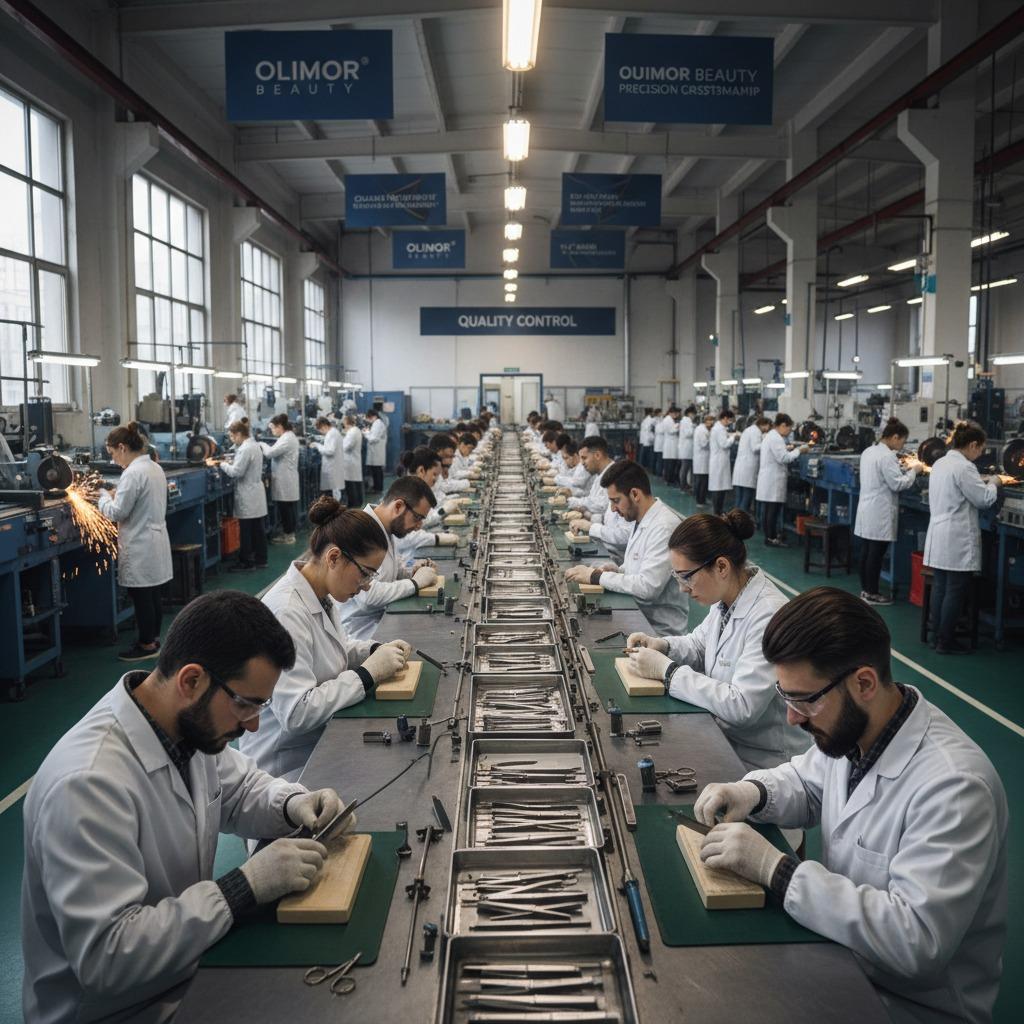
China is a major sourcing base because the related processes are often available in one manufacturing chain: stamping or forming, polishing, finishing, lever assembly, inspection and export packing. That gives buyers more room to compare samples, choose the right finish and control repeat orders. If you are building a broader grooming line, you can also review Olimor beauty tools or browse the wider product collection to see how nail clippers fit into a complete assortment.
Why China is a practical source for nail clippers
Nail clippers look simple, but the category depends on several linked manufacturing steps. A supplier with access to metal forming, sharpening, polishing, assembly and packaging can usually offer more options than a fragmented supply chain. That matters for buyers who want different product levels for mass retail, salon supply, travel kits or private-label grooming programs.
Common sourcing advantages include broader style choice, flexible packaging formats and established export communication. You may see basic household clippers, compact travel styles, ergonomic shapes, models with a built-in nail file and brushed metallic finishes. The same core tool can be positioned very differently depending on how it is finished and packed.
- Wider assortment planning: one supplier may support standard clippers, portable versions and gift-set options.
- Channel flexibility: the same product can be sold in bulk cartons, blister cards, paper boxes or pouches.
- Private-label potential: logo placement and carton artwork can be adapted to your market.
- Export familiarity: experienced suppliers are usually prepared for carton marking, mixed-SKU planning and shipping coordination.
What matters most in nail clipper quality
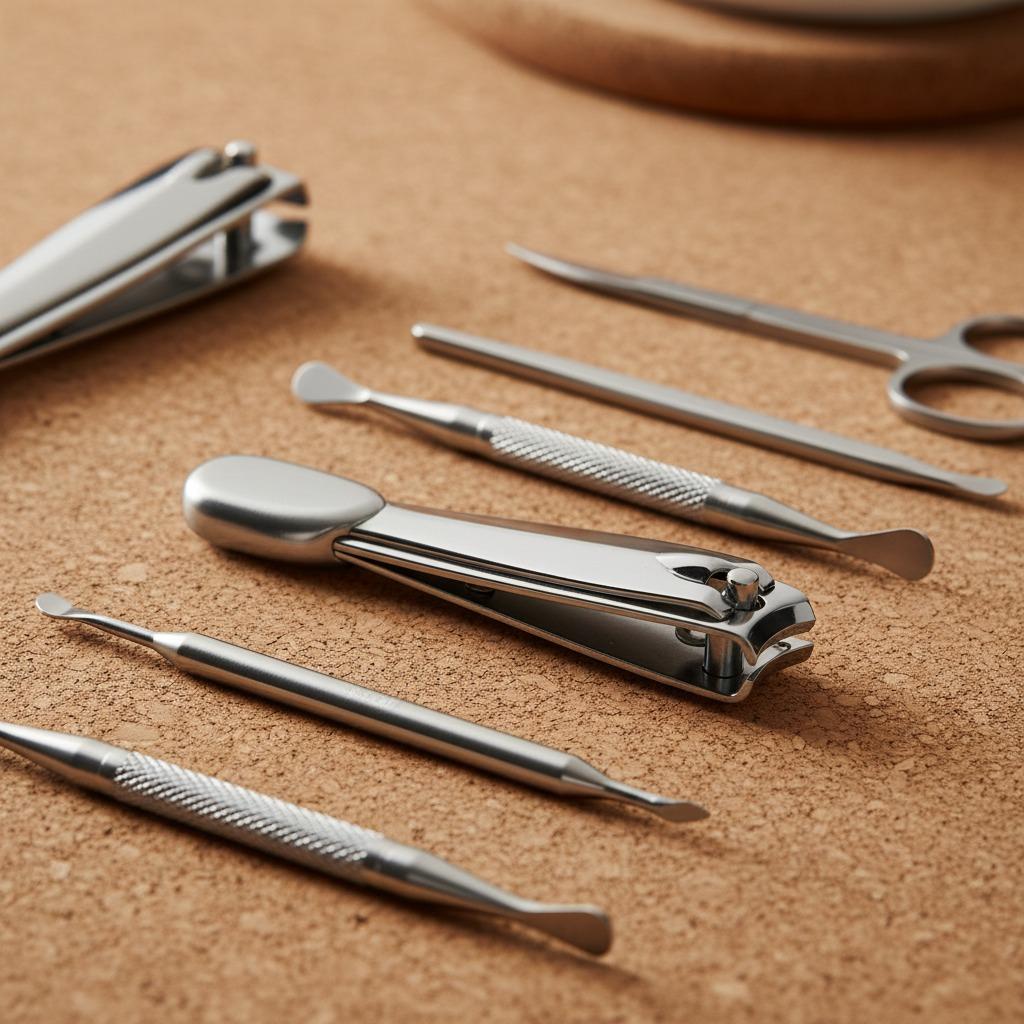
Appearance is not enough. A nail clipper is judged by how well it performs after repeated use, so the sample should be tested the way an end user would actually use it. Buyers should look closely at the cutting edge, lever action, jaw alignment, surface finishing and packaging protection.
Blade alignment is one of the first checks. The two cutting edges should meet evenly. If they do not, the tool may split the nail, require more force or leave an uneven cut. Cutting sharpness should feel smooth and controlled rather than rough or forced. Lever strength and rebound matter as well; the lever should press down comfortably and return without wobble.
Edge finishing should be smooth enough for safe handling, especially on products that will be used frequently or carried in a pouch. Surface finish should be even, with no obvious scratches, stains or patchy polishing. If the design includes a built-in file, confirm that it is secure and actually usable rather than decorative only.
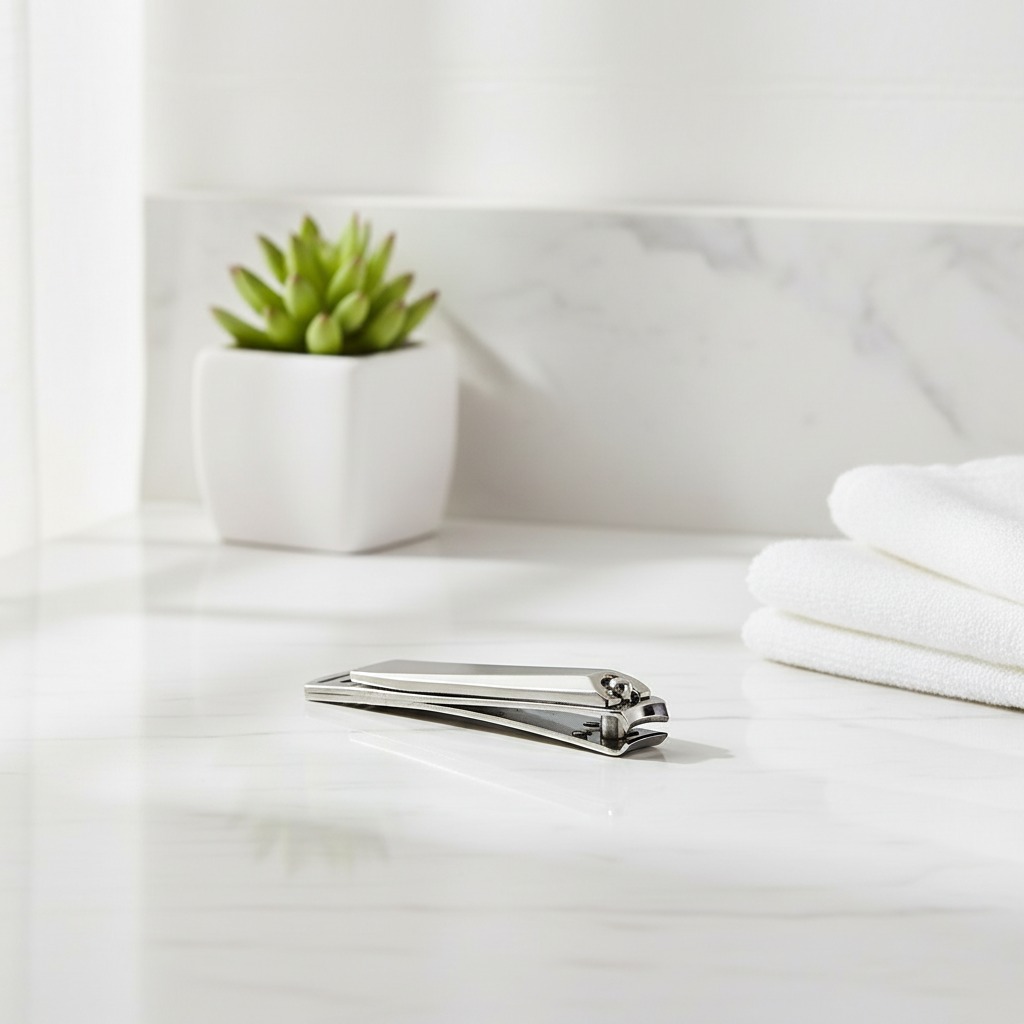
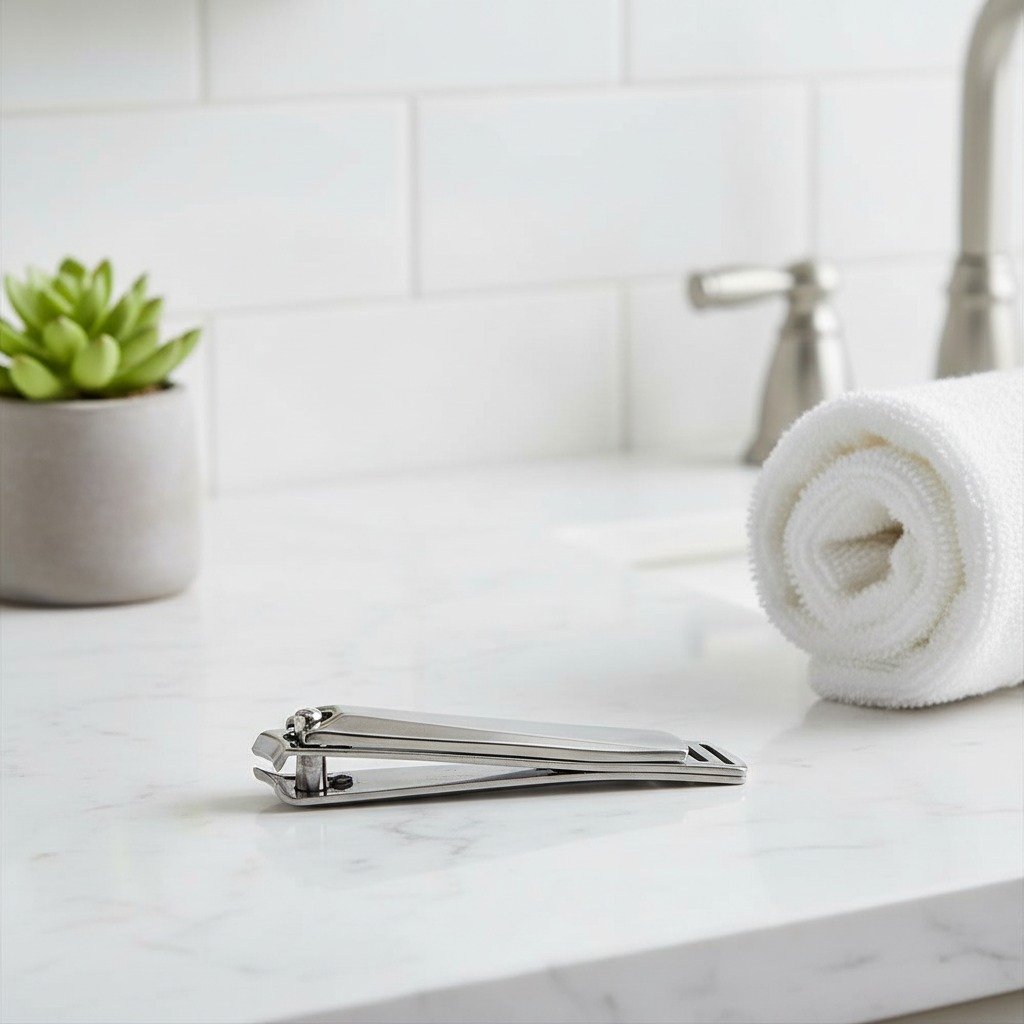
The category often includes compact stainless steel clippers, ergonomic shapes and lightweight designs. Some product lines are described as being around 70 mm in height and about 30 g in weight, sometimes with a built-in file. Those figures are useful as sample references, but they should always be confirmed on the physical product and reflected consistently in packing and order documents.
| Clipper type | Best fit | What to confirm on samples | Packaging implication |
|---|---|---|---|
| Basic household clipper | Value retail, general use, promotional distribution | Clean cut, even blade meeting point, safe edge finishing | Simple bulk or carded pack if shelf presentation is not complex |
| Compact travel clipper | Travel kits, cosmetic bags, compact grooming sets | Size, weight, lever comfort and protection during transit | Needs tighter pack fit so the tool does not move or scratch |
| Ergonomic or premium finish | Salon supply, gift sets, higher-presentation retail | Grip comfort, polishing quality, lever stability and visual consistency | Packaging should support display appeal and brand image |
| Built-in file model | Convenience-driven retail and travel use | File placement, texture, security and overall usability | Protect the file and prevent sharp contact with other items |
How to compare suppliers without focusing only on price
Price matters, but it should never be the only filter. Two clippers that look similar in a photo may differ in steel thickness, sharpening consistency, polish quality, lever tension, packaging durability and inspection discipline. A lower unit cost can be acceptable for a simple promotional item, yet expensive if it creates returns, complaints or weak shelf presentation.
When evaluating a supplier, ask for a sample that matches your intended finish, size, file design and packaging as closely as possible. If you plan to buy for retail, do not test a loose sample and assume the carton pack will behave the same. Metal tools can scratch each other or damage packaging if they are not separated correctly.
- Define the selling channel: supermarket display, salon kit, travel set, online parcel or gift pack.
- Request representative samples: make sure the sample matches your intended size, finish and pack method.
- Test the function: check the cut, lever movement, alignment and feel, not only the appearance.
- Clarify defect terms: agree on what counts as poor cutting, loose lever, rust marks, scratches or damaged packaging.
- Review communication quality: a dependable supplier answers clearly about options, sample status, packing and shipping coordination.
If you use formal inspection language, many buyers align their acceptance plan with ISO 2859-style sampling terms or their own AQL rules. The useful point is not the label itself; it is that you and the supplier should agree on the applicable version, the sample size, and the acceptance criteria in writing. For stainless steel and finish descriptions, verify the supplier’s documentation rather than relying on catalog wording alone.
Choosing the right nail clipper for your market
The best clipper depends on where it will be sold and how the customer will use it. Buyers should avoid selecting a style only because it is popular in another market. Instead, match the design to the retail environment, the expected user and the level of presentation you need.
For everyday retail, a compact stainless steel clipper with a clean finish and simple packaging is often enough. For travel kits, portability and a built-in file become more important. For salon or gift-set placement, the finish, grip comfort and overall presentation deserve closer attention because the clipper will sit beside other grooming tools. For private label programs, consistency in logo placement and carton artwork is essential across repeat orders.
- Size: smaller clippers suit travel and cosmetic bags; larger styles may feel more stable on thicker nails.
- Weight: a lightweight design can be practical, but weight alone does not prove quality.
- Finish: brushed surfaces can help reduce the visibility of fingerprints and light handling marks.
- Grip and lever comfort: ergonomic shaping helps users control the tool more easily.
- Packaging style: choose a pack that fits your channel, whether bulk, retail-ready or kit-based.
These choices also influence cost. Unit price can move with material use, polishing level, logo work, packaging type, order complexity and inspection scope. Buyers who want a stronger shelf appearance or a more protective pack should expect those choices to affect the overall sourcing plan.
Quality control before you place a larger order
A written sample review process helps buyers compare suppliers fairly and reduces confusion once production starts. It also gives the manufacturer clear feedback if the design or pack needs adjustment. The process does not need to be complicated; it needs to be consistent.
- Check the cutting performance: test the clipper on different nail thicknesses and look for a clean, even cut.
- Inspect blade alignment: close the jaws and verify that the cutting edges meet evenly.
- Press the lever repeatedly: confirm smooth movement, stable rivets and no looseness.
- Examine surface finish: look for burrs, scratches, stains or uneven polishing.
- Review the built-in file: confirm the file is secure and usable if the design includes one.
- Check packaging fit: the clipper should not move too much or damage the pack during handling.
- Compare more than one sample if possible: batch consistency matters for repeat orders.
This type of inspection is especially useful for buyers sourcing through a private-label or retail program. A clipper can look acceptable in photos yet still fail on lever feel, edge smoothness or packaging durability. The earlier these issues are identified, the easier they are to correct.
Packaging, customization and the real cost factors
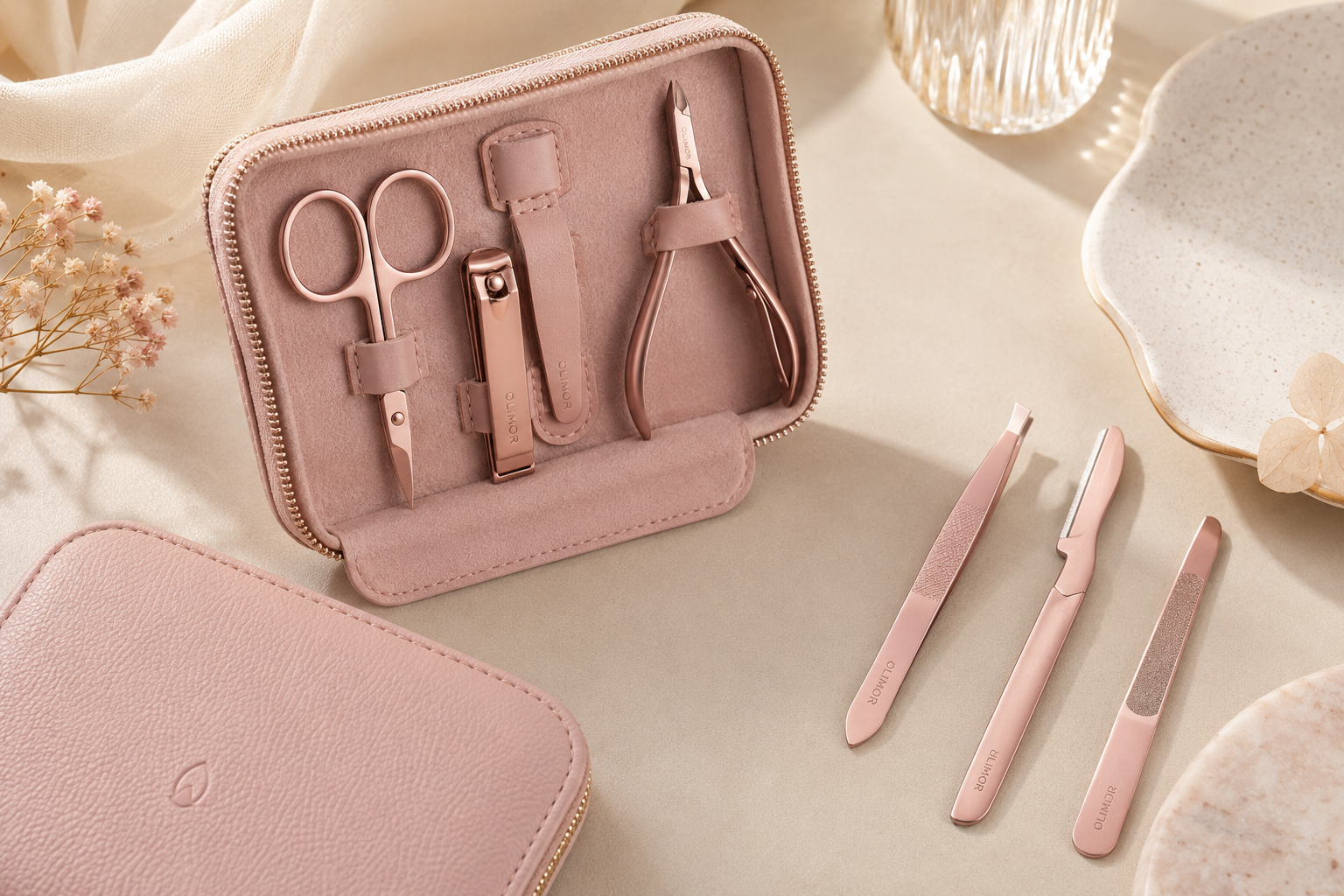
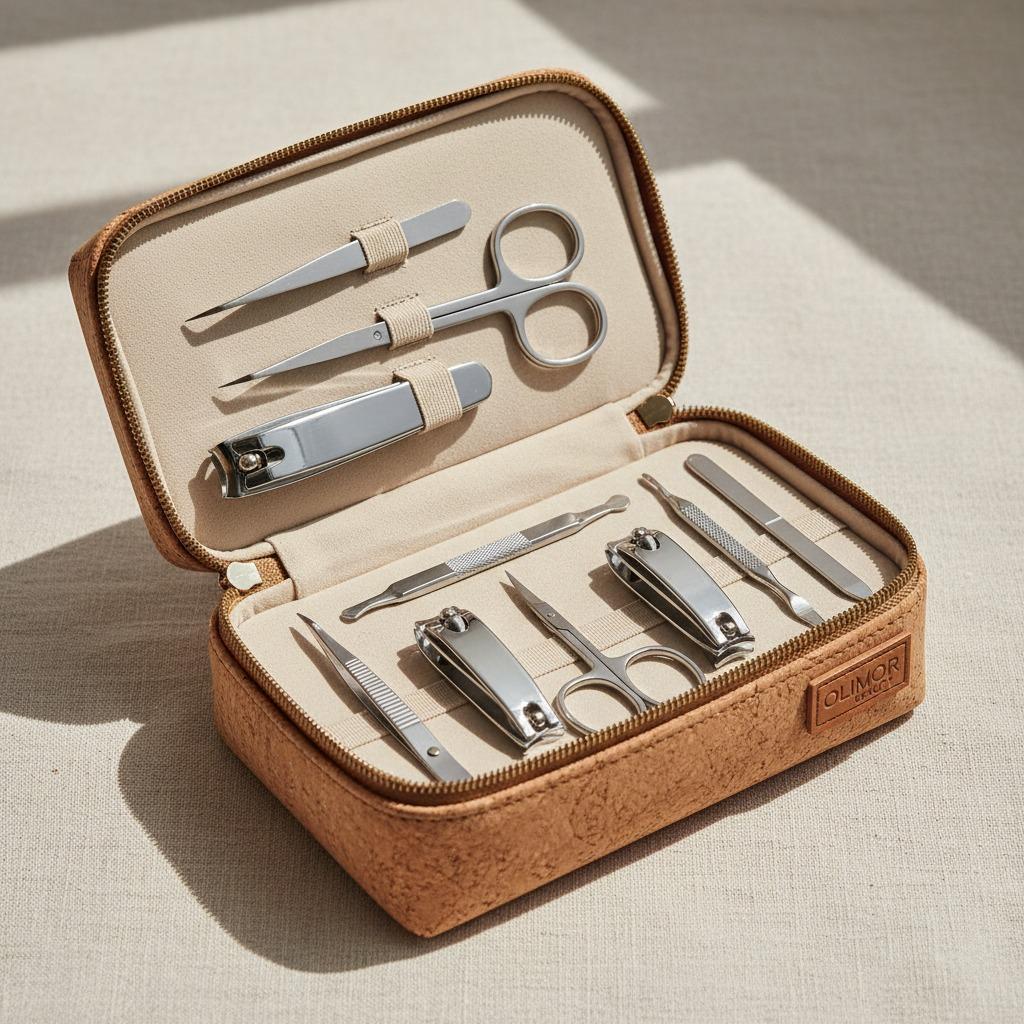
Nail clippers are often sold as small standalone items, but they also appear inside manicure kits, travel packs and gift sets. That means packaging has to do more than hold the product. It should protect the tool, support the sales channel and reflect the brand position you want.
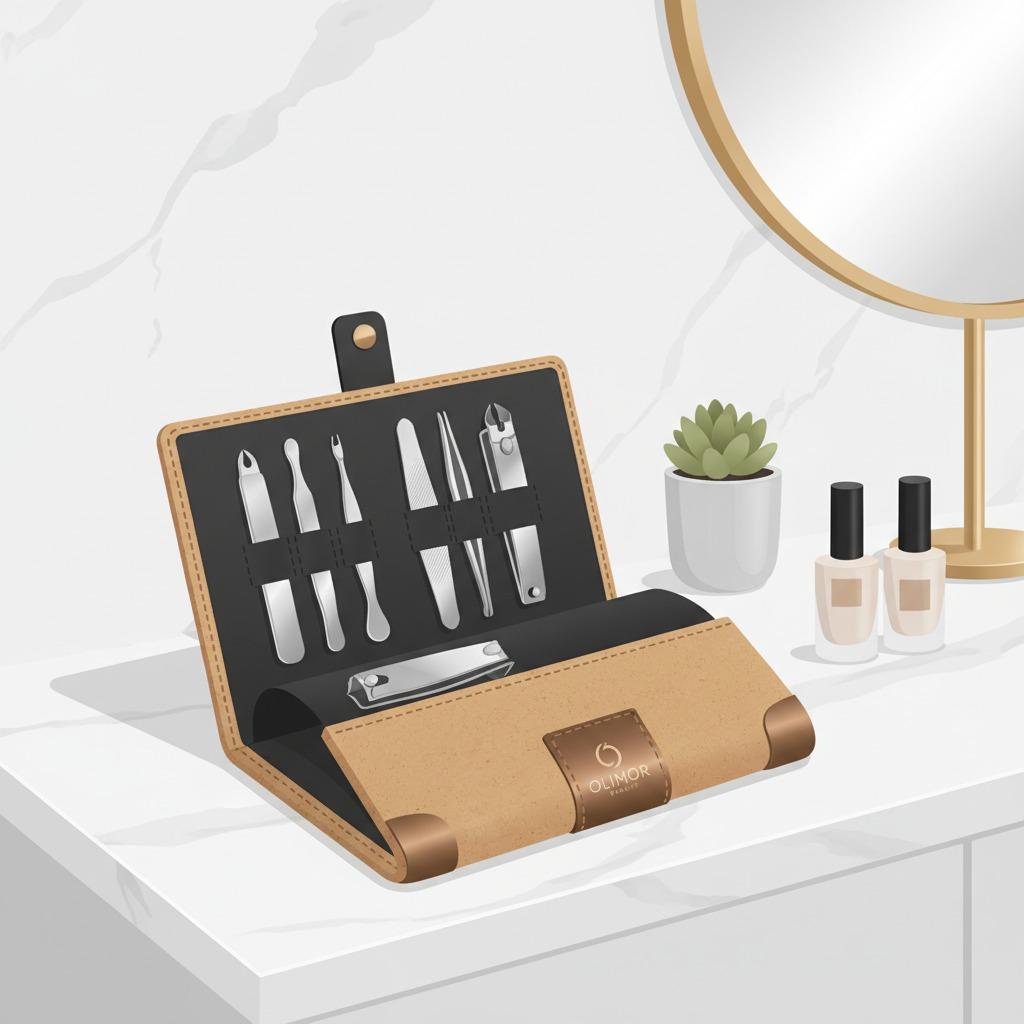
Packaging options commonly include bulk cartons, blister cards, paper boxes, pouches and customized retail-ready formats. For e-commerce, the pack should survive parcel handling and reduce the chance that the clipper scratches other items. For physical retail, hanging options, barcode placement and shelf visibility may matter. For kit assembly, the clipper has to fit cleanly with scissors, tweezers, files or other beauty tools.
Customization can include logo placement, carton markings and artwork, but it should always be tied to your order plan. Keep the same specification across repeat orders so the product and the presentation remain consistent. If you need help defining that brief, you can send a sourcing inquiry with your target market, pack style and use case, or contact Olimor to discuss a practical product direction.
- Material choice: stainless steel is commonly used because buyers expect strength and better resistance to corrosion than many lower-cost alternatives.
- Finish level: polishing, brushing and surface uniformity affect presentation and cost.
- Logo and artwork: custom branding can raise complexity and should be checked on samples.
- Pack style: retail-ready packaging usually costs more than plain bulk packing.
- Inspection scope: more detailed checks add control, but they also add planning requirements.
When an Olimor sourcing discussion is useful
Olimor focuses on beauty tools for buyers who need practical product performance and consistent presentation. If you already know your target channel but need help narrowing the clipper style, packaging format or assortment role, a short sourcing discussion can save time before sampling starts.
The most useful brief includes the intended market, the way the tool will be packed, whether a built-in file is needed, how the clipper will be displayed, and whether the order is for a stand-alone item or part of a larger grooming set. That information helps a supplier propose the right configuration without drifting into unnecessary features.
For buyers building a wider grooming assortment, it is often more efficient to source clippers alongside related beauty tools so the finish, pack style and branding remain coordinated across the range.
FAQ
Can I request samples before placing a larger order?
Yes. Samples are one of the most important parts of nail clipper sourcing because they let you check cutting performance, lever feel, blade alignment, finish and packaging before you commit to production.
Is there a standard MOQ for imported nail clippers?
MOQ varies by supplier, design, customization level and packaging format. Ask for the MOQ in writing for the exact clipper and pack you want, rather than assuming one number applies to every order.
Can nail clippers be customized with a logo or special packaging?
Often yes. Common customization points include logo placement, carton markings, artwork and retail packaging style. Confirm what is available on the sample and keep the same specification across repeat orders.
What quality checks should I ask the supplier to perform?
Ask how they check blade alignment, cutting sharpness, lever action, surface finish, burrs, packaging protection and batch consistency. If you use formal inspection language, agree on the applicable sampling method and documentation in advance.
How long is the lead time for imported nail clippers?
Lead time depends on the product design, packing method, customization and order size. The safest approach is to request a confirmed production schedule once the sample and specifications are approved.