










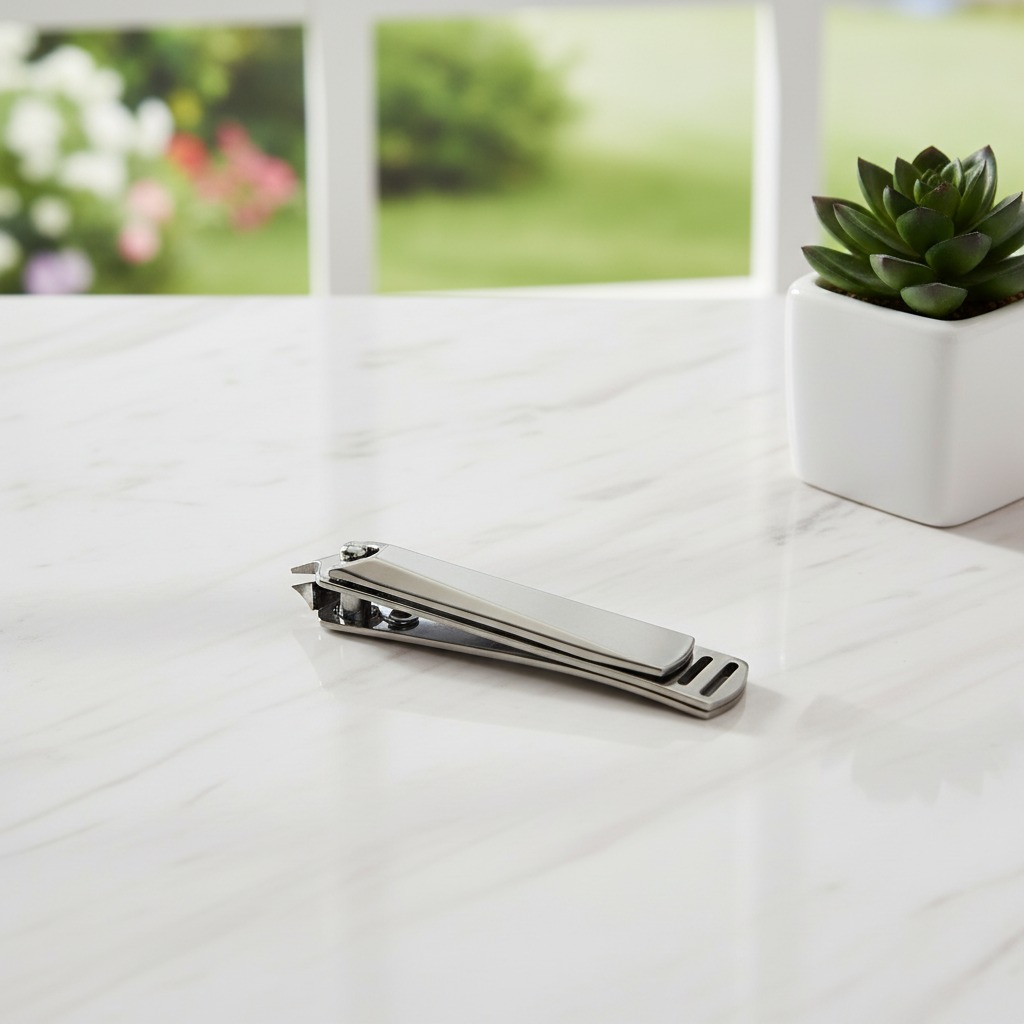
Importing nail clippers from China can work well for distributors, private-label grooming brands, salon suppliers, promotional buyers, and retailers that want a steady source of compact beauty tools at a competitive landed cost. The product looks simple, but buyers quickly learn that blade alignment, lever feel, surface finishing, packaging, and inspection standards can make a real difference to customer satisfaction. China is attractive because metal forming, sharpening, assembly, polishing, packing, and export logistics are often available within one mature supply chain. That gives buyers more choice, faster sample comparison, and easier coordination with related manicure and pedicure items.
For buyers evaluating nail clipper export from China, the best approach is to define the product requirement in practical terms first, then compare suppliers on sample quality, communication, packaging control, and inspection discipline. Olimor Beauty supports buyers looking for compact grooming tools with clear product information and organized sourcing support. You can also browse beauty tool products or review broader collection options to see how a nail clipper fits within a full grooming range.
Why buyers source nail clippers from China
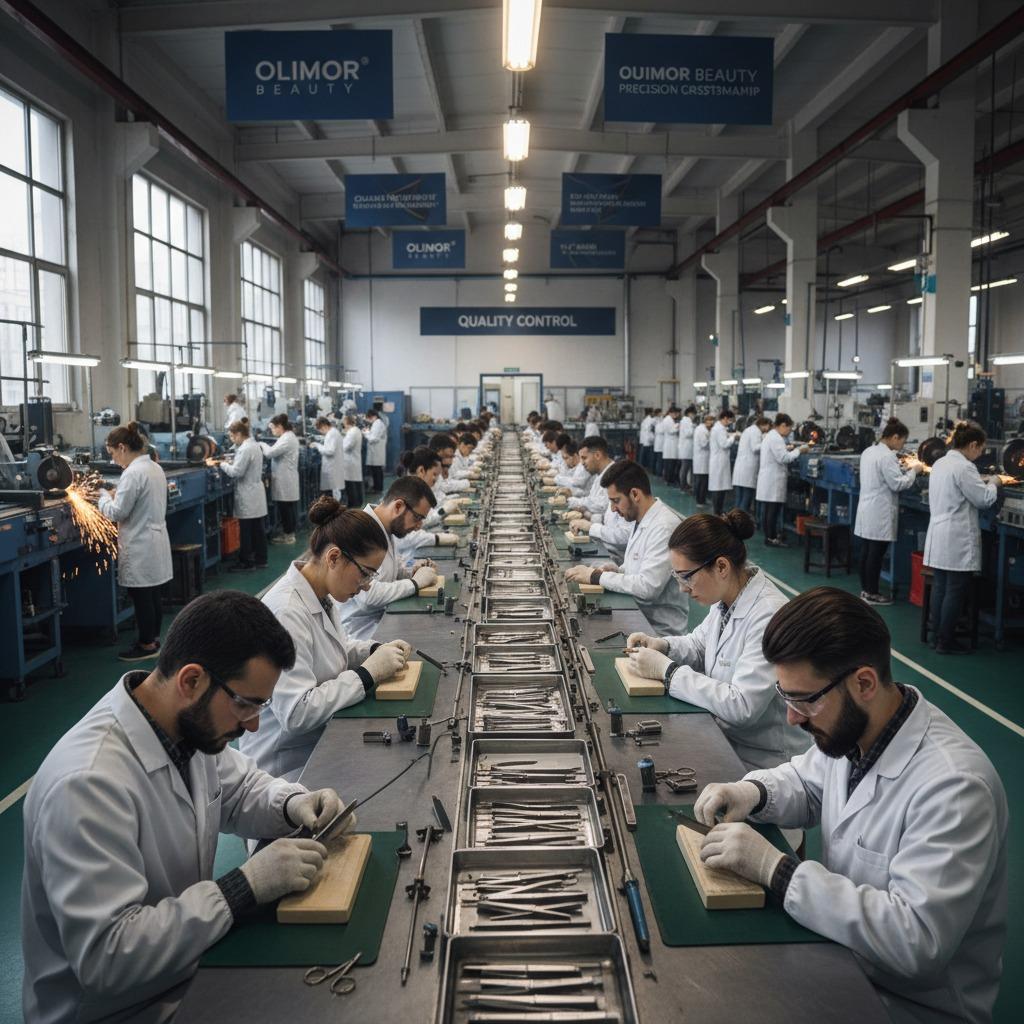
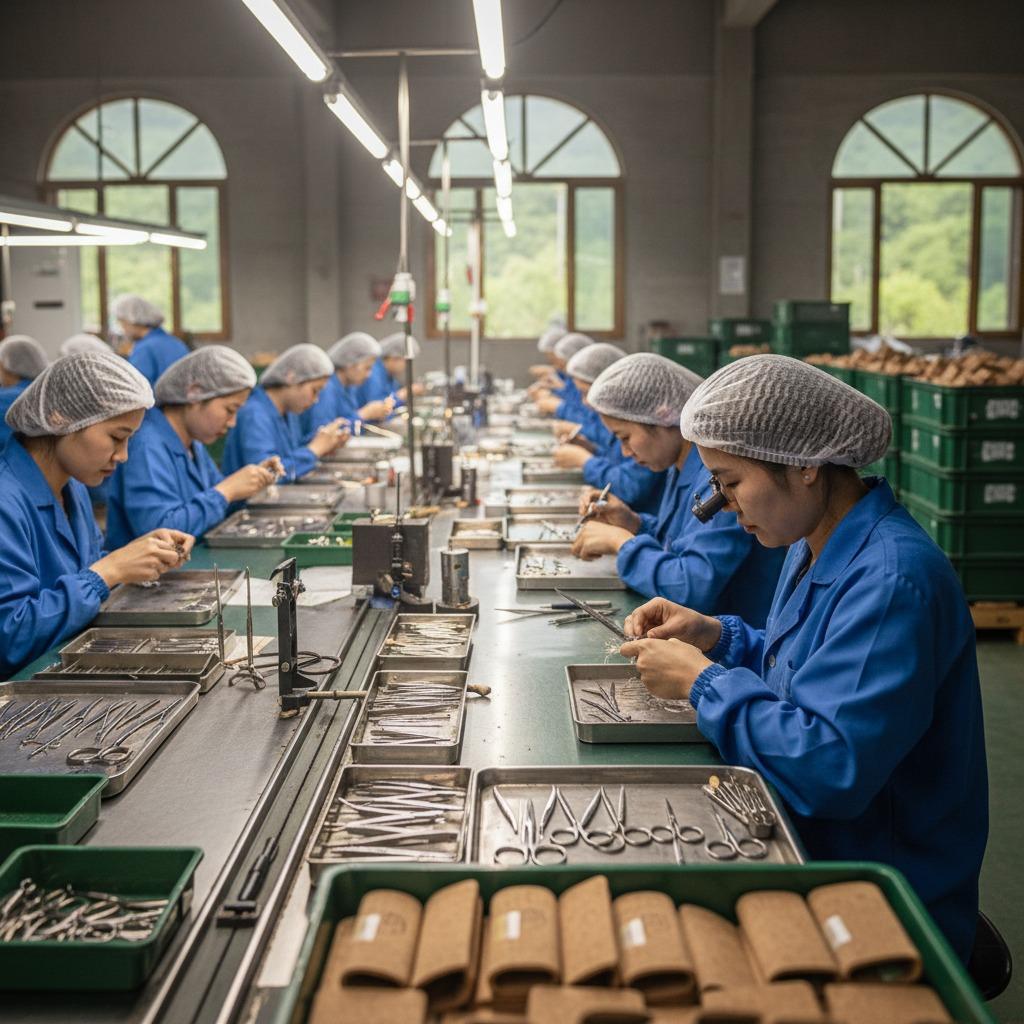
China remains an important sourcing base for beauty tools because a nail clipper is not just stamped metal. Even a basic design may involve metal forming, blade sharpening, surface treatment, spring or lever assembly, inspection, and packing. When those steps sit close together in one supply chain, buyers can move faster from sample to production and compare more design options without handling delays.
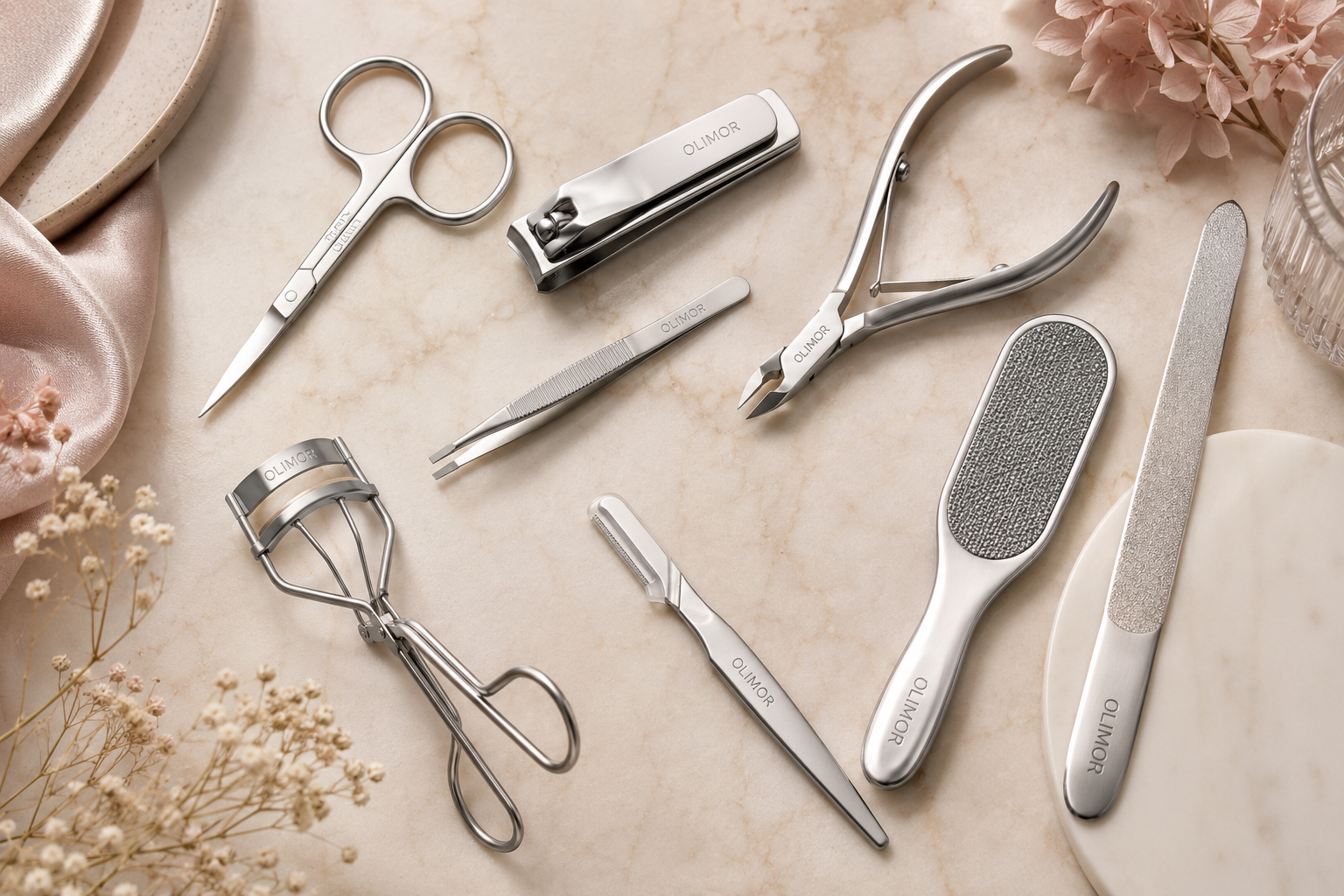
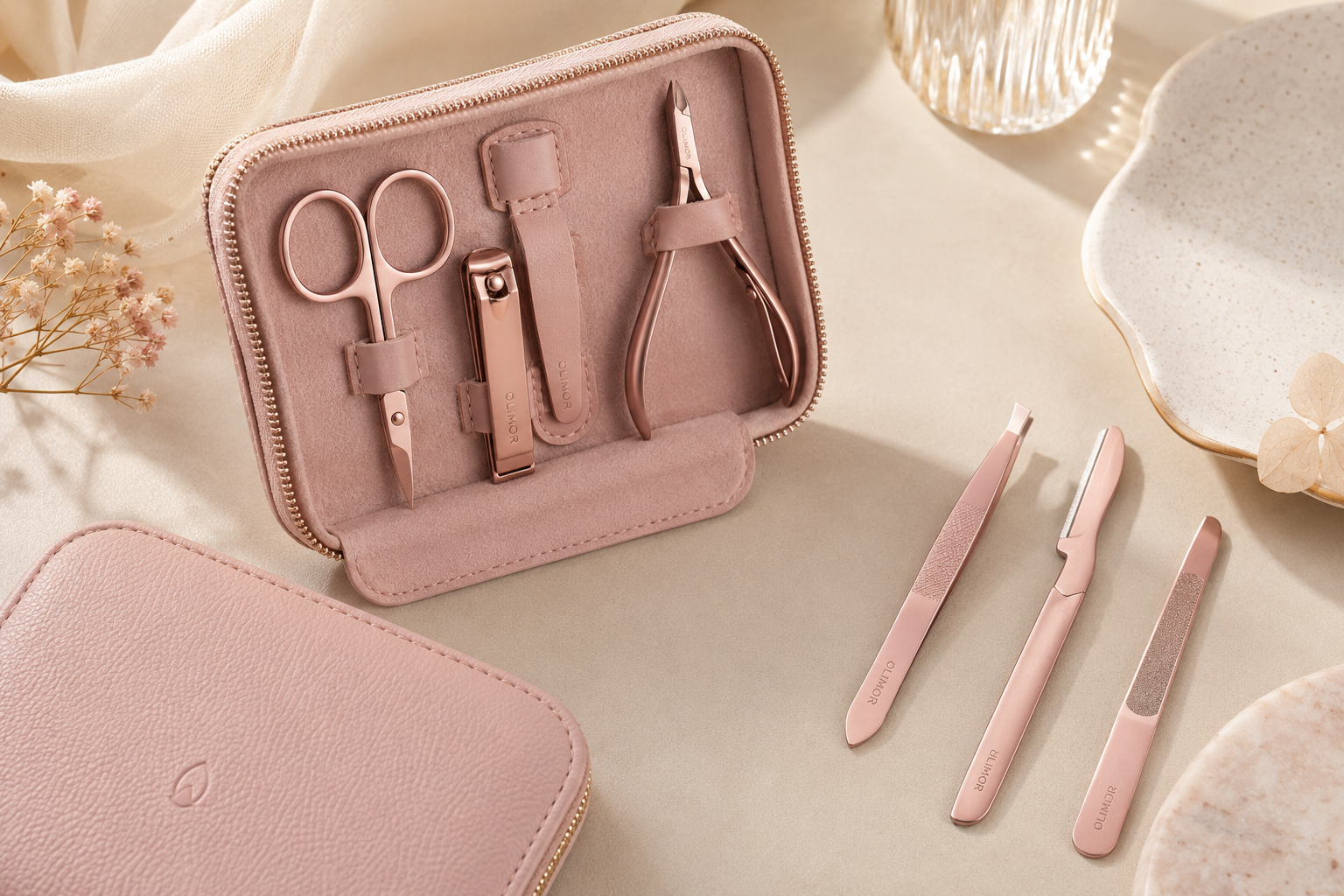
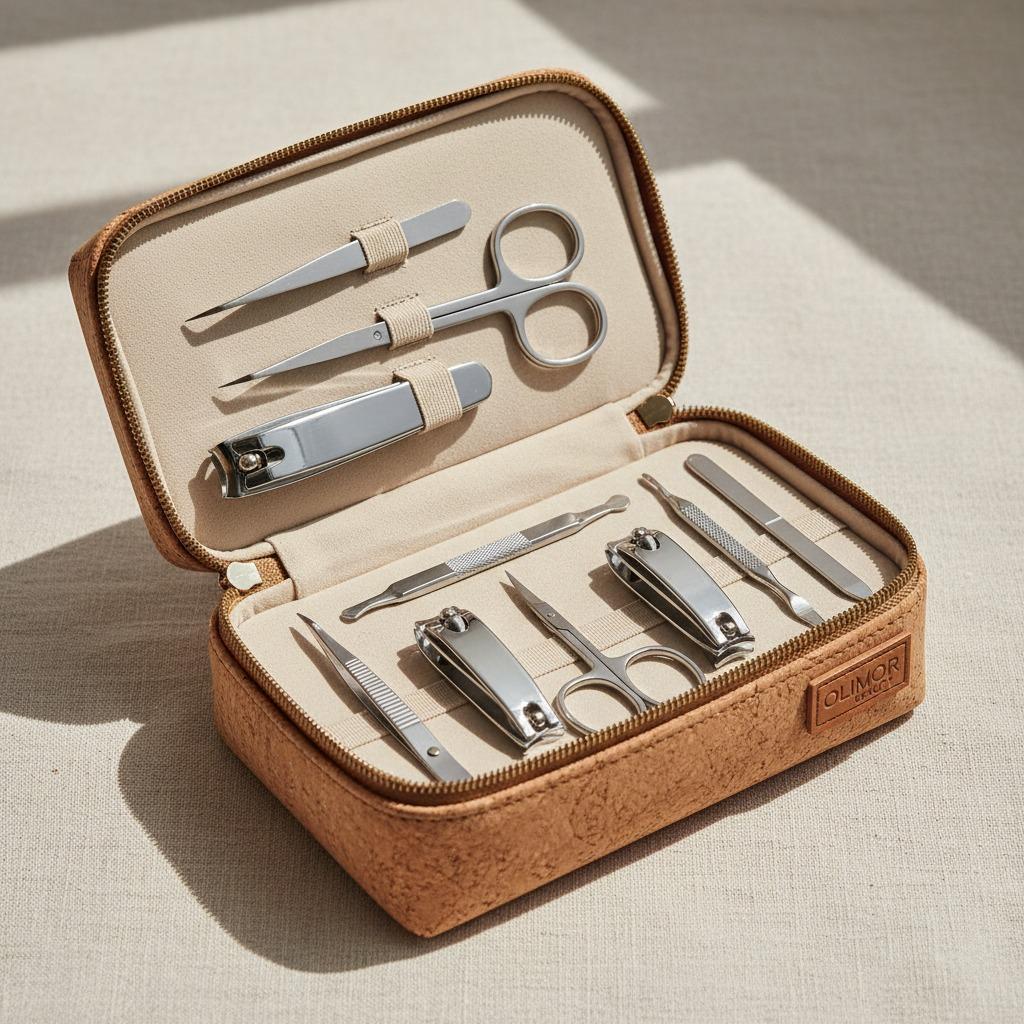
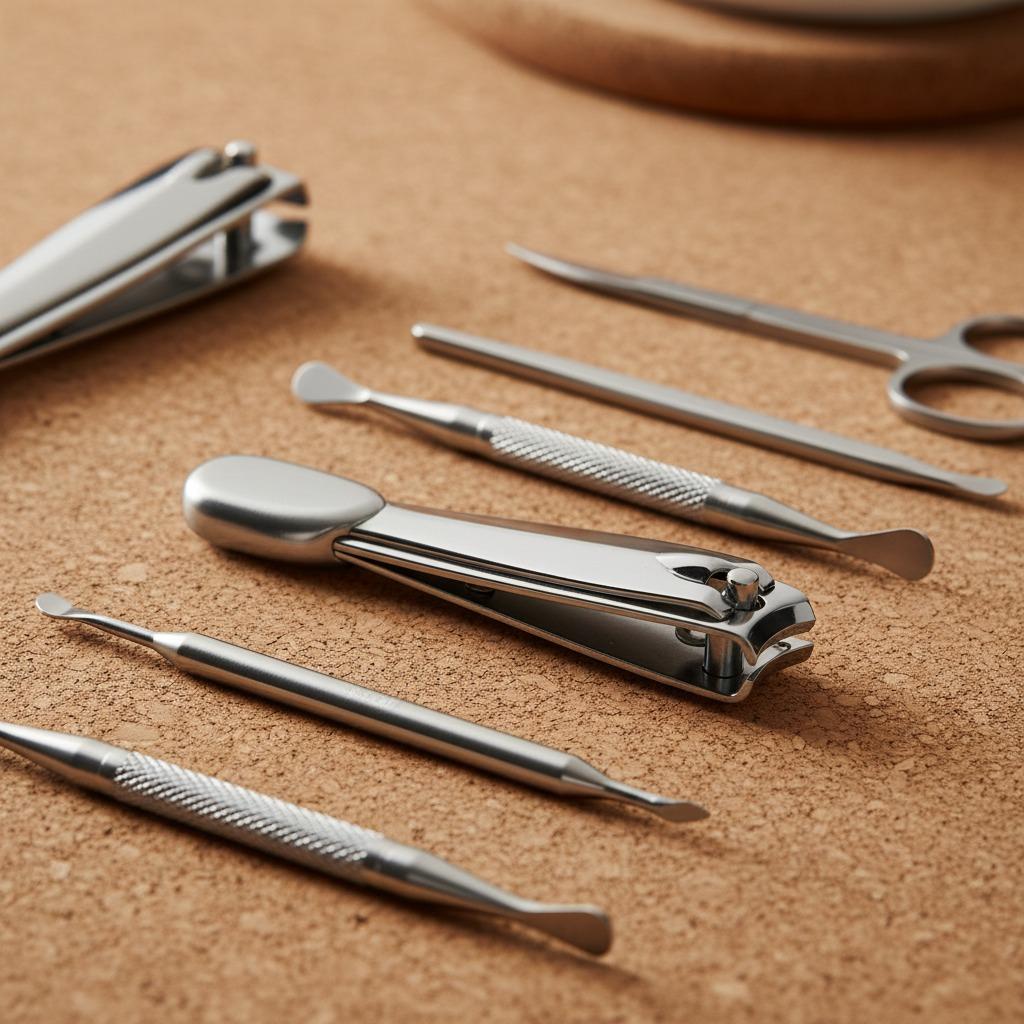
The main advantage is choice. Some buyers want a lightweight clipper for travel kits. Others need a sturdier retail item, a minimalist design for personal care ranges, or a utility clipper for high-volume distribution. If the clipper is part of a broader assortment, it may also need to coordinate with tweezers, nail files, scissors, cuticle tools, or cosmetic accessories in finish and packaging.
Importing is usually most attractive when the order requires consistent packaging, multiple styles, or better pricing for repeat distribution. Local sourcing can still make sense for very small quantities, urgent replenishment, or highly localized compliance needs. But when the goal is commercial scalability, China often provides a wider and more efficient sourcing base.
What makes a nail clipper worth importing?
A low unit price alone is not enough. A clipper that bends, tears nails, feels awkward in the hand, or loses sharpness quickly can create complaints even if the first purchase cost looks attractive. Buyers should evaluate the product as a functional grooming tool, not only as a commodity.
Key product attributes to check
- Blade alignment: The cutting edges should meet evenly without visible offset. Misalignment can crush or split nails instead of cutting cleanly.
- Sharpness and cutting feel: The clipper should cut with controlled pressure. If excessive force is needed, the blade geometry or lever action may be unsuitable.
- Material choice: Stainless steel is commonly used for nail clippers because buyers expect a clean look, practical durability, and daily grooming use.
- Lever comfort: The lever should press smoothly and should not feel loose, unstable, or sharp around the edges.
- Surface finishing: Polishing, plating, or other finishes should look even and should not leave burrs that could scratch the hand or damage packaging.
- Size and portability: Compact clippers suit travel sets, retail checkout displays, hotel amenities, and personal grooming kits.
- Packaging compatibility: The clipper should fit the intended retail box, blister card, pouch, or bulk pack without moving enough to cause scratches.
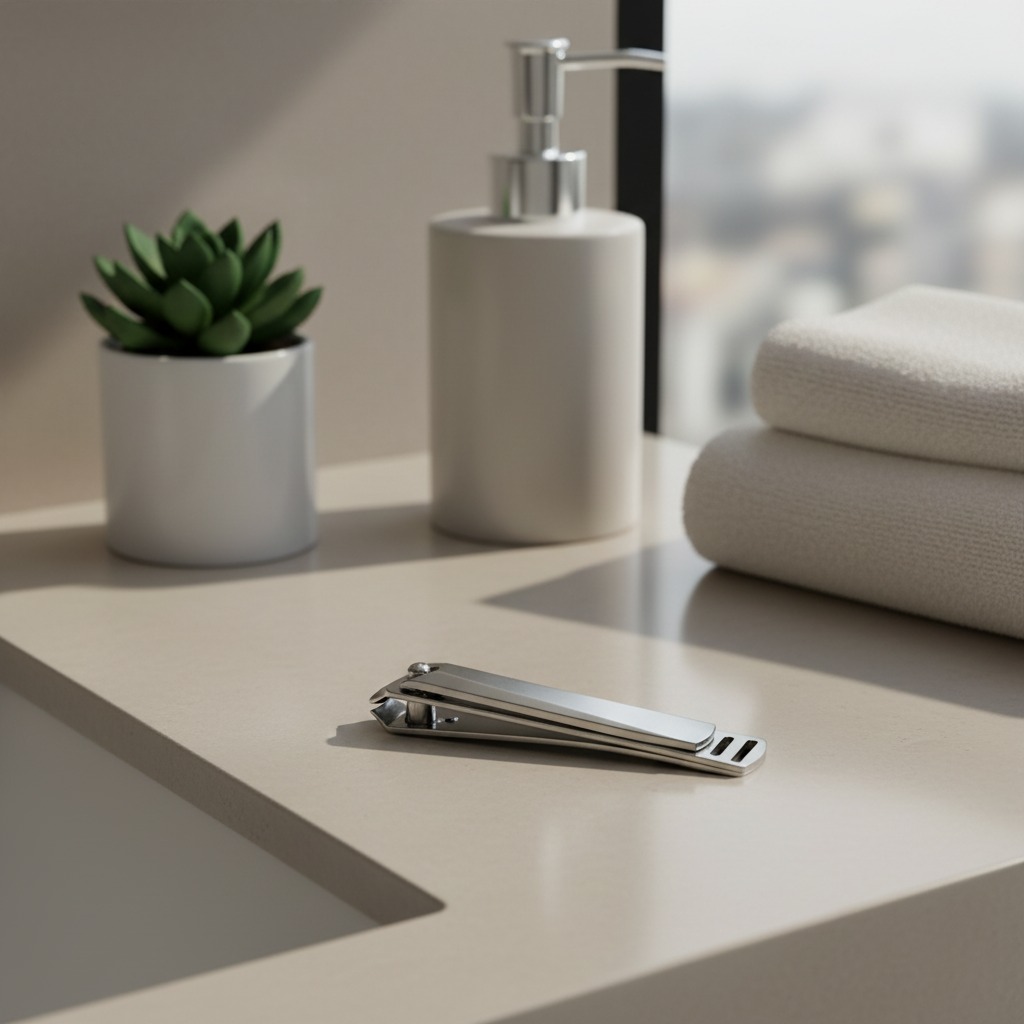
Olimor Beauty offers compact nail clipper examples that show how sizing can vary by use case. One example is described as a sleek stainless steel clipper with a 70 mm ergonomic form and a 30-gram build, which suits buyers looking for a compact everyday tool. Another example is a minimalist clipper measuring 91 mm in length and 16 mm in width, with a weight of 48 grams, positioned for travel kits, retail peg displays, and professional backbar use. These product details should always be confirmed against the actual sample and final artwork before production.
How to compare nail clipper suppliers in China
When evaluating a supplier, buyers should separate marketing language from verifiable product details. A useful comparison starts with samples and continues through documentation, packaging approval, and final inspection planning. The supplier should explain how the cutting edge is formed, how alignment is checked, and how defective items are separated before shipment.
| Evaluation point | What to check | Why it matters |
|---|---|---|
| Sample quality | Cutting edge, lever movement, alignment, finish, comfort | Shows whether the design performs well before bulk ordering |
| Specification clarity | Dimensions, weight, material description, finish, packaging format | Reduces misunderstandings between quotation and production |
| Batch consistency | Appearance, sharpness, and assembly across multiple sample pieces | Helps predict customer experience after import |
| Packaging suitability | Retail card, pouch, box, barcode placement, shipping protection | Protects the product and supports the sales channel |
| Communication | Clear answers, realistic timelines, organized feedback | Makes reorders and issue resolution easier |
Buyers should avoid choosing only on the lowest quotation. If the quote does not clearly state packaging, finish, inspection standard, or agreed specifications, the final landed cost may change later. A structured comparison helps importers judge total value instead of treating all nail clippers as identical.
Cost factors: look beyond unit price
When buyers compare local supply with importing, the headline product price is only one part of the decision. A more accurate view is the landed cost: product cost, packaging, inland transport, export handling, freight, import duties, customs brokerage, warehousing, and any rework needed after arrival.
Importing nail clippers from China can reduce product cost because manufacturing is scaled and specialized. That benefit becomes clearer when the buyer needs repeatable volume, consistent packaging, or several related tools in the same shipment. Consolidating products may improve freight efficiency and reduce administrative work.
However, cost savings should not come from removing essential quality control. If blades are not aligned or the finish is inconsistent, the buyer may pay more later through returns, discounts, or damaged brand reputation. For B2B buyers, a slightly better-built clipper often supports fewer complaints and a stronger shelf impression.
Practical landed-cost considerations
- Compare samples at the same material, size, finish, and packaging level.
- Confirm dielines, artwork, language, and packing method before mass production.
- Estimate carton size, gross weight, and shipment schedule early.
- Define acceptable and unacceptable defects using reference samples.
Quality control questions that matter before shipment
Good quality control for nail clipper export from China should be specific to the way the tool is used. Buyers do not need vague promises; they need observable standards that can be checked before shipment.
Useful inspection checks
- Approving a reference sample: Keep one signed or clearly identified sample for comparison during production and before shipment.
- Checking appearance limits: Decide what level of small marks, polishing variation, or color difference is acceptable for the target market.
- Testing cutting performance: Confirm that blades are sharp, aligned, and able to cut cleanly without pulling or tearing.
- Reviewing assembly strength: The lever and pin area should not feel loose during normal use.
- Inspecting packaging: Confirm barcode placement, print clarity, carton labels, and whether individual units are protected from scratching.
For stainless steel nail clippers, buyers should also check that the metal surface is free from visible rust or rough edges before packing. If the target market requires specific material or coating rules, buyers should confirm the applicable requirements with the supplier and review the relevant market guidance. In some destinations, public bodies such as the European Commission or the U.S. Consumer Product Safety Commission may be relevant depending on the product and selling channel. Buyers should verify the applicable version of any rule and ask for supporting supplier documentation rather than assuming compliance.
Packaging and customization for retail and private label
Packaging affects both protection and sales presentation. A nail clipper for bulk distribution may need different handling from a retail item meant for a blister card, pouch, or gift set. The right packaging depends on channel, shelf format, and brand position.
For private-label programs, buyers often want consistent artwork, barcode space, and a clean retail look. For promotional or hospitality use, compact bulk packing may matter more than display value. For e-commerce, scratch protection and carton efficiency become important because the product may travel through several handling points.
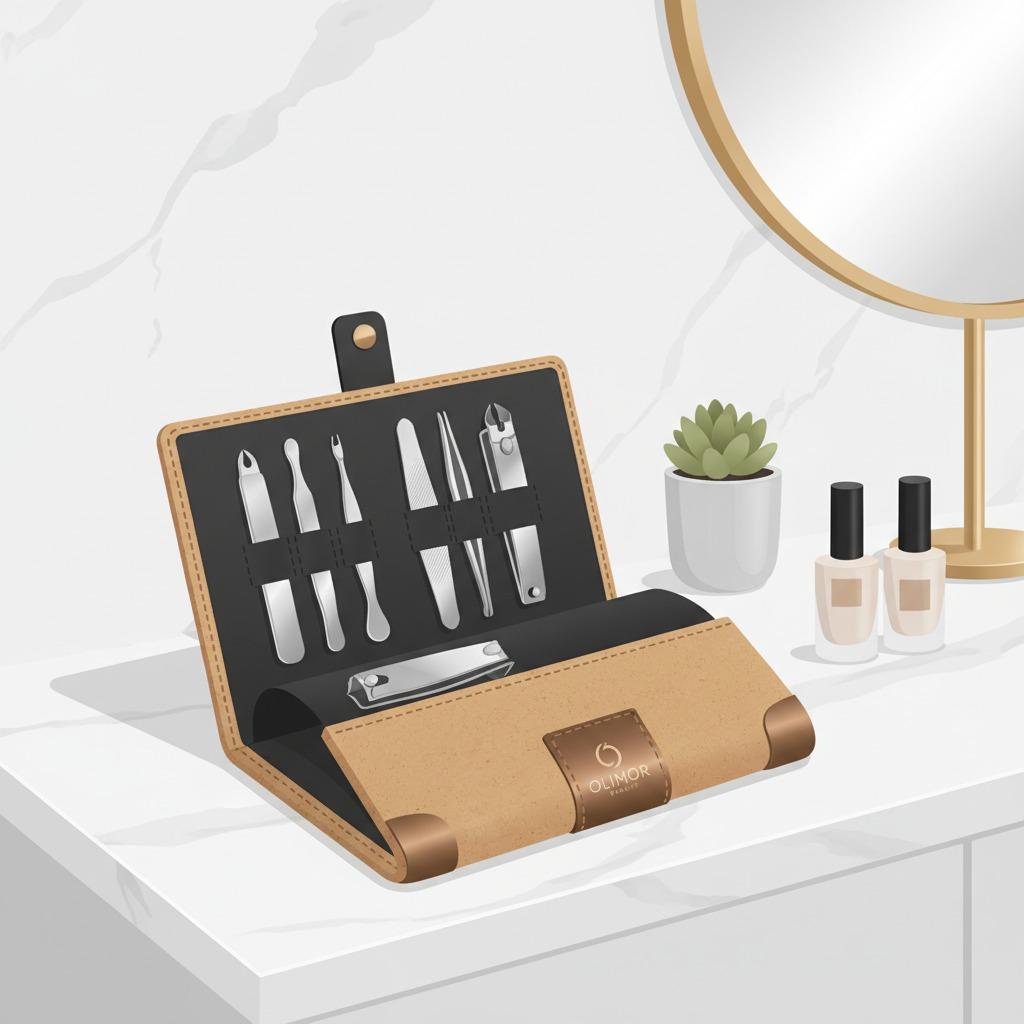
Customization should be discussed early. That includes packaging style, logo placement, language, and whether the clipper should visually match other manicure tools in the same line. Buyers can use the inquiry form to request sample details, packaging options, or a quotation review, especially when a nail clipper must align with a larger grooming assortment.
A simple sourcing flow from sample to shipment
A smooth import project usually follows a clear sequence. Rushing from a catalog image straight to a bulk order increases the chance of mismatch between expectation and actual product.
- Define the sales channel: salon, supermarket, online retail, travel kit, promotional use, or private label grooming range.
- Choose the product position: lightweight and compact, premium-looking, basic and economical, or coordinated with a broader set.
- Review samples carefully: test cutting, alignment, finish, edge safety, and user comfort on several pieces.
- Approve packaging details: dimensions, hanging holes, label areas, warning text, barcode space, and shipping carton protection.
- Set inspection expectations: define unacceptable issues such as poor jaw alignment, visible rust, scratches, loose levers, or damaged packaging.
- Calculate landed cost: include product cost, packaging, freight, duties, inspection, warehousing, and any local relabeling needs.
This process helps importers see actual margin and customer value more clearly. It also makes internal communication easier when purchasing, quality control, marketing, and sales teams all evaluate the same item from different angles.
Supplier evaluation checklist for buyers
Use the checklist below when comparing nail clipper suppliers or deciding whether to place a repeat order.
| Checklist area | Buyer question | What a strong answer should show |
|---|---|---|
| Product identity | Is the clipper intended for daily grooming, travel, retail, or promotional use? | A clear use case and matching design direction |
| Material and finish | Is the stainless steel surface consistent and well finished? | Practical durability and presentable appearance |
| Function | Do the blades align and cut cleanly? | Reduced risk of nail tearing or customer complaints |
| Packaging | Does the format protect the tool and fit the channel? | Less scratching and better shelf or shipping performance |
| Communication | Are answers clear and documents organized? | Fewer misunderstandings during production |
| Inspection | Can the supplier describe how defective pieces are filtered out? | Better control before shipment |
How Olimor Beauty can support your sourcing project
Olimor Beauty works with compact grooming tools and helps buyers evaluate practical product selection, packaging, and inspection expectations. If you are building a retail range or a private-label line, the most useful next step is usually a sample review tied to your sales channel and packaging plan.
For a broader view of what can be paired with a nail clipper, see the product catalog or explore related grooming collections. When you are ready to discuss artwork, sample matching, or order planning, contact Olimor directly for a focused conversation.
FAQ
Can I request samples before placing a bulk order?
Yes. Samples are the best way to check blade alignment, lever feel, finish, and packaging fit before committing to production.
What is the usual MOQ for nail clippers?
MOQ depends on the supplier, design, packaging, and customization level. Buyers should confirm the actual requirement for each specification.
Can nail clippers be customized with branding?
Often yes, depending on the product structure and packaging format. Buyers should confirm logo placement, artwork, and packaging options early.
How do I check quality before shipment?
Use a reference sample, define acceptable defects, review cutting performance, inspect packaging, and confirm that the lever and blade assembly remain stable.
How long is the lead time?
Lead time varies by order size, customization, packaging, and production schedule. Ask the supplier to confirm timing for your specific order.
For buyers seeking a compact, practical grooming tool, a well-specified nail clipper can be a small item with a big effect on product reviews and repeat sales. The right supplier is the one that can show clear samples, stable communication, and disciplined inspection, not just a low quotation. If you are evaluating a new program, use the sample stage to confirm fit, finish, and packaging before you scale.