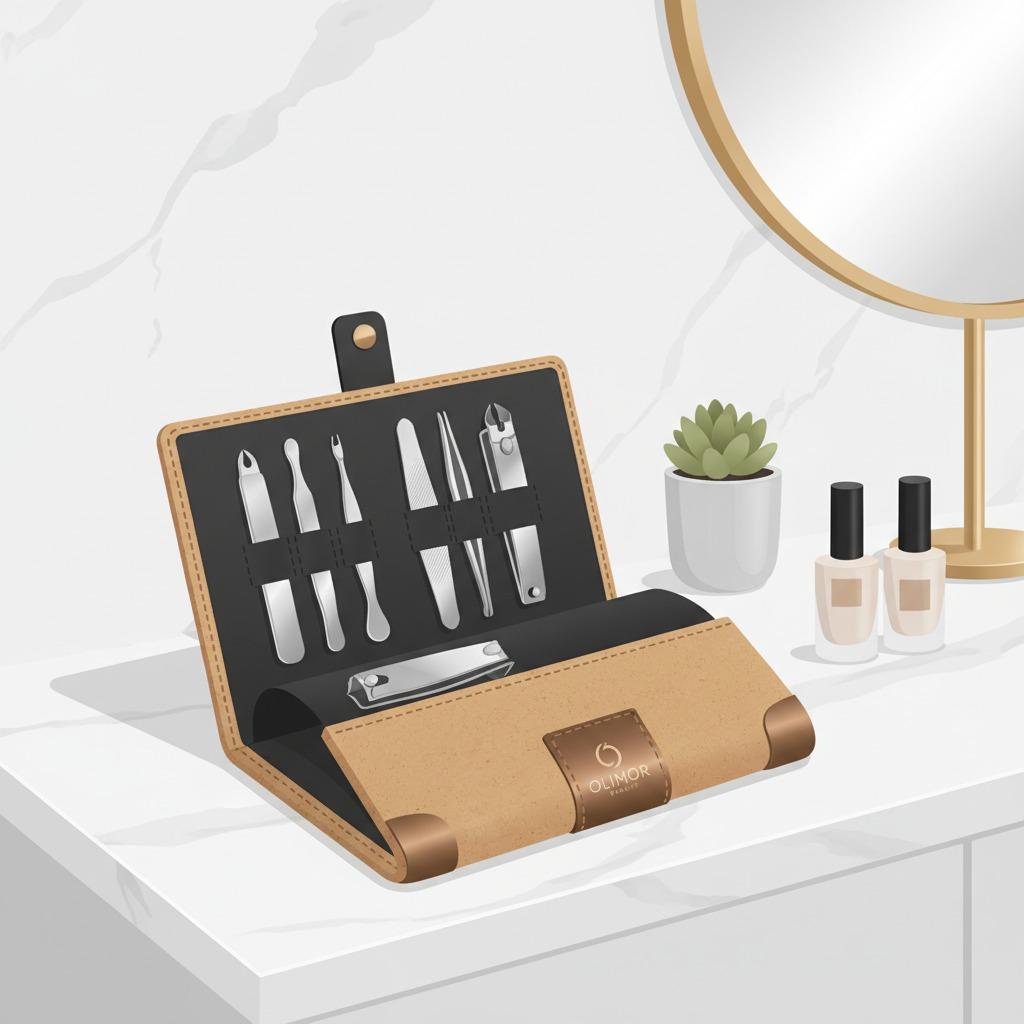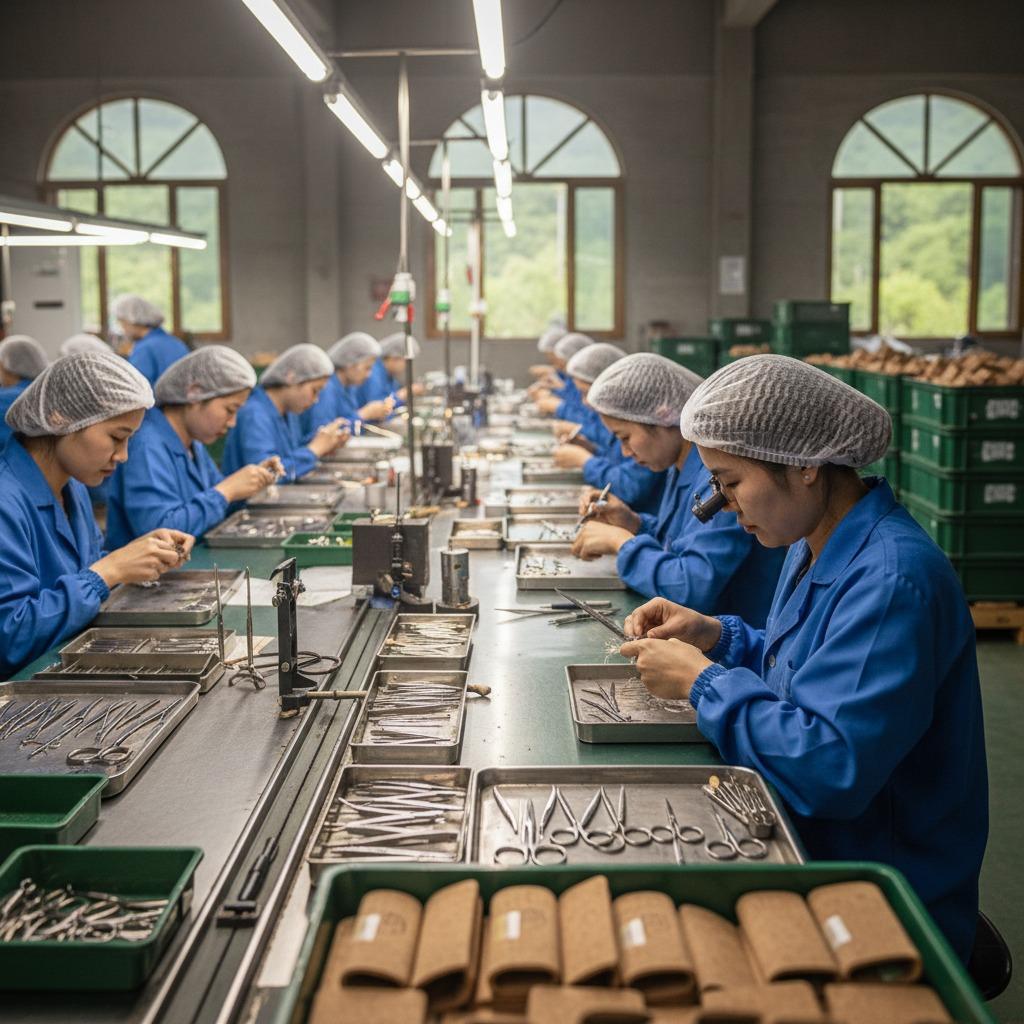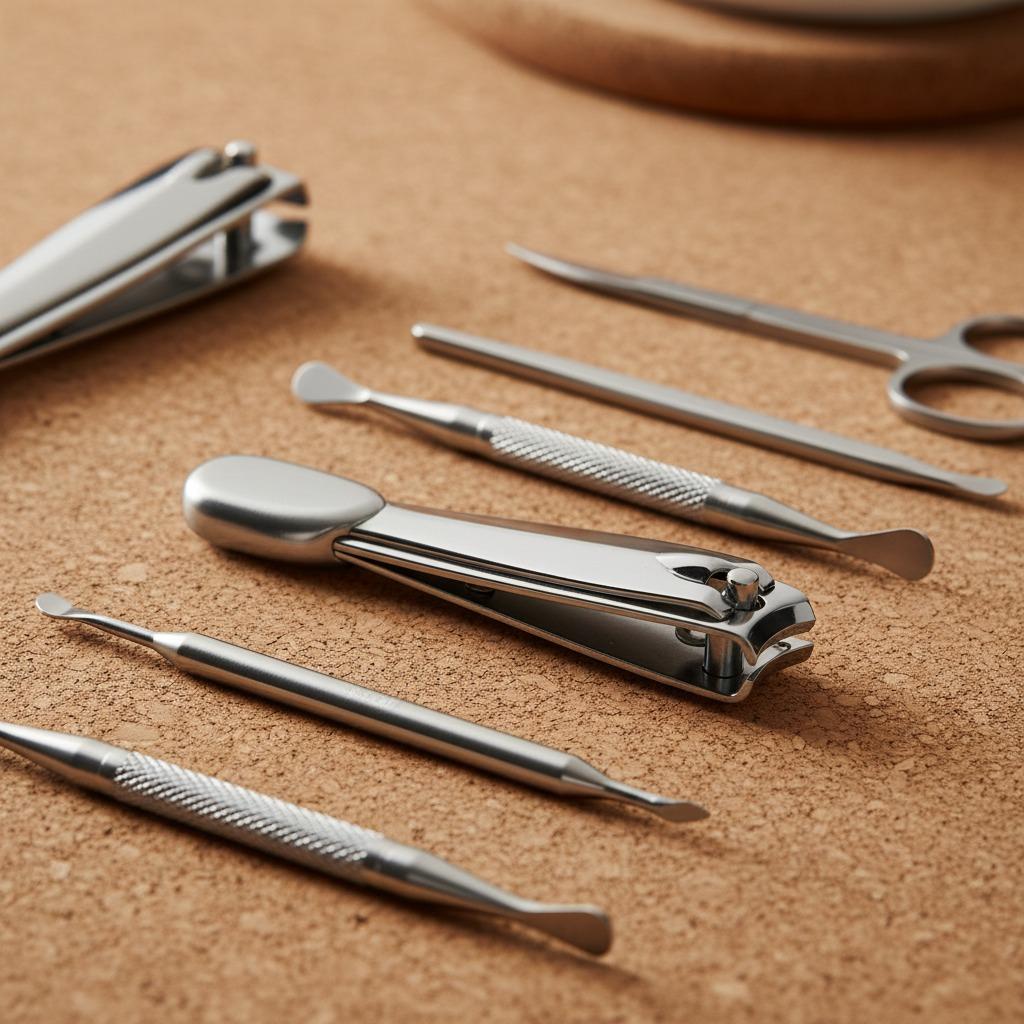











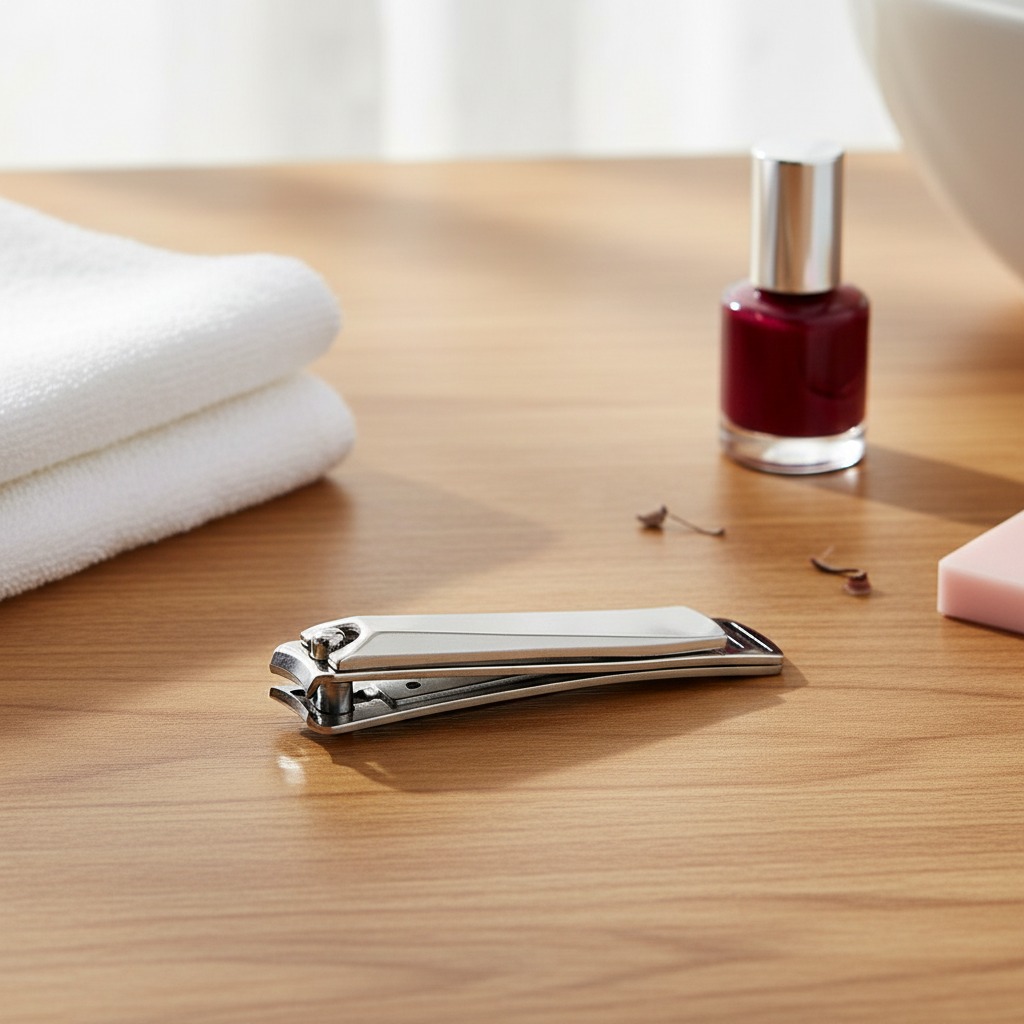
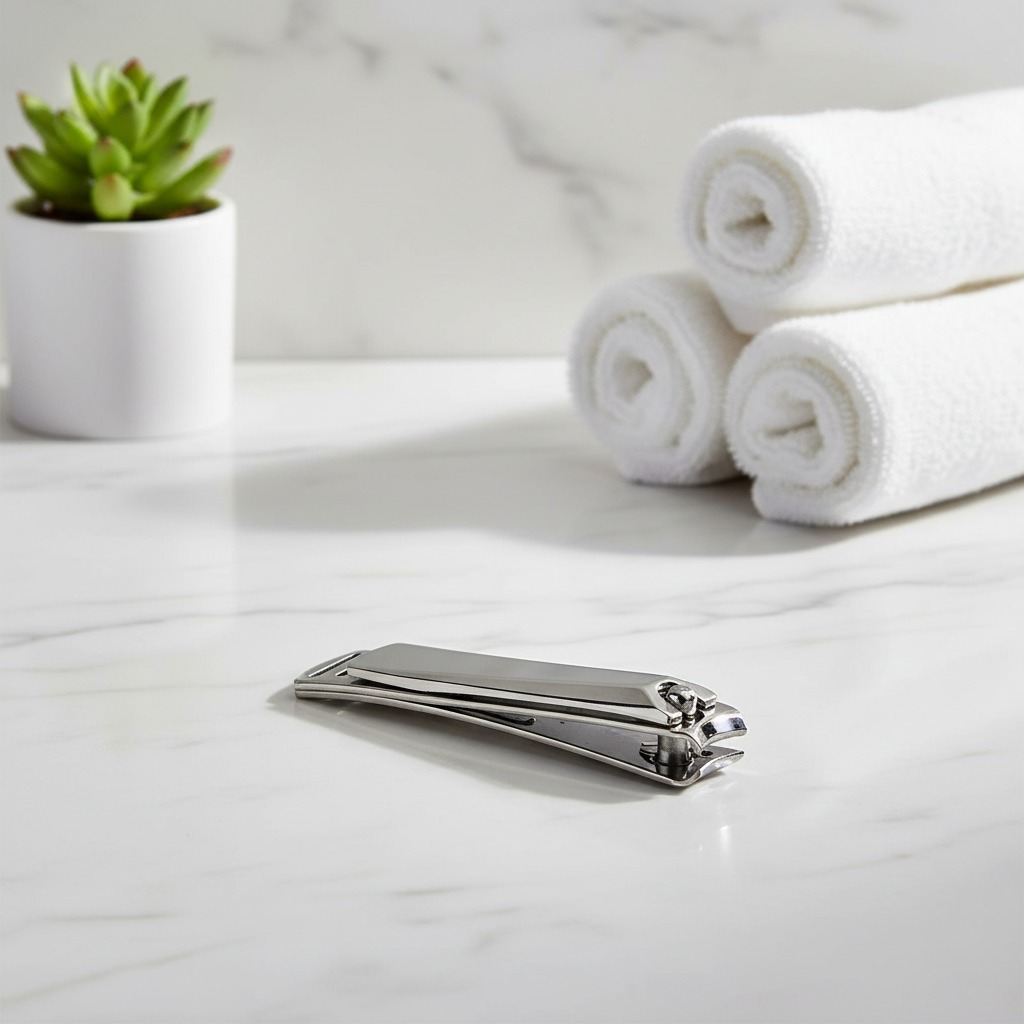
Importing nail clippers from China can be a practical sourcing route for beauty retailers, salon suppliers, wholesalers, distributors, promotional buyers and private-label brands. The product looks simple, but a good buying decision depends on more than unit price. You need clean cutting performance, reliable corrosion resistance, comfortable handling, suitable packaging and export documents that support customs clearance.
China remains attractive because buyers can often compare many designs, finishes, packaging formats and export-ready suppliers in one place. That variety is useful, but only if your product brief is specific and your supplier checks are structured. This guide explains how to define the clipper you want, compare sourcing routes, review samples, control quality and plan the shipment with less risk.
Start with the exact nail clipper you need
Before asking for quotations, define the product in enough detail that every supplier is quoting the same thing. Nail clippers vary by blade shape, lever strength, body size, weight, surface finish, plating, packaging and branding position. A vague request such as standard stainless steel nail clipper can lead to samples that look similar but feel different in use.
For B2B buyers, the intended channel matters. A clipper for a salon counter, a travel kit, a supermarket shelf or a gift set may need different packaging and different perceived value. Buyers often choose between compact personal-use styles and stronger designs for heavier trimming needs. The supplied material also references example formats ranging from 62 mm to 76 mm, including a compact 70 mm version weighing 30 g with stainless steel construction, precision blades, ergonomic design and an integrated nail catcher. Treat these as useful reference points, not automatic defaults. Confirm the exact product you plan to buy.
Specification points to define early
- Target use: home grooming, travel, salon retail, hotel amenity, promotional gift or retail multipack.
- Clipper type: fingernail clipper, toenail clipper, mini clipper or a set with multiple sizes.
- Material expectation: stainless steel is common, but verify the actual specification and finish.
- Blade style: curved edges are often chosen for fingernails, while wider structures may suit toenails.
- Grip and shape: smooth lever, textured handle, compact body or wider leverage design.
- Added features: nail catcher, keychain hole, anti-slip texture, file or protective sleeve if needed.
- Packaging: bulk pack, blister card, box, pouch or retail-ready presentation.
- Branding: logo on the clipper, packaging, insert card or outer carton.
If you are still comparing broader grooming categories, it can help to compare beauty tool options before narrowing the nail clipper specification.
Choose the right sourcing route for your order
Most buyers evaluate three routes: direct sourcing from a factory or export-capable supplier, working through an intermediary, or buying from a local distributor. The best option depends on order size, product complexity, lead time and how much control you need over the final result.
Direct sourcing is often attractive for repeat purchasing, private-label packaging and consistent product development. It gives you closer control over cutting performance, handle shape, packaging details and sample approval. Intermediaries can help with very small trial buys or when you are sourcing several unrelated products at once. Local suppliers may be easier for urgent orders, but they often offer fewer customization choices and less room to adjust the product.
| Route | Main strength | Main trade-off | Best fit |
|---|---|---|---|
| Direct sourcing | More control over product, packaging and communication | More work on specification and logistics | Repeat orders, private label, planned replenishment |
| Intermediary | Simpler communication and possible consolidation | Less visibility into production and fewer options | Small trial orders or mixed-product sourcing |
| Local distributor | Faster delivery and easier returns | Higher landed cost in many cases and less customization | Urgent stock needs or short-term promotions |
For many business buyers, the key question is not which route is cheapest on paper, but which route gives the lowest total risk for the intended sales channel.
Build a supplier shortlist with practical checks
A reliable nail clipper supplier should be able to discuss more than price. Look for clear answers on materials, available finishes, sample support, packaging options, inspection timing and export paperwork. Product photos are useful at the first stage, but they cannot replace real samples.
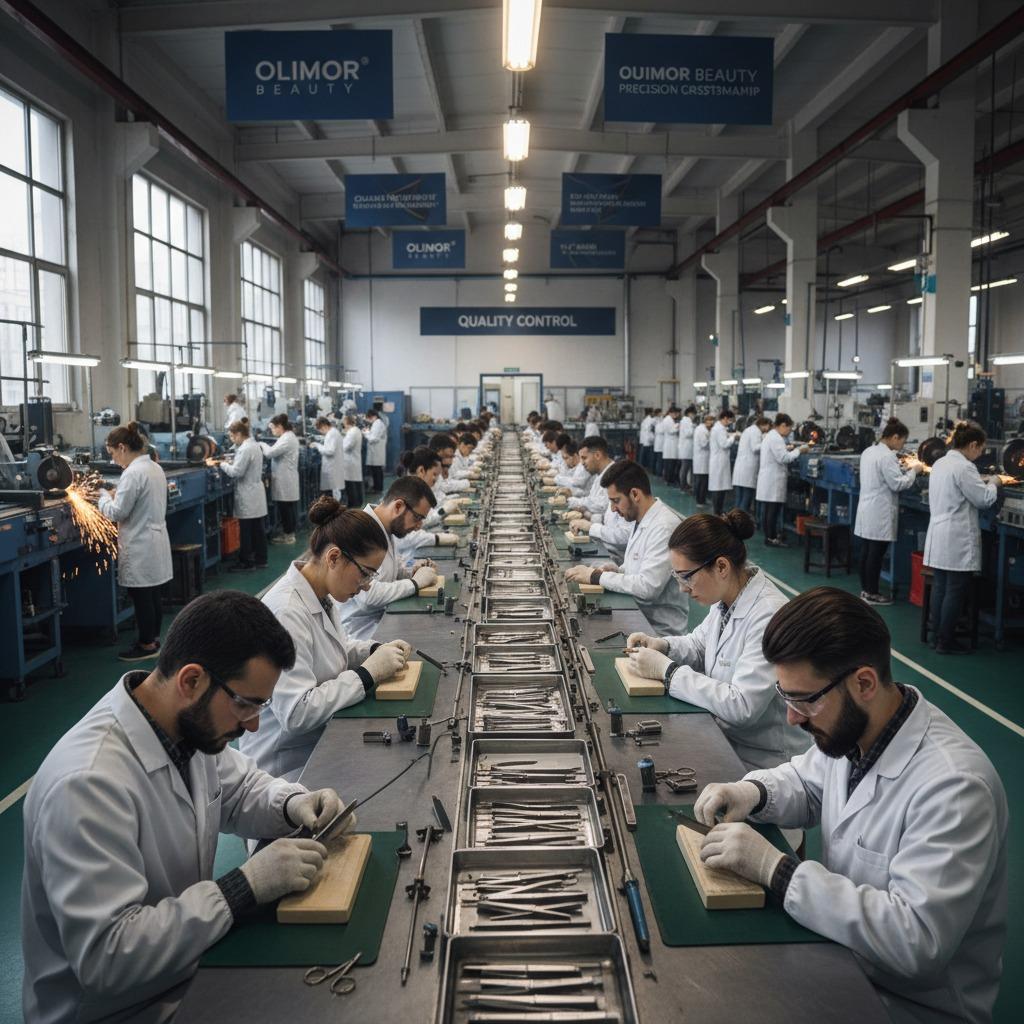
When evaluating a supplier, separate manufacturing capability from trading service. A factory may offer more direct technical control. A trading company may help with sourcing flexibility and order consolidation. Either model can work if responsibilities are clear and the supplier can support the requirements of your order.
What to review before you commit
- Sample quality: blade alignment, lever feel, burrs, scratches, plating consistency and overall finish.
- Specification control: material, dimensions, surface treatment, logo position and carton details.
- Communication: clear written confirmations, fast responses and change tracking.
- Export readiness: commercial invoice, packing list, product description and carton marks.
- Inspection cooperation: willingness to review samples, confirm defect standards and handle rework discussions.
- Packaging ability: ability to protect the edge and support retail presentation.
If you want to compare related grooming items at the same time, you can also review the grooming-tool collection to keep the assortment consistent.
Evaluate samples before bulk production
Sample approval is one of the most important parts of importing nail clippers. A product can look acceptable in a listing and still perform poorly in the hand. Check the sample as your customer would: open and close it repeatedly, test the cutting action, inspect the edges and look closely at the finish under good light.
The main functional points are simple but important. The cutting edges should meet cleanly without obvious gaps. The lever should feel stable, not loose or too stiff. The body should not have sharp burrs where the user holds it. If the clipper includes a textured handle, that texture should improve grip without feeling rough. If there is a nail catcher, confirm that it is positioned well and does not interfere with comfort.
Use a clear defect standard
Do not rely on the phrase good quality. Define what is acceptable and what is not. In many programs, major issues include poor alignment, visible rust, a broken lever, a wrong logo, or packaging that is damaged enough to affect shelf presentation. Minor surface marks may be acceptable only if you have written limits. Keep one approved sample with the supplier and one with your team so both sides can compare production against the same reference.
- Function checks: cutting feel, edge meeting point, leverage and hinge movement.
- Appearance checks: surface smoothness, finish consistency, logo clarity and rust-free condition.
- Packaging checks: card quality, box fit, pouch protection and label accuracy.
- Batch checks: review samples from more than one carton, not only the top layer.
Compare quality, packaging and cost on a landed basis
Unit price alone can be misleading. A lower quotation may exclude packaging, inland freight, inspection, export handling or special carton requirements. A slightly higher quotation can still be better if it reduces defects, protects the cutting edge and lowers return risk. For B2B buyers, landed cost matters more than item cost.
When comparing offers, ask what is included in the quote and what is not. Common cost factors include product price, packaging materials, inland transport, export service fees, international freight, customs clearance, duties and local delivery. If you plan a private-label program, allow additional time and cost for artwork confirmation and packaging review.
Trade terms such as EXW, FOB, CIF or DDP can change who handles each step. The most suitable term depends on shipment size, destination and your logistics experience. What matters most is that both sides understand the responsibility split before you place the order.
Packaging and branding deserve as much attention as the clipper itself
Packaging is not just decoration. It protects the product in transit, supports shelf presentation, influences barcode placement and affects how the customer perceives value. Because nail clippers are small metal tools, poor packaging can lead to rubbing, scratches or loose parts during shipping.
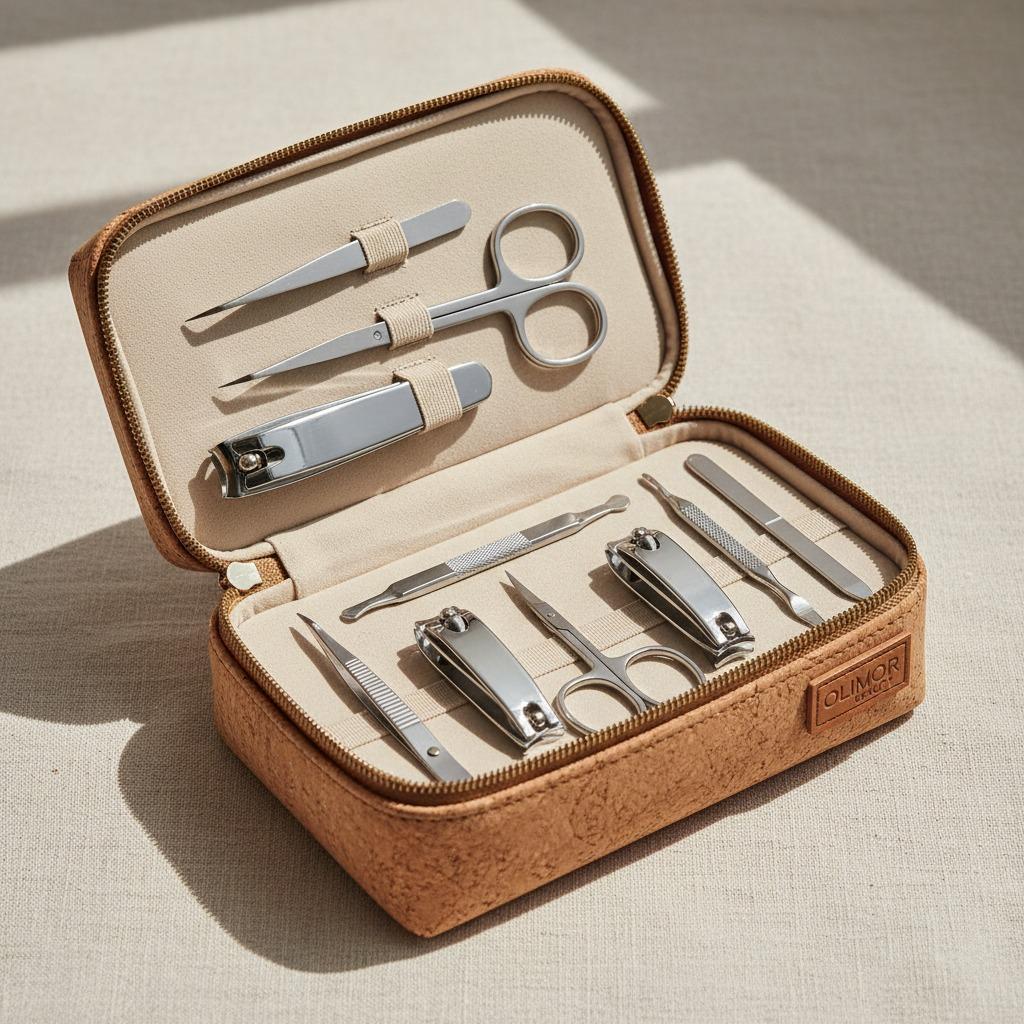
Think about where the clipper will be sold. A travel accessory may need compact packaging. A retail item may need a card or box that displays the product clearly. A salon or promotional bundle may need packaging that works with other tools in the set. If the product includes a nail catcher, keychain hole or protective sleeve, confirm how that feature is shown on the package and whether it changes the carton arrangement.
- Confirm unit packaging and master carton protection.
- Check whether labels need importer details, barcode space or language requirements.
- Make sure packaging dimensions fit your warehouse, shelf or kit design.
- Ask for artwork review before mass printing.
Documents, customs and market checks
Good paperwork helps keep the shipment moving. At minimum, buyers should expect a commercial invoice, packing list, product description and carton marks that match the shipment. If the product, packaging or destination market has special rules, confirm those before production starts.
Depending on the market, buyers may also want to check guidance from relevant public bodies such as U.S. Customs and Border Protection or the European Commission. The exact rules depend on the destination, material type and packaging content, so verify the current version that applies to your order and ask the supplier for matching documentation. Do not assume a general document or unrelated certificate is enough for your shipment.
For material or labeling concerns, it is also sensible to ask the supplier how product descriptions are written for customs and whether the paperwork matches the approved sample. Clear records reduce delays when the order is repeated or expanded into related beauty tools.
How to work with Olimor in a sourcing project
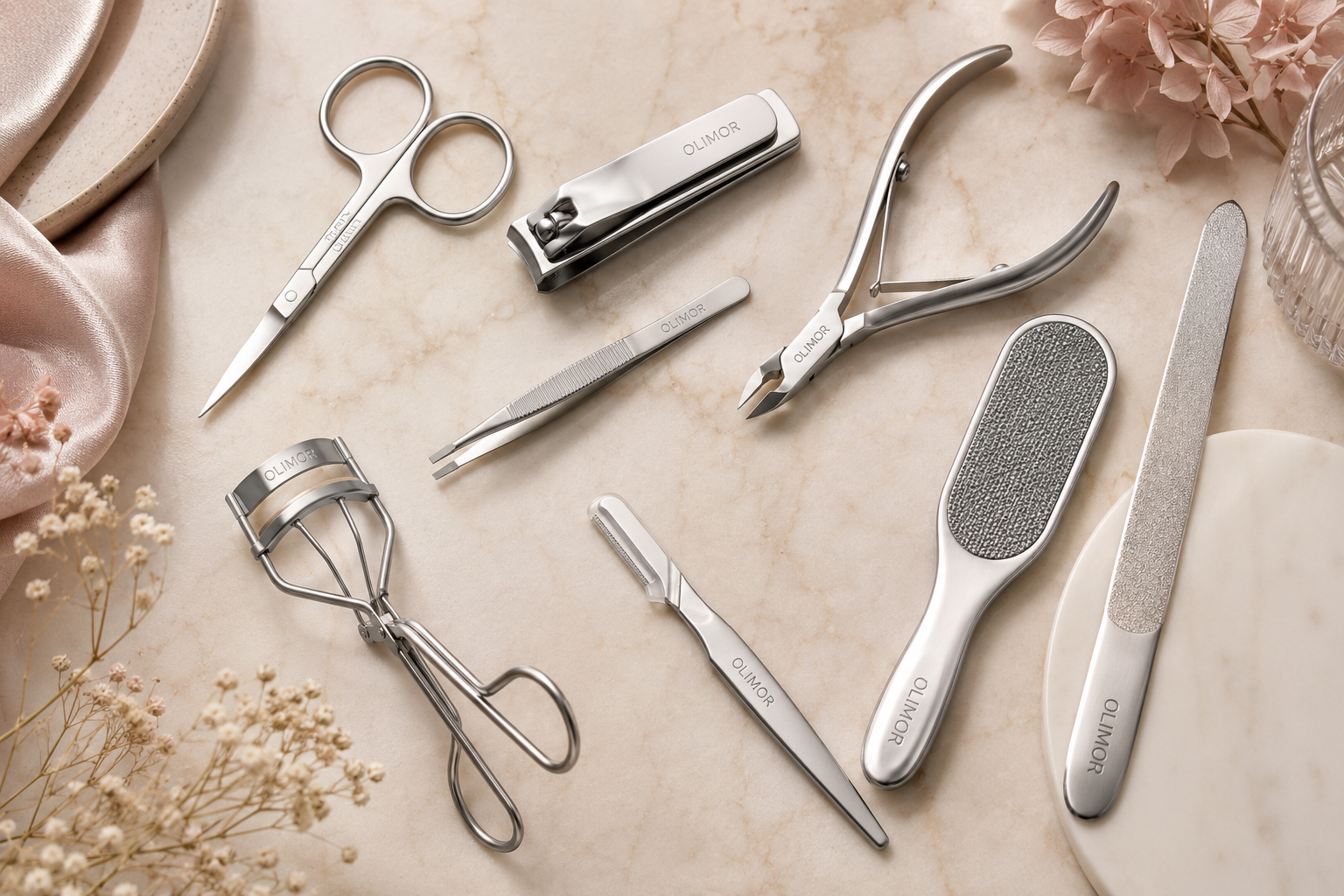
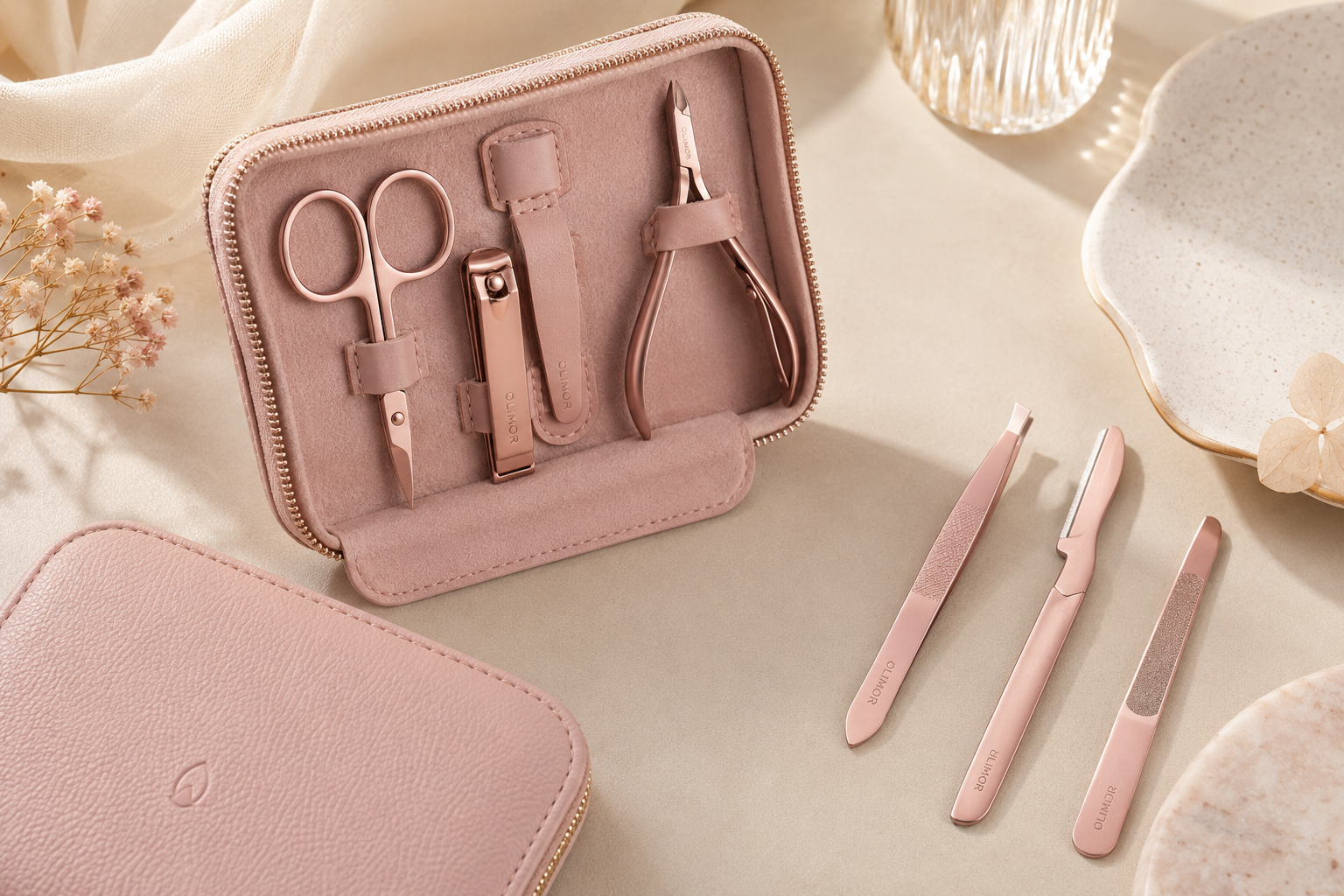
When you are building a nail clipper program, it can help to discuss the product together with other beauty tools so the finish, packaging and assortment stay consistent. Olimor can be part of that workflow if you want to compare product styles, packaging directions or broader grooming combinations.
For a practical next step, use the product catalog to review current options, or send a specification sheet when you are ready to discuss a request. You can start a sourcing conversation with your target market, packaging idea and preferred clipper style, or submit a product inquiry if you already have a brief prepared.
Buyer checklist for importing nail clippers from China
| Step | What to confirm | Why it matters |
|---|---|---|
| Product brief | Use case, size, finish, features and packaging | Prevents mismatched quotations |
| Supplier review | Sample support, communication, export readiness | Shows whether the supplier can support repeat orders |
| Sample approval | Alignment, cutting feel, surface finish, packaging | Protects you from performance surprises |
| Pricing comparison | What is included in the quote and what is extra | Helps calculate landed cost |
| Compliance check | Customs paperwork and destination-specific rules | Reduces clearance delays |
| Shipment planning | Production, inspection, transit and receiving time | Helps prevent stock gaps |
FAQ
Can I request samples before a bulk order?
Yes. Sample approval is the safest way to check cutting feel, finish, alignment and packaging before committing to production.
What should I ask about minimum order quantity?
Ask whether the MOQ changes by model, finish, packaging or branding method. The answer may differ for plain stock, custom packaging and private-label work.
Can nail clippers be customized?
Often yes, but customization options depend on the supplier and the product structure. Common requests include logo placement, packaging design, carton marks and feature selection.
How do I judge quality before shipping?
Use approved samples, written defect standards and inspection points for blade alignment, lever movement, surface condition and packaging integrity.
How long does lead time take?
Lead time depends on sample approval, order complexity, packaging work, production schedule and shipping method. Always confirm it in writing for your exact order.