










Professional-looking nails start with a clean, controlled trim. Polish, decoration and hand care can improve the final appearance, but the foundation is the cut: the nail should be shortened without crushing, tearing, over-rounding the corners or leaving sharp edges that catch on fabric.
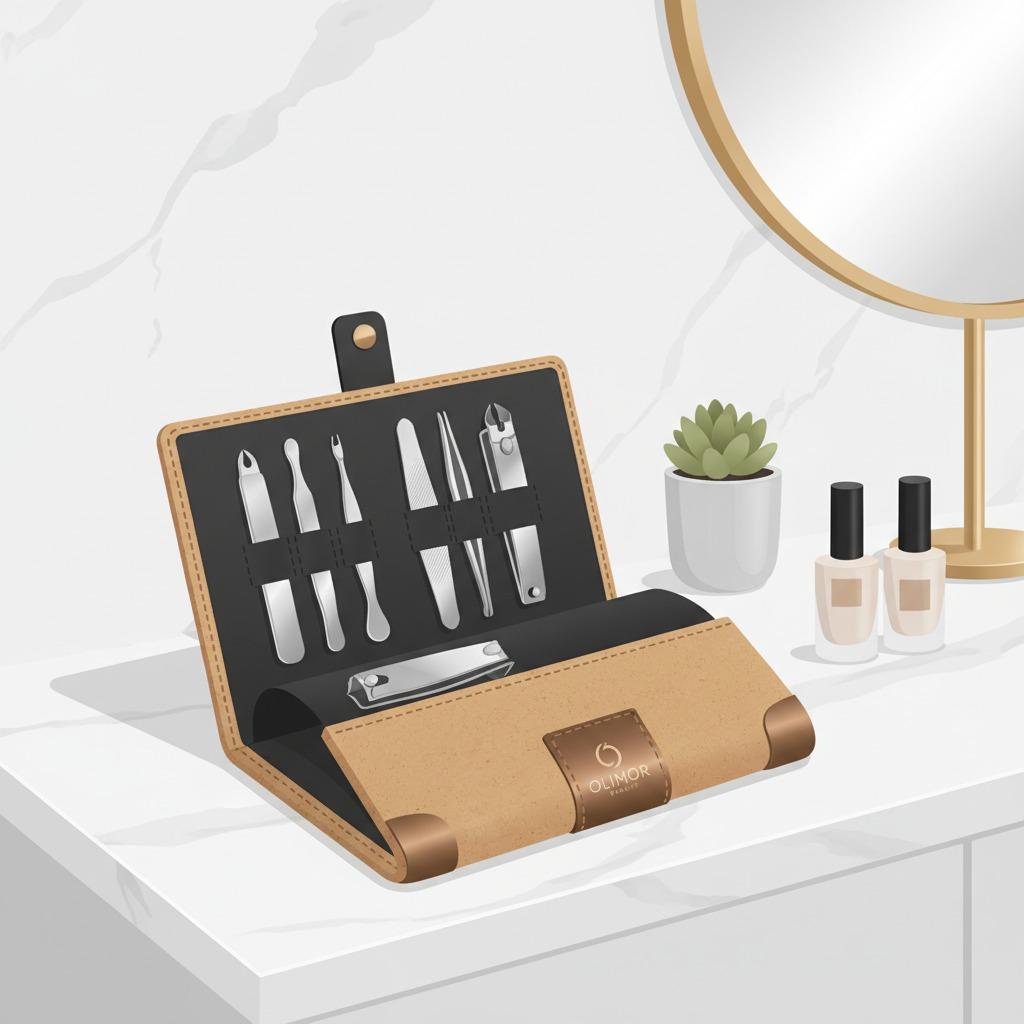
This guide focuses on one practical question: how to cut nails cleanly with a quality nail clipper and how to evaluate that clipper for home grooming, salon-prep kits, retail assortment or sourcing. It uses the Olimor Beauty nail clipper described with a matte black finish, non-slip grip, precision-engineered stainless steel blades and a curved blade as the product example, while keeping the advice applicable to everyday nail care and beauty-tool purchasing.
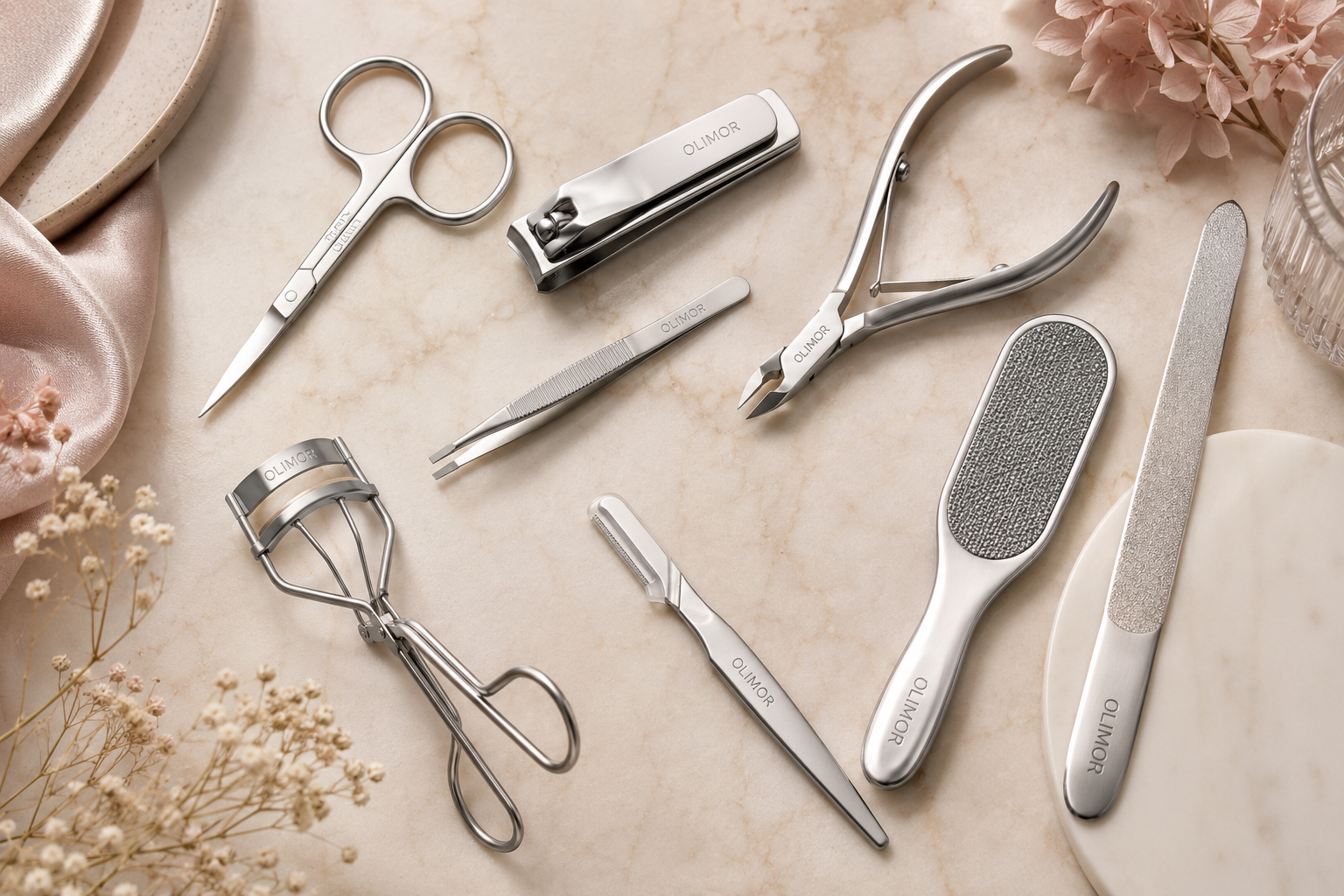
If you are comparing beauty tools for a product range, start with functional details before appearance. Browse related beauty tool products to understand available formats, then evaluate each clipper for blade alignment, grip, cutting control, cleanability and packaging suitability.
Quick Answer: What Makes a Nail Trim Look Professional?
A professional nail trim is not simply a short nail. It is an even, comfortable edge that respects the nail’s natural shape. The best results come from a clean nail surface, a stable clipper, small controlled cuts, light filing and proper tool hygiene after use.
For fingernails, leave a small free edge rather than cutting into the sensitive area near the fingertip. Follow the natural curve in several small clips instead of trying to remove the whole edge at once. For toenails, trim more straight across and avoid digging deeply into the corners; if a corner feels sharp, smooth it carefully with a file rather than cutting away too much side support.
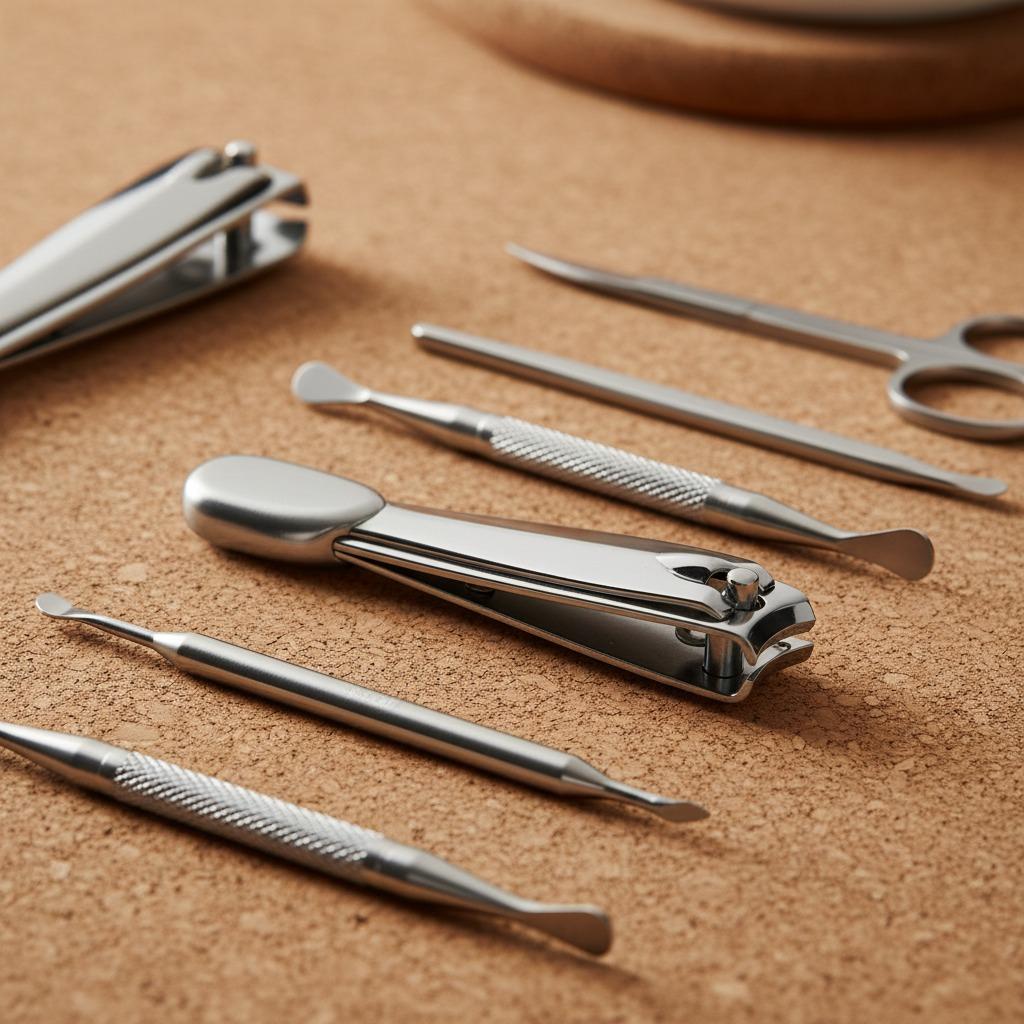
A quality clipper helps because the blade should cut before it compresses. The described Olimor Beauty clipper combines stainless steel blades with a curved cutting edge and non-slip grip. Those features are useful because the user needs both sharp contact at the blade and steady control at the handle. A matte black finish can also support a clean, modern retail presentation, although cutting performance and alignment remain more important than color.
Prepare the Nail, Skin and Clipper Before Cutting
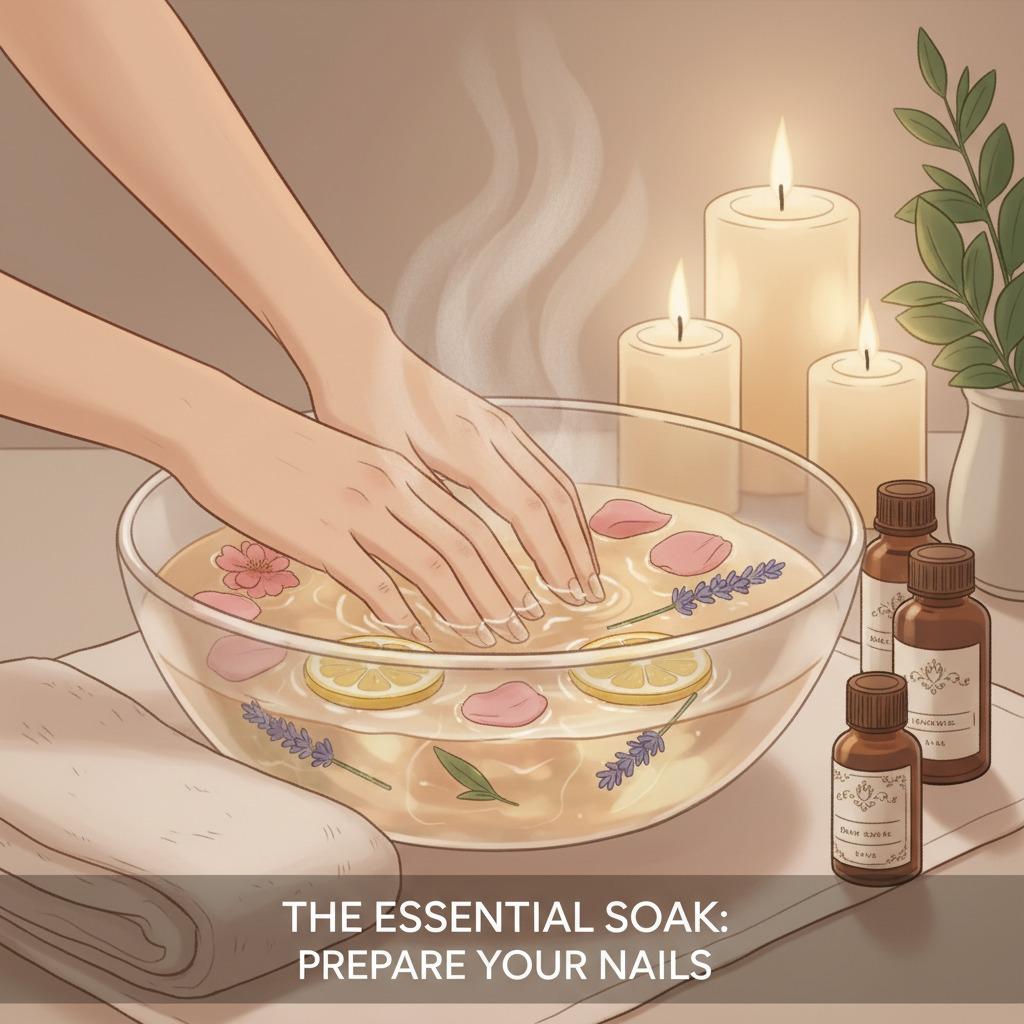
Good trimming begins before the clipper touches the nail. Nails that are extremely dry may split if clipped aggressively, while nails that are too soft from prolonged soaking may bend and hide the true cut line. A balanced preparation routine makes the process easier and reduces avoidable mistakes.
- Clean first: Wash hands or feet and remove dirt, lotion and residue from the nail surface and under the free edge.
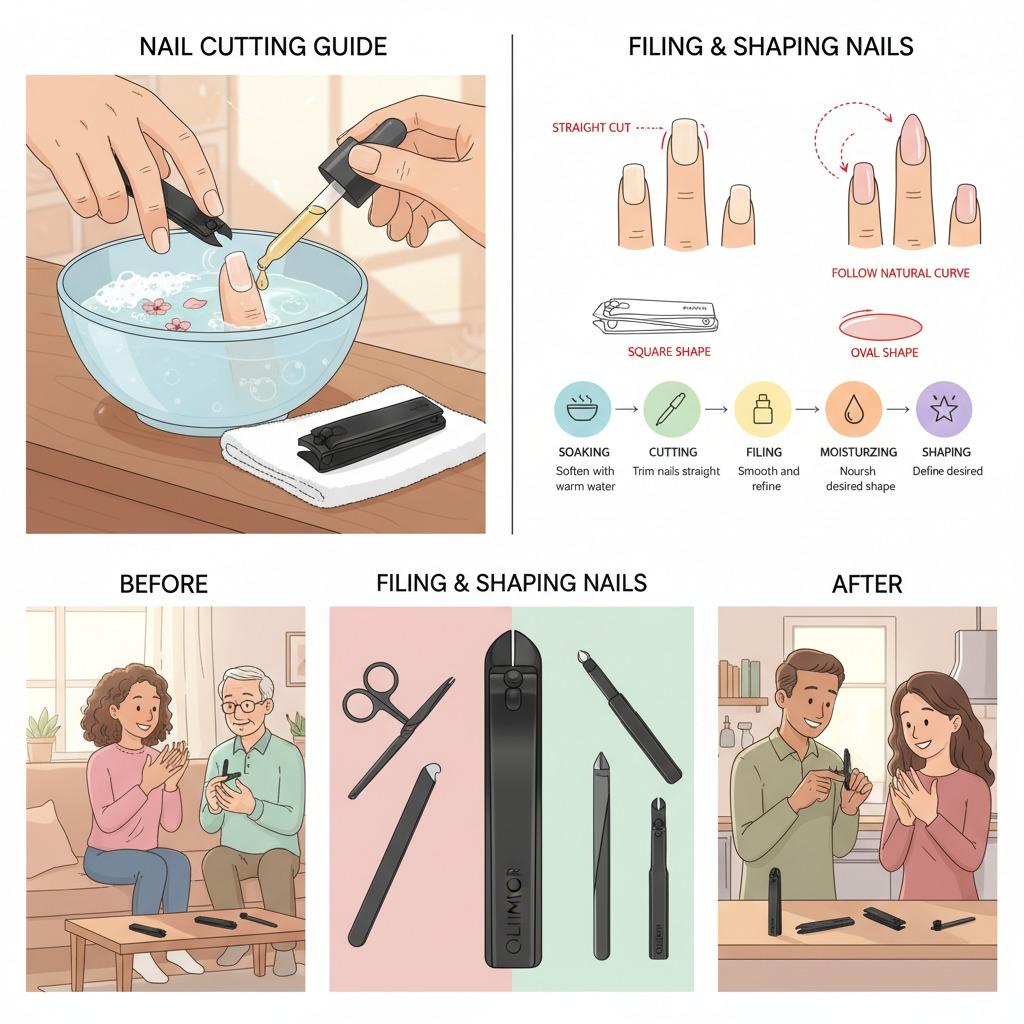
- Soften only when needed: If nails are thick or brittle, a short warm-water soak can make trimming easier. Dry the nail before clipping so the edge remains visible.
- Inspect the nail: Look for painful cracks, swelling, unusual discoloration or signs of infection. Do not perform aggressive trimming on irritated or painful areas.
- Disinfect the tool: Wipe the cutting surfaces before use, especially if the clipper is shared or used in a service setting.
- Check alignment: The cutting edges should meet evenly. A clipper that twists, wobbles or leaves gaps may crush the nail instead of cutting cleanly.
- Work with visibility: Use good lighting and trim over a towel, tissue or tray to collect nail pieces and prevent slipping.
For salon, spa or shared-tool environments, hygiene rules may vary by location. Operators should verify current local health department requirements and any applicable disinfectant guidance from recognized public bodies such as the U.S. Environmental Protection Agency, which regulates disinfectant products in the United States. Always check the current version of relevant rules and the supplier’s own care documents.
Step-by-Step Nail Clipping Method
The most common home grooming mistake is removing too much nail in one cut. Professional-style trimming uses small sections. This gives more control, reduces stress on the nail plate and prevents the edge from becoming jagged or uneven.
Fingernail trimming
Start at one side of the free edge and position the curved blade so it follows the nail’s natural contour. Make a small cut, then move toward the center. Repeat from the other side if needed. Avoid cutting deeply into the sidewalls, even if you prefer a rounded look. A curved blade can help guide the shape, but technique still matters; do not force the nail into a curve that removes too much side support.
Leave a thin white edge for comfort and protection. Cutting flush with the skin may look neat at first, but it can create tenderness and make the fingertip more exposed during work, typing or daily tasks.
Toenail trimming
Toenails usually benefit from a straighter cut. Place the clipper so it removes small sections across the nail rather than creating a deep curve. The corners should remain visible and supported. If a corner catches on socks after trimming, soften it with a file instead of cutting into the side.
Pressure and control
Use steady pressure and keep the handle stable. A non-slip grip is useful because hands may be slightly damp after washing or may have residue from lotion. If the blade does not cut cleanly, do not pull the nail away. Open the clipper, reposition it and try a smaller section. Pulling can tear nail layers and leave a rough edge.
Shaping After Cutting: File for Comfort and Symmetry
Clipping shortens the nail; filing finishes it. Even when a clipper cuts cleanly, the freshly cut edge may have tiny uneven points. A few careful file strokes can make the nail smoother, more comfortable and less likely to snag.
Choose the shape according to the natural nail and the user’s routine. A soft oval is practical for many fingernails because it follows the fingertip. A square shape can suit flatter nails, but the corners should be softened. A rounded short shape is easy to maintain, but excessive rounding can weaken side support.
Look at the nail from the front as well as from above. The free edge should appear balanced from side to side. If one side is slightly shorter, avoid over-correcting immediately. Heavy filing to force symmetry can make the nail thinner and more vulnerable to splitting. Make a modest adjustment and allow the nail to grow into a better shape over the next trims.
Do not use the nail clipper as a file, scraper or lever. A clipper is designed for cutting the free edge, not prying under the nail or removing hard skin. Misuse can damage the tool alignment and increase the risk of uneven trimming.
How to Choose a Quality Nail Clipper
Appearance matters in retail beauty tools, but performance comes from the blade, hinge, grip and body design. The Olimor Beauty nail clipper example includes a matte black finish, stainless steel blades, non-slip grip and curved blade. These are commercially relevant features because they affect both user experience and shelf presentation.
| Feature to check | Why it matters | What to look for |
|---|---|---|
| Blade sharpness | A sharp edge cuts cleanly with less crushing. | The nail should separate smoothly without tearing or splitting. |
| Blade alignment | Misaligned blades can leave jagged edges or require extra force. | Cutting edges should meet evenly across the width. |
| Blade shape | Curved blades can follow fingernail contours; straighter cutting is often preferred for toenails. | Match the blade profile to the intended use and product positioning. |
| Grip security | Stable handling improves control during small cuts. | A non-slip surface or comfortable handle texture is helpful. |
| Material and finish | Stainless steel blades support durability and cleanability; finish affects presentation. | Inspect for smooth surfaces, clean edges and consistent coating appearance. |
| Cleanability | Residue can collect around the cutting head and hinge. | Choose a design that can be wiped and dried easily. |
| Packaging | Retail and B2B buyers need protection, presentation and instructions. | Confirm packaging protects the cutting edge and communicates basic use and care. |
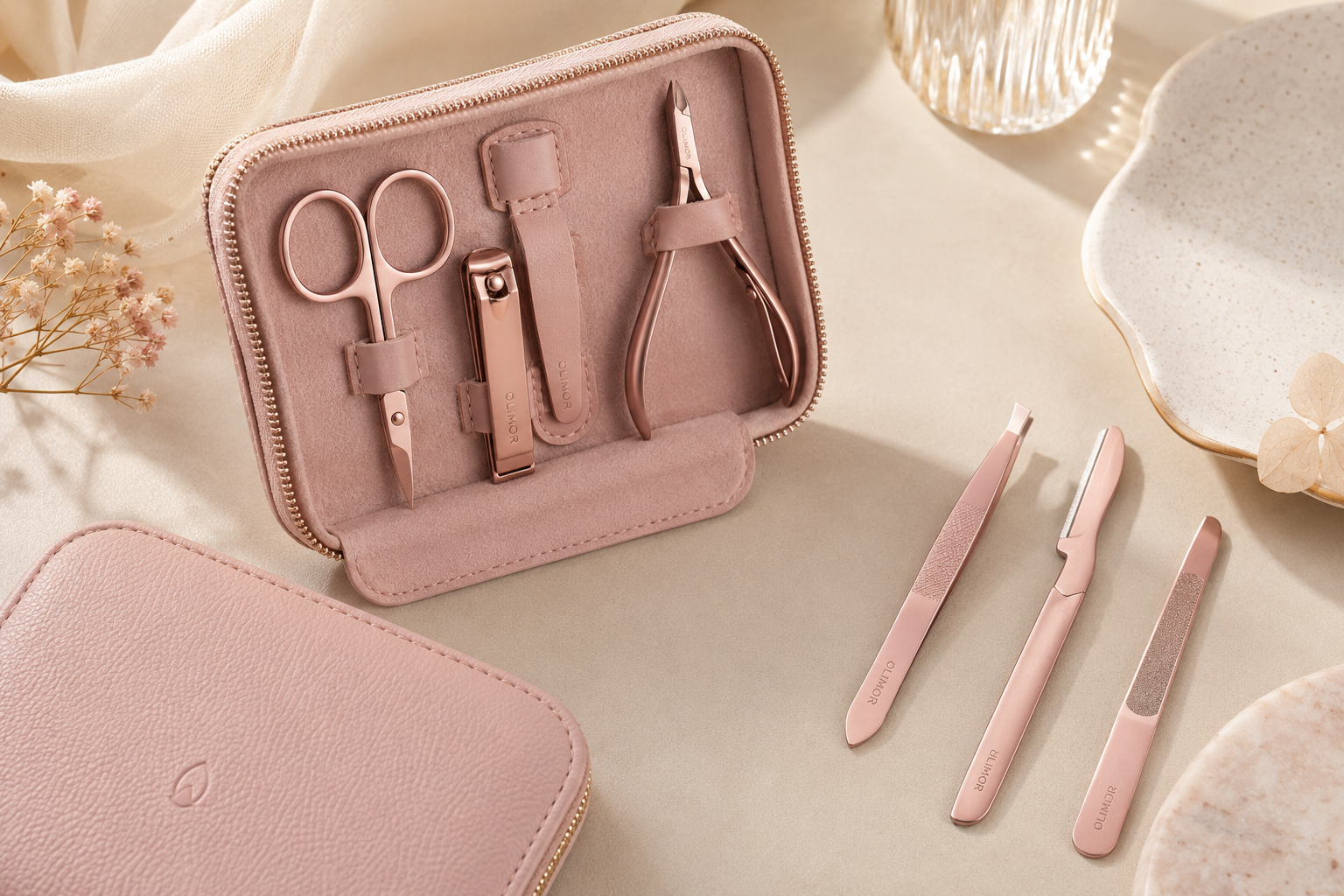
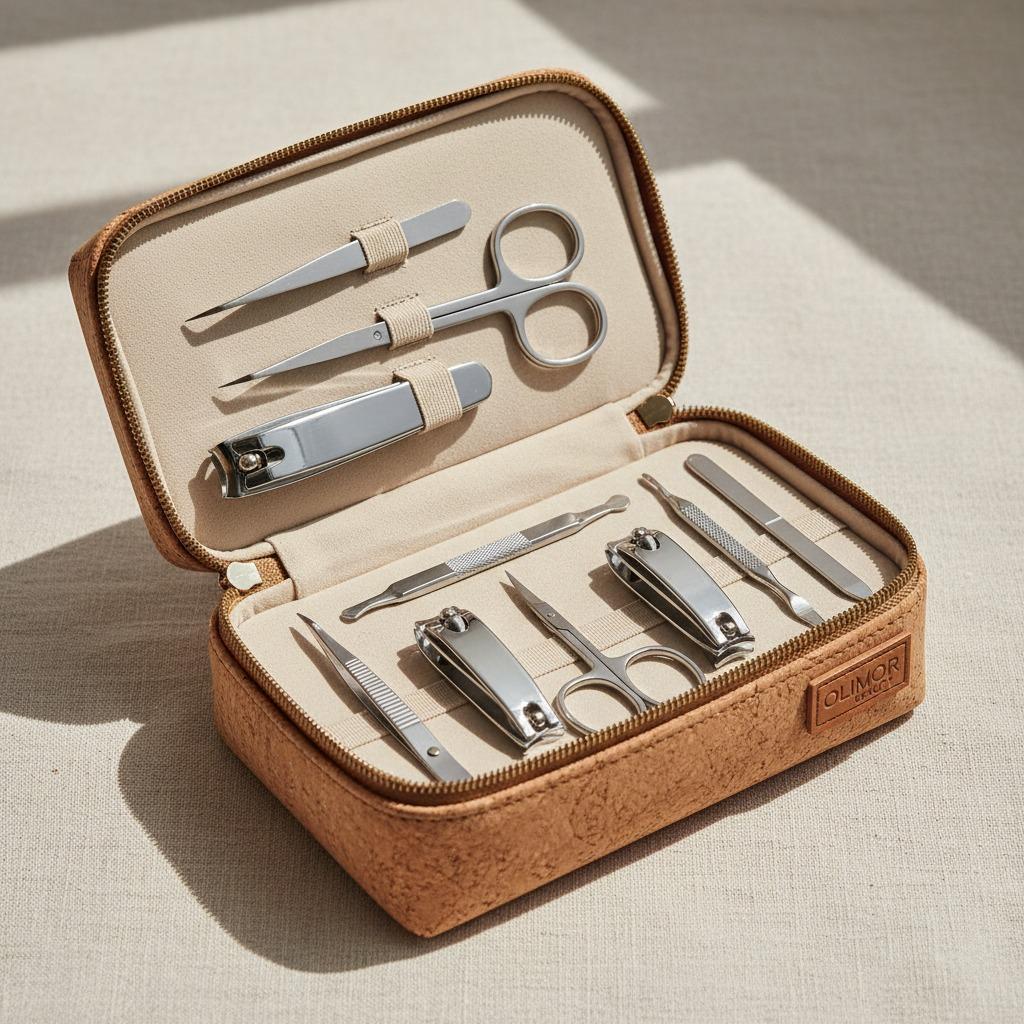
For sourcing or assortment planning, compare the clipper with other items in Olimor’s beauty tool collections. A nail clipper may be sold alone, paired with grooming accessories or included in a travel or manicure set, depending on the buyer’s market and packaging requirements.
Common Nail Cutting Problems and How to Fix Them
Many nail-trimming problems come from tool condition, user technique or timing. The fix is usually simple: cut less at once, inspect the blade and finish with filing instead of repeated clipping.
Jagged edges
Jagged edges often come from taking one large cut or using a dull or misaligned clipper. Use smaller cuts and check whether the blades meet evenly. If the tool no longer cuts cleanly, replacing it is safer than compensating with extra force.
Peeling or splitting
Peeling can happen when dry nails are clipped too aggressively or when the cutting edge squeezes before it cuts. Softening thick or brittle nails briefly before trimming may help, but avoid prolonged soaking. File gently after clipping and do not saw harshly back and forth on thin nails.
Sore corners
Sore toenail corners are often linked to cutting too deeply into the side. Trim more straight across and smooth only the sharp point. If there is persistent pain, swelling or drainage, stop self-treatment and consult a qualified professional.
Uneven shape
Uneven nails usually result from trimming quickly from one side only. Check symmetry after each few cuts. If the nail is already too short on one side, avoid chasing a perfect line; refine lightly and correct gradually as the nail grows.
Hygiene, Maintenance and Storage
A quality clipper lasts longer and performs better when it is kept clean and dry. After each use, remove nail fragments, wipe the cutting surfaces and dry the tool before storage. Stainless steel blades are selected for strength and clean cutting performance, but moisture, residue and improper storage can still reduce tool life or affect appearance.
If the clipper is used by more than one person, clean it before and after use. For professional or shared environments, follow applicable local rules and verify current disinfectant requirements. The U.S. Centers for Disease Control and Prevention publishes general hygiene information, while disinfectant product claims and registrations in the United States are handled through the EPA; check current public guidance and product labels rather than relying on assumptions.
Store the clipper in a dry pouch, drawer or kit where the cutting edge is protected. Do not leave it loose among heavy metal tools that can strike the blades. For retail buyers, packaging should protect the blade during transport and handling so that the consumer receives a tool with proper alignment and clean presentation.
B2B Buying and Supplier Evaluation Questions
For distributors, private-label buyers, salons, gifting companies and beauty retailers, nail clippers are small items with important quality details. A low-cost tool that feels rough, slips in the hand or crushes the nail can damage customer confidence. Evaluation should include product samples, inspection criteria, packaging requirements and communication with the supplier.
Useful commercial questions include:
- Sample review: Can the supplier provide samples for cutting feel, grip comfort, finish consistency and packaging inspection?
- Material and blade details: What material information can the supplier document for the blades and body? Do not rely only on appearance.
- Customization: Which elements can be customized, such as color, finish, logo placement, packaging style or set configuration?
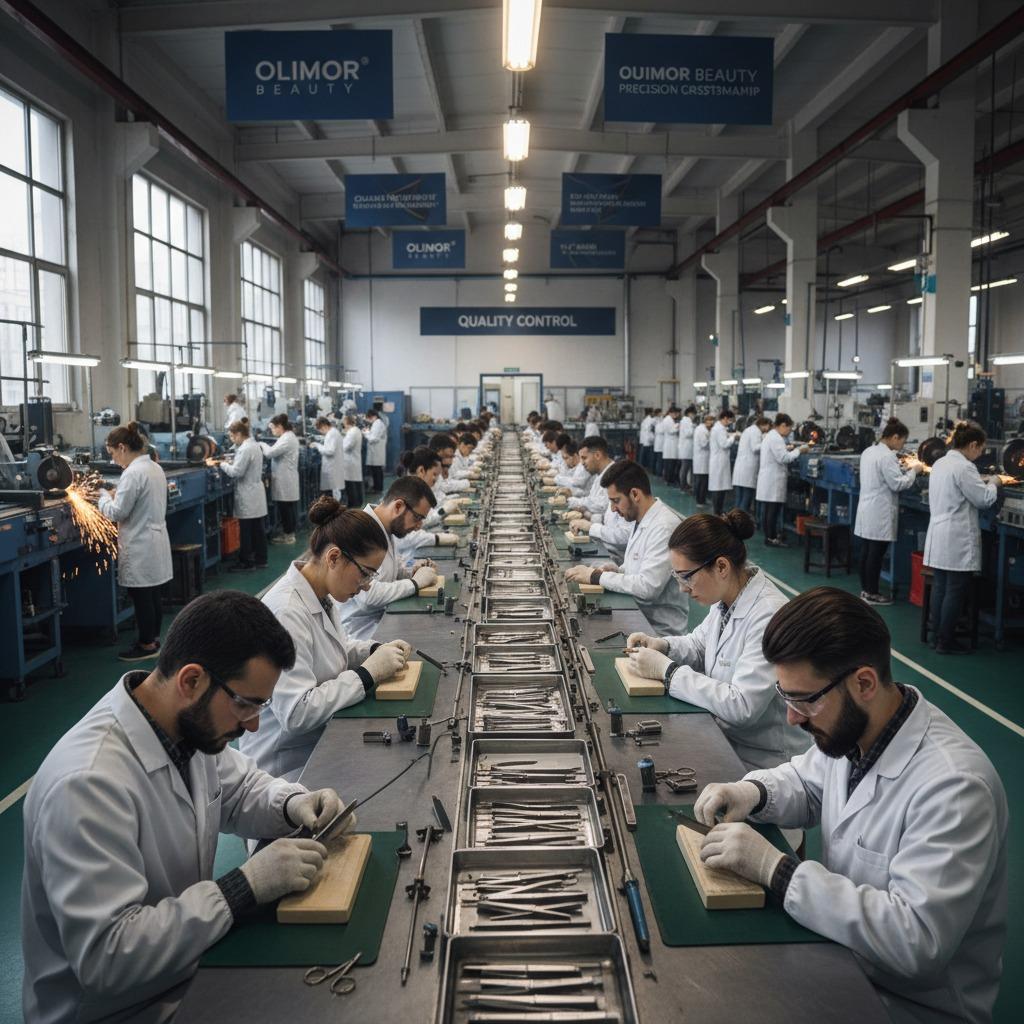
- Inspection process: How are blade alignment, surface finish, hinge movement and packaging condition checked before shipment?
- Compliance documents: Which documents apply to the destination market, and are current versions available for review?
- Assortment fit: Does the clipper complement other grooming tools in the same retail price tier or kit concept?
Cost is influenced by material selection, finish, cutting mechanism, packaging, order quantity, customization complexity and inspection requirements. Avoid comparing only unit price. A well-aligned clipper with protective packaging and consistent finish can create better customer satisfaction than a cheaper tool that requires excessive pressure or arrives with cosmetic defects.
To discuss product availability, customization or sourcing requirements, use Olimor’s product inquiry form or contact the team with your market, intended application and packaging expectations.
Practical Nail Clipping Routine
A simple routine keeps nails neat without over-trimming. Inspect the nails, wash and dry, clip only the length that needs removal, file the edge smooth, clean the surrounding skin and wipe the clipper before storing it. Fingernails often need more frequent maintenance than toenails, but the best timing depends on individual nail growth and daily activities.
The key is restraint. Do not cut below the free edge for a short-term neat look. Do not dig into toenail corners. Do not keep using a clipper that has become dull, loose or misaligned. With a stable tool, small cuts and proper aftercare, nail clipping becomes clean, repeatable and comfortable.
FAQ
Can buyers request samples before placing an order?
Sample availability should be confirmed directly with Olimor. Samples are useful for checking blade feel, grip comfort, finish appearance, packaging protection and overall fit with your target retail or professional market.
Is there a minimum order quantity for nail clippers?
MOQ depends on the product, packaging and customization requirements. Contact Olimor with the desired model, finish, packaging concept and destination market so the team can provide current order information.
Can nail clippers be customized?
Customization may include elements such as finish, logo placement, packaging or set configuration, depending on the product and production requirements. Confirm available options, artwork requirements and approval steps before ordering.
How should quality be checked before shipment?
Key checks include blade alignment, cutting feel, hinge movement, grip surface, finish consistency, cleanliness and packaging protection. Buyers should agree on inspection expectations and required documents with the supplier in advance.
What affects lead time?
Lead time can be affected by order quantity, customization, packaging development, sample approval, production scheduling and destination requirements. Request current timing from Olimor for the exact product and order scope.