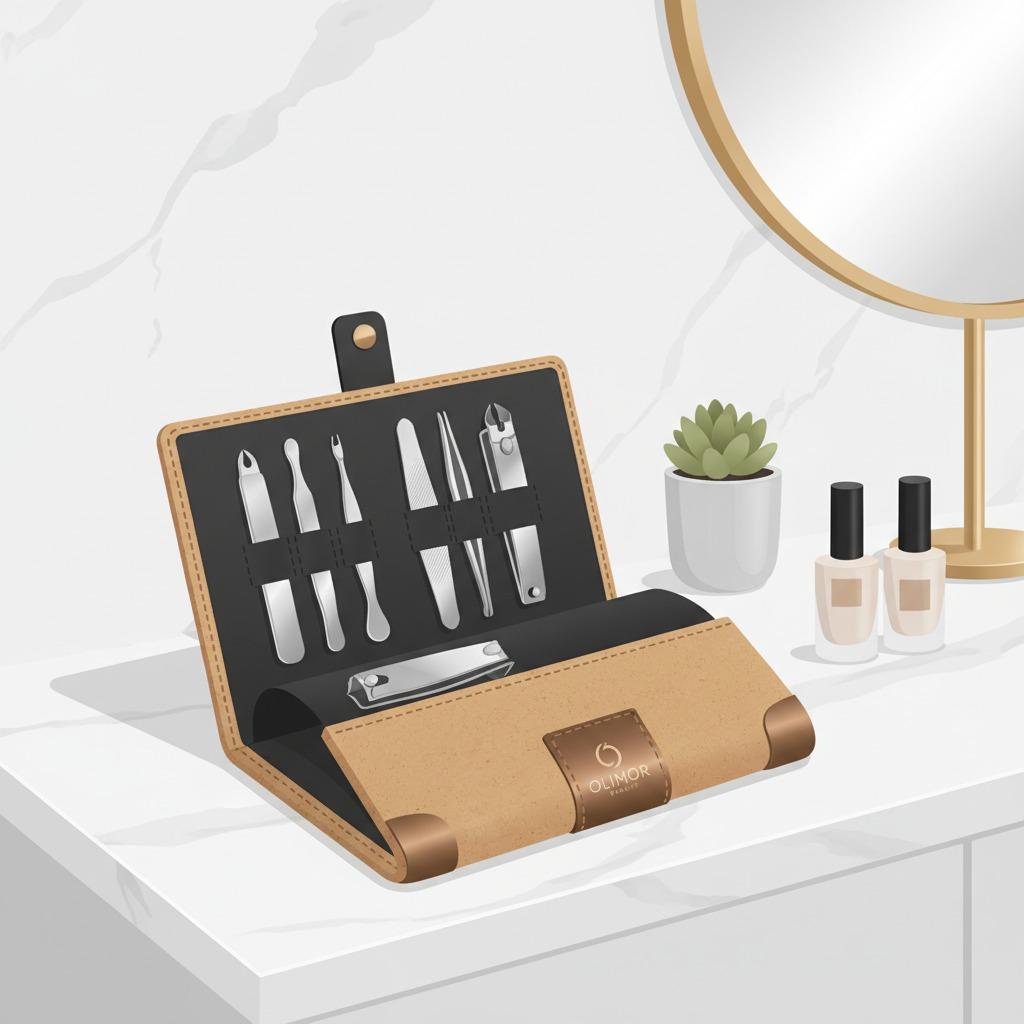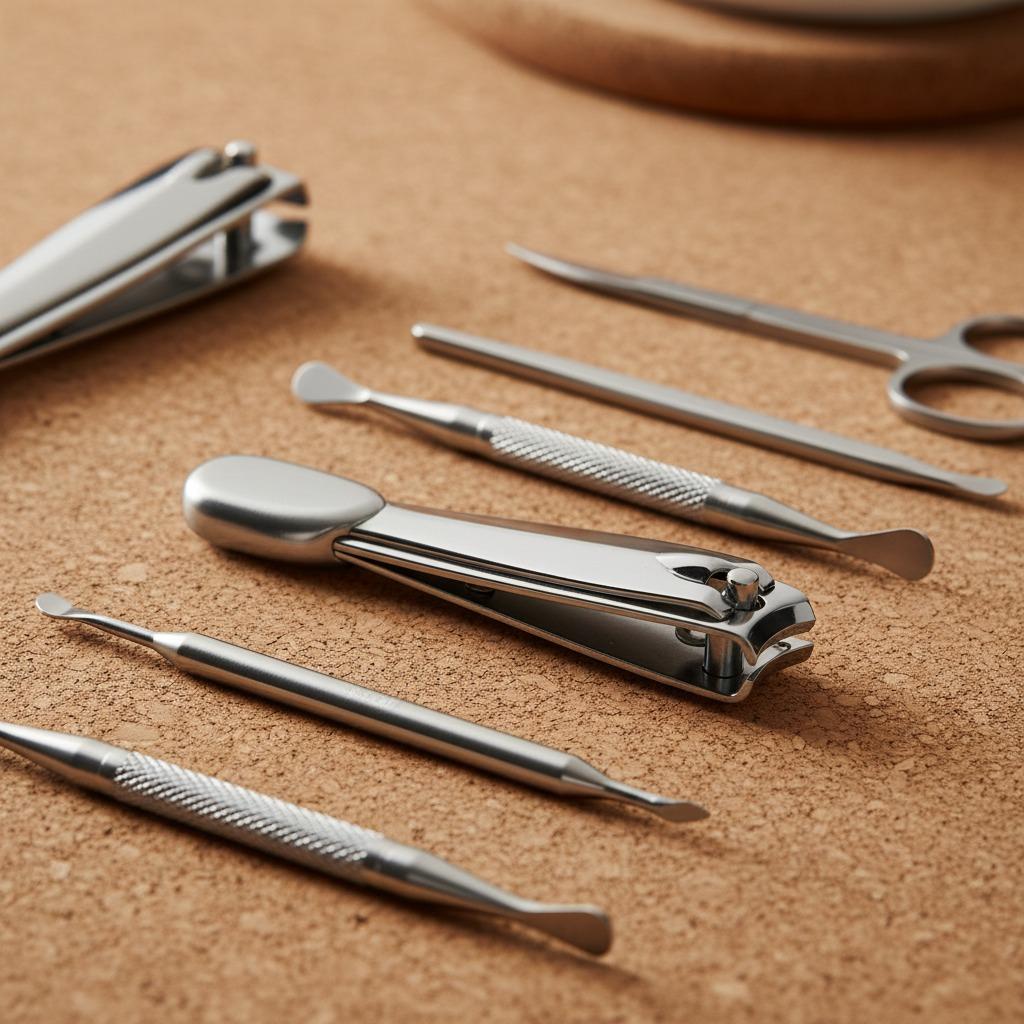











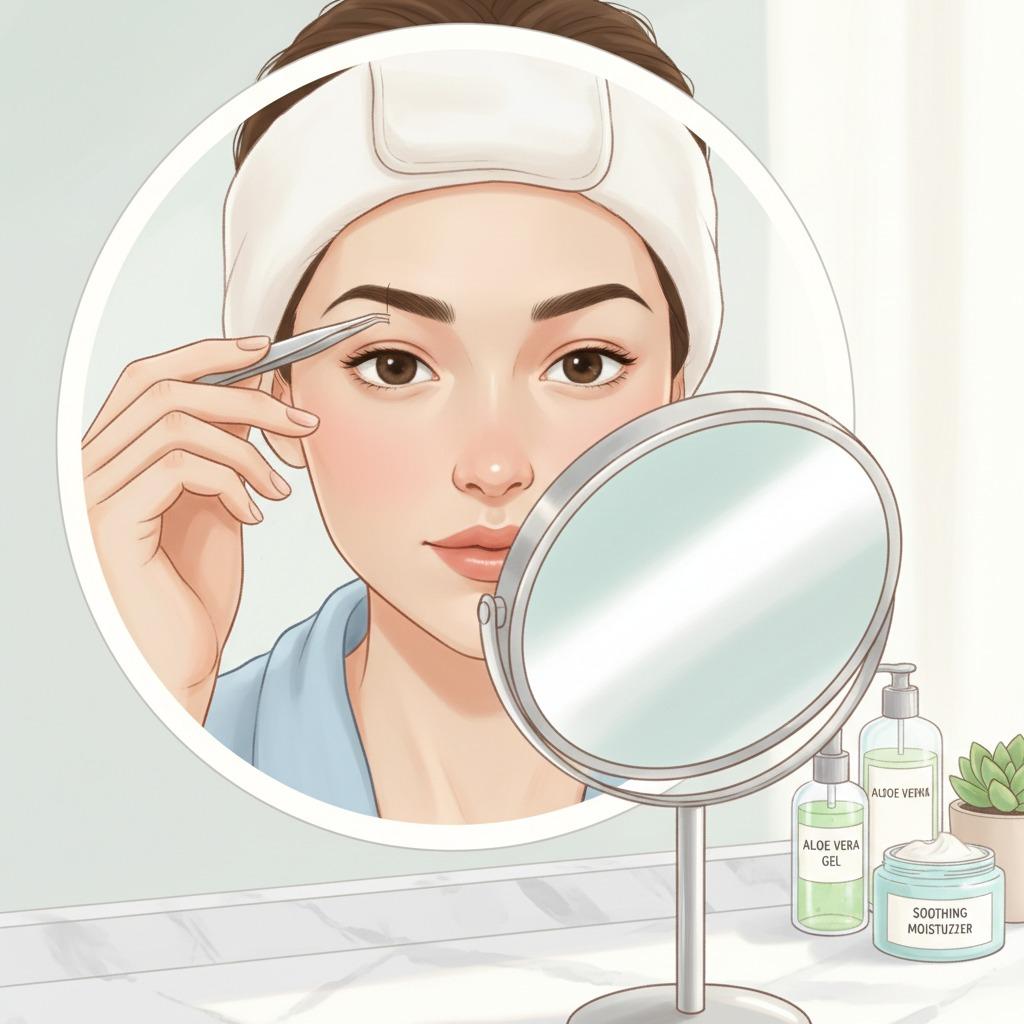
Tweezing is a precise way to shape eyebrows and remove stray facial hairs, but the brow area reacts easily because the skin is thin and the hair is pulled from the follicle. A little pinkness after hair removal can be normal. The practical goal is to avoid unnecessary swelling, raised bumps, tenderness and repeated irritation by combining clean preparation, a suitable tweezer and calm aftercare.
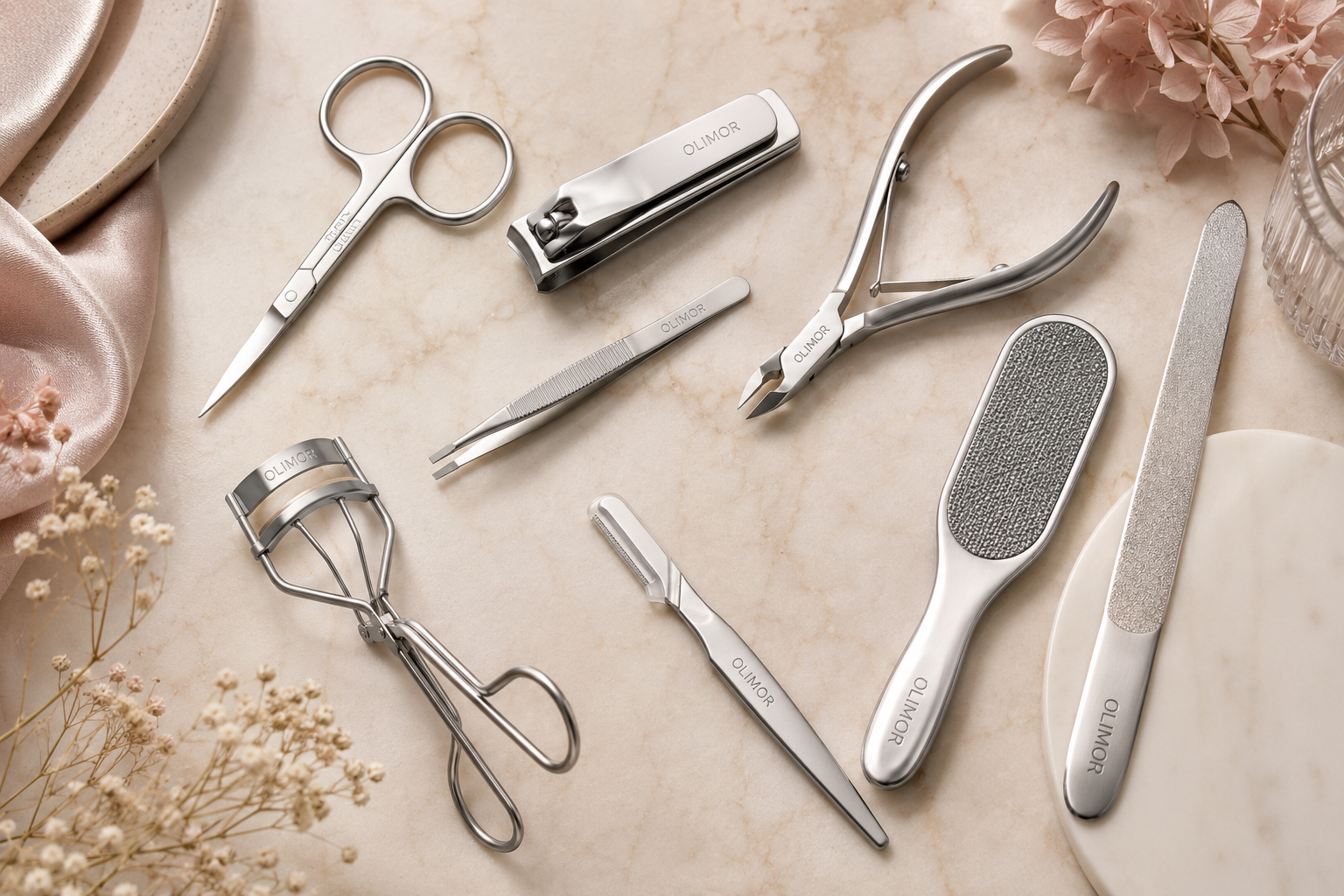
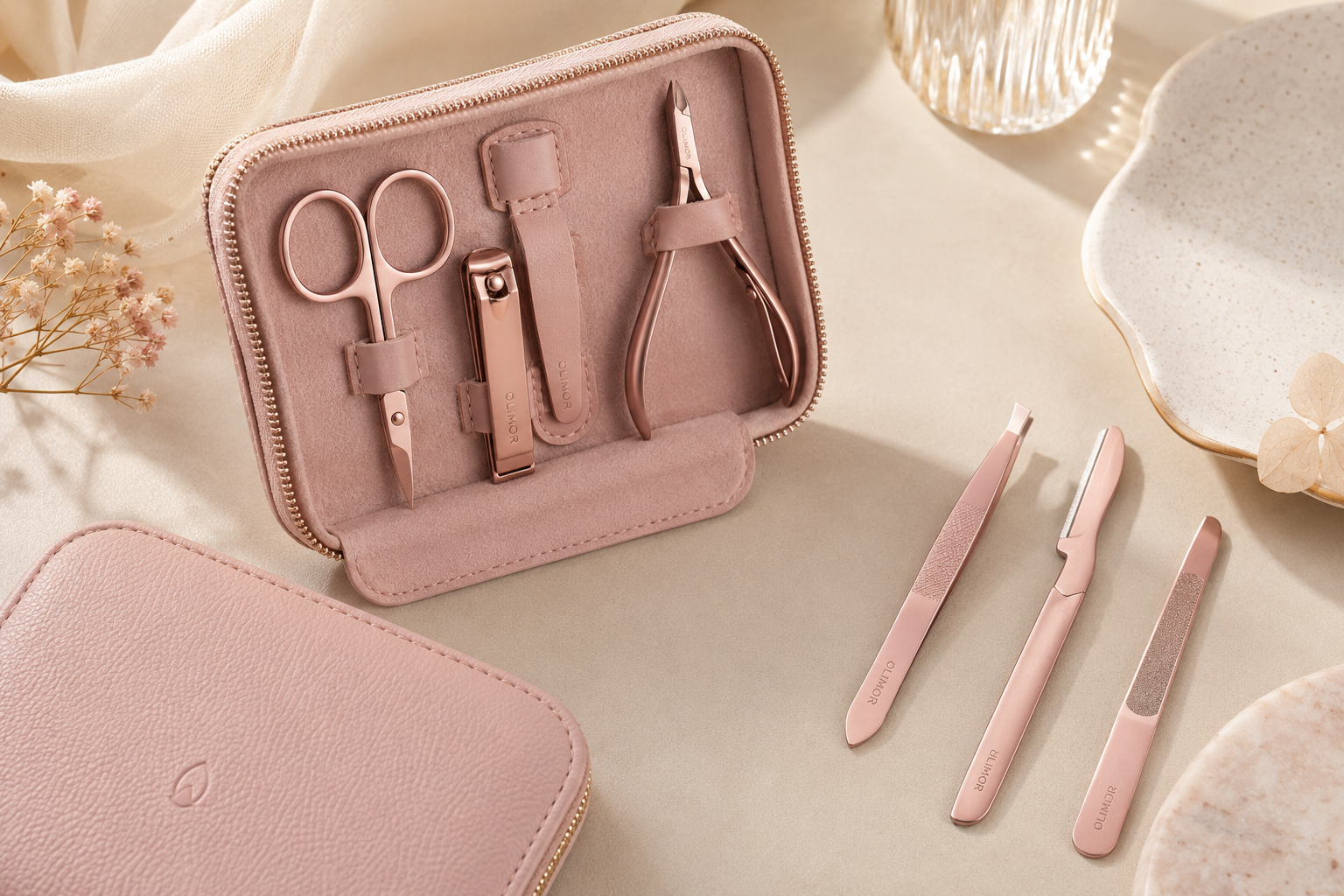
For home users, salons and beauty-tool buyers, the same principle applies: swelling is often caused less by the act of tweezing itself and more by poor grip, harsh skincare, unclean tools, pulling at the wrong angle or trying to remove hair before it is long enough to grasp. Olimor Beauty eyebrow tweezers are described as precision-engineered stainless steel tools with ergonomic designs, slanted tips and a polished finish. Those product features can support controlled brow grooming, but results still depend on skin condition, hygiene and technique.
Why Skin Swells After Tweezing
Swelling happens because tweezing removes hair from the root. The follicle and surrounding skin may respond as if they have experienced a tiny injury. Blood flow increases, the follicle opening can look raised and the skin may feel warm or sensitive. This reaction is usually temporary, but the level of redness depends on skin condition, tool control and aftercare.
Common triggers include tugging several times at the same hair, gripping the hair too far from the base, pulling against the growth direction, tweezing too many hairs from one small area, or using tips that do not meet cleanly. Skin can also react more strongly after retinoids, exfoliating acids, scrubs, recent waxing, threading, sunburn or active breakouts. If the skin is broken, infected-looking, unusually painful or inflamed, postpone tweezing and allow the area to recover.
In a retail or salon context, swollen skin after tweezing can also be a service-quality issue. Customers may blame the tool, the technique or the aftercare advice. A consistent brow routine helps reduce complaints because it makes each step easier to explain: cleanse, soften, isolate the hair, pull once in the growth direction, cool the area and clean the tool.
Prepare the Brow Area Before Tweezing
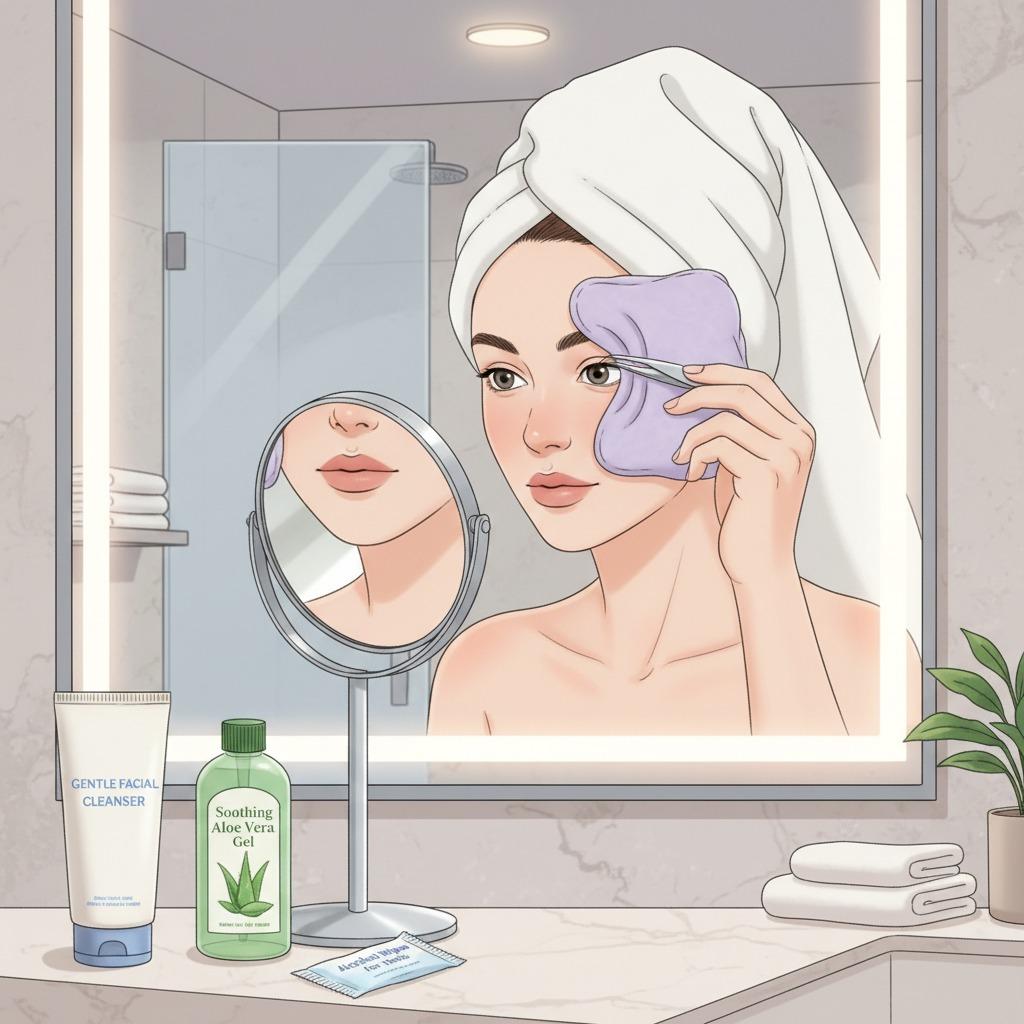
Good preparation makes hair easier to remove without stripping the skin. Start with clean hands and a gentle facial cleanser to remove makeup, sunscreen, oil and brow products. Pat dry with a clean towel. Then apply a comfortably warm compress for a short period to soften the skin surface. The compress should never feel hot; heat that stings or flushes the skin can make post-tweezing redness worse.
Avoid alcohol-heavy toners, gritty scrubs, strong exfoliating acids and aggressive cleansing immediately before tweezing. These products can weaken the skin barrier and make the brow area more reactive. If you use active skincare, schedule brow grooming on a calmer skincare day and keep the routine simple: cleanse, tweeze, cool and moisturize lightly.
Pre-tweezing checklist
- Wash hands before touching the brow area.
- Clean the tweezer tips before use and allow them to dry.
- Use bright, even lighting instead of relying only on a magnifying mirror.
- Brush brow hairs upward and outward to reveal the natural shape.
- Mark or mentally identify only the stray hairs outside the desired brow line.
- Do not tweeze over cuts, irritated patches, active blemishes or sunburned skin.
- Keep cotton pads, a cool compress and a simple moisturizer ready for aftercare.
For assortments that include brow tools, skincare accessories or grooming kits, preparation instructions can be included on packaging inserts, retail pages or salon training notes. Buyers comparing tool options can review Olimor beauty tool products and related product collections to match tweezer styles with the intended grooming routine.
Choose a Tweezer That Reduces Repeated Pulling
Repeated pulling is one of the biggest causes of swelling. If a tweezer slips, pinches the skin or fails to hold fine hair, the user may pull the same area several times. That repeated friction and follicle stress can lead to more redness than a single clean removal.
Slanted tips are widely used for eyebrow shaping because they can sit close to the skin while allowing the user to isolate individual hairs. Stainless steel construction is practical for beauty tools because it supports routine cleaning and a smooth, durable working surface when properly manufactured and maintained. An ergonomic design can help the hand stay steady, especially during detail work around the arch and tail of the brow. A polished finish can improve comfort and presentation, both of which matter for retail and professional use.
When evaluating tweezers, do not judge only by appearance. Check whether the tips align evenly when closed, whether the tension feels controlled and whether the grip is comfortable for both short and longer grooming sessions. A tweezer that is too stiff may fatigue the hand; one that is too loose may not hold hair securely. The best choice is the tool that lets the user grasp near the root with minimal pressure and remove the hair in one steady motion.
Comparison points for buyers and grooming professionals
| Selection factor | Why it matters for swelling control | What to check before purchasing |
|---|---|---|
| Tip alignment | Uneven tips can slip and cause repeated pulling. | Close the tips and inspect whether they meet evenly along the gripping edge. |
| Tip shape | Slanted tips help with controlled eyebrow shaping and access near the skin. | Confirm the shape suits brow work, fine facial hairs and the intended user skill level. |
| Material | Stainless steel supports practical cleaning and daily tool handling. | Ask the supplier for product material information and care guidance. |
| Grip and tension | Stable hand control reduces accidental pinching and over-plucking. | Test samples for comfort, spring, pressure and control during simulated use. |
| Finish and packaging | A polished finish and protective packaging help preserve the working tips. | Inspect samples for burrs, rough edges, tip protection and retail presentation. |
For B2B sourcing, cost is influenced by factors such as material choice, finish, tip precision, packaging, customization requirements, order structure and inspection expectations. Avoid selecting only the lowest quote if the tweezer cannot grip fine hairs reliably; poor gripping can increase returns, complaints and brand risk. It is reasonable to request samples, review packaging options and discuss the target channel before placing a commercial order. Businesses can send a product inquiry with their intended market, packaging needs and customization questions.
Use a Gentle Technique That Limits Redness
The safest technique is slow, controlled and conservative. Start by brushing the brows into place. Identify hairs outside the desired brow line rather than chasing every short hair. Hold the skin lightly with one hand to create a stable surface, then grip the hair close to the root. Pull in the direction the hair naturally grows with one short, steady motion.
Avoid yanking upward or against the grain. This can increase follicle trauma and make swelling more visible. Also avoid digging the tweezer tips into the skin to catch a hair that is too short. If a hair cannot be gripped cleanly, let it grow a little longer instead of pinching the skin. This is especially important for fine facial hairs and sensitive brow skin.
Step-by-step brow tweezing method
- Cleanse the brow area and dry it with a clean towel.
- Apply a warm, comfortable compress to soften the area.
- Brush brow hairs into their natural position.
- Use good lighting and remove only clear strays at first.
- Hold the skin gently, without stretching it painfully tight.
- Grip one hair near the base with the slanted tip.
- Pull once in the direction of growth.
- Pause between sections and check the overall brow shape from a normal mirror distance.
- Stop if the skin becomes hot, very tender or visibly swollen.
Limit the session if the skin reddens quickly. Over-plucking often happens when users work too close to a magnifying mirror and lose sight of overall symmetry. For personal use, it is better to tweeze a few hairs, step back and reassess. For professional brow services, documenting a consistent method can help train staff and maintain a predictable customer experience.
Aftercare That Helps the Skin Settle
Aftercare should calm the brow area, not overload it. Apply a cool compress for several minutes to reduce warmth and visible puffiness. Then use a light layer of a simple fragrance-free moisturizer or aloe vera gel if your skin tolerates it. Avoid heavy makeup, brow pomades, fragranced products and harsh active skincare immediately after tweezing, especially if the follicles look open or bumpy.
For the rest of the day, avoid activities that add heat to the area, such as hot showers directed at the face, steam rooms, saunas or prolonged direct sun exposure. Heat can intensify redness. If makeup is necessary, wait until the skin looks calmer and apply with clean tools. Do not scratch, rub or repeatedly touch the brow area, because freshly tweezed follicles are more vulnerable to irritation.
Some people use over-the-counter anti-itch or hydrocortisone products for temporary irritation. Follow the product label and local regulatory guidance; in the United States, the Food and Drug Administration regulates over-the-counter drug labeling. Do not use medicated products as a substitute for proper technique. If swelling is severe, spreading, painful, filled with pus, associated with a rash or lasting longer than expected, consult a dermatologist or qualified healthcare professional.
Clean, Store and Inspect Tweezers Properly
Tool hygiene is part of skin care. Clean tweezer tips before and after use with an appropriate alcohol wipe, then allow them to dry before storage. Store tweezers in a clean, dry place and protect the tips from impact. Dropping a tweezer can change tip alignment, and even a small misalignment can make the tool slip, pinch or require repeated pulling.
Do not share personal tweezers without thorough cleaning. In salons, spas and brow bars, follow local health department rules and the hygiene procedures required for your service setting. Public health requirements can vary by location and may change, so operators should verify current rules, supplier documents and internal sanitation procedures. For workplace handling and disinfectant safety, relevant public bodies such as OSHA in the United States may publish guidance that employers should verify for current applicability.
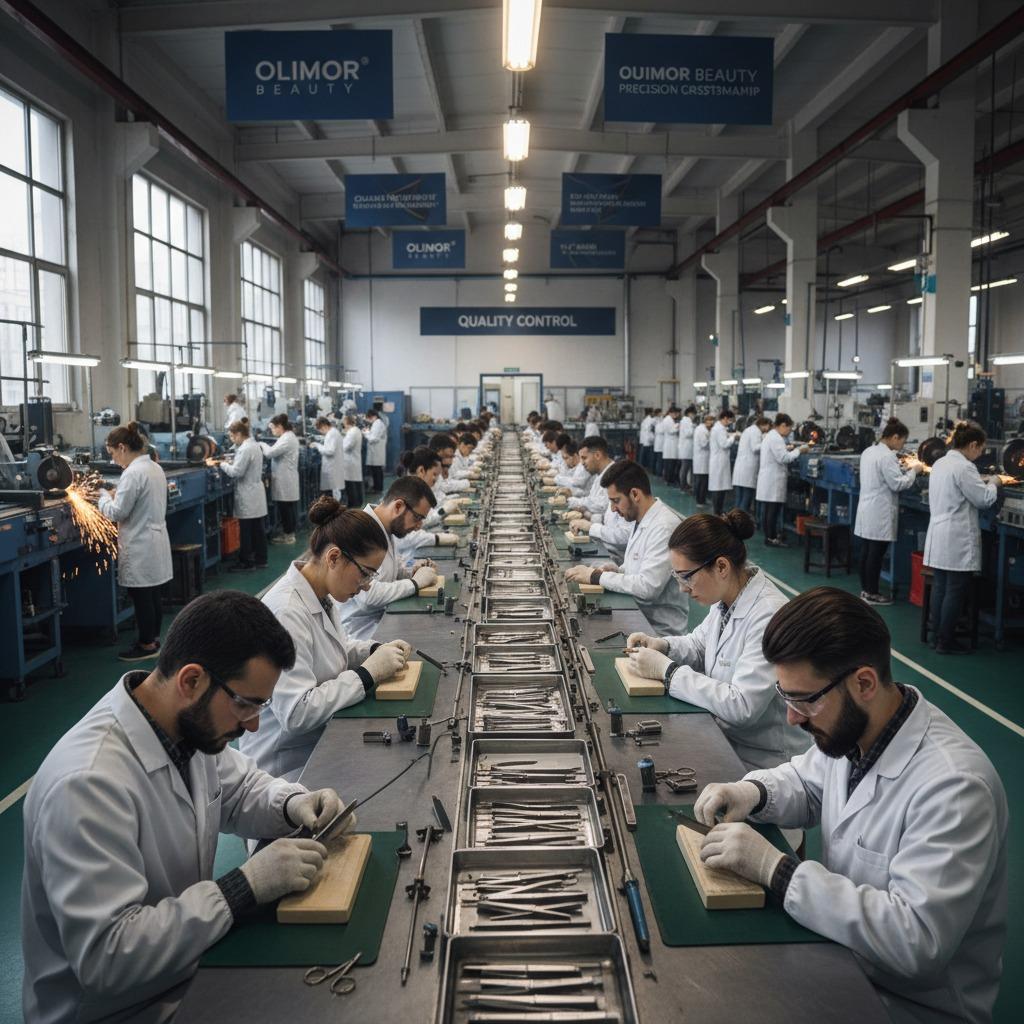
For importers, distributors and private-label buyers, quality control should include more than a visual check of packaging. Inspect sample tweezers for tip alignment, tip smoothness, closing tension, edge comfort, finish consistency and protective packing. Confirm care instructions and ask how the supplier handles customization, inspection and shipment documentation. Olimor can discuss product options through direct contact when buyers need to match a brow tool to a retail, salon or promotional channel.
Troubleshooting Common Tweezing Problems
If swelling keeps happening, look for a pattern. The issue may be timing, skincare, technique or tool condition. Use the table below to identify the most likely cause and a practical fix.
| Problem | Likely cause | Better approach |
|---|---|---|
| Redness appears immediately | Normal follicle response, too much pulling or skin that is already reactive. | Use a cool compress, reduce session time and avoid active skincare around tweezing. |
| Hair keeps slipping | The hair is too short, the tips are not aligned or the grip is not close enough to the root. | Wait for more growth, inspect the tweezer and grip the hair at the base. |
| Small bumps form after tweezing | Follicle irritation, heat, heavy products or touching the area too often. | Keep skin cool and clean, apply light moisturizer and avoid makeup until calm. |
| Skin stings during tweezing | Recent exfoliation, retinoid use, sun exposure or a compromised skin barrier. | Stop tweezing and reschedule for a calmer skin day. |
| Brows look over-plucked | Working too long in magnified lighting or removing hairs without checking symmetry. | Tweeze fewer hairs per session and step back from the mirror often. |
| Pinching marks appear | Trying to catch hair below the skin surface or using rough, misaligned tips. | Do not dig into the skin; inspect or replace the tool if the tips are damaged. |
Supplier Evaluation for Brow Tweezer Programs
B2B buyers often need answers beyond how a tweezer performs in one grooming session. A practical sourcing review should consider product consistency, packaging fit, customization options, communication and inspection. For example, a salon-focused tweezer may prioritize reliable grip and easy cleaning, while a retail gift set may also require strong presentation, protective packaging and clear aftercare instructions.
Ask suppliers for product details that are relevant to your channel, but avoid assuming certifications, test results or performance claims that are not documented. If your market has specific labeling, material, safety or sanitation expectations, verify current requirements with recognized authorities, your compliance team and supplier documents. Standards and public-body guidance can change, so current versions should always be checked before final approval.
A strong buyer brief should explain the intended use, customer group, packaging format, customization needs, destination market and inspection priorities. This helps the supplier recommend a more suitable tweezer instead of quoting a generic item. For commercial projects, use the Olimor inquiry page to share requirements and request the next sourcing step.
FAQ
Can I request samples before choosing eyebrow tweezers for my business?
Yes. For B2B evaluation, samples are useful for checking tip alignment, hand feel, finish, packaging and grip on fine brow hairs. Discuss sample availability and any related conditions directly with Olimor.
Is there an MOQ for customized tweezers or packaging?
MOQ can depend on the product style, customization method, packaging and order requirements. Confirm the current MOQ with the supplier before planning a launch or promotion.
What customization options can buyers discuss?
Buyers may discuss options such as finish, packaging presentation or branding needs, depending on the selected product and project requirements. Final feasibility should be confirmed through product communication and sample review.
How should quality be checked before bulk purchasing?
Inspect samples for even tip closure, smooth edges, stable tension, comfortable grip, clean finish and protective packaging. For regulated markets or professional channels, also verify current documents and local requirements.
How can lead time be confirmed?
Lead time depends on order details, customization, packaging and production planning. Ask for a current estimate after sharing the product specification, quantity requirements and destination details.
Swollen skin from tweezing is usually reduced by careful habits rather than complicated products. Clean the skin, use a precise stainless steel slanted-tip tweezer, pull one hair at a time in the growth direction, cool the area afterward and maintain the tool properly. For beauty businesses, pairing the right tool with clear user guidance can improve customer experience and make brow grooming more consistent.