










Nail clippers are small tools, but they have a direct effect on comfort, nail appearance, and hygiene. A sharp, well-aligned clipper cuts cleanly with steady pressure. A worn clipper crushes the nail, leaves ragged edges, or forces the user to squeeze harder than necessary. For home grooming, salon use, travel kits, and retail beauty assortments, knowing when to replace nail clippers is just as important as choosing the right pair in the first place.
There is no single replacement date that fits every user. A clipper used once a week by one person will age differently from a tool used frequently in a professional environment. The better question is: does the clipper still cut cleanly, safely, and consistently? Olimor Beauty focuses on reliable beauty tools, including nail clippers made with attention to material selection, ergonomic design, and quality checks during production. For buyers comparing beauty tool products, the following guide explains how to judge replacement timing and what to look for in a dependable nail clipper.
How Long Nail Clippers Usually Last
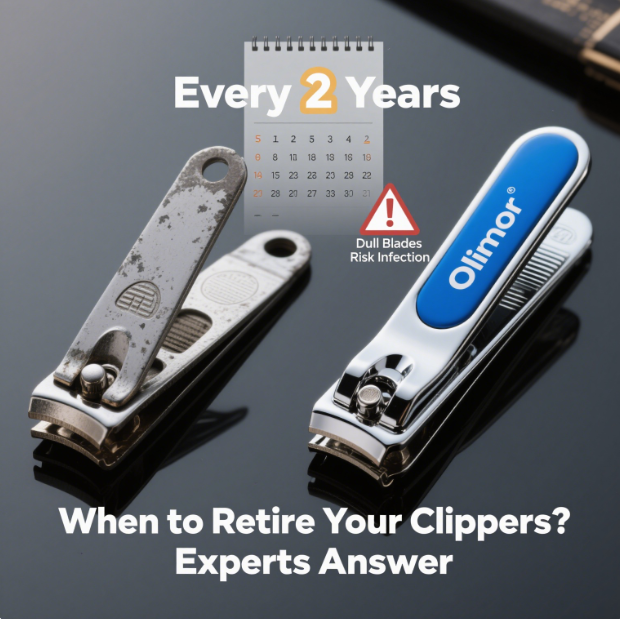
The useful life of nail clippers depends on cutting edge quality, alignment, storage conditions, cleaning habits, and usage frequency. A personal clipper that is cleaned and kept dry may perform well for a long time. A shared clipper, a frequently dropped clipper, or a tool exposed to moisture may need replacement much sooner.
Instead of relying only on a calendar, use performance as the main standard. If the clipper cuts toenails and fingernails with a smooth, controlled motion, it is still doing its job. If it bends the nail before cutting, slips sideways, or leaves splitting at the edge, the tool is no longer providing the precision expected from a grooming instrument. At that point, replacing it is usually better than continuing to force a dull tool through the nail.
For business buyers, replacement expectations also affect sourcing decisions. A retail customer may judge a beauty tool by its first impression, but repeat satisfaction comes from durability and consistent function over time. When selecting nail clippers for a product line, examine how the clipper feels in the hand, how the jaws meet, and whether the lever provides enough controlled pressure without feeling loose.
Clear Signs It Is Time to Replace a Nail Clipper
A worn nail clipper often gives several warning signs before it fails completely. Paying attention to these signs helps prevent rough nail edges and uncomfortable trimming.
| Sign | What It Means | Best Action |
|---|---|---|
| Ragged or cracked nail edges | The cutting edges may be dull or misaligned. | Replace the clipper if cleaning does not improve the cut. |
| Extra pressure is required | The lever may no longer transfer force efficiently, or the blade edge has worn down. | Stop forcing the tool and compare it with a sharper clipper. |
| Jaw tips do not meet evenly | The clipper may have been dropped or bent. | Replacement is recommended because alignment is central to clean cutting. |
| Rust, dark spots, or persistent residue | Moisture or poor storage may have affected hygiene and appearance. | Discard if marks cannot be cleaned safely. |
| Loose lever or unstable feel | The moving parts may be worn or assembled loosely. | Replace to avoid slipping during use. |
These signs matter for both personal and professional use. A clipper that seems “good enough” may still create small splits in the nail plate. Those rough edges catch on fabric and may encourage peeling. Clean cutting reduces the need for aggressive filing and makes the overall grooming process easier.
Why Cutting Edge Quality and Alignment Matter
A nail clipper works through two opposing edges that meet at the correct angle. The edges need to be sharp enough to cut the nail rather than compress it. They also need to align precisely from one side of the jaw to the other. If the edges meet only at one point, the cut may start cleanly but finish with tearing. If the gap is uneven, the user may need to repeat the cut several times in the same area.
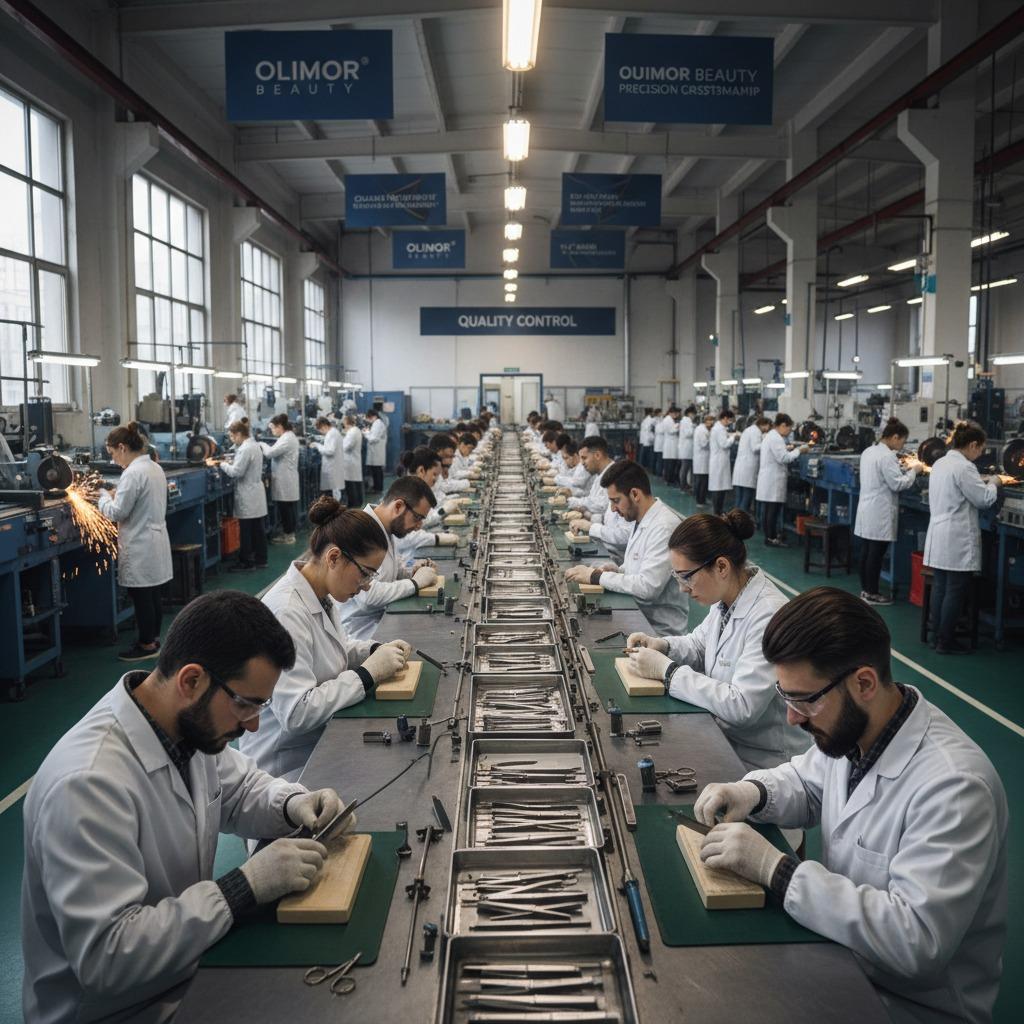
The original Olimor Beauty article notes the use of stainless steel materials and quality inspections through production. For buyers, stainless steel is valued in nail tools because it supports strength, cleanability, and corrosion resistance when properly cared for. However, material alone is not the full story. Cutting performance also depends on forming, sharpening, assembly, and final inspection. A high quality nail clipper should feel stable, open and close smoothly, and cut without twisting in the hand.
Ergonomic design also affects replacement timing. If a clipper is uncomfortable from the beginning, users may apply pressure at an awkward angle, which can increase slipping and uneven cutting. A comfortable lever and balanced body help users apply force in a controlled way. This is especially important for toenail clippers, thicker nails, and users who prefer a steady grip.
Replacement Timing for Different Users
Usage patterns vary, so replacement timing should be adjusted to the user group. The following guidance can help consumers, retailers, and procurement teams think more clearly about product expectations.
- Individual home use: Replace when the clipper no longer cuts cleanly, shows corrosion, or feels loose. With careful cleaning and dry storage, replacement may be infrequent, but performance should still be checked regularly.
- Family grooming kits: Shared clippers wear faster and require stricter hygiene. Consider assigning separate clippers or replacing them sooner if several people use the same tool.
- Travel kits: Clippers carried in bags may be exposed to impact and moisture. Inspect the jaws after travel and avoid storing them loose with hard objects that can damage the edges.
- Salon or frequent-use settings: Tools used repeatedly should be assessed often for hygiene, alignment, and cutting consistency. A dull tool can slow service and reduce the quality of the finished nail edge.
- Retail assortments: Buyers should evaluate sample performance, packaging protection, and consistency across units before adding nail clippers to a beauty tool range.
If you are building a broader grooming category, it may help to compare nail clippers with related product collections so that materials, finish, and user expectations remain consistent across the line.
How to Maintain Nail Clippers So They Last Longer
Replacement is unavoidable eventually, but basic maintenance can extend the useful life of a clipper and keep cutting performance more consistent. The goal is to protect the cutting edges, reduce moisture exposure, and prevent buildup around the jaws and lever.
- Clean after use: Remove nail fragments from the jaw area. A dry brush or clean cloth can help clear debris from the edges and hinge area.
- Keep the tool dry: Moisture is one of the most common causes of staining and corrosion. After cleaning, dry the clipper before storage.
- Store it safely: Keep the clipper in a pouch, case, drawer, or grooming kit compartment where the cutting edges are not repeatedly knocked against other metal tools.
- Avoid cutting unsuitable materials: Nail clippers are designed for nails. Using them on wire, packaging, plastic tags, or other hard objects can damage alignment and dull the edges.
- Inspect before use: Check that the lever moves smoothly and the jaws meet evenly. If the clipper feels unstable, do not force it.
Disinfection practices should match the environment where the clipper is used. Professional settings may require specific sanitation procedures based on local rules. For personal use, cleanliness and dryness are still essential because residue and moisture can reduce tool life and affect user confidence.
Buyer Checklist for Selecting Reliable Nail Clippers
When sourcing nail clippers, avoid judging only by appearance. A bright finish or compact shape does not guarantee cutting quality. A practical evaluation should include performance, handling, material, and inspection consistency.
- Cutting feel: The clipper should cut smoothly without crushing the nail or requiring excessive pressure.
- Jaw alignment: The two cutting edges should meet evenly across the full width.
- Lever stability: The lever should feel firm and controlled, not loose or wobbly.
- Edge finish: Cutting surfaces should look clean and even, with no obvious burrs that could affect use.
- Ergonomics: The shape should support a secure grip for the intended user, whether for fingernails, toenails, or general grooming kits.
- Material and care expectations: Stainless steel is useful, but storage and cleaning instructions should also be clear for end users.
- Production control: Review how inspections are handled from raw materials through final packaging, especially when ordering for retail or distribution.
Olimor Beauty emphasizes technical commitment, stainless steel material selection, ergonomic design, and internal quality controls from raw materials to final packaging. For buyers comparing options, these areas are important because the true value of a nail clipper appears after repeated use, not only on the first cut. If you need to discuss nail clipper sourcing for a product range, you can send an inquiry or contact Olimor with your project requirements.
The Practical Answer: Replace Based on Performance
So, how often should you replace nail clippers? Replace them when they stop cutting cleanly, when alignment is no longer even, when the lever feels unstable, or when corrosion and residue cannot be properly removed. For light personal use, that may not be often. For shared, travel, retail, or professional use, inspection should be more frequent because wear and hygiene risks increase with use.
A dependable nail clipper should make trimming simple: position, press, and leave a clean edge that needs only light filing. If the tool turns grooming into a struggle, it is time to move on. Choosing high quality nail clippers from the start, maintaining them properly, and replacing them when performance drops will protect the user experience and support better long-term value.