










Nail clippers are simple tools, but good ones are not accidental. A reliable clipper depends on leverage, blade alignment, edge finishing, body strength, grip comfort and consistent inspection. For consumers, these details decide whether nail trimming feels clean and controlled. For retailers, distributors and grooming brands, they influence product reviews, repeat orders, returns and long-term trust.
This guide explains how nail clippers developed from basic cutting tools into modern stainless steel grooming products, then turns that history into practical sourcing advice. It is designed for buyers comparing nail care tools for retail shelves, manicure and pedicure kits, professional grooming assortments or private-label beauty ranges.
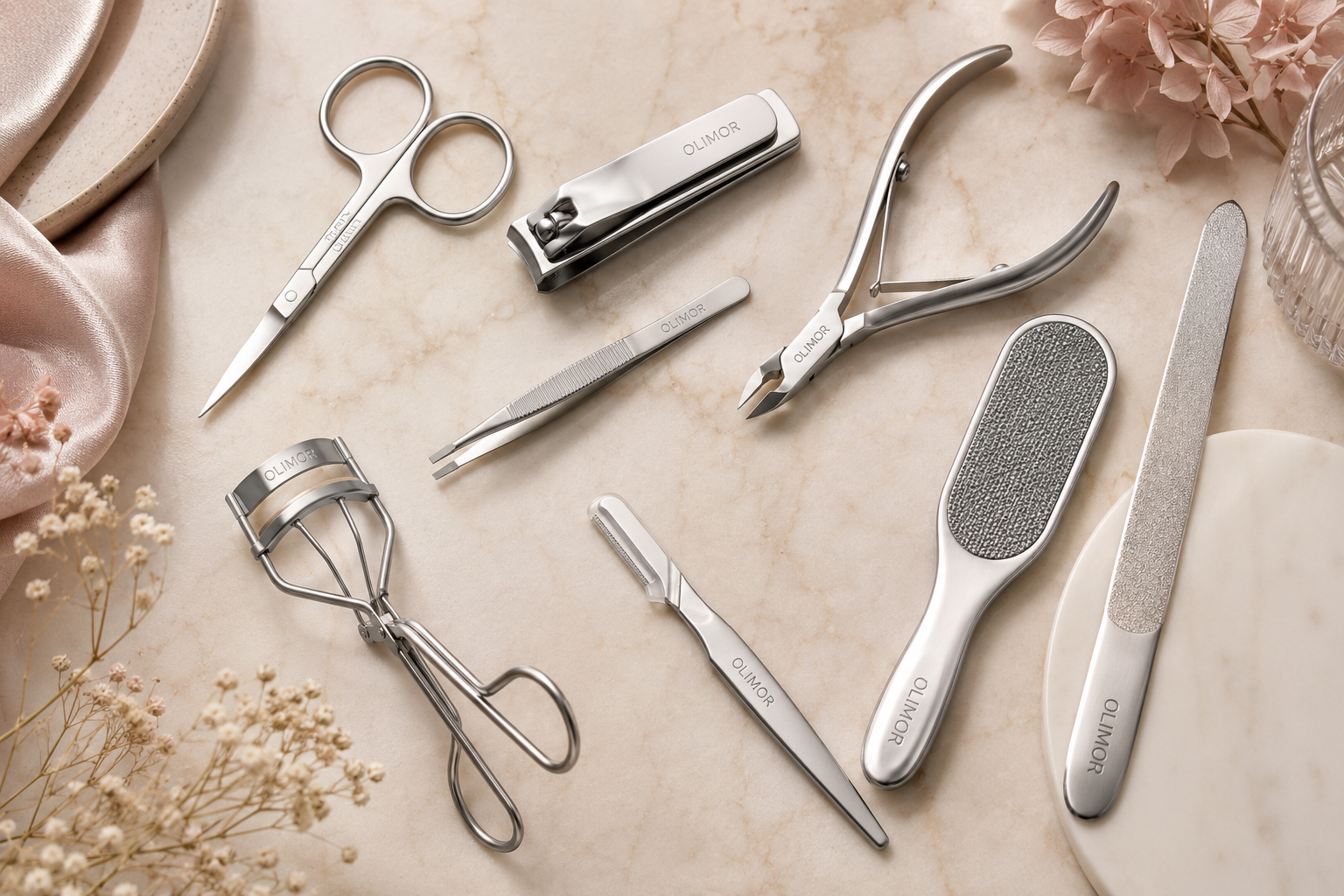
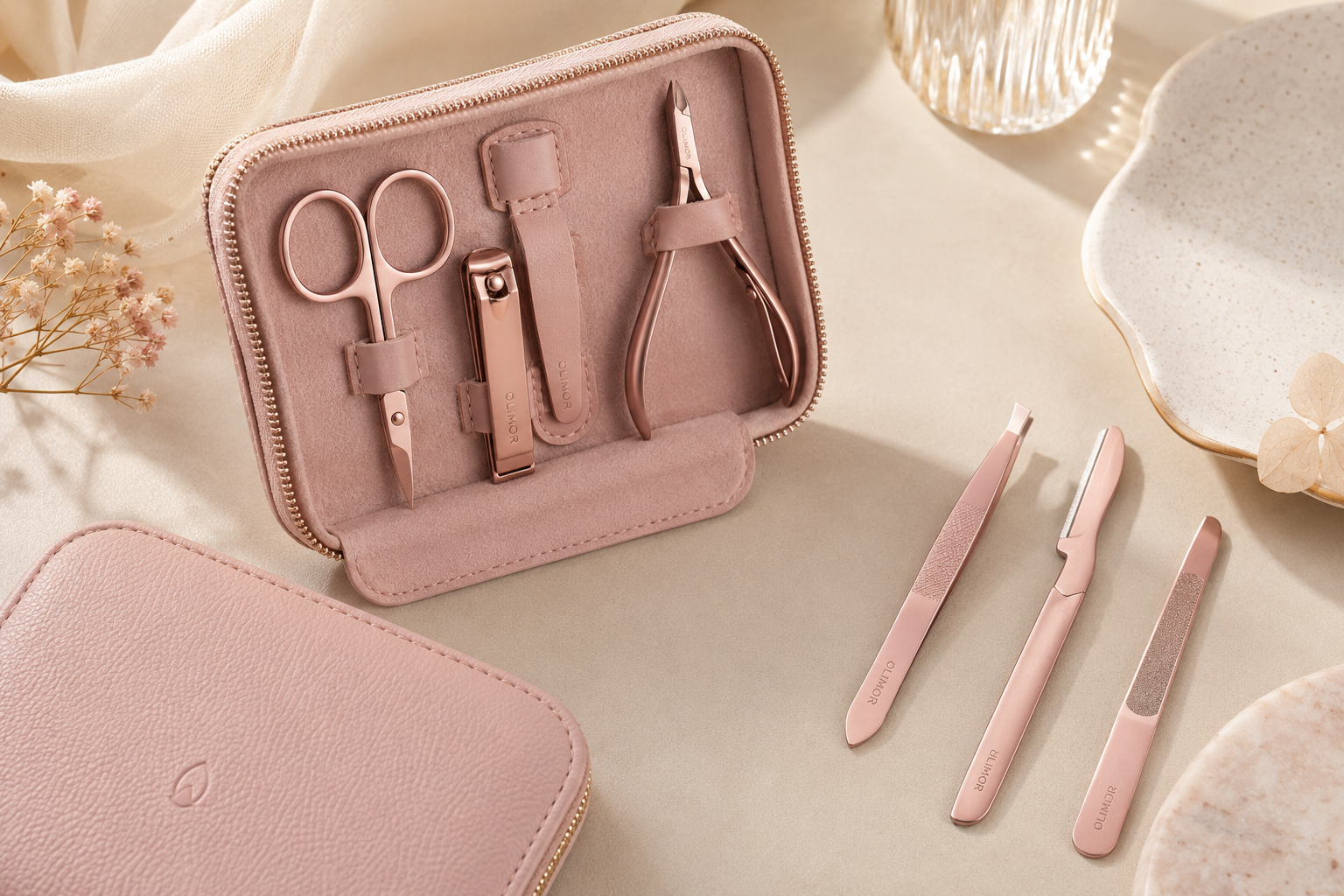
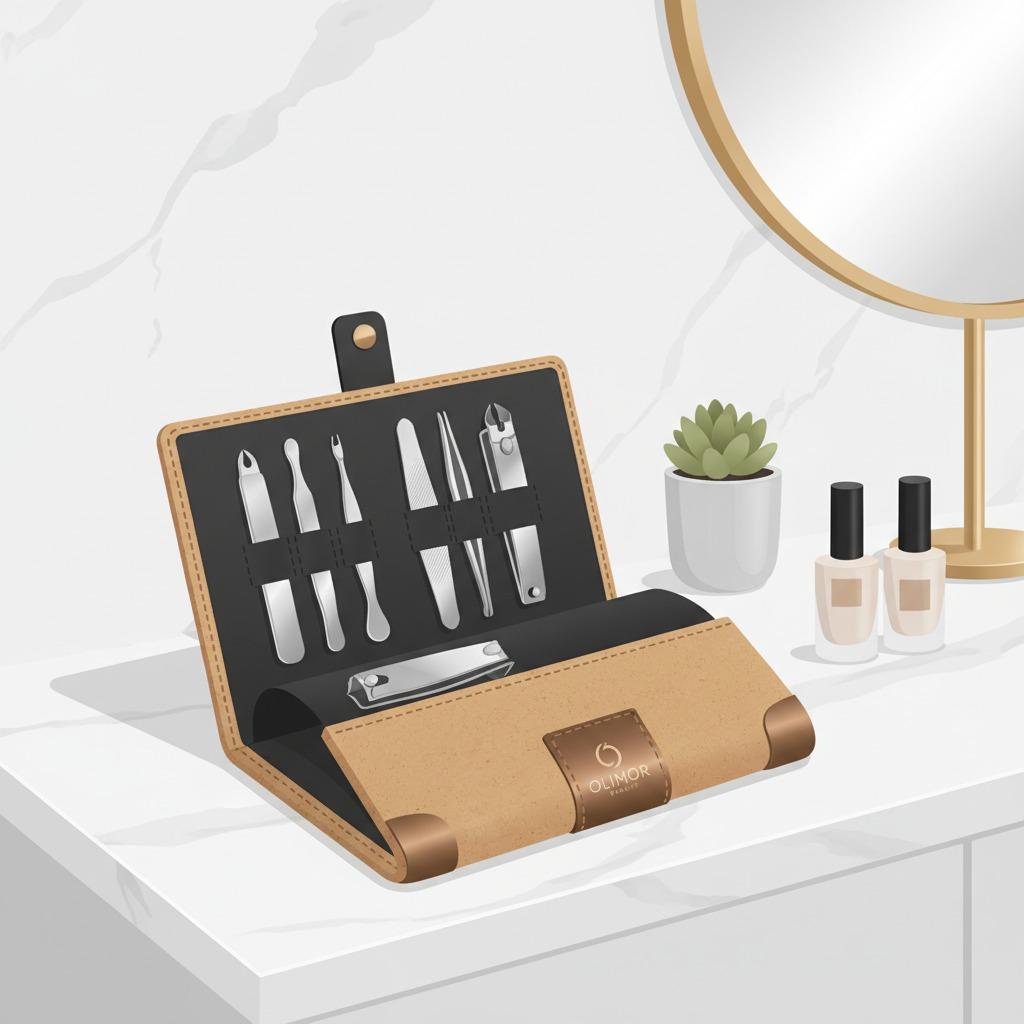
Olimor Beauty focuses on stainless steel beauty and grooming tools. Buyers reviewing stainless steel beauty tool products can use the points below to compare nail clippers more carefully than by appearance alone.
Why the History of Nail Clippers Still Matters
Before dedicated nail clippers became common, people trimmed nails with small knives, scissors or other sharp household tools. These methods could shorten nails, but they were not designed around the curved shape of the nail or the need to avoid nearby skin. They also required more skill, especially for thicker toenails or broken edges.
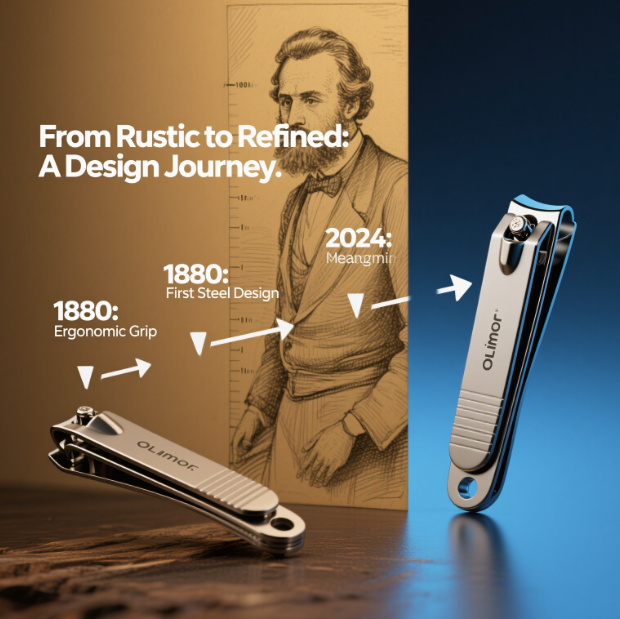
The late nineteenth century is widely associated with the rise of patented nail clipper designs. The basic idea was effective: two sharpened jaws meet when a lever applies pressure. That structure remains familiar because it solves several practical problems at once. It concentrates cutting force into a small area, gives the user control, and makes the tool compact enough for daily personal grooming.
For B2B buyers, this history is useful because the same performance questions still apply. Does the tool cut rather than crush? Does the lever feel stable? Are the edges smooth where they touch the hand? Is the clipper suitable for fingernails, toenails, travel kits or retail sets? A nail clipper may look ordinary, but the difference between a low-value item and a dependable grooming tool is found in these functional details.
Core Design Features That Define a Good Nail Clipper
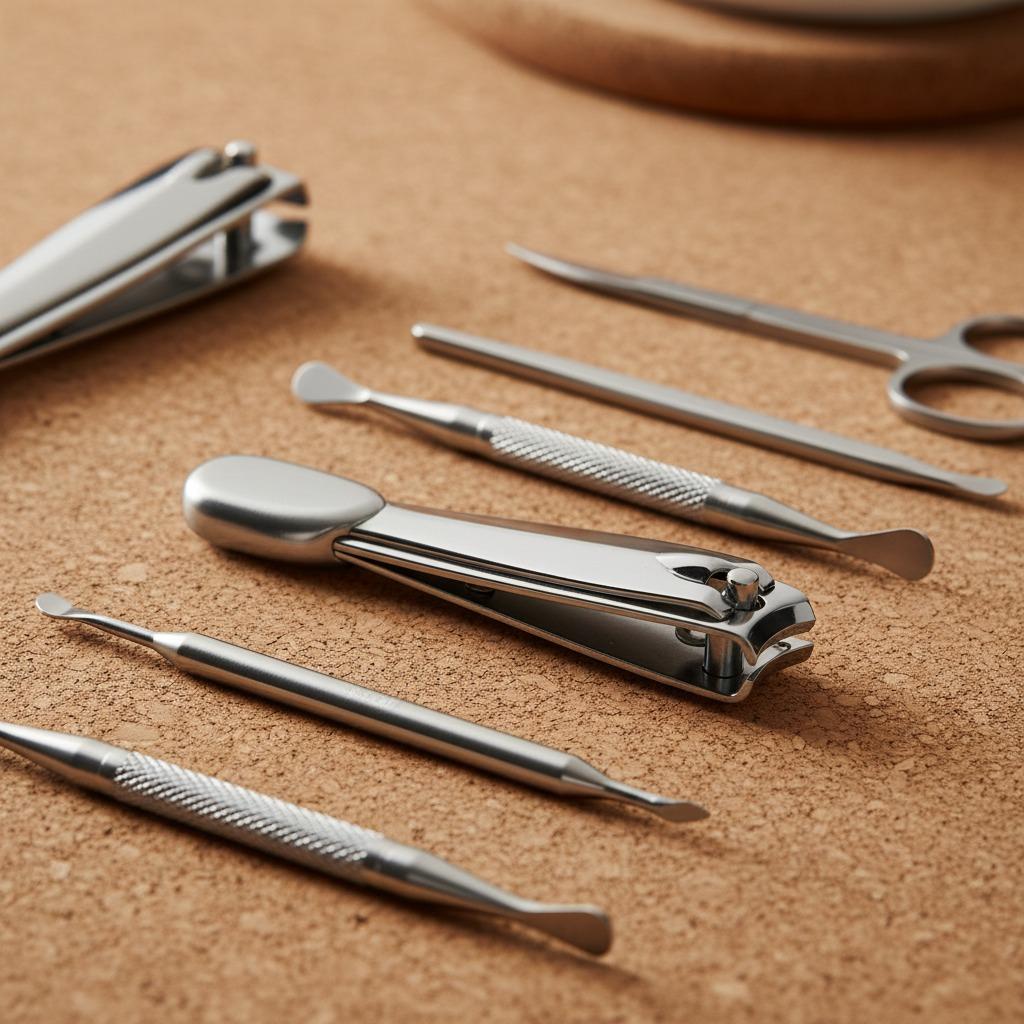
A modern nail clipper usually combines a body, a pivoting lever, opposing cutting jaws and sometimes a file, catcher or spring mechanism. Each part affects the user experience. Buyers should evaluate the whole tool rather than focusing on one attractive feature.
Lever and mechanical advantage
The lever is what makes a nail clipper easier to use than direct blade pressure. A well-positioned lever transfers force smoothly so the user does not need excessive hand strength. If the lever feels loose, unstable or overly stiff, the tool may feel cheap even if the surface finish looks good.
Curved or straight cutting edge
Curved blades are common for fingernails because they follow the natural nail shape and can help create a smoother trim. Larger or heavier clippers may be chosen for toenails, where leverage and jaw opening can be more important. Straight-edged options may suit specific trimming preferences, but buyers should match the blade shape to the intended use instead of assuming one design fits every nail care need.
Blade alignment
Clean cutting depends on both edges meeting accurately. If the jaws do not align, the clipper can leave ragged edges, crush the nail or require repeated cuts. Alignment should be checked visually and through sample use. A small mismatch is often enough to change the trimming feel.
Grip and handling
Textured, shaped or properly proportioned grip areas help prevent slipping. This matters for personal use and for professional or repeated trimming. A clipper that is too small may be difficult to control, while a bulky clipper may not fit compact kits or travel assortments.
Integrated file and added functions
Many traditional nail clippers include a compact file for smoothing after trimming. This can add convenience, especially in retail manicure kits. However, added parts should not weaken the main cutting function. Buyers should check that accessories are securely fitted and do not create rough edges or unstable movement.
Why Stainless Steel Is Common in Nail Grooming Tools
Nail tools need to handle pressure, repeated contact with nails and regular cleaning. Stainless steel is widely used in grooming tools because it offers a practical combination of durability, corrosion resistance and a clean appearance. It also fits the expectations of many buyers who want reusable tools for home, retail or professional-style grooming assortments.
Material choice affects more than surface shine. The cutting edges must be formed and finished precisely. The body must resist bending during use. The lever should transfer pressure without wobbling. A polished exterior can support retail appeal, but performance depends on how the clipper is shaped, assembled and inspected.
When comparing items in a beauty tool collection, buyers should review the stated material, construction details, finish consistency and intended use. Avoid choosing only by weight or brightness. A heavy tool is not automatically better, and a bright polish does not guarantee blade alignment.
How Nail Clippers Differ by Use Case
Different markets need different nail clipper configurations. A basic fingernail clipper for daily home use may not suit a pedicure tool assortment. A compact travel clipper may be convenient but less comfortable for thicker nails. A retail gift set may require coordinated packaging, while a salon-oriented assortment may emphasize cleaning convenience and repeat-use feel.
| Use case | Common buyer priority | What to check before ordering |
|---|---|---|
| Daily fingernail care | Comfortable size, smooth cut and easy handling | Blade curve, lever feel, edge finish and grip stability |
| Toenail trimming | Stronger leverage and suitable jaw opening | Body strength, pressure required and ability to cut thicker nails cleanly |
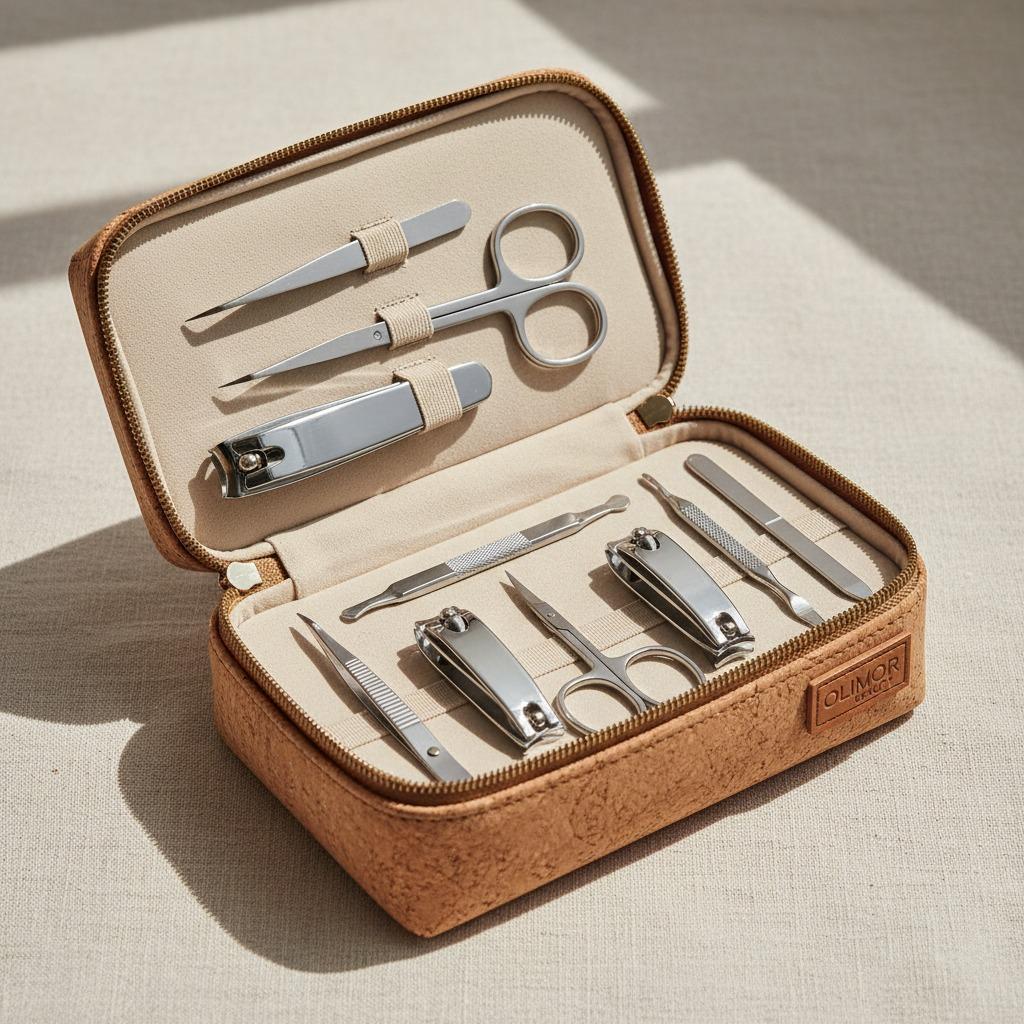
| Travel grooming kits | Compact format and secure storage | Overall size, folding action, file integration and packaging protection |
| Retail manicure sets | Coordinated appearance and perceived value | Finish consistency, set composition, insert fit and display presentation |
| Professional-style assortments | Durability, cleaning convenience and repeat-use feel | Material statement, smooth non-cutting edges, alignment and sample testing |
This comparison helps buyers avoid a common sourcing mistake: selecting one clipper design for every channel. A product that works well in a compact promotional kit may not meet expectations in a premium nail care set. Likewise, a larger toenail clipper may look strong but feel unsuitable for a small manicure pouch.
Buyer Checklist for Evaluating Nail Clipper Samples
Because nail clippers are familiar, they are sometimes under-tested. A structured sample review helps buyers separate cosmetic appeal from functional quality. Use the checklist below when comparing suppliers or preparing an internal approval process.
- Check blade alignment: The cutting edges should meet evenly. Look for visible gaps, offset jaws or uneven contact.
- Test cutting feel: The lever should press down smoothly and return predictably. It should not feel loose, gritty or excessively stiff.
- Inspect non-cutting edges: Areas touched by the hand should be smooth. Burrs, sharp corners or rough file edges can reduce comfort.
- Review surface consistency: Look for uneven polishing, stains, scratches, discoloration or inconsistent finish between samples.
- Match size to purpose: Confirm whether the clipper is intended for fingernails, toenails, travel use or a full grooming set.
- Evaluate packaging fit: The tool should sit securely in its insert, pouch or blister without rubbing, rattling or arriving damaged.
- Consider cleaning and storage: Simple shapes and accessible cutting areas are easier for users to wipe clean after trimming.
- Compare multiple samples: One good sample is useful, but consistency across samples is more important for retail supply.
Sample testing should reflect real use. A clipper that performs well on thin fingernails may not be appropriate for thicker toenails. A small clipper may look attractive in a set but feel uncomfortable for users with larger hands. Buyers can request product details or sample discussion when comparing designs for a specific retail channel or grooming kit.
Manufacturing and Inspection Details Buyers Should Discuss
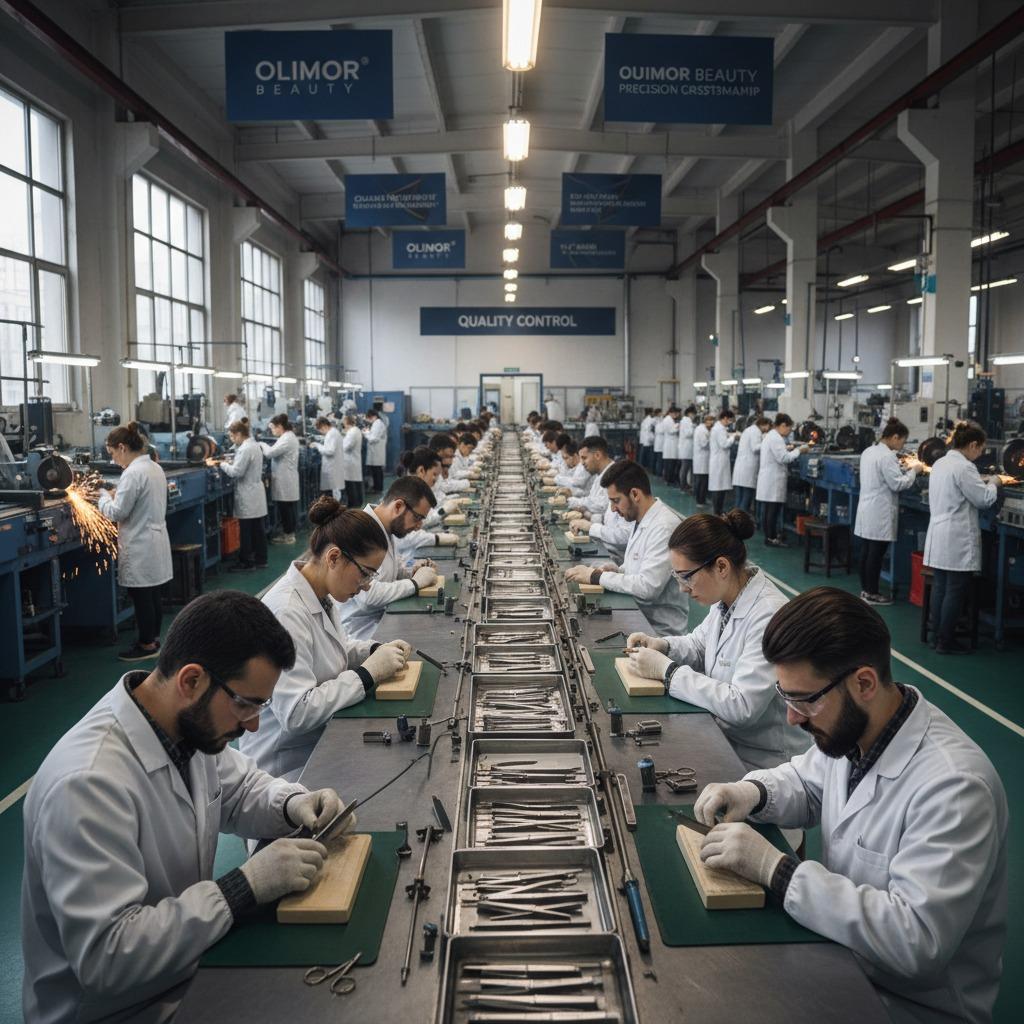
Most nail clipper problems are not caused by the concept of the tool. They come from inconsistent forming, poor edge finishing, weak alignment control or unsuitable packaging. Buyers do not need to become engineers, but they should ask focused questions that reveal whether a supplier understands the product.
Material and construction
Ask what material is used and how it is described in supplier documents. Do not rely only on photographs. Stainless steel grooming tools should be evaluated for both function and finish. If the tool includes additional components, such as a file or spring, check how those parts are attached and whether they affect stability.
Blade formation and finishing
The cutting edge is the working heart of the clipper. Buyers should ask how blade sharpness, alignment and burr removal are controlled during production and inspection. Avoid accepting vague descriptions that focus only on appearance. A smooth, clean-looking clipper still needs properly meeting jaws.
Assembly consistency
The lever, pin and body must work together. Loose assembly can make the tool feel unstable; overly tight assembly can make it tiring to use. Consistent opening and closing action across samples is a practical sign that assembly control is being taken seriously.
Packaging and shipping protection
Nail clippers are small metal items that can scratch each other or damage packaging if not secured. Retail buyers should check insert fit, pouch quality, carton protection and whether the presentation matches the sales channel. Packaging should protect the cutting edges and keep the tool clean during handling.
Consumer product rules can vary by market. For general retail products, importers may need to consider applicable requirements from bodies such as the U.S. Consumer Product Safety Commission or the European Union product safety framework, including the General Product Safety Regulation where relevant. Always verify current versions, local obligations and supplier documents before placing orders; do not assume a tool is compliant because it looks familiar.
Cost Factors Without Reducing Quality to Price Alone
Nail clipper cost is influenced by material, size, blade processing, surface finish, assembly complexity, packaging, order requirements and customization. A very low unit price may be attractive, but it can create hidden costs if the tool cuts poorly, looks inconsistent or generates complaints after sale.
Buyers should compare total value rather than price alone. A stronger lever, smoother finish or better packaging may support a higher retail position. On the other hand, unnecessary decorative features can increase cost without improving use. The best choice depends on the market: a practical daily-use clipper, a compact travel item, a pedicure tool or a coordinated manicure set will each have different value drivers.
When requesting quotations, provide clear product expectations. Include intended use, target channel, packaging preference, customization needs and any market documentation requirements. This helps suppliers recommend realistic options instead of quoting a product that matches only a photo.
Maintenance Guidance That Improves End-User Experience
Good maintenance helps even a well-made nail clipper perform better for longer. Retailers and brands can reduce customer frustration by including simple care guidance in packaging inserts, product pages or after-sales material.
- Clean after trimming: Remove nail fragments from the cutting area so debris does not interfere with the closing action.
- Keep the tool dry: Store the clipper in a dry place after cleaning to help preserve the finish.
- Avoid twisting cuts: Clip straight through the nail rather than twisting sideways, which can stress the blades.
- Trim gradually: Several smaller cuts are usually easier to control than forcing one large cut.
- Inspect before use: Stop using a clipper if the blades are chipped, misaligned, loose or noticeably dull.
These instructions are simple, but they support safer and more satisfying use. They also help position the product as a reusable grooming tool rather than a disposable accessory.
How to Evaluate a Nail Clipper Supplier
A supplier evaluation should include product quality, communication and documentation. Nail clippers are small items, but B2B supply still depends on clear specifications and consistent execution.
Start by asking whether the supplier can explain the differences between fingernail clippers, toenail clippers, travel clippers and set-based grooming tools. A capable supplier should discuss use case, material, finish, packaging and customization in practical terms. They should also be willing to provide product photos, sample options and relevant documents without making unsupported claims.
Customization may involve packaging, finish, set composition or branding approach, depending on product availability and project requirements. Buyers should confirm what can be customized, what approval steps are needed and what limitations apply before committing to a design. If a supplier promises every option without reviewing the product structure, packaging method or order requirements, proceed carefully.
For assortment planning or private-label nail care projects, buyers can contact Olimor Beauty to discuss suitable stainless steel grooming tools and sourcing direction.
Frequently Asked Questions
Can buyers request nail clipper samples before ordering?
Sample availability depends on the product and project details. Buyers should share the intended use, target market, packaging preference and any customization request so the supplier can recommend suitable sample options.
Is there a minimum order quantity for customized nail clippers?
Minimum order requirements can vary by product type, packaging method and customization scope. Confirm MOQ directly with the supplier for the specific item and branding requirements under discussion.
What customization options should buyers ask about?
Common discussion points include packaging style, set composition, surface finish, logo method and retail presentation. The available options depend on the selected clipper design and production feasibility.
How should quality be checked before shipment?
Buyers should agree on inspection points such as blade alignment, cutting feel, finish consistency, lever action, packaging condition and labeling requirements. Any required documents or market-specific obligations should be confirmed before production.
Key Takeaway for Nail Clipper Sourcing
The nail clipper became a modern grooming essential because it solved a practical problem better than knives or scissors: it made nail trimming more controlled, compact and repeatable. Its design has changed through better levers, curved blades, improved alignment, stainless steel construction and more careful finishing, but the core expectation remains the same. It must cut cleanly and feel dependable in the hand.
For buyers, the best sourcing decisions come from looking beyond the familiar shape. Evaluate the tool by use case, material, blade alignment, handling, packaging and supplier communication. A well-chosen nail clipper can support daily grooming, retail value and long-term customer satisfaction without relying on exaggerated claims or unnecessary complexity.