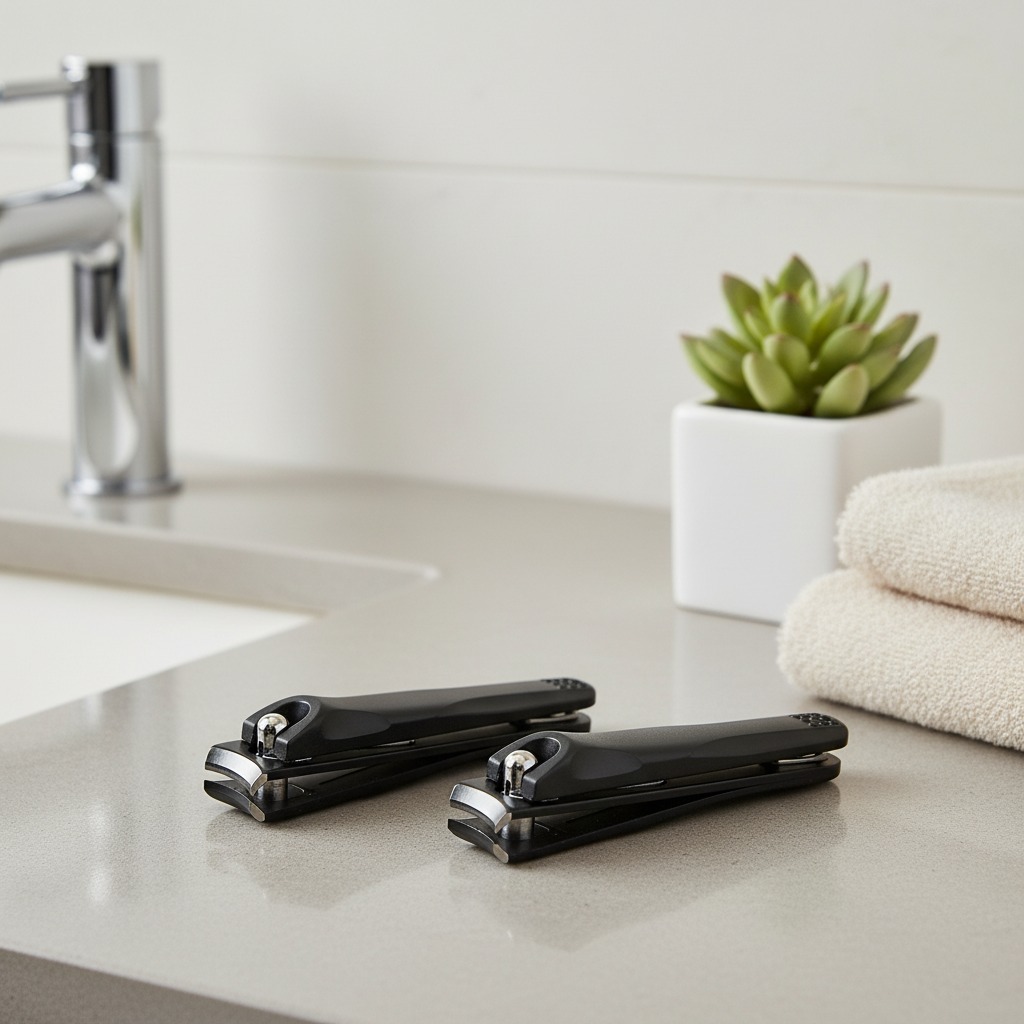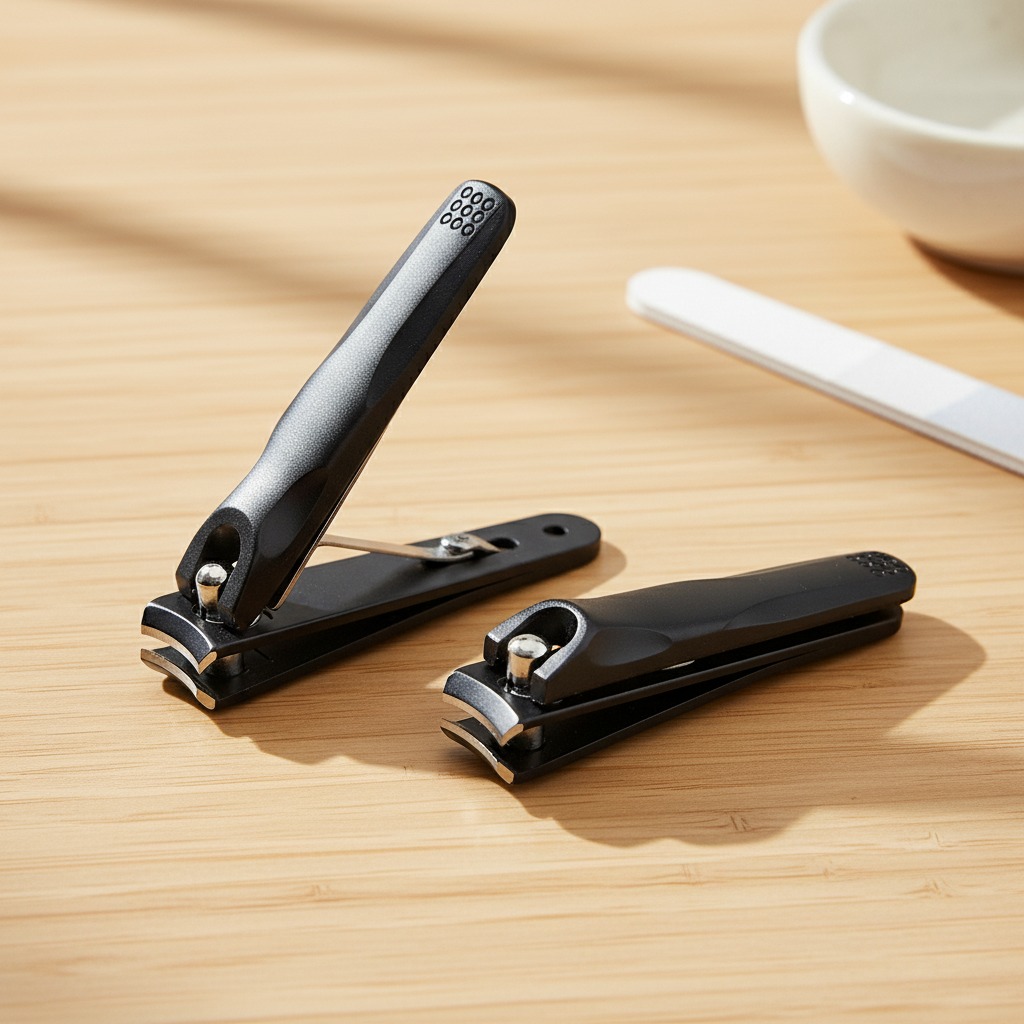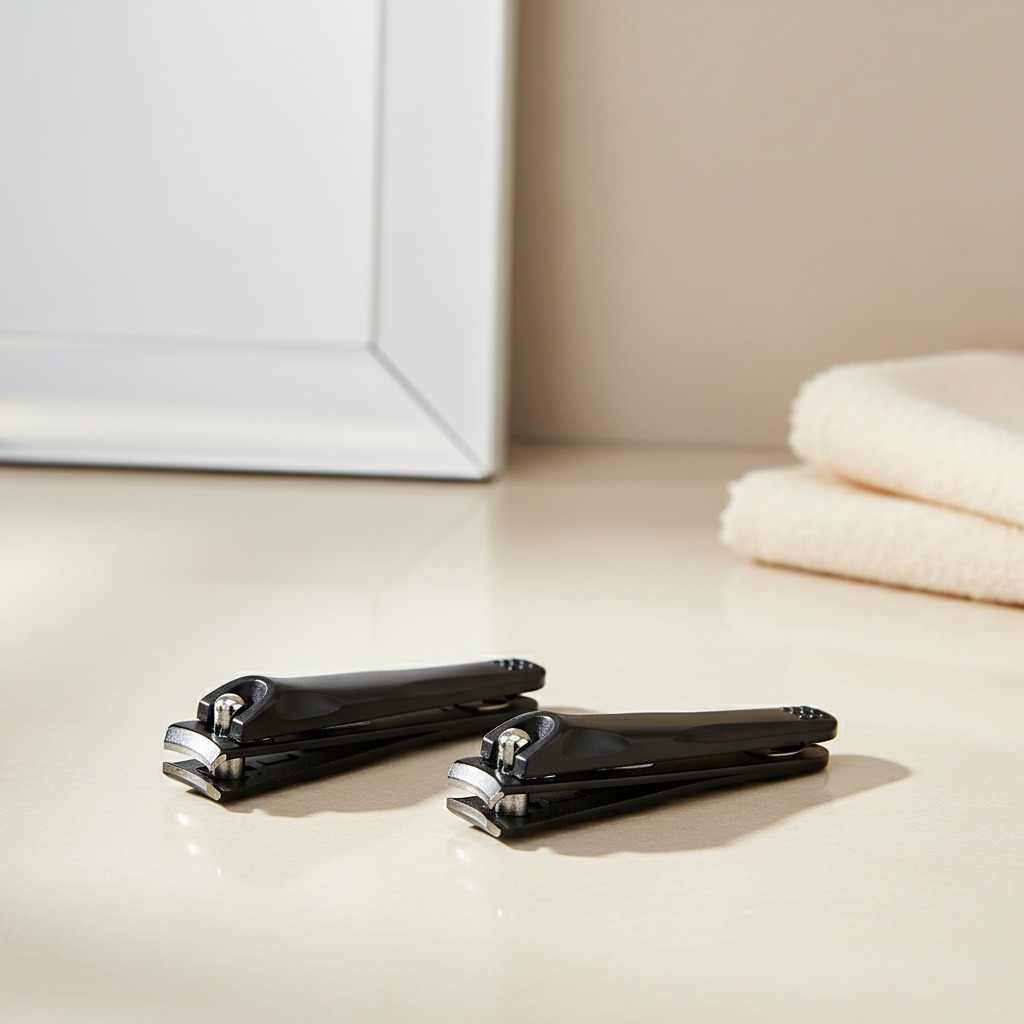











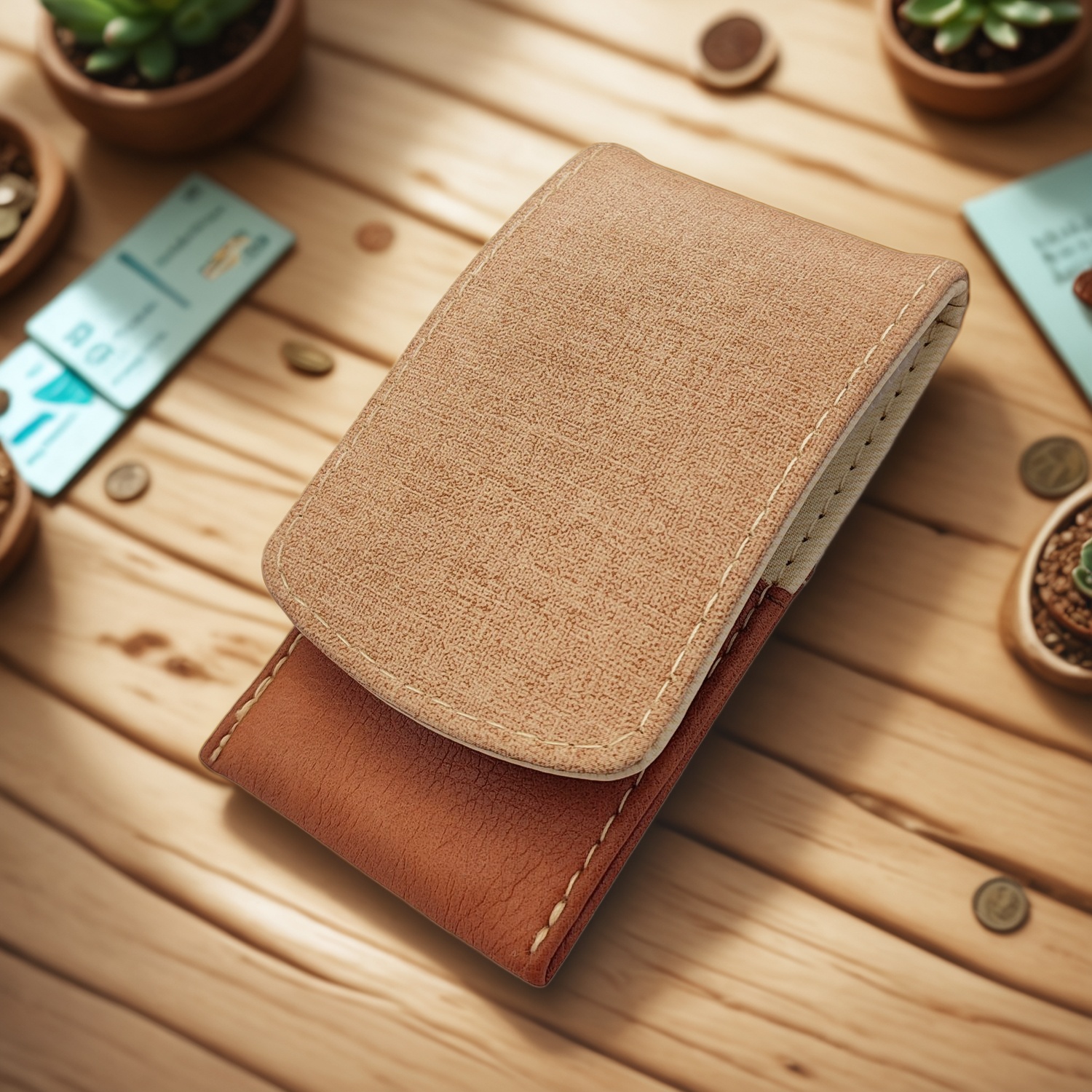
Buying pedicure tools in bulk is not only a purchasing decision. For salon owners, spa operators, beauty retailers and distributors, it affects service consistency, hygiene routines, technician comfort and customer confidence. A low unit price may look attractive on paper, but if the tools dull quickly, feel uncomfortable in the hand or cannot be cleaned properly, the real cost becomes much higher.
A stronger sourcing process starts with understanding the exact use case. A salon that performs many daily pedicure services may prioritize durability, ergonomic handling and repeatable quality across batches. A retailer may care more about packaging presentation, tool sets and clear product information. A distributor may need stable supply, consistent inspection standards and clear communication before placing larger orders. This guide explains how to evaluate pedicure tools bulk purchases with a practical buyer’s mindset.
Start With the Pedicure Tool Mix You Actually Need
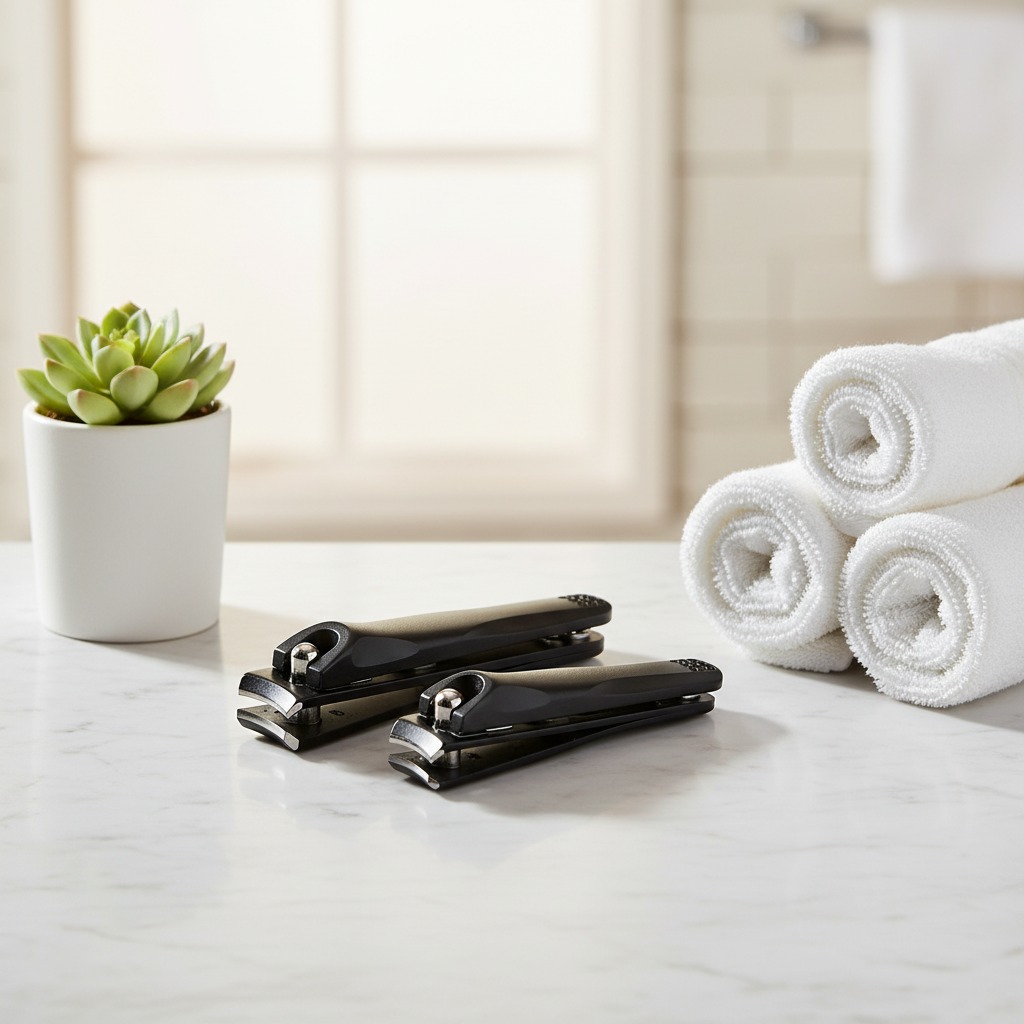
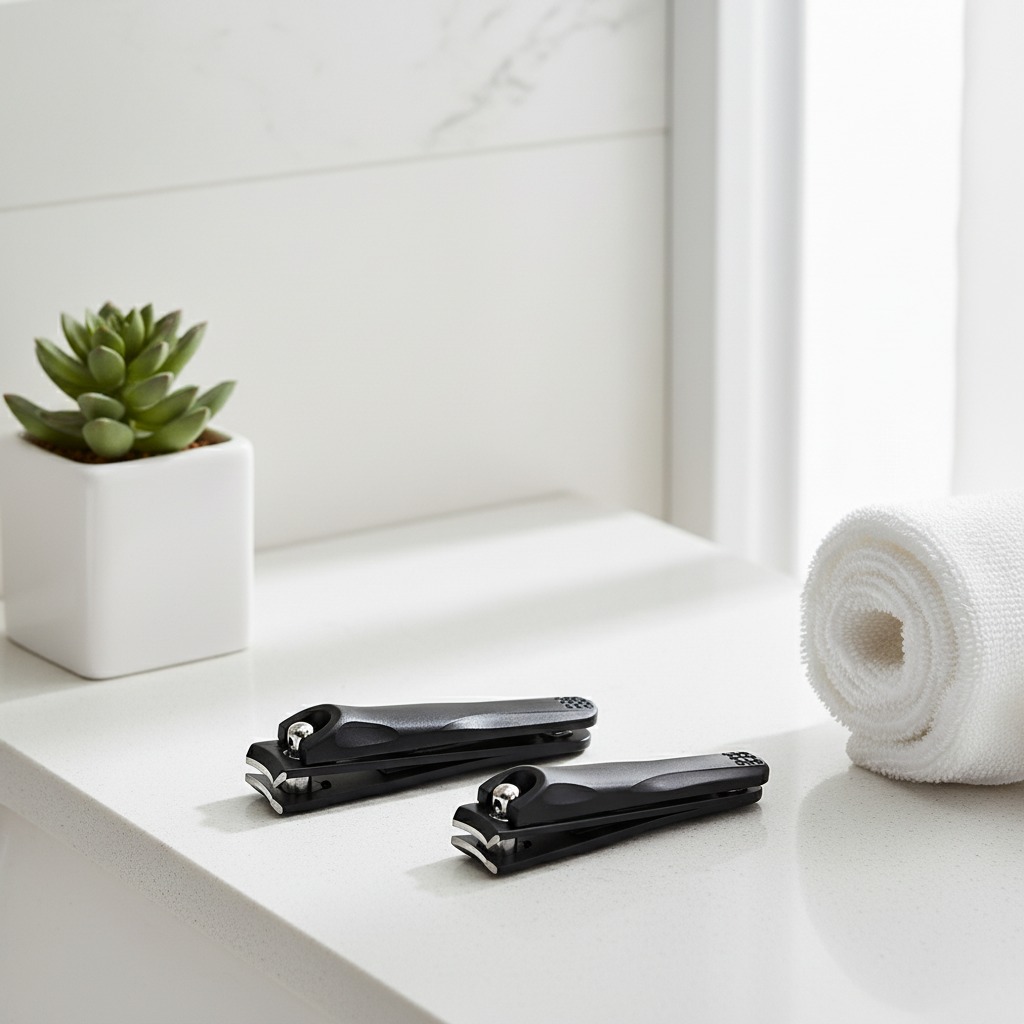
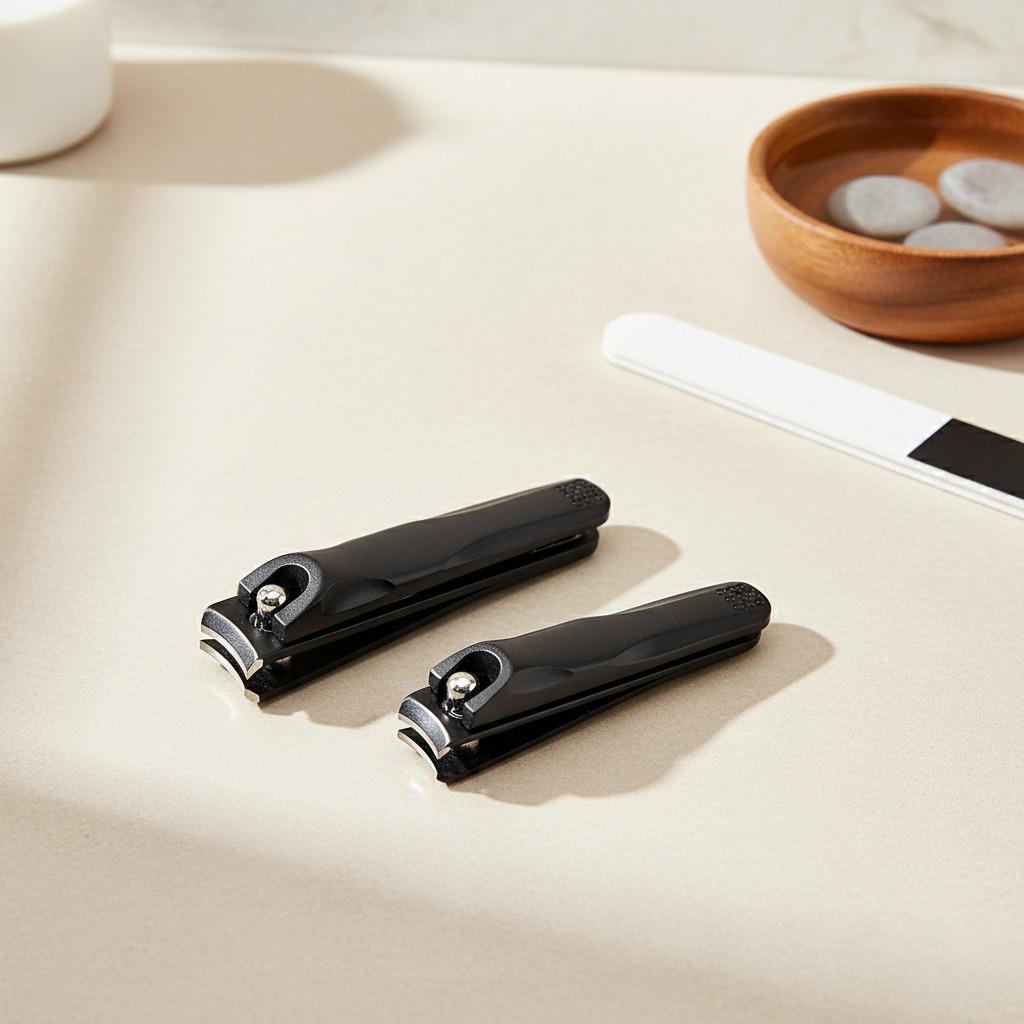
Before comparing suppliers, define which tools belong in your order. Pedicure products can include nail clippers, nippers, cuticle pushers, foot files, callus tools, toe separators, nail brushes and other grooming accessories. Not every business needs every item. A professional service environment may need fewer decorative accessories and more reliable hand tools, while a retail buyer may need complete kits that make sense for home users.
Map the tools to the customer and service scenario. For example, technicians performing repeated services need tools that are comfortable to hold and easy to control. Retail customers may prefer sets with understandable functions and safe storage. If you are building a catalog, review Olimor’s broader beauty tool products to compare categories and identify complementary items that could be sourced together.
- Core service tools: clippers, cuticle pushers, nippers and files used directly by technicians.
- Preparation and finishing items: brushes, separators and accessories that support a complete pedicure process.
- Retail-friendly sets: tool combinations that are easy for consumers to understand and store.
- Replacement items: tools that may need more frequent replenishment because of wear, loss or sanitation policies.
Material and Finish: What to Check Before Ordering
The original standard buyers often look for in professional pedicure tools is stainless steel, because it is known for durability, rust resistance and suitability for proper cleaning and sterilization routines. That does not mean every stainless-looking product performs the same way. Surface finish, edge consistency, hinge movement and polishing quality all influence how the tool feels and lasts in real use.
When reviewing samples, do more than inspect the appearance. Open and close clippers or nippers repeatedly. Check whether the cutting edges meet evenly. Look for rough burrs, sharp unwanted corners, weak springs or loose joints. A tool can look acceptable in a photo yet feel unbalanced or poorly finished in a technician’s hand. If a tool will contact skin or nails, smooth finishing is especially important.
For non-metal items such as foot files, brushes or separators, consider the grip, surface texture, cleaning method and packaging protection. A foot file should feel controlled rather than flimsy. Brushes should have secure bristles. Plastic or foam accessories should be cleanly formed and consistent in shape. For all materials, the buyer should confirm that the product is suitable for the intended market, usage environment and hygiene expectations.
Quality Criteria for Professional and Retail Buyers
A useful sourcing checklist should separate appearance from performance. Pedicure tools are handled closely, often under bright salon lighting, and small defects are easy for technicians or customers to notice. Bulk purchasing magnifies these issues because one weak detail can repeat across many units.
| Inspection point | Why it matters | What to look for |
|---|---|---|
| Cutting or working edge | Affects precision, comfort and safety | Even alignment, no chips, no rough burrs |
| Handle feel | Technicians may use tools for long periods | Comfortable grip, stable control, no sharp pressure points |
| Surface finish | Supports cleaning and customer perception | Smooth polish, consistent color, no visible stains or scratches |
| Moving parts | Determines repeatable performance | Balanced tension, no wobble, smooth opening and closing |
| Packaging | Protects tools during shipping and supports retail display | Secure fit, clear labeling space, reduced rubbing between tools |
Hygiene and Maintenance Should Shape the Purchase
Pedicure tools are closely tied to hygiene, so sourcing decisions should support your cleaning and handling process. Professional environments usually need tools that can be cleaned thoroughly between clients according to local regulations and the business’s own sanitation procedures. This is one reason durable metal tools are often preferred for repeated salon use.
Maintenance planning also helps you choose the right order quantity. Tools that lose precision or show visible wear should be replaced before they affect the service experience. If your team uses several stations, calculate how many tools are needed per station, how many are being cleaned at any time and how many backups are required. A bulk order should support daily workflow, not simply fill a storage shelf.
- Separate tools by service station, technician or kit to improve accountability.
- Inspect cutting tools regularly for dull edges, misalignment or corrosion.
- Store cleaned tools in a dry, protected location to reduce damage and contamination risk.
- Replace tools that no longer close smoothly, cut cleanly or pass visual inspection.
How to Evaluate a Bulk Supplier Beyond Unit Price
Price matters, but it should be measured together with consistency, communication and quality control. A supplier of pedicure tools bulk should be able to discuss materials, finishing, packaging and inspection expectations in a practical way. You do not need exaggerated claims; you need clear answers and repeatable processes.
When comparing suppliers, request representative samples before committing to a larger order. Review whether the sample matches the product description and whether multiple pieces show consistent workmanship. If packaging is part of your selling strategy, evaluate the carton strength, inner protection and how the product presents after shipping. For distributors and retailers, packaging consistency can be as important as the tool itself.
It is also helpful to consider the supplier’s product range. A broader selection may make future purchasing easier if you plan to expand from pedicure tools into manicure, grooming or other beauty accessories. You can browse Olimor product collections to understand how different tool categories may fit a more complete buying plan.
Questions to Settle Before Placing a Larger Order
A clear buying brief reduces confusion and helps both sides evaluate whether the order is realistic. Instead of relying on vague phrases such as “high quality,” describe the actual expectations: tool type, intended user, finish preference, packaging need, inspection focus and any market requirements you must meet. This is especially important when sourcing for salons, spas, retailers or private distribution channels where customer expectations differ.
- Which tools are included, and are they sold individually or as sets?
- What material and finish are expected for each tool?
- How should cutting edges, hinges, springs or textured surfaces be inspected?
- What packaging format is needed for storage, retail display or shipping protection?
- Are there labeling, language or market compliance requirements for your sales region?
- How will nonconforming products, damaged cartons or specification differences be handled?
For buyers preparing a specification or comparing sourcing options, the next step is to share the intended product list and usage scenario. You can send an inquiry with your requirements or contact Olimor for direct communication about suitable beauty tool options.
Build a Smarter Long-Term Pedicure Tool Program
The best bulk pedicure tool purchase supports repeat business. Salons benefit when technicians can rely on familiar, comfortable tools. Retailers benefit when customers receive products that look clean, function as expected and feel worth repurchasing. Distributors benefit when reorder quality stays consistent instead of changing from batch to batch.
To build that consistency, keep records of samples, approved packaging, product photos, inspection notes and customer feedback. Track which tools are reordered often and which create complaints or returns. Over time, these records help you refine your assortment and avoid buying only by the lowest quoted price.
Sourcing bulk pedicure tools successfully means balancing cost with material quality, workmanship, hygiene needs and supplier reliability. When those factors are reviewed together, the purchase becomes less risky and more useful for the business. Whether you are stocking a salon, building a retail kit or expanding a beauty tool catalog, a structured evaluation process helps every order support professional service and customer trust.