
Beauty Tools Wholesale Buying Guide for Salons, Spas, and Beauty Buyers
Buying beauty tools wholesale is not only about getting a lower unit cost. For salons, spas, training schools, retail beauty counters, and professional distributors, the real goal is to build a dependable tool inventory that supports daily service quality. A lash curler that pinches unevenly, a nail file that wears down too quickly, or a pedicure tool that is difficult to clean can affect client comfort, staff workflow, and repeat purchasing decisions.
This guide focuses on the practical buying questions behind beauty tools wholesale: what to evaluate, how to compare eyelash curlers bulk, how to think about manicure and pedicure categories, and how to build a sourcing checklist before placing repeat orders. Olimor Beauty supplies beauty tools for professional and personal care use, and buyers can browse broader beauty tool products or product collections when planning an assortment.
Start With the Service Menu, Not the Product List
Before comparing wholesale beauty products, define where each tool will be used. A salon that focuses on lashes needs different stock planning from a spa that performs pedicure services all day. A retailer preparing a shelf display may prioritize packaging consistency and consumer-friendly sets, while a beauty school may need tools that are easy for beginners to handle and clean.
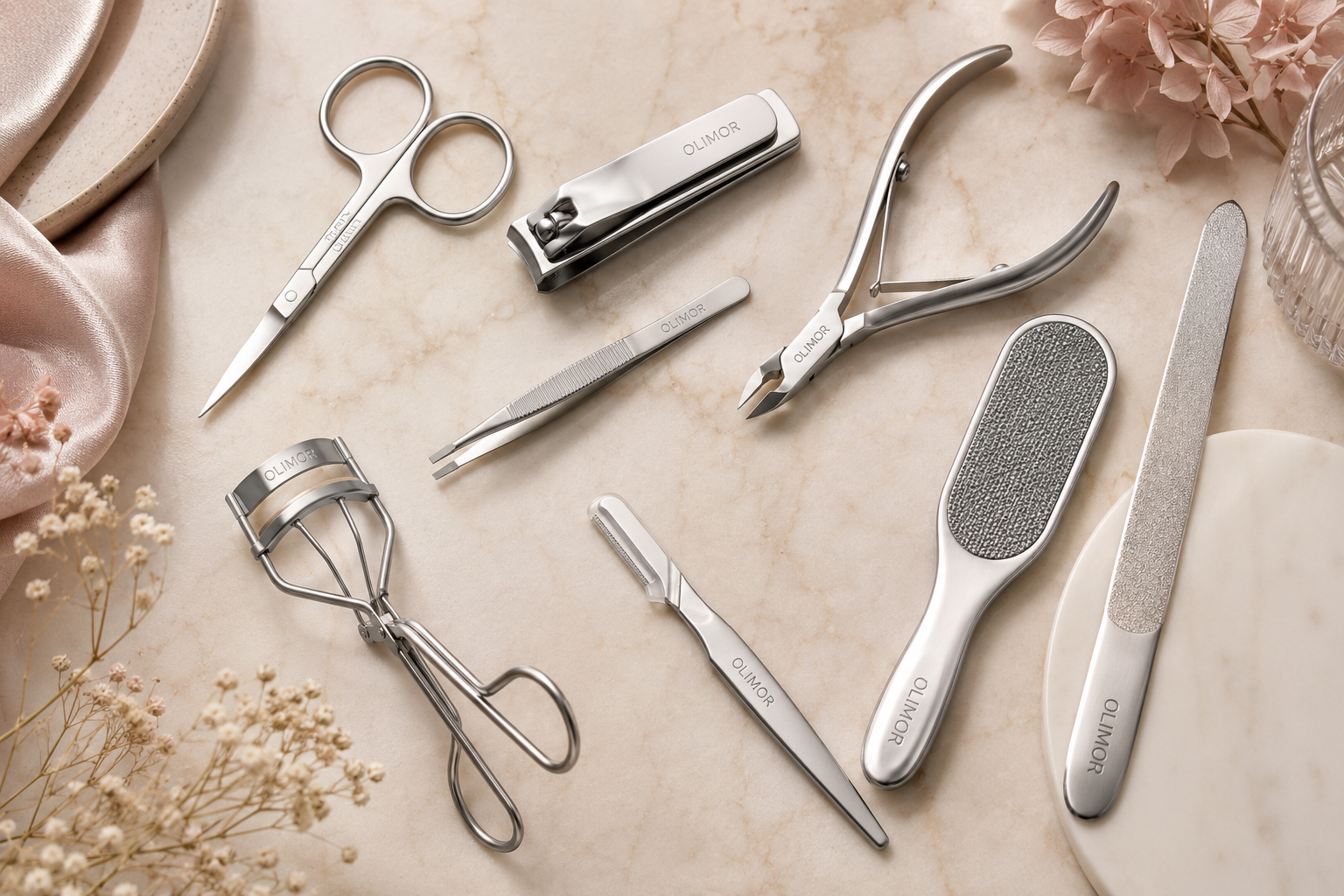
Create a simple map of your service or sales needs. For example, eyelash services may require eyelash curlers in bulk, brow grooming tools, small scissors, and mirrors. Nail services may call for cuticle pushers, nail files, clippers, buffers, and pedicure accessories. Retail buyers may need compact personal care tools that are visually clear to customers and easy to explain.
This first step prevents overbuying. It also makes supplier conversations more specific. Instead of asking for “all beauty tools,” you can request options by use case, handle design, finish, packaging style, and cleaning requirements. If you are comparing several categories, use the Olimor send an inquiry page to describe the product types, intended market, and order planning stage.
How to Evaluate Eyelash Curlers in Bulk
Eyelash curlers are small tools, but they require careful selection because they touch a sensitive area near the eye. When buying eyelash curlers bulk, look beyond appearance. The best choice for your business depends on smooth operation, comfortable handling, consistent pressure, and compatibility with different eye shapes.
For salon use, staff members may use the same type of tool repeatedly throughout the day. The hinge should open and close smoothly, the grip should feel secure, and the curling surface should align evenly. For retail use, buyers may also consider whether the tool is intuitive for consumers and whether the packaging can communicate basic use and care instructions.
- Alignment: Check that the curling surfaces meet evenly without twisting or visible gaps.
- Grip comfort: Handles should allow controlled pressure without slipping during use.
- Pad fit: If the curler uses a pad, it should sit securely and be easy to inspect.
- Finish quality: Edges should feel smooth and should not scratch the skin.
- Cleaning practicality: The design should allow residue to be removed from contact areas.
When possible, evaluate samples in the same environment where the tools will be used. A curler that looks suitable in a photo may feel different after repeated use by technicians with different hand sizes. For salons and distributors, a small evaluation round can reduce the risk of committing to a large quantity that does not fit the market.
Choosing Personal Care Tools for Professional and Retail Use
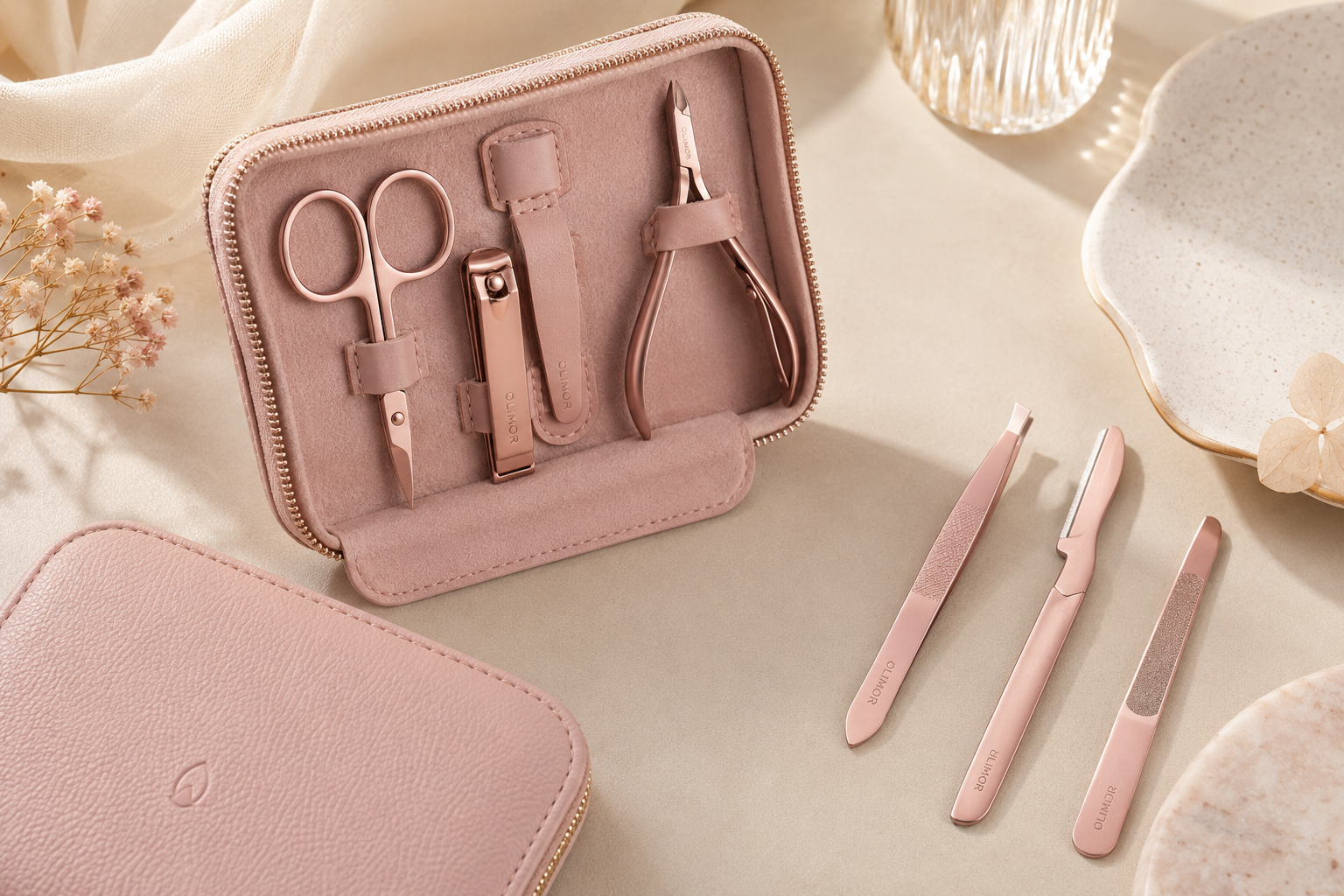
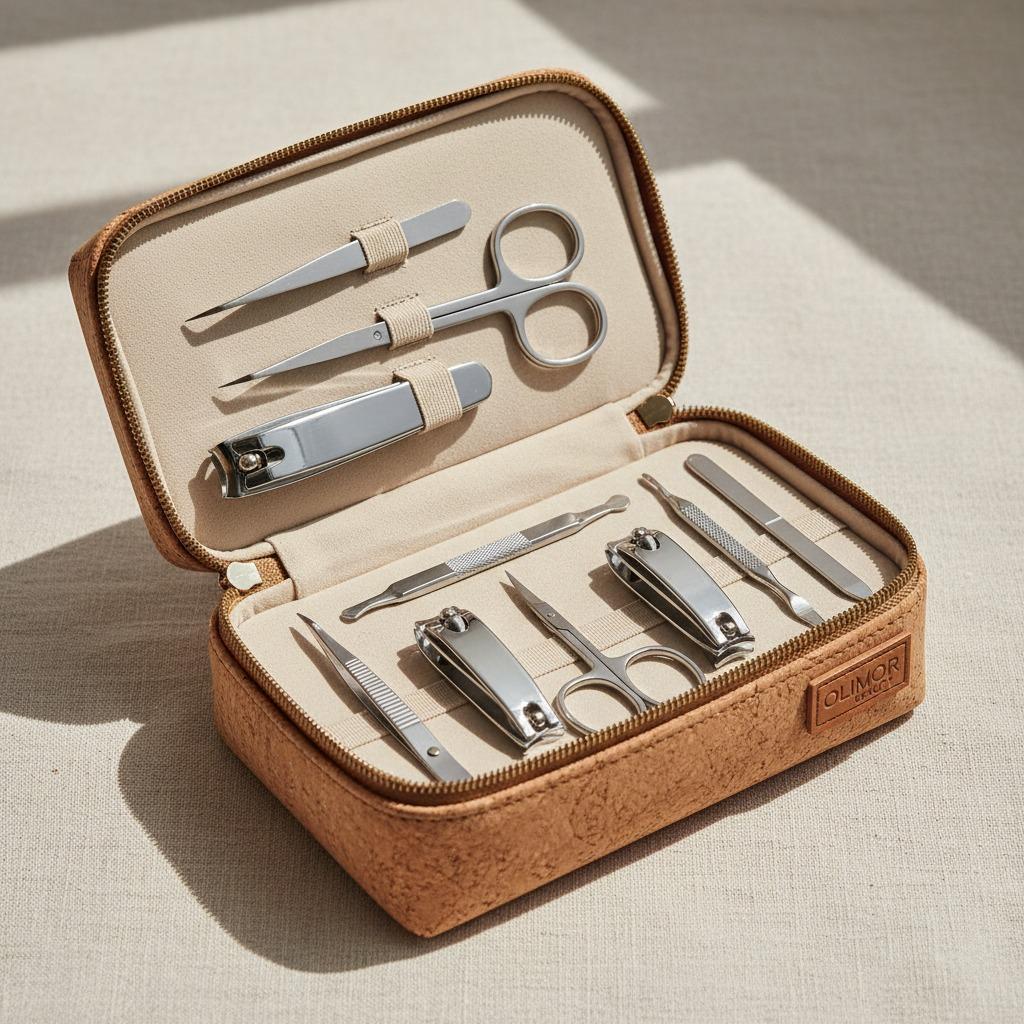
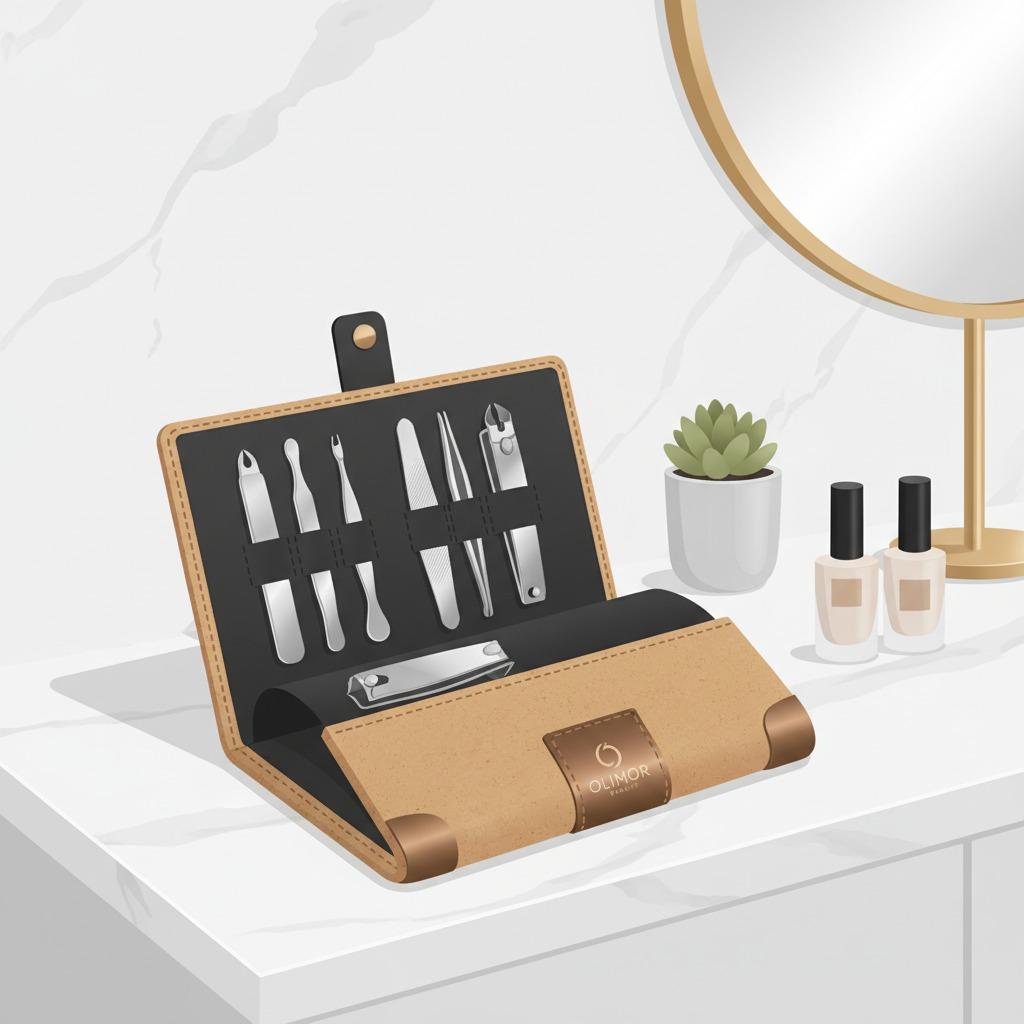
Personal care tools wholesale can include a wide range of items: nail tools, lash tools, grooming accessories, facial care tools, scissors, tweezers, and compact kits. Because the category is broad, buyers should separate professional-use tools from consumer-use tools. The two groups often have different priorities.
Professional users tend to care about repeat performance, easy cleaning, quick identification, and comfortable handling during multiple appointments. Consumer buyers may focus on simple instructions, attractive presentation, compact storage, and perceived value. The same tool type can work for both channels, but the buying criteria should be adjusted.
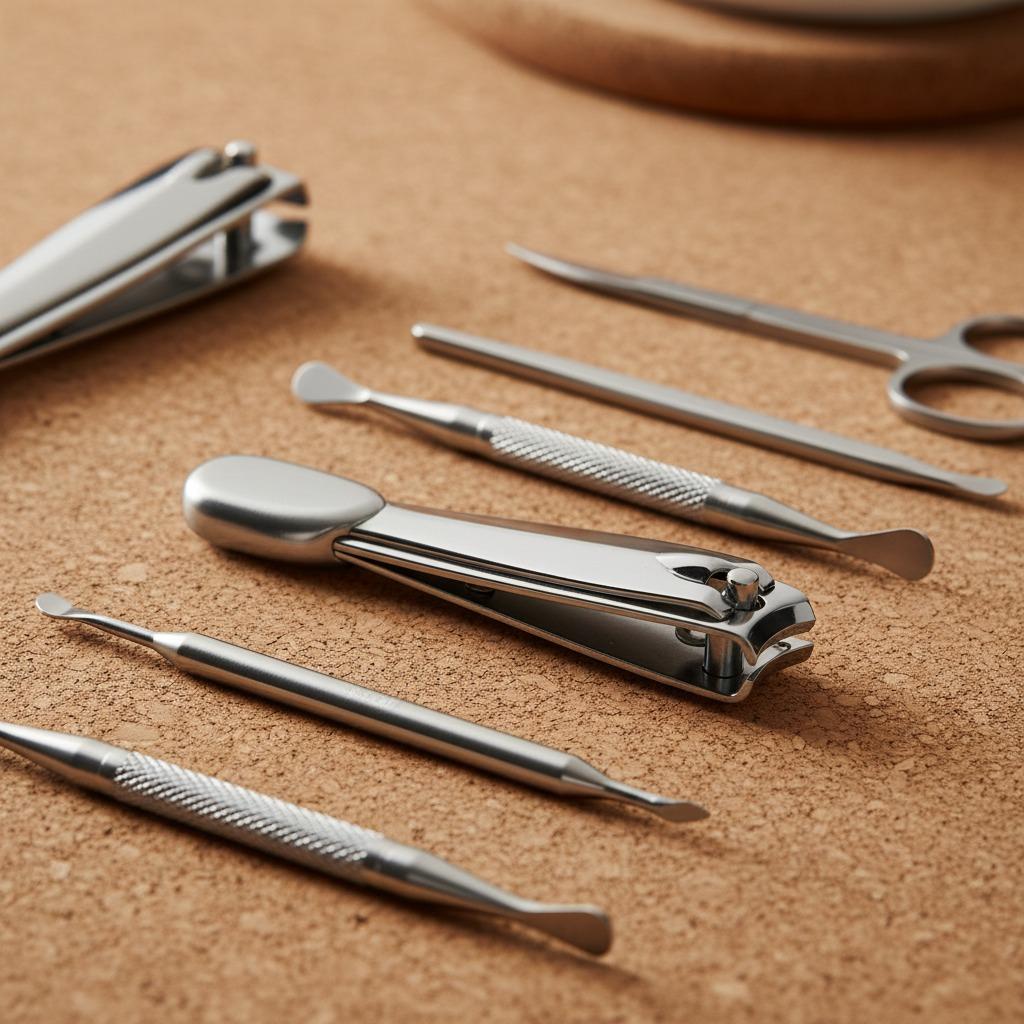
For manicure and grooming items, inspect tips, edges, and contact points closely. A cuticle pusher should not feel rough. A nail file should match the intended level of use. Tweezers should meet accurately at the tip. Scissors should open and close without sticking. These checks are basic, but they are where many low-quality tools fail.
Material descriptions are also important, but avoid making decisions based only on a single material claim. Ask how the tool will be used, how often it will be cleaned, whether it must travel in kits, and whether it will be sold directly to consumers. Good sourcing is a balance of function, durability, price position, and presentation.
Bulk Beauty Products for Salons: Build a Practical Assortment
Bulk beauty products for salons should support the daily rhythm of appointments. A useful wholesale order includes core tools, backups, and retail add-ons, not just the cheapest items available. Running out of a basic tool can interrupt service, while stocking too many slow-moving accessories ties up cash and storage space.
Start with your highest-frequency services. If your salon performs lash and nail services, prioritize tools that are used in nearly every appointment. Then add supporting items that improve convenience or create retail opportunities. For example, a salon may keep professional tools for staff use while offering selected personal grooming items for clients to purchase after a service.
| Buyer Type | Wholesale Focus | Key Buying Question |
|---|---|---|
| Salon or spa | Repeat-use service tools | Will the tool stay comfortable and consistent through daily use? |
| Beauty school | Training-friendly tools | Is the tool easy for beginners to handle and inspect? |
| Retail buyer | Consumer personal care tools | Is the function clear, practical, and easy to display? |
| Distributor | Assorted categories | Can the range serve several customer segments without confusion? |
This kind of planning also helps when comparing suppliers. Instead of evaluating only single items, you can review whether the supplier can support a coherent assortment across lash, nail, and personal care categories.
What to Check When Comparing Pedicure Tool Suppliers
Pedicure tools require particular attention because they are used in services where hygiene, comfort, and tool control matter. When comparing pedicure tool suppliers, review the intended use of each item and how it will be cleaned, stored, and replaced. Not every pedicure-related accessory has the same risk level or durability expectation.
For salons, the most practical questions include whether the grip remains stable when hands are damp, whether the working edge is smooth and controlled, and whether the tool can be inspected easily after cleaning. For retail buyers, packaging clarity and safe consumer handling become more important. If a tool requires technique, it should be positioned carefully so customers understand appropriate use.
It is also wise to avoid building a pedicure assortment only around price. A very low-cost item may appear attractive at purchase time but become expensive if it wears quickly, creates complaints, or needs frequent replacement. A balanced wholesale review compares unit cost with expected use, service value, and replacement planning.
A Wholesale Sourcing Checklist Before You Reorder
Once you have narrowed the product category, use a consistent sourcing checklist. This is especially useful when buying from multiple wholesale beauty products providers or when your team includes purchasing staff, salon managers, and technicians.
- Define the use case: Professional service, retail resale, training, promotional kit, or travel set.
- Inspect the working area: Check tips, edges, hinges, pads, files, and contact surfaces.
- Test handling: Review comfort, grip, weight, and control during repeated movements.
- Review cleaning needs: Confirm that the design does not trap residue in hard-to-reach places.
- Check packaging requirements: Consider labeling, storage, shelf display, and protection in transit.
- Plan quantities realistically: Base the order on service frequency, sales velocity, staff count, and backup needs.
- Record feedback: Collect comments from technicians or retail staff before placing a larger reorder.
This process reduces guesswork. It also creates an internal standard for future purchasing, so your team does not restart the evaluation from zero each time you add a new personal care tool.
Quality, Communication, and Long-Term Buying Decisions
Reliable wholesale sourcing depends on clear communication. Share the market you serve, the tool category you are evaluating, and whether the products are for salon use, resale, or kits. If you need to compare items, prepare photos, quantity ranges, packaging references, and any handling concerns your team has already identified.
Buyers should also keep records of sample reviews, customer comments, and reorder performance. Over time, this information reveals which tools fit your business best. A salon may discover that technicians prefer a specific handle shape. A retailer may learn that simpler grooming tools sell faster than complex kits. A distributor may find that a focused range is easier for customers to understand than an oversized catalog.
Olimor Beauty works with buyers across beauty tool categories, including lash, nail, and personal care tools. To discuss category selection or compare options for your purchasing plan, you can contact Olimor with your intended use, target market, and product priorities.
Final Buying Advice for Wholesale Beauty Tools
The strongest wholesale beauty tool orders are built around real use, not generic assortment lists. Start with the services or customers you need to support, evaluate tools by handling and finish, and test core items before expanding quantities. For eyelash curlers bulk, focus on alignment, grip, and comfort. For manicure and pedicure tools, pay close attention to working edges, cleaning practicality, and replacement planning. For retail personal care tools, consider how clearly the product function can be presented to the customer.
Beauty tools wholesale can help salons, spas, and beauty businesses manage cost while keeping a consistent supply of essential items. With a structured checklist and category-focused sourcing approach, you can choose products that support daily work, simplify inventory decisions, and create a more dependable buying process.