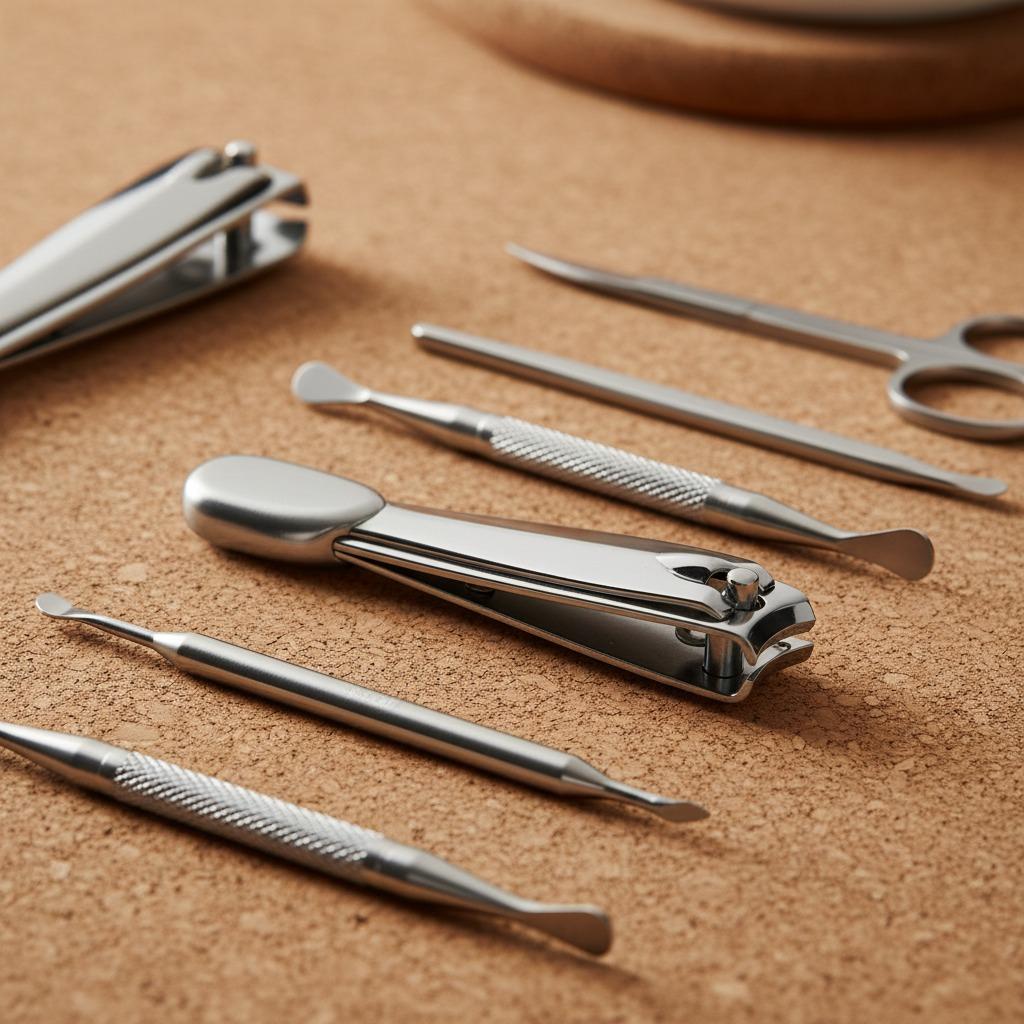













Buying personal care tools wholesale is not only about unit price. Salons, spas, grooming retailers, distributors and private label brands usually get better results when they choose tools that feel comfortable in hand, perform the intended task cleanly, present well in retail, and hold up to repeated daily use. The right assortment should be practical, easy to explain to buyers, and consistent enough to support both service work and resale.
Olimor Beauty supplies beauty and personal care tools for buyers who want products that are functional, durable and suitable for modern grooming routines. That can include facial care, body care, oral care, spa-use accessories and retail gift sets. If you are reviewing a broader range, you can start with the current beauty tool range and then narrow it by use case, material and packaging plan.
What wholesale buyers should optimize first
The best wholesale decision starts with the end user. A salon technician, spa therapist, retail shopper and promotional buyer do not evaluate the same tool in the same way. Professional users care most about control, comfort, clean finishes and repeatability. Retail buyers care about clarity, shelf appeal and low return risk. Brands building gift sets or private label lines need tools that look coherent together and make sense as a routine, not just as separate items.
That is why grooming tools wholesale should be reviewed as practical working tools, not decorative objects. A low-cost item that bends, dulls quickly, or feels awkward in the hand can create more replacement cost than savings. A better approach is to define the exact use case, then test whether the tool supports it consistently.
Typical tool categories and who they suit
Personal care tools cover a wide range of uses. A focused assortment is usually easier to sell than a scattered one, because customers can quickly understand what each item does and why it belongs in the range.
| Tool category | Best fit | What to inspect | Common buyer concern |
|---|---|---|---|
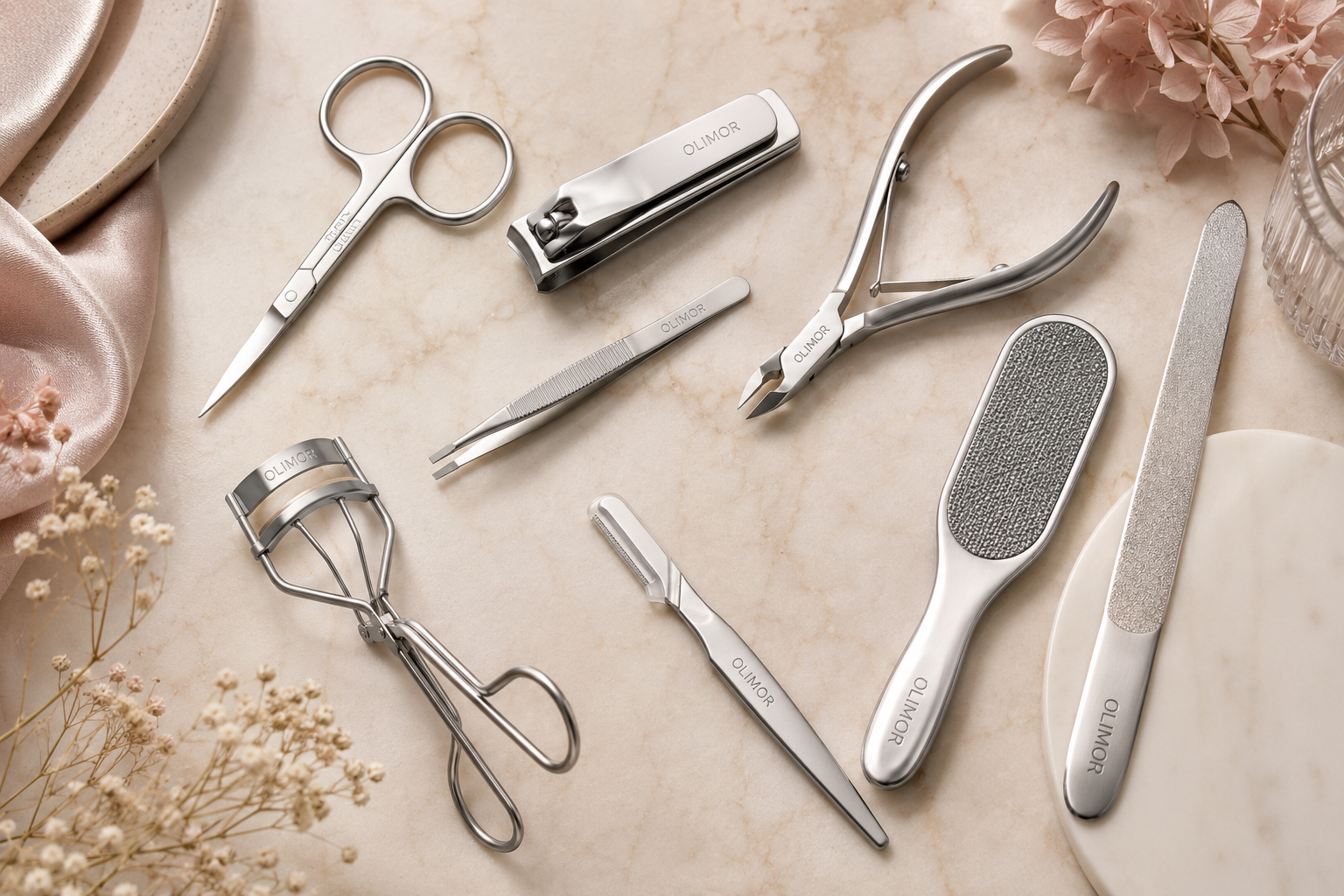
| Manicure tools | Salons, nail studios, home grooming kits | Edge alignment, handle feel, smooth finishing, tension or lever action | Tools that look polished but do not perform precisely |
| Tweezers | Brow grooming, detailing, travel kits | Tip alignment, grip stability, point control | Weak closure or inconsistent tips |
| Cuticle pushers and similar implements | Salon stations and retail sets | Burr-free edges, surface smoothness, comfortable hold | Rough finishing that affects comfort |
| Nail files and buffers | Manicure and pedicure workflows | Grit consistency, backing strength, durability in use | Products that wear unevenly or feel too weak |
| Facial, body and oral-care tools | Spa retail, wellness sets, personal care brands | Material suitability, easy cleaning, clear usage explanation | Items that are hard to present or maintain |
Material and finish decisions that affect performance
Material choice should support both the product story and the real usage environment. Stainless steel is commonly used for manicure implements because it can provide a durable, smooth working surface, but buyers should still inspect the finish, edge quality and hand feel. Two tools made from the same material can perform very differently if the working edge, polishing or assembly is inconsistent.
Copper is another useful example in wellness and oral-care ranges. The Ayurvedic Copper Tongue Cleaner illustrates how a traditional oral-care concept can be paired with a recyclable material that is often chosen for its antimicrobial reputation. For buyers developing spa retail or oral-care selections, that kind of product can be easy to explain to customers. Even so, the tool still needs to be smooth, comfortable, easy to clean and packaged with clear usage guidance.
Other tools may use plastics, synthetics, paper-based parts, adhesives or coated components. If you are positioning a range as vegan, environmentally oriented or wellness-led, review every component in the finished item, not only the main body. The claim should match the full product structure, including accessories and packaging elements.
For oral-care or hygiene-sensitive items, buyers should also review any applicable guidance from public bodies such as local health authorities and, where relevant, the current version of an ISO or national standard used in their market. Ask the supplier for current documentation and verify the applicable version before relying on a claim or packaging statement.
Why finish quality matters as much as material
Material alone does not guarantee a good user experience. Buyers should look for smooth edges, even polishing, accurate alignment and surfaces that feel appropriate against skin, nails or oral-care areas. Small flaws can affect comfort, hygiene perception and return rates.
- Edge smoothness: Any unintended burrs can scratch nails or skin.
- Alignment: Clipping or gripping tools should meet cleanly and close evenly.
- Surface consistency: A uniform finish supports a more professional retail presentation.
- Grip and balance: Handles should feel stable in damp or dry use conditions.
- Packaging protection: Tips, edges and polished surfaces should not be damaged in transit.
How to inspect samples before a larger order
Sampling is one of the most important steps in wholesale purchasing. A sample should not be judged only by appearance. It should be tested in the same way the tool will be used in a salon, spa or retail environment.
- Test the task: Check whether the tool performs its intended function without extra pressure or awkward movement.
- Check the hand feel: Make sure the shape, weight and grip suit repeated use.
- Look for finish defects: Inspect for rough spots, burrs, weak joints, loose parts or uneven surfaces.
- Review consistency: Compare multiple samples to see whether they feel similar from piece to piece.
- Assess cleaning and storage: Decide whether the tool can be wiped, rinsed or stored easily according to its use case.
- Examine the pack: Confirm that the packaging protects the tool and supports the intended retail or professional presentation.
For items like clippers, look at lever movement and whether the cutting edges meet evenly. For tweezers, check tip alignment and tension. For files and buffers, review grit feel, backing strength and whether the product suits the service you plan to offer. A sample review sheet helps different team members evaluate the same criteria in a consistent way.
Build assortments around routines, not random products
Many wholesale buyers improve sell-through by organizing products around routines. Instead of presenting a large assortment of unrelated tools, group items by purpose: facial cleansing support, nail care, oral wellness, hand and foot care, travel grooming or giftable personal care. This makes it easier for staff to sell the range and easier for shoppers to understand what they need.
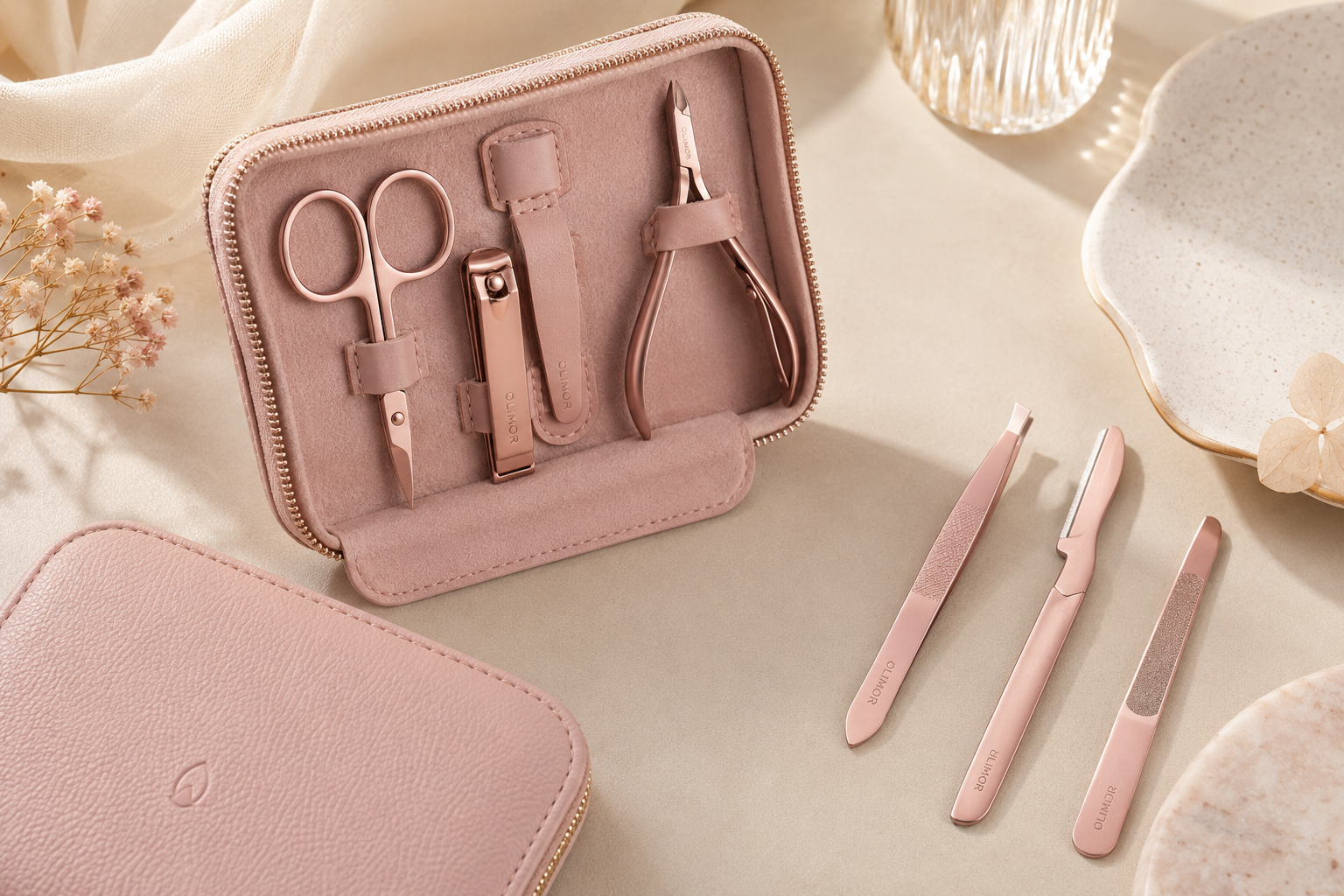
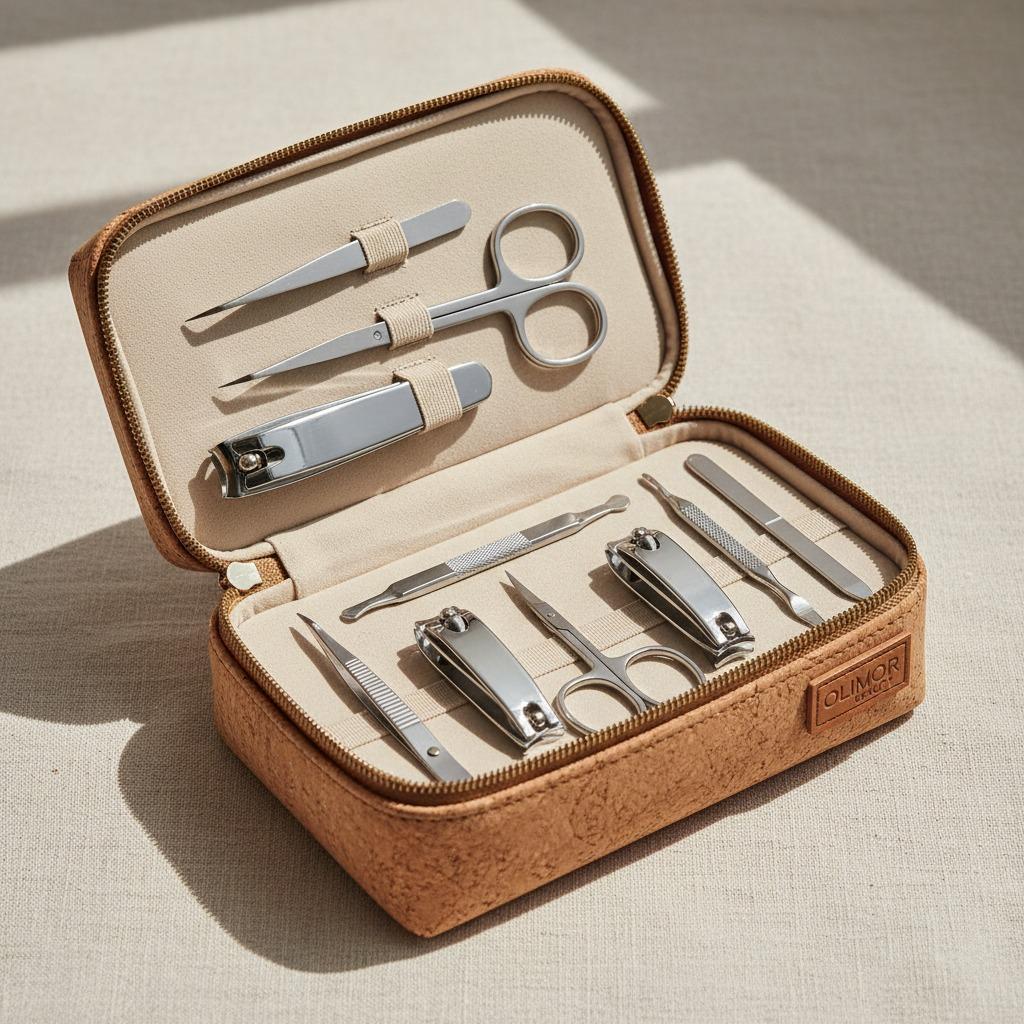
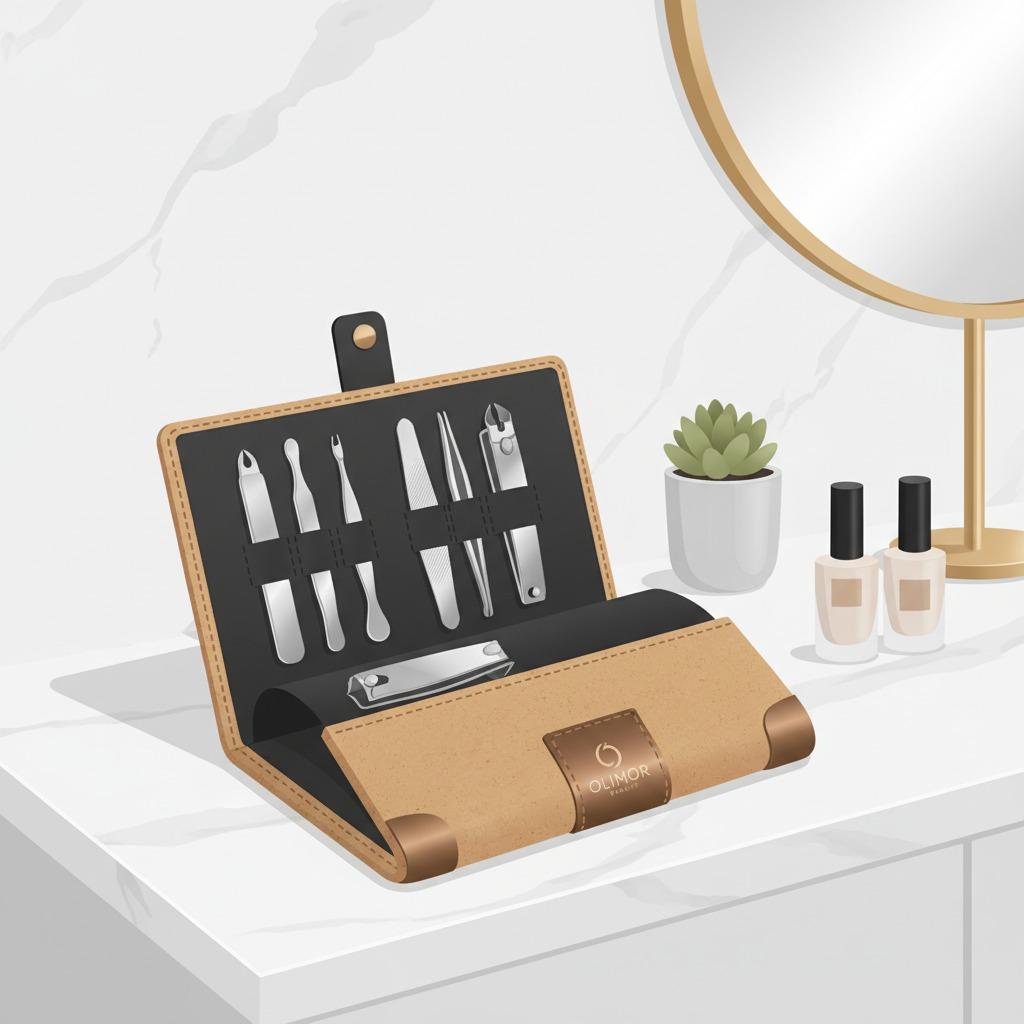
If you are planning a retail display or a private label launch, look for items that work together logically. A coordinated set should feel purposeful rather than crowded. You can review related formats in the organized collections to compare how facial, body and oral-care tools might fit into one program.
For spas, assortment planning should also reflect the service journey. A tool used in treatment can lead naturally to a take-home version for client continuation. For retailers, the same logic helps reduce duplicate items that compete with each other for shelf space.
Bulk purchasing: the real cost is bigger than the quote
Wholesale buyers often focus on the quoted unit price, but total cost includes several other factors. Inspection time, replacement rates, packaging waste, storage needs and customer returns all affect the final outcome. A tool that fails early or feels uncomfortable can quickly become more expensive than a better-made alternative with a higher initial price.
Bulk planning also depends on how the tools will be used. A professional site may need working stock, backup inventory and replacement pieces. A retailer may need display samples, photography units and customer-service replacements. A distributor may need enough variety to support several customer types without overcommitting to one narrow format. The most efficient order is the one that matches real use, not the largest possible quantity.
How to evaluate a supplier for personal care tools
When comparing suppliers, buyers should ask practical questions about consistency, packaging, documentation and communication. A reliable supplier should be able to explain what the tool is made of, how it is assembled, how it should be used and what quality checks are applied before shipment.
- Can the supplier provide clear product descriptions and material details?
- Are samples representative of the proposed bulk order?
- Does the packaging protect the finish and edges during transit?
- Can the supplier support retail, professional or private-label presentation?
- Is the documentation aligned with the exact claim used on the product page or pack?
- Does the supplier respond clearly to questions about inspection, packing and customization?
If you are building a new program or need a more specific sourcing brief, you can send a product inquiry or contact the team to discuss use case, packaging and customization options.
Practical checklist for wholesale buyers
- Define the end user before comparing price.
- Match the tool to a real routine or service step.
- Check finish quality, alignment and grip comfort.
- Review material story, cleaning needs and storage conditions.
- Verify that any sustainability or vegan claim covers every component.
- Compare samples in actual working conditions, not only by photo.
- Check that packaging supports the retail or professional setting.
- Ask for supplier documentation before placing the full order.
Where Olimor fits in a wholesale sourcing plan
Olimor Beauty is a useful partner for buyers who want practical grooming and personal care tools that fit spa, retail and brand-led programs. The strongest sourcing results usually come from a clear brief: who will use the tool, where it will be sold, what materials are acceptable and how the product should be packed. That information helps narrow the range quickly and reduces the chance of ordering tools that look attractive but do not suit the business model.
If you are still comparing formats, browse the current product lineup for individual tool types, then narrow by set structure, material and application. If you want a quotation path or customization discussion, use the inquiry form so the team can review your target assortment and packaging needs.
FAQ
Can I request samples before placing a larger order?
Yes. Sampling is the best way to check feel, finish, packaging and real-world performance before committing to a full wholesale order.
What should I ask about MOQ?
Ask early, because MOQ can affect assortment planning, packaging choice and whether you should order a full set or a narrower selection first. Do not assume one MOQ applies to every tool.
Can personal care tools be customized for retail or private label use?
Often yes, depending on the product and packaging format. Share the desired look, label requirements and pack style so the supplier can confirm what is possible.
How do I check quality before shipment?
Request clear inspection criteria for finish, alignment, function and packaging. Buyers should also confirm what documentation is available for the exact product specification.
What lead time should I expect?
Lead time depends on the tool type, quantity, customization and packaging requirements. The safest approach is to ask for a current production schedule with the exact order details.
For buyers building a reliable wholesale program, the best results usually come from practical selection, sample testing and clear supplier communication. That approach supports better tools, fewer returns and a more coherent customer experience.