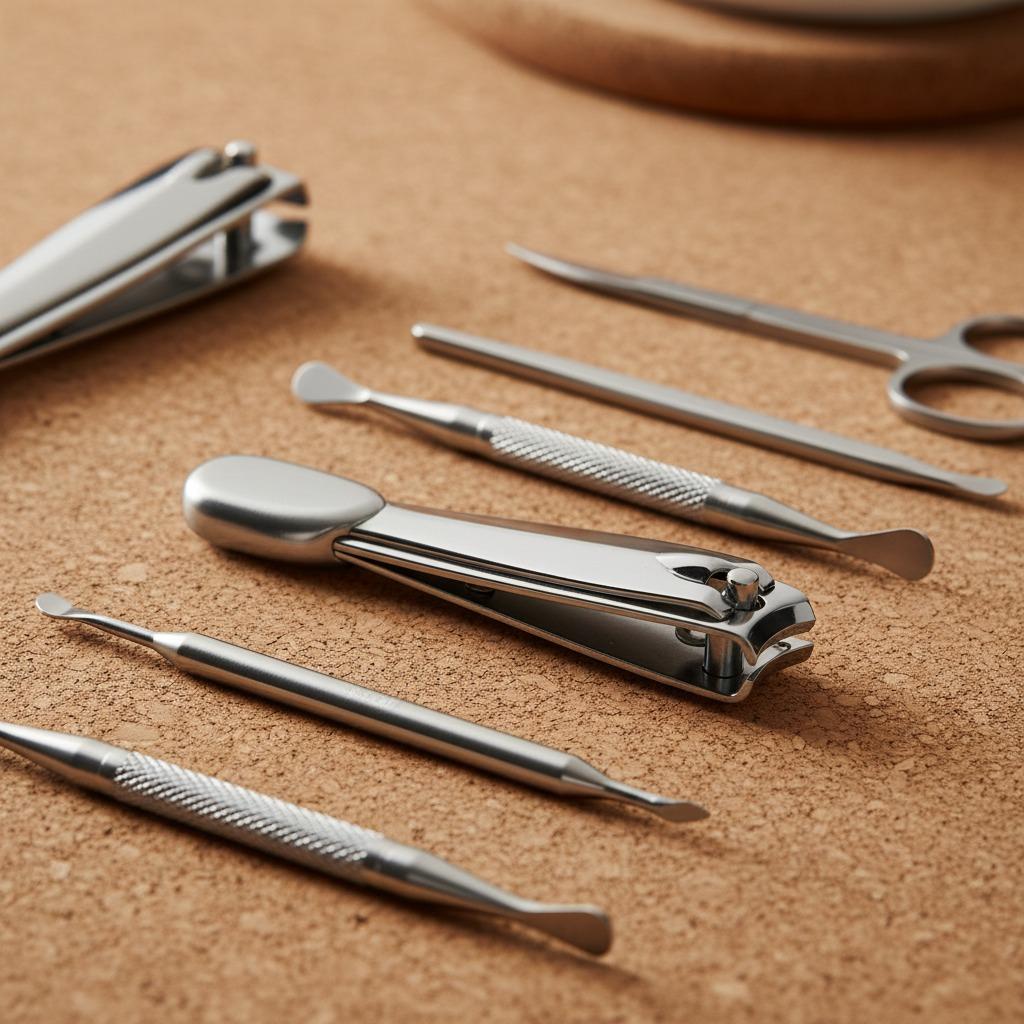













For salons, spas, nail studios, pedicure service providers, beauty retailers and grooming tool distributors, a foot files bulk purchase is an operational decision as much as a sourcing decision. The right foot file affects technician control, client comfort, hygiene workflow, retail presentation and replacement planning. The wrong tool can feel harsh, wear down too quickly, slow down service or create inconsistent results from one treatment station to another.
This guide explains how to evaluate wholesale foot files for professional and B2B use. It focuses on practical selection criteria, inspection points, inventory planning, supplier evaluation and pre-purchase questions that matter before committing to a larger order. Olimor supplies beauty tools for professional and business buyers who need dependable grooming tools for salon, spa, retail and distribution channels.
Why Foot Files Matter in Professional Pedicure Services
Foot files are used for one of the most visible parts of a pedicure: reducing rough, dry or callused skin so the feet feel smoother and better cared for. Many clients judge the quality of a pedicure by the comfort of the treatment and the finish on the heels, soles and pressure areas. A file that is too aggressive may cause discomfort, while a file that is too weak can require repeated strokes and make the service harder to control.
In a professional setting, consistency is also important. Multiple technicians may use the same model of foot file throughout the day. If the grip, abrasive surface or durability varies too much between pieces, it becomes harder to deliver a predictable client experience. Bulk purchasing helps standardize tools across treatment rooms, service carts, back-bar inventory and retail shelves.
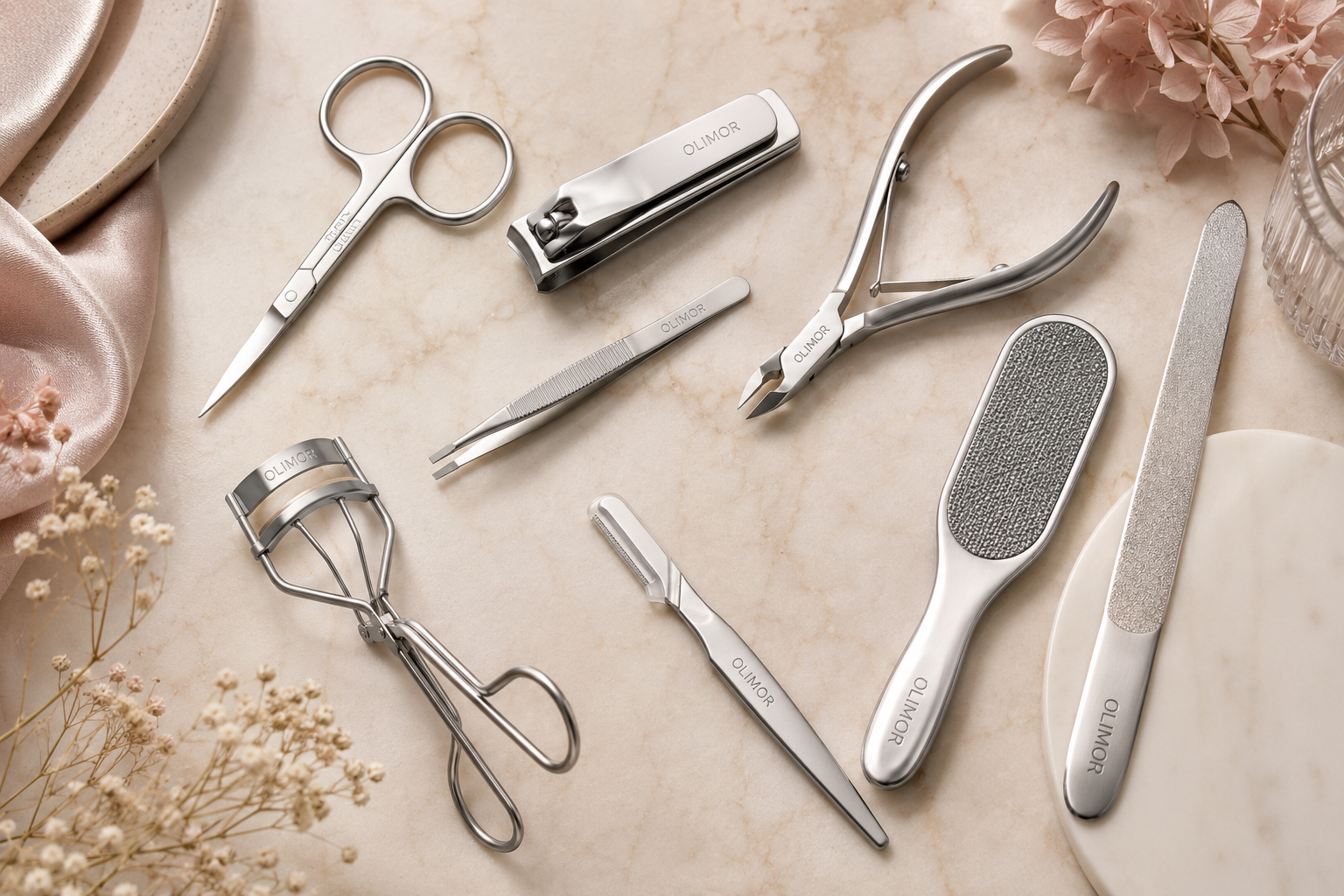
A professional foot file should be easy to hold, stable in the hand and suitable for controlled exfoliation. The Olimor foot file referenced in the supplied product context features an ergonomic black handle and a rose gold working surface. This combination gives the tool a clean professional appearance while supporting comfortable handling. Its micro-abrasive surface is intended to help remove stubborn calluses while remaining gentle enough for controlled use by trained beauty professionals.
When Bulk Purchasing Makes Sense
Buying foot files one by one is rarely efficient for a business that performs regular pedicure or foot care services. A planned bulk order helps keep treatment rooms stocked, reduces ordering interruptions and gives purchasing teams time to compare products carefully instead of reacting when stock is already low.
Bulk purchasing is especially useful when foot files are used in classic pedicures, heel smoothing, dry foot maintenance, callus care, aftercare recommendations or take-home retail kits. It can also support busier booking periods, group appointments, local events or seasonal demand without forcing technicians to share tools or switch to a less suitable product.
Cost control is another reason to review wholesale options. Larger orders may reduce per-unit logistics complexity and simplify replenishment, but the lowest price is not automatically the best value. A file that bends, feels uncomfortable, wears too quickly or does not fit the salon’s sanitation routine can become more expensive through replacements, wasted staff time and weaker client feedback.
Key Selection Criteria Before Ordering Wholesale Foot Files
Before placing a larger order, define exactly how the foot files will be used. A spa focused on gentle maintenance pedicures may need a different balance of control and comfort than a high-volume nail studio offering more intensive heel smoothing. A retailer may care more about visual presentation and consumer understanding, while a distributor may focus on carton consistency and repeat supply.
Handle Comfort and Control
Technicians may use foot files for several appointments in a day, so handle design matters. An ergonomic handle can reduce hand fatigue and help the user apply pressure more accurately. A stable grip is especially important around curved areas such as heels and the sides of the foot, where slipping or uneven pressure can affect client comfort.
Abrasive Surface and Filing Performance
The working surface should remove dry skin efficiently without feeling uneven or unnecessarily sharp. A micro-abrasive texture can support controlled exfoliation, helping technicians work on rough areas while maintaining a smoother service feel. Buyers should evaluate whether the file suits routine smoothing, more stubborn rough skin or finishing work, depending on the services offered.
Consistency Across Units
Bulk orders must be consistent from piece to piece. If one file feels much rougher than another, staff may need to adjust their technique constantly, which can reduce service standardization. Surface texture, handle feel, color appearance and overall balance should be reviewed during sample checks and incoming inspection.
Durability in Daily Handling
Professional tools are handled repeatedly, moved between treatment rooms, stored in drawers or carts and cleaned according to internal procedures. Buyers should consider whether the handle feels stable, whether the working surface appears securely finished and whether edges or seams could interfere with safe handling or maintenance.
Hygiene Workflow Compatibility
Each salon or spa should follow the hygiene regulations and professional standards that apply in its location. Local health departments or other public authorities may define sanitation requirements for beauty and nail services. Buyers should verify the applicable version of any local rule or public-body guidance and request supplier documentation relevant to the product being purchased. Olimor should not be assumed to hold any certification unless it is specifically provided in purchasing documents.
In practice, the foot file format should support the business’s use, cleaning, drying, storage and replacement process. Consider whether there are hard-to-clean corners, whether staff can separate clean and used tools clearly, and whether files can be stored without damaging the working surface.
Visual Presentation
For salons and spas, tools visible to clients should look clean and professional. For retailers, the product should also be easy for shoppers to understand. The black handle and rose gold surface described in the product context can fit a premium beauty environment without relying on excessive decoration.
Bulk Order Planning Table
The best wholesale quantity is not always the largest possible order. It is the quantity that keeps service running smoothly while preserving storage space, supporting hygiene policies and allowing regular quality checks.
| Buyer Type | Main Priority | Planning Question | What to Check Before Ordering |
|---|---|---|---|
| Salon or nail studio | Consistent service results | How many files are needed per station and how often are they replaced? | Station setup, staff preference, treatment volume and replacement rules. |
| Spa or wellness center | Client comfort and hygiene flow | Does the file support a calm, controlled pedicure experience? | Grip comfort, surface feel, cleaning process and storage method. |
| Beauty retailer | Presentation and consumer usability | Will shoppers understand the tool and see it as suitable for home foot care? | Appearance, packaging needs, instructions and shelf display requirements. |
| Distributor | Repeatable quality across cartons | Can the product meet the expectations of multiple professional customers? | Sample approval, carton condition, color consistency and reorder communication. |
| Multi-location operator | Standardized purchasing | Can the same tool be used across teams without retraining or confusion? | Internal service protocol, central inventory planning and supplier reliability. |
How to Estimate Quantity for a Foot Files Bulk Purchase
Start with service data rather than a generic number. Review how many pedicure or foot care services your business performs in a typical week, then consider how many files are assigned per treatment station, how often tools are rotated and whether files are also sold for home maintenance.
Separate back-bar service inventory from retail inventory. A salon may run short if retail sales use the same stock intended for technicians. A spa may also need backup tools for cleaning rotation, room turnover or peak appointment periods. If your business has multiple locations, central purchasing can help standardize the tools used by different teams.
Useful planning factors include average weekly foot care appointments, peak season demand, technician setup needs, replacement schedule, storage space, aftercare kit plans and staff feedback. The goal is to maintain enough stock for uninterrupted service without overbuying a product that has not been fully tested in your workflow.
Quality Checks for Wholesale Foot Files
Quality inspection should include both appearance and function. Even simple checks can prevent problems before a full order is issued to staff or shipped to retail customers.
Visual Inspection
- Check that the handle is cleanly formed and comfortable to hold.
- Look for loose edges, rough seams or defects that could interfere with safe handling.
- Review whether the abrasive surface appears even across the working area.
- Confirm that the rose gold surface looks consistent if that finish is part of the approved sample.
- Inspect packaging condition, carton labeling and any agreed presentation details.
Functional Review
- Confirm that the abrasive surface feels uniform rather than patchy or unpredictable.
- Hold the tool as a technician would during service and assess grip stability.
- Review whether the file feels balanced during repeated strokes around heels and callused areas.
- Ask staff whether the tool supports controlled pressure without creating hand fatigue.
- Remove any file from service if it becomes damaged, uncomfortable or unsuitable for professional results.
For professional sourcing, document inspection points before approving a bulk order. This may include handle feel, surface consistency, packaging, color appearance, sample approval and carton condition. Written expectations reduce misunderstanding and make repeat orders easier to evaluate.
Hygiene, Maintenance and Replacement Workflow
A foot file bulk order should support the salon or spa’s hygiene workflow, not complicate it. Each business should follow the regulations and professional requirements in its area. Public bodies such as local health departments may publish rules for cleaning, disinfection, storage or single-use practices in beauty service environments. Buyers should verify the current applicable version and keep supplier documents, internal procedures and staff training aligned with local requirements.
A practical internal workflow may include five steps: inspect before service, use the correct tool for the client need, follow the approved cleaning and disinfection process, allow tools to dry fully before storage, and retire tools that show wear or damage. This routine protects client confidence and helps purchasing teams track real replacement rates instead of guessing.
Storage should also be considered before ordering. Files may be kept in treatment rooms, tool drawers, mobile carts, central clean inventory or retail displays. The shape and finish should allow organized storage without scraping or damaging the working surface.
How to Evaluate a Foot Files Supplier
Supplier reliability matters as much as the tool itself. A dependable beauty tools manufacturer should communicate clearly, support repeat purchasing and provide consistent production quality. For professional buyers, the goal is to avoid receiving one batch that performs well and another that feels noticeably different.
When comparing suppliers, ask practical questions rather than relying only on promotional language. Can the supplier explain the material and design choices? Can they provide samples for review? Can they discuss packaging options for back-bar, retail or distribution needs? Can they support your inspection process and respond clearly when product details need confirmation?
Olimor focuses on beauty tools for professional and personal care use. Buyers comparing categories beyond foot files can review the Olimor beauty tool product range to understand available grooming tool options. For broader sourcing by category, the professional beauty tools collection can help purchasing teams compare related personal care items for salon, spa or retail programs.
Customization and Packaging Considerations
Packaging needs vary by business model. A salon may prioritize efficient bulk storage and easy station replenishment. A retailer may need consumer-friendly packaging that communicates the purpose of the tool clearly. A distributor may require carton organization that supports receiving, warehousing and onward shipment.
If customization is important, confirm what can be adjusted before discussing order size. Possible topics include packaging format, presentation requirements, color expectations, labeling needs or retail display considerations. Do not assume that every customization is available for every product or order. The safest approach is to request supplier confirmation and approve a physical or documented sample before larger purchasing decisions.
Common Cost Factors in Wholesale Foot Files
Wholesale cost is influenced by more than the unit price. Buyers should consider product design, material selection, finish, packaging, customization, inspection requirements, order quantity, freight method and repeat order planning. A slightly higher-cost file may be better value if it improves technician control, reduces premature replacement or supports a more professional retail presentation.
At the same time, buyers should avoid paying for features that do not match their use case. A back-bar tool used only by technicians may not need the same packaging as a retail item. A spa focused on gentle foot maintenance may not need the same filing feel as a service provider specializing in heavier callus care. Clear use cases make price comparisons more accurate.
Pre-Purchase Checklist for Professional Buyers
- Define the use case: service tool, retail product, aftercare kit item or distributor stock.
- Review samples: check handle comfort, surface consistency, finish and packaging.
- Confirm hygiene fit: make sure the tool suits your internal cleaning, drying, storage and replacement process.
- Separate inventory types: plan service stock and retail stock independently.
- Document quality expectations: include appearance, function and packaging details.
- Ask about customization: confirm available options without assuming materials, labeling or packaging can be changed.
- Evaluate supplier communication: choose a manufacturer that can answer practical sourcing questions clearly.
If you are preparing a professional purchase, you can send product questions or project details through the Olimor wholesale inquiry page. For direct communication about samples, packaging or sourcing requirements, use contact Olimor and describe your intended sales channel and service use.
FAQ
Can I request samples before placing a bulk foot file order?
Professional buyers should request samples when possible, especially before a new retail launch, spa rollout or distributor order. Samples help your team evaluate handle comfort, abrasive feel, finish consistency, packaging and hygiene workflow fit before larger purchasing decisions.
Is there a minimum order quantity for wholesale foot files?
MOQ depends on the product, packaging, customization requirements and current supplier arrangement. Buyers should confirm the applicable MOQ directly with Olimor before planning inventory or retail commitments.
Can foot files be customized for retail or distributor programs?
Customization may depend on the requested packaging, presentation, labeling or product detail. Confirm available options with the supplier and approve samples or written specifications before placing a larger order.
What quality checks should buyers perform on arrival?
Check handle formation, grip comfort, surface consistency, finish appearance, packaging condition and carton labeling. Functional review by technicians is also useful because professional comfort and control affect the client experience.
How should lead time be confirmed?
Lead time should be confirmed during the quotation or order discussion because it can vary by quantity, packaging, customization and logistics. Buyers should avoid assuming a delivery schedule until supplier confirmation is received.