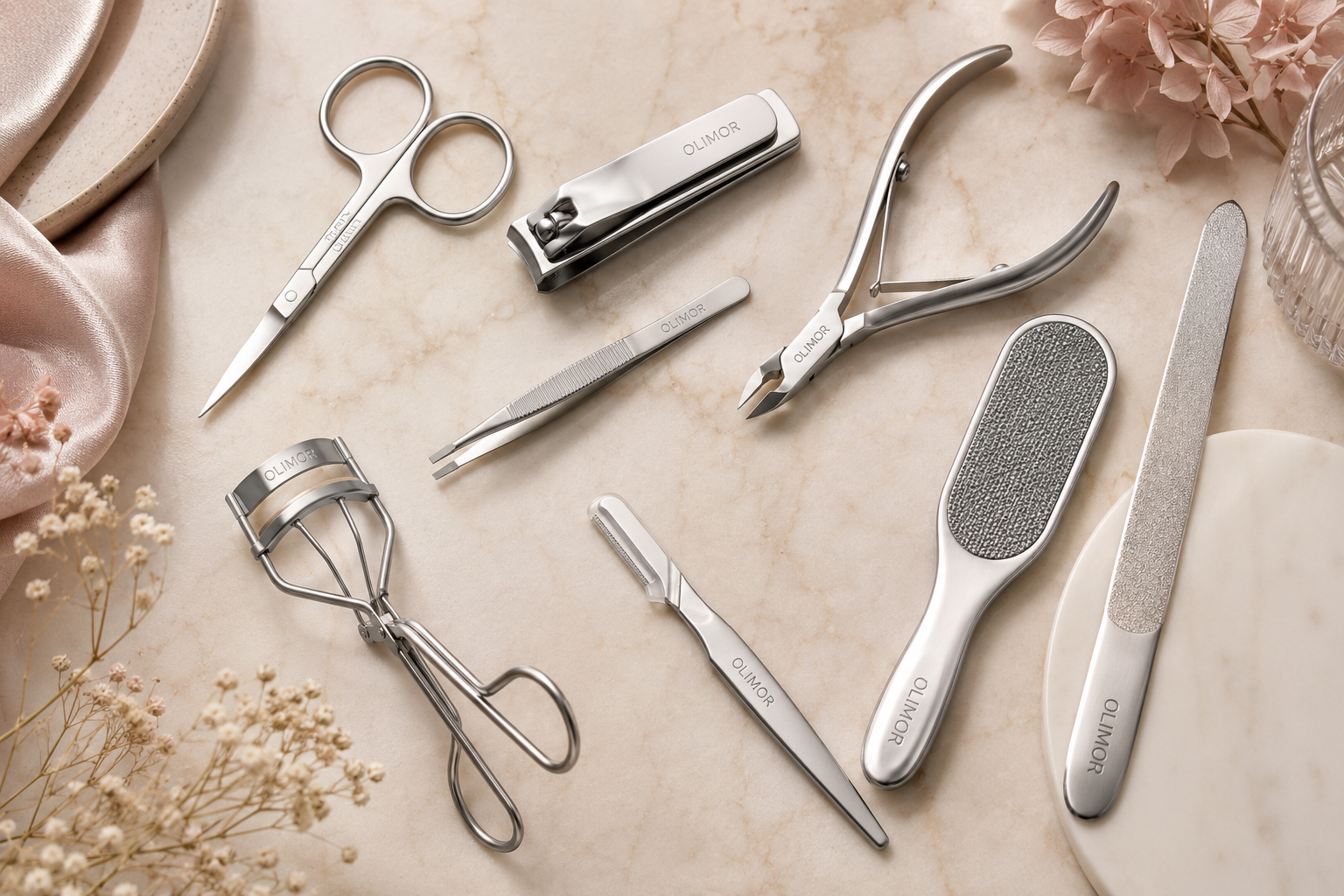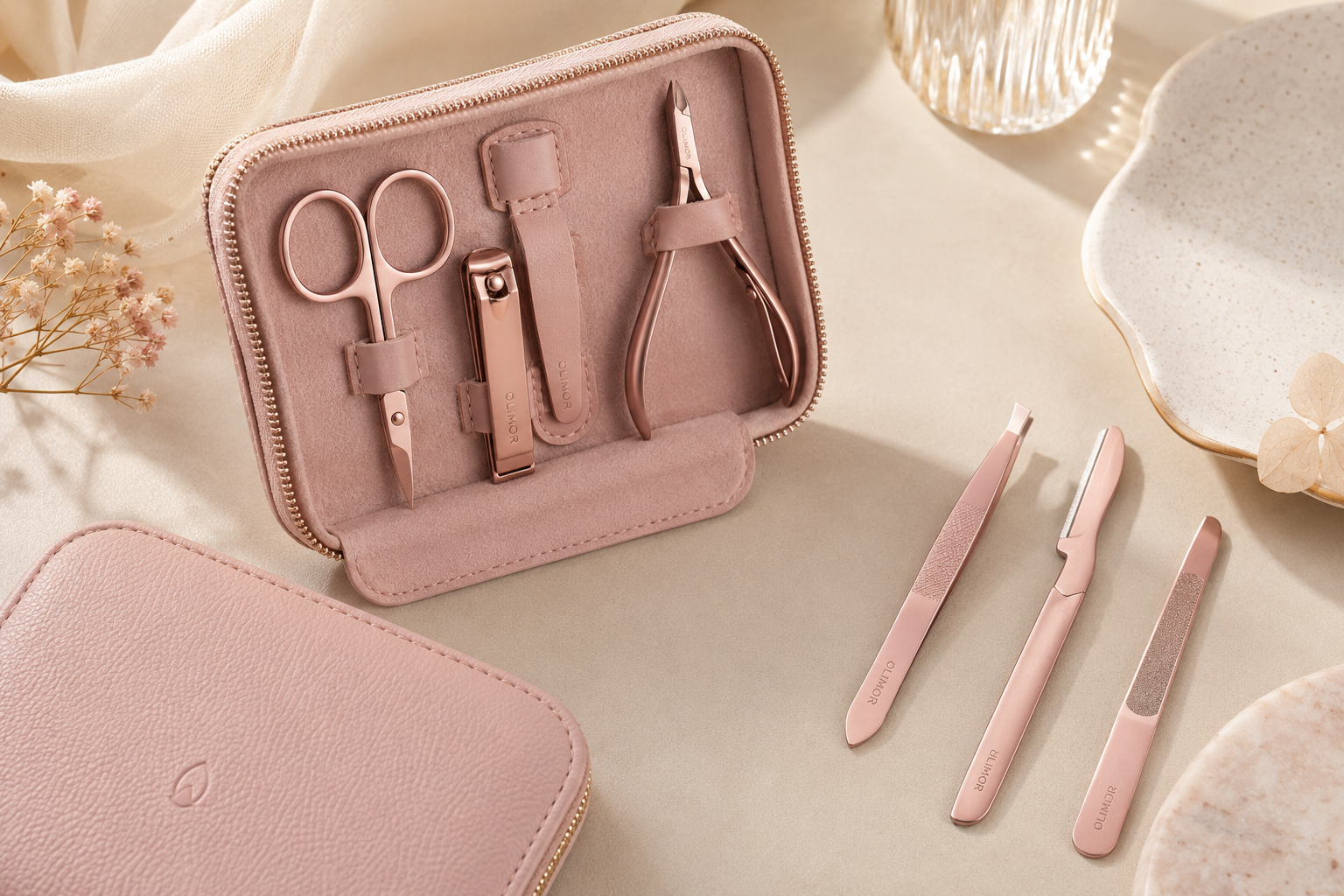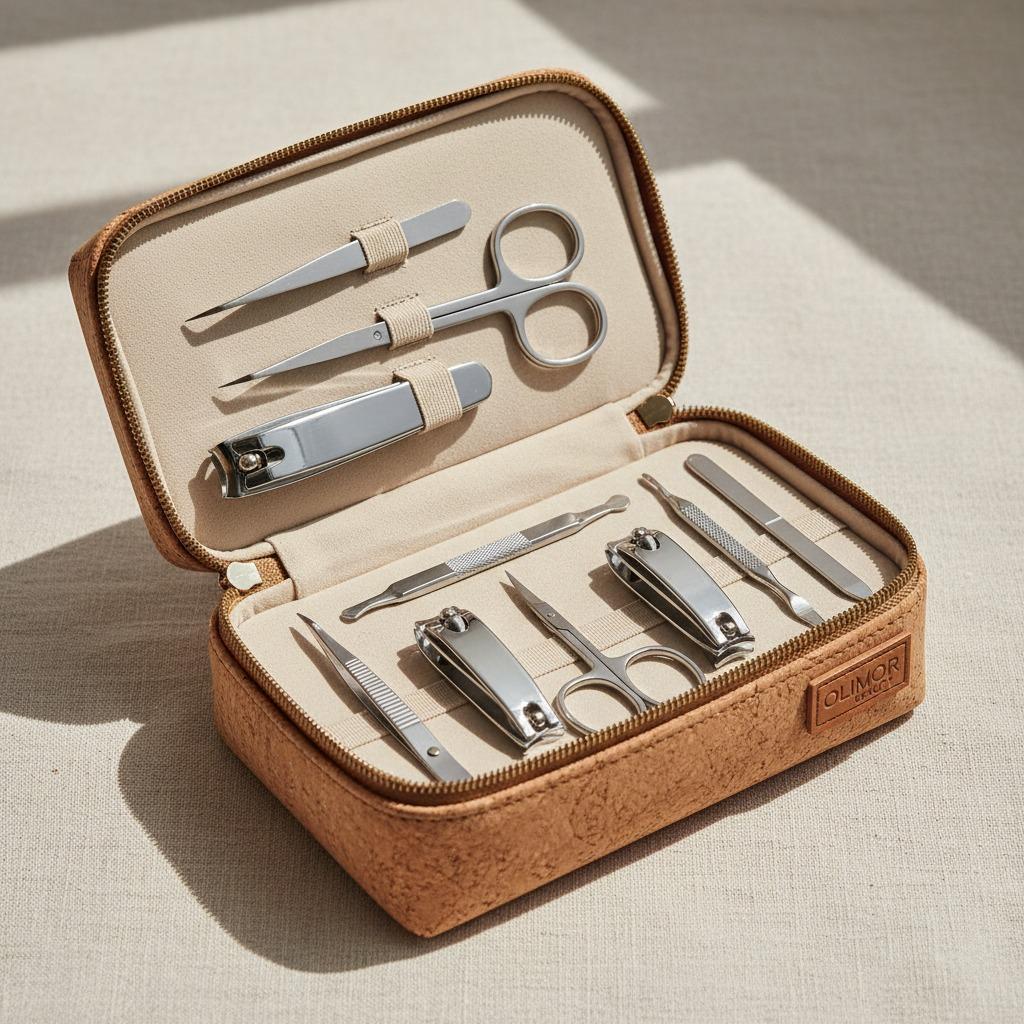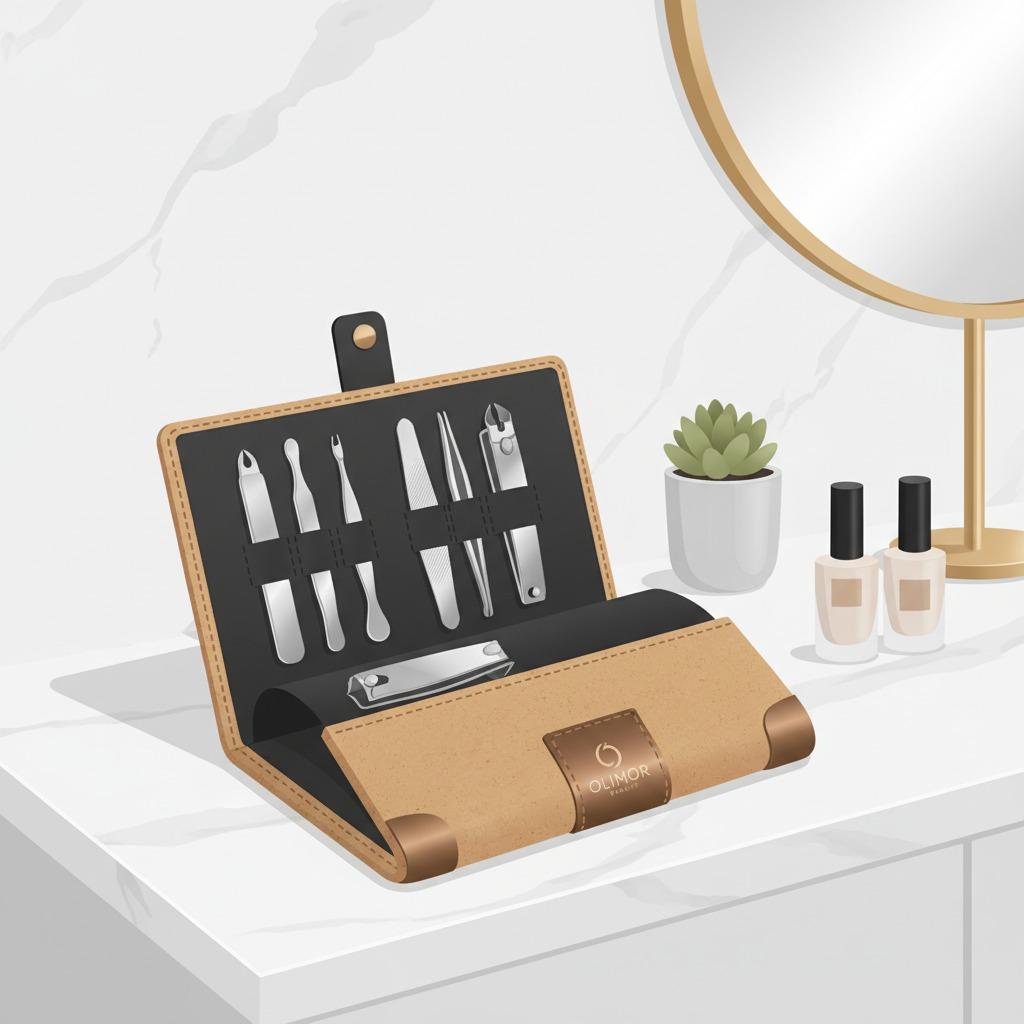











Bulk foot files are small beauty tools, but they influence service quality, customer comfort and retail trust. For salons, spas, nail studios, distributors and beauty retailers, the right double-sided foot file should feel secure in the hand, offer clear coarse and fine filing functions, present well on the shelf and arrive with consistent quality across the order.
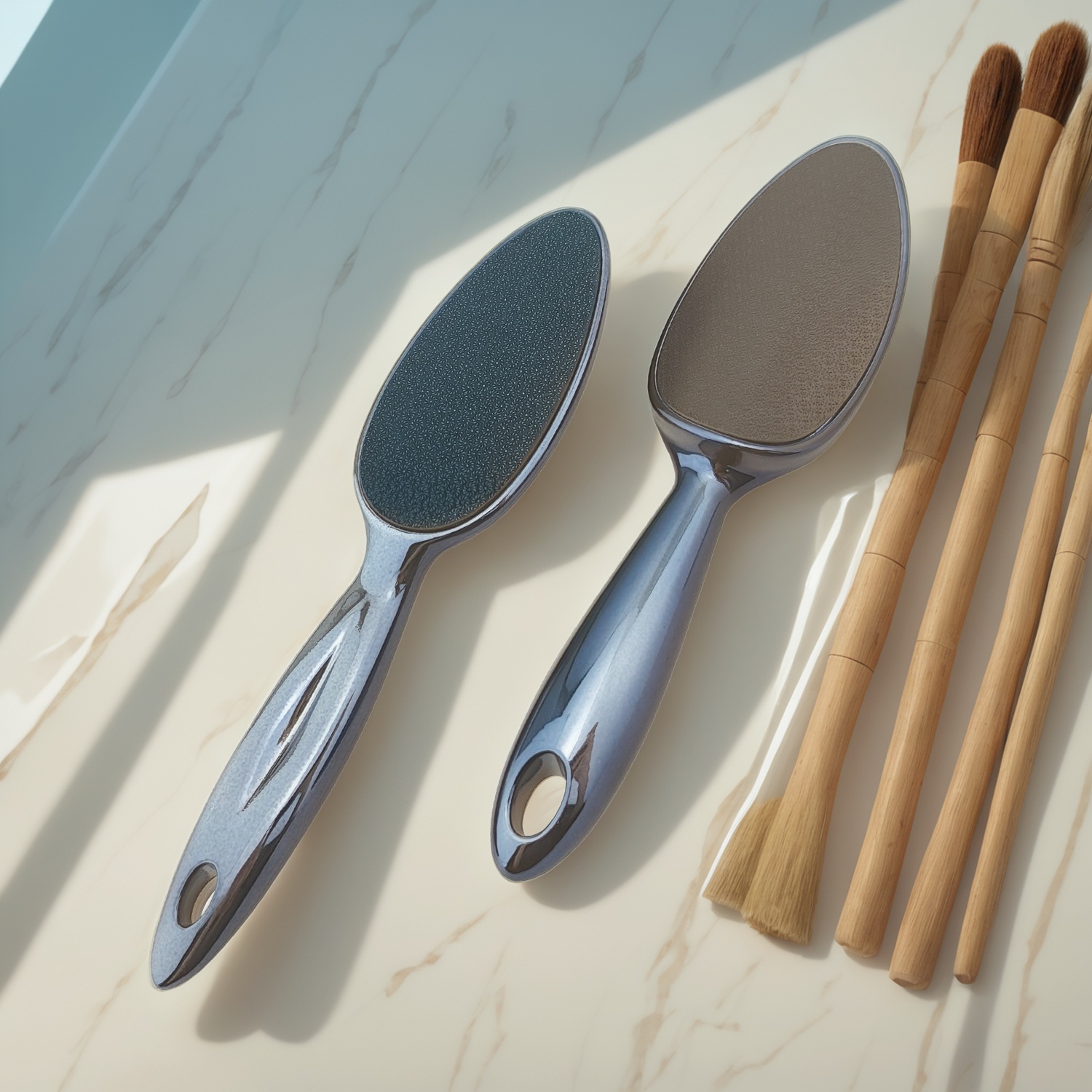
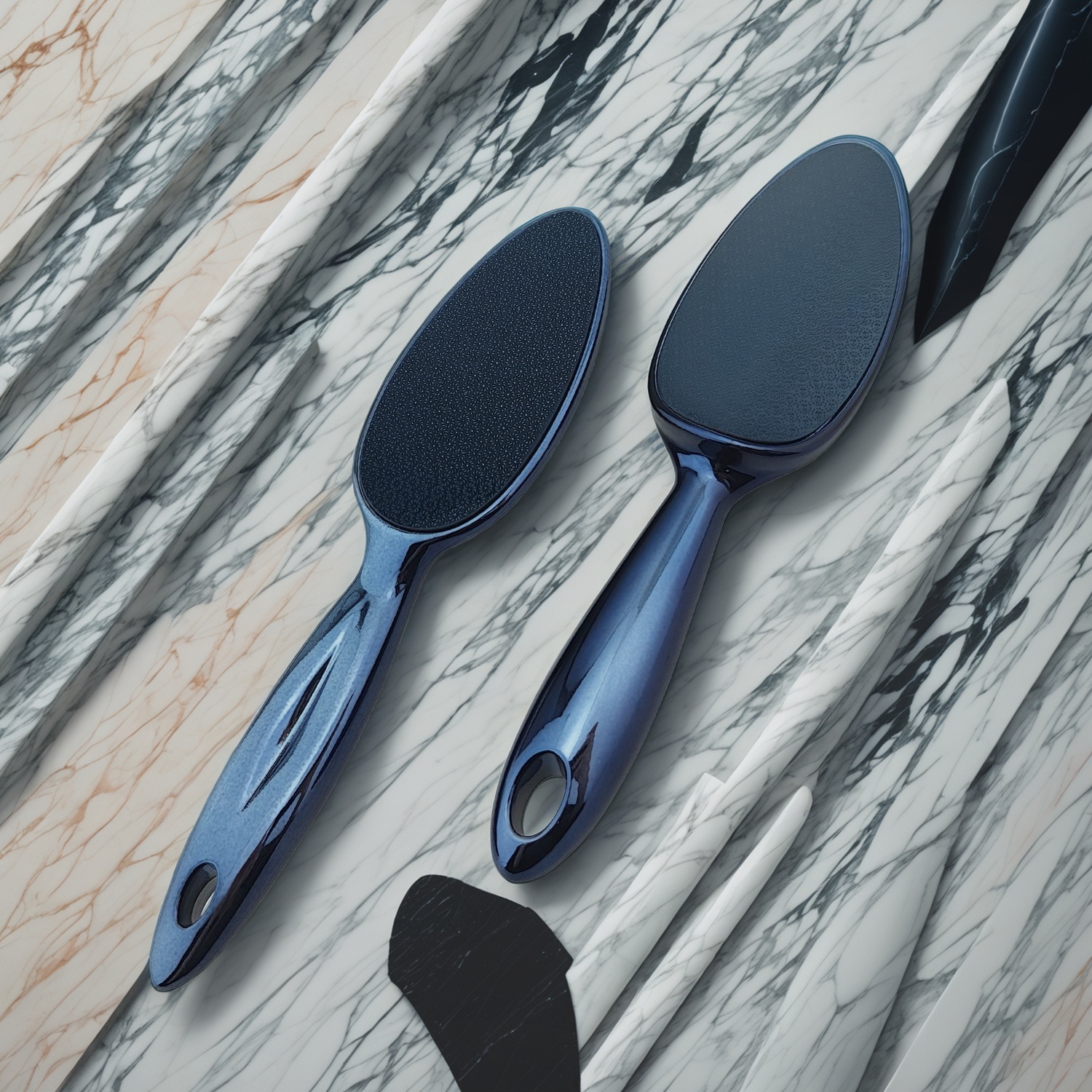
Olimor Beauty supplies a metallic blue, double-sided foot file with an ergonomic body. One side is intended for stubborn calluses, while the finer gritted side helps smooth and refine the skin after heavier filing. For buyers comparing professional beauty tool products, this type of design provides a practical benchmark for evaluating foot care tools for services, resale, kits or promotional programs.
What B2B Buyers Should Decide First
The best bulk foot file choice depends on how the tool will be used. A spa that performs pedicures daily may care most about grip comfort and predictable abrasive performance. A retailer may prioritize visual finish, customer-friendly instructions and packaging compatibility. A distributor may need a versatile item that can serve multiple channels without being too niche.
Before requesting samples or placing a repeat order, define the commercial role of the foot file. Is it a back-bar service tool, a checkout retail item, a home-care add-on after pedicures, part of a seasonal foot care bundle or a component in a private-label beauty assortment? This decision affects how you assess ergonomics, surface feel, appearance, packaging and supplier support.
Buyers should also consider the skill level of the final user. Professional technicians can control pressure and filing sequence more carefully than most home users. Retail customers need simple guidance: soften skin first, use gentle movements, reserve the coarser side for thicker areas, finish with the finer side and avoid broken or irritated skin.
How the Double-Sided Foot File Design Works
A double-sided file gives buyers more value than a single abrasive surface when the two sides are clearly different in function. On the Olimor Beauty foot file, the coarser side is designed to address stubborn calluses, especially on thicker areas such as the heel. The finer gritted side is used after that step to smooth and refine the skin.
This two-step structure is useful in professional and retail environments. In a salon, it supports a more controlled pedicure sequence: assess the foot, soften the skin, file thicker areas carefully, refine with the fine side, clean the tool according to the salon process and complete the service with suitable aftercare. In retail, the two sides are easy to explain to customers because each surface has a distinct purpose.
When comparing samples, do not judge only by appearance. Run a practical hand-feel check. The coarse side should feel effective without encouraging excessive pressure. The fine side should feel appropriate for finishing rather than duplicating the coarse surface. If the two sides feel nearly identical, the double-sided design offers less commercial value.
Material, Manufacturing and Finish Details to Inspect
The supplied product information highlights precise manufacturing steps, stringent quality checks and internal quality control. For buyers, the important point is how those controls appear in the finished item. A foot file should not feel flimsy, unfinished or inconsistent from piece to piece. Even without complex mechanics, the tool depends on clean construction and reliable surface application.
Start with the body. The metallic blue body should look even and suitable for the sales channel. The file should feel stable under normal use, without excessive twisting or bending. The edges should feel clean in the hand. Any rough unintended edge can reduce perceived quality and may create discomfort during repeated service work.
Next, inspect the abrasive areas. The surface should appear evenly applied and properly attached. Check whether the two sides are aligned and finished neatly. Lightly handle multiple units to see whether grit sheds easily during basic inspection. A small difference between individual tools is normal in many physical products, but obvious variation across a batch can create service inconsistency and customer complaints.
Selection Criteria for Salons, Spas, Retailers and Distributors
A bulk purchase should be evaluated with both functional and commercial criteria. Price matters, but it should not be the only factor. A lower-cost tool can become expensive if it slows technicians, looks weak in retail, disappoints customers or requires frequent replacement. A practical sourcing process compares usability, finish, supply reliability and fit with the buyer’s brand position.
| Buying factor | What to check | Why it matters |
|---|---|---|
| Surface function | Confirm that the coarse and fine sides are clearly different in feel and purpose. | Supports callus work followed by smoothing instead of one harsh filing step. |
| Ergonomic handling | Hold the file in several working positions and simulate repeated strokes. | Helps technicians maintain control and reduces avoidable hand strain. |
| Body stability | Apply normal hand pressure and check for excessive flexing or twisting. | A stable file feels more professional and easier to control. |
| Visual finish | Inspect the metallic blue body, edge finish and overall cleanliness. | Influences retail presentation and customer perception of quality. |
| Batch consistency | Review several samples, not only one display unit. | Bulk orders multiply small defects across many services or sales. |
| Channel fit | Match the file to salon use, retail resale, bundles or promotional programs. | Prevents buying a tool that performs well in one channel but not another. |
Cost Factors Without Focusing Only on Unit Price
Bulk foot file cost is influenced by more than the quoted unit price. Buyers should consider the full commercial impact of the product, including service efficiency, quality consistency, retail presentation, packaging requirements and communication with the supplier. A tool that looks inexpensive may not be the better choice if it creates avoidable returns, weak merchandising or poor technician feedback.
For salons and spas, cost should be viewed through the service process. If a foot file is awkward to hold, technicians may need more time to achieve a smooth result. If the abrasive surfaces are not distinct, the service sequence becomes less controlled. If the body feels too weak, staff may lose confidence in the tool during repeated treatments.
For retailers, cost includes how well the item explains itself to shoppers. A metallic blue ergonomic file can be positioned as a purposeful foot care tool rather than a disposable accessory, but the final presentation depends on the buyer’s packaging, display and usage instructions. For distributors, cost also includes reorder stability, communication speed, inspection expectations and how easily the product fits into a broader beauty tool assortment.
Quality Control Checklist Before Approving a Bulk Order
Sample approval should be structured. A quick visual look is not enough for a high-contact personal care tool. Use a simple checklist and keep notes so future deliveries can be compared against the approved reference. If possible, involve both purchasing staff and the people who will actually use or sell the product.
- Visual inspection: Check the metallic blue finish, body shape, surface alignment, edges and overall cleanliness under good lighting.
- Grip check: Hold the ergonomic body in dry hands and in typical working positions used during pedicure services.
- Surface comparison: Confirm that the coarse side and finer gritted side are easy to tell apart by touch and purpose.
- Stability check: Apply normal filing pressure and watch for excessive bending, twisting or loose surface areas.
- Consistency check: Compare several units from the sample set or shipment rather than approving only one piece.
- Presentation check: Review whether the product appearance fits your salon, spa, retail display, gift set or promotional program.
- Documentation check: Ask the supplier for current product, packaging and order documents relevant to your market and channel.
For regulated markets, buyers should verify current product safety and labeling expectations with the relevant public bodies and their own compliance advisers. For example, consumer products sold in the European Union may need to be reviewed against the EU General Product Safety Regulation, while businesses selling in the United States may refer to applicable guidance from the U.S. Consumer Product Safety Commission. Requirements can change, so always verify current versions and supplier documents rather than relying on assumptions.
Use, Cleaning and Maintenance Guidance for Better Customer Outcomes
A foot file is simple, but instructions still matter. Misuse can lead to discomfort or poor results, especially when retail customers use the coarse side too aggressively. Clear guidance helps protect the customer experience and supports the professional image of the business selling or using the tool.
For service use, technicians should follow the hygiene procedures required by their salon, spa or local rules. The tool should be used only as appropriate for the service protocol and should not be applied to broken, irritated or infected skin. The coarse side should be used carefully on thicker callused areas, followed by the finer side for smoothing. Excessive pressure is not necessary and can create an unpleasant experience.
For retail customers, keep instructions short and practical. Soften the skin before filing, work gently, use the coarse side only where needed, finish with the fine side, clean the file after use and store it dry. If a customer has a medical foot condition, sensitive skin, diabetes-related foot concerns or persistent pain, they should seek advice from a qualified healthcare professional before using foot care tools.
How to Evaluate a Foot File Supplier
Supplier evaluation should cover product capability and communication reliability. A good supplier should be able to discuss the intended use, visible product details, quality control approach, packaging expectations and order process without making unsupported claims. Buyers should be cautious of vague answers, inconsistent samples or promises that are not reflected in documents.
When reviewing Olimor Beauty or any foot file supplier, prepare questions around the actual project. Explain whether you need tools for salon operations, retail resale, branded kits or distribution. Share any packaging, labeling or assortment needs early. If you are comparing foot files with other grooming accessories, review the broader beauty tool collection to see how the item fits into a cohesive product range.
For private assortments or retail programs, ask what customization discussions are possible, what product details can be confirmed before ordering and what inspection process will apply. Do not rely only on catalogue images. Samples, written specifications and clear approval records are the foundation of a repeatable bulk buying process.
When a Double-Sided Foot File Is the Right Choice
A double-sided foot file is a strong fit when the buyer needs one tool that supports both heavier filing and finishing. It is especially useful for salons offering pedicure services, spas building consistent treatment supplies, retailers adding home foot care items and distributors seeking practical beauty tools that are easy to explain.
It may be less suitable if your program requires a highly specialized clinical foot care device, a disposable single-use item or a tool with market-specific claims that require additional substantiation. In those cases, define the requirement clearly and verify whether the supplier can support it with appropriate documents.
The Olimor Beauty double-sided foot file is best evaluated on its visible and practical strengths: ergonomic handling, a metallic blue body, a coarse side for stubborn calluses and a finer gritted side for smoothing. Those features make it a straightforward product for B2B buyers who want a functional, presentable and easy-to-understand foot care tool.
Bulk Buying Workflow for Professional Foot Care Programs
A disciplined buying workflow reduces risk. Start with the use case, then review samples, confirm specifications, document approvals and inspect deliveries. This is especially important when the foot file will carry your retail reputation or be used repeatedly in customer-facing services.
- Define the channel: salon service, spa treatment, retail resale, kit, promotion or distribution.
- Request samples and compare the double-sided abrasive function, body feel and visual finish.
- Collect feedback from technicians, sales staff or category managers who understand the end user.
- Confirm packaging, labeling, customization and documentation expectations before order approval.
- Keep an approved sample or written reference for future quality comparison.
- Inspect incoming goods against the approved reference and record any issues promptly.
If you are preparing a sourcing plan, you can send a foot file inquiry with your target channel, order purpose and packaging expectations. For broader product planning, contact Olimor Beauty to discuss suitable personal care tools for your business.
FAQ for Bulk Foot File Buyers
Can I request samples before placing a bulk order?
Sample review is a practical step for foot files because grip, surface feel and finish are difficult to judge from images alone. Ask what sample options are available and confirm whether the sample represents the intended production version.
Is there a fixed MOQ for bulk foot files?
MOQ depends on the specific order requirements, packaging and any customization needs. Buyers should confirm the current MOQ directly with Olimor Beauty before planning a launch or promotion.
Can the foot file be customized for retail or promotional programs?
Customization may depend on the project scope, product presentation and packaging requirements. Share your sales channel, branding needs and compliance expectations early so feasibility can be reviewed.
How should quality be checked when the order arrives?
Inspect multiple units for surface consistency, edge finish, body stability, color appearance and the difference between the coarse and fine sides. Compare the shipment with the approved sample or written specification.
What affects lead time for bulk foot file orders?
Lead time can be affected by order quantity, packaging, customization, production schedule and shipping arrangements. Confirm timing in writing for the specific order rather than relying on general estimates.