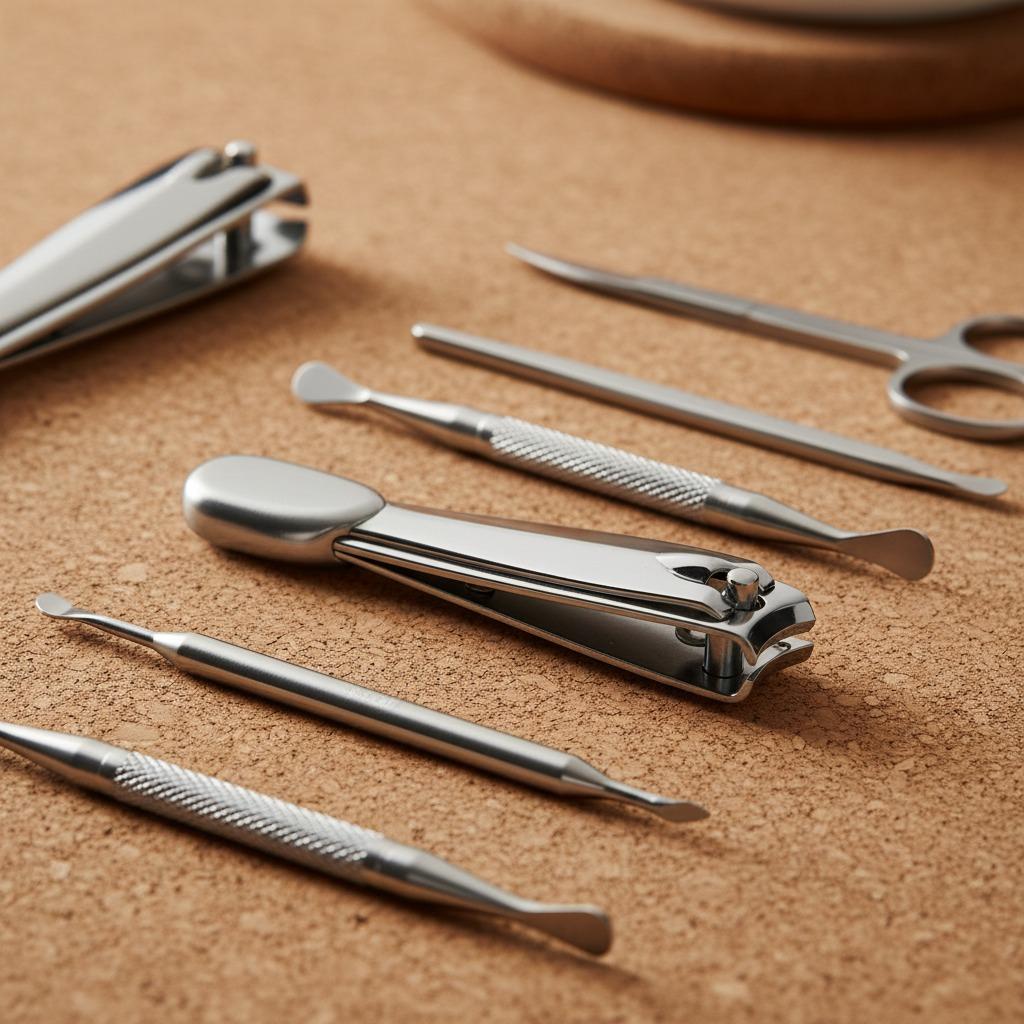











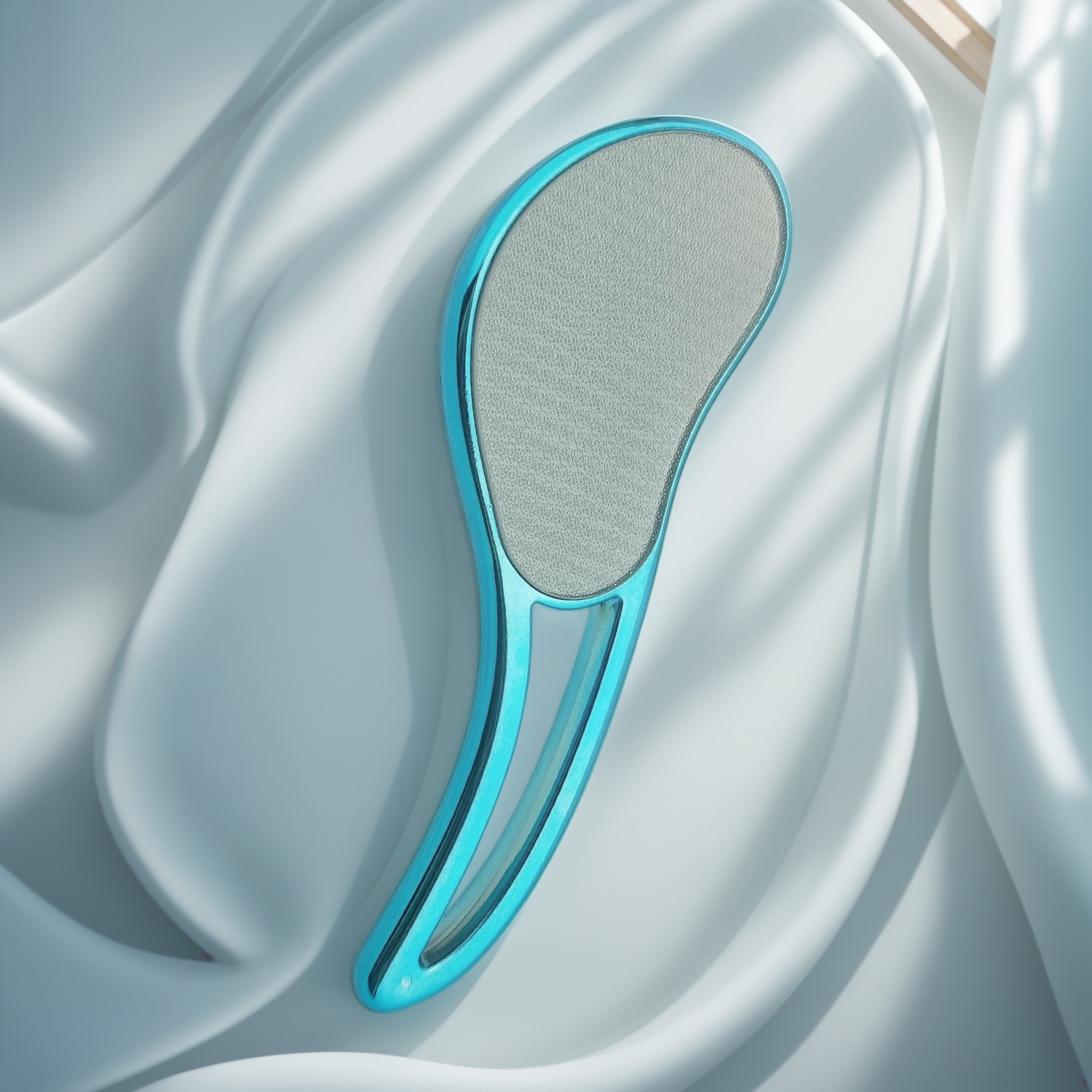
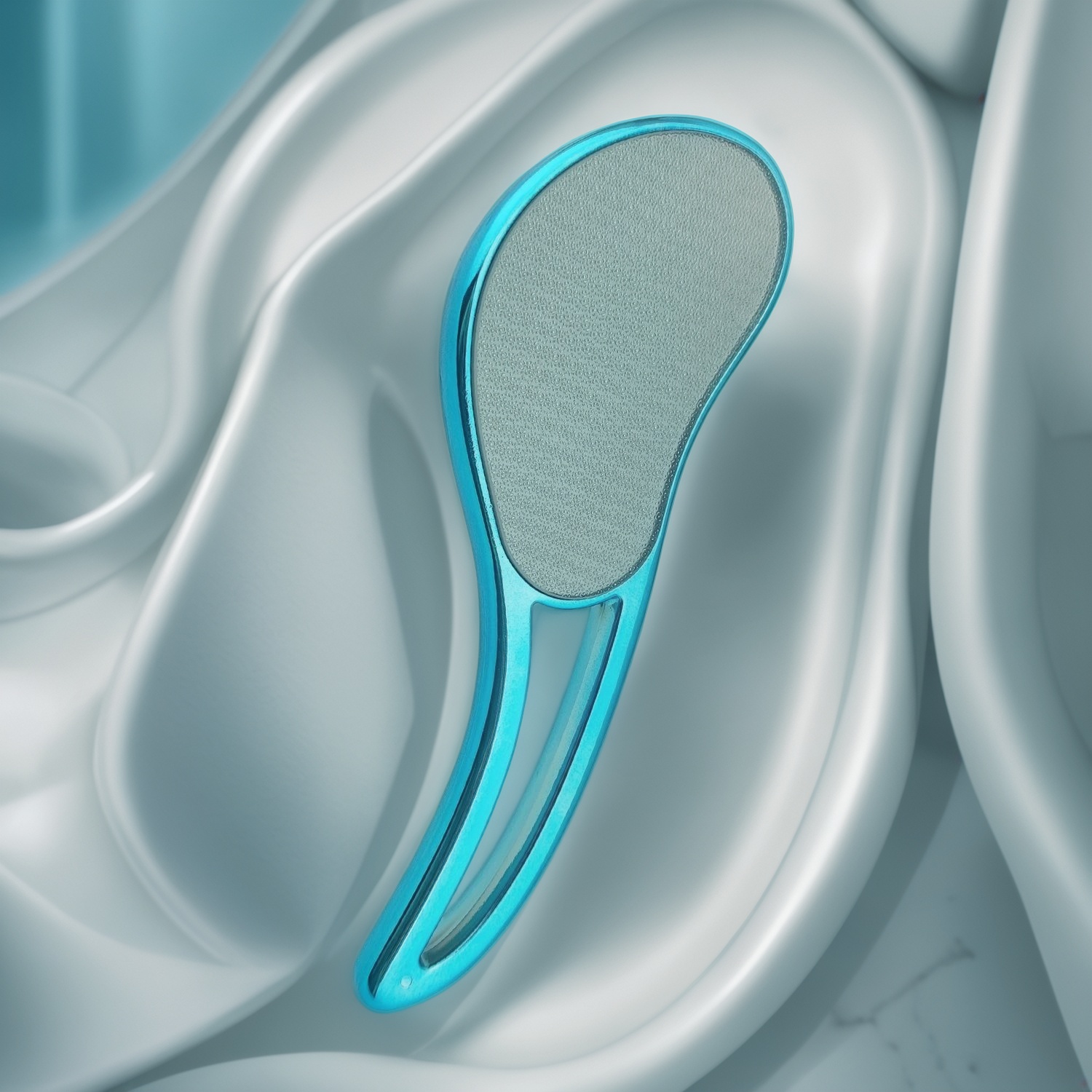
Buying foot files in bulk is a service decision as much as a purchasing decision. In spas, salons, hotel treatment rooms, beauty distributors and private-label programs, the right file should feel controlled in the hand, fit the hygiene workflow, and stay consistent across every station. A standardised tool helps technicians work with confidence and helps managers avoid uneven results, awkward stock rotation and last-minute replacement buying.
For buyers comparing wholesale foot files for salons or wider spa personal care tools wholesale assortments, the priority is not only unit cost. It is repeatable handling, material quality, inspection consistency and a tool that suits the way your team actually performs pedicure services.
Why consistency matters in pedicure services
Foot files are used close to the skin and are handled repeatedly during the workday. If one file feels balanced while another drags, bends or arrives with a rough finish, the client experience becomes uneven. That inconsistency can affect technician confidence, training, and the overall perception of the service.
Bulk purchasing solves part of that problem by allowing a business to standardise one approved tool across treatment rooms. That makes it easier to train new staff, assign tools to stations, track replacement cycles and maintain a clean service flow. It also helps distributors and multi-location operators present a clearer product story to their own customers.
For spas that run several chairs or have rotating staff, a standard file reduces small disruptions. There is less guessing about what is in stock, less mixing of different shapes and finishes, and less risk that a technician will reach for a tool that no longer meets the house standard.
What to look for before placing a bulk order
A strong foot file order starts with practical evaluation. The best choice is usually the tool that fits your technicians, cleaning process and client expectations, not simply the lowest quote.
Material and construction
Stainless steel is a familiar choice in professional beauty tools because it offers a solid feel and supports durable construction. Olimor Beauty describes the Luxe Exfoliating Foot File with ergonomic stainless steel construction, which makes it relevant for buyers looking for a sturdy salon-use design. As with any supplier, buyers should still inspect the actual sample for finishing quality, edge safety and overall feel.
Grip and ergonomics
Technicians may hold a foot file many times in a single day. A handle that sits naturally in the hand can reduce awkward wrist angles and support more controlled movement. That matters in long pedicure sessions, where even a small design issue can add fatigue. A secure grip is especially useful when hands are working around lotion, water or routine cleaning steps.
Working surface and control
The exfoliating surface should remove rough skin effectively without feeling overly aggressive. In a professional setting, the goal is controlled smoothing rather than a rushed or harsh motion. Buyers should think about the intended service menu: routine maintenance pedicures, callus-focused treatments or retail resale can all require a slightly different balance of feel and finish.
Weight, balance and finish
A tool that is too light may feel unstable, while one that is too heavy can be tiring in long appointments. Balance also affects work around curved heel and sole areas. Finish quality matters because clients notice clean lines, uniform surfaces and a professional appearance. In bulk orders, consistency between units is just as important as the design itself.
Packaging and storage
Wholesale buyers should check how the product is packaged for transport and stockroom handling. Carton organisation, labeling and protection during shipping can affect how quickly the order can be received, counted and distributed to stations. Good packaging also reduces confusion when multiple branches or accounts are involved.
Key buying factors that affect service quality and cost
Price matters, but the real cost of a foot file includes more than the invoice. A lower-priced tool that wears out quickly or arrives inconsistently can create hidden expenses through replacement, staff frustration and service variation. Use the checklist below to compare suppliers in a structured way.
| Buying factor | What to review | Why it matters |
|---|---|---|
| Construction | Material, rigidity, handle connection and edge finish | Supports durability and safer daily use |
| Ergonomics | Grip shape, balance and comfort during repeated use | Helps reduce fatigue and supports technician control |
| Working surface | Surface feel, consistency and suitability for the service menu | Affects smoothing efficiency and client comfort |
| Inspection consistency | Uniform finishing, packaging condition and visual quality | Reduces variation across the bulk order |
| Supply fit | Storage space, station allocation, reorder planning and customization needs | Helps the product fit the business model after delivery |
Match the foot file to the buyer type
Not every bulk purchase has the same purpose. A spa, a retailer and a private-label buyer may all want different details from the same category. Clarifying the use case before ordering reduces mismatch and helps buyers ask the right supplier questions.
| Buyer type | What to prioritise | Useful question to ask |
|---|---|---|
| Multi-chair spa or salon | Comfort, repeatability and easy station allocation | Will the same model stay consistent across every treatment room? |
| Hotel spa or resort operator | Professional appearance, reliable handling and storage fit | Does the product support a polished guest-facing service environment? |
| Beauty distributor or retailer | Product story, packaging and supply consistency | Can the item be presented clearly within a wider assortment? |
| Private-label buyer | Branding options, packaging review and sample approval | What customization can be supported before full production? |
Hygiene, handling and replacement planning
A good foot file supports the service, but the hygiene system around it determines whether it fits professional use. Buyers should confirm that the tool design works with the spa’s written cleaning, drying, storage and replacement procedures. Requirements vary by location and business type, so salons should follow applicable local rules and internal protocols.
Where relevant, buyers should also check guidance from the local health department or occupational safety authority that applies to foot-care tools, and verify the current version before finalising procedures. If your market has a formal sanitation standard or code, confirm the applicable edition before writing the SOP.
A practical workflow often includes:
- Separating used tools immediately after service
- Removing visible debris according to the spa’s procedure
- Allowing the tool to dry fully before storage
- Inspecting for bending, damage or difficult-to-clean areas
- Replacing worn tools instead of keeping them in rotation
Bulk purchasing helps this workflow because it creates spare stock. Managers are less likely to delay replacement when a station needs a fresh tool. That supports cleaner inventory control and more predictable service standards.
How Olimor fits into a wholesale sourcing plan
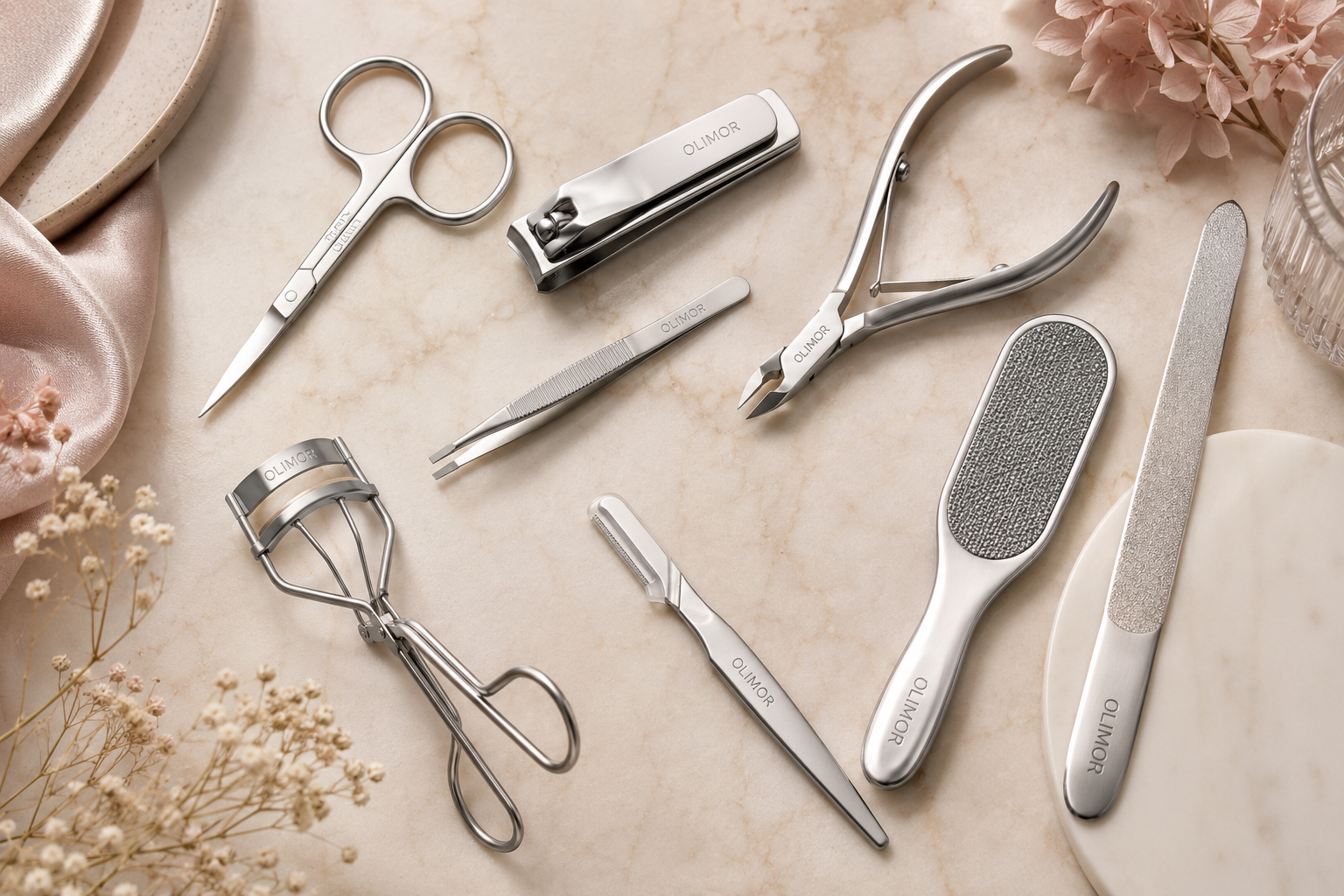
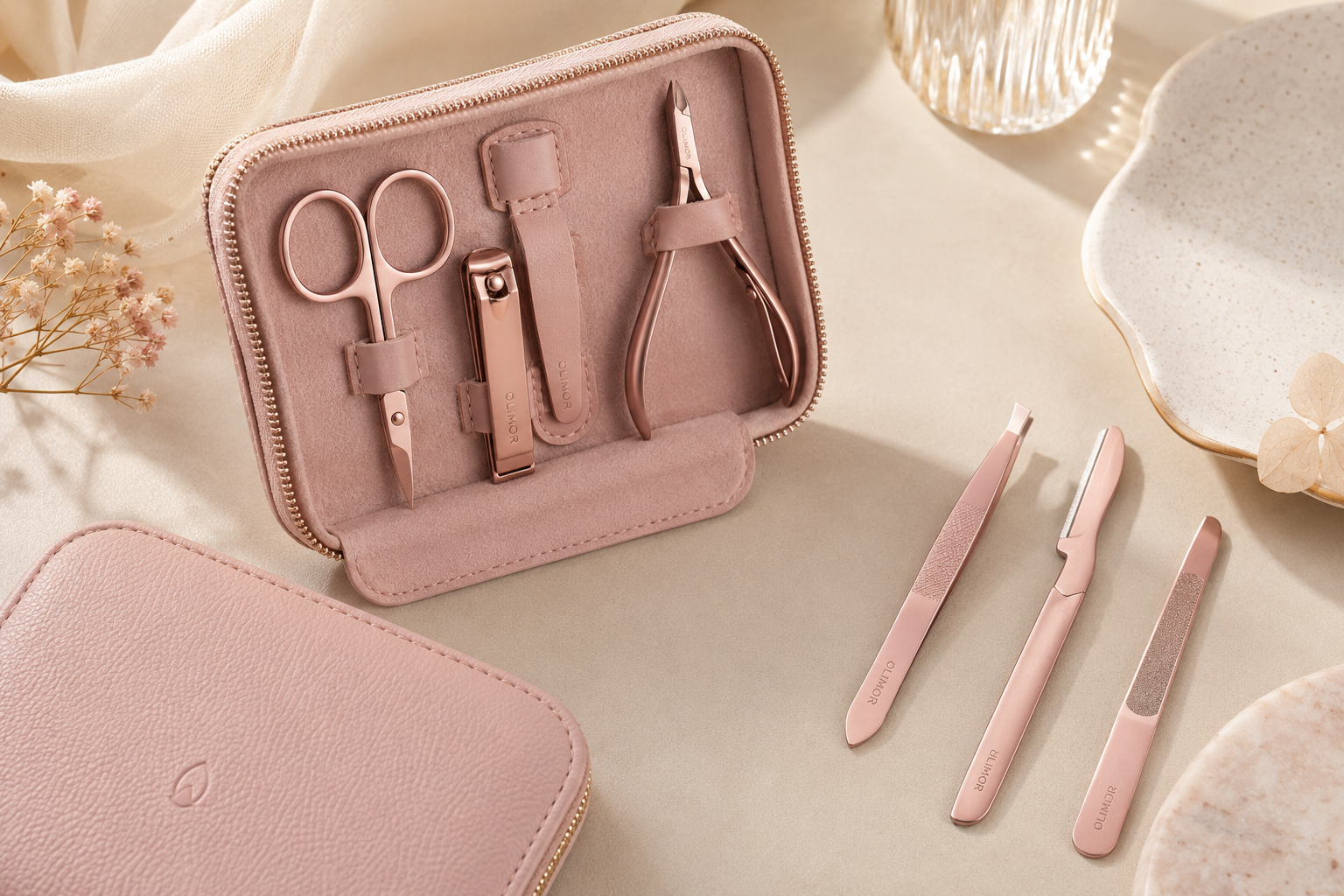
Olimor Beauty supplies beauty and personal care tools for professional buyers. The supplied product examples show the kinds of details wholesale customers often value: ergonomic stainless steel construction in the Luxe Exfoliating Foot File, and an ergonomic handle with a durable rose gold metallic plate in the Rose Gold Pedicure Foot File. Those details matter because they speak to handling, finish and the overall service experience rather than to short-term fashion alone.
For buyers building a broader assortment, it can help to review the full Olimor product range alongside related categories. If you are planning a coordinated assortment, the curated collections view can help you compare foot care items with other professional beauty tools. For custom sourcing questions, a direct inquiry is the fastest way to confirm what is available for your project.
Buyers who want a more consultative conversation can also contact the team to discuss product fit, packaging expectations and the practical details of a bulk order.
Supplier evaluation checklist for bulk foot files
When comparing suppliers, use a simple checklist rather than relying on catalogue images alone. This keeps the conversation focused on service fit and helps B2B buyers evaluate the real purchasing risk.
- Ask for a sample or pre-production unit before confirming the full order.
- Inspect the feel of the handle, the balance and the finish.
- Check whether the working surface suits your pedicure workflow.
- Confirm how the tools are packed for transport and warehouse handling.
- Review how customization, branding or retail packaging would be handled if needed.
- Clarify the supplier’s quality-check process and what happens if a unit arrives with a defect.
- Align the purchase with your cleaning, storage and replacement SOPs.
This kind of review is especially important for multi-location salons and distributors. A small inconsistency in one batch can become a larger operational issue when the same tool is used across many accounts.
Practical sourcing questions buyers ask
Before you place a foot files bulk purchase, it helps to settle a few common questions with the supplier. These are the issues that usually affect real-world buying decisions most.
- Can samples be provided? A sample helps you check grip, finish and service fit before scaling the order.
- What is the minimum order requirement? MOQ terms vary by supplier and may differ by customization choice.
- What customization is available? Private-label buyers often need help with branding, packaging or presentation details.
- What quality checks are performed? Ask how consistency, finishing and packaging condition are reviewed before shipment.
- How should lead time be planned? Confirm timing for sample approval, production, packing and delivery before you commit to a launch or restock.
These questions are useful because they focus on operational readiness rather than assumptions. A supplier that can answer them clearly is usually easier to work with across future reorders.
FAQ
Can I request samples before a bulk order?
Yes, and it is a sensible step. Samples let you assess grip, finish, balance and how the file fits your service workflow before you commit to a larger purchase.
What should I check during quality inspection?
Look at material consistency, handle comfort, edge finish, packaging condition and whether each unit feels uniform. If the order is for service use, also check that the tool fits your cleaning and storage process.
Can foot files be customized for private label use?
Customization depends on the supplier. Buyers should ask about branding, packaging and any available presentation options early in the sourcing process.
How do I choose the right MOQ and lead time?
Start with your forecast, storage space and launch schedule, then confirm the supplier’s minimum order requirement and production timing. Do not rely on assumptions; ask for written confirmation.
Final buying note
A well-chosen foot file should support technician control, client comfort and an organised hygiene workflow. For spas and distributors, the best bulk order is the one that stays consistent in service, easy to manage in stock and practical to reorder. If you are comparing options now, start with the sample, then use your inspection checklist, and only then scale the purchase.