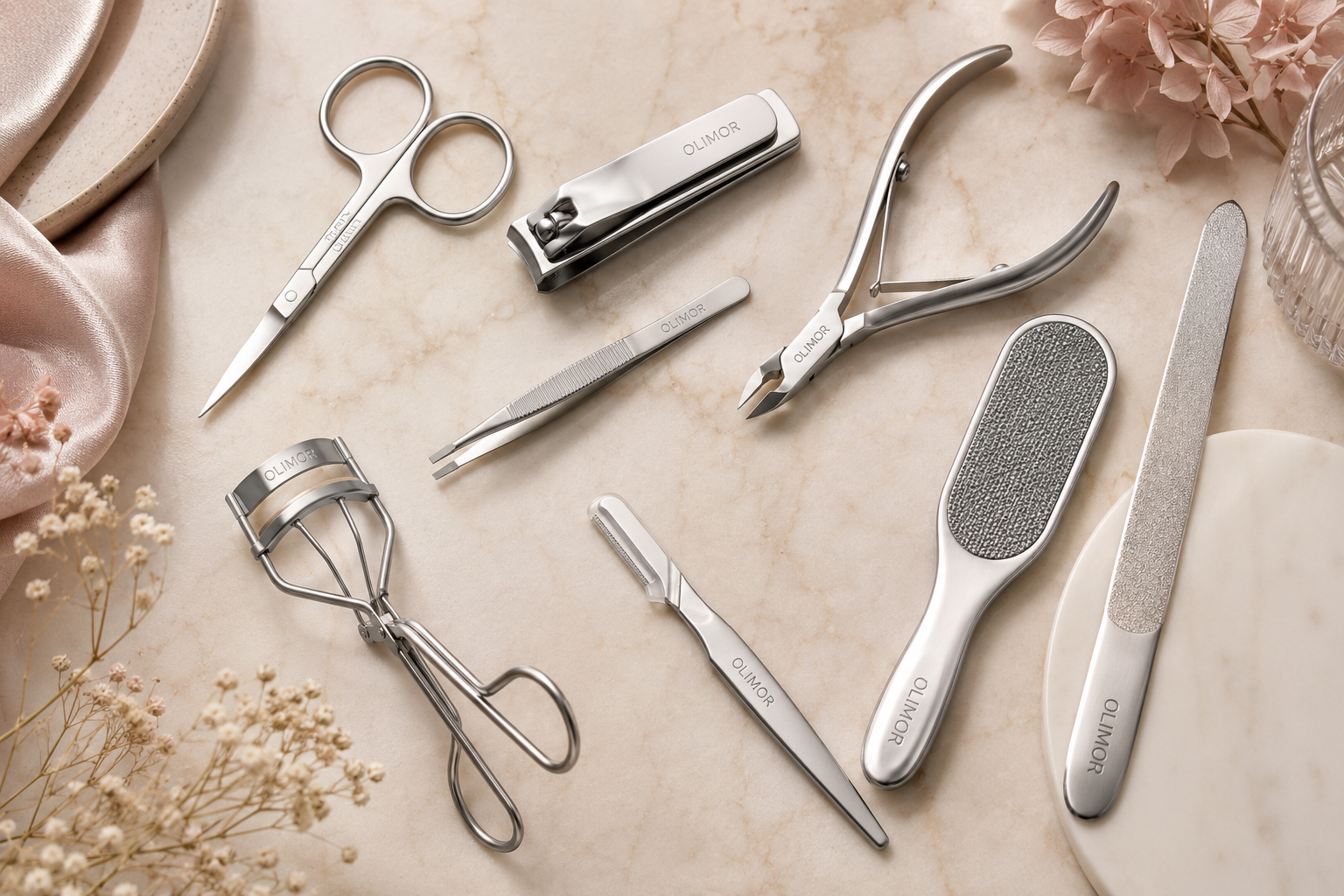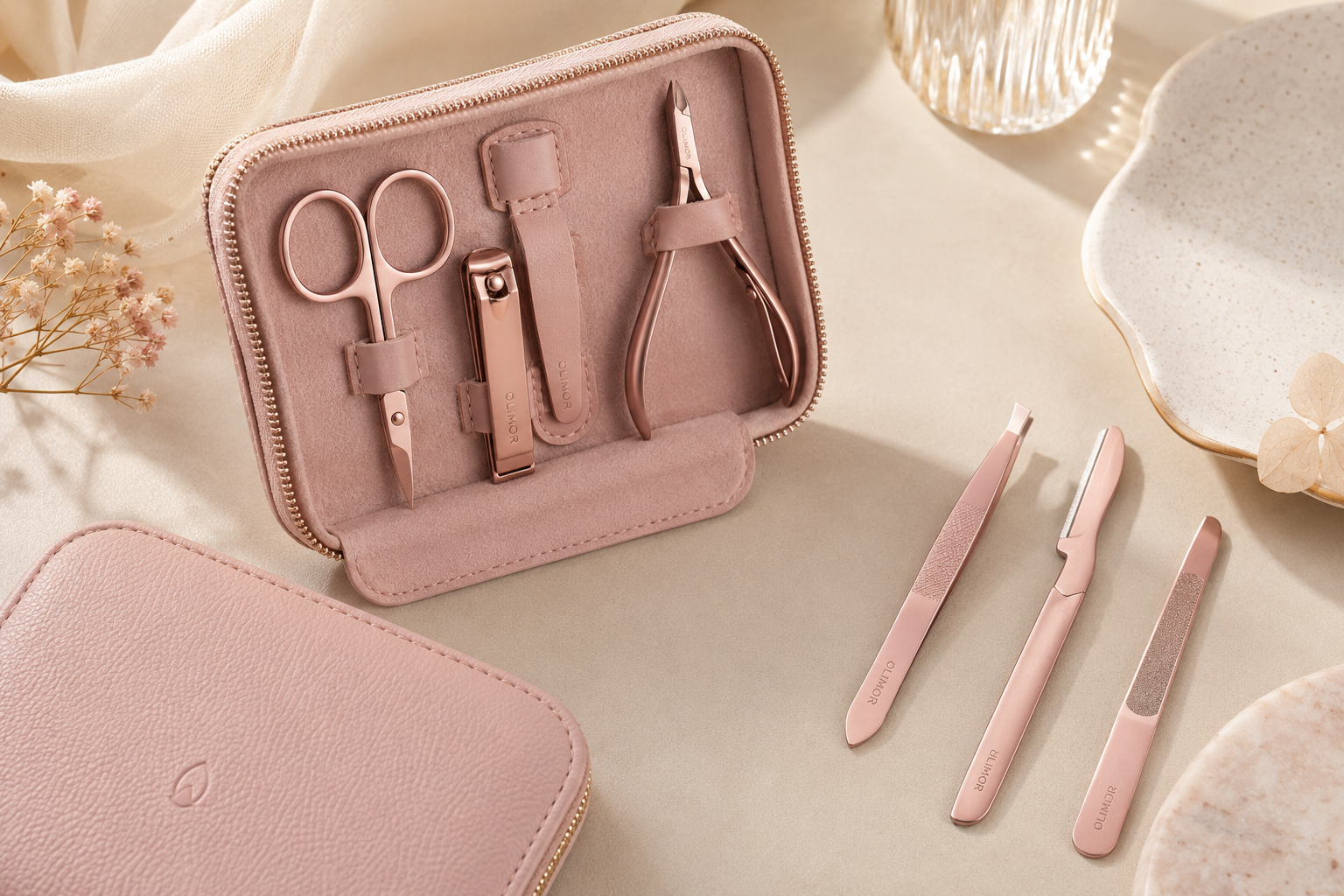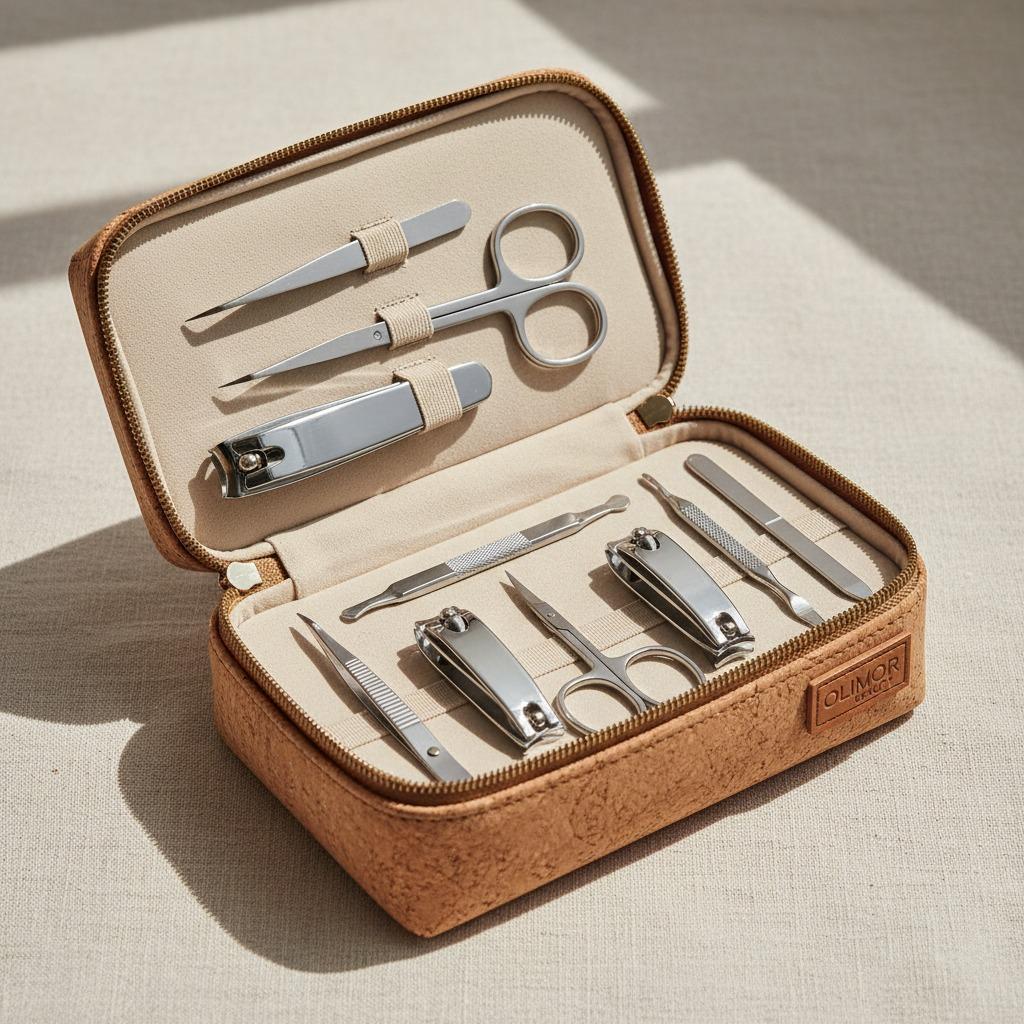
Finding a reliable tweezers supplier is not only a price comparison exercise. For retailers, beauty brands, grooming product distributors, and private label buyers, tweezers are small tools with very visible quality expectations. A poorly aligned tip, rough edge, weak grip, or inconsistent finish can quickly lead to returns and customer complaints. A well-made tweezer, on the other hand, feels precise from the first use and supports repeat sales across beauty, brow care, facial grooming, and men’s grooming categories.
Olimor Beauty is positioned for businesses looking for precision-engineered grooming tools and wholesale sourcing support. The company’s tweezers offering is relevant to buyers who want stainless steel tools, attention to tip alignment, internal quality control, and options such as custom logo tweezers for brand-building. If you are sourcing tweezers from China or comparing manufacturer-direct partners, the most important task is to evaluate whether the supplier can consistently deliver the same product quality across repeat orders.
Why Tweezers Quality Matters More Than It First Appears
Tweezers may look simple, but their performance depends on a series of details that are easy to overlook during sourcing. The two arms must close evenly, the tips must meet accurately, the tension must feel controlled, and the surface should be smooth enough for comfortable handling. These factors affect whether the tool can grip fine hairs cleanly without excessive pressure or slipping.
For beauty retail, the quality standard is shaped by the end user’s daily experience. Customers often use tweezers close to the eye area, for brow shaping, splinter removal, beard grooming, or detailed facial hair removal. That means the product must feel safe, precise, and durable. Inconsistent tools can damage a retailer’s reputation even when the unit cost is low.
When evaluating Olimor Beauty or any tweezers manufacturer, buyers should look beyond a catalog photo. Requesting samples, comparing closing tension, checking finish consistency, and reviewing packaging quality are practical steps before a larger order. A supplier that focuses on the manufacturing process can help reduce the risk of inconsistent batches and unclear expectations.
What to Look for in a Tweezers Manufacturer
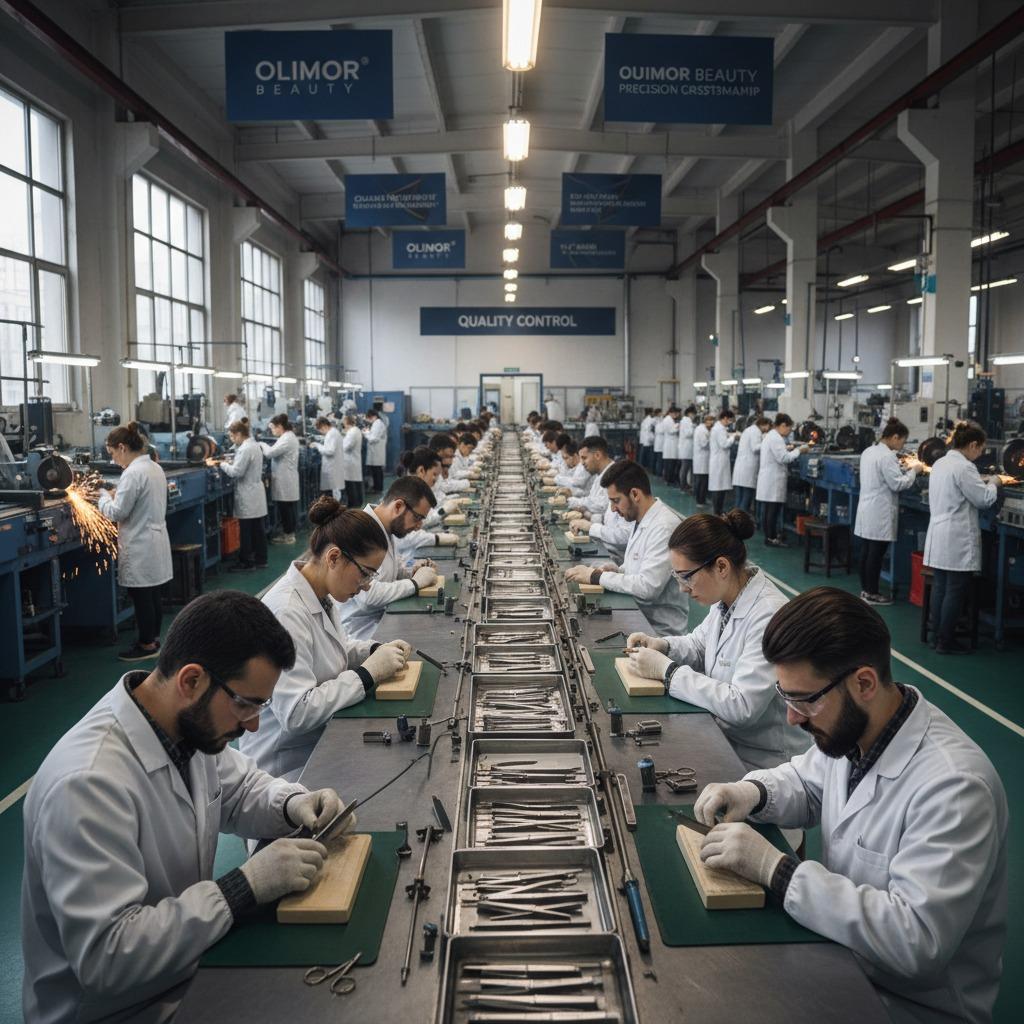
A strong tweezers supplier should be able to explain how product quality is controlled from raw material selection through final packaging. Olimor Beauty emphasizes strict internal quality control and inspections from raw materials to final packaging. That process is important because defects can occur at several stages: material inconsistency, shaping errors, poor alignment, surface imperfections, or packaging damage before shipment.
For stainless steel tweezers, material choice supports durability and cleanability. The supplied information identifies premium stainless steel in relation to Olimor Beauty’s tools, including the Sleek Precision Beard Tweezer. Buyers should still define expectations clearly for their intended market, because a tool for professional brow service, men’s grooming retail, or everyday personal care may require different packaging, finish, and presentation decisions.
- Tip alignment: The two tips should meet evenly without visible gaps or crossing.
- Grip performance: The tweezer should hold fine hairs securely with moderate pressure.
- Edge comfort: Surfaces should feel smooth and free from sharp, unfinished areas.
- Tension consistency: Opening and closing should feel balanced across multiple samples.
- Finish quality: The surface should match the approved sample and suit the retail positioning.
- Packaging readiness: Each piece should arrive protected, clean, and suitable for the selected sales channel.
These checks are simple, but they help buyers avoid the common mistake of selecting a supplier based only on the lowest initial quote. A reliable manufacturer should support repeatable product quality, not only a good first sample.
Wholesale Tweezers Buying: Questions That Protect Your Order
The tweezers wholesale market can be crowded, especially for companies importing from China. Many listings appear similar, but suppliers may differ in production control, customization support, communication, packaging options, and inspection discipline. Before confirming an order, it is useful to organize your sourcing questions by risk area.
| Buying area | What to verify | Why it matters |
|---|---|---|
| Product sample | Tip alignment, tension, finish, grip, and comfort | Confirms the tool performs as expected before bulk production |
| Material and finish | Stainless steel use, surface treatment, and visual consistency | Supports durability and a consistent retail presentation |
| Quality control | Inspection points from raw materials to final packaging | Reduces the chance of defects reaching customers |
| Customization | Logo placement, packaging artwork, and approval process | Helps private label buyers maintain brand identity |
| Repeat orders | Reference sample control and batch consistency | Keeps future shipments aligned with the approved product |
This kind of checklist is especially useful when comparing several suppliers. If you are reviewing Olimor Beauty’s broader range, start with the company’s beauty tool products and compare the tweezer style, use case, and presentation with your target customer. For assortment planning, you can also review product collections to understand how tweezers may fit with other grooming or beauty tools.
Custom Logo Tweezers for Private Label and Retail Brands
Custom logo tweezers can be valuable for businesses that want to build brand recognition instead of selling unbranded accessories. A logo on the tool, retail packaging, or both can help create a more cohesive beauty tool line. The original information notes that Olimor Beauty provides customization opportunities such as custom logo tweezers, which is especially relevant for private label buyers, gift set developers, beauty retailers, and grooming brands.
Before moving into logo production, buyers should decide where branding adds the most value. A subtle tool logo may work well for a premium grooming kit, while branded packaging may be more important for shelf display or online product photography. The decision should be guided by the customer journey: Will the customer first see the item on an ecommerce listing, in a retail display, inside a beauty kit, or as part of a subscription box?
To keep customization controlled, create a clear approval process. Confirm artwork dimensions, logo color, placement, packaging text, and sample approval before bulk production. For tweezers, even a small branding change can affect the overall look of the product, so it is important to review the actual sample rather than relying only on a digital mockup.
Evaluating the Sleek Precision Beard Tweezer Use Case
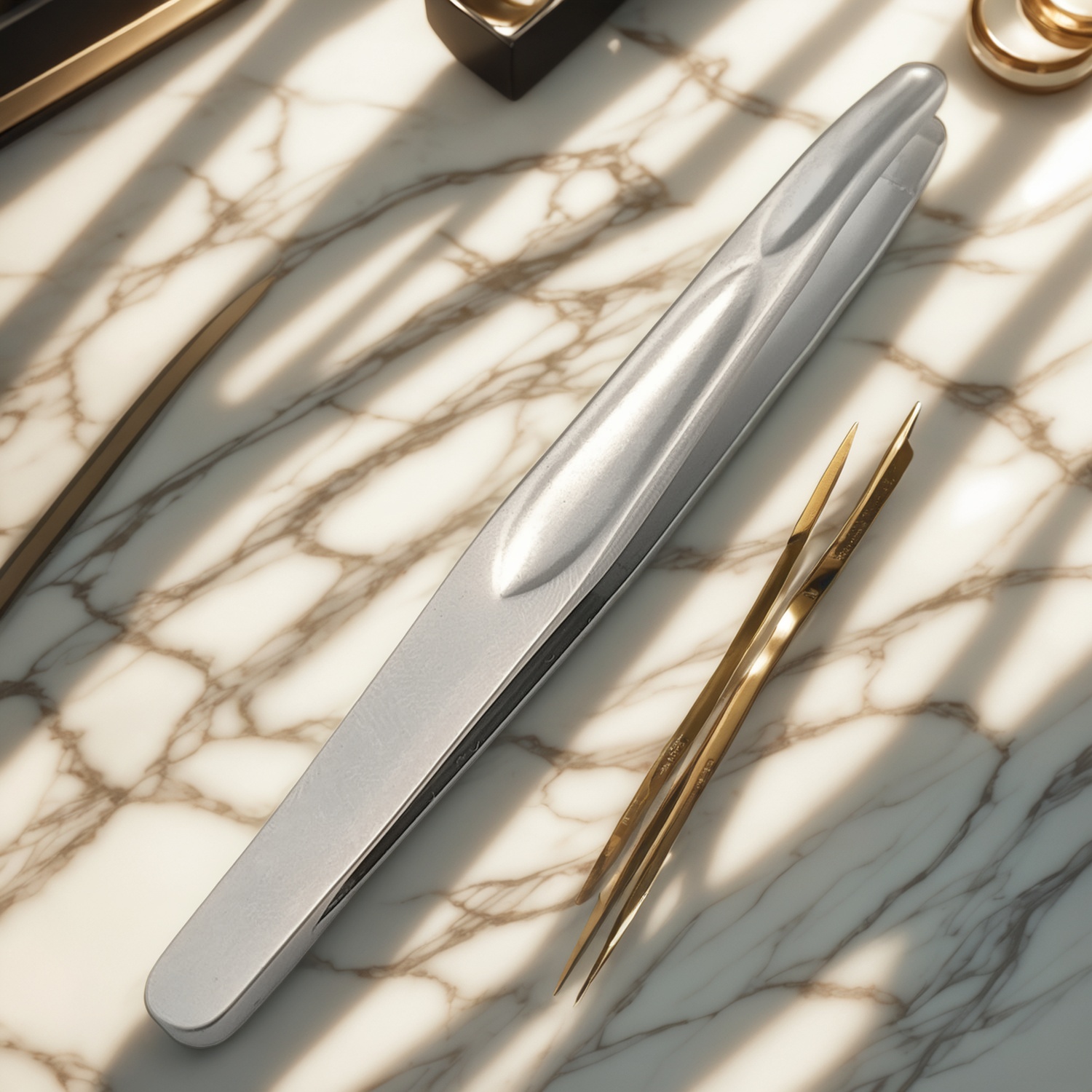
The supplied product information mentions the Sleek Precision Beard Tweezer, a useful example of how tweezers can serve a specific grooming audience. Beard and facial hair grooming requires a tool that can isolate short or fine hairs accurately. For this use case, tip alignment and ergonomic handling become particularly important, because the customer may be working on small areas and needs controlled grip.
Retailers selling to men’s grooming customers should consider how the product will be positioned. A beard tweezer may sit well in a grooming kit, travel care set, barbershop retail shelf, or online category focused on facial grooming accessories. Product pages should explain practical benefits clearly: precision, comfortable handling, stainless steel construction, and suitability for detailed grooming tasks. Avoid vague claims and focus on what the tool helps the customer do.
For buyers building a broader line, beard tweezers can complement nail tools, facial grooming tools, scissors, combs, or brow-care accessories. Consistent design and packaging across the range can make the assortment feel more professional, even when individual tools are compact and simple.
Inspection and Packaging: The Final Steps Before Shipment
Final packaging is not a minor detail in wholesale tweezers sourcing. A tweezer can be well made but still arrive with surface scratches, bent tips, loose packaging, or inconsistent presentation if the final handling process is weak. Olimor Beauty’s stated inspection approach, extending from raw materials to final packaging, is relevant because packaging is the last checkpoint before the product reaches a distributor, retailer, or end customer.
For ecommerce sellers, packaging should protect the tool during storage and fulfillment. For retail shelves, it should communicate the intended use clearly and present the product cleanly. For private label sets, packaging should be compatible with the rest of the line. In every channel, the approved sample should define the standard for both the tweezer and its presentation.
- Approve a physical pre-production or reference sample.
- Check tip alignment and grip performance on multiple units, not just one piece.
- Confirm logo placement, packaging artwork, and product labeling before production proceeds.
- Define acceptable appearance standards for finish, scratches, and packaging condition.
- Keep one approved sample for comparison when reviewing repeat orders.
These steps help buyers communicate expectations clearly and reduce avoidable disputes. They are also useful when working with a manufacturer-direct partner because both sides can use the approved sample as a practical benchmark.
When Olimor Beauty May Be the Right Supplier Fit
Olimor Beauty may be a strong fit for buyers who value manufacturer-direct communication, stainless steel grooming tools, internal quality control, and customization options. The company’s focus on precision-engineered tools and its ability to support custom logo tweezers make it relevant for beauty and grooming businesses that want more than a generic sourcing transaction.
The best fit is likely a buyer who already understands the intended sales channel and can define product expectations clearly. For example, a brow-focused beauty retailer may prioritize precision tip grip and clean packaging, while a men’s grooming brand may focus on ergonomic handling and a visual identity that matches beard care products. A distributor may care most about consistent repeat orders and reliable packaging for multiple retail partners.
If you are comparing suppliers, use Olimor Beauty’s product range as a starting point and then narrow your decision around samples, branding needs, and quality expectations. To discuss a sourcing project or clarify available options, you can contact Olimor. If you already know the product type and customization direction you need, you can also send an inquiry with your specifications and target use case.
Final Sourcing Advice for Tweezers Buyers
A reliable tweezers supplier should help you protect your customer experience. The right decision balances material quality, precision, inspection, branding options, packaging, and repeat-order consistency. Olimor Beauty’s emphasis on premium stainless steel tools, aligned tips, ergonomic design, internal inspections, and custom logo support gives buyers several useful factors to evaluate when sourcing tweezers for beauty or grooming retail.
Before placing a larger wholesale order, define the customer, use case, finish, packaging, and branding requirements. Then use physical samples to confirm that the product performs the way your market expects. With a clear checklist and a supplier focused on consistent manufacturing, tweezers can become a dependable part of a beauty tool assortment rather than a low-cost accessory with unpredictable quality.