










Choosing a nail clippers supplier is not only a purchasing decision. For retailers, salons, spas, grooming brands, and distributors, it affects customer satisfaction, repeat sales, product returns, and brand reputation. A nail clipper is small, but users immediately notice when the blades feel dull, the lever bends, the grip slips, or the cutting edge leaves a rough nail edge. That is why supplier evaluation should focus on practical performance, consistency, and the ability to support your business needs over time.
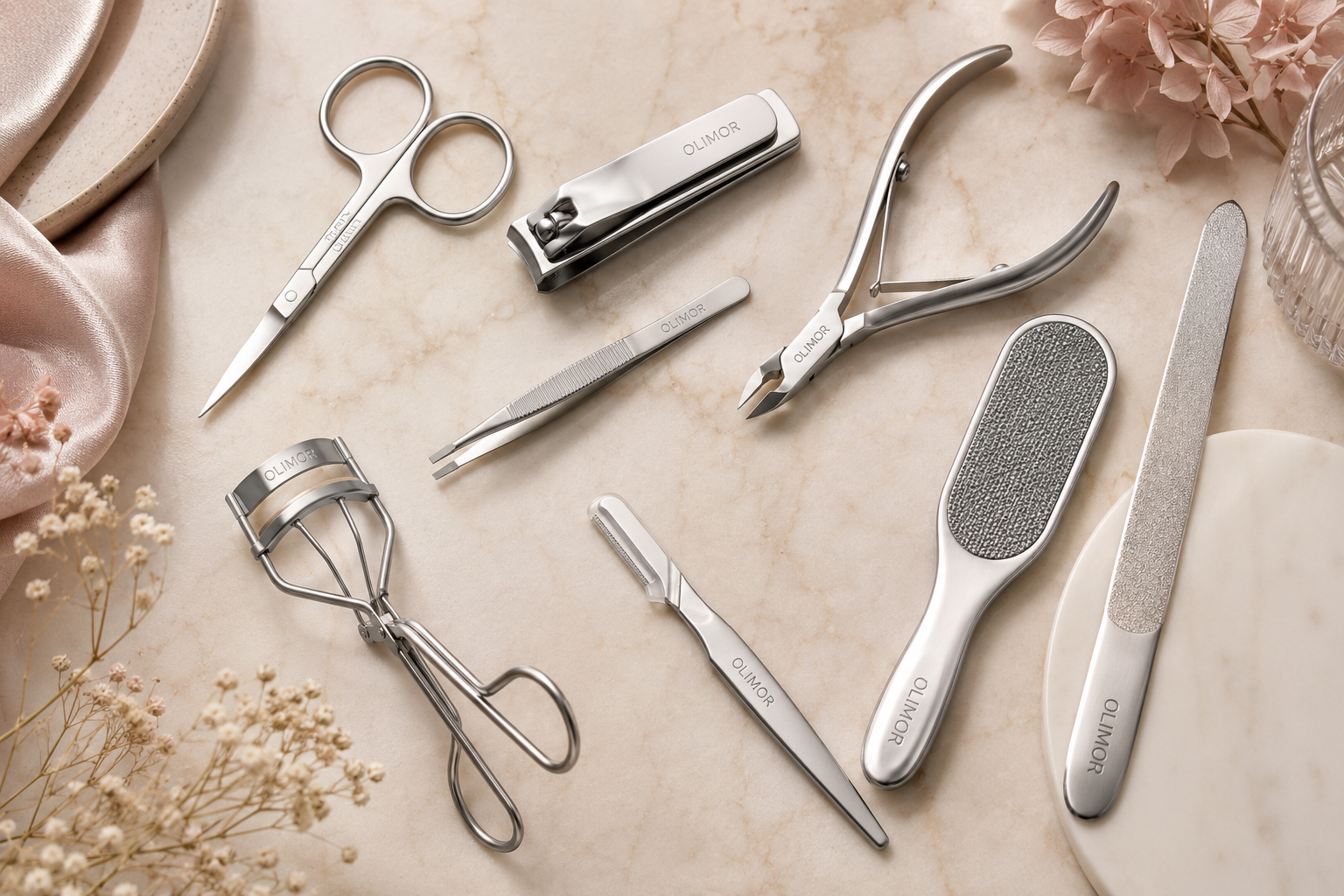
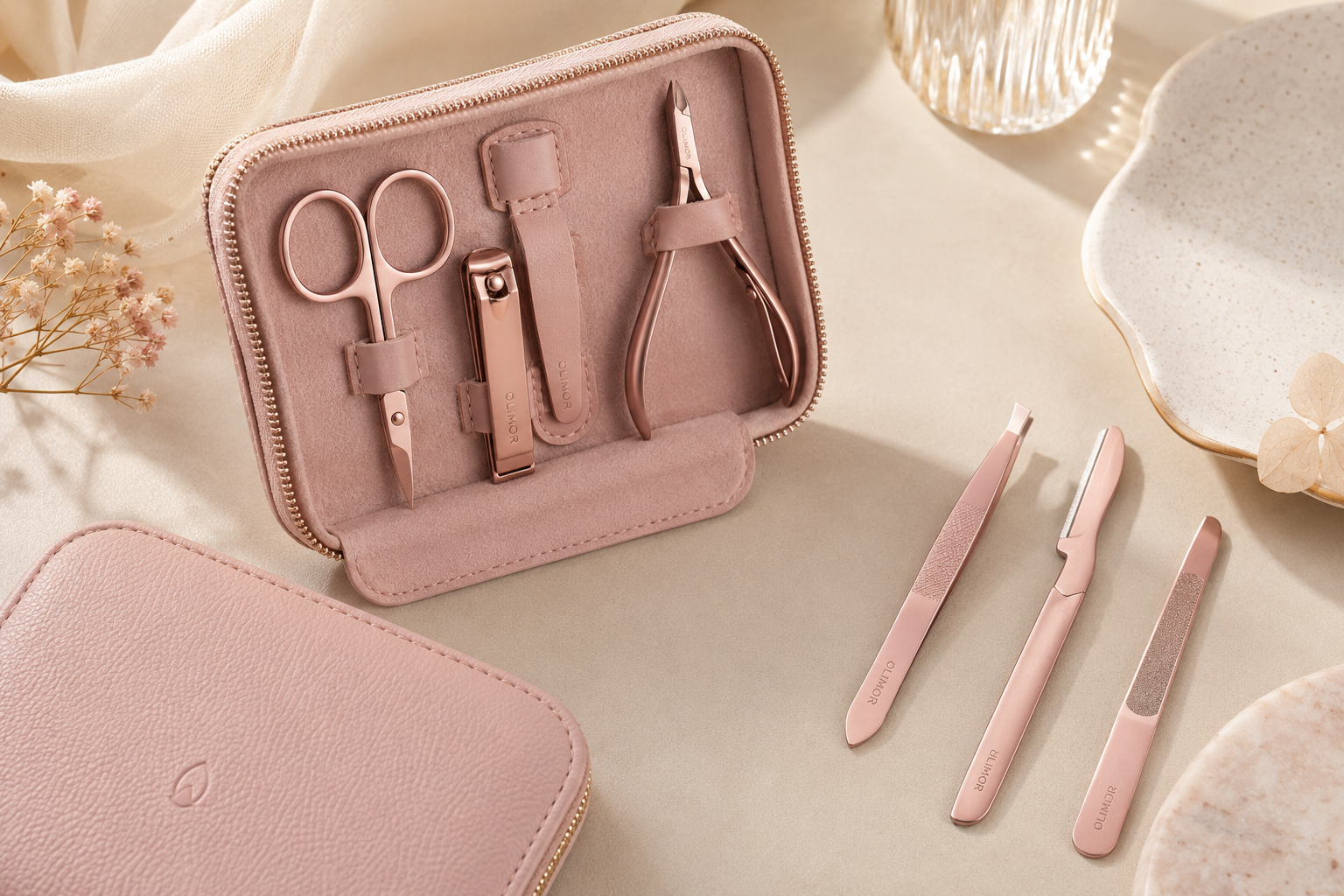
The best sourcing approach is to compare nail clippers as both a personal care tool and a commercial product. Buyers need to consider cutting precision, hand comfort, visual finish, packaging readiness, inspection standards, and whether the supplier can communicate clearly before and after an order. Olimor Beauty works in the beauty tools category, and buyers can browse related beauty tool products to understand how nail clippers fit into a broader grooming selection.
Start with the Intended User and Sales Channel
Before comparing factories or wholesale offers, define where the nail clippers will be sold and how they will be used. A clipper for a professional manicure station may be evaluated differently from a compact item sold through retail shelves, online bundles, travel grooming kits, or promotional beauty sets. The end user influences the ideal size, grip, appearance, packaging, and price positioning.
Professional buyers often need a tool that feels stable in repeated daily use. Retailers may give equal attention to shelf appearance, finish consistency, and consumer-friendly packaging. E-commerce sellers need clear product information, dependable product photography, and low variation between units because buyers cannot inspect the tool before purchase. If the clipper will be included in a grooming kit, its dimensions and finish should coordinate with the other tools in the set.
When reviewing a potential nail clipper manufacturer, prepare a short use-case profile. Include the target buyer, expected order type, packaging format, quality level, and any design preferences. This helps keep comparisons objective and avoids selecting a product only because it looks good in a sample photo.
Key Product Details Buyers Should Inspect
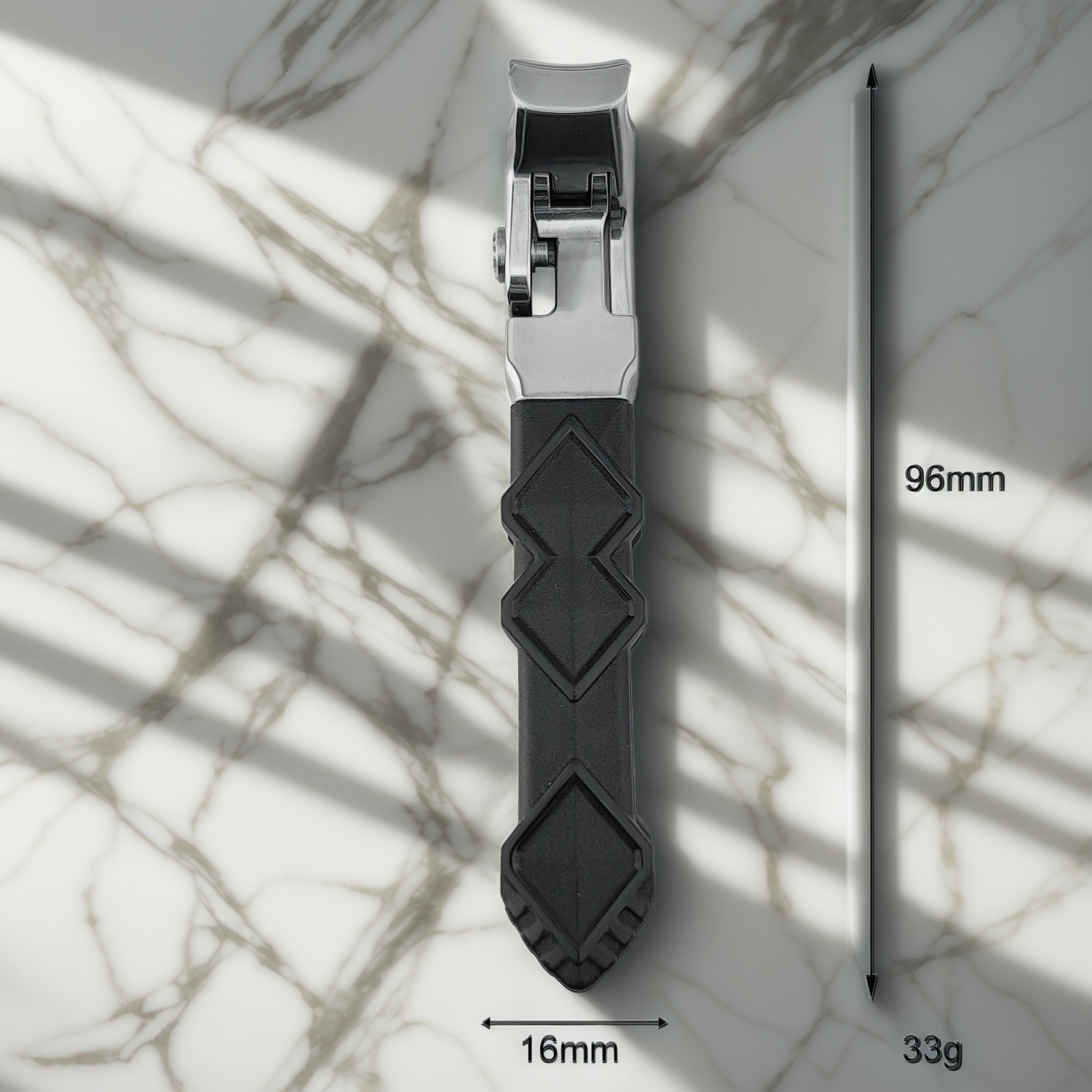
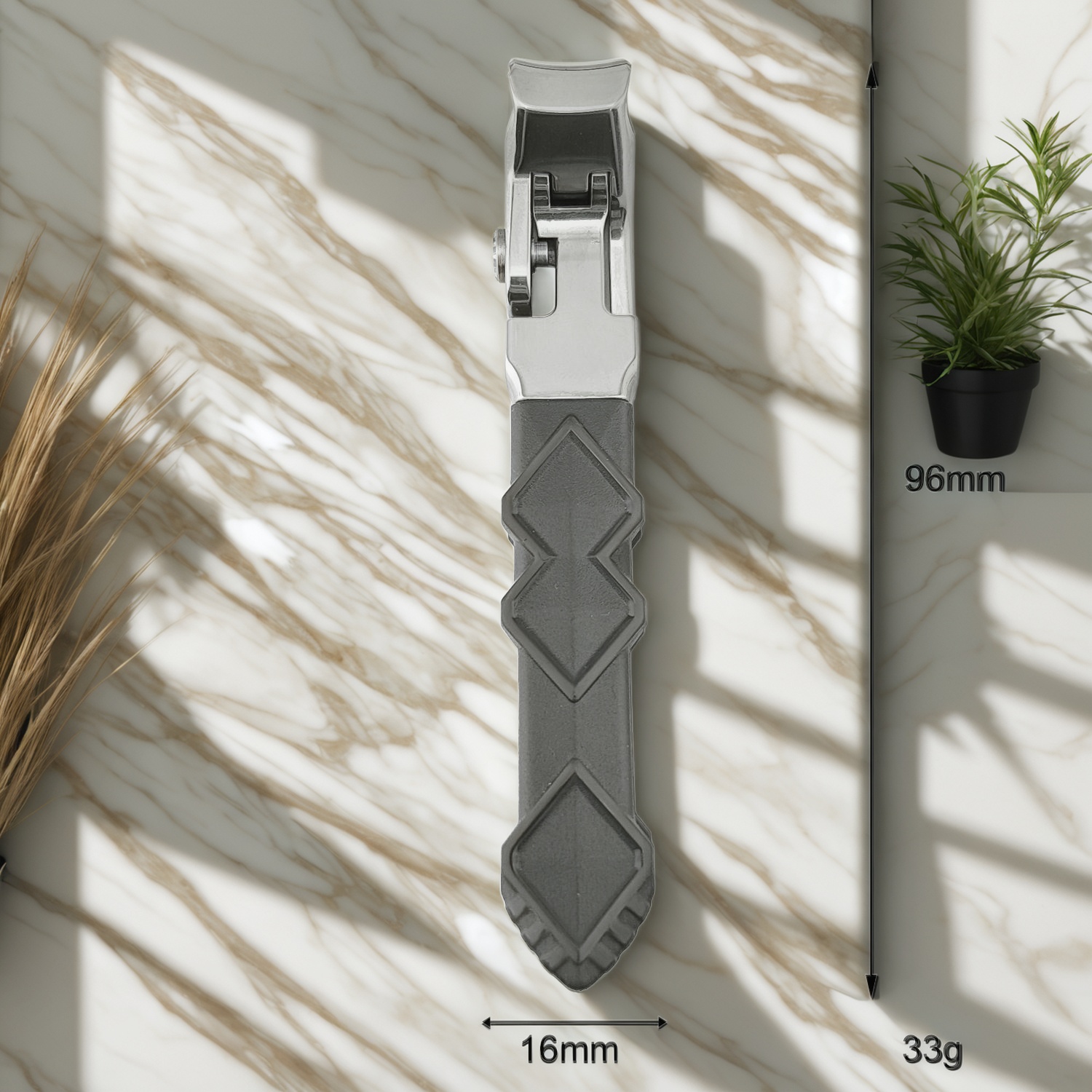
A reliable nail clipper should cut cleanly, feel controlled in the hand, and maintain its appearance through normal handling. The supplied product description highlights several details that are especially relevant for sourcing: stainless steel construction, a lightweight 33 gram body, a 96 mm by 16 mm size, a non-slip geometric grip, and a black matte finish. These features provide a useful starting point for evaluation because they connect both performance and presentation.
Stainless steel is commonly valued in grooming tools because it supports a clean, durable cutting surface. However, buyers should still inspect the actual sample rather than relying only on a material statement. Blade alignment, cutting pressure, and edge smoothness determine whether the tool feels professional. The 96 mm by 16 mm size suggests a clipper designed for comfortable handling, while the 33 gram weight can be suitable for buyers who want a tool that feels easy to control without being bulky. A non-slip geometric grip is particularly useful because nail trimming often requires small, precise movements.
- Cutting edge: Check whether the blades meet evenly from corner to corner and cut without crushing the nail.
- Lever action: Press the lever repeatedly to evaluate spring feel, stability, and whether the motion remains smooth.
- Grip security: A textured or geometric grip should reduce slipping without feeling sharp or uncomfortable.
- Finish quality: A black matte finish should appear even, with no obvious scratches, chips, or inconsistent coating.
- Size and weight: Confirm that the clipper feels balanced for the target user and intended application.
Quality Control Matters More Than a Single Good Sample
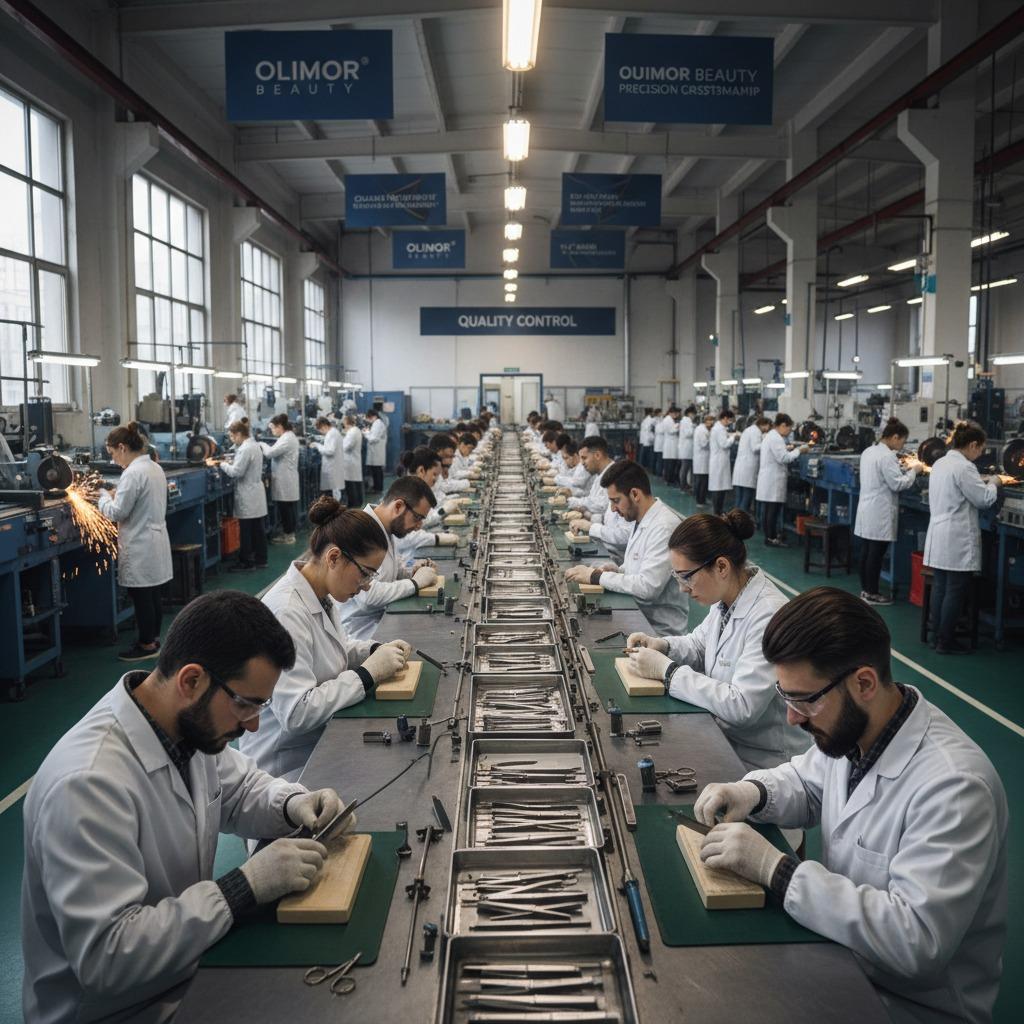
A sample can show what a supplier is capable of, but consistent production shows whether the supplier is commercially reliable. When sourcing wholesale nail clippers, buyers should evaluate how the manufacturer checks raw materials, semi-finished components, final assembly, surface finish, and packaging. The original product information states that Olimor Beauty applies internal quality control from raw material inspection to final packaging. For buyers, the important point is to understand how those checks reduce variation in real orders.
Quality control for nail clippers should cover both function and appearance. Function checks may include blade alignment, cutting performance, lever movement, and structural stability. Appearance checks may include surface scratches, coating uniformity, logo placement if applicable, packaging condition, and cleanliness. A small defect can create a poor user experience because a nail clipper is held closely in the hand and used near the body.
Buyers should also consider how the supplier handles inspection communication. Clear pre-shipment photos, agreed sample standards, and documented packing requirements can prevent misunderstandings. If your business requires special packaging, barcode placement, or assortment planning, discuss those requirements early through send an inquiry so the supplier can evaluate the request before production planning begins.
Comparing Wholesale Nail Clippers Without Relying Only on Price
Wholesale pricing is important, but the lowest offer may not produce the best total cost. A cheaper nail clipper that causes returns, negative reviews, or inconsistent customer feedback can cost more than a better-made option. Instead of comparing price alone, review the complete value of the offer: product reliability, packaging suitability, communication speed, sample accuracy, and consistency from order to order.
The following comparison table can help buyers organize supplier evaluation without overcomplicating the process:
| Evaluation Area | What to Check | Why It Matters |
|---|---|---|
| Cutting performance | Blade alignment, cutting pressure, smooth nail edge | Directly affects user satisfaction and repeat purchase potential |
| Ergonomics | Grip shape, lever comfort, size, weight | Helps users trim nails with control and less slipping |
| Surface finish | Matte coating consistency, scratches, edge finishing | Supports retail presentation and perceived quality |
| Quality control | Inspection stages and defect handling process | Reduces variation between samples and bulk shipments |
| Supplier support | Response clarity, packaging discussion, order documentation | Makes sourcing smoother for retailers, salons, and distributors |
This framework is especially useful when several suppliers offer similar-looking products. Two black matte clippers can look alike in photos, yet differ greatly in blade sharpness, lever feel, and finish durability. A structured review gives purchasing teams a repeatable method for making decisions.
Packaging, Presentation, and Assortment Planning
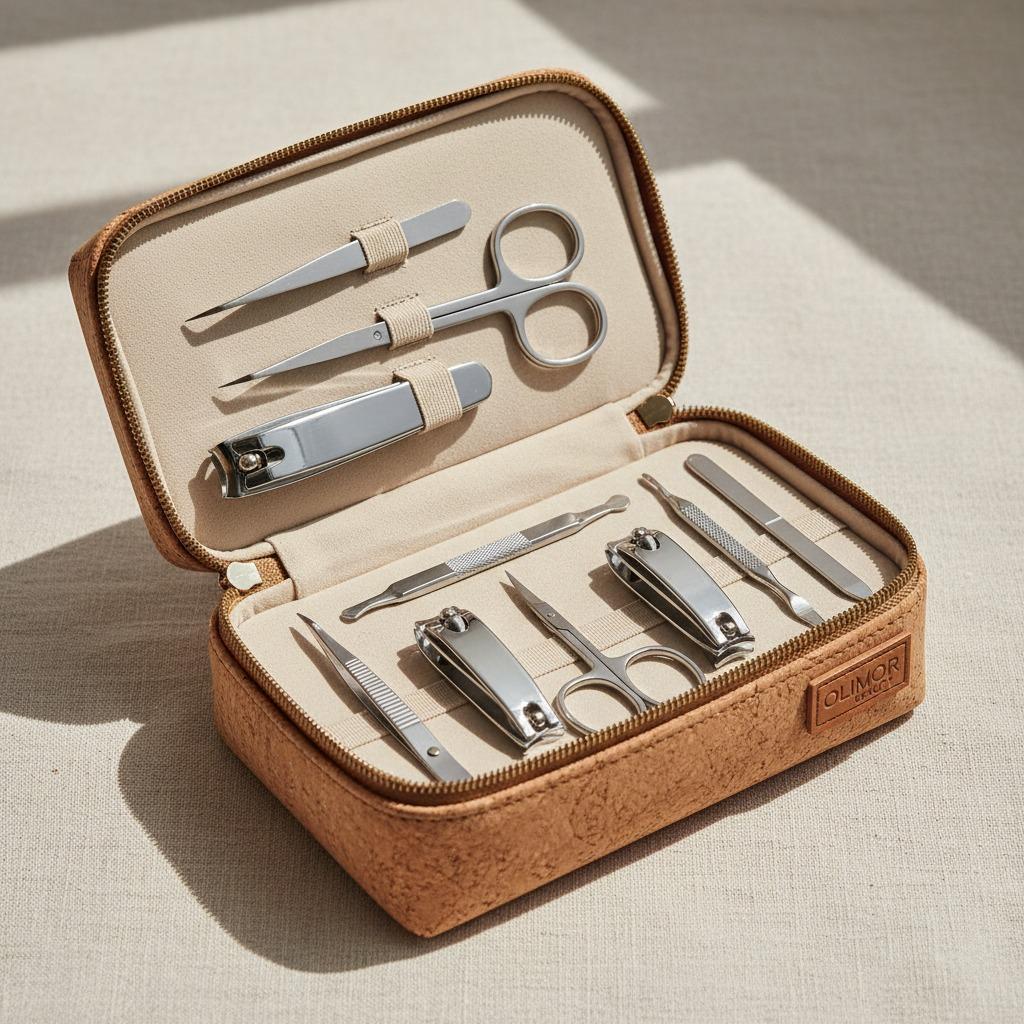
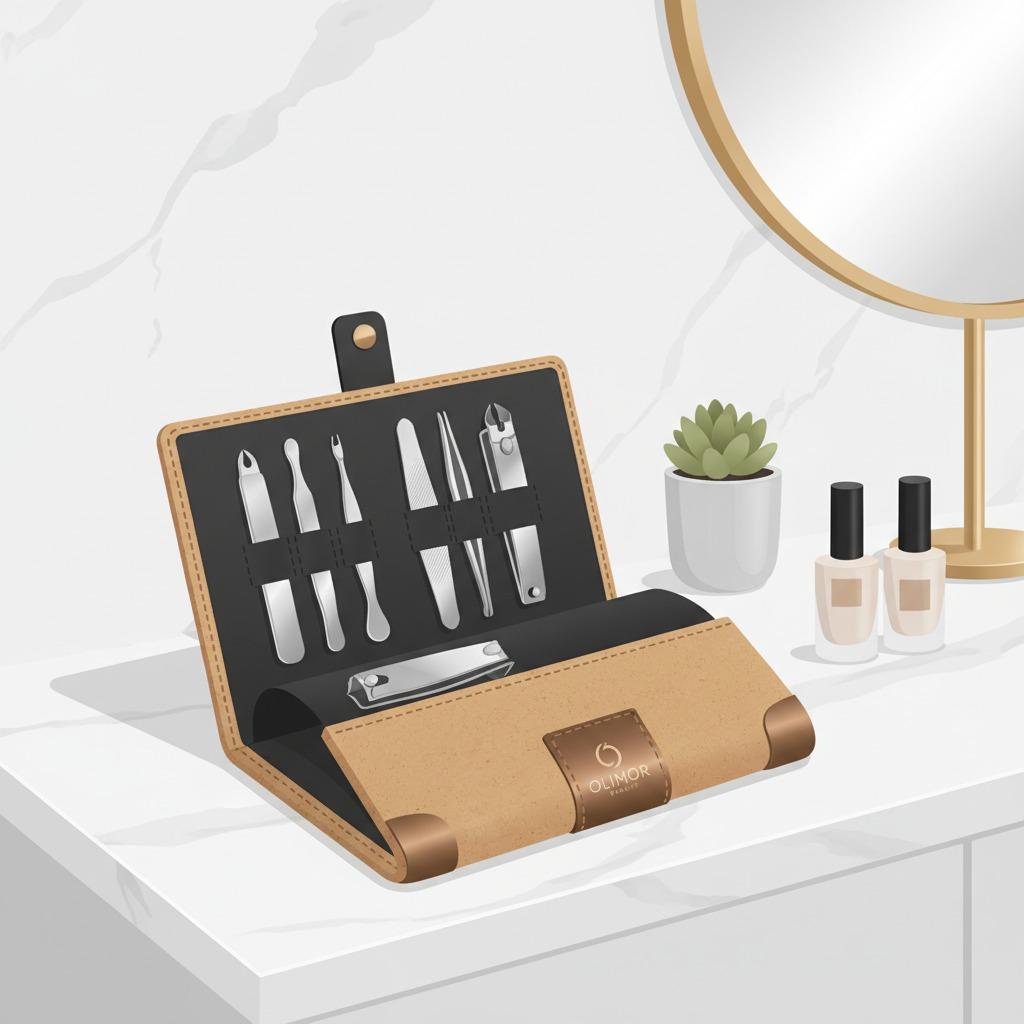
For wholesale nail clippers, packaging should match the sales channel. A professional salon may prefer practical packaging that keeps tools clean and easy to store. Retail shelves may require stronger visual impact, clear product description, and protection against handling. Online sellers often need packaging that photographs well and survives shipping. If the clipper is part of a kit, consistent finish and size coordination become important.
Because the described clipper has a black matte finish and non-slip geometric grip, it may suit buyers looking for a modern, minimal appearance rather than a bright decorative tool. The finish can also coordinate with other grooming accessories in a set. Buyers can review Olimor Beauty product collections to consider whether a nail clipper should be sold alone, bundled with other grooming tools, or positioned as part of a broader personal care range.
Good packaging planning also reduces operational issues. Confirm carton information, inner packing arrangement, product protection, and labeling needs before approving an order. If you sell across multiple channels, think about whether one packaging format can serve all channels or whether separate formats are needed. These decisions are easier to finalize before production than after goods are ready to ship.
Maintenance Information That Helps End Users
A useful supplier does more than provide a product; it also helps buyers communicate correct use and care to customers. Nail clippers last longer when users keep them clean, dry, and properly stored. Retailers and professional users can include simple maintenance guidance in product pages, instruction inserts, or customer service responses.
- Wipe the clipper after use to remove nail dust and residue.
- Keep the tool dry before storage, especially around the blade and lever area.
- Avoid using nail clippers on materials other than nails, as this can damage the cutting edge.
- Store the clipper away from loose heavy items that may scratch the finish or affect alignment.
- Inspect the cutting edge periodically and replace the tool if it no longer cuts cleanly.
These care points are simple, but they help preserve the user experience and reduce complaints caused by misuse or poor storage. For professional environments, hygiene routines should also follow the operator’s own service standards and local requirements.
Questions to Clarify Before Choosing a Nail Clipper Manufacturer
Once the product appears suitable, buyers should move from general interest to specific confirmation. The goal is not to create unnecessary paperwork, but to make sure both sides understand the expected product, packaging, and quality level. Clear communication is especially important when sourcing for retail brands, salons, spas, or distribution networks where consistency matters.
- Can the supplier provide a sample that represents the expected bulk order?
- What inspection steps are used for blade alignment, lever function, surface finish, and packaging?
- Are the stated dimensions and weight suitable for your target users and packaging design?
- How will the product be packed to protect the matte finish during transit?
- What information should appear on retail packaging, inserts, or outer cartons?
- How are product images, descriptions, and order details confirmed before production?
If your team is comparing several grooming tools or planning a custom buying program, it is helpful to contact Olimor with your channel, target market, and product requirements. A concise brief allows the conversation to focus on practical fit rather than generic product claims.
Building a Long-Term Supplier Relationship
The right nail clippers supplier should support more than one transaction. Over time, a good relationship helps buyers improve assortments, maintain consistent quality, and respond to customer feedback. Keep records of approved samples, packaging instructions, inspection expectations, and previous order notes. These records make repeat sourcing easier and reduce the risk of inconsistent shipments.
For buyers building a grooming category, nail clippers can be a dependable core item when they are selected carefully. The product is compact, frequently used, and easy for customers to understand. However, because it is so familiar, users quickly recognize poor performance. Selecting a supplier with attention to stainless steel construction, ergonomic handling, non-slip grip design, finish quality, and internal quality control gives your business a stronger foundation.
Whether you are sourcing for retail shelves, professional grooming services, online sales, or beauty tool sets, evaluate nail clippers with the same discipline you would apply to larger products. A reliable clipper should cut cleanly, feel comfortable, look consistent, and arrive in packaging suited to your market. When these details align, wholesale nail clippers can become a practical, repeatable addition to your beauty tool offering.