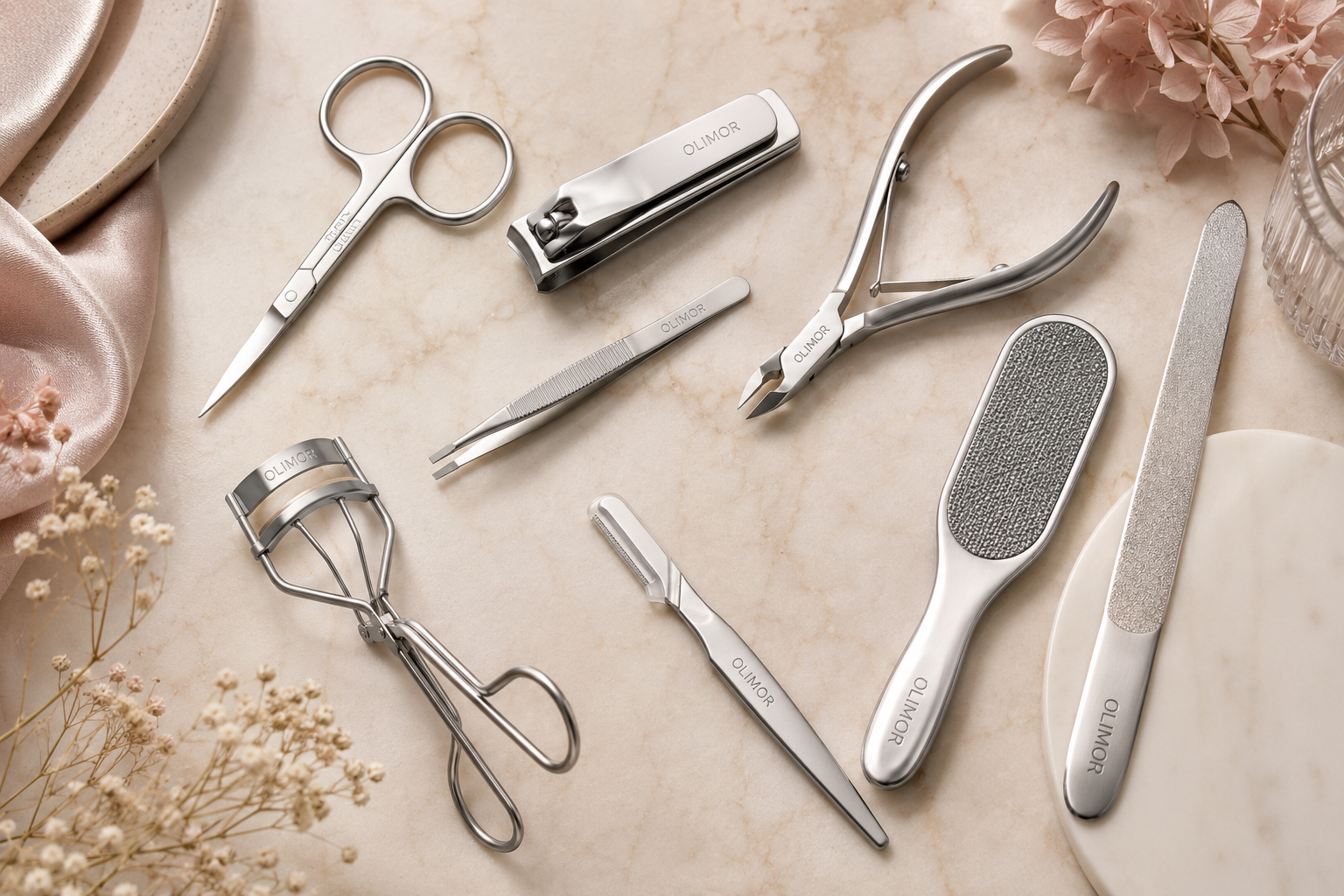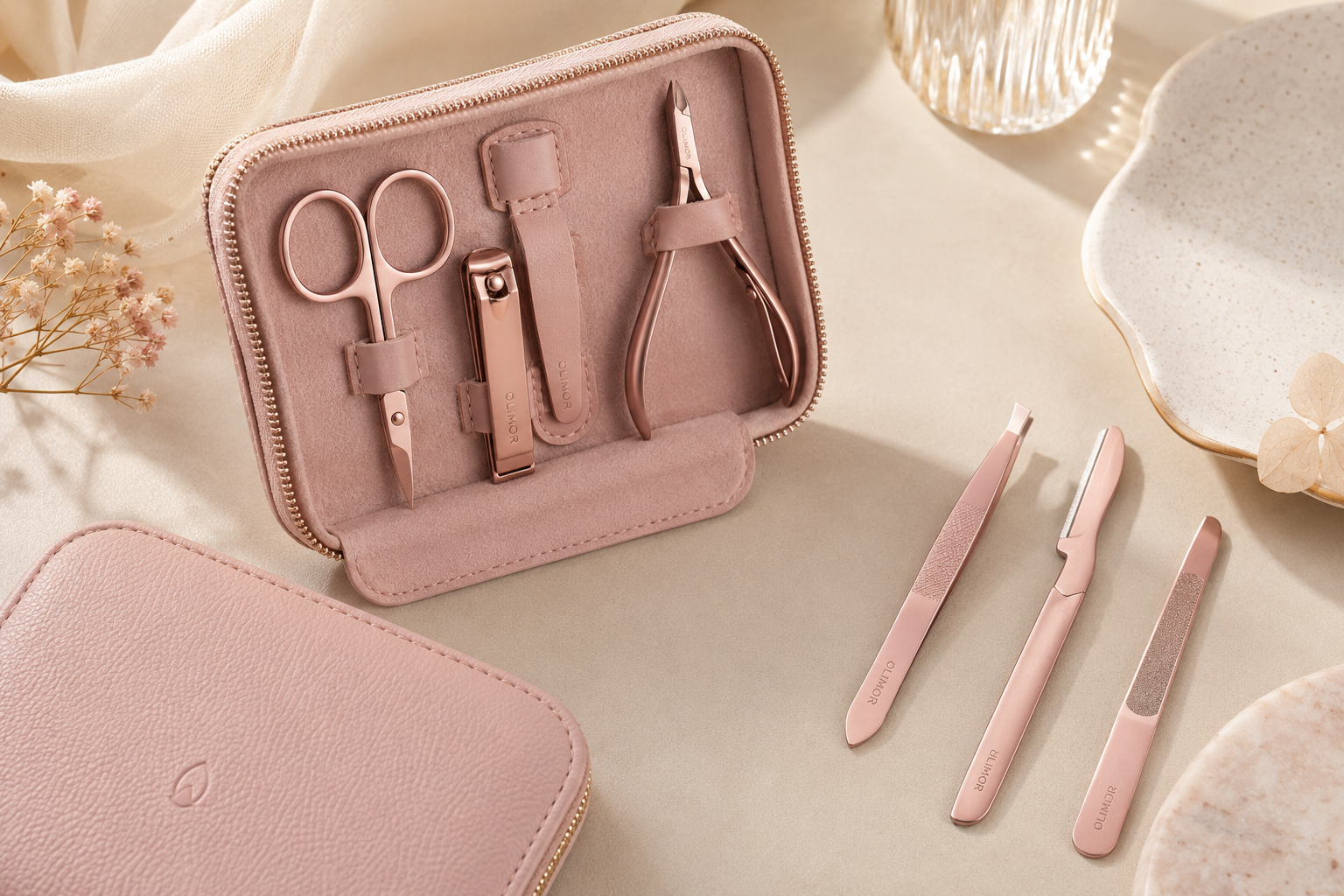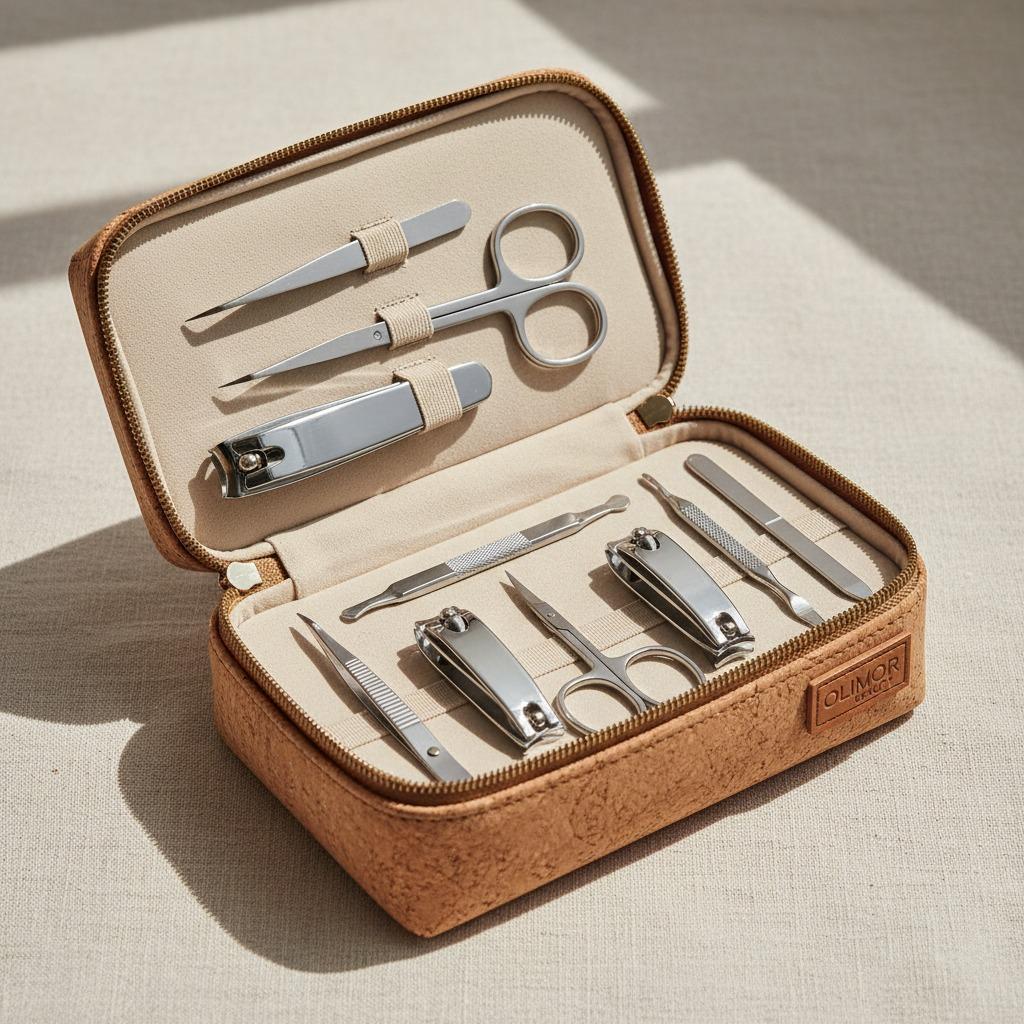
A nail clipper is a small grooming tool, but the wrong one can leave nails uneven, split the edge, or make trimming thicker toenails harder than it needs to be. The right clipper should cut cleanly, feel stable in the hand, and suit the type of nail care you do most often. For personal users, salon buyers, travel kit brands, and retailers building a grooming range, choosing a nail clipper is less about appearance alone and more about blade alignment, leverage, grip, hygiene, and packaging suitability.
Olimor Beauty supplies beauty and personal care tools for daily grooming needs, including nail clippers designed for practical trimming. If you are comparing nail care items as part of a larger assortment, you can also browse related beauty tool products or review wider product collections to plan a complete grooming set.
What a Good Nail Clipper Needs to Do
A useful nail clipper should remove nail length with controlled pressure and minimal tearing. When the blades meet evenly, the cut is more predictable. When the lever feels firm and comfortable, the user needs less force. These details matter because nails vary: fingernails are usually thinner and easier to shape, while toenails can be thicker, flatter, or more difficult to reach.
For everyday personal grooming, the best clipper is usually the one that encourages careful, regular trimming. It should be easy to hold, simple to clean, and small enough to store safely without becoming dull from contact with other metal tools. Stainless steel construction is commonly chosen for nail clippers because it suits repeated grooming use and can support a clean, durable cutting edge. The original Olimor Beauty nail clipper article also highlights stainless steel, ergonomic handles, non-slip grips, and rust-resistant materials as important design considerations.
Key Selection Criteria Before You Buy
Before choosing a nail clipper for home use, retail sale, or inclusion in a manicure kit, compare the practical details below. These are more useful than judging by size or finish alone:
- Blade alignment: The two cutting edges should meet evenly from side to side. Poor alignment can bend or crush the nail instead of cutting it cleanly.
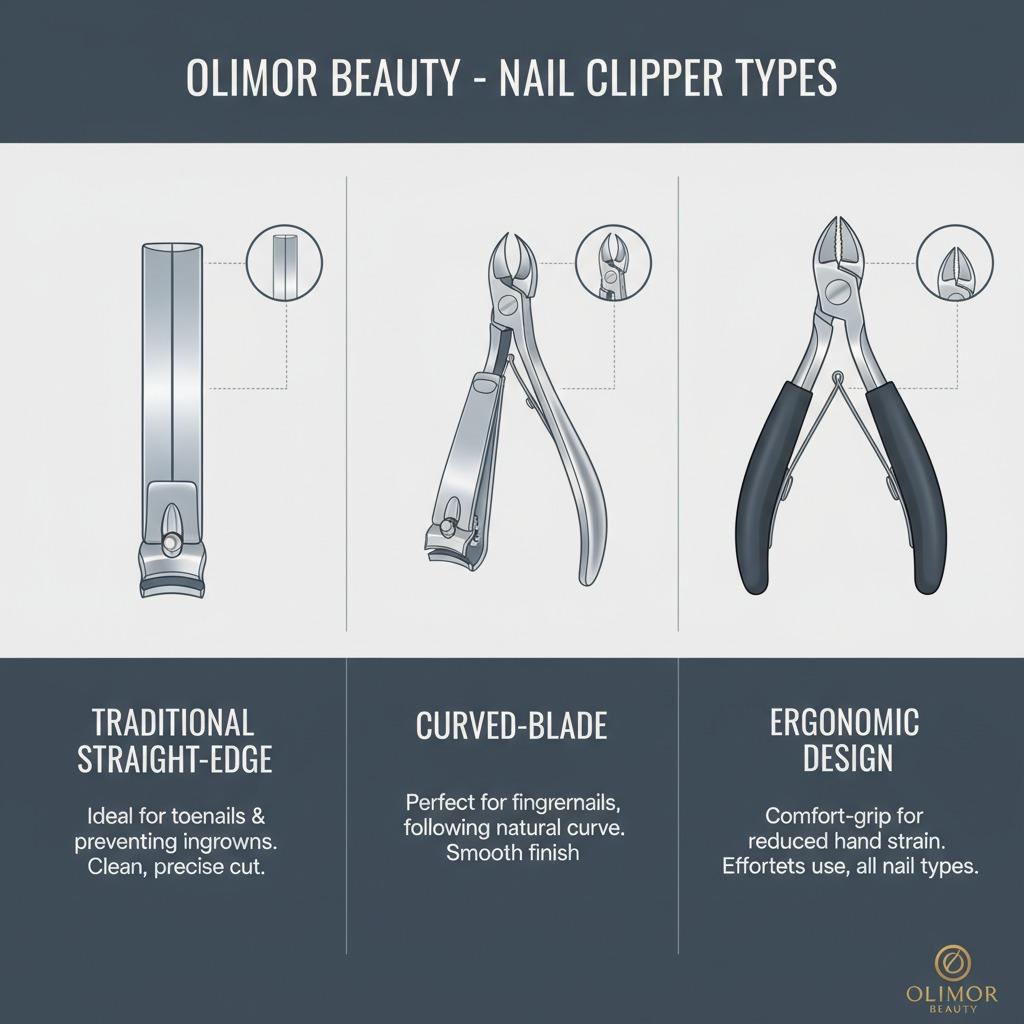
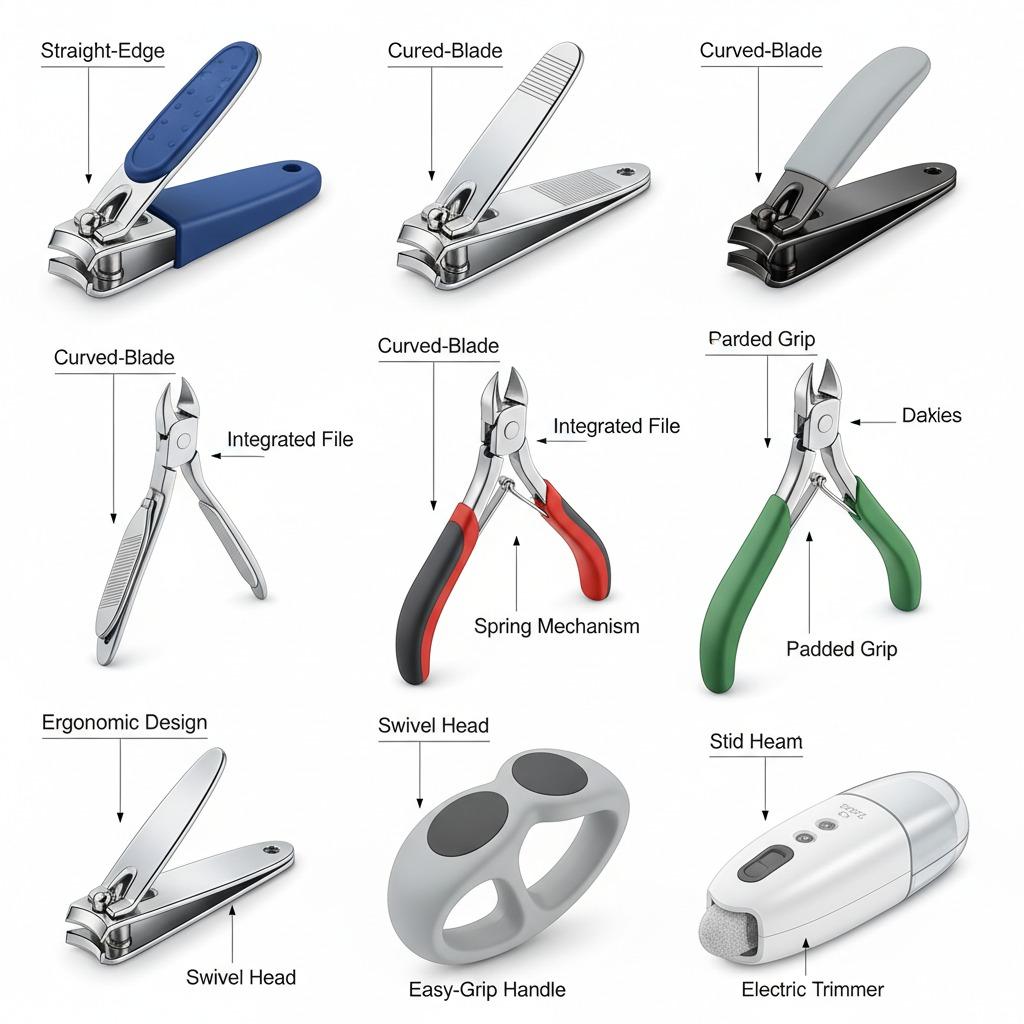
- Blade shape: Curved blades follow the natural arc of many fingernails, while straighter edges can be useful when trimming toenails across to reduce the chance of cutting too deeply into the corners.
- Leverage: A longer or firmer lever can make trimming thicker nails easier. Very compact clippers are convenient, but may require more pressure.
- Grip comfort: A non-slip or textured handle helps the user keep the clipper stable, especially after washing hands or when trimming at an awkward angle.
- Edge smoothness: The clipper should leave an edge that needs only light filing, not heavy correction.
- Storage and hygiene: A clipper that is easy to wipe dry and store separately is less likely to collect residue or become damaged in a crowded drawer.
Curved, Straight, Compact, or Larger: Which Style Fits the Job?
Nail clipper styles are not interchangeable for every grooming situation. A compact clipper is convenient for bags, travel pouches, and emergency touch-ups, but it may not offer enough leverage for thicker toenails. A larger clipper can feel more stable and powerful, but it may be less comfortable for users with smaller hands or for precise fingernail shaping.
| Clipper style | Best use | What to check |
|---|---|---|
| Curved-edge clipper | General fingernail trimming and rounded shaping | Make sure the curve is not too deep for the user’s nail width |
| Straight-edge clipper | Toenail trimming and controlled straight cuts | Check that the corners do not feel sharp against surrounding skin |
| Compact travel clipper | Portable grooming kits and quick touch-ups | Confirm the lever still gives enough control despite the smaller size |
| Larger clipper | Thicker nails or users who prefer stronger leverage | Balance cutting power with hand comfort and storage needs |
For many households, a two-clipper setup is more practical than forcing one tool to do everything: a smaller clipper for fingernails and a sturdier clipper for toenails. For brands or distributors, offering more than one size can also help customers choose based on real use cases rather than appearance alone.
How to Use a Nail Clipper for Cleaner Results
Even a well-made clipper performs better when used correctly. The main goal is to cut in controlled sections rather than forcing one large bite through the nail. This reduces stress on the nail plate and helps prevent ragged edges.
- Trim after washing and drying: Nails are often easier to cut after bathing or washing, but the clipper and hands should not be slippery.
- Start with small cuts: Work from one side toward the center instead of trying to remove the full width at once.
- Do not cut too short: Leave a small free edge, especially on toenails, to avoid tenderness and irritation.
- Match the shape to the nail: For fingernails, a gentle curve is usually comfortable. For toenails, a straighter shape is often preferred.
- Finish with a file if needed: A light pass with a nail file can remove small points without over-clipping.
If a nail is unusually thick, painful, discolored, or separating from the nail bed, a standard clipper may not be the right tool. In those cases, grooming should be handled carefully, and professional guidance may be appropriate.
Material, Finish, and Grip Considerations
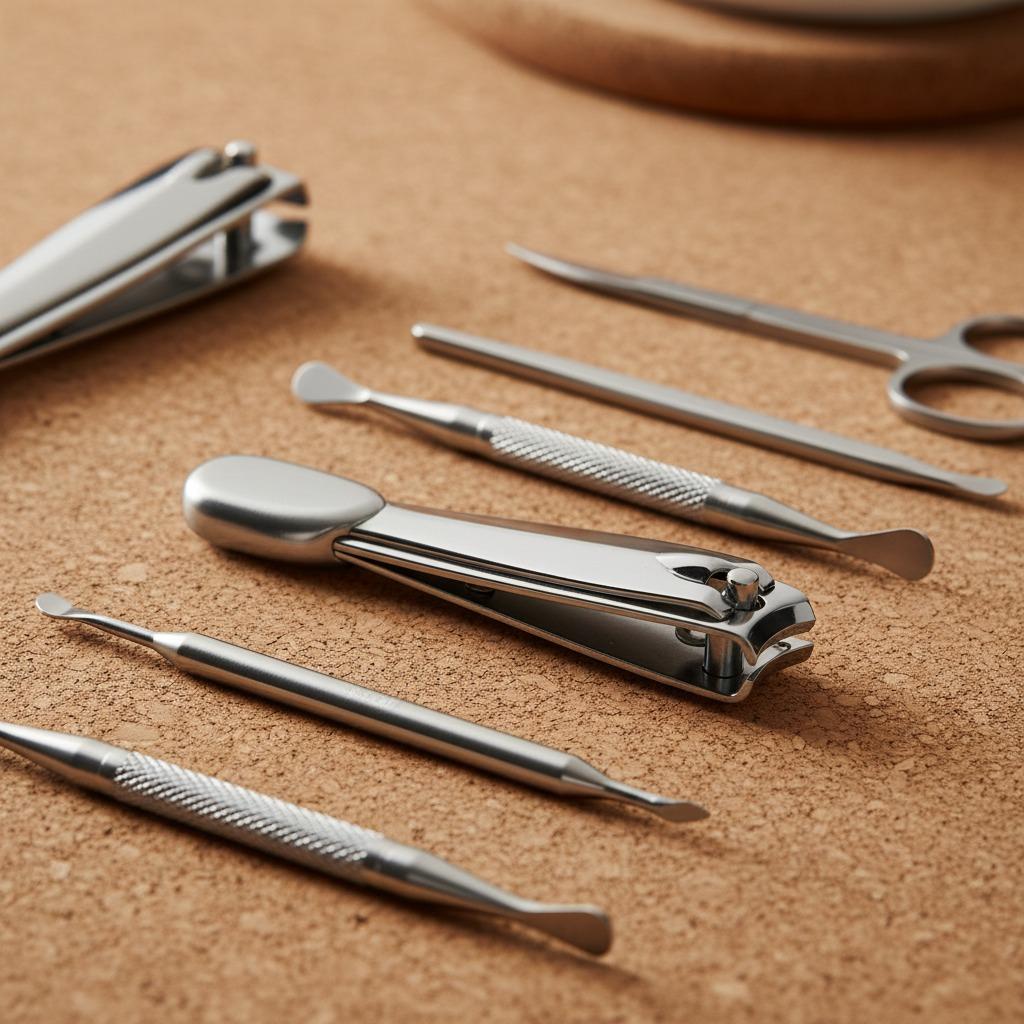
For a product as small as a nail clipper, material and surface finish strongly affect daily use. Stainless steel is valued in grooming tools because it is suitable for repeated handling and can be made into precise cutting edges. A smooth finish should still allow secure control; this is why non-slip grip areas or ergonomic handle shapes can make a noticeable difference.
When comparing nail clippers for sourcing or private-label assortment planning, avoid relying only on promotional claims. Inspect samples for the feel of the lever, the sound of the blades meeting, the consistency of the finish, and whether edges around the body feel comfortable. Packaging should protect the cutting edge during shipping and storage. If the clipper is part of a set, confirm that the other items do not rub against the blade and dull it before the customer opens the package.
Maintenance Tips That Extend Clipper Life
A nail clipper does not require complicated maintenance, but small habits help preserve the cut quality. After use, remove nail fragments from the jaws and wipe the tool dry. Do not leave it in a damp bathroom drawer if ventilation is poor. If the clipper includes a fold-out file, close it carefully so it does not scrape other surfaces. Store the clipper away from heavy tools that could damage the cutting edge.
For shared household use, cleaning matters even more. Wiping the clipper before and after trimming is a simple hygiene step. Retailers and kit assemblers should also consider whether packaging communicates basic care instructions clearly, because customers often judge tool quality by long-term performance rather than the first cut alone.
Choosing Nail Clippers for Retail, Kits, or Bulk Sourcing
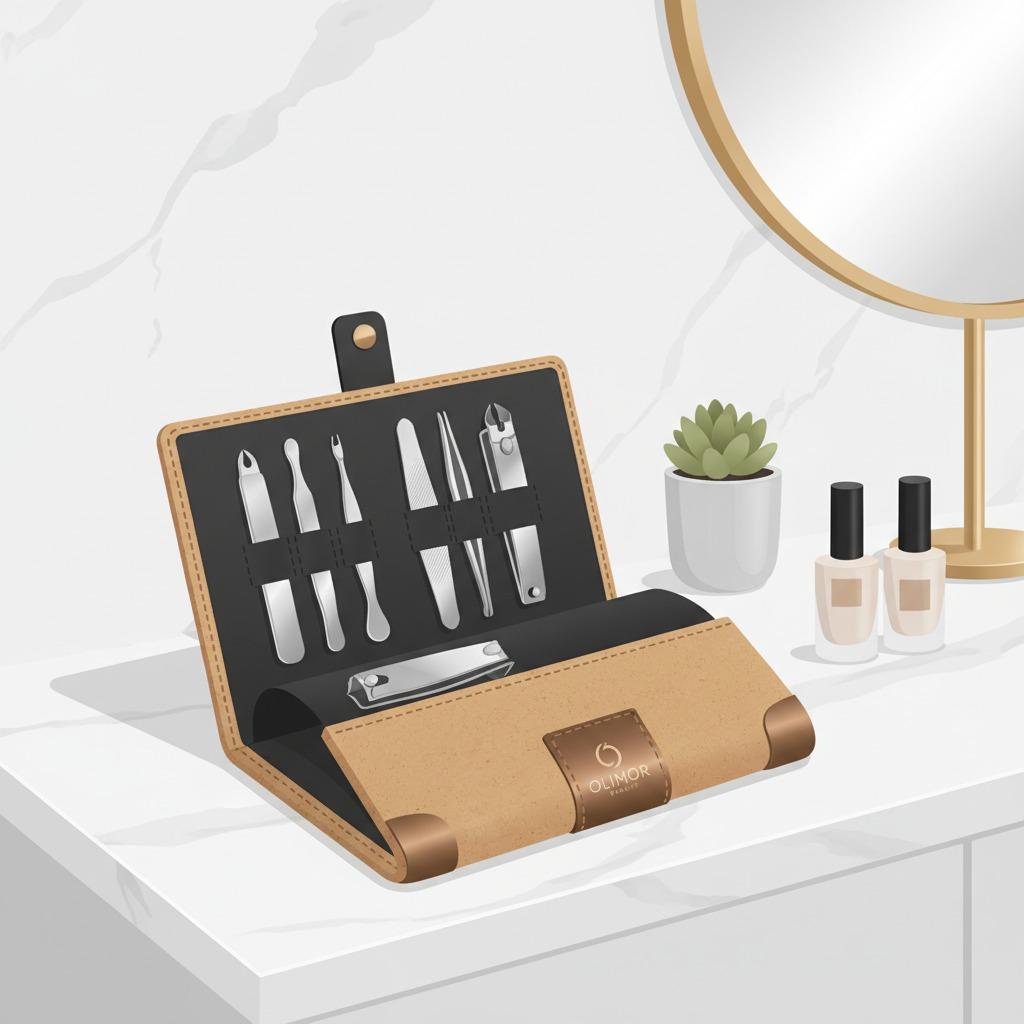
Business buyers should evaluate a nail clipper through the end user’s experience. A travel set may prioritize compact size and secure packaging. A men’s grooming kit may require stronger leverage and a simple, sturdy appearance. A manicure set may place more emphasis on precision and how the clipper pairs with files, scissors, or cuticle tools. None of these decisions require exaggerated features; they require a clear match between product design and customer use.
Useful sourcing questions include: Is the clipper intended for fingernails, toenails, or both? Will it be sold individually or in a set? Does the handle suit different hand sizes? Is the finish consistent across samples? Is the cutting edge protected in packaging? Are instructions, barcodes, or retail display needs part of the project? These questions help narrow choices without inventing specifications that may not be relevant to your market.
To compare nail clippers with other grooming tools or discuss a purchasing plan, contact Olimor. If you already know the product type and quantity range you are evaluating, you can also send an inquiry with your target use case, packaging preference, and any sample review requirements.
Final Thoughts
The best nail clipper is not simply the sharpest-looking one. It is the tool that fits the nail type, gives stable control, trims cleanly, and remains easy to care for over time. For personal grooming, that means fewer rough edges and more comfortable trimming. For retailers and grooming brands, it means choosing a practical item customers will continue to use after the first purchase. By focusing on blade alignment, handle comfort, leverage, material, and maintenance, you can select a nail clipper that performs reliably in everyday nail care.