










Choosing a beauty tools supplier in China is not only about finding a factory that can ship nail files, cuticle tools, tweezers, or grooming accessories. For brand owners, importers, distributors, salon suppliers, and private label buyers, the more important question is whether a supplier can support consistent quality, practical customization, clear communication, and repeatable production. A low unit price may look attractive at first, but poor finishing, weak packaging, inconsistent inspection, or unclear material claims can create customer complaints and costly rework.
This guide focuses on the sourcing decisions that matter when evaluating a China-based beauty tools supplier for manicure tools, vegan-friendly assortments, custom beauty tool programs, and accessories such as handmade leather pocket cases. It is written for buyers who need dependable products for retail, salon channels, online stores, gift sets, or promotional programs, and who want to compare suppliers with a more structured checklist.
Start With the Product Range and Use Case
Before comparing suppliers, define what the tool set must do for the end user. Beauty tools cover many categories, and each category has different manufacturing and quality concerns. A manicure tool set for travel packaging is different from a professional salon kit, and a vegan-friendly retail collection is different from a custom promotional gift set.
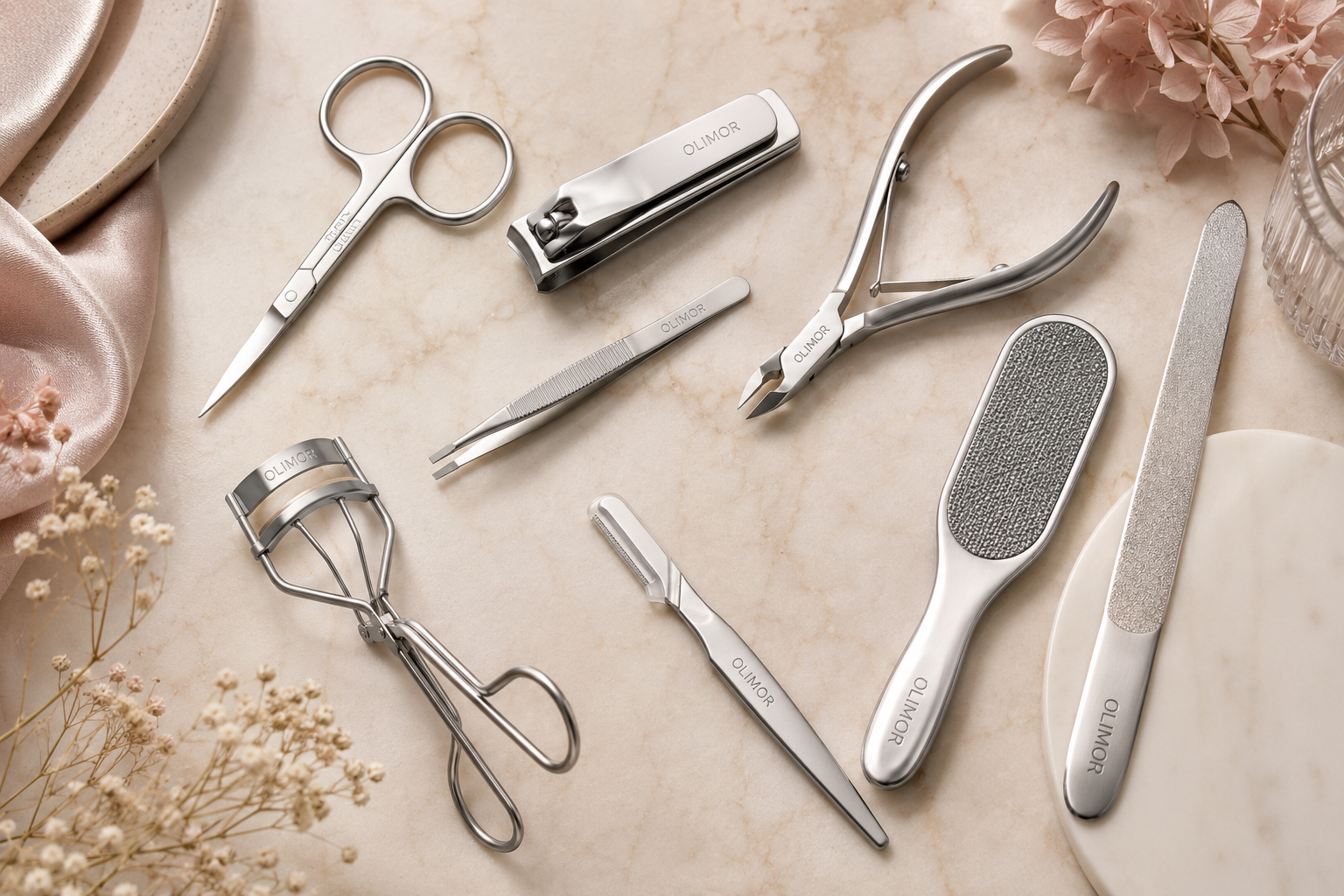
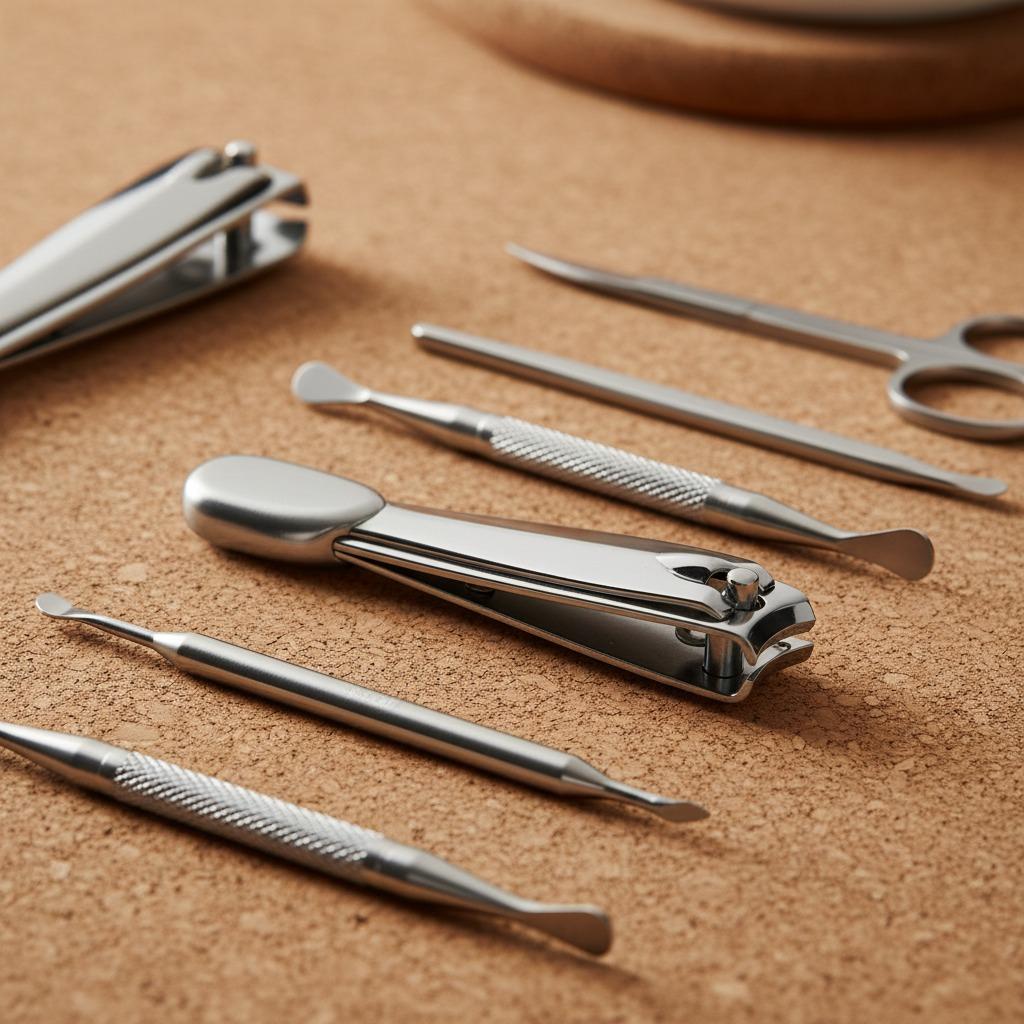
For manicure and beauty tool programs, buyers commonly evaluate items such as nail care tools, cuticle care tools, tweezers, grooming accessories, cosmetic tool cases, and compact sets for personal use. If a supplier offers a broad range, review whether the range is coherent and relevant to your market instead of simply counting how many items appear in a catalog. A focused supplier should be able to explain how a tool is intended to be used, how it is packed, and which finishing details affect comfort and durability.
When browsing Olimor Beauty options, you can start with the main beauty tool products page to understand available categories and then compare them with your target channel. For buyers building assortments, the product collections section can also help organize ideas by application or selling theme.
Quality Assurance Should Be Practical, Not Vague
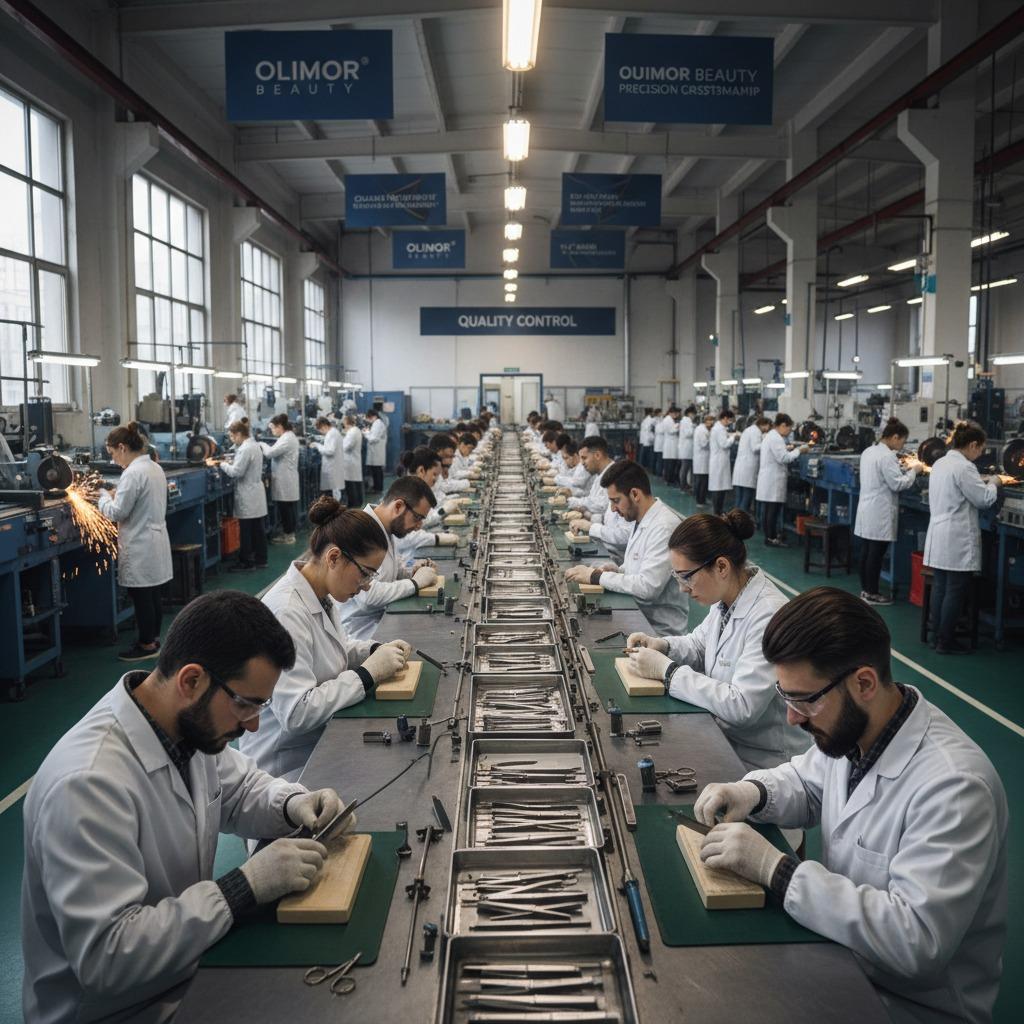
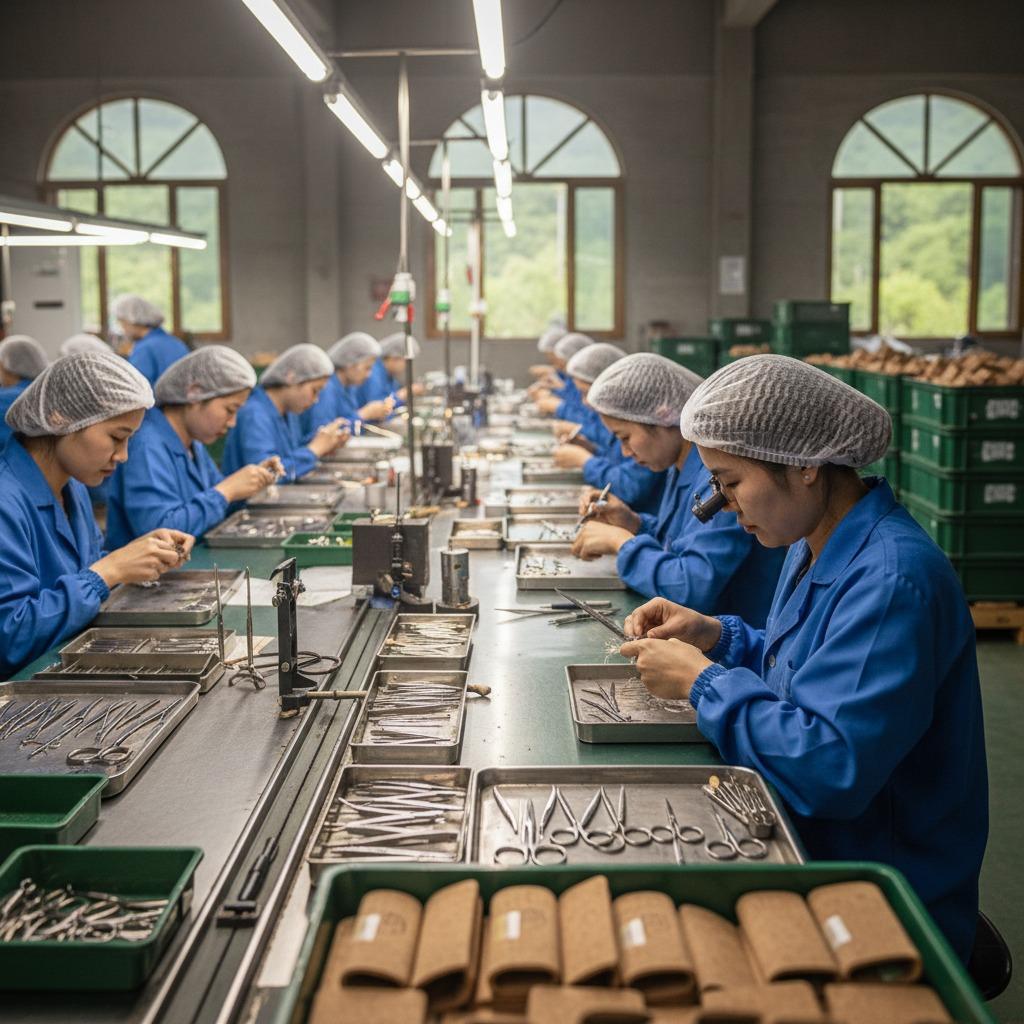
A reliable beauty tools supplier should have a clear approach to quality control. The original value of working with a manufacturer is not only production access; it is the ability to make the same item consistently over time. In beauty tools, small details can affect the user experience: edge finishing, grip comfort, alignment, surface smoothness, packaging fit, and how the tool feels in the hand.
Instead of relying on broad claims, evaluate a supplier through specific quality questions. For example, how are incoming materials checked before production? What visual and functional checks are used during production? How are finished products inspected before packing? Are product samples reviewed against an approved reference sample? These questions do not require the supplier to make exaggerated promises; they reveal whether the factory has a repeatable process.
- Visual finish: Check for scratches, burrs, sharp unwanted edges, uneven color, or poor polishing.
- Functional performance: Test whether the tool performs its intended task smoothly without excessive force or discomfort.
- Ergonomic feel: Hold the tool as an end user would. Consider grip, weight balance, and control.
- Consistency: Compare several pieces from the same sample batch, not just one best sample.
- Packaging fit: Confirm that tools sit securely in cases, sleeves, trays, or retail boxes.
- Label accuracy: Review wording, icons, care instructions, and any compliance-related information carefully.
Olimor Beauty emphasizes internal quality control and practical product development for beauty tools. For buyers, the best way to use that commitment is to create a written approval process: sample review, comments, revised sample if needed, final production approval, and pre-shipment inspection standard.
Evaluating Vegan Manicure Tools Wholesale Options
Vegan manicure tools wholesale programs are increasingly relevant for retailers and beauty brands that want to avoid animal-derived materials in their product lines. However, “vegan” should be treated as a sourcing requirement, not merely a marketing word. The tool itself, the case, the adhesive, the packaging insert, and any decorative trim may all need to be reviewed depending on your market claim.
For many metal manicure tools, vegan evaluation is less about the tool body and more about accessories and packaging. Leather cases, brushes, polishing components, glues, or fabric details may require closer review. If your product line is positioned as vegan-friendly, prepare a component checklist and decide which claims you intend to make on packaging or online listings. A careful supplier discussion at the development stage can prevent inconsistent material choices later.
Buyers should also separate “vegan-friendly material choice” from other product expectations. A vegan manicure tool still needs solid finishing, comfortable handling, dependable packaging, and a retail presentation suited to the target customer. If the product will be used in salon retail or e-commerce, clear imagery, concise care instructions, and durable packaging may matter as much as the material claim.
Custom Beauty Tools Manufacturer Support: What to Confirm
China is a strong sourcing base for custom beauty tools because many suppliers can support variations in tool sets, surface finish, packing formats, color direction, and brand presentation. Customization can help a business create a more recognizable product line, but it should be managed carefully. The goal is not to customize every detail; the goal is to customize the details that improve market fit.
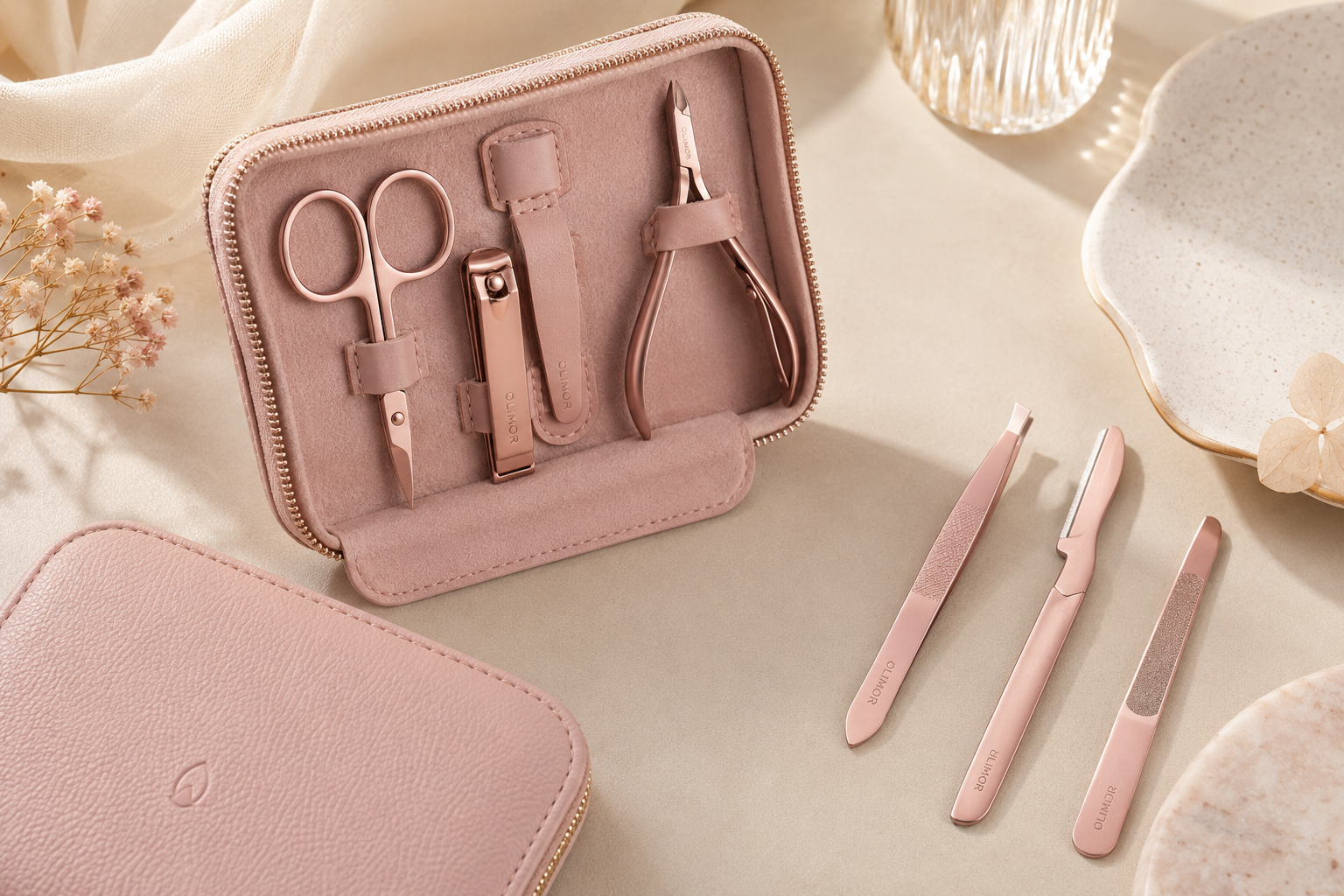
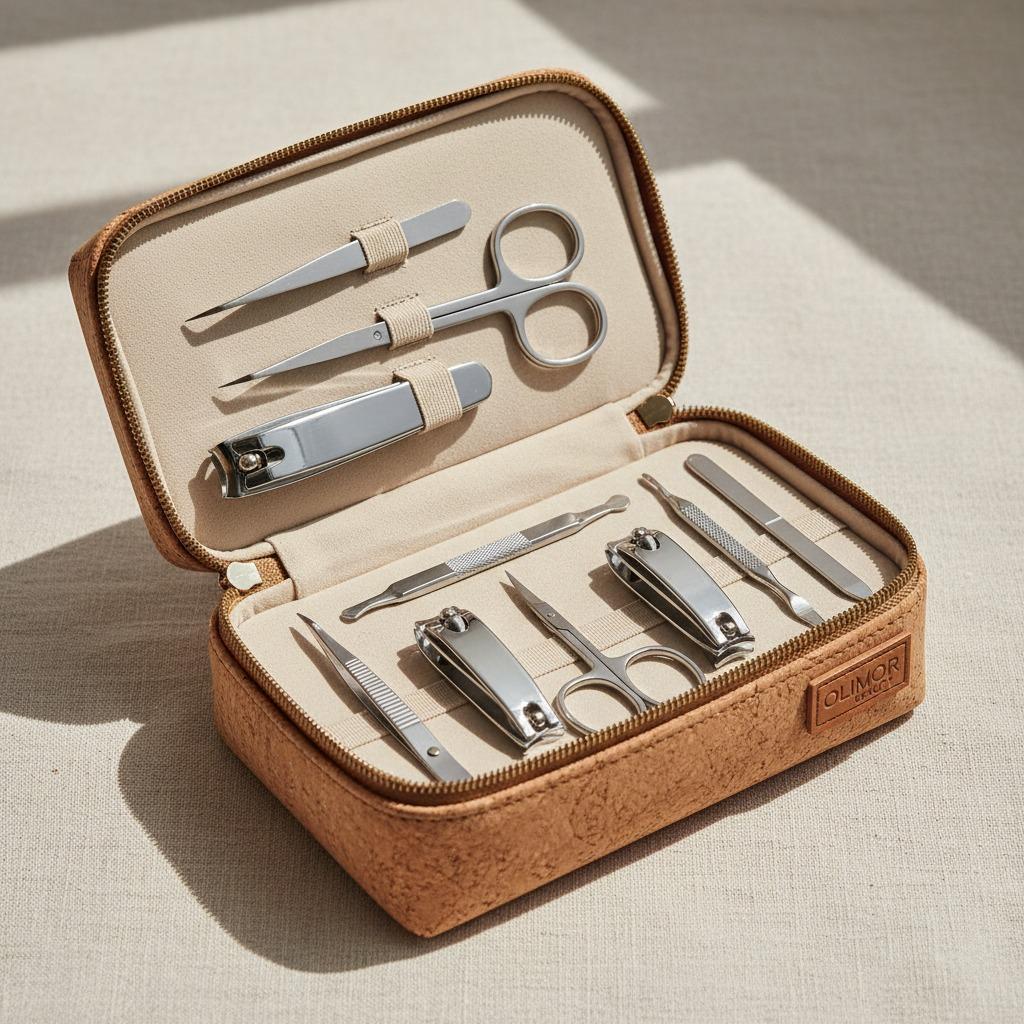
Common customization areas include item combinations within a set, logo placement, case material selection, packaging artwork, insert card design, product color direction, and retail presentation. Handmade leather pocket cases, for example, can communicate a crafted and giftable feel when the case is appropriate for the audience. At the same time, buyers should check whether the case material supports their brand claims. If a line is vegan-focused, a genuine leather case may conflict with that positioning, so an alternative material direction may be more suitable.
A good custom beauty tools manufacturer should help turn a brand idea into a manufacturable specification. That specification should include item list, dimensions if relevant, color references, logo method, packaging structure, inspection points, and approved sample photos. Without a written specification, both buyer and supplier may interpret “premium,” “matte,” “travel size,” or “gift set” differently.
- Define the sales channel: Salon supply, retail shelf, online marketplace, promotional gift, or private label collection.
- Choose the tool combination: Avoid adding tools only to increase item count; select pieces that customers will actually use.
- Confirm material direction: Especially important for vegan-friendly positioning and case selection.
- Approve branding details: Logo size, color, placement, and packaging artwork should be reviewed on samples.
- Set inspection criteria: Include both appearance and function, not only carton count.
- Plan reorder consistency: Keep approved samples and written specifications for future production runs.
Packaging, Pocket Cases, and Retail Presentation
Packaging is often where beauty tool programs succeed or fail commercially. A tool may be well made, but if the case feels flimsy, the retail box is confusing, or the set is difficult to understand online, customers may not perceive its value. For manicure tools and small grooming accessories, packaging also protects sharp or delicate edges and helps keep the set organized.
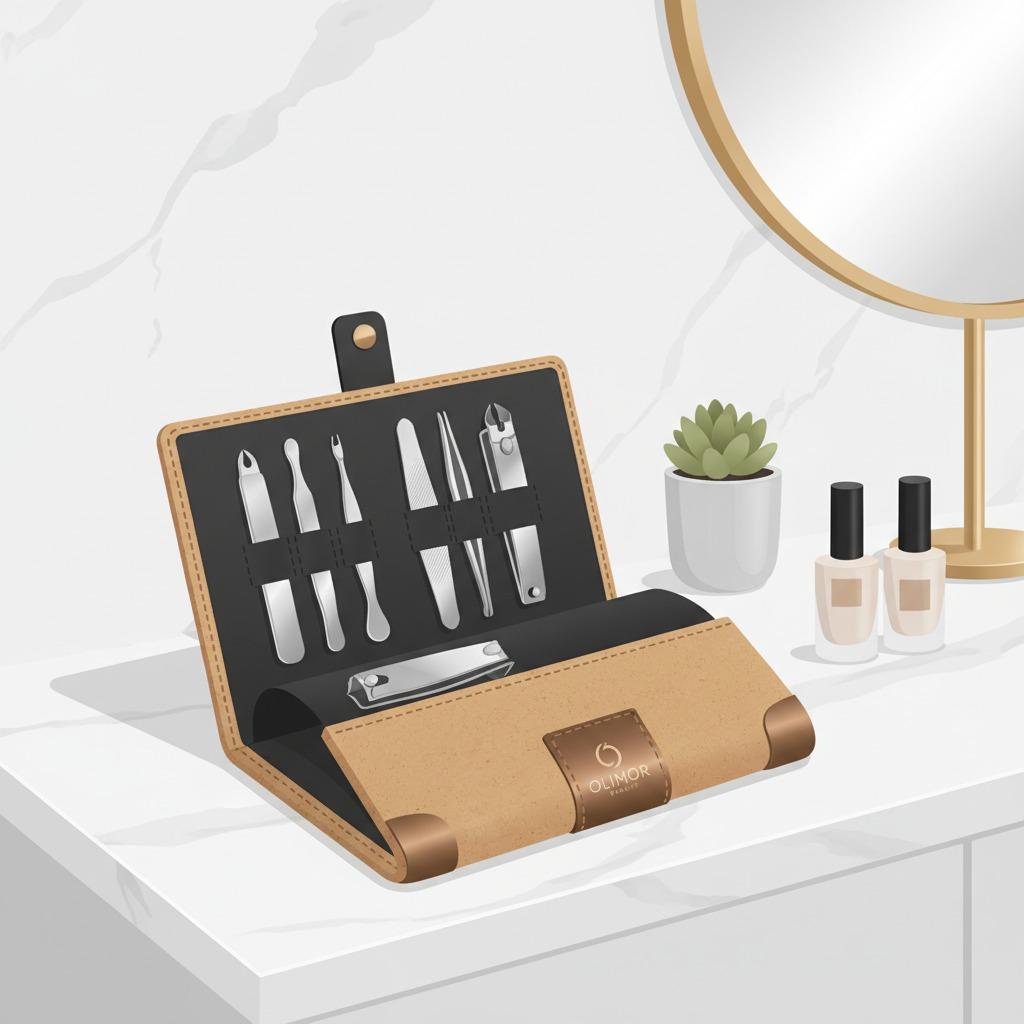
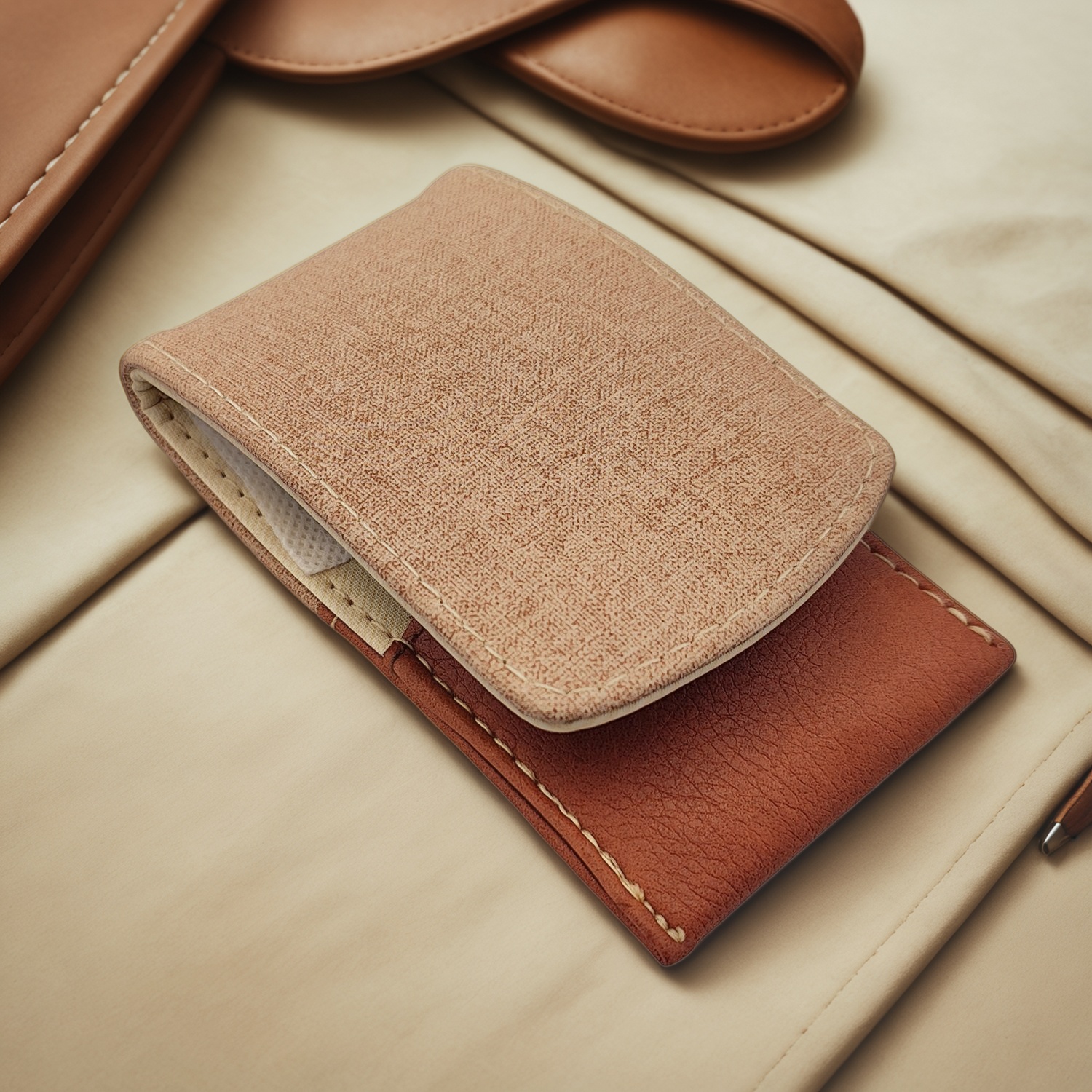
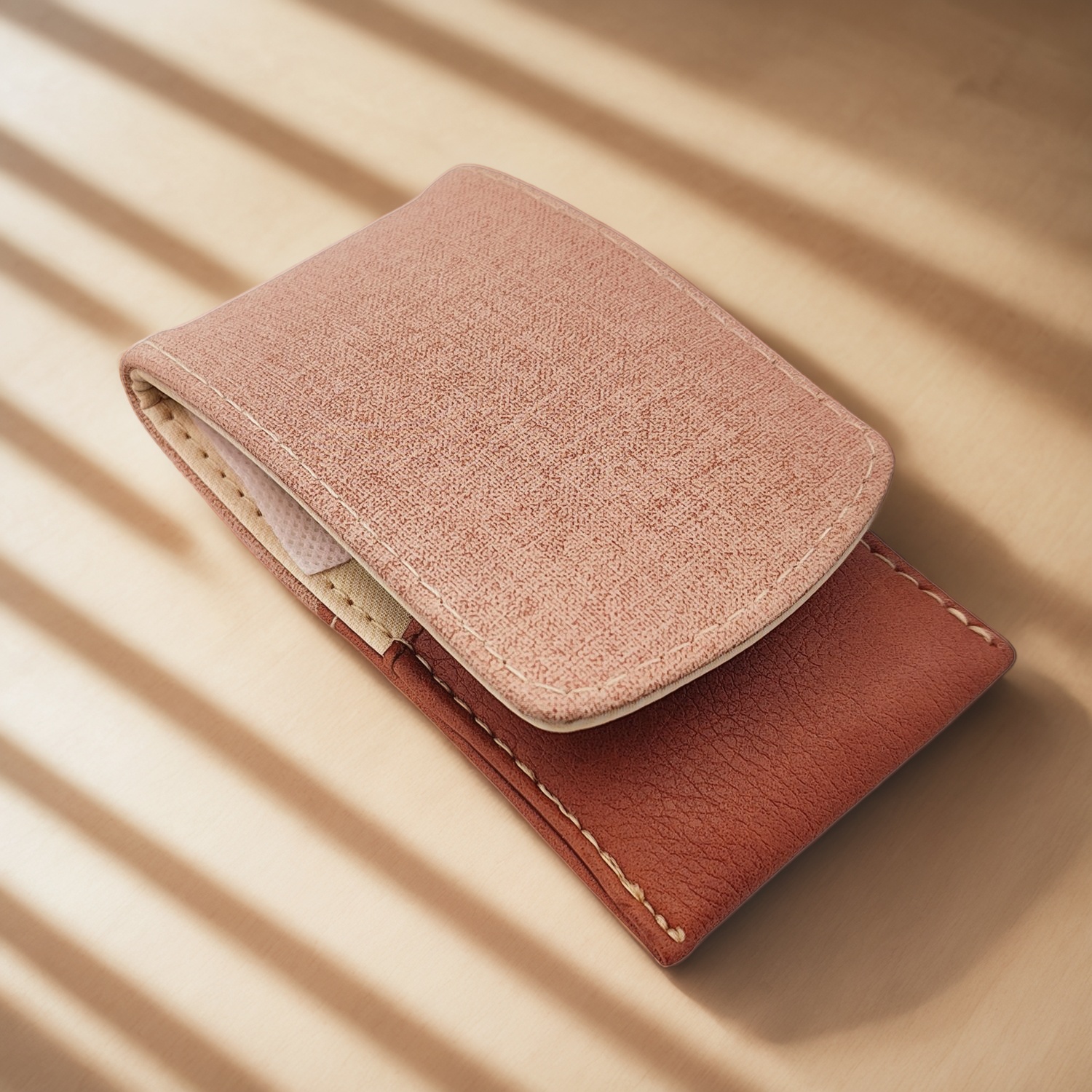
Handmade leather pocket cases can be appealing for travel sets, giftable assortments, and compact grooming kits. They can also support a more traditional craft impression when that suits the brand. Buyers should evaluate stitching consistency, closure security, internal slot fit, surface finish, and whether each tool can be removed without damage or frustration. If the product is meant to sit in a handbag or travel pouch, the case should close securely and avoid unnecessary bulk.
For vegan manicure tools wholesale, packaging requires a different approach. Buyers may prefer synthetic cases, fabric pouches, paper-based packaging, or other non-animal material options depending on the final product concept. The key is to align the case and packaging with the claim. If your listing says vegan-friendly, every visible material should support that story.
A Supplier Comparison Checklist for Buyers
When several suppliers look similar online, a structured comparison makes selection easier. Use the table below to organize your evaluation before committing to sampling or production.
| Evaluation Area | What to Review | Why It Matters |
|---|---|---|
| Product fit | Relevant manicure, grooming, or beauty tool categories | Confirms the supplier understands your target assortment |
| Sample quality | Finish, function, comfort, packaging fit | Shows likely production standard and user experience |
| Customization ability | Logo, case, set combination, packaging artwork | Supports private label and differentiated retail programs |
| Vegan-friendly planning | Tool, case, adhesive, trim, and packaging components | Helps avoid inconsistent material claims |
| Quality process | Incoming checks, in-process checks, final inspection | Reduces inconsistency and repeat-order risk |
| Communication | Clear specifications, sample comments, production updates | Prevents misunderstandings during custom development |
Questions to Settle Before Production
Before moving from sample approval to a purchase order, settle the details that most often cause delays. Confirm the exact item list and whether any tools are substituted from the sample. Review case material, color references, logo placement, packaging artwork, barcode or label needs, carton markings, and inspection criteria. If the product will be sold internationally, review the wording of any claims, warnings, and care instructions with your own compliance resources.
It is also wise to request clear product photos of the approved sample and keep one physical sample as a reference. This creates a practical standard for future communication. If your first order performs well, reorder discussions become much easier because both sides can refer back to the same approved specification.
If you are comparing beauty tools supplier China options for a new manicure program, custom set, or vegan-friendly assortment, Olimor Beauty can be included in your sourcing review. To discuss a specific product idea, you can send an inquiry with your target use case, preferred tool list, packaging direction, and branding needs. For broader questions about product development or supplier fit, you may also contact Olimor directly.
Final Sourcing Advice
The best supplier is not simply the one with the longest catalog or the lowest quote. For beauty tools, especially manicure tools and custom sets, the right partner combines product understanding, consistent quality control, practical customization, and packaging awareness. Buyers should pay close attention to how a supplier handles samples, material choices, finishing details, and written specifications.
For vegan manicure tools wholesale, make sure every component supports the intended claim. For custom beauty tool manufacturing, define the parts of the product that truly need customization and document them clearly. For leather pocket cases or premium presentation sets, evaluate craftsmanship and usability as carefully as the tools themselves. With a structured sourcing process, buyers can select a beauty tools supplier in China that supports both product quality and long-term brand trust.