










Choosing a reliable nail clippers supplier is a quality decision, not just a purchasing task. For retailers, distributors, salons, beauty brands, gift-set developers and personal-care importers, the right supplier affects customer satisfaction, product reviews, repeat orders and the perceived value of a wider grooming range.
A nail clipper looks simple, but buyers quickly discover that small differences in blade alignment, lever tension, grip design, material finish and packing consistency can separate a dependable product from one that creates complaints. The best sourcing decision considers how the tool cuts, how it feels in the hand, how it looks on the shelf and how consistently it can be supplied.
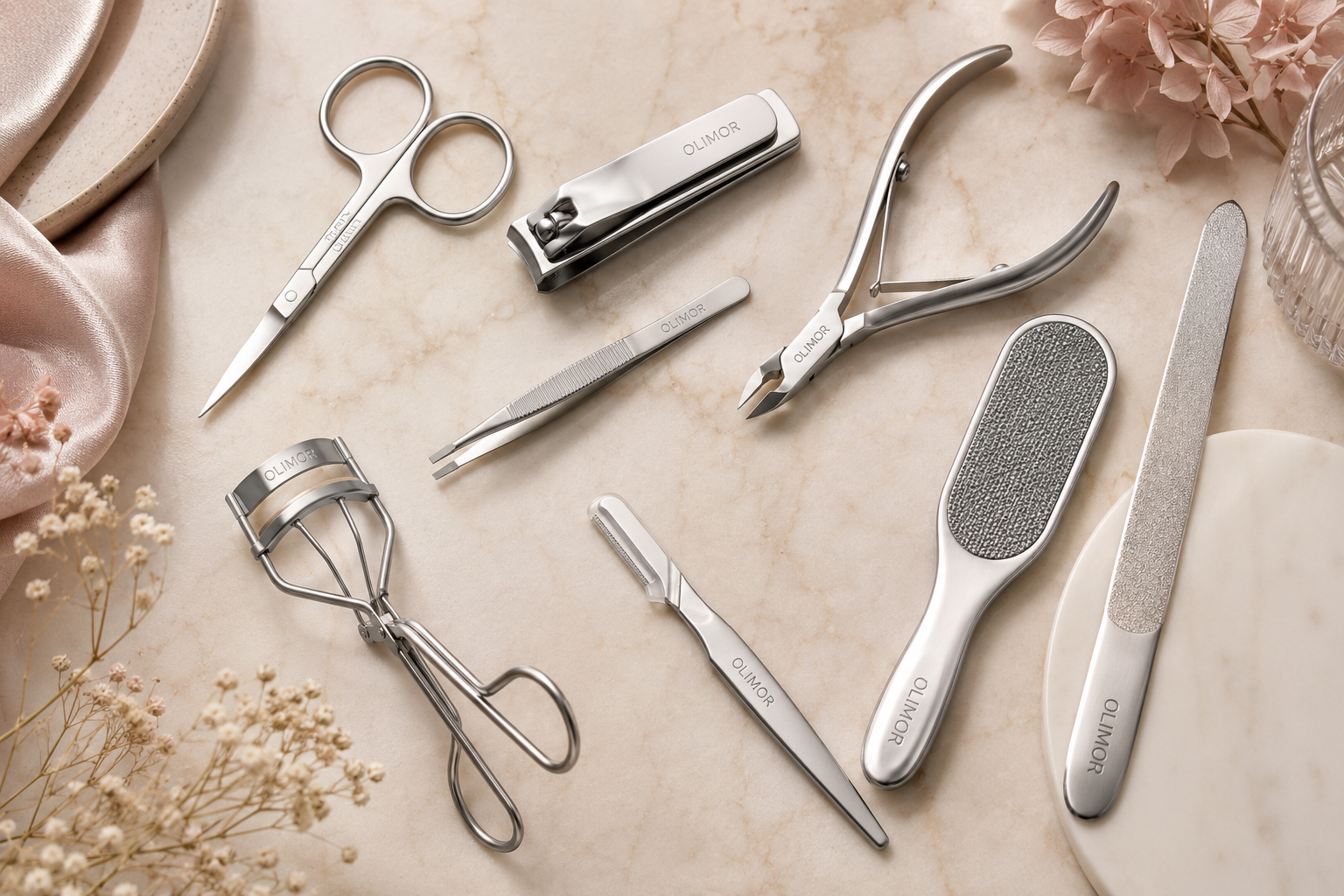
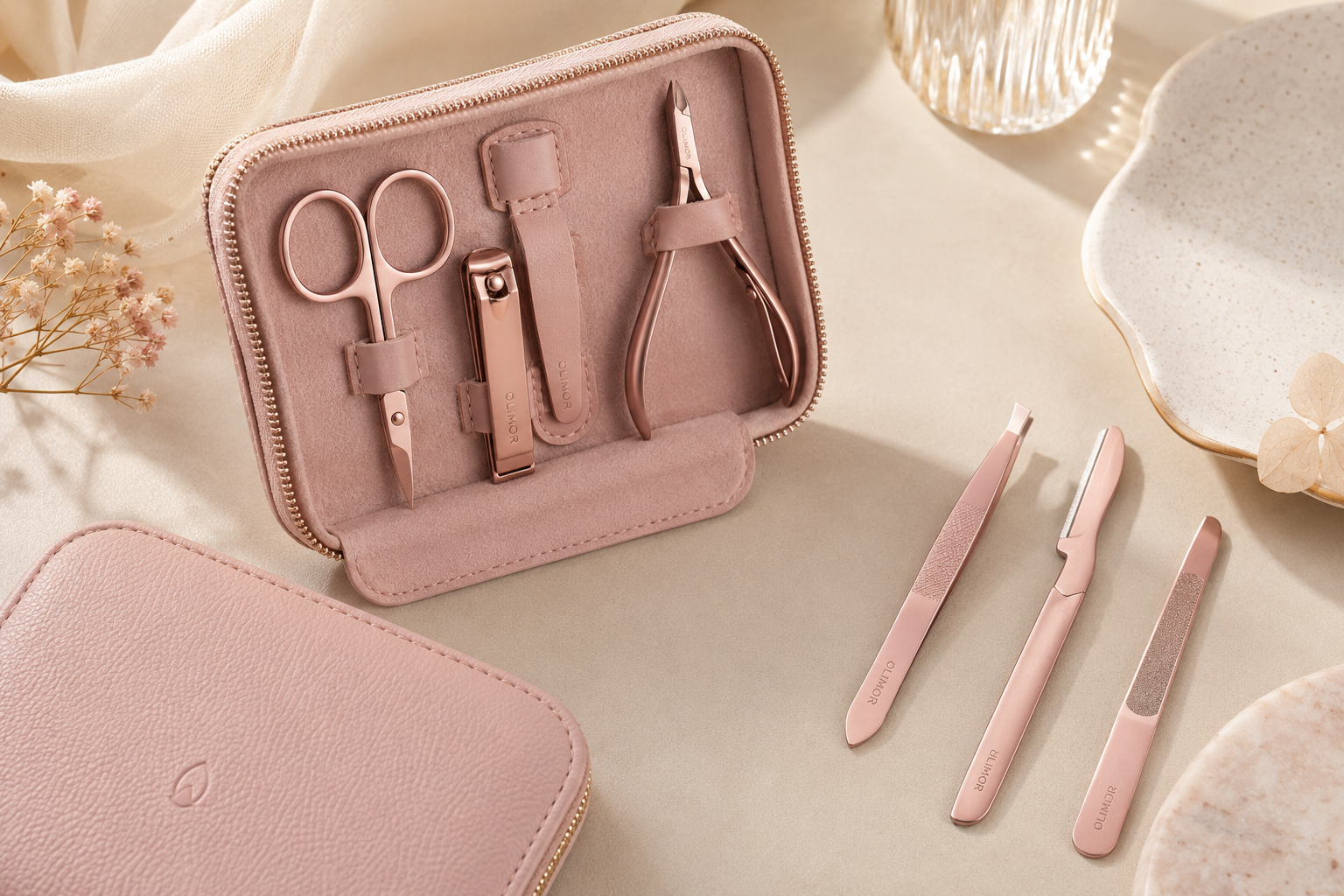
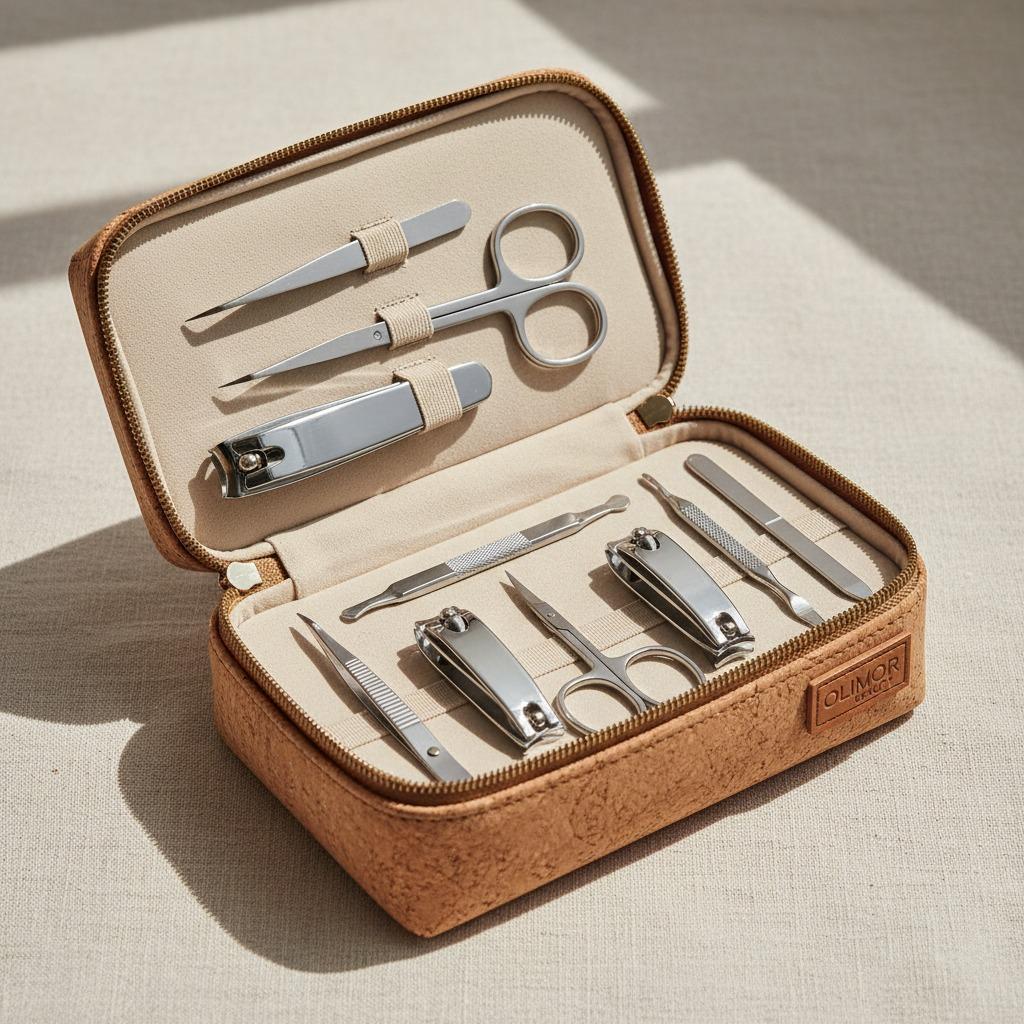
Olimor Beauty focuses on practical beauty tools designed for everyday grooming assortments and B2B sourcing needs. Buyers comparing wholesale nail clippers can review Olimor beauty tool products to understand how nail clippers may fit alongside other personal-care tools.
Why Supplier Reliability Matters for Nail Clippers
Nail clippers are often low-friction purchases for consumers, but they carry high expectations. Users want a clean trim without tearing, a stable grip, smooth handling and a tool that does not feel weak after a few uses. If these basics fail, the result can be immediate: returns, negative reviews, repackaging costs or loss of trust in the retailer’s grooming section.
For business buyers, supplier reliability influences several operational areas. A consistent manufacturer helps reduce uncertainty, keeps replenishment easier to manage and supports product lines built around related beauty tools. A weak supplier can create expensive problems such as inconsistent blade sharpness across cartons, rough surface edges, loose levers, weak rivets, scratched finishes, inaccurate packing or appearance differences between the approved sample and bulk goods.
A dependable nail clippers supplier should therefore be assessed on more than a product photo or unit price. Buyers should evaluate material choice, cutting performance, grip comfort, surface finishing, packaging durability, communication clarity and inspection discipline. These points are especially important when sourcing for retail chains, e-commerce listings, salon use, promotional kits or branded grooming sets.
Define the Buying Purpose Before Comparing Suppliers
The right nail clipper depends on how it will be sold or used. A salon may prioritize reliable daily use, easy cleaning and a comfortable grip. A retail buyer may place more weight on shelf presentation, finish consistency and low return risk. A distributor may focus on repeatability, carton handling and clear product documentation. A beauty brand may need a clipper that matches the quality level and visual style of a broader personal-care assortment.
Before requesting samples, define the role of the clipper in your program. Is it a practical everyday grooming essential, a compact travel item, an add-on for a manicure kit, a giftable beauty accessory or a standalone retail product? This decision affects packaging, finish expectations, grip design, weight, appearance and inspection priorities.
Clear sourcing criteria make it easier to compare suppliers fairly. When buyers compare only by unit cost, they may overlook hidden costs such as customer dissatisfaction, repacking, late order clarification, inconsistent cartons or time spent sorting defective goods.
Core Product Features to Evaluate Before Ordering
A reliable nail clipper should perform consistently in the hand, not just look acceptable in a catalog image. When reviewing samples, focus on observable features that connect directly to the customer experience.
- Blade alignment: The cutting edges should meet evenly from side to side. Misalignment can cause rough cuts, partial cuts or nail splitting.
- Cutting feel: The lever should press smoothly and return properly without feeling loose, gritty, squeaky or unstable.
- Surface finish: Areas touched by the user should feel smooth, with no rough edges, burrs or unfinished corners.
- Material suitability: Stainless steel is commonly used for nail care tools because it supports durability and a clean appearance, but buyers should still confirm material details with the supplier.
- Grip control: A textured or ergonomic handle can help users apply controlled pressure, especially when hands are slightly damp after washing.
- Appearance consistency: Look for scratches, discoloration, uneven polishing or stains that may affect shelf appeal.
- Packaging condition: Packaging should protect the clipper during storage and shipping while matching the intended sales channel.
- Batch consistency: Review more than one sample where possible. A single good piece does not always prove stable production.
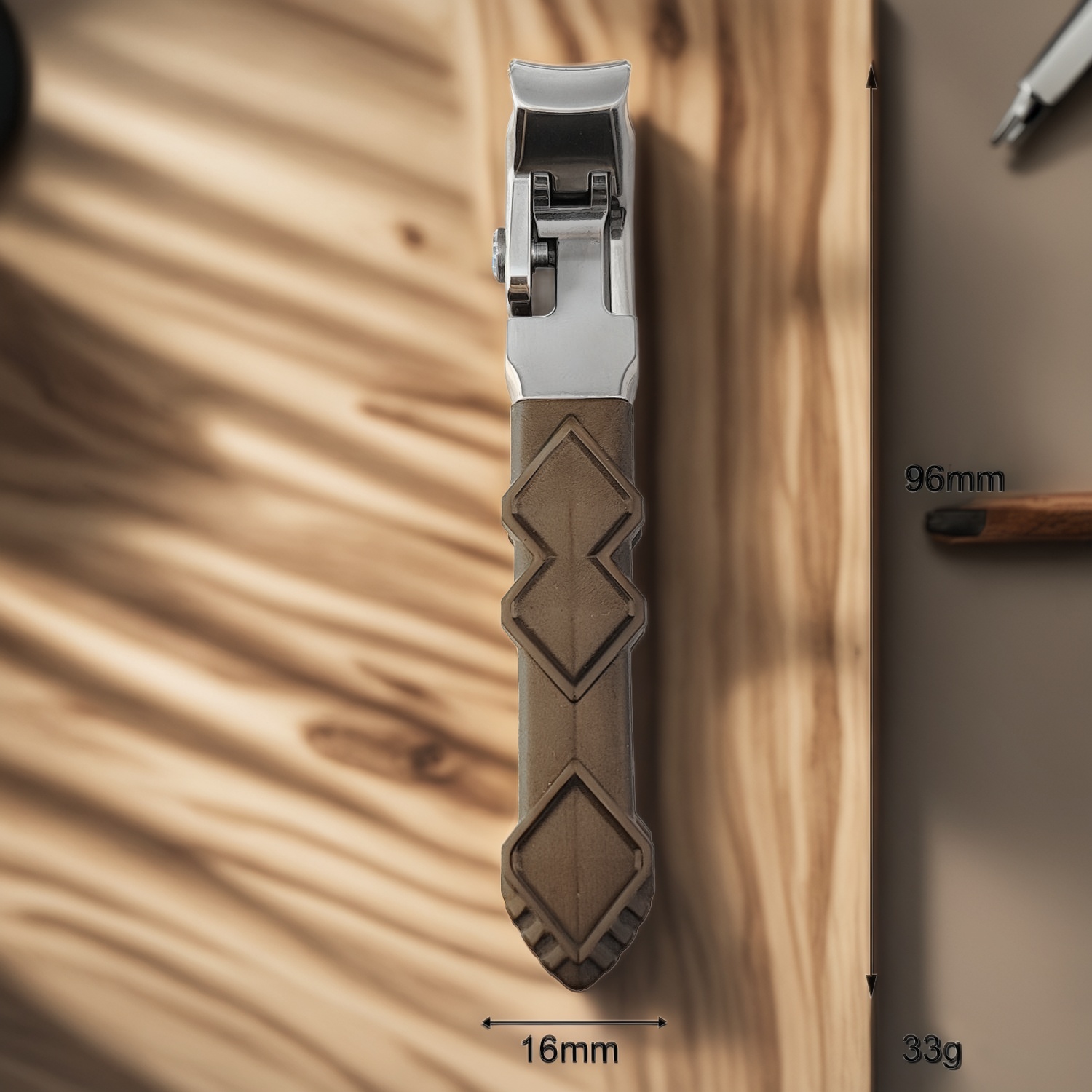
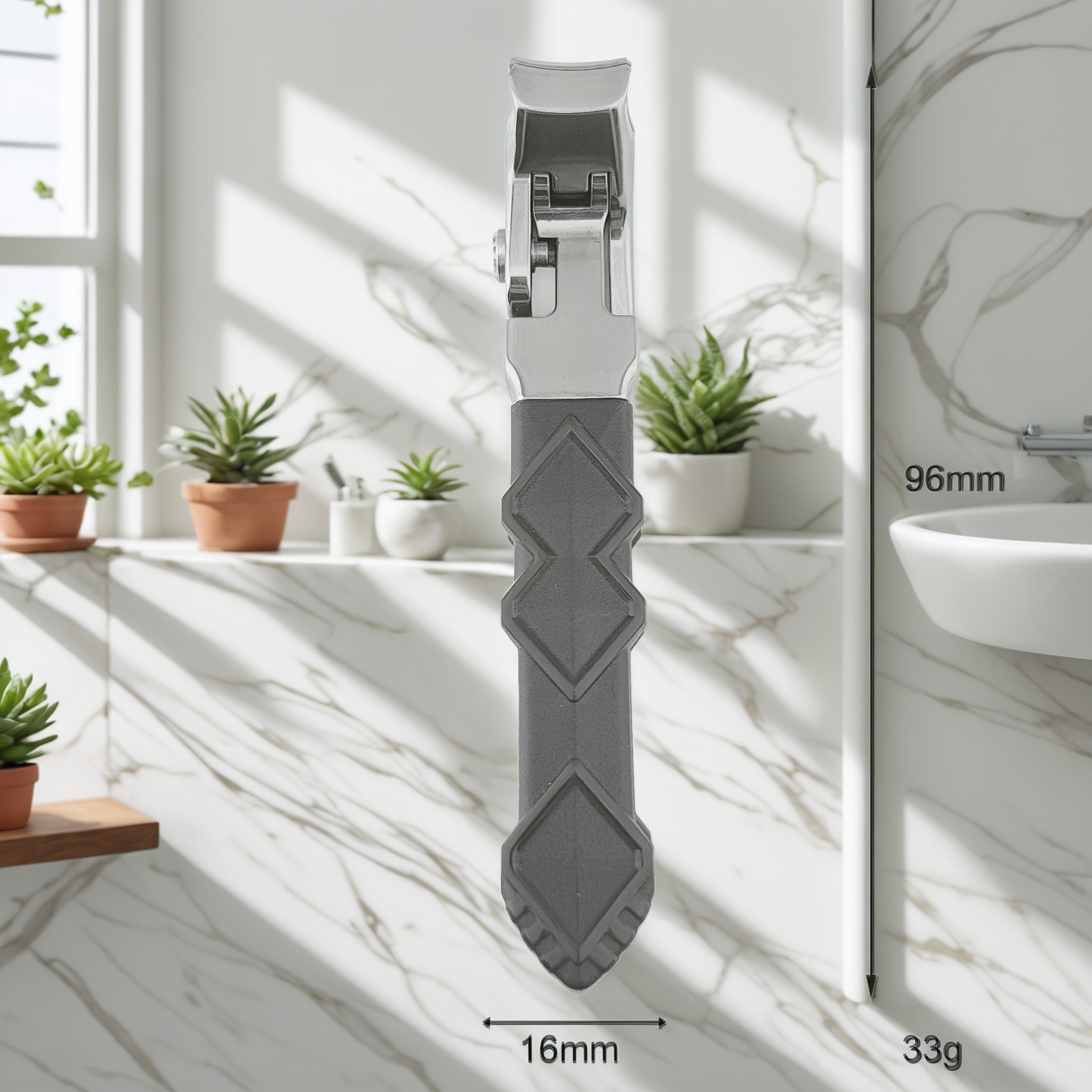
One Olimor nail clipper example uses stainless steel construction, a polished metal head and a textured black rubber handle designed for anti-slip control. Its listed 96mm height and 33g weight position it as a controlled, comfortable grooming tool for everyday nail care assortments. These details are useful because they show how dimensions, weight and grip surface contribute to the intended handling experience.
Stainless Steel, Finish and Cutting Performance
Stainless steel is a common material choice for grooming tools because it supports a durable structure and clean presentation. However, the value of stainless steel depends on how the clipper is formed, sharpened, finished and inspected. Buyers should avoid judging quality by material name alone.
Instead, assess whether the body is stable, the cutting edges close precisely and the polished areas are uniform. The clipper should not have visible burrs, rough edges or stains. Lever operation should feel controlled rather than harsh or weak. A smooth lever and aligned blades help the user trim nails cleanly without repeated squeezing or jagged edges.
Grip design also matters. An all-metal polished clipper may look minimal, but some users may find it harder to control. A textured rubber handle can provide a more secure contact surface and make the tool feel more stable during trimming. This can be useful for general home grooming, personal-care kits and retail displays where comfort and ease of use are selling points.
If the product description references a smooth, cushioned cut or precisely aligned blades, verify those characteristics through sample testing rather than relying only on wording. For customer-facing copy, describe practical benefits accurately and avoid exaggerated medical or professional claims.
Wholesale Nail Clippers for Different Buyer Types
Wholesale sourcing is about consistency across quantity. A sample can look promising, but the real test is whether the supplier can maintain the approved standard through bulk production and repeat orders. Different B2B buyers should review the same product through slightly different priorities.
| Buyer Type | Main Priority | What to Review Before Ordering |
|---|---|---|
| Salon or beauty service provider | Reliable daily usability and hygiene routines | Clean cutting action, comfort, stainless steel suitability, smooth finish and ease of cleaning |
| Retail store | Customer appeal and low return risk | Consistent appearance, packaging presentation, product labeling and sample testing |
| E-commerce seller | Consistent presentation and shipping durability | Packaging protection, accurate photos, clear descriptions and defect control |
| Distributor | Repeatable supply across purchasing cycles | Batch consistency, carton labeling, communication, inspection process and packing format |
| Beauty brand or gift-set buyer | Fit with a broader grooming range | Design style, finishing consistency, perceived value, packaging compatibility and target-user suitability |
Buyers planning a wider assortment can compare nail clippers with related tools in Olimor product collections to check whether the grooming range feels consistent in function, finish and presentation.
Manufacturing and Inspection Questions Worth Asking
Good sourcing conversations are specific. Instead of asking whether a supplier offers “high quality” nail clippers, ask questions that reveal how quality is controlled and how the supplier defines acceptable output. The answers help reduce misunderstandings before production begins.
Ask About Materials and Construction
Confirm what material is used for the clipper body and cutting edge. Stainless steel may be suitable for many grooming applications, but the supplier should be able to confirm the material used for the offered product and explain whether the finish fits your intended market. Do not assume that two similar-looking clippers use the same construction.
Ask How Blade Alignment Is Checked
Blade alignment is one of the most important performance details. Ask how the supplier reviews whether the cutting edges meet evenly. If the supplier cannot explain how alignment is checked, the risk of inconsistent cutting performance may be higher.
Ask About Lever Movement and Functional Review
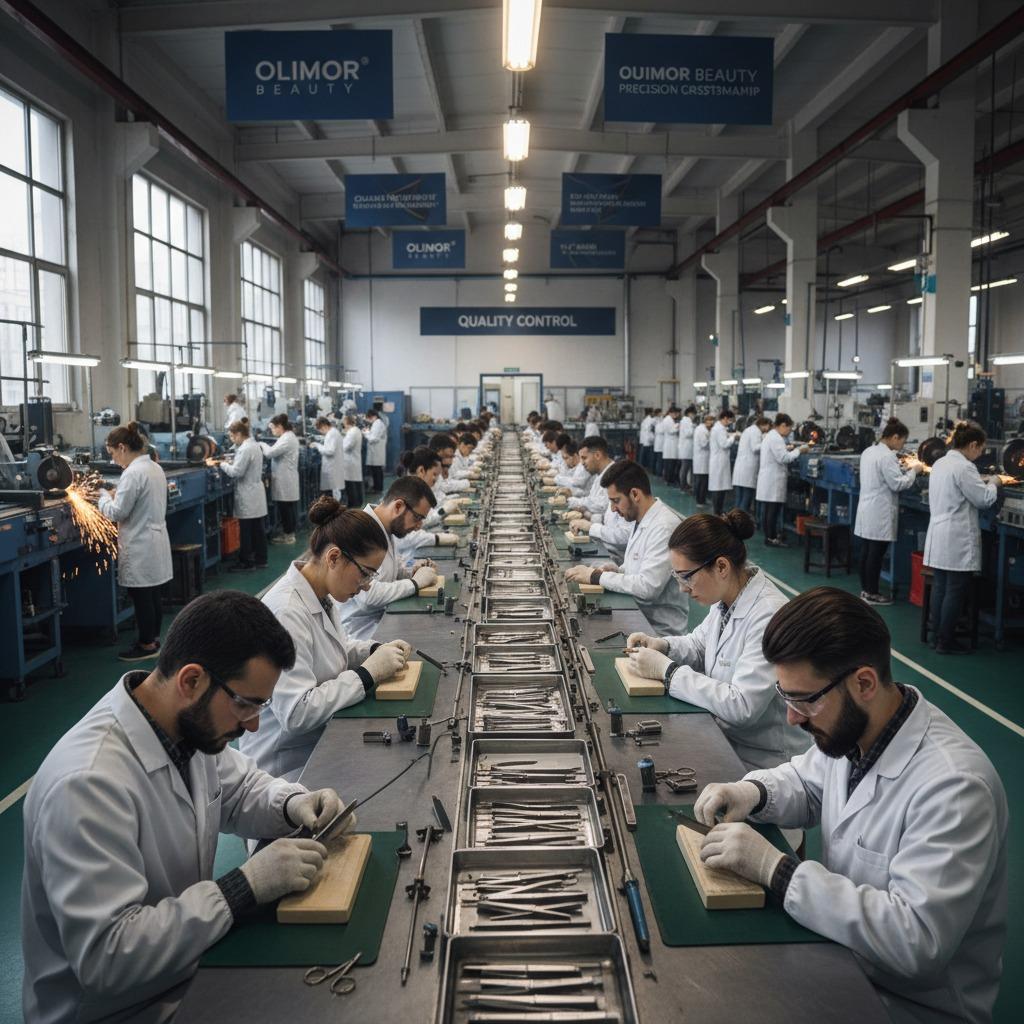
The lever should move steadily and return without awkward looseness. Ask whether lever operation is reviewed before packing and whether appearance, cutting function and packaging condition are included in inspection steps.
Ask How Samples Are Compared With Bulk Goods
Your approved sample should act as a reference for finish, feel and presentation. Ask how the supplier keeps sample details documented for production and reorders. This is especially important for buyers who need repeat purchases with stable product details.
Packaging, Labeling and Reorder Control
Packaging is not only a sales detail. It protects the tool, supports warehouse handling and influences the customer’s first impression. A well-made clipper can still create complaints if it arrives scratched, loose in packaging or poorly labeled for distribution.
When checking packaging, confirm whether the clipper is protected against scuffing during storage and transit. Review whether the retail presentation suits your channel, whether cartons are clearly labeled and whether packing details match order documentation. For distributors and e-commerce sellers, packaging durability can directly affect sorting efficiency and customer satisfaction.
Reorder control is equally important. Keep agreed product details documented, including finish, handle design, packaging format and any approved sample reference. Clear documentation helps future orders match the selected version and reduces the chance of unapproved substitutions.
Cost Factors Beyond Unit Price
A low quote can be attractive, but the lowest unit price is not always the lowest total cost. Nail clipper buyers should consider the cost of defects, returns, repackaging, delayed communication, product inconsistency and customer dissatisfaction. These hidden costs can exceed small savings on the initial purchase.
When comparing supplier quotations, review what is included in the offer. Are product details clear? Is the packaging format defined? Are customization requirements confirmed? Are inspection expectations documented? Are sample and bulk specifications aligned? If these points are unclear, the order may require extra corrections later.
Buyers should also consider whether the supplier can support the intended sales channel. A clipper for a budget grooming kit may not need the same packaging style as a standalone retail item, while a beauty brand program may need closer attention to appearance consistency and presentation.
Standards, Safety Expectations and Documentation
Nail clippers are consumer products, so buyers should verify the regulatory and documentation requirements that apply in their destination market. Public bodies such as the U.S. Consumer Product Safety Commission and the European Commission provide consumer product safety information that may be relevant depending on market, product design, packaging and distribution channel.
Do not assume that a product is compliant simply because it is a common grooming tool. Buyers should verify the applicable version of any standard, regulation or guidance and request appropriate supplier documentation for their market. This article does not claim that Olimor holds any specific certification for nail clippers unless separately provided in official product documentation.
Supplier Evaluation Checklist for Wholesale Nail Clippers
Use this checklist when comparing nail clipper manufacturers or wholesale suppliers. It helps turn general quality claims into practical review points.
| Evaluation Area | What to Check | Why It Matters |
|---|---|---|
| Sample consistency | Compare multiple samples for blade alignment, lever feel, finish and grip condition | Shows whether quality is repeatable rather than accidental |
| Cutting performance | Check for clean trimming on suitable nails without excessive pressure | Supports user satisfaction and reduces complaints about splitting or rough edges |
| Surface condition | Look for scratches, stains, burrs, rough edges or uneven polish | Affects safety perception, shelf appeal and customer trust |
| Grip bonding | Inspect whether any rubber or textured handle feels secure and neatly fitted | Reduces complaints about peeling, shifting or poor handling |
| Packaging fit | Confirm the clipper is protected during storage and shipping | Prevents scuffing and presentation problems |
| Carton labeling | Check that item name, quantity and packing details are clear | Supports warehouse control and retail distribution |
| Reorder clarity | Keep approved product and packaging details documented | Helps future orders match the approved sample |
How Olimor Supports Beauty Tool Buyers
Olimor Beauty works with buyers looking for practical grooming tools that combine usability, durable construction and clean presentation. For nail clippers, that means paying attention to the details customers feel immediately: cutting action, grip control, surface finish and handling comfort.
If you are comparing suppliers for a retail, wholesale, salon, e-commerce or beauty brand program, start by defining your target use and then request product details that can be verified through samples. Olimor can be considered as part of a broader sourcing review for stainless steel nail care instruments and related grooming tools.
To discuss a product requirement, packaging direction or sample review process, contact Olimor through the contact page or send a sourcing request through Olimor inquiry. Keep the request specific so the discussion can focus on the right product style, sales channel and quality expectations.
FAQ
Can I request samples before placing a wholesale nail clipper order?
Sample review is a sensible step before bulk purchasing. Buyers should use samples to check blade alignment, lever feel, grip comfort, finish, packaging and whether the product matches the intended sales channel. Confirm sample availability and process directly with Olimor.
Does Olimor provide customization for nail clippers or packaging?
Customization may depend on the selected product, packaging style and order requirements. Buyers should provide clear artwork, branding goals, target market and packaging expectations so Olimor can confirm what is feasible without assuming details.
What should I ask about MOQ and lead time?
Ask for MOQ and lead time based on the exact product, packaging, customization and order quantity under discussion. Avoid relying on generic answers because production arrangements can vary by item and project scope.
How should buyers check quality before shipment?
Agree on practical inspection points before production, such as appearance, blade alignment, lever movement, cutting function, grip condition, packaging and carton labeling. Buyers should also confirm how the approved sample will be used as a reference for bulk goods.
What information helps Olimor respond to a sourcing inquiry?
Share the intended sales channel, target customer, preferred material or finish, packaging needs, customization request, estimated order plan and any market documentation requirements. Clear information helps the supplier recommend a more suitable nail clipper solution.