










Choosing a nail clipper supplier is not only a purchasing task. For retailers, distributors, promotional product buyers, and personal care brands, the decision affects customer satisfaction, repeat orders, packaging consistency, and the perceived quality of an entire grooming range. A nail clipper is small, but customers notice immediately when the blades feel dull, the lever is unstable, the grip slips, or the finish looks unfinished.
Olimor Beauty supplies nail clippers for businesses that need practical grooming tools with clean design, reliable handling, and wholesale-ready presentation. The existing product direction is clear: stainless steel construction, sharp curved blades, textured grips, ergonomic use, smooth lever operation, and compact, travel-friendly formats. The goal for buyers is to evaluate whether a supplier can deliver these qualities consistently across repeat orders, not just in a single sample.
This guide explains how to compare a nail clipper factory, wholesaler, and OEM manufacturing partner so you can build a sourcing plan that fits your market. If you are developing a broader grooming range, you can also review related beauty tool products or browse Olimor product collections to compare categories before placing an inquiry.
Start with the Buyer’s Real Use Case
The best nail clipper supplier for your business depends on how the item will be sold. A supermarket buyer may prioritize consistent retail packaging and value positioning. A beauty distributor may need a compact, polished product that fits into a manicure tool assortment. A brand owner may care most about OEM presentation, private-label packaging, and a design language that matches other grooming accessories.
Before comparing suppliers, define the use case in practical terms. Will the nail clippers be sold individually, included in a grooming kit, bundled as a travel item, or used as a promotional personal care product? Will customers expect a minimalist design, a more textured functional grip, or a premium-looking finish? These questions help you evaluate samples more accurately because the same clipper may perform well in one channel and feel less suitable in another.
For retail, the customer usually judges the tool at two moments: first on the shelf, then during the first cut. The packaging and finish create the first impression, while blade sharpness, curve, lever resistance, and hand feel determine whether the customer trusts the product. For wholesale distribution, your focus expands to carton consistency, product protection during transport, and whether the supplier can support repeatable specifications over time.
Quality Signals to Check in a Nail Clipper Supplier
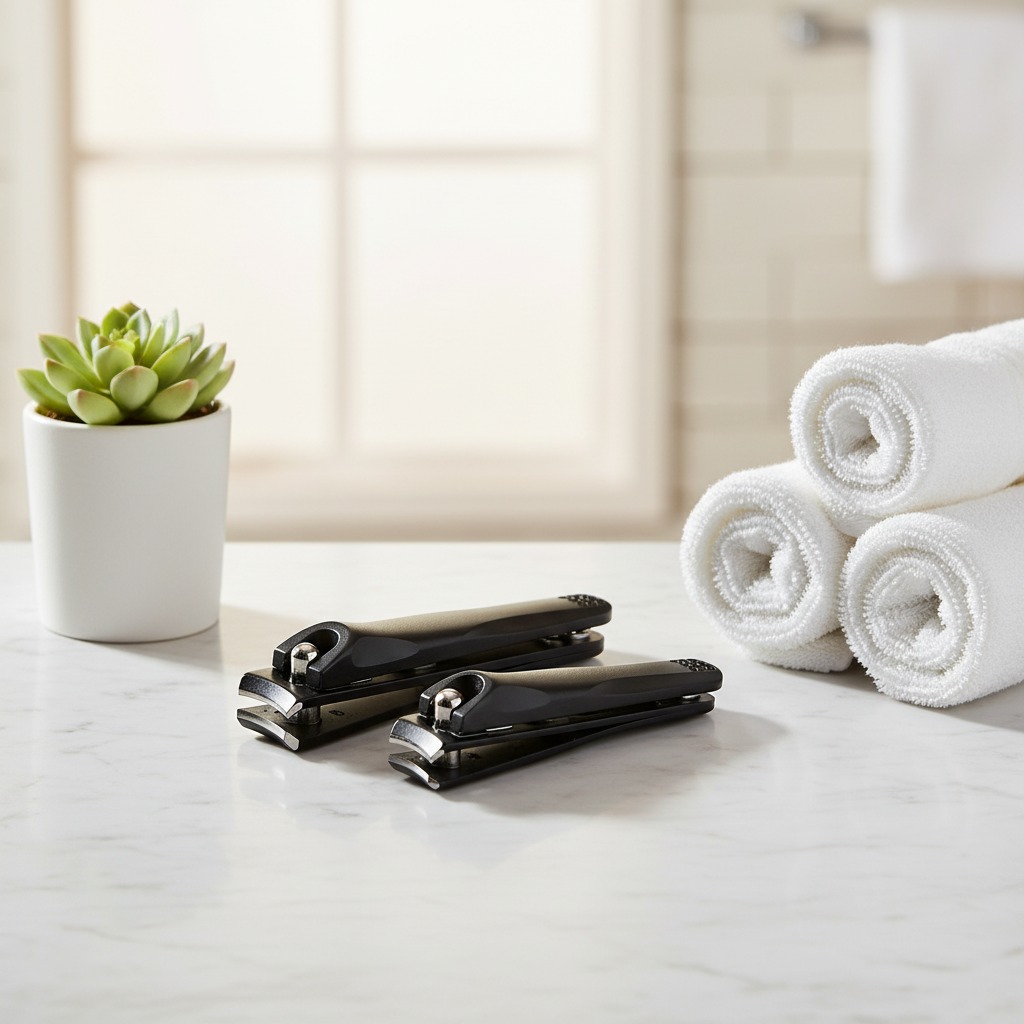
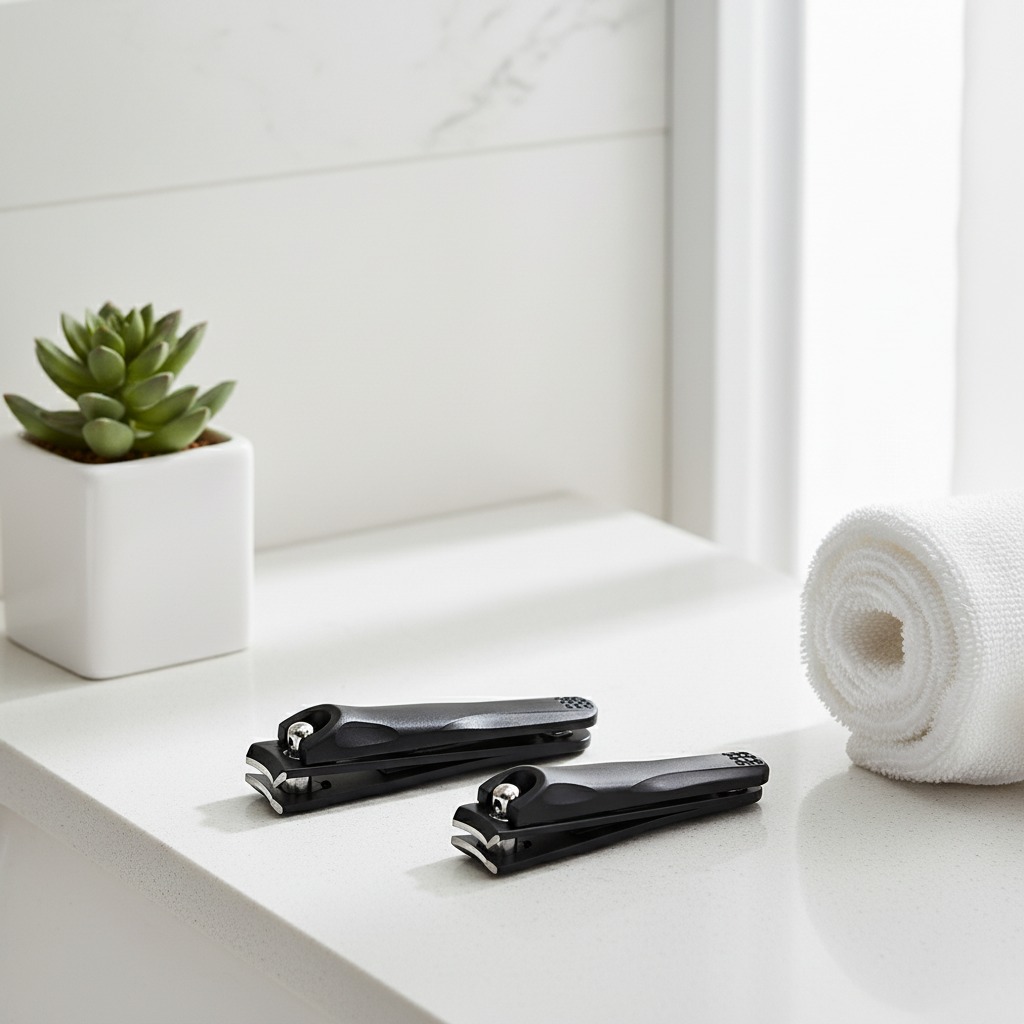
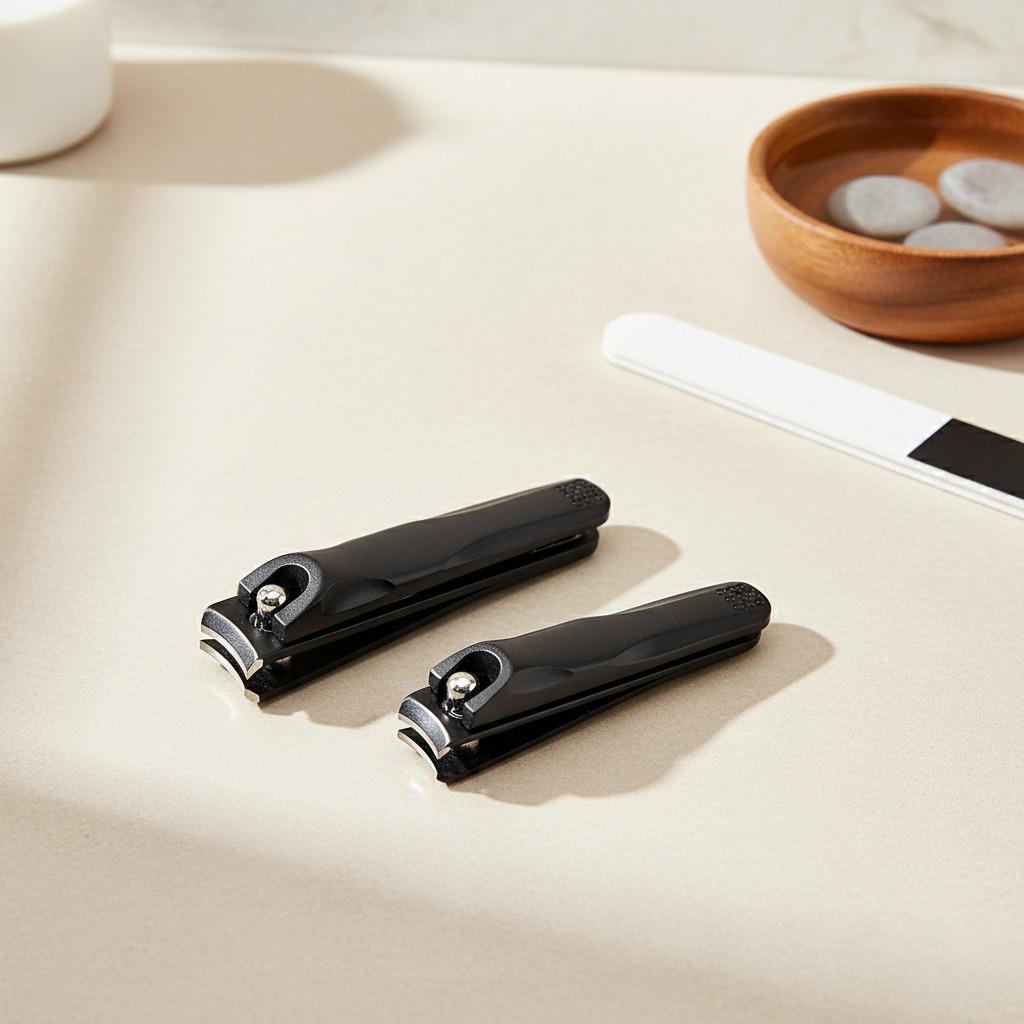
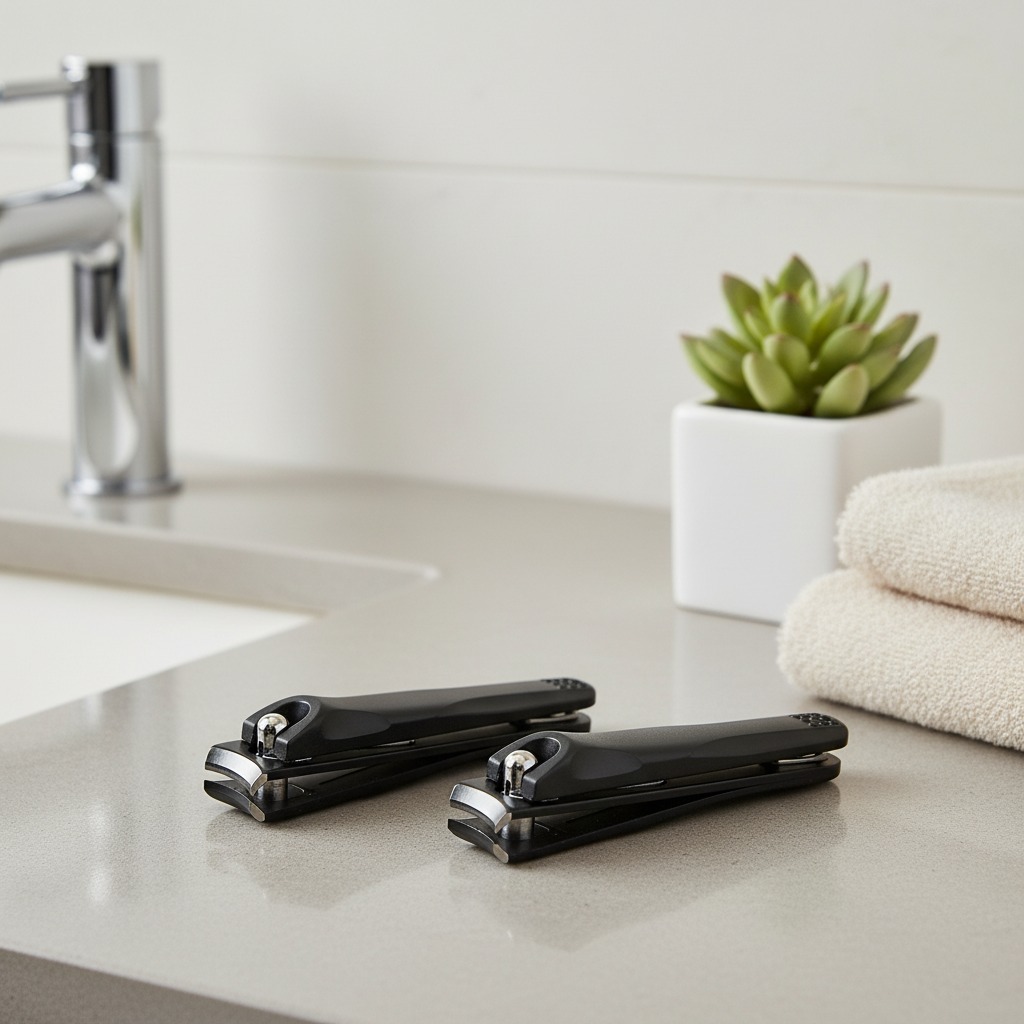
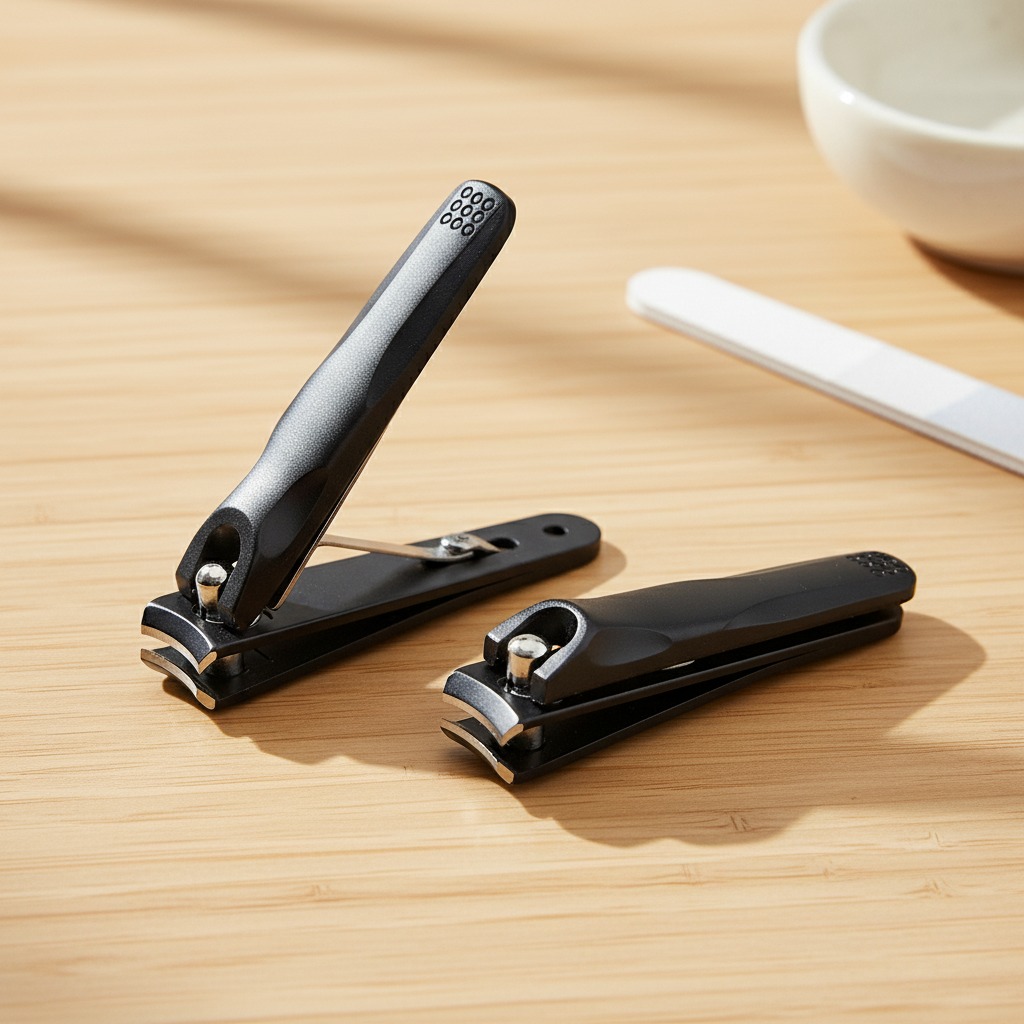
A nail clipper appears simple, but it includes several quality points that should be checked before committing to a larger order. Olimor Beauty’s nail clipper direction includes stainless steel construction, sharp curved blades, textured grips, ergonomic design, and smooth lever operation. When you evaluate samples, convert these features into observable checks rather than relying only on product descriptions.
- Cutting edge alignment: The upper and lower blades should meet evenly. Misalignment can cause tearing, uneven trimming, or pressure marks on the nail.
- Blade sharpness and curve: Curved blades should support a clean, controlled cut without requiring excessive force.
- Lever movement: A smooth lever should open and close without wobbling, sticking, or feeling loose.
- Grip security: Textured grips are valuable when hands are damp or when the user needs better control during trimming.
- Finish quality: Check for rough edges, inconsistent polishing, visible residue, or burrs that could affect handling.
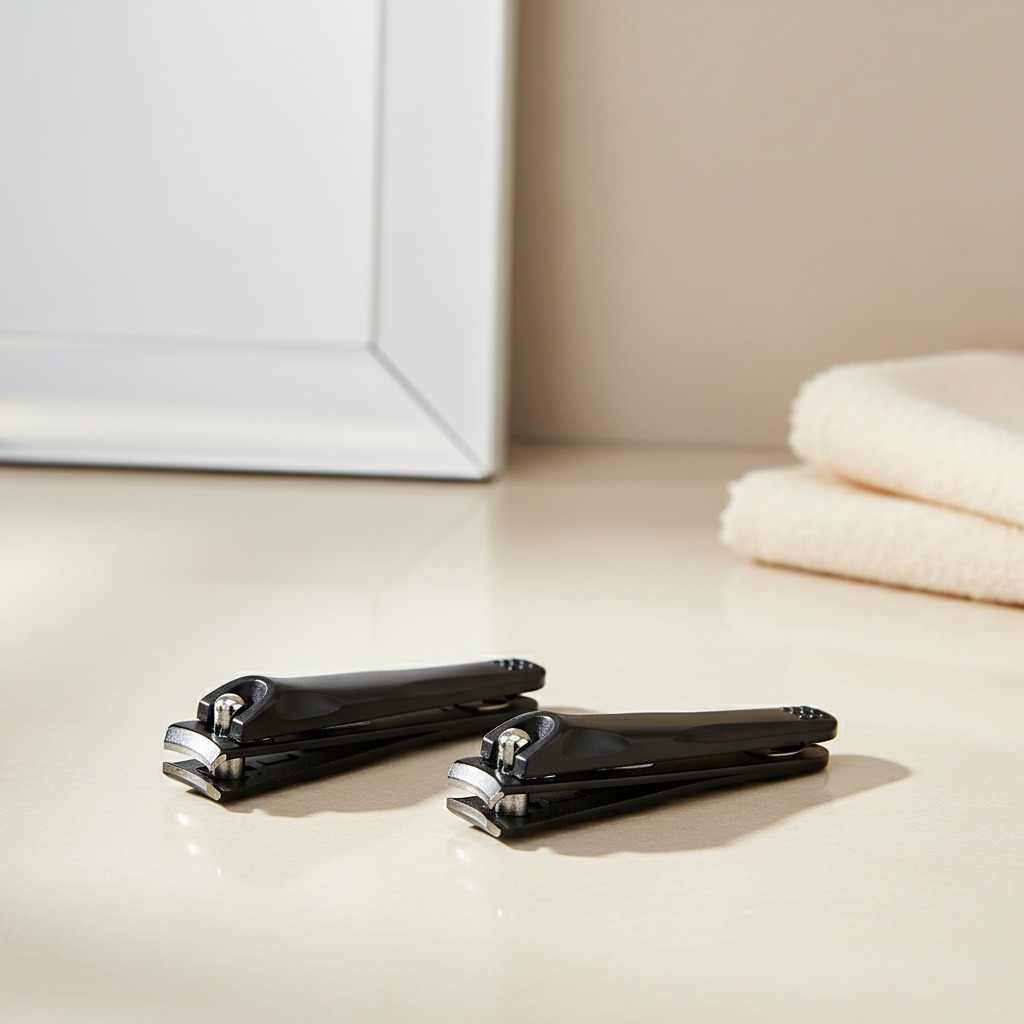
- Compact portability: If the item is marketed as travel-friendly, confirm the size, weight, and packaging are convenient for everyday carry.
These checks are useful for every sourcing path, whether you are buying a standard wholesale nail clipper or preparing an OEM version for your own brand. They also help purchasing teams create sample approval notes that can be reused for future reorders.
Factory, Wholesaler, or OEM Partner: Which Route Fits?
The terms nail clipper supplier, nail clipper factory, nail clipper wholesaler, and nail clipper OEM partner are often used together, but they do not always mean the same thing. Understanding the difference helps you choose the right buying route and avoid mismatched expectations.
| Sourcing route | Best for | What to evaluate |
|---|---|---|
| Nail clipper wholesaler | Fast assortment building, retail replenishment, distributor stock | Available designs, packaging options, order consistency, delivery communication |
| Nail clipper factory | More direct production discussion and stable repeat sourcing | Quality control process, sample approval workflow, finishing consistency, packaging handling |
| Nail clipper OEM partner | Private-label programs and branded grooming ranges | Customization scope, logo and packaging feasibility, pre-production confirmation, specification control |
If you need standard products for immediate assortment planning, a wholesale route may be efficient. If your business needs long-term repeat orders with specific quality requirements, closer factory communication becomes more important. If the nail clipper will carry your brand identity, OEM planning should begin early so design, packaging, and inspection standards are aligned before production.
What to Discuss Before Ordering Wholesale Nail Clippers
Wholesale sourcing works best when both sides agree on details that are easy to overlook. Nail clippers are compact, but small changes in finish, grip texture, packaging, or lever feel can create noticeable differences for end users. A clear checklist reduces confusion and helps your supplier recommend the most suitable option.
- Target sales channel: Confirm whether the product is for supermarkets, pharmacies, beauty stores, e-commerce, travel kits, or promotional distribution.
- Preferred product feel: Decide whether you want a minimalist design, a more ergonomic grip, or a compact travel-oriented format.
- Packaging format: Consider how the nail clipper should appear on shelf, in a set, or inside a shipment carton.
- Sample approval method: Keep one approved sample or a documented reference so later orders can be compared consistently.
- Inspection focus: Identify the most important checks, such as blade alignment, lever operation, surface finish, and packaging condition.
- Reorder expectations: If you expect repeat purchasing, discuss how specifications will be maintained over time.
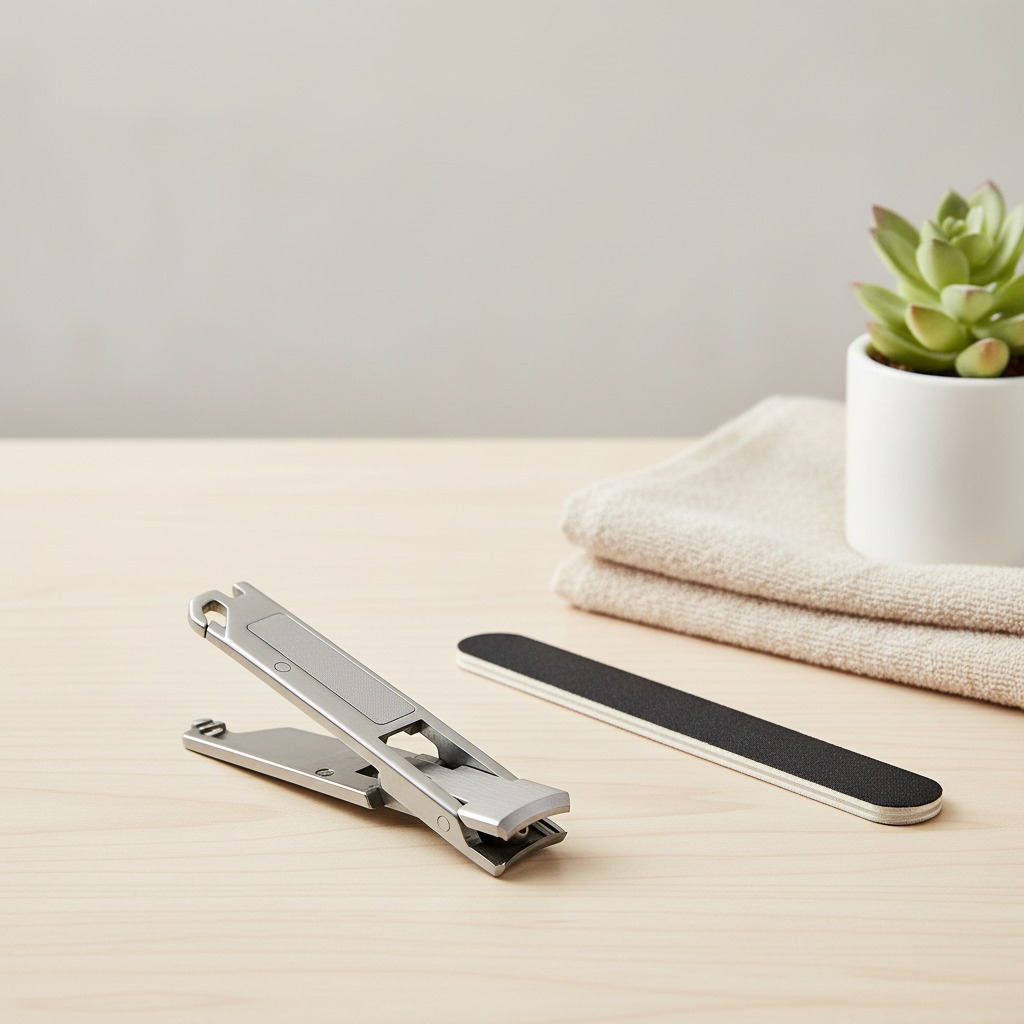
For businesses comparing multiple manicure or grooming items at once, it is often useful to evaluate the nail clipper alongside related tools. This helps you judge whether the finish and quality level match the rest of your product range.
OEM Nail Clipper Decisions for Private-Label Brands
OEM sourcing is different from buying a standard wholesale nail clipper. With OEM, the product has to function well and support your brand positioning. That may involve a specific packaging concept, a preferred visual style, or a product set that includes other personal care tools. The nail clipper itself should still be judged by practical performance: clean cutting, comfortable grip, controlled pressure, and stable lever operation.
When planning an OEM nail clipper, start with the customer and price tier rather than decoration alone. A low-friction, smooth lever may matter more to the user than a complicated exterior design. A textured grip may be more useful for everyday grooming than an oversized package. A compact format may support travel and convenience claims, but only if the packaging and product dimensions work well together.
Private-label buyers should also prepare clear artwork and packaging requirements before sampling. Even when product specifications are simple, unclear files or changing packaging requirements can slow down development. If you are still deciding whether to purchase a standard item or request OEM support, you can send an inquiry with your target market, sales channel, and preferred product direction.
How Quality Control Protects Your Brand
A reliable nail clipper factory should treat quality control as a process, not a final glance before shipping. The original product positioning highlights checks from raw materials to final packaging. For buyers, the practical question is how those checks protect the finished goods your customers receive.
Quality control should cover the parts of the product that most directly affect user experience. Blade edges need to cut cleanly. The lever should move smoothly and return properly. The body should not have rough areas that make it uncomfortable to hold. Packaging should protect the tool and present it clearly. These checks are especially important for nail clippers because defects are easy for users to notice and difficult for retailers to explain after purchase.
It is also helpful to define acceptable and unacceptable issues before production. For example, buyers may classify severe blade misalignment, loose levers, sharp burrs, damaged packaging, or visible contamination as critical problems. Minor cosmetic variation may be handled differently depending on the sales channel. This type of planning helps your team make faster decisions during inspection and protects the consistency of your grooming assortment.
Building a More Reliable Nail Clipper Supply Plan
A strong supply plan balances product quality, packaging needs, communication, and reorder stability. The lowest unit cost is not always the best value if the product creates complaints, needs extra sorting, or does not match the presentation required by your channel. A dependable supplier helps you reduce these hidden costs by keeping specifications clear and production expectations realistic.
For first-time orders, review samples carefully and document what you approve. For repeat orders, compare new goods with the approved reference instead of relying on memory. For OEM programs, confirm artwork, packaging, and product expectations before moving forward. If your business is building a broader personal care assortment, align the nail clipper with the finish and quality level of other tools so the range feels coherent to buyers and end users.
Olimor Beauty works with business customers sourcing nail clippers for wholesale, factory-supported supply, and OEM development. To discuss a nail clipper project, compare available beauty tool options, or share your purchasing requirements, you can contact Olimor with your intended market and product goals.