










Choosing an eyelash curler supplier is a product quality decision, not just a catalog selection. For beauty brands, retailers, importers, distributors and salon buyers, the right supplier should support comfortable tool design, repeatable manufacturing, practical packaging and clear communication before production begins.
An eyelash curler is small, but users judge it quickly. It is used close to the eye, must feel stable in the hand and should apply pressure smoothly without pinching, pulling or feeling unstable. A curler that looks appealing in photos but feels stiff, misaligned or uncomfortable can create returns, poor reviews and lost trust in the wider beauty tool range.
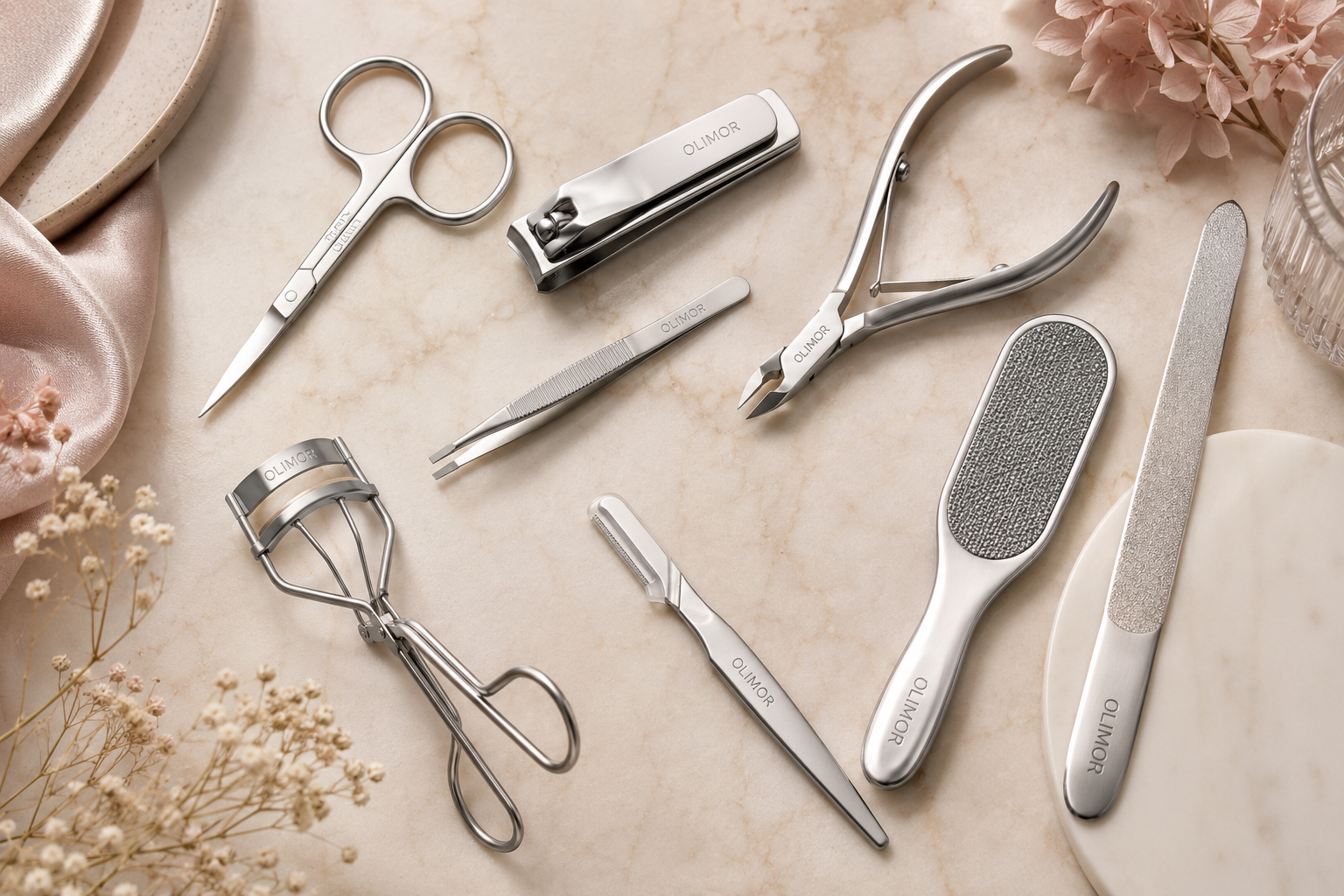
Olimor Beauty works in professional beauty tools including eyelash curlers, manicure tools, two-in-one eyebrow and eyelash combs and specialized personal care instruments. For B2B buyers, the best way to evaluate a supplier is to move beyond appearance and review materials, ergonomics, inspection points, packaging suitability and private label readiness in a structured way.
What a Reliable Eyelash Curler Supplier Should Provide
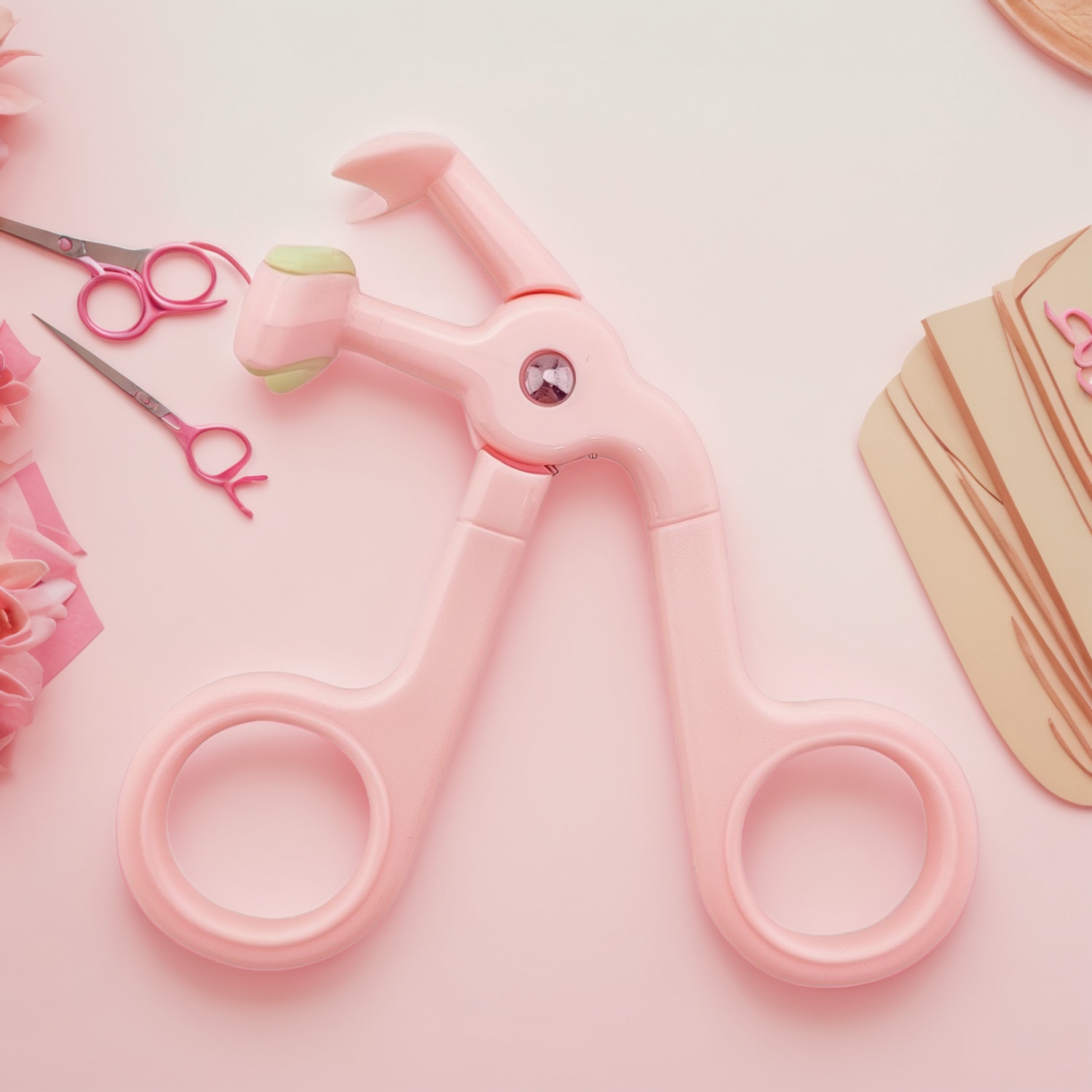
A dependable eyelash curler supplier should understand both user comfort and manufacturing consistency. The tool must open and close smoothly, align properly and feel controlled during daily use. It should also arrive in packaging that suits the sales channel, whether the product is intended for salon resale, retail display, e-commerce fulfillment, travel kits or a wider cosmetic accessory program.
Buyers should expect practical answers to direct sourcing questions. How is the curler checked before shipment? Which finish details are inspected? How is packaging reviewed? Can the supplier help match eyelash curlers with adjacent beauty tools such as tweezers, brow combs, nail care tools or personal care accessories? These questions help separate a general trading offer from a supplier that understands beauty tool programs.
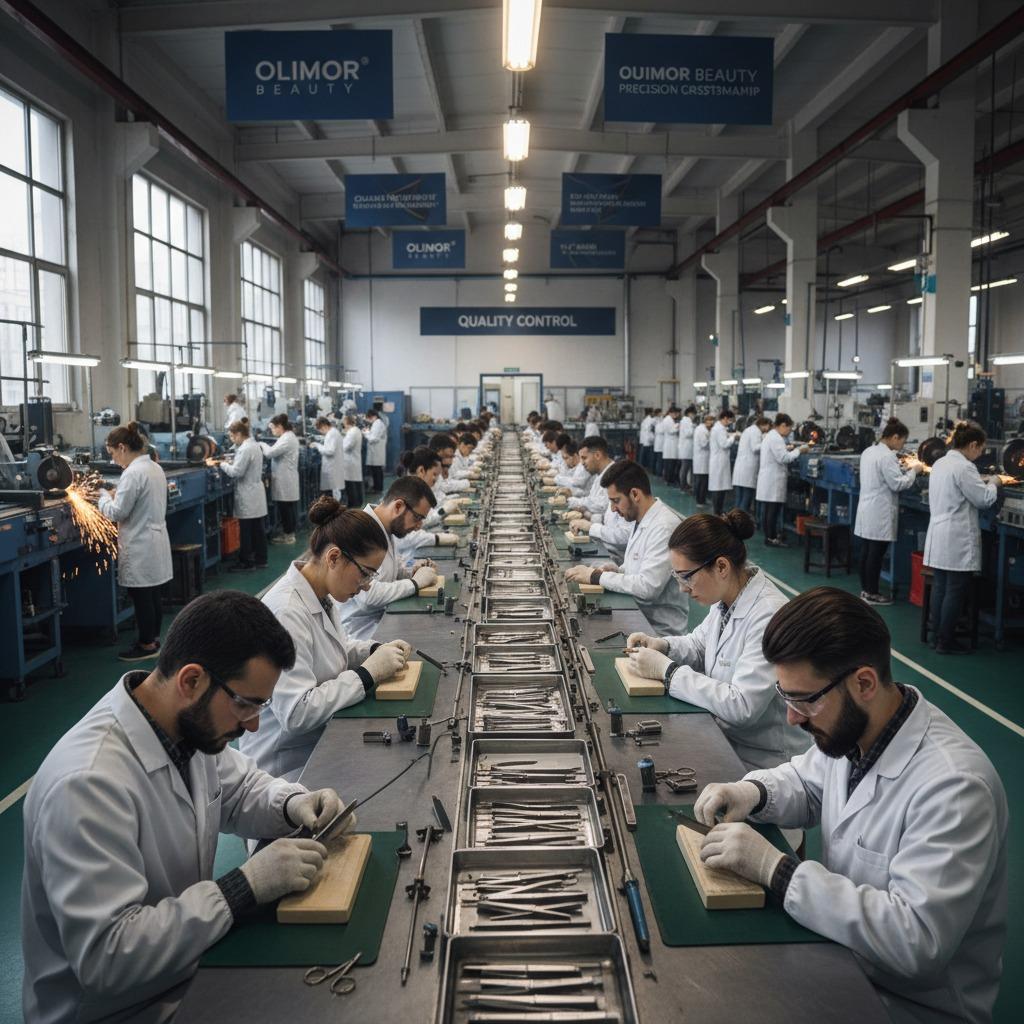
Olimor Beauty emphasizes precision, durability, ergonomic design and internal quality controls from raw material sourcing through final packaging inspection. Buyers should translate those ideas into concrete approval points: frame alignment, hinge movement, pad fit, grip comfort, clean finishing, packaging strength and consistency across samples.
Start With the End User and Sales Channel
The best supplier evaluation begins with the customer who will actually use the tool. A professional salon buyer may focus on dependable handling, easy cleaning routines and a tool that feels controlled during repeated use. A retail consumer may care more about comfort, appearance, clear instructions and how the curler fits in a makeup bag. An e-commerce buyer also needs packaging that protects the item during shipping and presents the product clearly when opened.
Before asking for samples, define the intended channel and product role. Is the eyelash curler a single SKU, part of a lash kit, an add-on in a gift set or one item in a complete beauty accessory collection? A supplier can give more relevant recommendations when the buyer explains the target customer, desired presentation and nearby products in the range.
- Retail display: packaging visibility, hanging options, product explanation and shelf handling matter.
- E-commerce: protective packaging, compact presentation and reduced risk of transit damage are important.
- Salon resale: comfortable handling, professional appearance and repeat-use feel carry more weight.
- Private label programs: sample approval, packaging artwork, brand consistency and repeat order control should be discussed early.
Key Product Checks for Eyelash Curler Samples
A shiny finish or attractive shape does not prove that an eyelash curler will perform well. Buyers should check multiple samples from the same proposed item and compare them against written requirements. The goal is to identify problems before the product reaches customers.
Frame Alignment and Pad Contact
The upper and lower parts of the curler should meet evenly. If the frame is twisted or the pressure surface is uneven, the user may need extra force or may experience inconsistent curling. If the design uses a cushion pad, the pad should sit correctly and support even contact across the lash area.
Opening and Closing Action
The movement should feel smooth and controlled. A curler that is too stiff can feel intimidating near the eye, while a tool that is loose or shaky can feel unreliable. Buyers should open and close each sample several times and compare whether the action is consistent.
Grip Comfort and Ergonomics
Ergonomics should be treated as a core specification, not a decorative feature. The user should be able to hold, align and press the tool without awkward finger positioning. Handle shape, frame width and spring behavior where applicable should be reviewed together because they affect how gradually and confidently pressure can be applied.
Surface Finish and Contact Areas
Edges, handle surfaces, coating and any contact points near the eye area should be clean and comfortable. Rough surfaces or unfinished edges may create poor handling or safety concerns. This review should include both visible finish and tactile inspection.
Packaging Condition
Packaging should protect the curler during transport and support the final sales format. Buyers should check whether the packaging holds the tool securely, presents it clearly, allows for labeling or barcode needs and matches the intended retail or online experience.
Material and Design Considerations
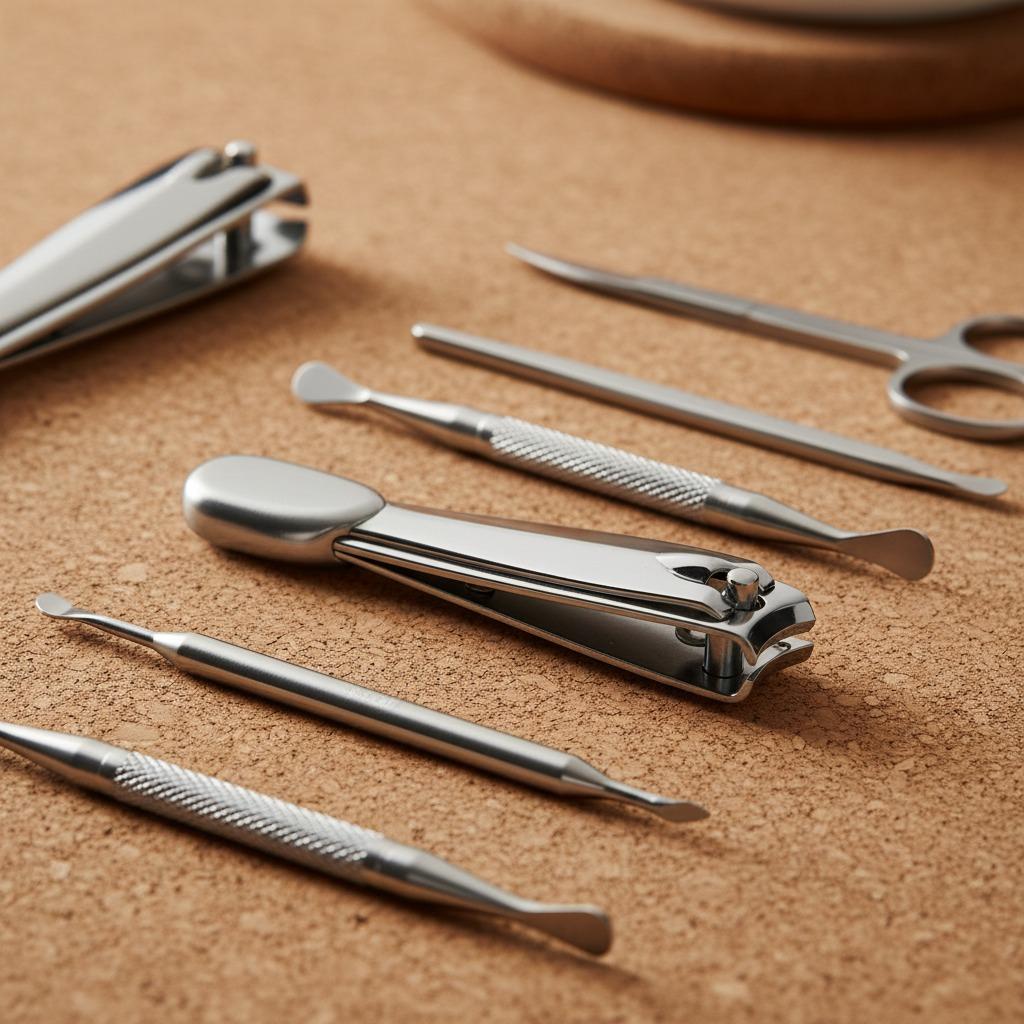
Material selection matters because eyelash curlers and grooming tools are handled often and may be stored in bathrooms, salons, travel bags or makeup kits. Stainless steel instruments are often valued in beauty tool sourcing because they can provide strength, a clean appearance and a professional feel when manufactured properly. However, buyers should not rely on a material label alone. The actual sample still needs to be checked for finish quality, alignment, comfort and packaging suitability.
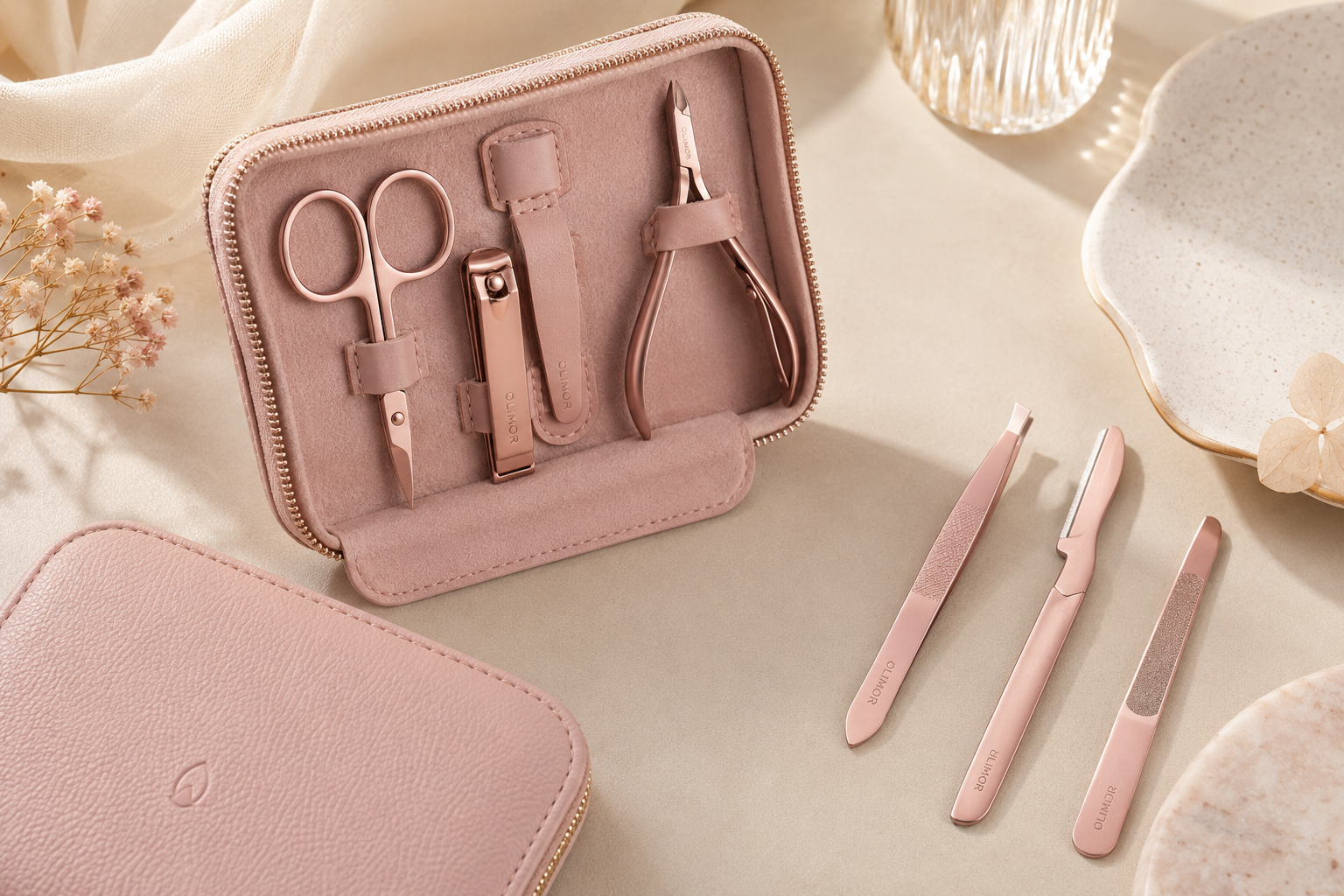
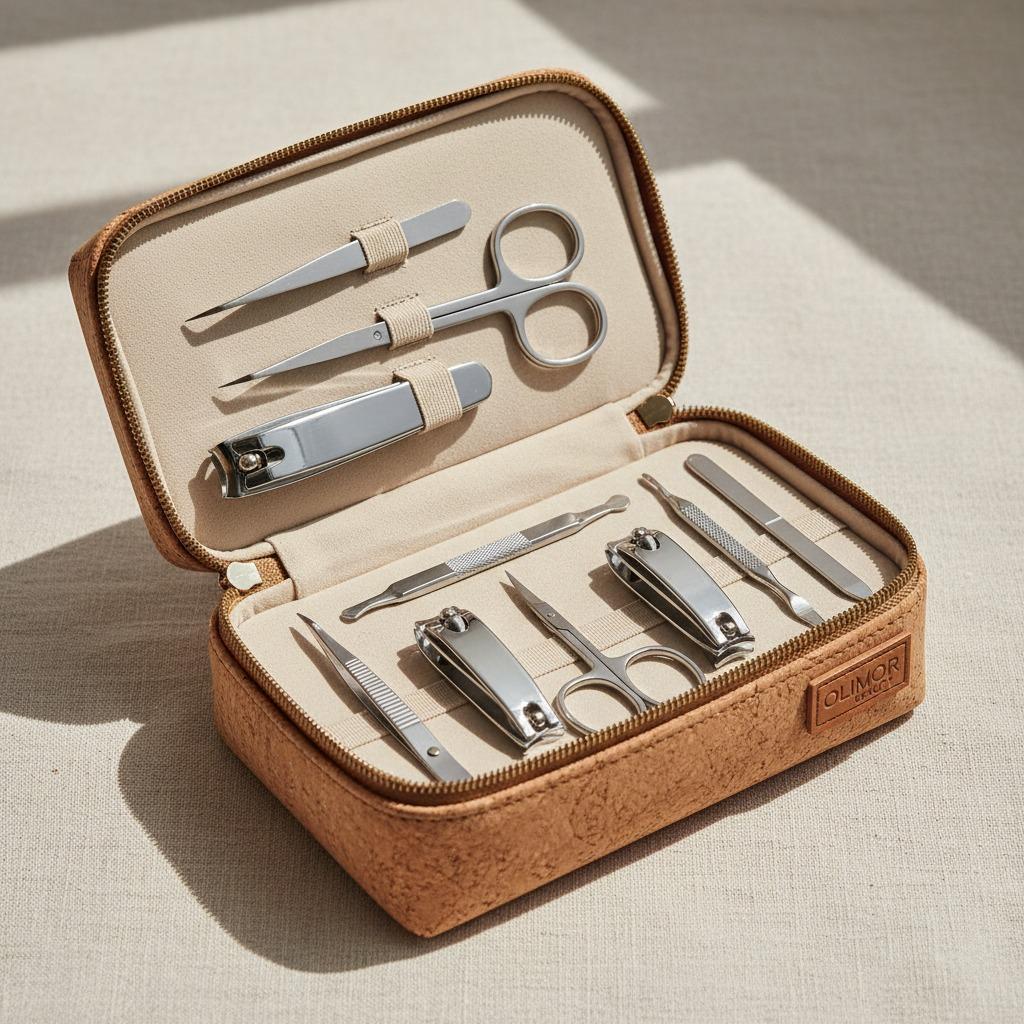
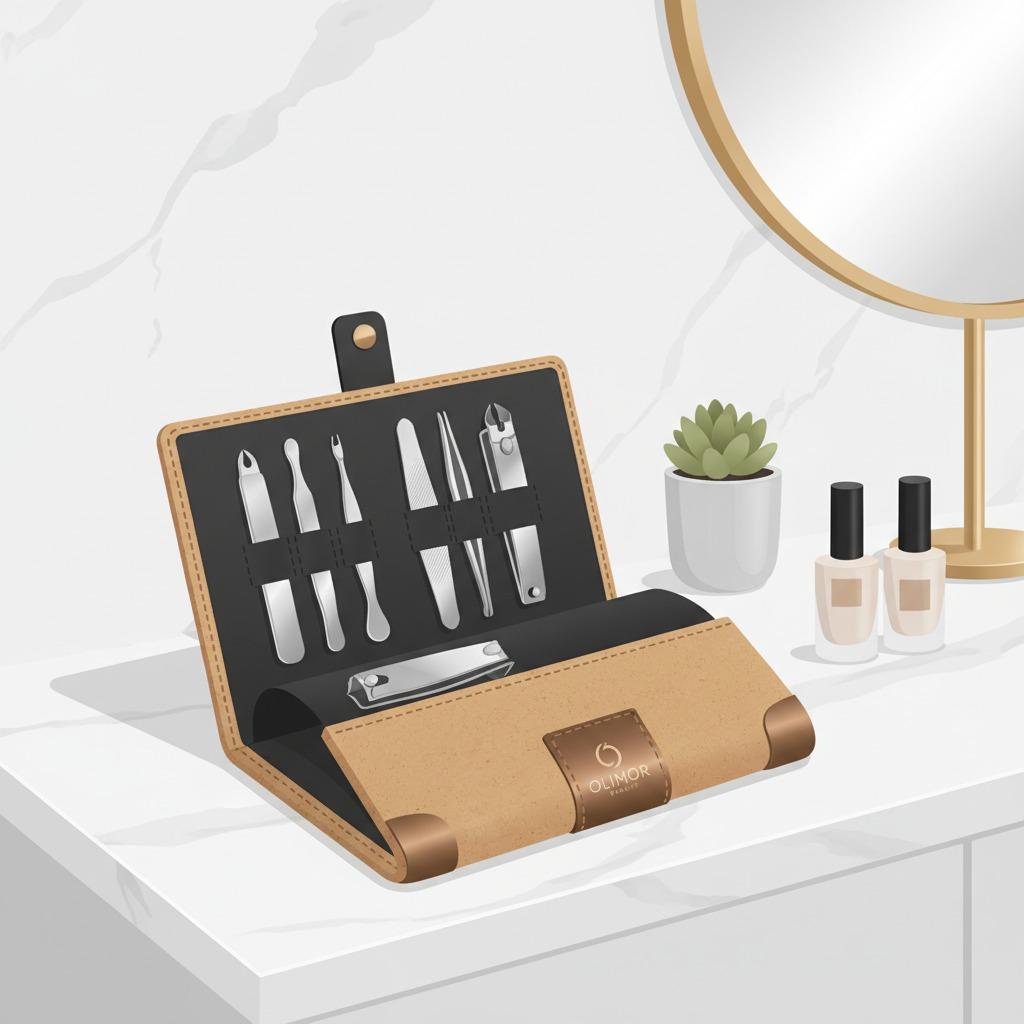
For related tools, the evaluation changes but the sourcing discipline remains the same. A two-in-one eyebrow and eyelash comb should separate hairs without feeling scratchy, allow detail work and be simple for customers to understand. Manicure tools should be reviewed for hand comfort, finishing, packaging protection and labeling clarity. Specialized personal care instruments require particular attention to visibility, gentle handling and practical design details. Olimor Beauty’s product scope includes examples such as a Baby Nail Trimmer with an integrated LED light, showing how small grooming tools can depend on useful design details rather than broad performance claims.
When regulatory or market requirements apply, buyers should verify the relevant version and supplier documentation themselves. For example, buyers selling into certain markets may need to consider EU REACH obligations for chemical substances in materials or ISO 9001 as a general quality management reference when discussing supplier systems. These references should be used as due diligence prompts, not assumed proof of compliance. Do not treat any standard as applicable until your market, product type and supplier documents have been reviewed.
Comparison Table for Supplier Evaluation
| Evaluation Area | What to Check | Why It Matters | Questions to Ask the Supplier |
|---|---|---|---|
| Tool function | Opening, closing, frame alignment and pad contact | Determines whether the curler feels controlled and applies pressure evenly | How are movement and alignment checked before shipment? |
| Ergonomics | Handle comfort, grip stability and ease of positioning | Affects user confidence, especially because the tool is used near the eye | Can samples be reviewed for different hand sizes and use scenarios? |
| Finish quality | Clean edges, surface condition, coating appearance and contact areas | Influences perceived quality, comfort and brand trust | Which finish defects are rejected during inspection? |
| Packaging | Protection, presentation, labeling space and channel fit | Supports retail display, e-commerce delivery and customer first impression | Can packaging be reviewed together with the approved sample? |
| Range support | Compatibility with combs, manicure tools and other personal care items | Helps buyers build coordinated collections rather than isolated SKUs | Which related beauty tools can be sourced within the same program? |
| Private label readiness | Brand placement, artwork coordination, reference samples and repeat order control | Reduces mismatch between sample approval and future production | What information is needed to review customization options? |
Quality Control Questions Before Placing an Order
Quality control should be discussed during sample approval, not only after production is complete. Olimor Beauty describes internal quality checks across the production process, from raw material sourcing to final packaging. Buyers can make that process more useful by defining the specific acceptance points that matter for the product and market.
- Review several samples: Do not approve a product based only on one preferred piece. Compare movement, alignment, surface finish and packaging across multiple samples.
- Create written acceptance notes: Record what must remain consistent, such as pad fit, hinge feel, finish condition, packaging layout and accessory completeness.
- Keep a reference sample: A physical approved sample helps align later discussions and repeat orders.
- Clarify inspection focus areas: Identify critical details for your channel, such as retail presentation, barcode placement, carton condition, surface defects or functional movement.
- Discuss repeat order expectations: Ask how the supplier maintains consistency when the same item is produced again.
This process is especially important for private label beauty tools. Once the product carries your brand identity, users connect every detail with your company. A basic curler should still feel intentional, comfortable and consistent.
Building a Wider Beauty Tool Range
Many buyers searching for an eyelash curler supplier are not sourcing one item in isolation. They may be building a cosmetic accessory line, a manicure and pedicure assortment, a travel grooming set or an online beauty tool collection. In that context, it helps to work with a supplier that can support multiple related categories.
A coordinated tool range might include eyelash curlers, brow and lash combs, manicure tools and personal care accessories. The benefit is not only visual consistency. It also simplifies sourcing conversations, packaging coordination and quality expectations across small tools that customers often buy together.
Buyers can review Olimor’s beauty tool products when planning individual SKUs or browse broader product collections to consider how eyelash curlers, brow tools and nail care items may fit into retail sets. Looking across categories can also help determine whether a curler should be sold alone, paired with a comb or positioned inside a wider grooming assortment.
Olimor Beauty works from a beauty tool manufacturing and export context that includes manicure tools and personal care instruments. For buyers comparing suppliers, this broader capability can be useful when the commercial goal is not simply to purchase one curler but to develop a reliable and consistent beauty tool program.
Private Label and Customization Planning
Private label beauty tools require more planning than placing a logo on a product. The tool must fit the brand promise, price point, customer expectations and sales channel. Buyers should discuss customization requirements early so the supplier can review feasibility, packaging direction and sample needs before production planning.
Important private label topics include logo placement, packaging structure, artwork files, product naming, accessory inclusion, instruction content and carton requirements. The buyer should also consider whether the eyelash curler must visually match other items in the range, such as a brow comb, nail clipper or grooming tool. Even simple design consistency can make a beauty tool collection feel more professional.
Cost factors should be discussed without assuming that the lowest unit price is the best option. Eyelash curler sourcing cost can be affected by material selection, finish, packaging style, customization work, inspection requirements, order complexity and the number of items included in the program. A higher-value sourcing decision often comes from fewer complaints, better packaging fit and smoother repeat orders rather than from appearance alone.
How to Shortlist an Eyelash Curler Supplier
A strong supplier shortlist should combine product evaluation and commercial evaluation. The buyer needs a tool that works well, but also a supplier that communicates clearly, supports sampling and understands packaging and quality expectations.
- Ask for samples that reflect the intended material, finish and packaging direction.
- Compare comfort, alignment and movement before discussing only price.
- Confirm whether adjacent products such as brow combs or manicure tools can be coordinated.
- Discuss private label options, artwork requirements and packaging review steps.
- Ask what inspection points are used from materials through final packaging.
- Verify any market-specific standards, regulatory obligations or supplier documents that apply to your product and destination market.
If you are evaluating eyelash curlers for a private label or wholesale program, Olimor can discuss product options, packaging direction and related beauty tool categories. You can send a sourcing inquiry or use the contact page to start a practical review without committing to unsupported claims or assumptions.
FAQ
Can buyers request samples before placing an order?
Sample review is a practical step for eyelash curlers and related beauty tools. Buyers should use samples to check frame alignment, opening and closing action, pad contact, finish quality, grip comfort and packaging suitability before confirming order details.
Does Olimor support private label beauty tools?
Olimor Beauty’s service direction includes private label manicure tools, and the same planning mindset is relevant for eyelash curlers and mixed beauty tool ranges. Buyers should discuss logo placement, packaging, artwork, product pairing and repeat order expectations during the inquiry stage.
What MOQ or lead time should buyers expect?
MOQ and lead time depend on the product, customization requirements, packaging format and order complexity. Buyers should confirm these details directly with Olimor during quotation and should avoid assuming a fixed number before the product scope is defined.
What quality checks are most important for eyelash curlers?
The most important checks include frame alignment, smooth movement, even pad contact, comfortable grip, clean finishing, packaging condition and consistency across samples. For private label programs, buyers should keep approved reference samples and written acceptance notes.
Can eyelash curlers be sourced with other beauty tools?
Yes, many buyers source eyelash curlers as part of a broader range that may include brow and lash combs, manicure tools and personal care instruments. Coordinating related items can help improve product matching, packaging consistency and sourcing efficiency.