










For beauty brands, retailers and distributors, an eyelash curler is a small product with a big impact on customer trust. It touches a sensitive area, must perform smoothly every time and is often judged within seconds of use. A poor curler can pinch, tug, create uneven bends or lose tension quickly. A well-made one helps users shape lashes with control, comfort and confidence.
Choosing the right eyelash curlers supplier is therefore not only a purchasing decision. It affects product reviews, repeat orders, return rates and the way customers perceive the rest of your beauty tool range. Olimor Beauty supplies professional beauty tools with a focus on practical design, precision and internal quality control. For buyers comparing sourcing options, the best approach is to look beyond a low unit price and evaluate how the tool is designed, produced, checked and packaged.
Start with the User Experience, Not Just the Product Category
The search for an eyelash curlers supplier often begins with specifications and pricing, but the first question should be: who will use this tool and how? A compact eyelash curler intended for on-the-go touch-ups has different priorities from a tool designed for a large retail kit. Portability, grip comfort and ease of use matter, especially for customers who carry beauty tools in a handbag, travel case or workplace makeup pouch.
A buyer should consider how the tool feels in the hand, how easy it is to position near the lash line and whether the curling action is predictable. Users want enough pressure to shape the lashes, but not so much pressure that the tool feels risky or harsh. This balance is one reason the tension mechanism, pad material and frame alignment deserve close attention during product selection.
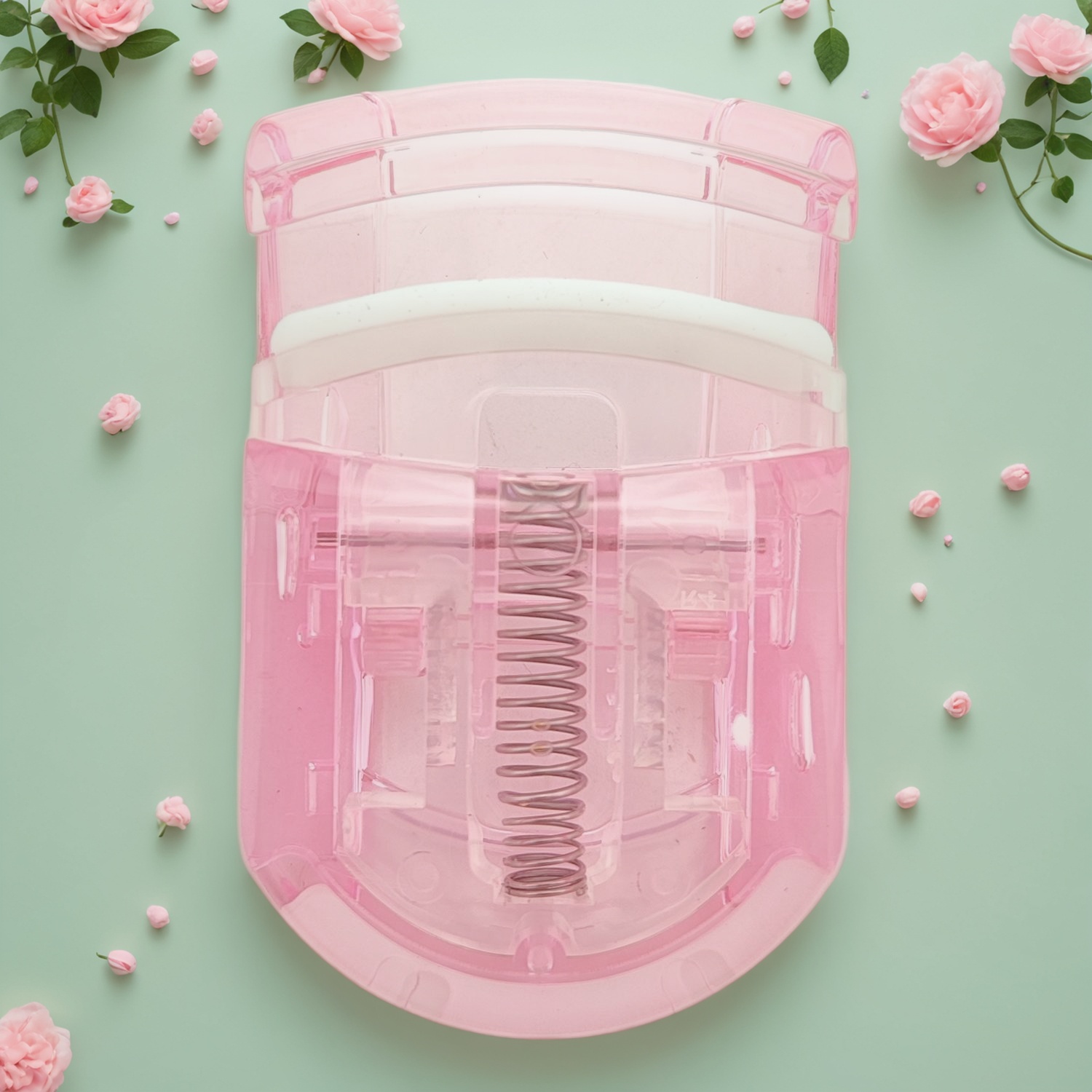
Olimor Beauty’s compact eyelash curler reflects this type of design thinking. It is described with a robust tension spring for ideal pressure, dual silicone pads to cushion lashes and a lightweight, portable form for touch-ups outside the home. These features are useful because they address real concerns: control, comfort and convenience.
Key Design Features to Check in an Eyelash Curler
When comparing samples from any supplier, evaluate the details that affect lash safety and long-term usability. The goal is not to make the most complicated tool; the goal is to offer a tool that performs consistently for the target customer.
- Tension and pressure control: The spring or hinge action should feel smooth, stable and easy to control. A robust tension spring can help create a steady curling movement with minimal effort.
- Pad cushioning: Silicone pads should cushion the lashes and reduce the chance of tugging or breakage. Dual silicone pads are a useful feature when they are properly fitted and aligned.
- Frame alignment: The upper and lower parts of the curler should meet evenly. Misalignment can create uneven curls or uncomfortable pressure points.
- Grip and handling: A compact tool still needs a secure hold. The user should be able to operate it without slipping or applying excessive force.
- Portability: For travel and touch-ups, a lightweight shape is an advantage, but it should not feel flimsy. Portability should support convenience without sacrificing control.
- Cleaning access: The structure should allow users to wipe away makeup residue and keep the pads clean between uses.
These checks are especially important for private label or retail-ready programs, where your brand name may appear on the product or packaging. Customers may not know which factory produced the curler, but they will remember the brand that sold it.
Quality Control Questions Beauty Buyers Should Ask
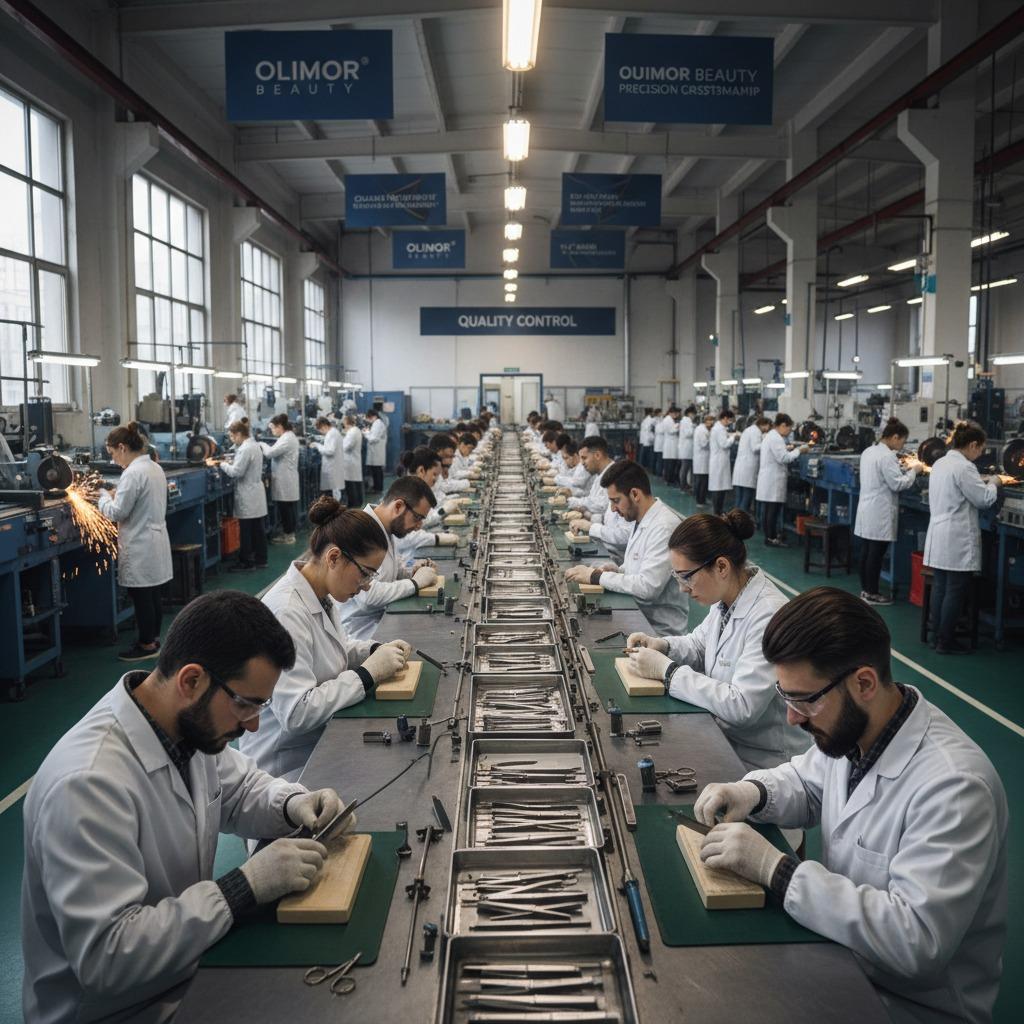
Reliable quality does not happen only at final inspection. It is built through material selection, tooling control, assembly checks and packaging review. Olimor Beauty emphasizes stringent internal quality control, including inspection from raw materials to final packaging. For sourcing teams, this is the kind of process orientation to look for when comparing a professional beauty tools supplier.
Before confirming an order, build a practical quality checklist. The checklist should help you judge consistency across samples, not only whether one sample looks good in a photo.
- Review several samples: Test more than one piece to see whether tension, alignment and pad fit remain consistent.
- Operate the tool repeatedly: Open and close the curler many times to observe spring return, smoothness and frame stability.
- Inspect contact areas: Check that the pad sits correctly and that edges near the lash area feel smooth.
- Check cosmetic finish: Look for scratches, uneven coating, rough points or visible assembly defects.
- Evaluate packaging fit: A good tool can still be damaged or poorly presented if packaging is loose, weak or unsuitable for the sales channel.
- Confirm labeling needs: If you require private label presentation, make sure artwork placement, color expectations and packaging details are reviewed before production.
For online sellers, consistency is particularly important because customer reviews often mention small functional differences. A batch of curlers should not vary widely in pressure or comfort. For distributors and store brands, packaging strength and visual consistency also affect shelf presentation and customer confidence.
Private Label and Range Planning Beyond Eyelash Curlers
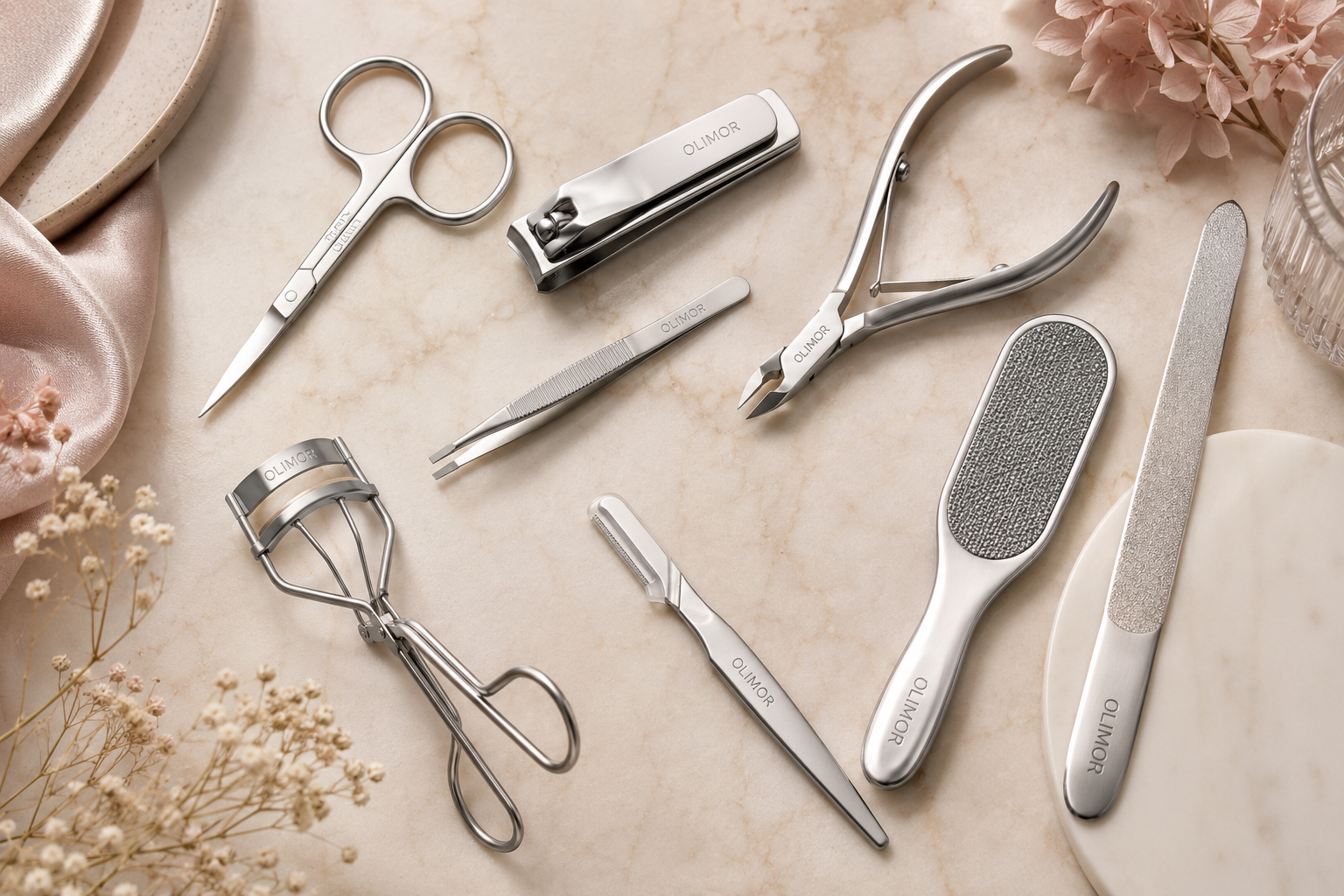
Many buyers searching for an eyelash curlers supplier are also building a wider beauty tools assortment. A curler may sit next to tweezers, nail tools, manicure kits or personal care accessories. Working with a supplier that understands multiple categories can simplify coordination and make range planning more efficient.
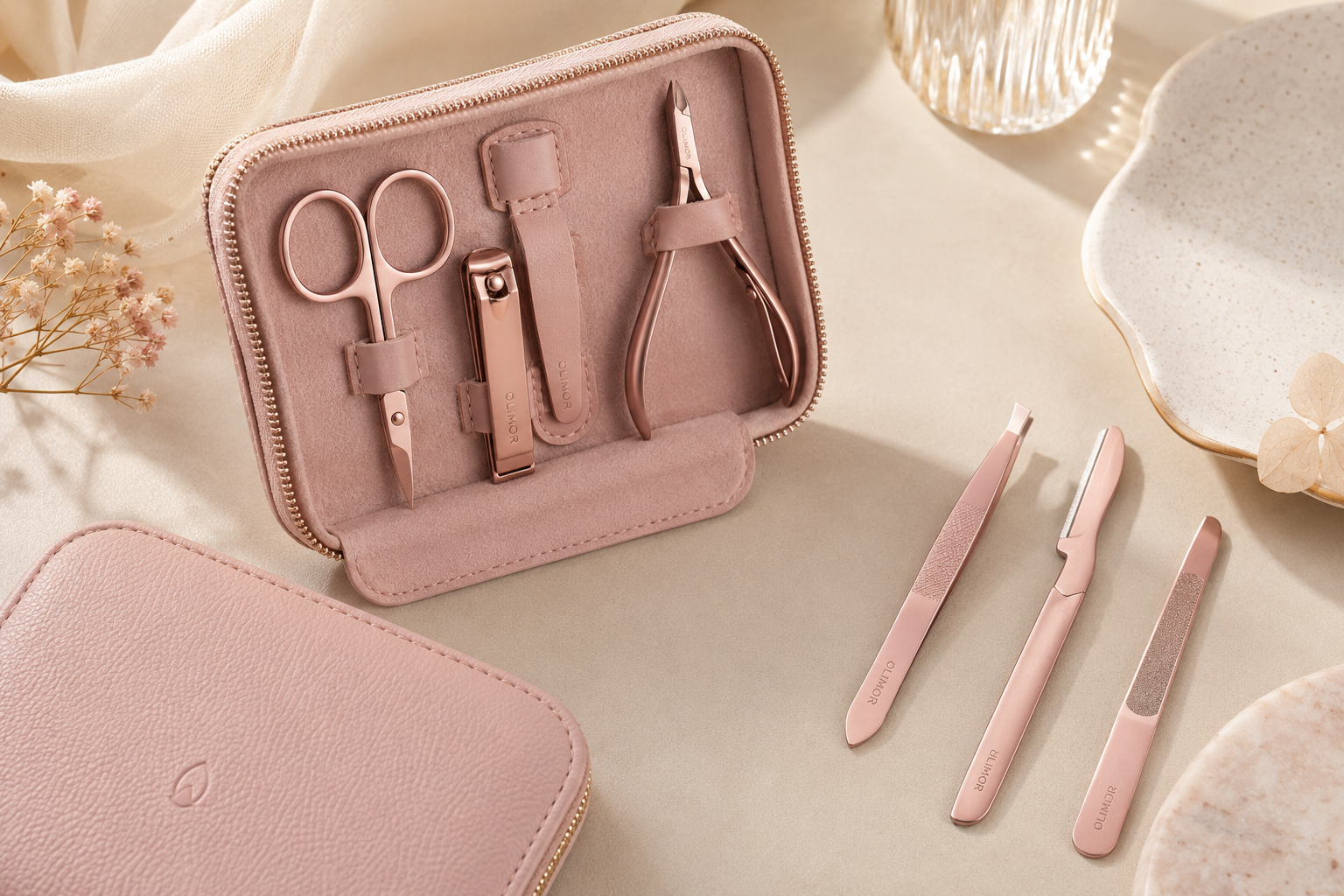
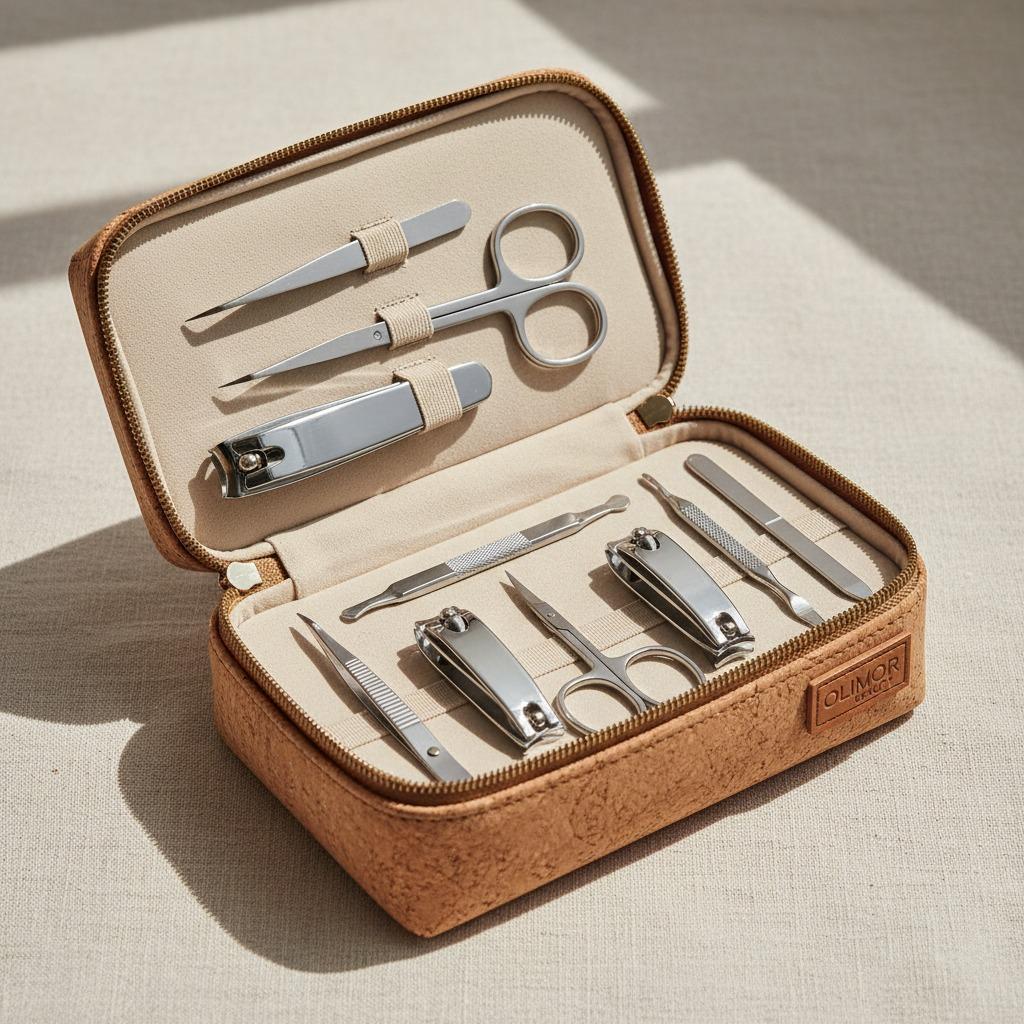
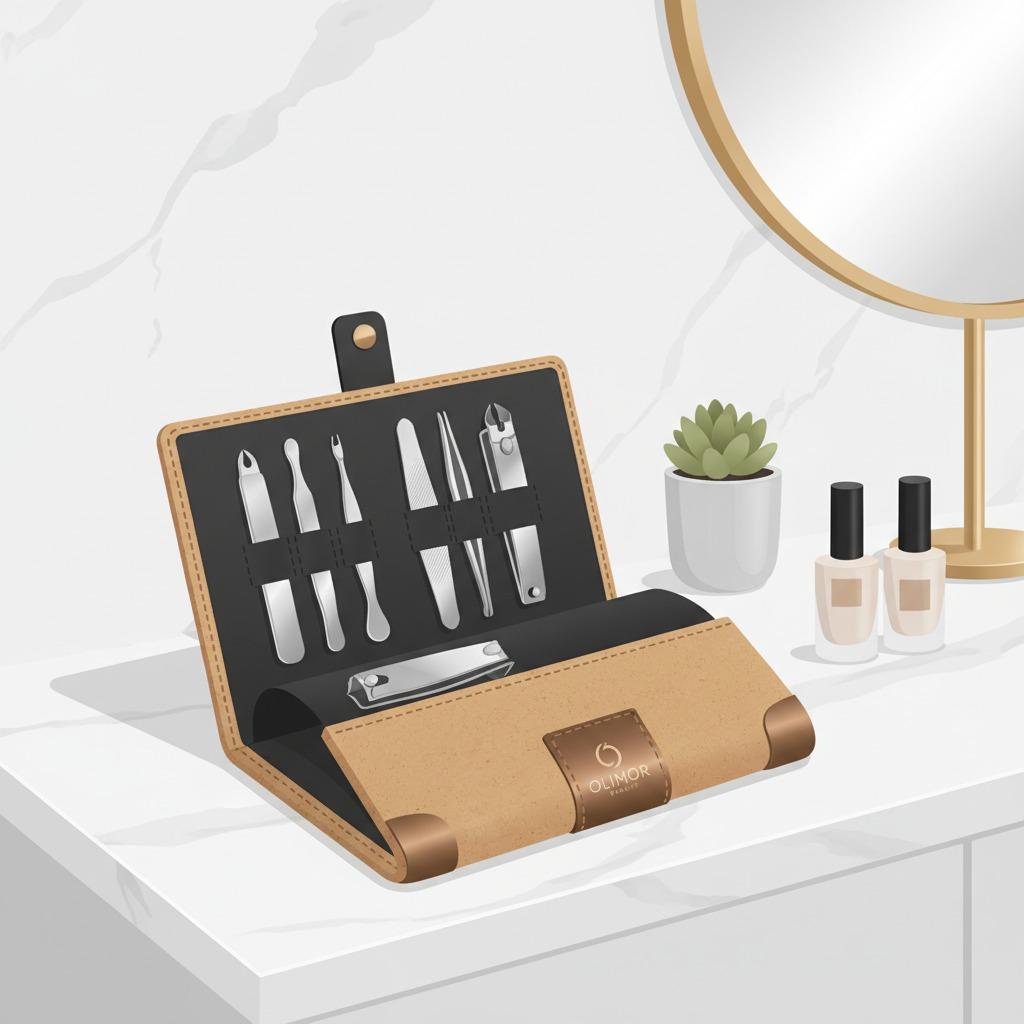
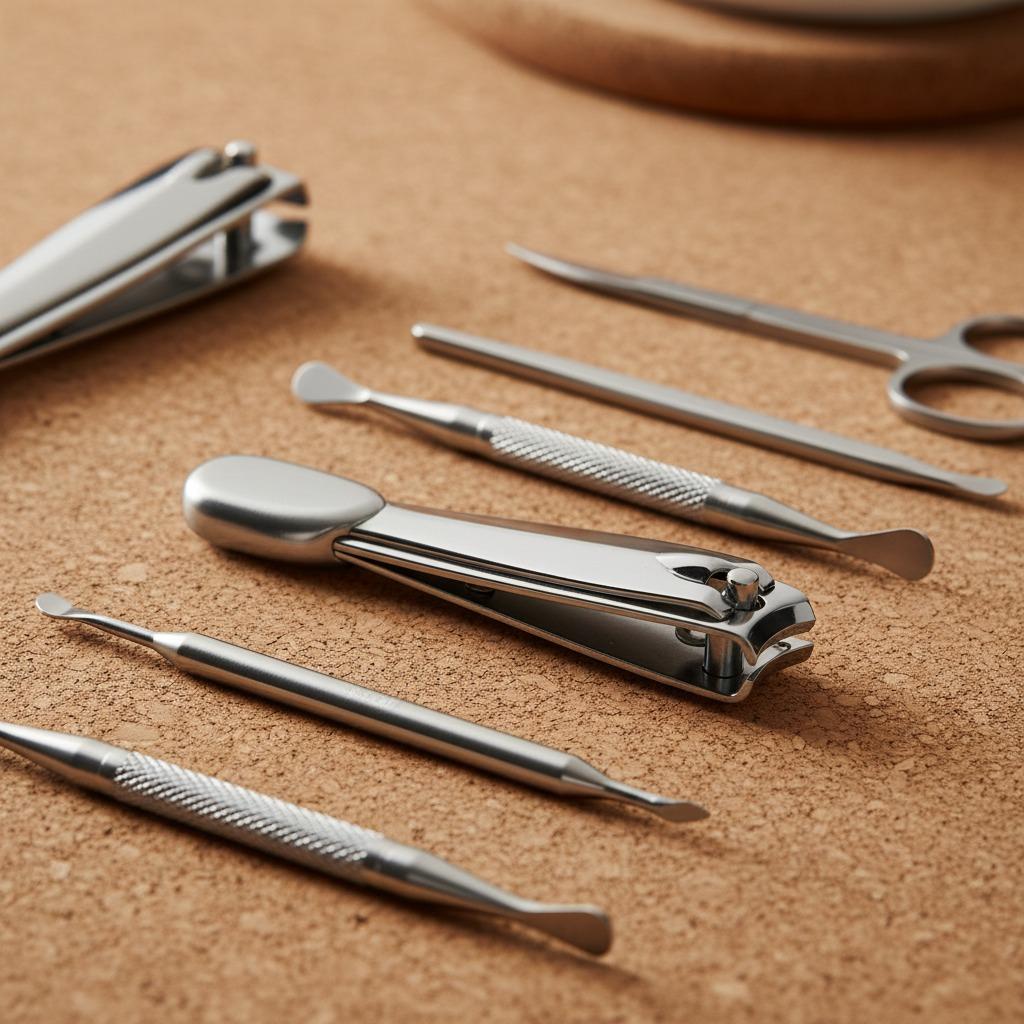
Olimor Beauty is also a manicure tools supplier and provides services for private label manicure tools. This is useful for brands that want a consistent look across different items, such as matching packaging, coordinated tool finishes or a unified retail presentation. If your business is expanding from eye tools into hand and nail care, it can be helpful to review the broader selection of beauty tool products and compare how different tools may work together in one brand story.
Range planning should be based on customer needs rather than simply adding more items. For example, a travel-focused collection may prioritize compact tools and protective packaging. A salon resale assortment may emphasize durability and practical replacement parts. A gift set may require a more refined presentation and clear usage instructions. The supplier’s role is to help translate these requirements into tools and packaging that suit the channel.
What to Consider When Sourcing from Guangdong
Olimor Beauty is described as a manicure tools exporter Guangdong, a region widely associated with manufacturing and export supply chains. When sourcing beauty tools from any manufacturing base, buyers should focus on communication quality, sample evaluation and repeatability. The most useful supplier is not just the one that can make a product once; it is the one that can keep production aligned with the approved sample.
For overseas buyers, written confirmation is important. Product dimensions, material expectations, finish preferences, packaging structure and inspection points should be documented clearly. If a compact eyelash curler is selected because of its spring tension, dual silicone pads and portable structure, those features should be included in the approval reference so that future production stays consistent.
Shipping and handling should also be considered early. Beauty tools may be small, but packaging shape, retail cards, inner boxes and display requirements can influence carton planning. If the product will be sold online, packaging should be suitable for fulfillment. If it will be sold in stores, the package may need to communicate product benefits quickly and clearly.
Maintenance Information That Adds Value for Customers
A useful eyelash curler article, product page or package insert should tell customers how to care for the tool. Clear maintenance guidance can reduce misuse and help buyers present the product more professionally. Even a well-designed curler needs routine cleaning because mascara, eyeliner and skin oils can collect on pads and contact areas.
Basic customer guidance may include wiping the pads after use, avoiding use on lashes with heavy wet mascara, storing the tool in a clean pouch or case and replacing pads if they become worn, cracked or less resilient. These points are simple, but they help customers use the product safely and extend its practical life. For brands, maintenance information also shows that the tool has been considered from the user’s perspective, not only from a sourcing perspective.
Building a Better Supplier Shortlist
When narrowing your supplier options, compare more than catalog photos. A strong shortlist should include suppliers that can explain the product’s functional advantages, support sample review and maintain quality expectations from production to packaging. Olimor Beauty’s focus on ergonomic design, precision, safety and internal quality control makes it relevant for buyers who want reliable eyelash curlers and related personal care tools.
It is also worth considering future assortment needs. If your brand may add manicure instruments, eco-friendly personal care tools or private label packaging later, a supplier with a broader beauty tools background can make expansion easier. You can browse Olimor’s product collections to understand category possibilities, or contact Olimor to discuss a sourcing plan for eyelash curlers and complementary tools.
The right eyelash curlers supplier should help you protect customer trust. Look for thoughtful design, comfortable pressure, cushioned pads, portable usability, quality control discipline and clear communication. These factors create a better product experience and a more dependable foundation for your beauty tool business. If you are ready to review options for your brand, you can also send an inquiry with your target market, packaging needs and preferred product direction.